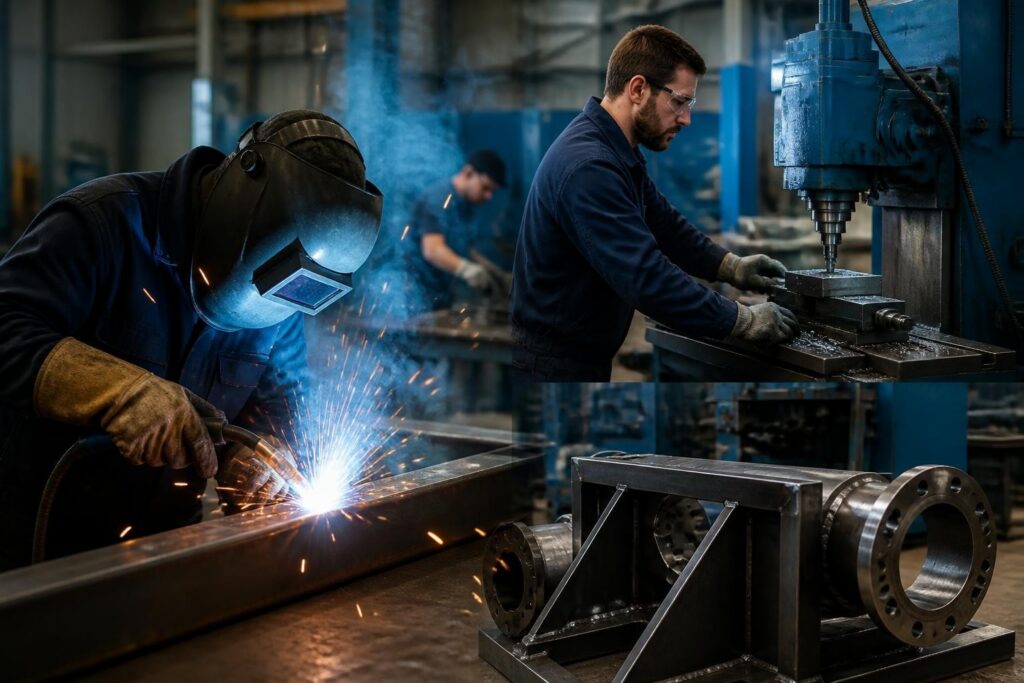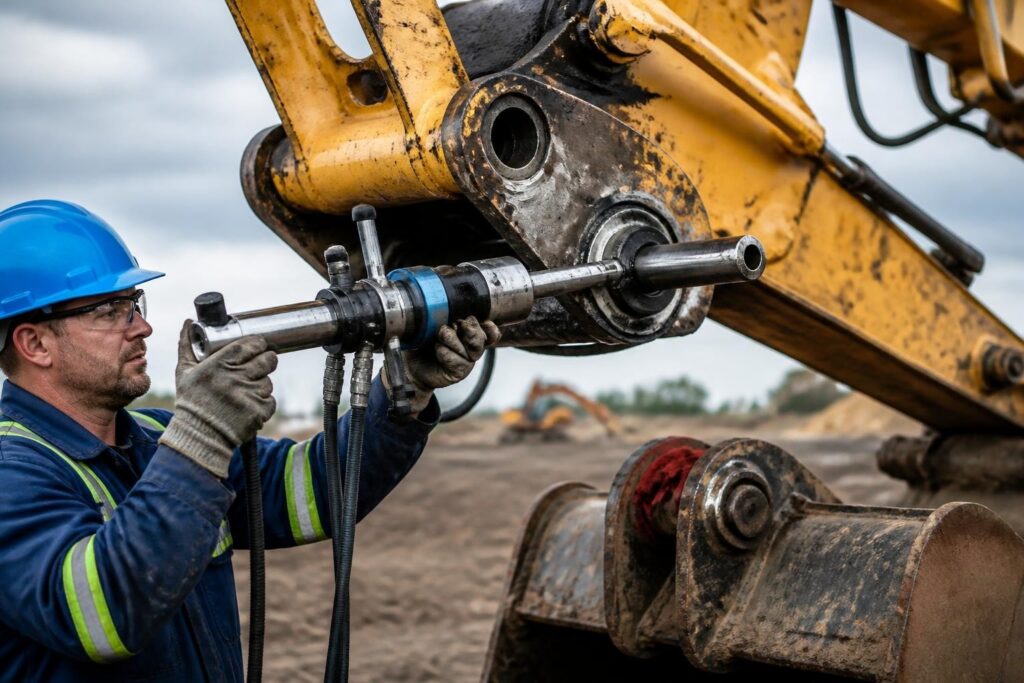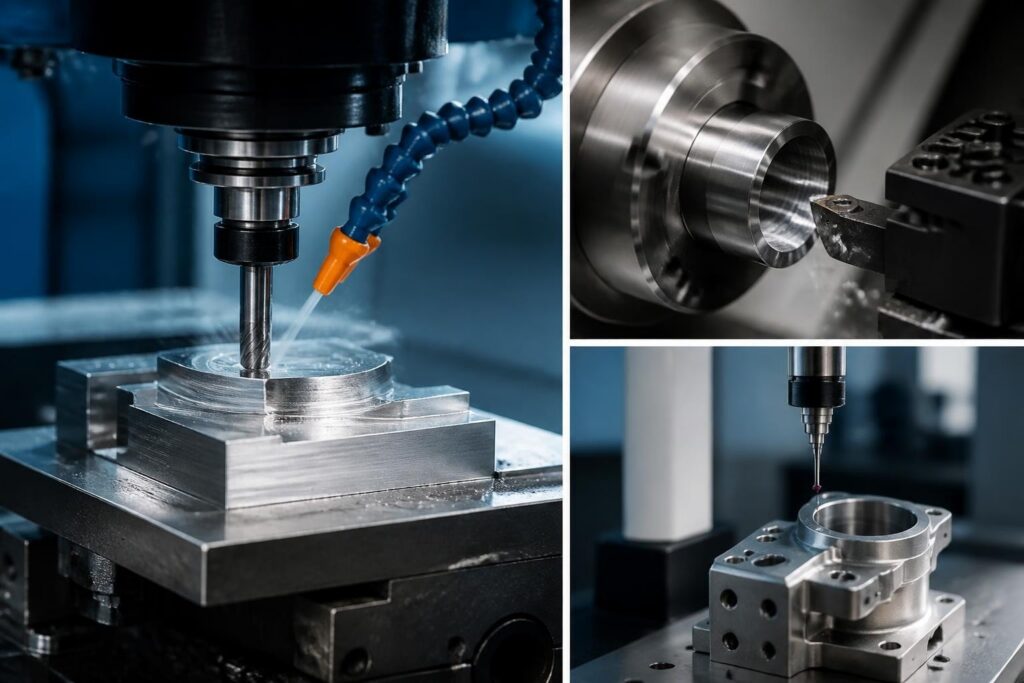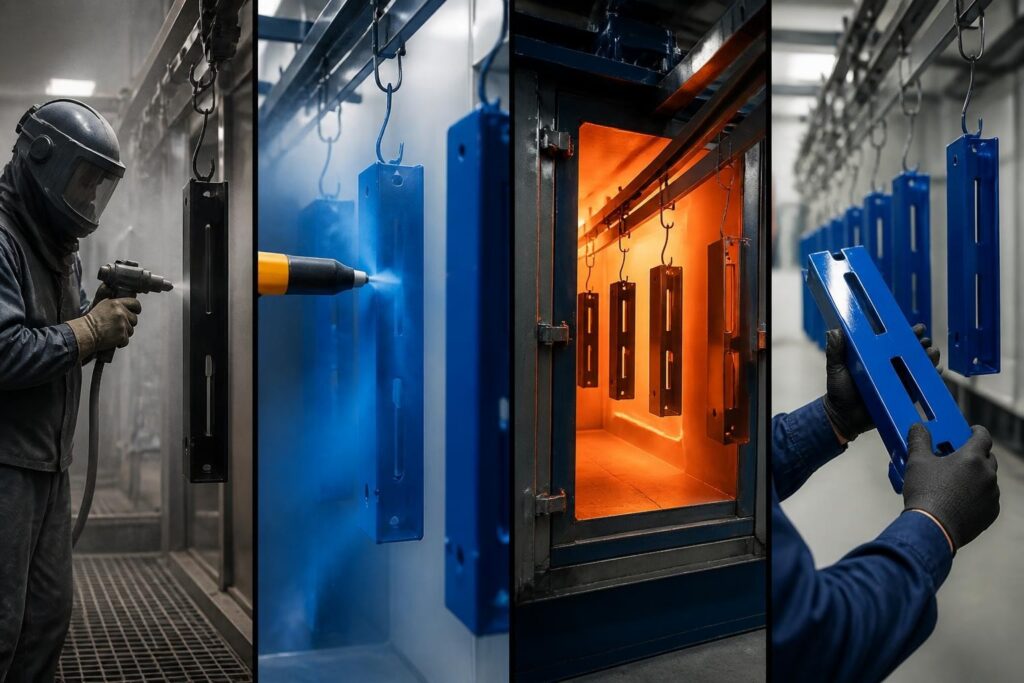
Comprehensive guide to welding industrial processes, safety standards, equipment, and trends. Expert insights for manufacturing sectors.
Emerging Technologies in Industrial Services
As the industrial sector evolves, emerging technologies play a crucial role in enhancing efficiency and productivity. Innovations such as automation, artificial intelligence, and IoT (Internet of Things) are shaping the future of industrial services, allowing businesses to optimize operations and reduce costs.
For instance, AI-driven predictive maintenance can significantly minimize downtime by anticipating equipment failures before they occur. Similarly, IoT-enabled devices provide real-time monitoring of machinery, ensuring that performance metrics are continuously analyzed to improve operational efficiency.
Sustainability Practices in Industrial Services
Sustainability is becoming increasingly important in the industrial sector, with companies adopting practices that reduce their environmental impact. This includes the use of eco-friendly materials, waste reduction strategies, and energy-efficient processes that not only benefit the environment but also enhance operational efficiency.
For example, many industrial services are now implementing recycling programs for scrap materials and investing in renewable energy sources to power their operations. These sustainable practices not only help in compliance with regulations but also appeal to environmentally conscious clients, improving overall brand reputation.
Safety Standards and Regulations in Industrial Operations
Safety is paramount in the industrial sector, with strict regulations governing operations to protect workers and the environment. Understanding and adhering to these safety standards is essential for any business involved in industrial services, as non-compliance can lead to severe penalties and operational disruptions.
Organizations such as OSHA (Occupational Safety and Health Administration) set forth guidelines that must be followed. Regular training and audits are crucial to ensure that all employees are aware of safety protocols, which can significantly reduce the risk of accidents and enhance workplace safety.
Cost Management Strategies in Industrial Services
Effective cost management is vital for the sustainability and growth of industrial services. Companies must implement strategies that help control expenses while maintaining high-quality standards in their operations. This involves analyzing operational costs and identifying areas where efficiencies can be gained.
For example, adopting lean manufacturing principles can streamline processes and eliminate waste, leading to significant cost savings. Additionally, investing in employee training can enhance productivity, further reducing operational costs in the long run.
Emerging Technologies in Industrial Services
As the industrial sector evolves, emerging technologies play a crucial role in enhancing efficiency and productivity. Innovations such as automation, artificial intelligence, and IoT (Internet of Things) are shaping the future of industrial services, allowing businesses to optimize operations and reduce costs.
For instance, AI-driven predictive maintenance can significantly minimize downtime by anticipating equipment failures before they occur. Similarly, IoT-enabled devices provide real-time monitoring of machinery, ensuring that performance metrics are continuously analyzed to improve operational efficiency.
Sustainability Practices in Industrial Services
Sustainability is becoming increasingly important in the industrial sector, with companies adopting practices that reduce their environmental impact. This includes the use of eco-friendly materials, waste reduction strategies, and energy-efficient processes that not only benefit the environment but also enhance operational efficiency.
For example, many industrial services are now implementing recycling programs for scrap materials and investing in renewable energy sources to power their operations. These sustainable practices not only help in compliance with regulations but also appeal to environmentally conscious clients, improving overall brand reputation.
Safety Standards and Regulations in Industrial Operations
Safety is paramount in the industrial sector, with strict regulations governing operations to protect workers and the environment. Understanding and adhering to these safety standards is essential for any business involved in industrial services, as non-compliance can lead to severe penalties and operational disruptions.
Organizations such as OSHA (Occupational Safety and Health Administration) set forth guidelines that must be followed. Regular training and audits are crucial to ensure that all employees are aware of safety protocols, which can significantly reduce the risk of accidents and enhance workplace safety.
Cost Management Strategies in Industrial Services
Effective cost management is vital for the sustainability and growth of industrial services. Companies must implement strategies that help control expenses while maintaining high-quality standards in their operations. This involves analyzing operational costs and identifying areas where efficiencies can be gained.
For example, adopting lean manufacturing principles can streamline processes and eliminate waste, leading to significant cost savings. Additionally, investing in employee training can enhance productivity, further reducing operational costs in the long run.