Modern manufacturing demands precision, versatility, and efficiency across diverse materials and applications. Waterjet cutting services have emerged as a critical solution for industrial operations requiring tight tolerances without heat-affected zones or material distortion. This technology uses ultra-high-pressure water-often combined with abrasive particles-to cut through metals, composites, stone, and other materials with exceptional accuracy. For manufacturers in the Western United States working across recycling, aggregate, and oil & gas sectors, understanding the capabilities and applications of waterjet cutting services can unlock new possibilities for fabrication and production.
Understanding Waterjet Cutting Technology
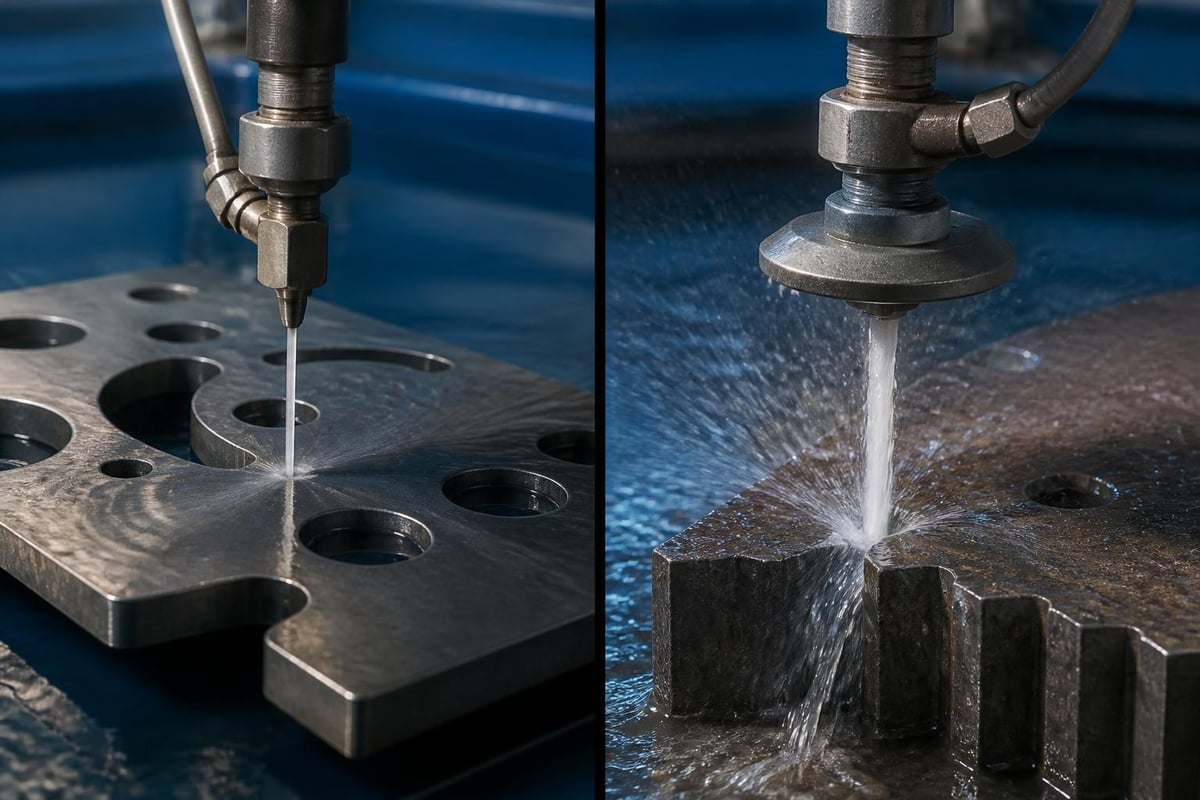
Waterjet cutting operates on a straightforward principle: water pressurized to extreme levels (typically 50,000 to 90,000 PSI) is forced through a small orifice, creating a high-velocity stream capable of cutting through virtually any material. The process exists in two primary forms: pure waterjet cutting and abrasive waterjet cutting.
Pure waterjet systems use only pressurized water and work best for softer materials such as foam, rubber, gaskets, and food products. The stream remains narrow and precise, making it ideal for applications requiring clean cuts without contamination.
Abrasive waterjet cutting incorporates fine particles-most commonly garnet-into the water stream, dramatically increasing cutting power. This enhancement allows the system to slice through hardened steel, titanium, aluminum, composites, ceramics, and stone. Recent research on waterjet cutting demonstrates ongoing advancements in precision applications and digital-twin approaches that improve accuracy and repeatability.
Key Components and Operating Parameters
The effectiveness of waterjet cutting services depends on several integrated components working in harmony:
- High-pressure pump: Generates the necessary pressure, typically using intensifier or direct-drive technology
- Cutting head: Houses the orifice and mixing chamber where water and abrasive combine
- Abrasive delivery system: Meters and feeds garnet or other abrasive materials at controlled rates
- CNC motion system: Provides precise positioning and path control for complex geometries
- Catcher tank: Contains the spent stream and collects cut materials and slurry
Operators adjust multiple parameters to optimize cutting performance for specific materials and thicknesses. Water pressure, abrasive flow rate, cutting speed, and standoff distance all influence edge quality, kerf width, and production throughput. Experienced technicians balance these variables to achieve the required tolerances while maximizing efficiency.
Material Capabilities and Applications
One of the most compelling advantages of waterjet cutting services is their remarkable material versatility. Unlike thermal cutting methods that rely on oxidation or melting, waterjet technology uses mechanical erosion that works regardless of material hardness, thermal conductivity, or chemical composition.
| Material Category | Thickness Range | Common Applications |
|---|---|---|
| Carbon Steel | Up to 12 inches | Structural components, machine parts, brackets |
| Stainless Steel | Up to 8 inches | Food processing equipment, chemical tanks, architectural |
| Aluminum | Up to 10 inches | Aerospace components, transport equipment, signage |
| Titanium | Up to 6 inches | Medical devices, aerospace, high-performance applications |
| Composites | Up to 4 inches | Aerospace panels, sporting goods, automotive parts |
| Stone/Tile | Up to 8 inches | Architectural features, countertops, decorative elements |
For industrial and manufacturing operations, this versatility translates to consolidated processing capabilities. Rather than maintaining separate equipment for different materials, waterjet cutting services can handle diverse cutting requirements with a single technology platform.
Cold Cutting Benefits
The absence of heat-affected zones represents a critical advantage for many applications. Traditional thermal cutting methods-including plasma, laser, and oxy-fuel-introduce significant heat into the workpiece, potentially causing:
- Metallurgical changes and hardening at cut edges
- Thermal distortion requiring secondary straightening operations
- Residual stresses that compromise dimensional stability
- Material property degradation in heat-sensitive alloys
Waterjet cutting eliminates these concerns entirely. The process remains cold throughout, preserving original material properties and eliminating post-cut heat treatment. This characteristic proves especially valuable for precision machining and fabrication projects where dimensional accuracy and material integrity are paramount.
Precision and Tolerance Considerations
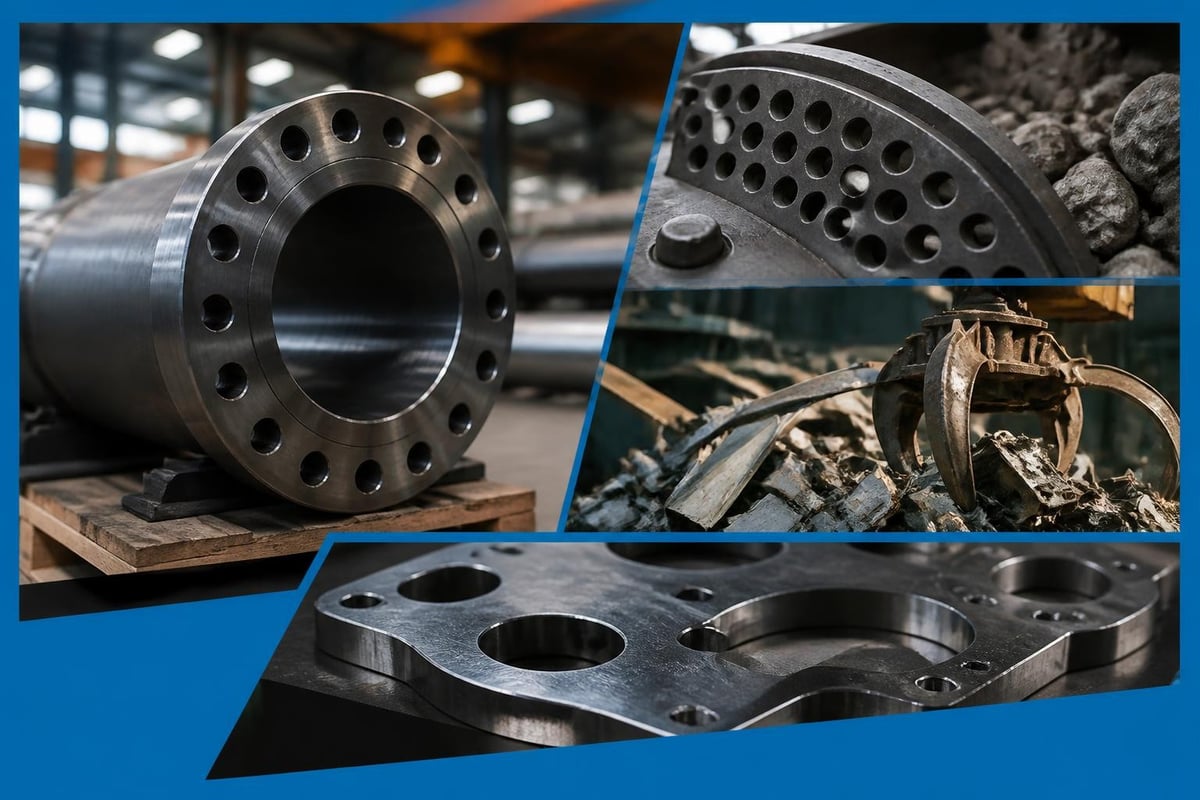
Waterjet cutting services deliver impressive accuracy, with modern systems routinely achieving tolerances of ±0.003 to ±0.005 inches on properly configured equipment. However, several factors influence the final precision of cut parts.
The taper phenomenon deserves particular attention. As the abrasive waterjet stream passes through material, it gradually loses energy, resulting in a slightly wider kerf at the entry surface compared to the exit surface. Typical taper amounts to approximately 0.5 to 1.5 degrees for standard cutting operations.
Taper Compensation Techniques
Advanced waterjet cutting services employ multiple strategies to minimize or eliminate taper:
- Tilt compensation: The cutting head tilts slightly during cutting to maintain perpendicular stream alignment relative to the actual kerf angle
- Multipass cutting: Rough passes remove bulk material, followed by precision finish passes at reduced speeds
- Dynamic waterjet technology: Real-time adjustment of cutting parameters based on material feedback and position
- Path optimization: Software compensation that adjusts tool paths to account for predicted taper based on material and thickness
For critical applications requiring true perpendicularity, these techniques can reduce taper to negligible levels. The NIST white paper on waterjet technology provides additional technical background on advancements improving cutting precision and versatility.
Safety and Environmental Considerations
Operating waterjet cutting equipment safely requires comprehensive training and adherence to established protocols. The extreme pressures involved present serious hazards, and proper procedures protect both operators and equipment.
The WJTA safety resources provide industry-standard guidance covering operator training, recommended practices, and incident reporting. Key safety considerations include:
- Pressure isolation: Proper lockout/tagout procedures before maintenance or nozzle changes
- Personal protective equipment: Eye protection, hearing protection, and appropriate clothing
- Splash zone management: Barriers and guards to contain deflected water and abrasive particles
- Emergency shutdown: Accessible controls and clear procedures for rapid system depressurization
- Regular inspection: Scheduled maintenance of high-pressure components and safety systems
Environmental Management
Professional waterjet cutting services implement responsible practices for managing consumables and waste streams. Spent abrasive garnet mixed with cut material particles creates a slurry requiring proper handling and disposal.
Sustainable abrasive disposal and recycling programs help minimize environmental impact while potentially reducing operating costs. Some operations implement closed-loop systems that separate, clean, and reuse abrasive materials for multiple cutting cycles.
Water consumption and treatment also factor into environmental planning. While waterjet cutting uses significantly less water than might be expected-typically 0.5 to 1 gallon per minute-operations must address water quality management, filtration, and discharge requirements. The EPA guidance on wet abrasive operations provides authoritative information on emissions and waste management considerations.
Integration with Fabrication Workflows
Waterjet cutting services rarely operate in isolation. Instead, they integrate seamlessly with broader fabrication and manufacturing workflows, complementing other processes to deliver complete solutions.
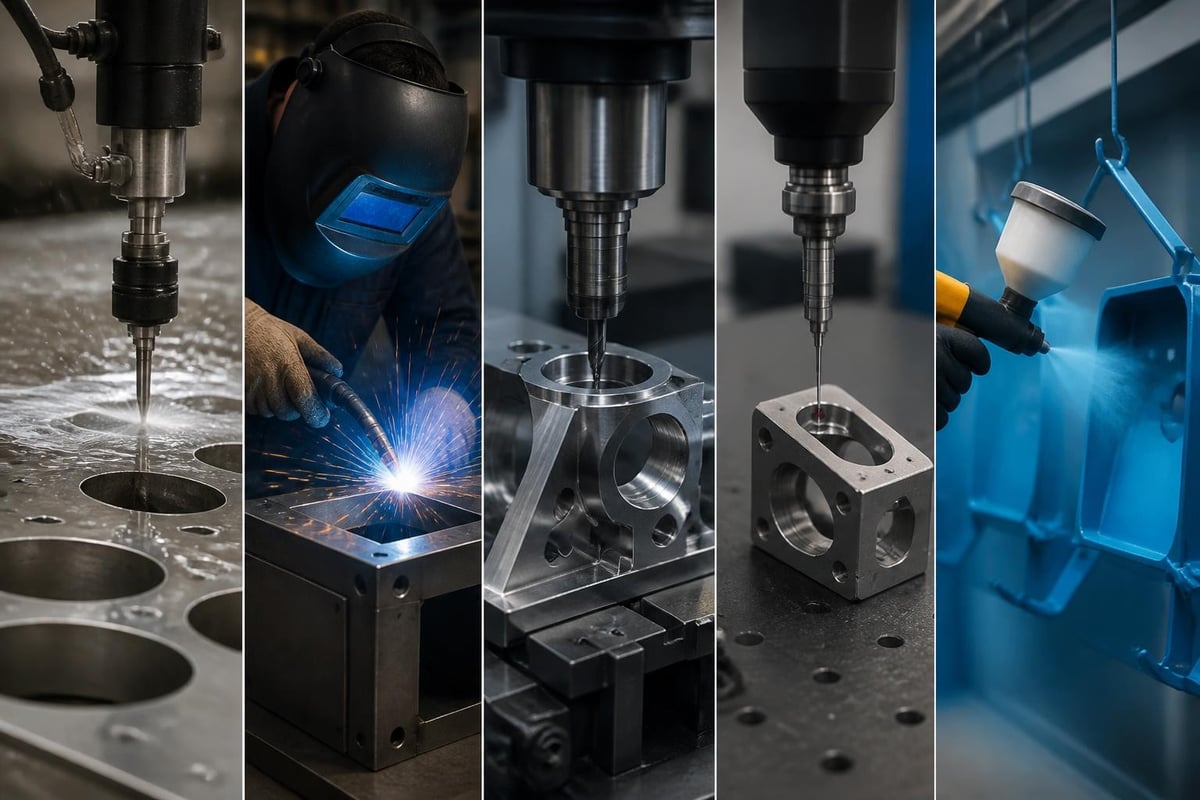
For custom fabrication projects, waterjet cutting often serves as the initial operation, producing precisely dimensioned blanks and components that flow to downstream processes:
- Welding and assembly: Cut parts become structural elements in larger assemblies
- Machining: Waterjet-cut blanks receive additional precision features through milling, drilling, or turning
- Forming and bending: Flat patterns cut by waterjet undergo press brake operations for three-dimensional shapes
- Surface finishing: Cut components receive coating, painting, or other protective treatments
This integration delivers significant efficiency advantages. Parts arrive at subsequent operations with accurate dimensions and clean edges, minimizing setup time and reducing material waste. For complex projects requiring multiple processes, coordinating waterjet cutting services with welding and fabrication capabilities streamlines production and improves overall quality.
Industry-Specific Applications
Different industrial sectors leverage waterjet cutting services to address unique challenges and requirements. Understanding these specialized applications helps manufacturers identify opportunities within their own operations.
Oil and Gas Manufacturing
The oil and gas industry demands components that withstand extreme pressures, temperatures, and corrosive environments. Waterjet cutting services support this sector by processing:
- Specialty alloys including Inconel, Hastelloy, and duplex stainless steels
- Thick-section flanges and pressure vessel components
- Intricate gasket profiles from compressed fiber sheets
- Custom brackets and mounting hardware for field installations
For custom skid fabrication projects, waterjet cutting produces the precise components needed for pump skids, separation equipment, and process control assemblies.
Aggregate and Recycling Equipment
Aggregate processing and recycling operations subject equipment to continuous abrasion and impact. Replacement parts must withstand these harsh conditions while maintaining precise fitment. Waterjet cutting services excel at producing:
- Wear-resistant liner plates from AR400 and AR500 steel
- Screen deck components with complex perforation patterns
- Structural reinforcements for conveyor systems and chutes
- Custom guards and safety components
The ability to cut abrasion-resistant materials without inducing brittleness through heat input proves especially valuable for these demanding applications.
General Manufacturing and Prototyping
Manufacturers across diverse sectors utilize waterjet cutting services for rapid prototyping and low-volume production. The technology's flexibility supports:
- Quick-turn prototype development without tooling investment
- Small-batch production runs with economical setup costs
- Design iteration and optimization through rapid sample generation
- Complex geometries that challenge conventional cutting methods
Comparing Waterjet to Alternative Cutting Technologies
Selecting the optimal cutting method requires understanding the strengths and limitations of available technologies. Each approach offers distinct advantages depending on material, thickness, volume, and precision requirements.
| Technology | Material Range | Thickness Limit | Edge Quality | Heat Input | Operating Cost |
|---|---|---|---|---|---|
| Waterjet | Universal | 12"+ | Excellent | None | Medium-High |
| Plasma | Conductive metals | 2-3" | Good | High | Low-Medium |
| Laser | Metals, some non-metals | 1-1.5" | Excellent | Medium | Medium-High |
| Oxy-Fuel | Ferrous metals | 12"+ | Fair | Very High | Low |
| Bandsaw | Most solid materials | Varies | Good | None | Low |
For precision CNC cutting applications, the choice between waterjet, plasma, and laser technologies depends on specific project requirements. Waterjet cutting services provide unmatched versatility and preserve material properties, while plasma offers faster cutting speeds for conductive materials within its thickness range.
Laser cutting delivers excellent edge quality on thin to medium materials but struggles with reflective metals and very thick sections. The complete absence of heat-affected zones makes waterjet cutting the preferred choice for materials sensitive to thermal input or projects requiring welded assemblies where stress relief is critical.
Selecting a Waterjet Cutting Service Provider
Partnering with the right waterjet cutting service provider significantly impacts project success. Beyond basic cutting capabilities, several factors distinguish exceptional service providers from adequate ones.
Technical Capabilities and Equipment
Modern waterjet cutting services should feature:
- Current-generation equipment: Systems with advanced motion control and cutting head technology
- Sufficient table size: Capacity to accommodate your typical workpiece dimensions
- Multiple cutting heads: Parallel processing capability for production efficiency
- 3D/5-axis cutting: For complex geometries and beveled edges when required
Equipment age and maintenance status directly influence cutting precision and reliability. Providers committed to technological advancement typically invest in regular equipment upgrades and implement preventive maintenance schedules.
Material Expertise and Process Knowledge
Cutting different materials optimally requires specialized knowledge. Experienced waterjet cutting services understand:
- Appropriate parameter settings for various material types and thicknesses
- Fixturing requirements to prevent movement during cutting operations
- Nesting strategies that maximize material utilization and minimize waste
- Edge finish expectations and techniques to achieve required surface quality
For specialized materials or challenging applications, providers with documented experience in your specific requirements deliver superior results and fewer complications.
Quality Systems and Certifications
Professional waterjet cutting services maintain formal quality management systems that ensure consistent results. Look for providers offering:
- ISO 9001 or similar quality certifications
- First article inspection and dimensional verification protocols
- Material traceability and documentation
- Non-conformance reporting and corrective action processes
These systems provide confidence that your parts will meet specifications consistently across production runs.
Cost Factors and Optimization Strategies
Understanding the cost structure of waterjet cutting services enables better project planning and budgeting. Several variables influence pricing, and strategic decisions can optimize costs without compromising quality.
Primary cost drivers include:
- Material type and thickness: Harder materials and greater thicknesses require slower cutting speeds and increased abrasive consumption
- Cutting complexity: Intricate geometries with frequent direction changes and tight radii extend cutting time
- Edge quality requirements: Superior surface finishes demand reduced cutting speeds and potentially multiple passes
- Setup and programming: First-time jobs incur engineering time for path development and fixturing
- Material utilization: Efficient nesting reduces waste and lowers overall material costs
Optimization Approaches
Manufacturers can reduce waterjet cutting costs through several practical strategies:
- Batch similar parts: Grouping identical or similar components minimizes setup repetition
- Relax tolerances where possible: Specify tight tolerances only where functionally necessary
- Simplify geometries: Eliminate unnecessary complexity that doesn't add functional value
- Provide complete specifications: Clear drawings and requirements prevent costly revisions
- Consider alternative materials: Sometimes equivalent materials cut more efficiently
For ongoing production requirements, discussing cost optimization opportunities with your waterjet cutting service provider often identifies improvements that benefit both parties.
Field Applications and Mobile Capabilities
While waterjet cutting services traditionally operate in shop environments, specialized applications require mobile capabilities. Field fabrication and on-site work sometimes demand cutting operations at project locations rather than in a controlled facility.
Portable waterjet systems enable:
- Infrastructure maintenance: Concrete removal and surface preparation for bridge and roadway repairs, as detailed in hydrodemolition best practices
- Plant shutdowns: On-site cutting during maintenance windows when equipment cannot be transported
- Emergency repairs: Rapid response for critical component fabrication at failure locations
- Large structure work: Cutting operations on assemblies too large for transport
The trade-offs between shop and field waterjet cutting services include reduced precision tolerance, limited material handling capabilities, and increased hourly costs. However, for applications where mobilization is necessary, these portable systems provide invaluable flexibility.
Future Developments and Technology Trends
Waterjet cutting services continue evolving through technological advancement and process innovation. Several emerging trends promise to expand capabilities and improve performance in coming years.
Automation and robotic integration increasingly appear in waterjet cutting operations. Robotic material handling systems load raw materials, remove finished parts, and manage waste streams with minimal human intervention. This automation improves consistency, increases throughput, and reduces labor costs for high-volume production.
Software advancements enhance both programming efficiency and cutting quality. Modern CAD/CAM systems optimize tool paths automatically, predict taper and other deviations, and compensate in real-time based on sensor feedback. Machine learning algorithms analyze cutting results and adjust parameters to improve outcomes continuously.
Micro and meso-scale waterjet machining extends the technology into precision applications previously dominated by other processes. Nozzle diameters below 0.010 inches enable cutting features measured in hundreds of microns, opening opportunities in medical devices, electronics manufacturing, and precision instrumentation.
Hybrid systems combine waterjet cutting with complementary technologies on unified platforms. Integration with laser engraving, milling heads, or measurement systems creates versatile manufacturing cells capable of complete part processing without repositioning or transfer between machines.
Maintenance Requirements and Service Life
Professional waterjet cutting services maintain equipment rigorously to ensure consistent performance and prevent unexpected downtime. Understanding maintenance requirements helps both service providers and clients appreciate the complexities of reliable operation.
Consumable components require regular replacement:
- Orifices typically last 80-120 hours depending on pressure and abrasive quality
- Mixing tubes wear over 20-80 hours based on abrasive type and flow rates
- Seals and check valves in high-pressure systems need replacement every 500-1000 hours
- Abrasive delivery components experience wear requiring periodic servicing
Beyond consumables, preventive maintenance schedules address critical systems:
- High-pressure pump inspection and seal replacement
- Hydraulic system fluid analysis and filter changes
- Motion system calibration and accuracy verification
- Water filtration and treatment system maintenance
- Control system software updates and backup procedures
Providers committed to industrial equipment reliability implement comprehensive maintenance programs that minimize unplanned downtime and extend equipment service life. These practices ensure cutting quality remains consistent across projects and production runs.
Material Preparation and Post-Cutting Processes
Successful waterjet cutting services begin before the stream contacts material and continue after the cut completes. Proper material preparation and post-cutting processes significantly impact final part quality and dimensional accuracy.
Pre-Cutting Considerations
Material condition and setup influence cutting results:
- Surface cleanliness: Oil, scale, or corrosion should be removed to prevent contamination and ensure consistent cutting
- Material flatness: Warped or bowed materials require flattening or specialized fixturing to maintain standoff distance
- Edge condition: Mill scale and burrs on material edges can affect nesting efficiency and part quality
- Proper identification: Verifying material grade and specification prevents costly errors
Post-Cutting Operations
While waterjet cutting produces excellent edge quality, some applications benefit from additional processing:
- Deburring: Minimal burrs occasionally form on exit surfaces, removable through light hand finishing
- Edge breaking: Sharp corners receive chamfering or radius for safe handling and assembly
- Surface preparation: Additional cleaning removes residual abrasive and prepares surfaces for coating
- Dimensional inspection: Verification ensures parts meet specified tolerances before downstream operations
Coordinating these ancillary processes with waterjet cutting services streamlines project flow and delivers finished components ready for immediate use or assembly.
Waterjet cutting services provide versatile, precise, and efficient solutions for diverse manufacturing challenges across materials and applications. By understanding the technology's capabilities, limitations, and integration opportunities, manufacturers can leverage this powerful process to improve productivity and part quality. Whether you require precision components for oil and gas equipment, custom parts for aggregate processing systems, or specialized fabrication for industrial applications, LTJ Industrial Services delivers comprehensive waterjet cutting, welding, and machining capabilities backed by decades of experience serving the Western United States manufacturing sector.