Manufacturing operations depend on reliable equipment to maintain productivity and meet production targets. When machinery fails or performance degrades, businesses face costly downtime, missed deadlines, and reduced profitability. Industrial equipment repair encompasses the specialized knowledge, techniques, and processes required to restore machinery to optimal working condition while extending service life and preventing future failures.
Understanding Industrial Equipment Repair Fundamentals
Industrial equipment repair involves far more than simply fixing broken machinery. It requires comprehensive understanding of mechanical systems, electrical components, hydraulic circuits, and control systems that work together in complex manufacturing environments. Repair technicians must diagnose root causes rather than addressing symptoms, ensuring that repairs deliver lasting solutions.
The scope of equipment requiring regular maintenance and repair spans diverse machinery types. Conveyor systems, hydraulic presses, CNC machines, welding equipment, compressors, pumps, and material handling equipment all demand specialized repair approaches. Each category presents unique challenges related to component wear patterns, operating environments, and failure modes.
Critical Components in Repair Planning
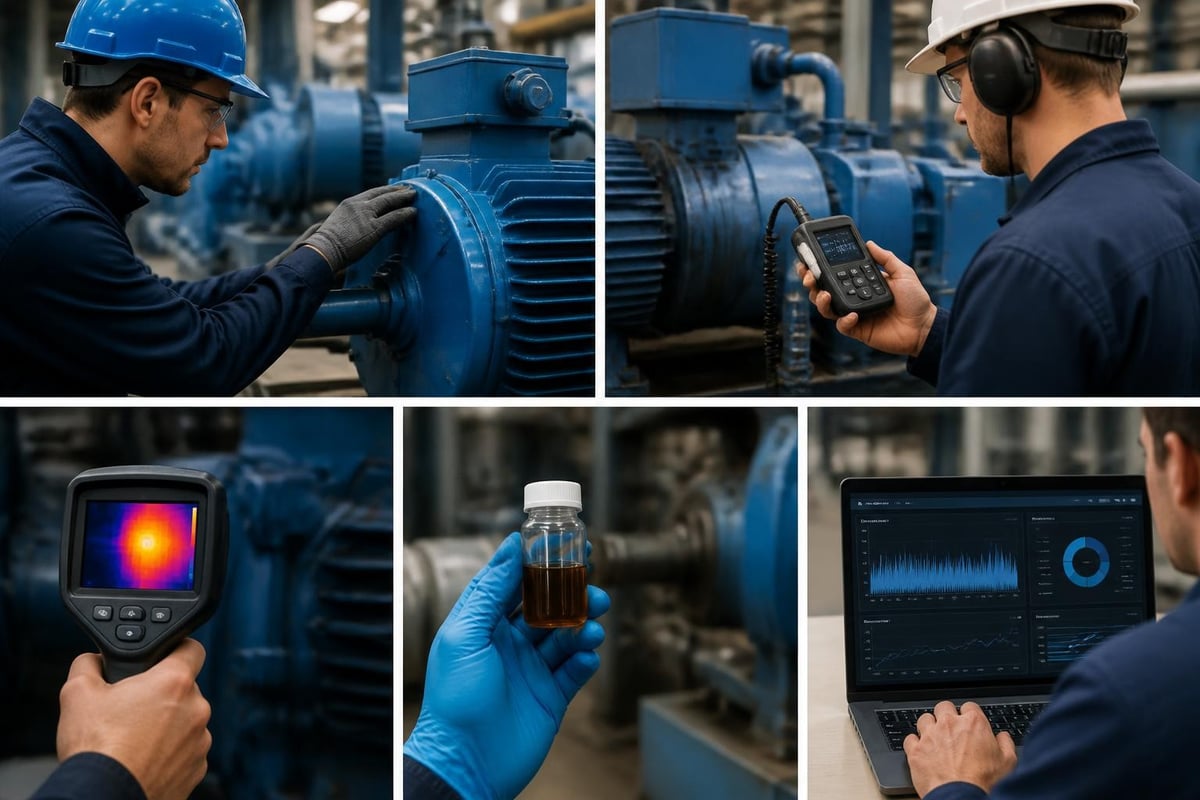
Effective repair planning begins with accurate diagnostics. Technicians rely on multiple assessment methods to identify equipment issues:
- Visual inspection to detect wear, corrosion, leaks, and damage
- Vibration analysis for bearing failures and alignment issues
- Thermal imaging to identify hot spots and electrical problems
- Oil analysis revealing contamination and component wear
- Ultrasonic testing for detecting leaks and structural flaws
Modern diagnostic approaches increasingly incorporate predictive maintenance technologies using IoT sensors and machine learning to identify potential failures before they occur. These systems monitor equipment conditions continuously, providing early warning of developing problems.
Preventive Maintenance Versus Reactive Repair
The traditional approach to industrial equipment repair focused primarily on reactive responses when machinery failed. This strategy minimizes upfront maintenance costs but leads to unpredictable downtime, emergency repair expenses, and shortened equipment lifespan. Manufacturing operations in 2026 increasingly recognize that reactive maintenance represents the most expensive long-term strategy.
Preventive maintenance programs shift the focus from fixing failures to preventing them. Scheduled inspections, lubrication, adjustment, and component replacement occur at predetermined intervals based on manufacturer recommendations and operating conditions. This approach reduces unexpected failures by addressing wear before it causes breakdowns.
The Baker Hughes guide to asset strategy management provides comprehensive frameworks for balancing preventive and predictive strategies. Organizations implementing structured maintenance programs report significant reductions in unplanned downtime and total maintenance costs.
| Maintenance Approach | Timing | Cost Pattern | Downtime Impact |
|---|---|---|---|
| Reactive | After failure | High per incident | Unplanned, disruptive |
| Preventive | Scheduled intervals | Moderate, predictable | Planned, minimal |
| Predictive | Condition-based | Optimized spending | Avoided failures |
| Proactive | Root cause elimination | Investment in reliability | Systematic reduction |
Businesses throughout the Western United States manufacturing sector benefit from partnering with experienced providers who deliver both shop and field welding services alongside comprehensive repair capabilities.
Essential Repair Techniques for Common Equipment
Different equipment categories require specialized repair approaches. Understanding these techniques helps maintenance teams prepare appropriate resources and set realistic timelines for restoration work.
Welding and Metal Repair
Structural components, frames, and housings frequently develop cracks, breaks, and wear-related damage. Professional welding repair restores structural integrity while maintaining dimensional accuracy. Specialized techniques include:
- Crack repair welding using appropriate filler materials and heat control
- Buildup welding to restore worn surfaces on shafts and bearing seats
- Overlay welding applying wear-resistant materials to high-impact zones
- Cast iron repair requiring specific preheating and controlled cooling
Quality welders bring essential expertise to structural repairs, ensuring that welds meet strength requirements and maintain equipment safety standards. The selection of welding processes, filler materials, and heat treatment protocols directly impacts repair longevity.
Machining Services for Precision Components
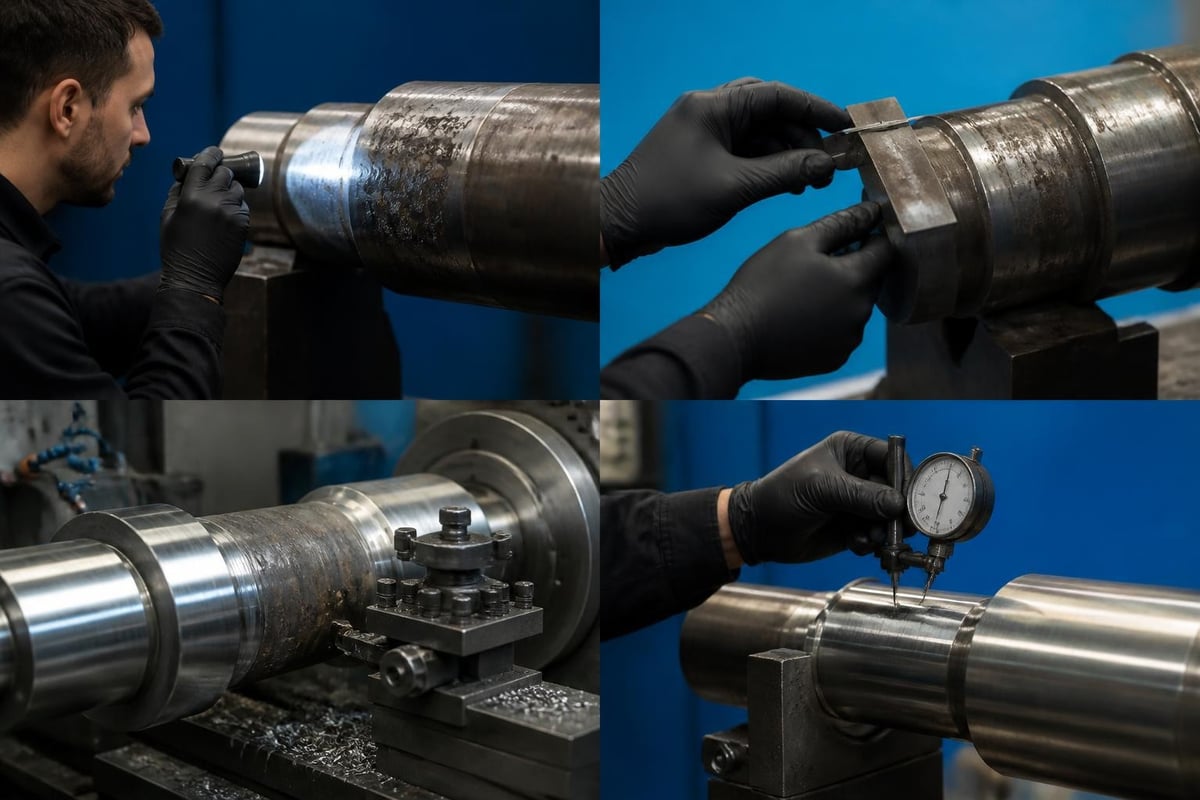
Rotating equipment relies on precisely machined components operating within tight tolerances. Wear, corrosion, and impact damage degrade these surfaces over time. Machining services restore dimensional accuracy:
Shaft turning removes damaged material and restores bearing surfaces to specification. Boring operations repair cylinder bores, bearing housings, and mounting holes. Milling restores flat surfaces and keyways. Threading repairs damaged bolt holes and threaded connections.
Companies specializing in industrial fabrication typically maintain comprehensive machining capabilities to support repair operations. This integration enables complete restoration without outsourcing critical precision work.
Hydraulic System Restoration
Hydraulic equipment powers essential functions across manufacturing operations. System failures typically result from contamination, seal degradation, or component wear. Repair procedures address multiple system elements:
Cylinder repair involves disassembly, inspection, honing, seal replacement, and testing. Contamination control during reassembly prevents premature failure. Pump and motor rebuilding requires specialized knowledge of internal clearances, timing, and porting configurations.
The SKF lubrication management guide provides authoritative guidance on preventing hydraulic system contamination through proper fluid handling, filtration, and storage practices. Following these protocols dramatically extends component life between repair cycles.
Safety Protocols for Equipment Repair Operations
Industrial equipment repair presents significant safety hazards requiring comprehensive control measures. Rotating components, stored energy, electrical systems, and heavy parts create multiple injury risks. Professional repair operations implement strict safety protocols aligned with OSHA hazard prevention guidance.
Lockout/tagout procedures prevent unexpected equipment startup during maintenance. Energy isolation includes electrical disconnection, pneumatic depressurization, hydraulic system drainage, and mechanical blocking. Each energy source requires verification before work begins.
Machine guarding considerations extend beyond operation into repair activities. The OSHA Machine Guarding eTool provides essential guidance for maintaining safety during equipment access, component removal, and testing procedures.
Personal Protective Equipment Requirements
Repair work environments demand appropriate PPE selection based on specific hazards:
- Safety glasses with side shields for all repair work
- Face shields during grinding, cutting, or welding operations
- Hearing protection in high-noise environments
- Cut-resistant gloves when handling sharp components
- Steel-toed boots for protection against falling parts
- Welding helmets with proper lens shading
- Respirators for confined spaces or hazardous atmospheres
Training programs ensure that technicians understand hazard recognition, control measures, and emergency procedures. Regular safety audits verify protocol compliance and identify improvement opportunities.
Advanced Diagnostic and Monitoring Technologies
The evolution of industrial equipment repair increasingly relies on sophisticated diagnostic technologies. These tools enable technicians to identify problems that visual inspection alone cannot detect, improving repair accuracy and preventing misdiagnosis.
Vibration analysis instruments detect bearing defects, imbalance, misalignment, and resonance issues through frequency spectrum analysis. Technicians compare current readings against baseline data to identify developing problems. Trending analysis reveals deterioration rates, supporting planned intervention before failure occurs.
Thermal imaging cameras identify electrical connection problems, motor winding faults, bearing failures, and insulation deficiencies. Temperature differentials indicate abnormal operating conditions requiring investigation. Documentation of thermal patterns supports predictive maintenance programs.
The NIST program on monitoring, diagnostics, and prognostics advances measurement science and standards supporting these technologies. Adoption of research-based approaches improves diagnostic reliability across manufacturing sectors.
| Diagnostic Technology | Primary Applications | Detection Capabilities | Investment Level |
|---|---|---|---|
| Vibration Analysis | Rotating equipment | Bearings, alignment, balance | Moderate |
| Thermal Imaging | Electrical, mechanical | Hot spots, insulation, friction | Moderate |
| Ultrasonic Testing | Leaks, structure | Air leaks, steam traps, cracks | Low to moderate |
| Oil Analysis | Hydraulics, gearboxes | Contamination, wear metals | Low |
| Motor Circuit Analysis | Electric motors | Winding faults, rotor issues | High |
Nondestructive Testing in Equipment Inspection
Comprehensive repair programs incorporate nondestructive testing methods to assess component integrity without causing damage. These techniques reveal internal defects, material degradation, and structural flaws that could lead to catastrophic failures if undetected.
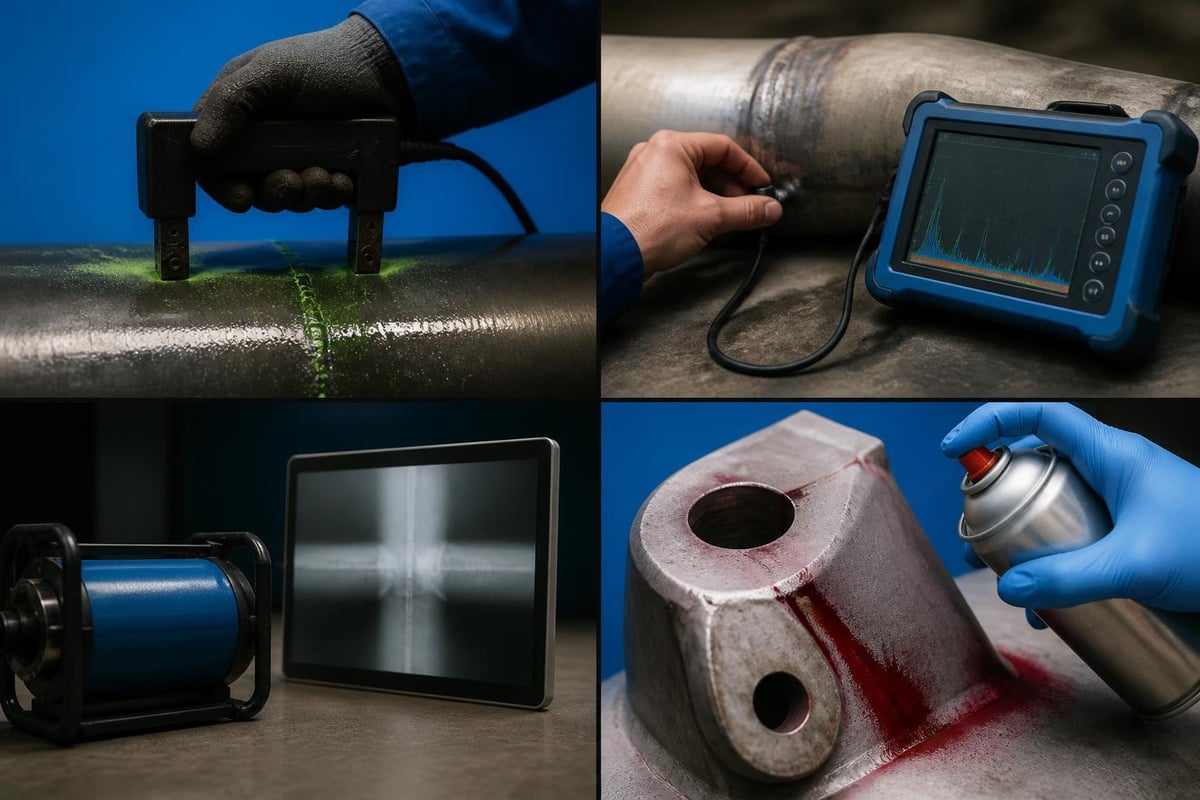
Magnetic particle inspection detects surface and near-surface cracks in ferromagnetic materials. This method proves particularly valuable for inspecting welds, castings, and forgings in structural components. Liquid penetrant testing identifies surface-breaking defects in non-magnetic materials, including stainless steel, aluminum, and titanium components.
Ultrasonic testing uses high-frequency sound waves to detect internal flaws, measure material thickness, and verify bond integrity. Radiographic testing provides permanent images of internal structures, revealing porosity, inclusions, and incomplete fusion in welded joints.
The American Society for Nondestructive Testing standards establish qualification requirements and testing procedures ensuring consistent, reliable results. Certified NDT technicians bring specialized expertise to critical inspection tasks.
Component Replacement Versus Repair Decision Making
Every repair scenario requires evaluation of whether component replacement or restoration represents the optimal solution. This decision impacts repair costs, equipment reliability, and long-term maintenance expenses. Several factors influence the analysis:
Cost comparison examines immediate repair expenses versus replacement costs, including labor, materials, and downtime. Simple cost analysis proves insufficient without considering reliability and expected service life. A lower-cost repair delivering short service life may cost more than replacement when repeated repair cycles are considered.
Availability considerations affect decision timing. Critical components with long lead times may require repair even when replacement would otherwise be preferred. Conversely, readily available replacement parts may justify replacement over complex repair procedures.
Technology obsolescence influences replacement decisions when newer equipment offers significant performance improvements, energy efficiency, or safety enhancements. Continuing to repair outdated equipment may prevent access to productivity gains.
Repair Economics and Life-Cycle Analysis
Professional maintenance programs evaluate repair decisions within broader asset management frameworks. Total cost of ownership analysis includes acquisition, installation, operation, maintenance, and disposal costs over equipment lifespan.
Repair extending equipment life by two years at 40% of replacement cost generally proves economical if the equipment meets performance requirements. Repair at 70% of replacement cost with only six months expected service life typically justifies replacement instead.
Reliability considerations weigh heavily in critical equipment decisions. Equipment supporting production bottlenecks may warrant replacement to minimize failure risk, even when repair appears economically attractive.
Field Repair Services for On-Site Equipment
Large-scale industrial equipment, permanently installed machinery, and remote operations often require repair services delivered at the equipment location rather than in a shop environment. Industrial field services provide essential capabilities for addressing these situations.
Field repair presents unique challenges including limited access to specialized equipment, environmental conditions, and space constraints. Experienced field technicians adapt procedures and bring portable equipment to overcome these obstacles. Mobile welding units, portable machining systems, and specialized lifting equipment enable comprehensive repairs at customer facilities.
Transportation costs and safety considerations often make on-site repair the only practical option for large fabrications, installed process equipment, and structural components. Field capabilities become particularly valuable in remote locations throughout the aggregate, recycling, and oil and gas sectors.
Documentation and Quality Assurance in Repair Work
Professional industrial equipment repair operations maintain comprehensive documentation supporting quality assurance, warranty protection, and continuous improvement. Proper records serve multiple essential functions throughout equipment lifecycles.
Repair documentation captures initial condition assessment findings, root cause analysis, work performed, parts replaced, testing results, and return-to-service certification. This information supports future troubleshooting efforts by providing maintenance history revealing recurring problems or previous modifications.
Quality control procedures verify that repairs meet specifications before equipment returns to service. Dimensional verification confirms machined components match drawings. Weld inspection ensures structural integrity. Functional testing validates that repaired equipment performs properly under operating conditions.
Post-repair analysis examines whether problems recur, identifying opportunities for improved repair procedures or design modifications preventing future failures. This feedback loop drives continuous improvement in maintenance programs.
Specialized Repair Capabilities for Industry Sectors
Different industrial sectors present unique equipment repair requirements reflecting their specific operating environments and applications. Understanding these distinctions helps maintenance teams develop appropriate capabilities and partnerships.
Oil and gas operations require specialized repair capabilities including high-pressure component certification, exotic material welding, and hazardous area work procedures. Equipment operates in challenging conditions with demanding reliability requirements. Custom skid fabrication often accompanies repair projects when existing equipment requires modification or upgrading.
Aggregate and mining applications subject equipment to extreme abrasion, impact loading, and contamination. Repair strategies emphasize wear-resistant materials, robust construction, and simplified maintenance access. Screen decks, crusher components, and conveyor systems demand frequent repair using specialized hardfacing and structural reinforcement techniques.
Recycling facilities process diverse materials creating unique wear patterns and contamination challenges. Equipment repairs must accommodate variable loading conditions and adapt to changing material streams. Flexibility and rapid response capabilities prove essential in these dynamic environments.
Building Strategic Repair Partnerships
Manufacturing operations increasingly recognize that comprehensive equipment repair capabilities require substantial investment in specialized tools, trained personnel, and technical knowledge. Strategic partnerships with experienced industrial service providers deliver access to these capabilities without internal development costs.
Effective partnerships extend beyond transactional repair work to collaborative relationships supporting long-term equipment reliability. Service providers offering integrated capabilities including welding, machining, fabrication, and field services deliver comprehensive solutions addressing complete repair requirements.
Geographic proximity supports rapid response for emergency repairs while local presence enables regular preventive maintenance visits and relationship building. Providers serving regional manufacturing operations develop understanding of specific industry challenges and operating conditions.
Successful industrial equipment repair strategies combine preventive maintenance planning, advanced diagnostic capabilities, skilled technicians, and comprehensive repair techniques to maximize equipment reliability and minimize total lifecycle costs. Manufacturing operations throughout the Western United States rely on experienced partners who deliver integrated shop and field capabilities supporting diverse equipment types and industry applications. Whether you need emergency repairs, preventive maintenance programs, or specialized welding and machining services, LTJ Industrial Services brings comprehensive expertise and rapid response capabilities to keep your operations running efficiently.