As 2026 approaches, the industrial and manufacturing sectors are experiencing rapid transformation powered by breakthrough technologies and innovative strategies. Staying ahead in this competitive, tech-driven environment has never been more critical for business leaders.
Understanding the latest trends, best practices, and forward-thinking solutions can unlock new levels of operational efficiency and resilience. This guide is designed to provide you with a clear roadmap for industrial and manufacturing success in 2026.
Explore in-depth insights on market outlook, emerging technologies, sustainable practices, workforce development, digital transformation, and actionable strategies tailored for manufacturers. Get ready to navigate the future with confidence and drive your organization toward lasting success.
The 2026 Industrial and Manufacturing Landscape
As we enter 2026, the industrial and manufacturing sector is experiencing a period of dynamic change. Global and U.S. market forecasts suggest solid growth, with U.S. manufacturing output projected to rise by approximately 3.5% annually, according to McKinsey & Company. This rebound is fueled by ongoing post-pandemic recovery, increased investments in supply chain resilience, and a renewed focus on adaptability.
Several key drivers are shaping this evolution. Government policies, tariffs, and shifting economic conditions are prompting many companies to reshore or nearshore operations, especially in North America. There is a notable surge in demand for customization and rapid production cycles, with customers expecting tailored solutions and shorter lead times. To remain competitive, organizations must embrace agility and flexibility as core principles.
Additionally, trends such as digital transformation, advanced automation, and sustainable practices are redefining operational standards. Insights from 6 Defining Manufacturing Trends of 2026 highlight the increasing adoption of AI, robotics, and generative design, all of which are becoming essential components in the industrial and manufacturing landscape.
Market Outlook and Key Drivers
Forecasts for the industrial and manufacturing sector reveal a positive trajectory. U.S. manufacturing is set to outperform previous years, driven by robust post-pandemic recovery and strategic supply chain investments. Companies are navigating an environment shaped by changing government policies and tariffs, forcing a reevaluation of sourcing and production strategies.
Reshoring and nearshoring are gaining momentum in North America, as firms seek to reduce supply chain risks and improve responsiveness. The demand for customized products and rapid production cycles is also rising, pushing manufacturers to innovate their processes. Agility, combined with robust digital infrastructure, is now a prerequisite for long-term competitiveness in industrial and manufacturing operations.
Sector-Specific Trends
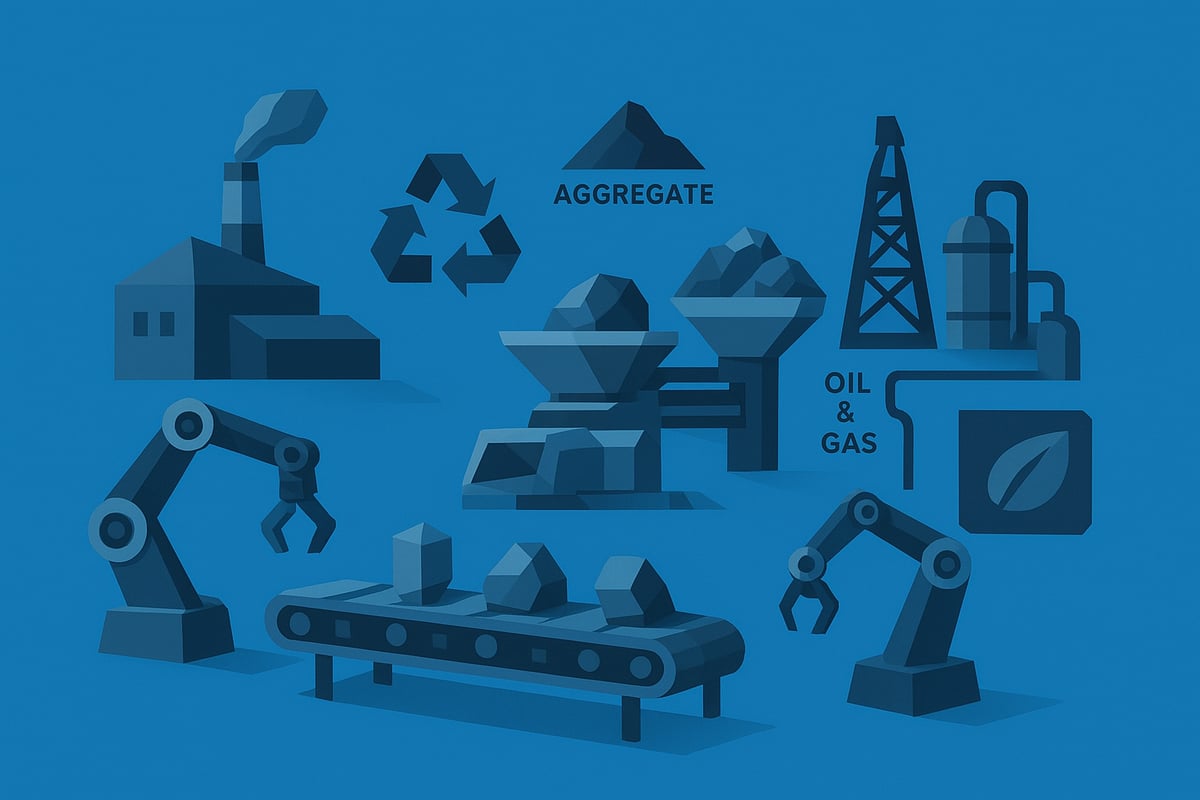
Certain sectors within the industrial and manufacturing industry are experiencing significant growth. Recycling and aggregate processing are expanding as sustainability becomes a top priority. The oil & gas sector is adapting to new energy demands, while green manufacturing continues to gain traction.
Conversely, some traditional sectors face decline, prompting organizations to pivot toward emerging opportunities. Industrial services and metalworking, for instance, are seeing increased demand in sustainable infrastructure projects. The rise of metal fabrication for environmentally friendly construction demonstrates how niche capabilities can open new revenue streams. Manufacturers who identify and respond to these trends will position themselves for future success.
Challenges Facing Manufacturers
Despite the positive outlook, the industrial and manufacturing sector must address several persistent challenges. Labor shortages and skills gaps remain critical concerns, with many companies struggling to attract and retain qualified workers. Raw material price volatility and ongoing supply chain bottlenecks further complicate production planning and cost management.
Cybersecurity threats have also intensified, targeting industrial control systems and exposing organizations to operational risks. Regulatory compliance and environmental pressures demand continuous attention, requiring manufacturers to balance efficiency with responsible practices. Overcoming these obstacles will require proactive planning, investment in workforce development, and a commitment to continuous improvement.
Emerging Technologies Revolutionizing Manufacturing
The industrial and manufacturing sector is entering a new era defined by rapid technological advancement. From robotics and AI to advanced materials, these innovations are reshaping how manufacturers operate, compete, and grow. Understanding these emerging technologies is vital for any organization aiming to thrive in 2026 and beyond.
Automation and Robotics
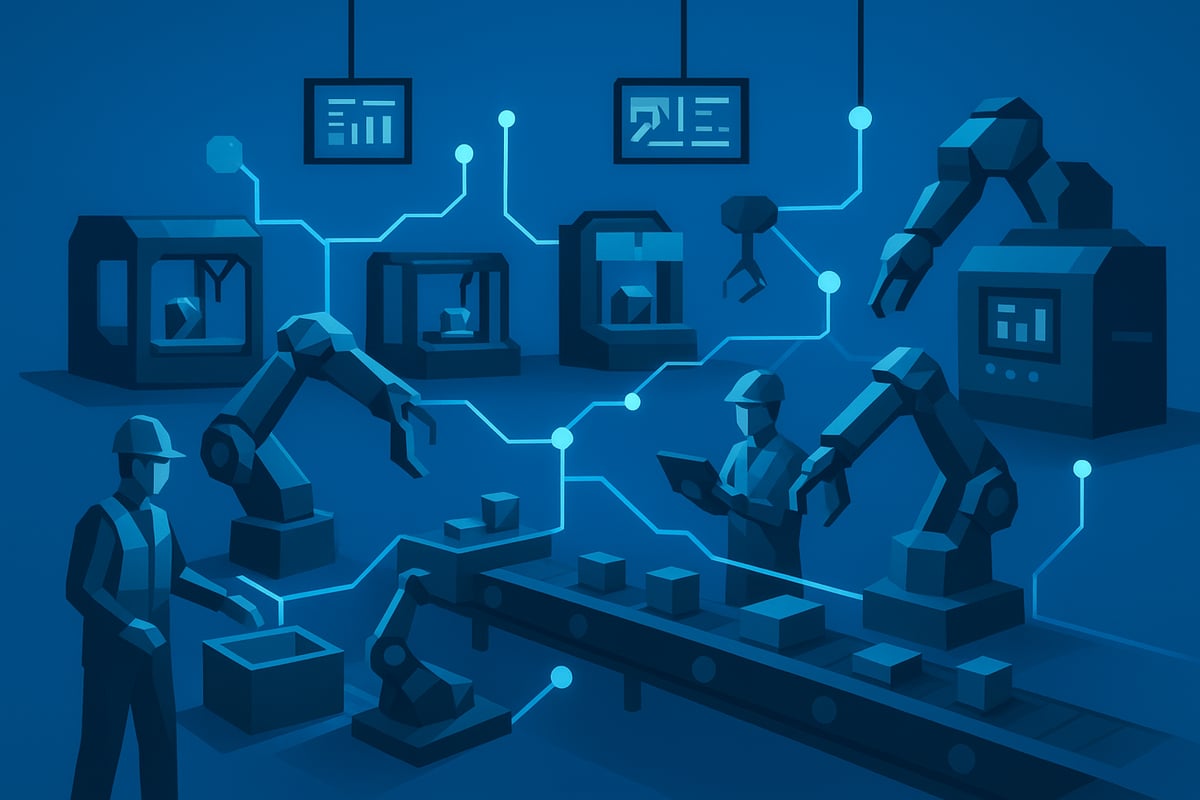
Automation is accelerating across the industrial and manufacturing landscape. By 2026, adoption rates for industrial robotics are expected to reach new highs, with the International Federation of Robotics reporting significant annual growth. Collaborative robots, or cobots, are working alongside humans to boost productivity and safety.
For example, automotive manufacturers increasingly rely on robotics for precision assembly. These systems reduce errors and speed up production cycles. According to Top Manufacturing Trends to Watch in 2026, investment in robotics and automation is a key driver of digital transformation across the industry.
Key benefits include:
- Enhanced throughput and consistency
- Reduced labor costs
- Improved workplace safety
Manufacturers who embrace robotics are positioning themselves for sustained success.
Artificial Intelligence and Machine Learning
Artificial intelligence is transforming industrial and manufacturing operations through smarter processes and predictive analytics. Machine learning algorithms enable predictive maintenance, reducing unplanned downtime by analyzing equipment data in real time.
AI-driven quality assurance systems detect defects with greater accuracy than manual inspection. In precision machining, for example, AI optimizes tool paths and ensures tight tolerances, leading to higher-quality outputs and cost savings.
Key applications of AI in manufacturing:
- Real-time process optimization
- Automated defect detection
- Dynamic scheduling and resource allocation
Integrating AI unlocks new efficiencies and keeps manufacturers competitive in a changing market.
Industrial Internet of Things (IIoT)
The Industrial Internet of Things is revolutionizing how manufacturers collect, monitor, and act on data. IIoT connects machines, sensors, and systems, enabling real-time visibility across the industrial and manufacturing environment.
IIoT platforms provide predictive analytics for equipment health and performance. Smart factories use these insights to anticipate maintenance needs, reduce downtime, and optimize workflows.
Example IIoT data structure:
{
  "machine_id": "CNC-12",
  "temperature": 72.4,
  "vibration": 0.03,
  "status": "operational",
  "last_maintenance": "2026-03-15"
}
By leveraging IIoT, manufacturers can boost efficiency and responsiveness to market demands.
Additive Manufacturing (3D Printing)
Additive manufacturing is expanding rapidly, offering unprecedented flexibility in design and production. In the industrial and manufacturing sector, 3D printing accelerates prototyping, reduces waste, and enables on-demand production of complex parts.
Industries like aerospace and medical devices benefit from lightweight, custom components produced with minimal lead time. This technology also streamlines supply chains by reducing inventory and transportation needs.
Key impacts of 3D printing:
- Shorter product development cycles
- Lower material costs
- Enhanced design freedom
Manufacturers adopting additive processes gain a competitive edge in innovation and responsiveness.
Advanced Materials and Nanotechnology
Materials science is advancing quickly, introducing new options for industrial and manufacturing applications. Lightweight composites, advanced alloys, and nanocoatings are making products stronger, more durable, and energy-efficient.
Nanotechnology enables surfaces with improved resistance to corrosion, wear, and contamination. Market research predicts strong growth in demand for advanced materials, especially as manufacturers prioritize sustainability and performance.
Comparison Table: Traditional vs. Advanced Materials
| Feature | Traditional Materials | Advanced Materials |
|---|---|---|
| Weight | Higher | Lower |
| Durability | Moderate | High |
| Energy Savings | Limited | Significant |
Embracing advanced materials positions manufacturers for long-term competitiveness.
Cybersecurity and Digital Protection
As industrial and manufacturing systems become more connected, the risk of cyberattacks rises. Threats to industrial control systems can disrupt operations and cause significant financial losses.
Best practices for digital protection include regular system updates, employee training, and segmented networks. High-profile incidents, such as ransomware attacks on manufacturing facilities, highlight the need for robust cybersecurity strategies.
- Protect sensitive operational data
- Monitor network traffic for anomalies
- Establish rapid response protocols
Prioritizing cybersecurity ensures business continuity and protects valuable assets.
Sustainability and Green Manufacturing Initiatives
Sustainability has become a core focus for the industrial and manufacturing sector as global expectations shift. Companies are under increasing pressure to balance operational efficiency with eco-responsibility. Forward-thinking manufacturers recognize that sustainable practices are not just ethical, but also key to long-term competitiveness.
Regulatory Landscape and Compliance
The regulatory environment for industrial and manufacturing organizations is evolving rapidly. By 2026, stricter environmental standards and increased ESG reporting requirements are expected across the United States and globally.
Manufacturers must stay ahead of changing compliance mandates, including emissions caps, water usage limits, and extended producer responsibility. Proactive adaptation to these regulations can protect reputations and reduce the risk of costly penalties.
A culture of compliance also drives investment in cleaner technologies and fosters trust with customers and stakeholders. For industrial and manufacturing leaders, understanding the regulatory landscape is essential for strategic planning.
Energy Efficiency and Renewable Integration
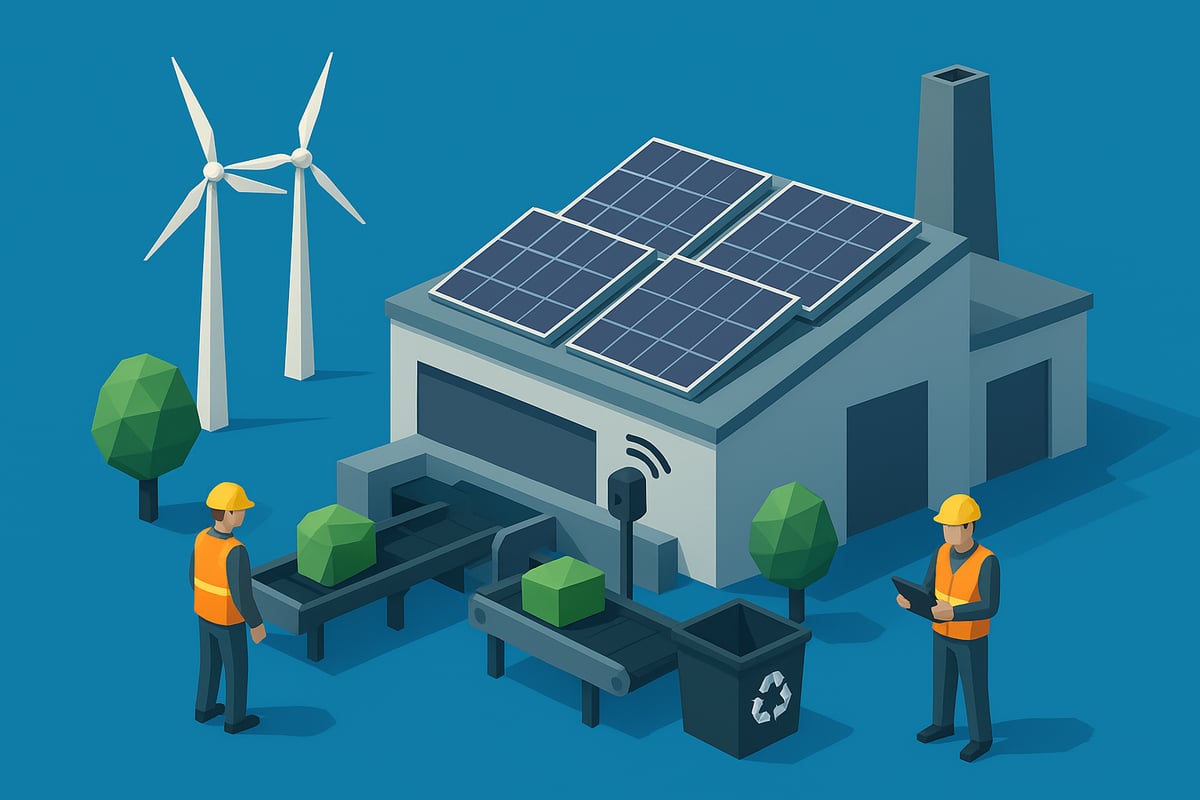
Energy use is one of the largest operational costs in industrial and manufacturing. Companies are investing in solar, wind, and alternative energy sources to reduce both expenses and carbon footprints.
Advanced energy management systems help monitor consumption and optimize processes in real time. Some manufacturers are achieving net-zero targets through a combination of on-site renewables and grid partnerships.
Integrating renewables supports resilience against energy price volatility and aligns with customer demands for responsible production. The move toward sustainable energy is reshaping how industrial and manufacturing plants operate.
Waste Reduction and Circular Economy
Waste reduction is a top priority in the industrial and manufacturing space. Many companies are moving toward zero-waste policies, recycling programs, and circular economy models that emphasize resource reuse.
Designing products for disassembly and recycling extends material lifecycles and decreases landfill impact. According to the EPA, industrial waste reduction initiatives have shown measurable progress in recent years.
Implementing closed-loop systems, where waste materials are repurposed as inputs, strengthens supply chain resilience. For industrial and manufacturing organizations, these changes drive both environmental and financial benefits.
Sustainable Materials and Eco-Friendly Processes
Material selection is at the heart of sustainable industrial and manufacturing strategies. The shift toward bio-based and recycled materials is accelerating, supported by innovations in water conservation and pollution control.
Manufacturers are adopting advanced processes to minimize water usage and reduce emissions during production. For those seeking deeper insights, the integration of AI and machine learning in advanced manufacturing with renewable and bio-based materials is driving efficient, eco-friendly operations.
Prioritizing sustainable materials enhances product appeal and supports compliance with future regulations. Industrial and manufacturing leaders who invest here position themselves for long-term success.
Case Examples
Industry leaders are already seeing strong returns on sustainability investments. Some manufacturing plants have achieved net-zero emissions ahead of schedule, while others have slashed water usage through smart process controls.
Companies in recycling, aggregate, and green manufacturing are leveraging new technologies to cut waste and boost efficiency. These case studies highlight the measurable ROI possible from green initiatives.
For industrial and manufacturing firms, pursuing sustainability is not just about compliance but about building a resilient, future-ready business model.
Workforce Evolution: Skills, Safety, and Talent Management
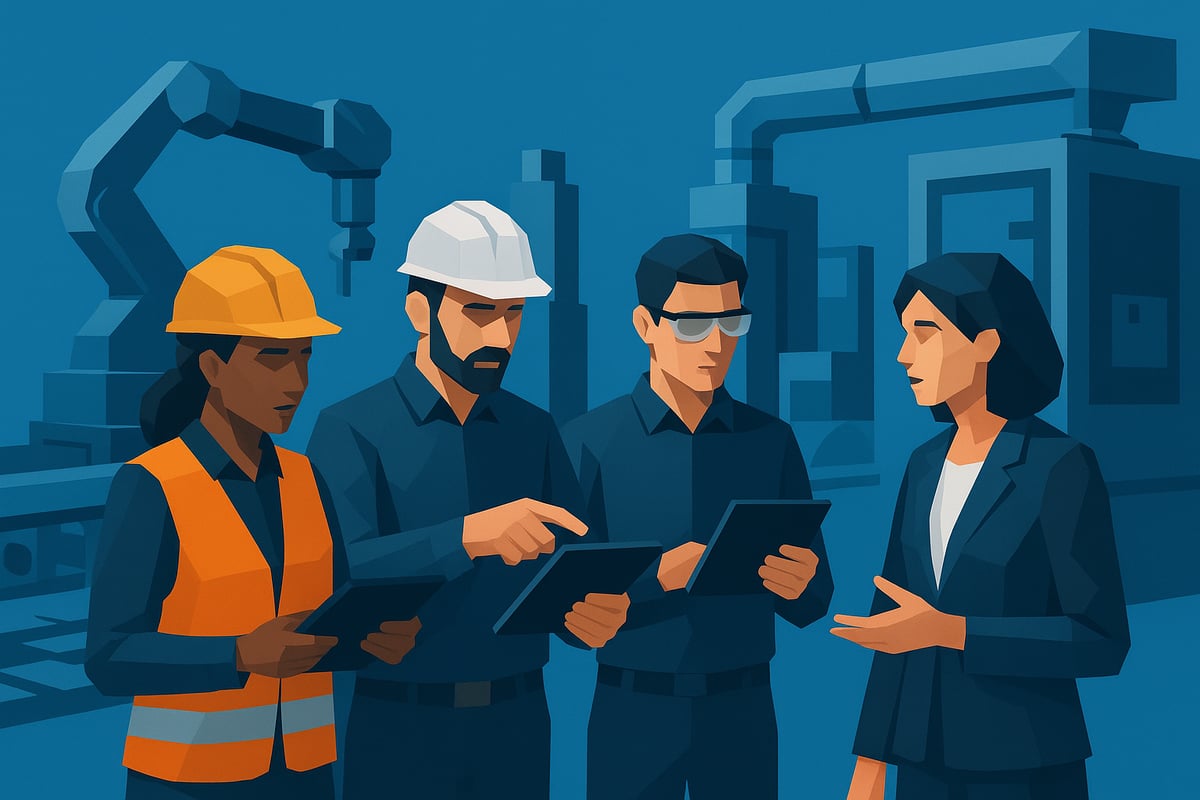
The future of industrial and manufacturing success depends on a skilled, adaptable, and safe workforce. As we approach 2026, companies must rethink talent management, prioritize safety, and create inclusive environments to thrive in an evolving landscape.
The Skills Gap and Upskilling Initiatives
Industrial and manufacturing sectors continue to face persistent labor shortages, especially in skilled trades. By 2026, this gap is projected to widen without focused intervention. Companies are responding by investing in training programs, launching upskilling initiatives, and building partnerships with technical schools.
Apprenticeship models have proven effective, particularly in metal fabrication and machining roles. These programs blend classroom learning with hands-on experience, ensuring that new talent is ready for the demands of modern industrial and manufacturing environments. Employers benefit from a pipeline of workers who understand both traditional and digital manufacturing processes.
Embracing Diversity and Inclusion
A diverse workforce is a catalyst for innovation in industrial and manufacturing companies. By fostering inclusion, organizations gain fresh perspectives and drive better problem-solving. Forward-thinking manufacturers are implementing strategies to recruit talent from underrepresented groups and create welcoming environments for all employees.
Recruitment efforts now highlight flexible work arrangements, fair compensation, and clear growth paths. For a deeper understanding of how leading organizations approach these challenges, explore the Industrial Manufacturing Company Overview to see how diversity and robust talent strategies can drive operational excellence.
Safety Innovations and Worker Wellbeing
Safety remains central to every industrial and manufacturing operation. The latest advancements include wearable sensors, real-time hazard detection systems, and automated safety alerts. These tools help reduce incidents and create more secure workplaces.
Organizations are also prioritizing worker wellbeing by offering mental health resources and ergonomic support. Attention to both physical and psychological health improves retention and reduces absenteeism, supporting long-term productivity in industrial and manufacturing settings.
Remote Monitoring and Flexible Work Models
Digital transformation is enabling remote diagnostics and virtual support for industrial and manufacturing field roles. Technicians can now troubleshoot equipment or access expert guidance from anywhere, minimizing downtime and travel requirements.
Flexible work models are also emerging, allowing certain maintenance and monitoring tasks to be performed off-site. This shift not only enhances operational resilience but also appeals to a broader talent pool seeking work-life balance in industrial and manufacturing careers.
Leadership and Change Management
As technology and workforce expectations evolve, strong leadership is essential. Companies are prioritizing the development of next-generation leaders who can navigate change and inspire teams. Effective industrial and manufacturing leaders foster a culture of continuous improvement, encourage innovation, and support employee growth.
Change management strategies—such as transparent communication and ongoing training—ensure that teams remain agile and engaged. By investing in leadership at every level, manufacturers can build organizations prepared for the complexities of 2026 and beyond.
Digital Transformation and Smart Factory Implementation
Digital transformation is reshaping the industrial and manufacturing landscape, enabling companies to unlock new levels of efficiency, agility, and competitiveness. The journey to a smart factory involves more than adopting new tools—it requires a comprehensive strategy, investment in modern solutions, and a clear understanding of operational goals.
Roadmap to Digitalization
Transitioning to a smart factory starts with a clear vision and a step-by-step plan. Begin by assessing your existing operations, identifying areas where digital tools can deliver the most value. Define objectives such as reducing downtime, increasing throughput, or improving quality. Next, develop an investment roadmap, prioritizing initiatives based on ROI potential and operational impact.
Engaging with providers like Services and Manufacturing Solutions can help align digitalization efforts with industry best practices. Creating cross-functional teams ensures buy-in at every level and drives accountability throughout the process. As digital transformation advances, companies in industrial and manufacturing sectors can expect measurable gains in flexibility and performance.
Data Analytics and Real-Time Monitoring
The adoption of big data analytics is a game changer for industrial and manufacturing operations. By collecting real-time data from sensors and machines, manufacturers gain actionable insights into their processes. Predictive analytics enable early detection of equipment issues, allowing for proactive maintenance and minimizing costly downtime.
For example, many companies use analytics platforms to monitor machine health, forecast maintenance needs, and optimize production schedules. This data-driven approach boosts efficiency and supports continuous improvement. Leveraging these tools empowers teams to make faster, more informed decisions, driving long-term success in the industrial and manufacturing arena.
Cloud Computing and Edge Technologies
Cloud-based Manufacturing Execution Systems (MES) and edge computing are transforming how data is managed and utilized. Cloud MES offers centralized data storage, remote accessibility, and seamless integration with other enterprise systems. Edge computing, on the other hand, processes data closer to the source, reducing latency and enabling real-time control.
| Feature | Cloud MES | Edge Computing |
|---|---|---|
| Data Processing | Centralized | Local/Decentralized |
| Latency | Higher | Very Low |
| Scalability | High | Moderate |
| Security Control | Cloud Provider | On-Premises |
This hybrid approach allows industrial and manufacturing leaders to select the right mix of technologies for their unique needs, ensuring optimal performance and resilience.
Integrating Legacy Systems
Many industrial and manufacturing companies face the challenge of modernizing legacy equipment and infrastructure. Integrating older systems with new digital solutions requires careful planning and the right technical expertise. Start by evaluating your existing assets for upgrade potential and interoperability with modern platforms.
Partners specializing in Industrial Machinery Refurbishment & Maintenance can support the transition, ensuring equipment reliability while enabling digital connectivity. Overcoming integration hurdles not only extends the life of valuable assets but also accelerates digital transformation across the plant floor.
Measuring Success: KPIs and Benchmarks
Tracking progress is essential for a successful digital transformation in industrial and manufacturing. Key performance indicators (KPIs) help quantify results and identify areas for improvement. Common KPIs include:
- Overall Equipment Effectiveness (OEE)
- Downtime reduction percentage
- Maintenance cost savings
- Production throughput increases
- Quality defect rates
Benchmarking against industry standards and reviewing these metrics regularly fosters a culture of continuous improvement. By focusing on measurable outcomes, organizations can ensure their smart factory investments deliver lasting value.
Actionable Strategies for Manufacturers in 2026
Staying ahead in the industrial and manufacturing sector in 2026 requires a blend of foresight, flexibility, and evidence-based action. The following strategies equip manufacturers to meet the demands of a fast-evolving marketplace, enhance resilience, and drive sustainable growth.
Assessing Organizational Readiness
Begin with a comprehensive assessment of your organization’s digital and operational maturity. This process helps identify strengths and areas needing improvement across your industrial and manufacturing operations.
Use structured maturity models to evaluate current technology adoption, workforce skills, and process efficiency. Document gaps and prioritize initiatives based on business impact and feasibility.
Regular readiness assessments enable proactive planning, ensuring your organization remains agile and competitive as the industry evolves.
Building Resilient Supply Chains
Resilience is critical in the face of ongoing disruptions. Manufacturers should diversify suppliers, invest in local and regional partnerships, and create contingency plans for sourcing materials.
Adopting advanced analytics and AI-driven tools helps monitor supply chain health and anticipate potential risks. For deeper insights on how technology is transforming supply chain strategy, review Supply Chain Strategy, AI Set To Transform Manufacturing in 2026.
By strengthening supplier relationships and leveraging real-time data, industrial and manufacturing leaders can minimize downtime and maintain production continuity.
Investing in Technology and Talent
Balancing investments in cutting-edge technology with workforce development is vital. Evaluate capital expenditures for automation, digital platforms, and advanced materials, while simultaneously supporting training and upskilling initiatives.
Explore government incentives and funding programs designed to accelerate technology adoption and workforce modernization. Prioritize hiring and retaining talent with expertise in robotics, data analytics, and sustainable manufacturing.
A dual focus on technology and people ensures long-term organizational growth and adaptability in the industrial and manufacturing landscape.
Collaboration and Industry Partnerships
Join industry consortia, innovation hubs, and cross-sector R&D programs to foster knowledge sharing and accelerate innovation. These partnerships can open doors to new markets, technologies, and business models.
Collaborative projects often yield creative solutions to complex challenges, from process optimization to product development. Actively engaging with peers and research institutions positions your organization at the forefront of industrial and manufacturing advancements.
Continuous Improvement and Lean Practices
Embrace proven methodologies such as Six Sigma, Kaizen, and agile practices to drive operational excellence. Regularly review processes, measure key performance indicators, and implement incremental improvements.
For real-world inspiration, explore Manufacturing Projects and Case Studies that showcase successful lean transformations and efficiency gains.
A culture of continuous improvement makes industrial and manufacturing organizations more responsive to shifting market demands and operational challenges.
As we look ahead to 2026, you and I both know that navigating the evolving industrial and manufacturing landscape requires more than just awareness—it takes strategic action and trusted support. Whether you’re preparing for digital transformation, tackling sustainability goals, or strengthening your operations, having the right partner makes all the difference. LTJ Industrial Services is here to help you achieve operational excellence with expert shop and field mechanic, welding, and machining solutions tailored to your industry’s needs. Ready to take the next step toward a more efficient and reliable future?