
Industrial sandblasting remains one of the most effective surface preparation methods for metal fabrication, equipment repair, and coating applications across commercial and industrial sectors. This abrasive blasting process removes rust, old paint, mill scale, and contaminants from metal surfaces, creating the optimal profile for protective coatings, welding, and finishing operations. Understanding the techniques, equipment, and safety requirements ensures project success whether you're preparing equipment for the oil and gas industry, refurbishing aggregate processing machinery, or conducting maintenance on recycling facility components.
Understanding Industrial Sandblasting Fundamentals
Industrial sandblasting uses compressed air or mechanical systems to propel abrasive media at high velocity against metal surfaces. The kinetic energy transfers from the abrasive particles to the substrate, mechanically removing surface contaminants and creating a specified surface profile.
How the Abrasive Blasting Process Works
The basic process involves three primary components: an air compressor or mechanical wheel system, abrasive media, and a delivery mechanism. Air pressure typically ranges from 80 to 150 PSI depending on the substrate material, coating thickness, and desired surface profile.
Key operating parameters include:
- Nozzle distance from the substrate (typically 12-18 inches)
- Blast angle (30-90 degrees depending on application)
- Media flow rate and air pressure
- Traverse speed across the workpiece
- Nozzle size and configuration
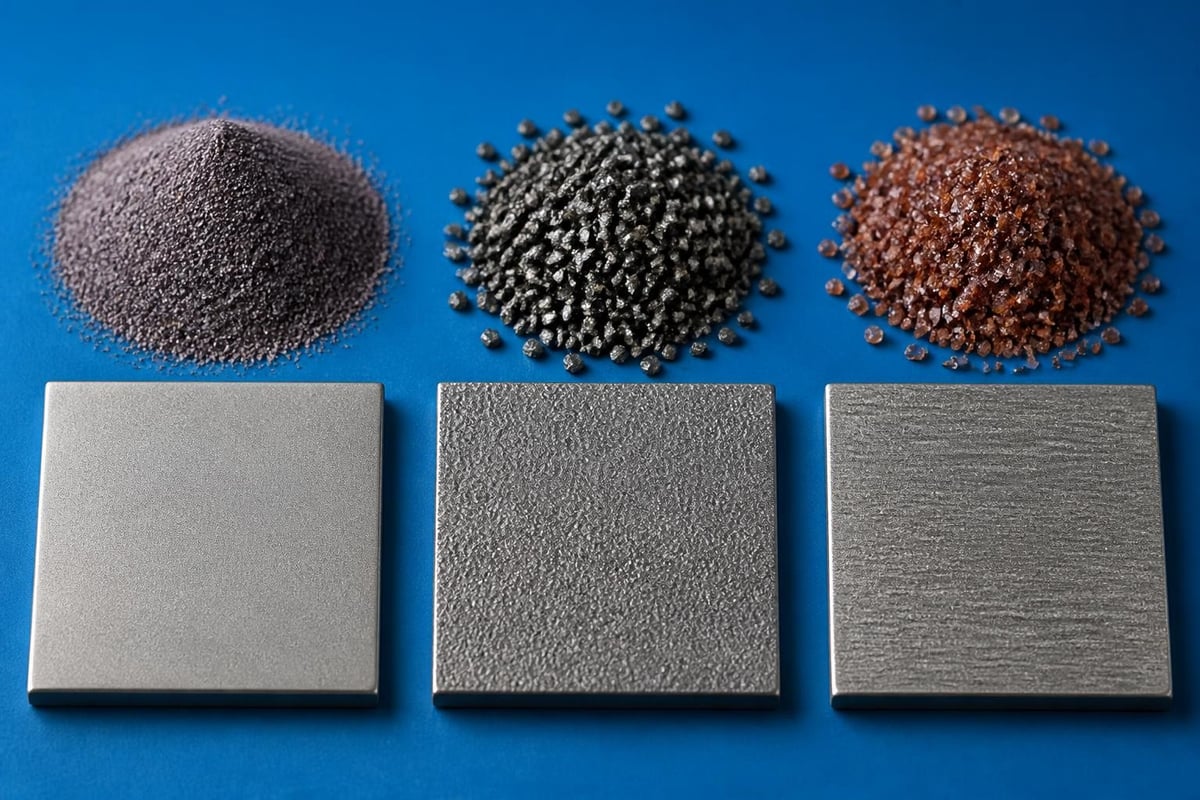
The abrasive media selection significantly impacts cleaning efficiency and surface profile characteristics. Different materials provide varying degrees of aggressiveness, with factors including particle hardness, shape, density, and size distribution affecting performance outcomes.
Modern industrial fabrication companies integrate sandblasting into comprehensive surface preparation protocols, ensuring proper adhesion for subsequent welding, coating, or machining operations.
Abrasive Media Types and Selection Criteria
Selecting appropriate abrasive media determines cleaning effectiveness, operational costs, and final surface characteristics. Traditional silica sand has been largely replaced due to health concerns, with numerous alternatives now dominating industrial applications.
Common Industrial Abrasive Materials
| Abrasive Type | Hardness (Mohs) | Best Applications | Reusability |
|---|---|---|---|
| Aluminum Oxide | 9 | Hard metals, precise etching | High (10-15 cycles) |
| Steel Grit/Shot | 5-7 | General cleaning, peening | Very High (100+ cycles) |
| Garnet | 7-8 | Marine, structural steel | Medium (3-5 cycles) |
| Glass Bead | 5-6 | Delicate parts, cosmetic finish | High (8-12 cycles) |
| Coal Slag | 6-7 | Heavy rust, general cleaning | Low (1-2 cycles) |
Aluminum oxide delivers exceptional cutting power for hardened steels and precision surface preparation requirements. Its angular particle shape creates aggressive profiles suitable for demanding coating specifications.
Steel media in both shot (spherical) and grit (angular) forms provides economical solutions for high-volume operations. Shot produces compressive stress through peening action, while grit delivers aggressive cleaning with profile generation.
Garnet offers environmentally friendly characteristics with low dust generation and minimal embedment risk. This naturally occurring mineral balances cleaning efficiency with substrate preservation, making it ideal for structural steel fabrication.
The metal fabrication industries served throughout the Western United States often require specific abrasive media matching project specifications, environmental regulations, and coating system requirements.
Surface Preparation Standards and Specifications
Industrial sandblasting projects must meet established cleanliness and profile standards to ensure coating adhesion, weld quality, and long-term performance. Multiple organizations provide specification frameworks governing surface preparation requirements.
SSPC and ISO Standard Classifications
The Society for Protective Coatings (SSPC) and International Organization for Standardization (ISO) maintain the most widely referenced standards for abrasive blasting operations.
SSPC/ISO cleanliness grades include:
- SSPC-SP 10/ISO 8501-1 Sa 2.5 (Near-White Metal) – Minimum 95% removal of visible contaminants
- SSPC-SP 6/ISO 8501-1 Sa 2 (Commercial Blast) – Minimum 66% removal with tight adherent residues permitted
- SSPC-SP 7/ISO 8501-1 Sa 3 (White Metal) – Complete removal of all visible contaminants
- SSPC-SP 14/ISO 8501-4 (Industrial Blast) – Tightly adherent mill scale permitted, loose material removed
Surface profile measurement employs replica tape, digital profilometers, or comparator gauges. Typical profile depths range from 1.5 to 4.5 mils depending on coating system thickness and manufacturer specifications.
The Hempel technical guideline on inspection prior to painting provides comprehensive protocols for verifying surface preparation quality before coating application, including specific inspection procedures and acceptance criteria.
Equipment Types for Industrial Applications
Industrial sandblasting equipment ranges from portable systems for field work to automated blast rooms for high-volume production environments. Equipment selection depends on project size, location constraints, production volume, and substrate characteristics.
Blast Cabinet and Room Systems
Blast cabinets serve smaller components and precision work requiring controlled environments. These enclosed systems contain abrasive media, facilitate recycling, and protect operators from dust exposure. Cabinet configurations include suction-fed systems for lighter applications and pressure-fed units for aggressive cleaning.
Blast rooms accommodate large equipment, structural components, and fabricated assemblies. These walk-in enclosures feature automated media recovery systems, dust collection infrastructure, and climate control for optimal working conditions.
Facilities offering custom metal machining and fabrication services integrate blast room capabilities to prepare components before precision machining or assembly operations.
Portable and Field Blasting Equipment
Portable systems enable on-site surface preparation for equipment that cannot be transported to shop facilities. These units typically employ pressure pot or bulk media delivery systems with compressor packages sized to project requirements.
Field equipment considerations:
- Compressor capacity (minimum 185 CFM for production blasting)
- Media containment and recovery methods
- Environmental protection requirements
- Power availability and accessibility
- Weather protection needs
Companies providing field fabrication and repair services utilize portable blasting equipment to prepare surfaces for welding, coating, and maintenance operations at customer facilities throughout the Western United States.
Safety Requirements and Regulatory Compliance
Industrial sandblasting operations present significant health and safety hazards requiring comprehensive protective measures and regulatory compliance. Silica dust exposure, hearing damage, and respiratory hazards demand rigorous safety protocols.
Personal Protective Equipment Standards
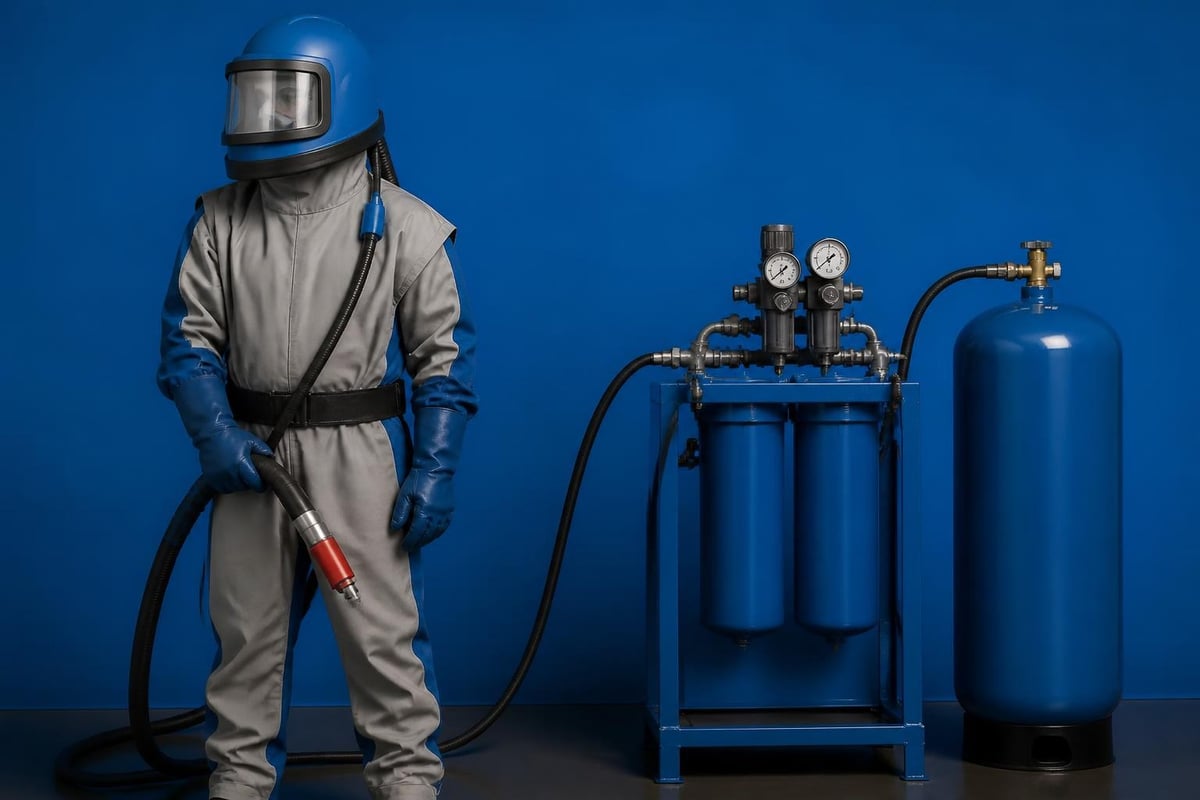
Required PPE includes:
- Type CE abrasive blast helmet with supplied air system
- Leather or canvas blast suit with appropriate coverage
- Heavy-duty blast gloves with gauntlet protection
- Steel-toed boots with metatarsal guards
- Hearing protection (plugs plus muffs recommended)
NIOSH-approved supplied air respirators provide essential respiratory protection, delivering Grade D breathing air meeting specifications for oxygen content, carbon monoxide limits, and contaminant exclusion. Continuous air monitoring ensures safe breathing air quality throughout operations.
Environmental and Regulatory Considerations
The EPA regulates abrasive blasting activities involving lead-based paint removal, requiring specific containment, collection, and disposal procedures. The EPA Frequently Asked Questions on the Lead-Based Paint Program provides current guidance on renovation rule requirements, including HEPA vacuum collection and containment protocols applicable to industrial surface preparation projects.
Compliance requirements address:
- Silica dust exposure monitoring and control
- Spent abrasive disposal and classification
- Stormwater protection during outdoor operations
- Noise level management and hearing conservation
- Hazardous waste characterization for contaminated coatings
Surface Profile Requirements for Coating Systems
The surface profile created during industrial sandblasting directly influences coating adhesion, longevity, and performance characteristics. Profile depth must align with coating thickness and manufacturer specifications to ensure optimal mechanical bonding.
Profile Measurement and Verification Methods
Three primary measurement approaches include:
- Replica tape – Press-sensitive tape captures surface profile, measured with micrometer gauge
- Digital profilometer – Electronic sensor provides instant digital readings with statistical analysis
- Visual comparator – Physical reference standards for field comparison
Target profile depths typically range from one-third to one-half of the dry film thickness for the coating system. A 10-mil coating system generally requires a 3-4 mil profile for adequate mechanical keying.
The Qualisteelcoat industry quality guide details inspection procedures for surface cleanliness verification and profile measurement methods aligned with ISO and SSPC criteria, providing quality control frameworks for coating preparation.
Applications Across Industrial Sectors
Industrial sandblasting serves diverse applications across manufacturing, maintenance, and fabrication operations. Each sector presents unique requirements based on equipment types, operating environments, and performance expectations.
Oil and Gas Industry Applications
The oil and gas sector demands rigorous surface preparation for pipeline components, pressure vessels, storage tanks, and processing equipment. Coating systems protect against corrosive environments, requiring precise adherence to NACE and API specifications.
Common applications include:
- Pipeline external coating preparation
- Vessel interior lining systems
- Valve and fitting refurbishment
- Structural steel maintenance
- Equipment restoration and repair
Companies specializing in oilfield maintenance integrate sandblasting capabilities with welding and fabrication services to deliver comprehensive equipment rehabilitation solutions.
Aggregate and Mining Equipment Preparation
Aggregate processing and mining operations subject equipment to extreme abrasion, impact, and environmental exposure. Regular maintenance includes removing worn surfaces before applying protective coatings or hardfacing materials.
Crusher frames, conveyor structures, chute linings, and processing equipment require thorough cleaning before heavy equipment repair procedures including welding, machining, and coating application.
Manufacturing and Recycling Facilities
Manufacturing plants and recycling facilities utilize industrial sandblasting for equipment maintenance, product finishing, and surface preparation before assembly operations. Material handling systems, processing machinery, and structural components benefit from systematic cleaning and coating programs.
Quality Control and Inspection Protocols
Implementing comprehensive quality control ensures surface preparation meets project specifications and coating system requirements. Inspection protocols verify cleanliness, profile depth, and surface characteristics before subsequent operations.
Pre-Blast Assessment Procedures
Initial evaluation includes:
- Substrate identification and condition assessment
- Existing coating system characterization
- Contamination identification (oil, grease, salts)
- Base metal defect detection
- Environmental condition documentation
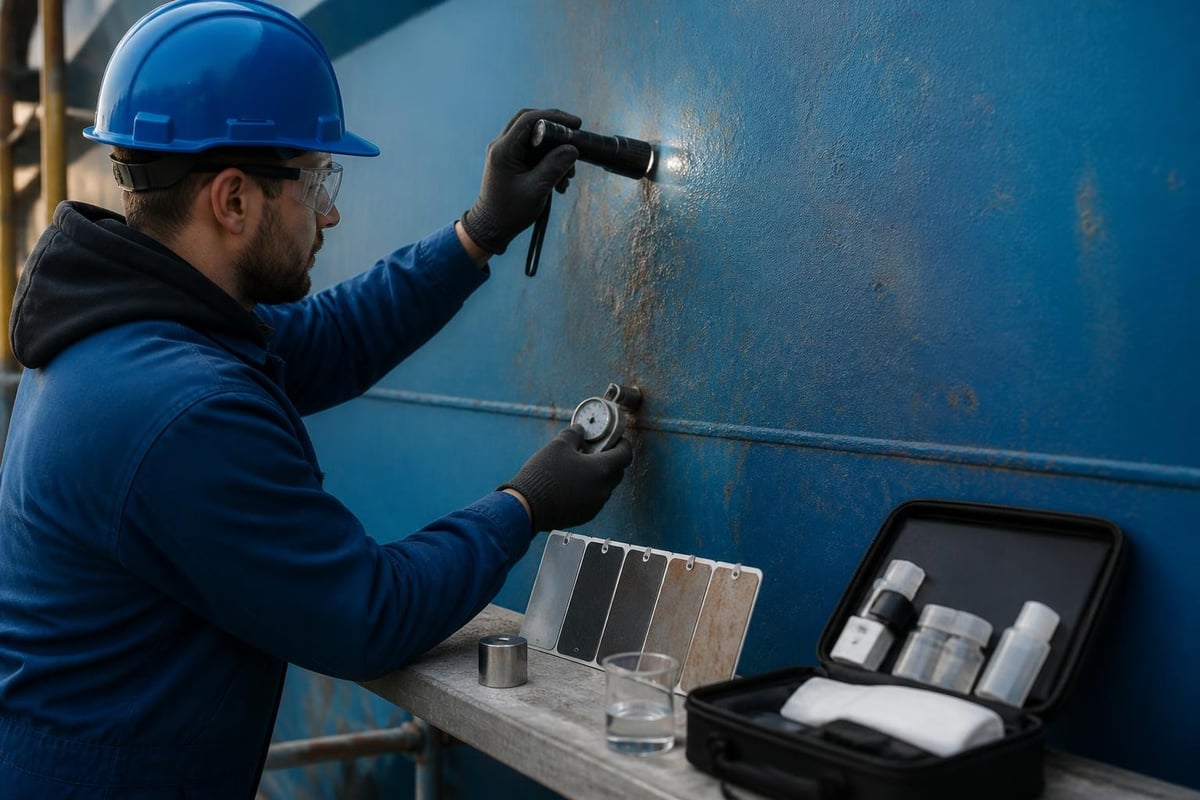
Surface contamination testing employs methods including solvent wipe tests for oil residues, Bresle patch testing for soluble salts, and holiday detection for coating integrity verification.
Post-Blast Verification Methods
Following abrasive blasting operations, inspectors verify compliance through visual assessment, profile measurement, and cleanliness testing. Documentation captures ambient conditions, surface temperature, dew point spread, and relative humidity to ensure coating application occurs within specified windows.
| Inspection Element | Method | Acceptance Criteria |
|---|---|---|
| Cleanliness | Visual + Photo Standards | SSPC-SP 10 or specified grade |
| Profile Depth | Replica Tape/Profilometer | 2.5-4.0 mils (typical) |
| Surface Temperature | IR Thermometer | Minimum 5°F above dew point |
| Contamination | Bresle Patch Test | <7 μg/cm² soluble salts |
Facilities providing industrial equipment painting and coating services maintain documented quality control procedures ensuring surface preparation compliance with industry standards and customer specifications.
Equipment Maintenance and Media Management
Maintaining sandblasting equipment and managing abrasive media inventories ensures consistent performance, operational efficiency, and cost control. Systematic maintenance protocols extend equipment life and reduce unplanned downtime.
Blast Equipment Maintenance Schedules
Daily maintenance tasks:
- Inspect hoses for wear and damage
- Verify moisture separator drainage
- Check airline connections for leaks
- Clean blast nozzle and holder
- Test deadman control functionality
Weekly and monthly procedures include compressor oil level checks, air filter element inspection, pressure relief valve testing, and abrasive media screen cleaning. Annual maintenance involves comprehensive system inspection, pressure vessel certification, and safety system verification.
Media Recycling and Inventory Control
Effective media management reduces operating costs while maintaining consistent blasting performance. Recycling systems separate reusable media from fines, dust, and removed contaminants through screening and air wash processes.
Media degradation occurs through:
- Particle fracture reducing size distribution
- Edge rounding decreasing cutting efficiency
- Contamination with removed coatings and rust
- Moisture absorption affecting flow characteristics
Regular media sampling and sieve analysis monitor particle size distribution, identifying when fresh media supplementation or complete replacement becomes necessary to maintain production rates and surface quality.
Cost Factors and Project Estimating
Accurate project estimating requires understanding the variables affecting industrial sandblasting costs. Labor, media consumption, equipment utilization, and project complexity all influence final pricing.
Primary Cost Components
Direct costs include:
- Abrasive media consumption (typically $0.15-$0.45 per pound)
- Labor hours for blasting and inspection
- Equipment rental or ownership costs
- Containment and environmental protection
- Waste disposal and regulatory compliance
Media consumption rates vary significantly based on substrate condition, existing coating thickness, required cleanliness grade, and equipment efficiency. Heavily corroded surfaces or thick coating systems consume substantially more abrasive than lightly oxidized or mill-scale surfaces.
Productivity and Efficiency Factors
Production rates depend on equipment capacity, operator skill, substrate accessibility, and specification requirements. Typical rates range from 75 to 300 square feet per hour for manual blasting operations, with automated systems achieving higher throughput on suitable geometries.
Factors affecting productivity:
- Surface complexity and accessibility
- Required cleanliness standard
- Environmental conditions and weather
- Setup and teardown requirements
- Quality control and inspection frequency
Organizations offering comprehensive welding, fabrication, and machining services integrate surface preparation with downstream operations, optimizing workflow efficiency and reducing overall project timelines.
Integration with Welding and Fabrication Operations
Industrial sandblasting serves as a critical preparatory step for welding, coating, and assembly operations within metal fabrication workflows. Proper surface preparation ensures weld quality, coating adhesion, and finished product performance.
Pre-Welding Surface Preparation
Clean metal surfaces free from mill scale, rust, oil, and contaminants produce superior weld quality with reduced porosity, improved penetration, and enhanced mechanical properties. Critical welding applications including pressure vessels, pipeline systems, and structural connections require thorough surface cleaning before joining operations.
API 1104 pipeline welding specifications mandate specific surface preparation requirements ensuring contaminant-free base metal that meets stringent quality standards for oil and gas infrastructure.
Post-Fabrication Finishing
Following welding and assembly, industrial sandblasting removes weld spatter, heat tint, and oxidation before final coating application. This step ensures uniform surface characteristics across welded and base metal areas, promoting consistent coating adhesion and appearance.
Fabrication shops specializing in custom skid fabrication and modular equipment assemblies integrate blasting capabilities to deliver finished products with specified coating systems applied to properly prepared surfaces.
Advanced Techniques and Emerging Technologies
Industrial sandblasting continues evolving with technological advancements improving efficiency, environmental performance, and operator safety. Automated systems, alternative media, and precision control enhance traditional abrasive blasting capabilities.
Automated Blasting Systems
Robotic and CNC-controlled blasting systems deliver consistent results across complex geometries while reducing operator exposure and improving repeatability. These systems program blast patterns, maintain optimal standoff distances, and adjust parameters automatically based on real-time feedback.
Automation benefits include:
- Consistent surface preparation quality
- Reduced labor costs for high-volume production
- Enhanced operator safety through remote operation
- Improved media efficiency through optimized patterns
- Documentation and traceability for quality systems
Alternative Cleaning Technologies
Wet abrasive blasting injects water into the media stream, reducing dust generation by up to 92% compared to dry blasting. This technology enables outdoor operations with minimal environmental controls while maintaining cleaning effectiveness.
Ultra-high-pressure water jetting offers abrasive-free cleaning for specialized applications where substrate damage or embedment poses concerns. Companies providing water jetting services complement traditional sandblasting with hydro-blasting capabilities for surface preparation, coating removal, and concrete preparation applications.
Industrial sandblasting remains an essential surface preparation method across manufacturing, fabrication, and maintenance operations, with proper technique and equipment selection ensuring project success. Whether you need comprehensive surface preparation for welding projects, equipment refurbishment, or coating applications throughout the Western United States, LTJ Industrial Services delivers expert shop and field services including metal fabrication, welding, machining, and complete surface preparation solutions tailored to your specific requirements. Contact our team today to discuss how our integrated capabilities can support your next project.