Industrial painting services represent far more than aesthetic improvements for manufacturing facilities and heavy equipment. These specialized coating applications protect critical assets from corrosion, chemical exposure, extreme temperatures, and mechanical wear that can compromise operational integrity. For industries ranging from oil and gas to aggregate processing and recycling operations, professional coating systems extend equipment lifespan, reduce downtime, and ensure compliance with stringent environmental and safety regulations. Understanding the scope, methods, and strategic value of these services enables facility managers and operations leaders to make informed decisions that protect their capital investments and maintain competitive advantage.
Core Functions of Industrial Coating Applications
Industrial painting services encompass a comprehensive range of protective coating applications designed specifically for harsh operating environments. Unlike commercial painting projects, these services require specialized knowledge of substrate metallurgy, chemical resistance properties, and performance standards that meet or exceed industry specifications.
Professional coating contractors evaluate substrate conditions, environmental exposure factors, and operational requirements before recommending specific systems. This assessment-driven approach ensures that coating selections align with performance expectations and regulatory compliance needs.
Key service categories include:
- Structural steel coating for buildings, platforms, and support frameworks
- Heavy equipment and machinery protective finishes
- Tank and vessel interior/exterior coating systems
- Piping and valve component protection
- Conveyor system and material handling equipment coatings
- Specialized finishes for corrosive chemical environments
Surface preparation represents the most critical phase of any coating project, directly influencing long-term performance and adhesion. Professional welding and fabrication shops often integrate painting services into their workflow to deliver complete, ready-to-install components.
Preparation Standards and Methodologies
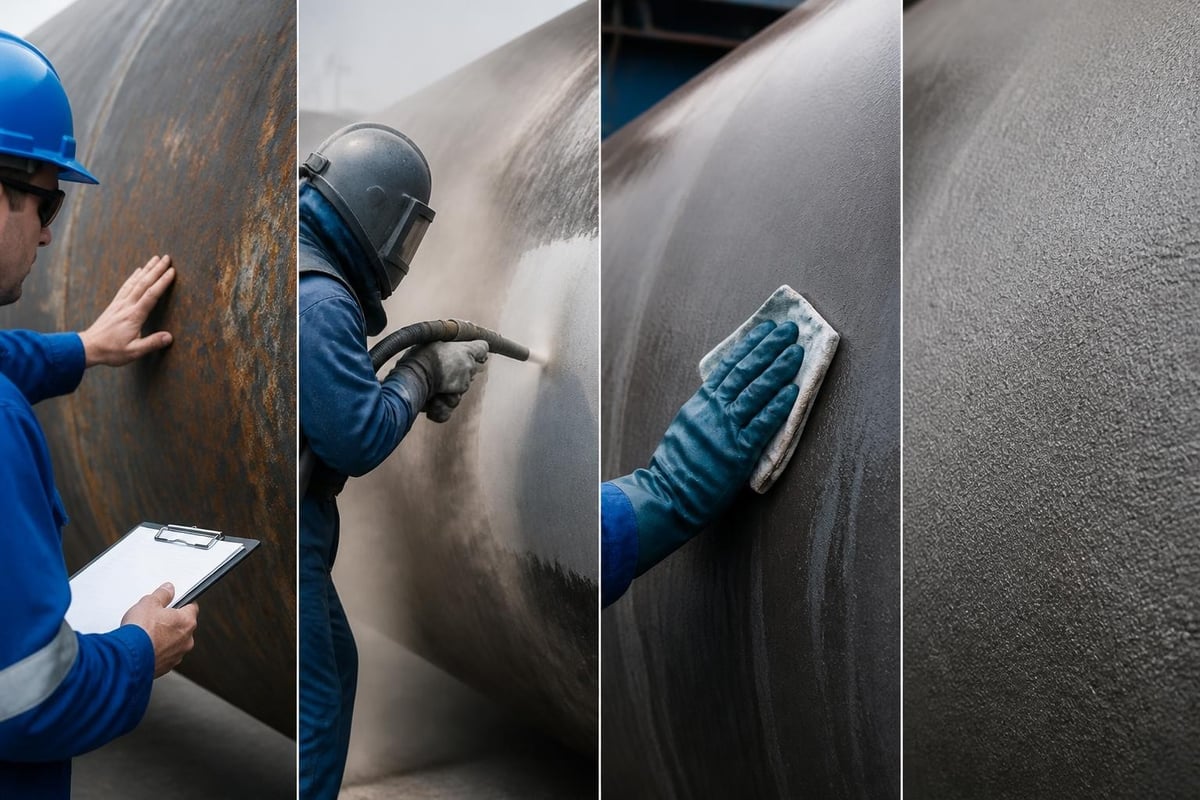
The foundation of durable industrial coatings begins with thorough surface preparation that removes contaminants, creates proper surface profiles, and establishes ideal conditions for coating adhesion. Industry standards such as SSPC (Society for Protective Coatings) and NACE (National Association of Corrosion Engineers, now AMPP) define specific preparation levels that contractors must achieve.
Abrasive blasting remains the gold standard for most industrial applications, with various media types selected based on substrate characteristics and desired surface profiles. Steel shot, aluminum oxide, garnet, and specialty abrasives each offer distinct advantages for specific applications.
| Preparation Method | Surface Profile | Typical Applications | Advantages |
|---|---|---|---|
| Abrasive Blasting | 2-4 mils | Structural steel, tanks, heavy equipment | Maximum coating adhesion, complete contamination removal |
| Power Tool Cleaning | 0.5-1 mil | Maintenance coating, spot repairs | Cost-effective, portable equipment |
| Chemical Cleaning | Minimal | Aluminum, sensitive substrates | No substrate damage, precise control |
| Water Jetting | Variable | Tank interiors, maintenance projects | Environmentally friendly, no abrasive disposal |
Chemical contaminants including oils, greases, salts, and mill scale must be completely eliminated before coating application. Even microscopic residues can cause adhesion failure, blistering, or premature coating breakdown. Professional industrial equipment services recognize that preparation quality directly correlates with coating longevity.
Coating System Selection and Specification
Selecting appropriate coating systems requires detailed analysis of environmental exposure, substrate type, expected service life, and maintenance accessibility. Industrial painting services providers work with coating manufacturers and chemical suppliers to specify multi-coat systems engineered for specific performance criteria.
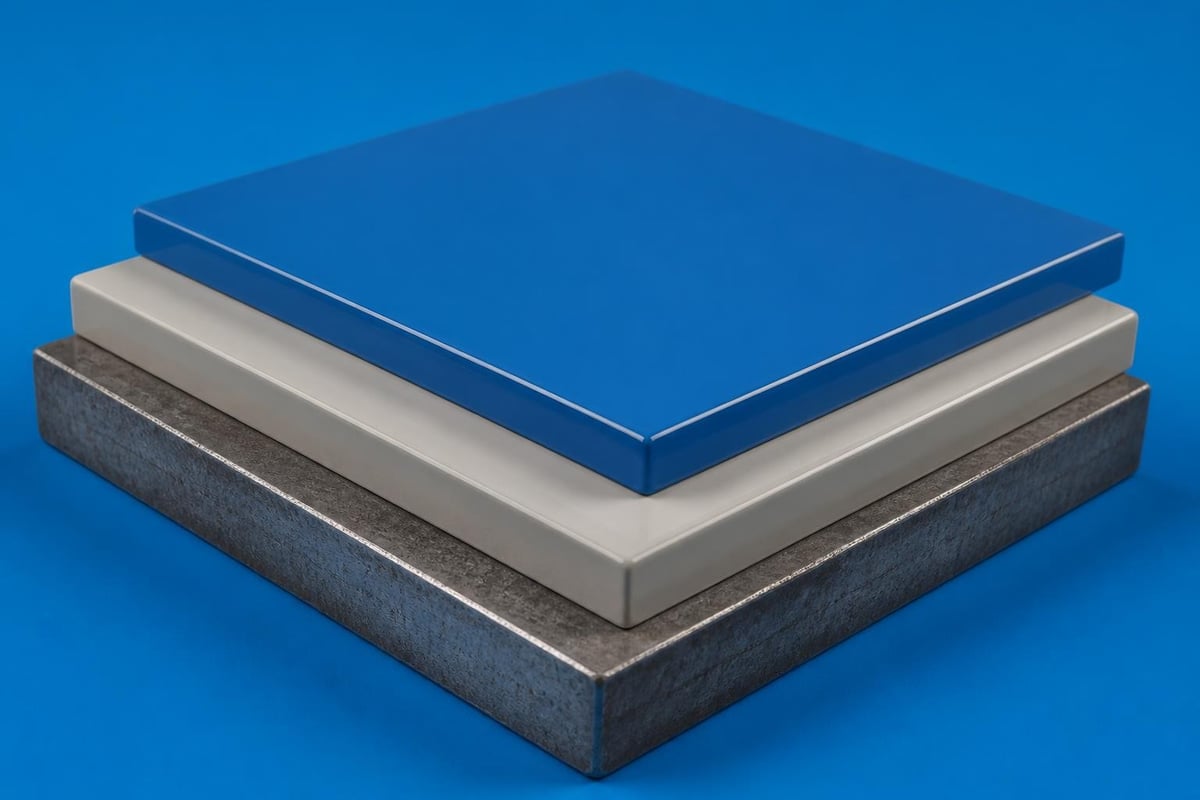
Modern coating systems typically consist of three distinct layers, each serving specific protective functions. Primers provide adhesion and corrosion inhibition directly at the substrate interface. Intermediate coats build film thickness and provide additional barrier protection. Topcoats deliver final environmental resistance, including UV stability, chemical resistance, and cleanability.
High-Performance Coating Technologies
Advanced coating formulations have revolutionized industrial protection strategies, offering superior performance characteristics compared to conventional alkyd or oil-based systems. Epoxy coatings provide exceptional chemical resistance and adhesion, making them ideal for tank interiors and chemical processing equipment.
Polyurethane systems deliver outstanding UV resistance and color retention for exterior applications exposed to weathering. Two-component polyurethanes offer excellent abrasion resistance for high-traffic surfaces and mechanical equipment.
Specialized coating categories include:
- Zinc-rich primers: Galvanic protection for steel substrates in marine and atmospheric exposure
- Epoxy phenolics: Tank linings for petroleum products and chemical storage
- Polyaspartics: Rapid-cure systems for minimal downtime applications
- Thermal spray coatings: Metallic and ceramic applications for extreme temperature service
- Intumescent fireproofing: Passive fire protection for structural steel
The ISO 12944 coating systems guide provides internationally recognized specifications for corrosion protection, helping contractors and facility owners select appropriate systems based on environmental corrosivity categories.
Environmental regulations significantly influence coating selection, particularly regarding volatile organic compound (VOC) emissions and hazardous air pollutants. The EPA’s updated standards for aerosol coatings reflect ongoing regulatory evolution that impacts coating operations across manufacturing sectors.
Application Methods and Equipment Requirements
Professional industrial painting services utilize various application methods selected based on component geometry, coating specifications, production volume, and quality requirements. Each method offers distinct advantages and limitations that influence project planning and execution.
Airless spray application dominates large-scale industrial projects, delivering high transfer efficiency and rapid coverage rates. These systems atomize coating materials through high-pressure nozzles, creating fine particles that achieve uniform film thickness across complex geometries.
Specialized Application Techniques
Conventional air spray remains valuable for detailed work and specialized coatings requiring fine atomization. HVLP (high volume, low pressure) systems reduce overspray and improve transfer efficiency, particularly important for compliance with EPA control techniques for metal parts coatings.
Plural-component spray equipment handles two-part coatings such as epoxies and polyurethanes, mixing components immediately before atomization to ensure proper cure chemistry. These systems require precise ratio control and thorough cleaning between applications.
| Application Method | Transfer Efficiency | Production Rate | Best Applications |
|---|---|---|---|
| Airless Spray | 65-85% | High | Large surfaces, structural steel |
| Conventional Spray | 40-60% | Medium | Detail work, touch-ups |
| HVLP Spray | 75-90% | Medium | VOC-sensitive areas, fine finishes |
| Plural Component | 70-85% | Medium-High | Fast-cure two-part systems |
| Roller/Brush | 90-95% | Low | Maintenance, small areas |
Electrostatic application methods enhance transfer efficiency by imparting electrical charges to coating particles, causing them to wrap around grounded substrates. This technology proves particularly effective for complex geometries and reduces material waste.
Manufacturing and fabrication facilities increasingly integrate automated coating systems for repetitive components, ensuring consistent quality while reducing labor costs and improving worker safety.
Quality Control and Inspection Protocols
Rigorous inspection procedures ensure that industrial painting services meet specified performance standards throughout preparation, application, and curing phases. Third-party coating inspectors certified through programs such as AMPP (Association for Materials Protection and Performance) provide independent verification of coating quality.
Visual inspection identifies obvious defects including runs, sags, holidays (missed areas), contamination, and color inconsistencies. However, quantitative measurements provide objective data that supports warranty compliance and long-term performance predictions.
Critical Measurement Parameters
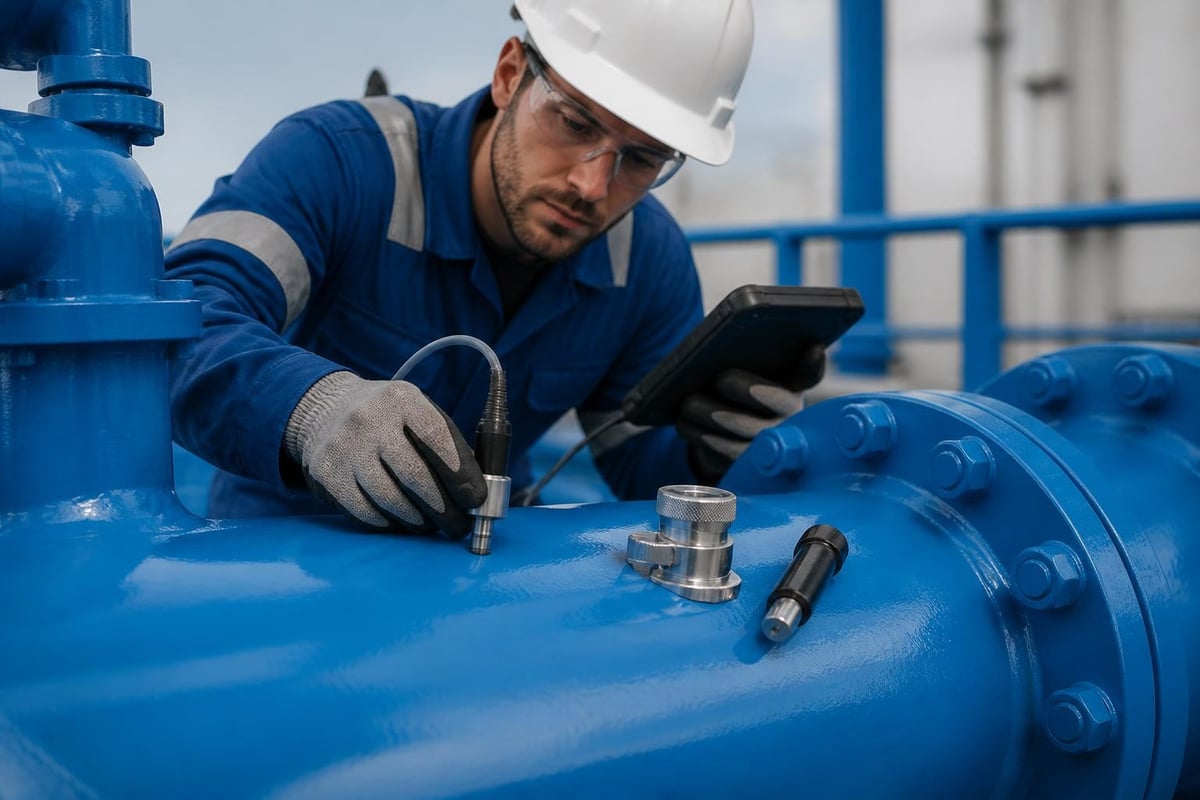
Dry film thickness (DFT) represents the most important coating property measured during application. Electronic gages using magnetic or eddy current principles provide non-destructive thickness verification across coated surfaces. Insufficient thickness compromises protective performance, while excessive thickness can cause cracking, poor adhesion, or economic waste.
Essential inspection measurements include:
- Dry film thickness at specified intervals and locations
- Surface cleanliness using visual standards and chemical tests
- Surface profile depth using replica tape or digital profilometers
- Adhesion testing through pull-off or cross-hatch methods
- Cure verification using solvent rubs or hardness testing
- Pinhole detection using wet sponge or holiday detection equipment
The AMPP coating inspector program establishes certification levels and competency requirements that ensure qualified personnel oversee critical coating applications. Facilities requiring documented quality assurance should engage certified inspectors for major coating projects.
Environmental conditions during application significantly affect coating performance. Temperature, relative humidity, and substrate temperature all fall within specified ranges defined by coating manufacturers. Deviations from these parameters can cause poor adhesion, slow cure, or surface defects.
Integration with Fabrication and Maintenance Operations
Industrial painting services deliver maximum value when integrated strategically with fabrication workflows and preventive maintenance programs. Custom fabrication shops that offer complete coating services eliminate coordination challenges and reduce project timelines by maintaining single-source accountability.
Newly fabricated components benefit from immediate coating application under controlled conditions before exposure to corrosive environments. This approach establishes optimal surface conditions and allows complete access to all surfaces before installation or assembly.
Maintenance Coating Strategies
Existing equipment and structures require periodic maintenance coating to extend service life and prevent costly premature replacement. Systematic inspection programs identify coating degradation before substrate corrosion begins, allowing targeted repairs that cost far less than complete recoating.
Facility managers should establish coating maintenance schedules based on exposure severity, coating system type, and criticality of protected assets. High-value equipment in aggressive environments may require annual inspection, while less critical components in benign conditions might extend inspection intervals to three or five years.
Maintenance coating approaches include:
- Spot repair of damaged areas with compatible coating systems
- Overcoating existing systems nearing end of service life
- Complete coating removal and reapplication for severely degraded surfaces
- Upgrade to higher-performance systems for changed service conditions
Heavy equipment repair services often incorporate coating restoration as essential components of rebuilding programs. Equipment subjected to abrasive materials, such as aggregate processing machinery or recycling equipment, experiences accelerated coating wear that demands regular attention.
Field coating applications present unique challenges compared to shop-based operations, including weather exposure, access limitations, and containment requirements. Mobile coating crews equipped with portable blasting equipment, spray systems, and environmental containment enable on-site work without equipment removal.
Safety and Environmental Compliance Considerations
Professional industrial painting services must navigate complex safety regulations protecting workers and surrounding communities from coating-related hazards. Coating materials contain chemicals that present health risks through inhalation, skin contact, and ingestion, requiring comprehensive safety protocols.
Respiratory protection represents the primary defense against coating vapors and particulates generated during surface preparation and application. Supplied-air respirators or powered air-purifying respirators (PAPRs) provide appropriate protection levels based on air contaminant concentrations and work duration.
Regulatory Framework and Best Practices
Occupational Safety and Health Administration (OSHA) standards establish permissible exposure limits (PELs) for coating components and require employers to implement engineering controls, administrative controls, and personal protective equipment to minimize worker exposure.
Environmental regulations address air emissions, wastewater discharge, and solid waste disposal associated with coating operations. VOC content restrictions drive coating formulation changes toward water-based, high-solids, and powder coating alternatives that reduce atmospheric emissions.
| Environmental Aspect | Regulatory Focus | Compliance Strategies |
|---|---|---|
| Air Emissions | VOC limits, HAPs | Low-VOC coatings, spray booth controls |
| Wastewater | Heavy metals, solvents | Closed-loop systems, proper treatment |
| Solid Waste | Spent abrasives, coating waste | Recycling programs, hazardous waste protocols |
| Noise | OSHA hearing conservation | Equipment selection, hearing protection |
Containment systems prevent coating materials and abrasive media from escaping work areas and contaminating surrounding environments. Temporary enclosures, negative air pressure systems, and filtration equipment protect adjacent operations and meet regulatory requirements for outdoor coating projects.
Oil and gas industry operations frequently require coating work in remote locations with sensitive environmental considerations. Service providers specializing in these sectors maintain rigorous environmental management systems that prevent spills and control emissions throughout project execution.
Economic Value and Return on Investment
Investing in quality industrial painting services delivers measurable financial returns through extended equipment life, reduced maintenance costs, and improved operational reliability. Unprotected steel structures corrode at predictable rates depending on environmental exposure, with replacement costs vastly exceeding preventive coating investments.
A comprehensive coating system applied to structural steel might cost between $3 and $8 per square foot depending on preparation requirements, coating specifications, and access challenges. However, this investment typically provides 15 to 25 years of protection, with periodic maintenance extending service life indefinitely.
Cost-Benefit Analysis Framework
Facility managers should evaluate coating investments using lifecycle cost analysis that considers initial application costs, expected service life, maintenance requirements, and avoided replacement costs. This approach reveals the true economic value of premium coating systems compared to minimum-specification alternatives.
Financial considerations include:
- Direct coating material and labor costs
- Surface preparation requirements and equipment
- Production downtime during coating application
- Inspection and quality assurance expenses
- Expected coating service life and maintenance intervals
- Avoided corrosion damage and equipment replacement costs
- Regulatory compliance costs and potential penalties
Equipment subjected to corrosive chemical exposure, such as tanks and vessels in industrial manufacturing operations, may experience complete failure within months without appropriate protective coatings. The same equipment with proper internal linings can deliver decades of reliable service.
Project scheduling impacts coating economics significantly. Weather-dependent outdoor projects face seasonal restrictions in many regions, with winter conditions preventing coating work for extended periods. Planning coating campaigns during optimal weather windows and coordinating with production schedules minimizes disruption and reduces costs.
Selecting Qualified Industrial Painting Service Providers
Choosing competent coating contractors requires evaluation of technical capabilities, safety performance, quality systems, and project experience relevant to specific industrial applications. Not all painting contractors possess the specialized knowledge and equipment necessary for demanding industrial environments.
Request detailed information about contractor qualifications including workforce training, safety statistics, quality certifications, and similar project references. Contractors holding AMPP company certifications demonstrate commitment to industry standards and professional development.
Evaluation Criteria and Due Diligence
Review contractor safety records including OSHA incident rates, workers' compensation experience modifications, and safety program documentation. Companies with strong safety cultures reduce project risks and demonstrate operational excellence that extends to quality performance.
Verify that contractors maintain appropriate insurance coverage including general liability, workers' compensation, pollution liability, and professional liability policies with limits matching project risk profiles. Certificate of insurance verification should occur before contract execution.
Key contractor qualifications include:
- Certified coating inspectors on staff or readily available
- Modern application equipment suitable for specified coating systems
- Surface preparation capabilities matching project requirements
- Environmental compliance programs and permits
- Project management systems and communication protocols
- Financial stability and bonding capacity for large projects
Companies offering integrated services such as welding, fabrication, and equipment repair alongside industrial coating applications provide coordination advantages that streamline complex projects and reduce interface issues between trades.
Geographic location influences contractor selection for field coating projects where mobilization costs can substantially impact project economics. Regional contractors familiar with local environmental conditions and regulatory requirements often deliver better value than distant providers requiring extensive travel.
Professional industrial painting services protect critical manufacturing assets while ensuring regulatory compliance and operational reliability throughout the Western United States. Whether your facility requires structural steel coating, heavy equipment protection, or specialized tank linings, selecting qualified contractors with appropriate technical capabilities and safety performance delivers measurable returns on coating investments. LTJ Industrial Services combines comprehensive welding, fabrication, machining, and coating capabilities to support commercial and industrial operations across recycling, aggregate, oil and gas, and manufacturing sectors with integrated solutions that minimize coordination challenges and maximize asset protection.