
Hydraulic systems power critical equipment across manufacturing, oil and gas, aggregate, and recycling operations throughout the Western United States. When these systems fail, downtime translates directly into lost productivity and revenue. Effective hydraulic equipment repair demands specialized knowledge, precision diagnostics, and a systematic approach to identifying root causes rather than just addressing symptoms. Whether you operate excavators, crushers, balers, or manufacturing presses, understanding the fundamentals of hydraulic repair empowers you to make informed decisions about maintenance, prevent catastrophic failures, and maximize equipment uptime in demanding industrial environments.
Understanding Common Hydraulic System Failures
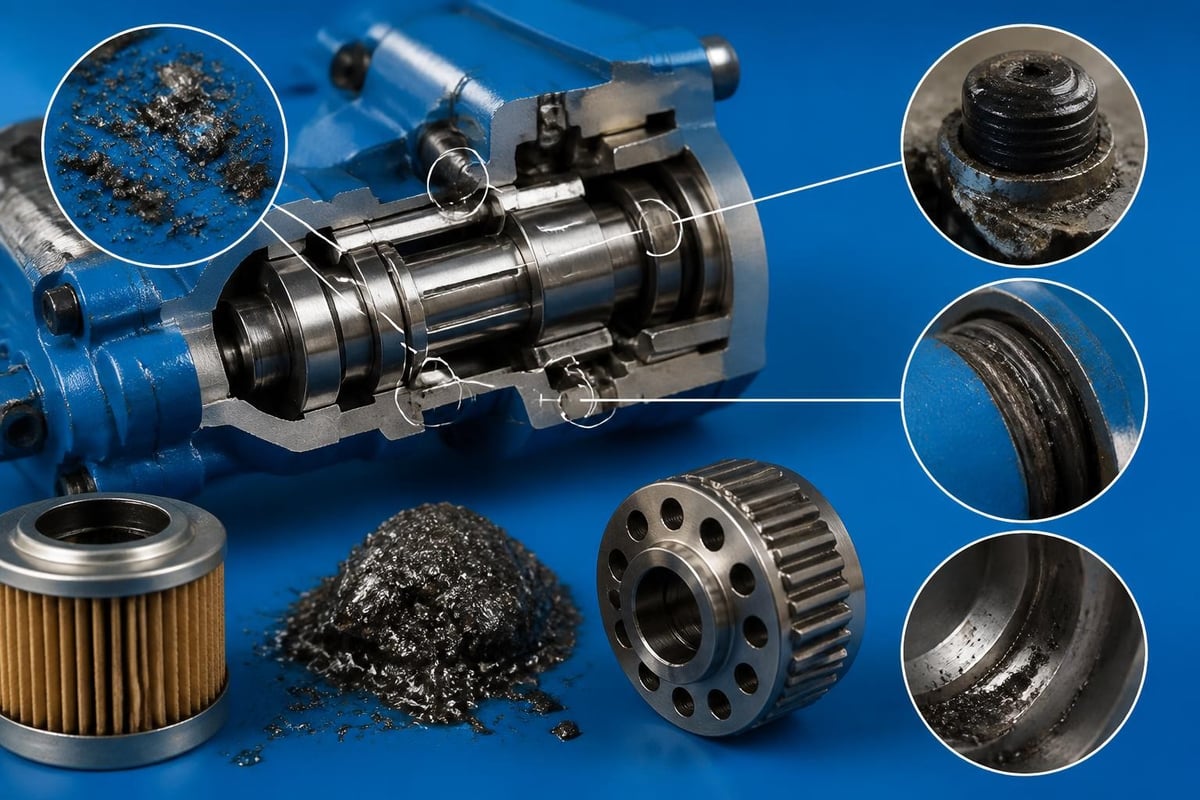
Hydraulic equipment repair begins with accurate diagnosis. The majority of hydraulic failures stem from contamination, seal degradation, or component wear. Contamination accounts for an estimated 70-80% of all hydraulic system problems, making fluid cleanliness the single most important factor in system longevity.
Particle contamination enters systems through multiple pathways: built-in contamination from manufacturing, ingressed dirt through worn seals and breathers, and internally generated wear particles. These contaminants create a destructive cycle, accelerating component wear and generating additional particles. Implementing proper filtration strategies and understanding ISO 4406 cleanliness codes helps prevent this cascade effect.
Seal Failure Patterns
Hydraulic seal failures manifest through external leakage, internal bypass, or complete extrusion. External leaks are immediately visible, but internal seal failure often goes undetected until performance degradation becomes severe. Symptoms include:
- Slow or erratic cylinder movement
- Reduced lifting capacity or cycle speed
- Excessive heat generation
- Increased power consumption for equivalent work output
Temperature extremes accelerate seal degradation. Elastomeric seals harden and crack in cold conditions, while excessive heat causes swelling and loss of resilience. Many operations in Colorado and the Western mountain states experience temperature swings from below freezing to over 100°F, placing additional stress on hydraulic components.
Diagnostic Procedures for Effective Repair
Systematic diagnostics separate professional hydraulic equipment repair from guesswork. Before disassembling components, technicians should document baseline conditions, measure system parameters, and isolate the failure location.
Pressure testing reveals pump efficiency, relief valve settings, and actuator integrity. Portable test gauges installed at strategic points throughout the circuit identify pressure drops across components. A healthy hydraulic pump typically maintains within 10% of rated pressure at specified flow rates.
Flow measurement diagnoses volumetric efficiency losses. Reduced flow with normal pressure indicates internal leakage past worn pistons, vanes, or gear teeth. This condition often precedes complete pump failure and represents an ideal intervention point for preventive maintenance.
| Diagnostic Method | What It Reveals | Typical Tools Required |
|---|---|---|
| Pressure testing | Pump efficiency, relief settings, cylinder seal integrity | Hydraulic test gauges (0-5000+ PSI) |
| Flow measurement | Volumetric losses, internal leakage | Inline flow meters, collection method |
| Temperature mapping | Excessive friction, cooling inadequacy, valve restriction | Infrared thermometer, thermal imaging |
| Fluid analysis | Contamination levels, additive depletion, water content | Lab service or portable test kit |
| Vibration analysis | Bearing wear, cavitation, aeration | Vibration meter, spectrum analyzer |
Modern approaches to predictive maintenance using machine-learning techniques enable technicians to identify degradation patterns before failures occur. Vibration signatures, pressure transients, and thermal profiles create baseline fingerprints for healthy equipment, with deviations triggering maintenance interventions.
Fluid Analysis Best Practices
Oil analysis provides the most cost-effective window into hydraulic system health. Regular sampling detects particle contamination, water ingression, additive depletion, and wear metal accumulation. Comprehensive resources on hydraulic fluids and contamination control guide sampling frequency, analysis parameters, and interpretation protocols.
Sample extraction should occur from the system's active circulation, not from the reservoir sump where heavier particles settle. Most hydraulic systems benefit from quarterly analysis, with critical equipment sampled monthly.
Component Repair and Replacement Strategies
Once diagnostics identify failed components, repair decisions balance cost, downtime, and long-term reliability. Some components warrant rebuild; others require complete replacement.
Cylinder Repair Considerations
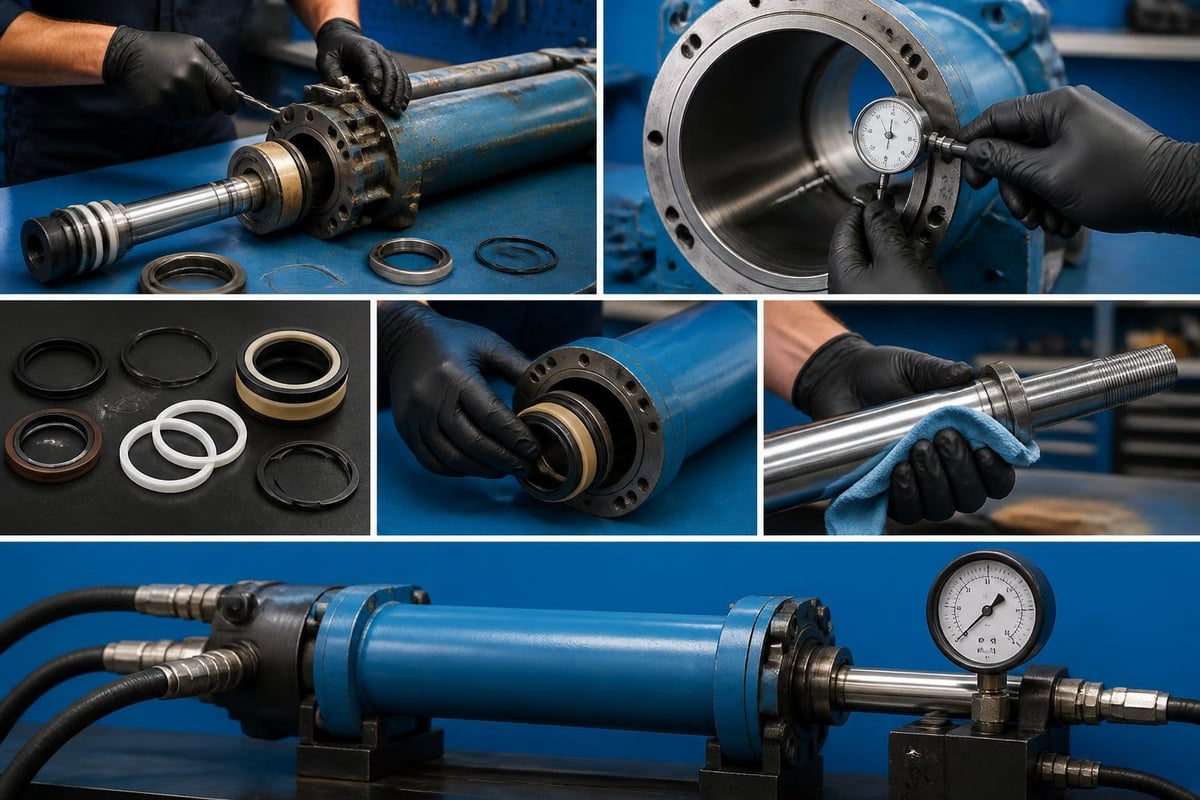
Hydraulic cylinders represent one of the most frequently repaired components. Typical repair involves:
- Complete disassembly and cleaning
- Inspection of bore surface for scoring, corrosion, or wear
- Measurement of rod straightness and chrome integrity
- Replacement of all seals, wipers, and wear bands
- Honing or sleeving of worn bores
- Pressure testing before return to service
Rod chrome damage from side loading or corrosion often requires rework beyond field capabilities. Professional machining services can grind, re-chrome, and finish rods to original specifications, extending cylinder life substantially beyond simple seal replacement.
Pump and Motor Rebuilding
Hydraulic pumps and motors contain precisely machined components operating under extreme pressure and temperature. Rebuild decisions depend on wear severity, parts availability, and equipment criticality.
Piston pumps feature replaceable wear plates, piston assemblies, and valve plates. When these components remain within manufacturer tolerances, rebuilding restores like-new performance at 40-60% of replacement cost. Gear pumps and vane pumps have fewer serviceable parts, making replacement economically favorable in many cases.
Rebuild candidates typically show:
- Minor scoring or wear within reconditioning limits
- Available parts from OEM or quality aftermarket sources
- Housings and castings without cracks or distortion
- Overall design remaining suitable for current application demands
Replacement indicators include:
- Catastrophic failure with debris contamination throughout
- Obsolete designs with discontinued parts
- Housing damage requiring extensive welding or machining
- Cost approaching 70%+ of new component pricing
Hose and Fitting Replacement Protocols
Hydraulic hoses represent the circulatory system's most vulnerable elements. Flexing, abrasion, temperature cycling, and pressure surges gradually degrade hose construction until failure occurs, often catastrophically.
SAE J343 test procedures establish performance standards for hydraulic hose assemblies. Following these protocols during replacement ensures reliable service life. Never replace failed hoses with lower-specification alternatives to save costs; the resulting failures create far greater expenses.
Proper Hose Assembly Techniques
Professional hydraulic equipment repair requires proper crimping equipment and training. Incorrect crimp dimensions create leak paths or reduce burst strength by 50% or more. Field repairs using band clamps or worm-drive clamps represent temporary emergency measures only, never permanent solutions.
Each hose assembly should include:
- Hose rated for maximum system pressure with appropriate safety factor (typically 4:1)
- Fittings compatible with hose construction and end connections
- Proper orientation avoiding twist, sharp bends, or minimum bend radius violations
- Strain relief preventing flexing at crimp points
- Protective sleeving in abrasion-prone areas
- Clear identification tags showing specifications and installation date
Contamination Control During Repair
The repair process itself introduces contamination risk. Opening hydraulic systems exposes clean fluid to airborne particles, metal shavings, and dirt from external surfaces. Professional field mechanic services implement strict cleanliness protocols throughout repair operations.
Before opening any hydraulic connection, thoroughly clean external surfaces. Use lint-free cloths and approved solvents to remove dirt, grease, and oxidation. Cap or plug all openings immediately upon disconnection.
Contamination prevention checklist:
- Work in clean environment away from dusty operations when possible
- Clean all external surfaces before disassembly
- Cap or plug all openings immediately
- Use new fluid for all component testing and system refilling
- Filter new fluid before introduction (even "clean" new oil contains particles)
- Install fresh filters before system startup after repair
- Flush circuits thoroughly after invasive repairs
Filtration handbooks detail offline filtration strategies for flushing systems after major repairs. Kidney-loop filtration circulates fluid through high-efficiency filters without operating system components, removing installation debris before equipment startup.
Field Repair Versus Shop Repair Decision Matrix
Location determines repair approach. Mobile equipment in remote aggregate quarries or oil field locations often requires on-site intervention, while production machinery benefits from complete system removal and shop overhaul.
| Factor | Field Repair Advantages | Shop Repair Advantages |
|---|---|---|
| Equipment mobility | Eliminates transportation costs and delays | Complete access to specialized equipment |
| Downtime impact | Faster return to service for minor repairs | Thorough inspection and testing capabilities |
| Cleanliness control | Challenging in dusty/dirty environments | Controlled clean environment |
| Tool availability | Limited to portable equipment | Full machining, welding, and test capabilities |
| Technician efficiency | Travel time and setup requirements | Efficient workflow and parts access |
Comprehensive shop services provide capabilities impossible in field settings: precision bore honing, valve reconditioning, filtration analysis, and complete system testing under controlled conditions. For critical repairs requiring machining, welding, or extensive disassembly, shop repair delivers superior outcomes.
Conversely, field repairs excel for accessible component replacement on mobile equipment. Replacing failed hoses, swapping cylinders, or installing rebuilt pumps on excavators, loaders, or crusher plants minimizes equipment transportation and maintains operational flexibility for businesses in remote Western locations.

Preventive Maintenance Programs
Effective hydraulic equipment repair extends beyond fixing failures to preventing them. Structured maintenance programs dramatically reduce emergency repairs and extend component life.
Regular maintenance intervals should include:
Weekly checks:
- Reservoir fluid level verification
- Visual leak inspection
- Filter differential pressure monitoring
- Unusual noise or vibration observation
Monthly procedures:
- Fluid condition visual assessment (color, clarity, odor)
- Hose inspection for abrasion, cracking, or bulging
- Fitting tightness verification
- Cooler cleanliness and airflow check
Quarterly tasks:
- Oil sampling and analysis
- Filter element replacement (or per differential pressure)
- Breather inspection and servicing
- System pressure verification
Annual overhaul:
- Complete fluid change with system flush
- Detailed component inspection
- Seal replacement on critical cylinders
- Pump performance verification
Implementing these protocols through partnerships with experienced industrial equipment repair providers ensures consistency and documentation. Maintenance records establish performance baselines, track component life cycles, and guide capital replacement planning.
Selecting Qualified Repair Partners
Hydraulic equipment repair quality varies dramatically across service providers. The cheapest option rarely delivers the best value when factoring in reliability, warranty support, and long-term performance.
Evaluation criteria should include:
- Technical certifications from manufacturers and industry organizations
- Parts sourcing practices distinguishing OEM, quality aftermarket, and substandard alternatives
- Testing capabilities for pressure, flow, and contamination verification
- Machining and fabrication resources for component reconditioning
- Emergency response availability for critical failures
- Documentation standards providing detailed repair records and recommendations
Regional providers serving oil and gas, aggregate, and recycling industries throughout Colorado and surrounding states understand the unique demands of high-altitude operations, temperature extremes, and remote site access. This specialized knowledge translates into faster diagnostics, appropriate component selection, and realistic timelines.
Training and Knowledge Transfer
Hydraulic systems evolve continuously with electronic controls, load-sensing circuits, and variable displacement pumps replacing older constant-flow designs. Maintaining repair competency requires ongoing training investment.
Manufacturer-specific training programs provide the deepest knowledge for particular equipment brands. Generic hydraulic schools establish fundamental principles applicable across all systems. Both approaches have value within comprehensive training strategies.
Cross-training maintenance staff in related disciplines creates operational resilience. Technicians with welding and machining capabilities handle repairs requiring frame modifications, bracket fabrication, or mounting surface restoration alongside hydraulic work. This integrated skill set reduces coordination delays and ensures compatibility between repairs and existing equipment.
Documentation and Continuous Improvement
Every hydraulic equipment repair generates information valuable for preventing future failures. Systematic documentation captures this knowledge, transforming reactive maintenance into strategic asset management.
Repair records should detail:
- Failure symptoms and diagnostic findings
- Root cause determination
- Components replaced or repaired
- Fluid condition and contamination analysis results
- System modifications or improvements implemented
- Return-to-service testing results and parameters
Analyzing failure patterns across equipment fleets identifies systematic issues: contamination sources, inadequate cooling capacity, improper fluid specification, or operational practices causing accelerated wear. Addressing these root causes delivers returns far exceeding individual repair costs.
Modern manufacturing and industrial operations increasingly implement computerized maintenance management systems (CMMS) integrating repair history, parts inventory, scheduled maintenance, and performance trending. These platforms enable data-driven decisions about component standardization, preventive replacement intervals, and capital equipment renewal.
Integration with Broader Maintenance Strategies
Hydraulic equipment repair exists within larger maintenance ecosystems. Integration with mechanical, electrical, and structural maintenance creates synergies improving overall equipment effectiveness.
Hydraulic failures often result from or cause problems in adjacent systems. Misaligned couplings create vibration damaging pump bearings. Electrical control malfunctions create pressure spikes degrading valves and seals. Structural cracks alter cylinder mounting geometry, inducing side loads.
Comprehensive maintenance providers offering fabrication, machining, and field services address these interconnected issues holistically. Rather than repairing symptoms across isolated systems, integrated approaches resolve root causes permanently, whether that requires hydraulic component replacement, structural reinforcement, or control system recalibration.
Maintaining hydraulic systems in demanding industrial environments requires expertise, proper equipment, and systematic approaches balancing reactive repair with proactive maintenance. From contamination control and predictive diagnostics to component reconditioning and field service capabilities, professional hydraulic equipment repair keeps critical equipment operating reliably. LTJ Industrial Services delivers comprehensive hydraulic, welding, machining, and fabrication expertise across Colorado and the Western United States, serving manufacturing, aggregate, recycling, and oil and gas operations with both shop and field capabilities designed to minimize downtime and maximize equipment performance.