Manufacturing facilities across the commercial and industrial sectors face unique operational challenges that require specialized solutions. Standard off-the-shelf components often fail to meet the specific demands of equipment in recycling plants, aggregate operations, or oil and gas facilities. This reality drives the need for fabrication custom services that deliver precision-engineered parts and assemblies tailored to exact specifications. Understanding how custom fabrication transforms raw materials into specialized components helps manufacturers maintain competitive advantages while optimizing operational efficiency.
Understanding the Scope of Fabrication Custom Services
Fabrication custom work encompasses a broad spectrum of metalworking processes designed to create unique components that meet specific industrial requirements. Unlike mass-produced parts, custom fabrication begins with detailed engineering specifications and transforms raw materials through cutting, forming, welding, and machining operations.
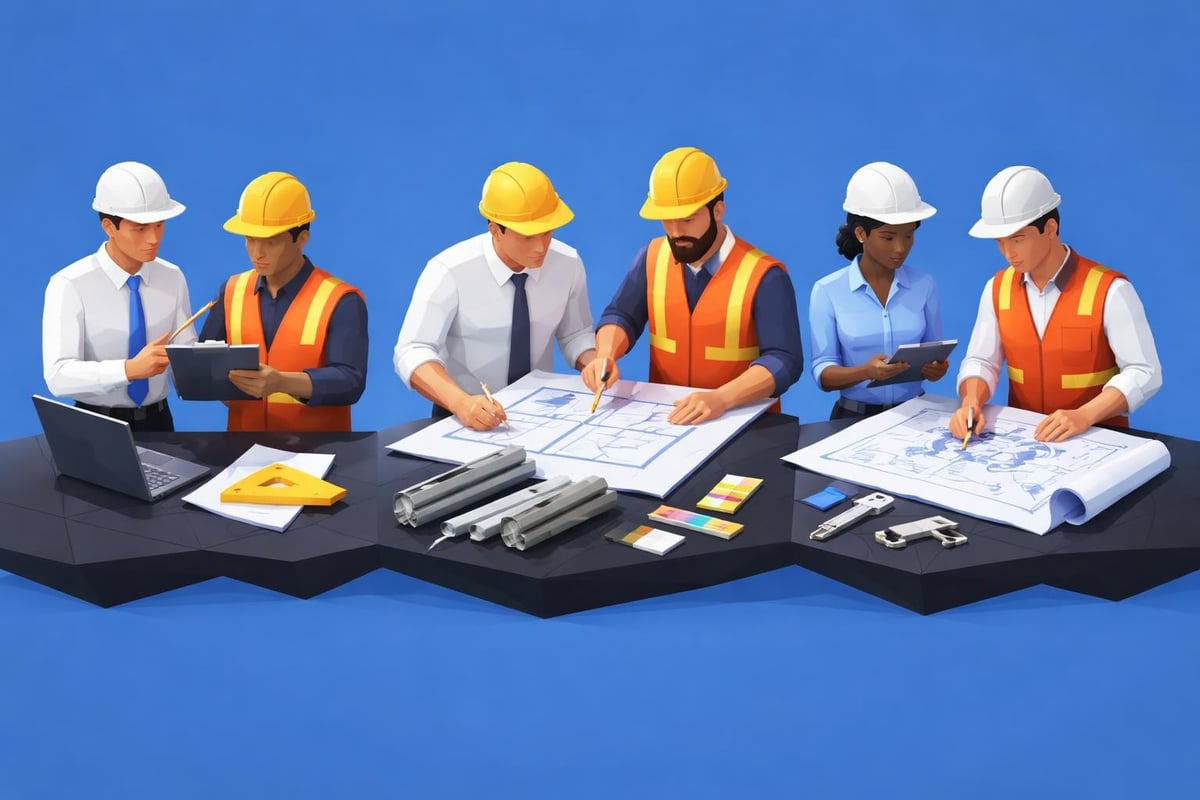
The foundation of any fabrication custom project lies in comprehensive planning and design. Engineers analyze operational requirements, environmental conditions, load specifications, and material properties before developing detailed blueprints. This planning phase ensures that the final product will perform reliably under actual working conditions.
Material Selection and Preparation
Choosing appropriate materials represents a critical decision in fabrication custom work. Different applications demand specific material properties:
- Carbon steel offers excellent strength and weldability for structural components
- Stainless steel provides corrosion resistance in chemical processing environments
- Aluminum delivers lightweight durability for mobile equipment
- High-strength alloys withstand extreme temperatures and pressures in specialized applications
Material preparation involves cutting stock to rough dimensions using plasma cutters, laser cutting systems, or water jet technology. Modern manufacturing and machining facilities employ computer-controlled equipment that ensures precise cuts while minimizing material waste. Recent advances in robotic 3D concrete printing demonstrate how custom fabrication techniques continue evolving across multiple industries.
The thickness, grade, and finish of raw materials directly impact both the fabrication process and the performance characteristics of finished components. Quality control begins with material certification and verification, ensuring that incoming stock meets specified standards before fabrication commences.
Core Processes in Custom Metal Fabrication
Precision Cutting and Forming
Initial cutting operations transform raw stock into workable pieces. Thermal cutting methods including plasma and oxy-fuel cutting handle thick materials efficiently, while laser cutting provides extremely precise edges for complex geometries. Water jetting offers advantages when working with materials sensitive to heat-affected zones.
Forming processes shape metal components through controlled deformation. Press brakes bend sheet metal to specified angles with repeatable accuracy. Rolling machines create cylindrical shapes and curved sections for tanks, vessels, and structural components. The precision achieved during forming directly influences final assembly quality and dimensional accuracy.
| Cutting Method | Material Thickness | Precision Level | Best Applications |
|---|---|---|---|
| Plasma Cutting | 0.25″ – 2″ | ±0.030″ | Structural steel, carbon steel |
| Laser Cutting | 0.03″ – 1″ | ±0.005″ | Complex geometries, thin materials |
| Water Jetting | 0.03″ – 6″ | ±0.010″ | Heat-sensitive materials, composites |
| Oxy-Fuel | 0.5″ – 12″ | ±0.060″ | Heavy plate, demolition cutting |
Welding and Assembly Techniques
Welding joins individual components into complete assemblies, requiring specialized expertise and equipment. ASME Code welding services for pressure piping demonstrate the rigorous standards necessary for critical applications where failure could result in catastrophic consequences.
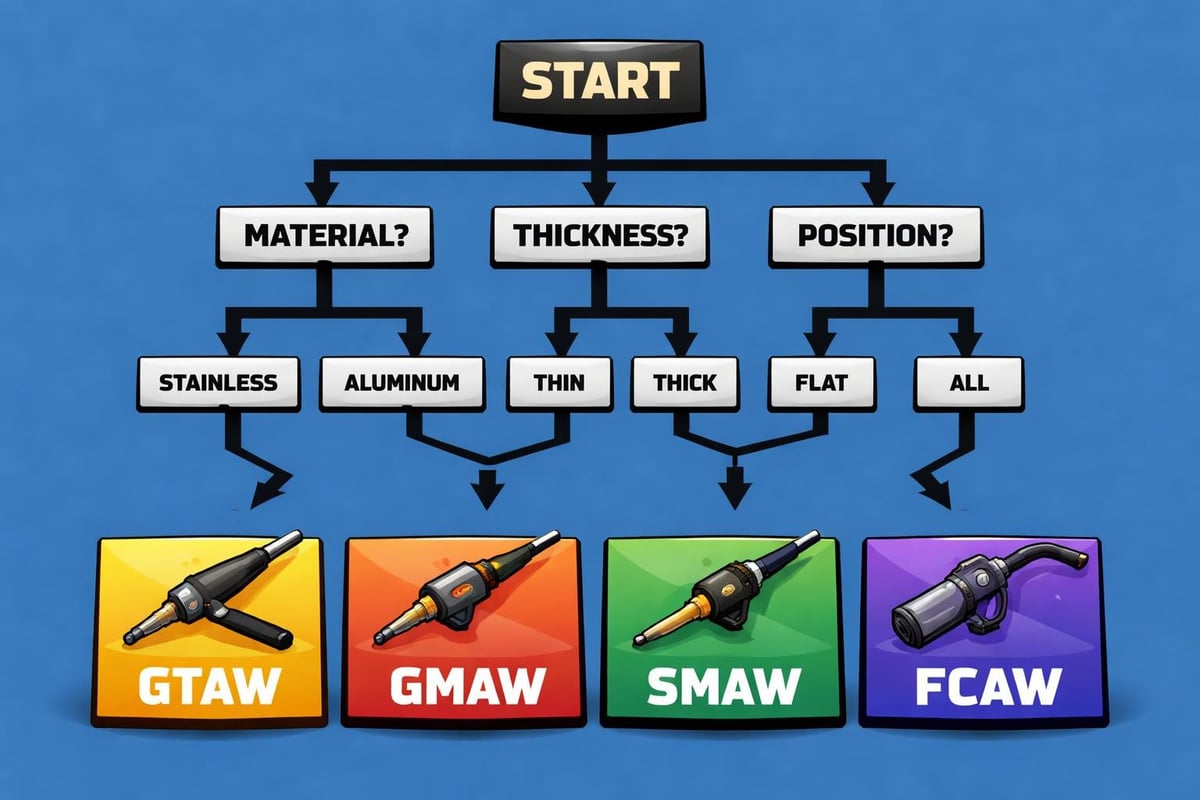
Fabrication custom projects often require multiple welding processes:
- GTAW (TIG welding) provides exceptional control for thin materials and root passes
- GMAW (MIG welding) offers faster deposition rates for structural work
- SMAW (Stick welding) delivers versatility in field conditions
- FCAW (Flux-cored welding) penetrates thicker materials effectively
Professional welders maintain certifications specific to the codes and standards governing their work. Custom welding services in industrial settings must accommodate various positions, material combinations, and environmental challenges while maintaining weld integrity.
Post-weld operations include grinding, cleaning, and inspection to verify that joints meet specification requirements. Non-destructive testing methods such as radiography, ultrasonic testing, and magnetic particle inspection reveal internal defects invisible to visual examination.
Machining Integration in Custom Fabrication
Precision Machining Operations
While welding and forming create basic structures, machining metal achieves the tight tolerances required for mating surfaces, bearing seats, and threaded connections. CNC milling machines remove material with extreme precision, creating complex geometries that would be impossible through manual methods.
Turning operations produce cylindrical components such as shafts, bushings, and custom fasteners. Multi-axis machining centers complete complex parts in single setups, reducing handling time and improving dimensional consistency. Studies on custom-made metal posts manufacturing using selective laser sintering highlight how advanced fabrication techniques continue improving precision in specialized applications.
Drilling, boring, and reaming operations create precise holes for bolted connections and alignment pins. Thread cutting produces custom fasteners and threaded connections that meet specific strength requirements. Surface finishing operations including grinding and honing achieve the surface quality necessary for sealing surfaces and wear resistance.
Quality Control and Verification
Dimensional inspection throughout the fabrication custom process prevents costly errors and ensures components meet specifications. Coordinate measuring machines (CMMs) verify complex geometries with micron-level accuracy. Optical comparators project magnified part profiles against design dimensions, revealing deviations quickly.
Inspectors use precision measuring instruments including:
- Micrometers for external dimensions
- Bore gauges for internal measurements
- Height gauges for vertical dimensions
- Angle plates and sine bars for angular verification
- Surface roughness testers for finish quality
Documentation accompanies every fabrication custom project, creating traceable records of materials, processes, and inspection results. This documentation proves essential for regulated industries and provides valuable references for future maintenance or reproduction.
Applications Across Industrial Sectors
Oil and Gas Industry Requirements
The oil and gas sector demands fabrication custom solutions that withstand extreme pressures, corrosive environments, and temperature fluctuations. Pressure vessels, piping assemblies, and structural supports require engineering calculations verified by licensed professional engineers and fabrication techniques that meet ASME Boiler and Pressure Vessel Code requirements.
Skid-mounted equipment assemblies combine multiple components into transportable units that can be installed quickly at remote locations. These assemblies integrate pumps, valves, control systems, and structural framing into functional systems tested before shipment. Field modifications often require custom fabrication and welding capabilities that can adapt to site-specific conditions.
Repair and maintenance work frequently involves creating replacement components for obsolete equipment where original parts are no longer available. Reverse engineering measures existing components and develops fabrication procedures to reproduce them with modern materials and techniques.
Aggregate and Material Processing Equipment
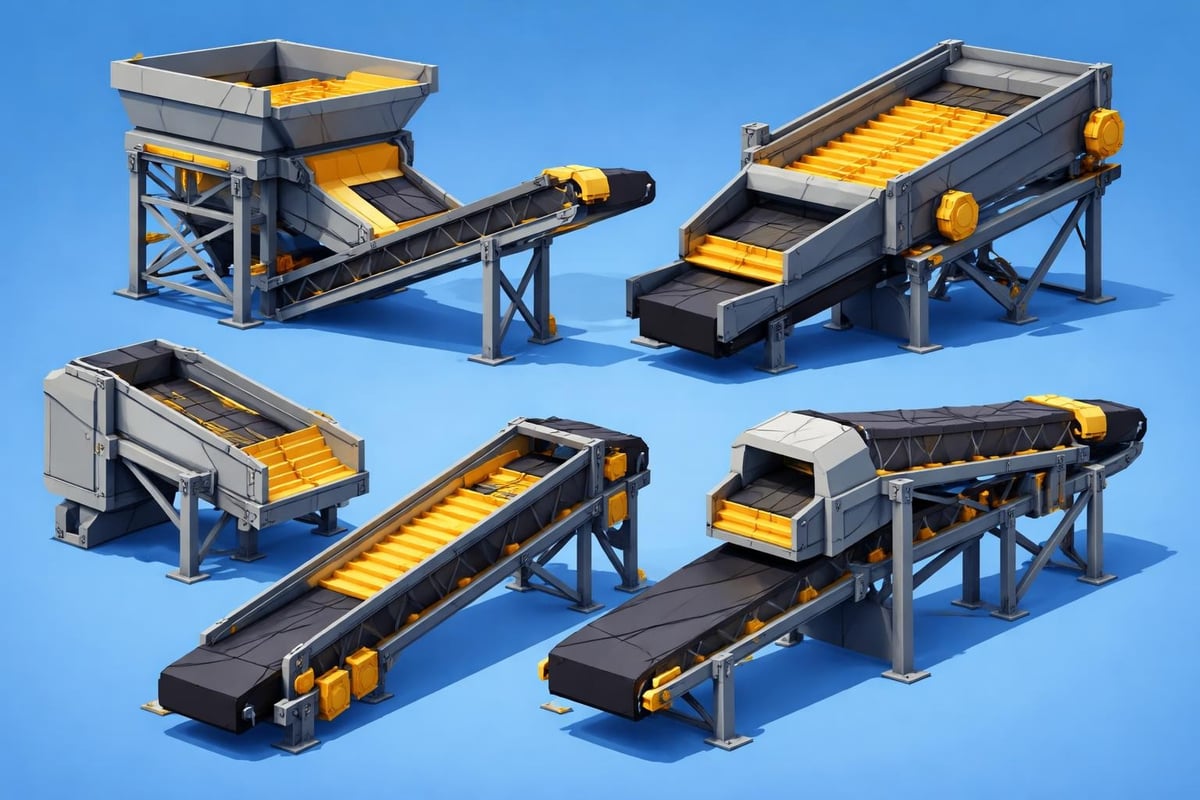
Rock crushers, screening equipment, and conveyor systems in aggregate operations endure constant abrasion and impact loading. Fabrication custom work for these applications emphasizes wear-resistant materials, replaceable wear components, and robust structural design that extends service life while simplifying maintenance.
Chutes, hoppers, and bins require careful design to control material flow while resisting wear. Liner plates fabricated from high-hardness steels or abrasion-resistant alloys protect structural components from direct contact with abrasive materials. Replacement schedules based on wear patterns minimize unplanned downtime.
Conveyor structures and support systems must maintain alignment under dynamic loading conditions. Industrial metal fabrication for material handling equipment combines structural analysis with practical experience to create systems that perform reliably in demanding environments.
Manufacturing and Production Equipment
Custom machinery components support specialized production processes unique to individual manufacturers. Manufacturing projects often require fixtures, jigs, and tooling fabricated to precise specifications that ensure repeatability and quality in production operations.
Process tanks, mixing vessels, and reaction chambers illustrate how fabrication custom work creates equipment tailored to specific chemical processes, temperature requirements, and material compatibilities. Custom food equipment fabrication demonstrates the importance of sanitary welding and surface finishes in applications where contamination control is critical.
Automation integration increasingly drives fabrication custom projects as manufacturers implement robotic systems and automated material handling. Support structures, safety enclosures, and equipment mounts must accommodate precise positioning while providing access for maintenance and adjustment.
Advanced Fabrication Technologies
Computer-Aided Design and Manufacturing
Modern fabrication custom work relies heavily on CAD software that creates detailed three-dimensional models before any material is cut. These digital models enable interference checking, stress analysis, and optimization before committing resources to physical fabrication. CAM software translates design models into machine code that drives CNC equipment with precision and consistency.
Nesting software optimizes material utilization by arranging multiple parts on stock sheets to minimize waste. Automated programming reduces setup time and eliminates manual programming errors that could damage equipment or create scrap parts. Research into 3D printing devices with embedded PCBs shows how fabrication technologies continue expanding the possibilities for integrated custom solutions.
Simulation software predicts welding distortion, material stress patterns, and thermal effects before fabrication begins. This predictive capability allows engineers to modify designs or fabrication sequences to prevent problems rather than correcting them after they occur.
Additive Manufacturing Integration
While traditional fabrication custom processes remove or reshape material, additive manufacturing builds components layer by layer. Metal 3D printing creates complex internal geometries impossible to achieve through conventional machining. Studies on net-shaped aluminum matrix composite parts demonstrate how additive techniques advance material science and fabrication capabilities.
Hybrid approaches combine additive and subtractive processes, using 3D printing to create near-net shapes that receive final finishing through conventional machining. This combination reduces material waste while achieving the surface finishes and tolerances required for functional components. Innovative tools like WireBend-kit for custom 3D wireframe structures expand the accessible options for rapid prototyping and custom fabrication.
Prototyping benefits significantly from additive manufacturing, allowing engineers to test form, fit, and function before committing to production tooling. Rapid iteration cycles accelerate development timelines and reduce the cost of design modifications.
Project Management and Client Collaboration
Requirements Definition and Specification Development
Successful fabrication custom projects begin with clear communication between clients and fabrication specialists. Initial consultations explore operational requirements, dimensional constraints, material preferences, and performance expectations. Experienced teams ask probing questions that uncover details clients might not recognize as important.
Detailed specifications document every aspect of the project:
- Material grades and certifications
- Dimensional tolerances and surface finishes
- Welding procedures and inspection requirements
- Coating or finishing specifications
- Testing and certification documentation
- Delivery schedules and logistics considerations
Review cycles ensure that specifications accurately reflect client needs before fabrication begins. Changes made during this planning phase cost far less than modifications after materials have been cut or components welded.
Timeline and Cost Management
Fabrication custom work requires realistic scheduling that accounts for material procurement, manufacturing capacity, and quality control processes. Rush projects may be possible but often incur premium costs for expedited material delivery or overtime labor.
| Project Phase | Typical Duration | Variables Affecting Timeline |
|---|---|---|
| Design & Engineering | 1-3 weeks | Complexity, revisions, analysis requirements |
| Material Procurement | 2-6 weeks | Stock availability, special orders, certifications |
| Fabrication | 1-8 weeks | Quantity, complexity, process requirements |
| Inspection & Testing | 3-7 days | Test methods, third-party requirements |
| Finishing & Delivery | 1-2 weeks | Coating cure time, shipping distance |
Budget considerations extend beyond raw fabrication costs. Engineering time, specialty tooling, inspection services, and finishing operations contribute to total project costs. Transparent pricing helps clients make informed decisions about design trade-offs that balance performance against budget constraints.
Quality Standards and Compliance Requirements
Industry Codes and Certifications
Fabrication custom work in regulated industries must comply with applicable codes and standards. ASME Boiler and Pressure Vessel Code governs equipment containing pressurized fluids. AWS D1.1 Structural Welding Code specifies requirements for building and bridge structures. API standards apply to petroleum and natural gas industry equipment.
Welding and fabrication services from qualified providers maintain certifications demonstrating compliance with these standards. Welder qualifications, procedure specifications, and inspection protocols must meet code requirements. Third-party inspections by authorized inspectors verify compliance for critical applications.
ISO 9001 quality management systems provide frameworks for consistent processes and continuous improvement. Documented procedures, calibrated equipment, and trained personnel ensure that quality remains consistent across all projects regardless of size or complexity.
Documentation and Traceability
Material certifications trace raw materials to their manufacturing source, documenting chemical composition and mechanical properties. Mill test reports accompany certified materials, providing verification that incoming stock meets specification requirements. Heat numbers on materials enable tracing specific components back to original material lots if issues arise.
Welding procedure specifications (WPS) document the parameters used for each welding process. Procedure qualification records (PQR) demonstrate that proposed procedures produce acceptable results through testing. Welder performance qualifications (WPQ) verify that individual welders can execute procedures correctly.
Final inspection reports document dimensional verification, visual inspection results, and any non-destructive testing performed. Photographs provide visual records of completed work. As-built drawings show any approved modifications made during fabrication, ensuring that documentation accurately reflects delivered components.
Maintenance and Long-Term Support
Repair and Refurbishment Services
Equipment doesn’t last forever, but fabrication custom capabilities extend service life through repair and refurbishment. Worn components can be rebuilt using welding overlay, spray metallization, or precision machining to restore original dimensions. Hydraulic cylinder repair illustrates how specialized fabrication techniques restore expensive components to service at a fraction of replacement cost.
Structural repairs address cracking, corrosion, or impact damage through proper preparation, qualified welding procedures, and post-repair inspection. Understanding original design loads and stress patterns ensures that repairs restore structural integrity without introducing new failure points.
Upgrades and modifications adapt existing equipment to new requirements or improved technologies. Adding mounting brackets, reinforcing structures for increased capacity, or modifying geometries for different products requires fabrication custom expertise that respects original design intent while achieving new objectives.
Preventive Maintenance Support
Fabrication shops that understand equipment design can support preventive maintenance programs by manufacturing spare parts before failures occur. Critical wear components produced during equipment fabrication ensure geometric compatibility and material specifications that match original design requirements.
Inspection programs identify wear patterns, corrosion, and fatigue cracking before they cause unexpected failures. Regular dimensional verification tracks gradual changes that indicate when replacement or repair should be scheduled. Thermal imaging reveals stress concentrations and overheating that suggest underlying problems.
Fabrication custom solutions transform industrial challenges into optimized equipment and components that drive operational success. From initial engineering through fabrication, inspection, and long-term support, custom metalworking delivers precision-engineered results that off-the-shelf products cannot match. When your operations demand specialized components built to exacting standards, LTJ Industrial Services brings decades of welding, fabrication, and machining expertise to every project throughout the Western United States. Whether you need pressure vessel fabrication, structural repairs, or custom machinery components, our team delivers the quality and reliability your business requires.