
Unplanned downtime from hydraulic cylinder failures can cost industries thousands per hour, making reliability a top priority in 2026. This essential guide delivers a clear, step-by-step approach to hydraulic cylinder repair, equipping you to maximize performance and extend component life.
Explore everything from common failure modes and advanced diagnostic techniques to the latest repair tools and maintenance best practices. Discover how new technologies can save costs and reduce risk, whether you prefer a hands-on solution or professional support. Get ready to take control and ensure your operations run smoothly.
Understanding Hydraulic Cylinders and Common Failure Modes
Hydraulic cylinders are the backbone of countless industrial applications, converting fluid power into precise mechanical force. Understanding how these components work and what can cause them to fail is essential for effective hydraulic cylinder repair. This section breaks down the core anatomy, examines leading failure causes, highlights early warning signs, and explores the latest industry trends shaping repair strategies in 2026.
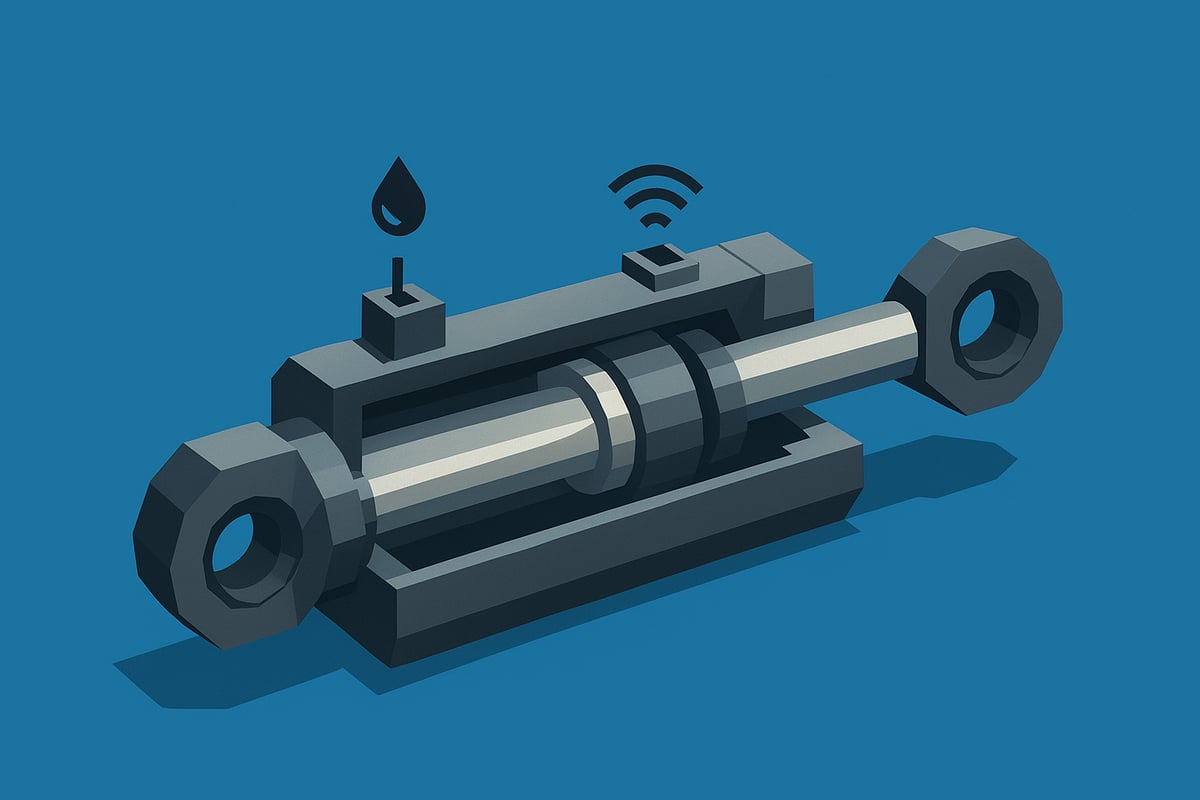
Anatomy of a Hydraulic Cylinder
A hydraulic cylinder consists of several precision-engineered components. The barrel forms the main body, housing the piston and rod assembly. The piston separates pressure zones inside the barrel, while the rod transfers force to external machinery. Seals prevent fluid leakage and contamination, and end caps secure the assembly. Ports allow fluid to enter and exit, enabling movement.
There are two main designs: tie-rod and welded cylinders. Tie-rod cylinders use external rods to hold end caps in place, making them easy to service. Welded cylinders feature end caps welded directly to the barrel for a more compact, robust build.
| Component | Function |
|---|---|
| Barrel | Contains pressure, guides piston |
| Piston | Separates fluid chambers |
| Rod | Transmits motion |
| Seals | Prevent leaks, keep dirt out |
| End Caps | Secure and seal assembly |
| Ports | Fluid entry/exit |
Precision in each part is vital for efficient hydraulic cylinder repair and optimal system performance.
Typical Causes of Hydraulic Cylinder Failure
Failures in hydraulic cylinders can be costly and disruptive. The most common issue is seal wear and leakage, which accounts for over 50% of repairs and is a leading source of downtime. According to Hydraulic Cylinder Failure Statistics, cylinder leakage causes up to 30% of system downtime in industrial settings.
Other frequent problems include rod scoring or bending, often resulting from abrasive contaminants or mechanical shock. Corrosion can occur in harsh environments, damaging rods and barrels. Barrel damage is commonly linked to contamination or inadequate lubrication. Misalignment during installation can put extra stress on seals and rods, accelerating wear and reducing reliability.
Recognizing these causes is key to planning effective hydraulic cylinder repair and minimizing future breakdowns.
Early Warning Signs and Diagnostic Data
Spotting early warning signs can prevent major failures and reduce repair costs. Watch for external leaks, which often signal seal problems. Abnormal noises, such as knocking or hissing, may indicate internal damage or fluid bypass. Jerky or erratic movement is another red flag, pointing to rod or piston issues.
Technicians use pressure gauges to check for pressure loss and borescopes to visually inspect internal surfaces. Ignoring these signs can lead to more extensive damage and costly downtime. Prompt hydraulic cylinder repair at this stage helps maintain system efficiency.
Industry Trends & 2026-Specific Challenges
The landscape for hydraulic cylinder repair is evolving rapidly in 2026. Systems now operate at higher pressures and feature more compact, integrated designs. Advanced materials, such as high-strength alloys and engineered polymers, are increasingly common in cylinder construction.
Smart sensor integration is transforming maintenance practices. Predictive maintenance tools use real-time data to anticipate potential failures before they cause downtime. The adoption of condition monitoring systems is rising across industries, driving improved reliability and cost savings. Staying current with these trends ensures that hydraulic cylinder repair strategies remain effective and future-ready.
Step-by-Step Hydraulic Cylinder Repair Process
Hydraulic cylinder repair requires a precise, methodical approach to restore functionality and extend equipment life. Whether you are servicing a single component or managing a fleet, each stage in the process is critical. Attention to detail and adherence to best practices can help avoid recurring issues and costly downtime.
Pre-Repair Assessment & Disassembly
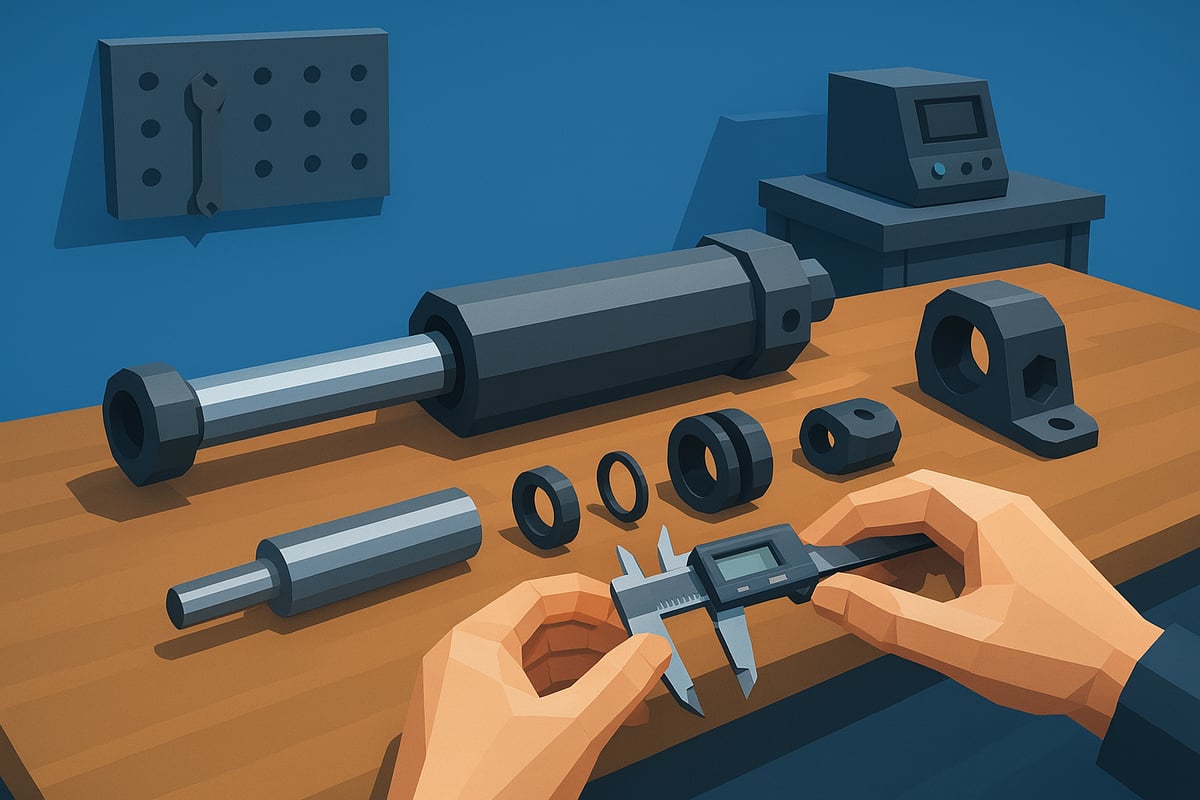
Begin any hydraulic cylinder repair by performing a thorough assessment. Investigate the root cause of failure, not just the symptoms. Start with a visual inspection, checking for external leaks, rod straightness, and signs of scoring on the cylinder wall. Use diagnostic tools such as pressure gauges to verify internal pressure retention and borescopes to inspect the interior for hidden damage.
Document all findings, including fluid condition and wear patterns. Deciding whether to repair or replace a cylinder depends on the extent of damage and cost comparison. For example, a slightly bent rod can often be straightened, but severe deformation or deep scoring may require full replacement. Reference protocols, like those in this Hydraulic Cylinder Repair Techniques guide, to inform your approach and ensure consistent, reliable results.
If possible, photograph each stage during disassembly for later reassembly. Label all parts, paying close attention to orientation and sequence. This systematic start lays the groundwork for a successful hydraulic cylinder repair.
Cleaning and Damage Evaluation
After disassembly, clean all components using lint-free cloths and approved cleaning agents. Prevent introducing new contaminants into the hydraulic cylinder repair process by working in a controlled environment.
Inspect each part for cracks, pitting, or excessive wear. Use micrometers and calipers to measure tolerances and compare them to manufacturer specifications. Pay special attention to seal grooves, rod surfaces, and the interior barrel. Document all findings for future reference and traceability. This careful evaluation ensures that no underlying issue is overlooked.
Component Repair and Replacement Techniques
Effective hydraulic cylinder repair often hinges on the quality of component restoration or replacement. Begin by removing old seals, cleaning grooves thoroughly, and installing new seals using specialized tools. If the rod is bent, employ a hydraulic press and precision jigs to straighten it, checking alignment with dial indicators.
Polish the rod surface with abrasive belts, progressing through finer grits to restore the correct diameter and finish. When honing the cylinder barrel, maintain the essential cross-hatch pattern for optimal lubrication, taking care not to remove excess material.
Criteria for replacement include:
- Rods with deep scores or severe bends
- Barrels with internal corrosion or out-of-spec wear
- Components failing dimensional checks
Always use OEM or certified replacement parts to maintain system integrity. These steps, when executed with precision, are central to a lasting hydraulic cylinder repair.
Reassembly Best Practices
Reassembly is more than reversing disassembly. Lubricate all seals and moving parts to minimize friction during initial operation. Align the piston, rod, and end caps accurately to prevent side loading and premature wear.
Torque all bolts and fittings to manufacturer specifications. Double-check fluid compatibility, especially when new seals or materials are involved. Careful reassembly ensures the hydraulic cylinder repair delivers smooth, reliable performance from the outset.
Post-Repair Testing & Quality Assurance
Testing is the final safeguard in hydraulic cylinder repair. Begin with static pressure tests to check for leaks. Follow up with dynamic testing under operational loads to verify stroke length and smooth movement.
Compare results to ISO, ASTM, or OEM standards. Record all test data and observations in maintenance logs for future reference and regulatory compliance. This focus on quality assurance confirms the repair’s effectiveness and supports ongoing reliability.
Essential Tools, Equipment, and Safety Protocols for 2026
Maintaining efficiency and safety in hydraulic cylinder repair requires not only skilled technicians but also the right tools, technology, and protocols. As the industry evolves in 2026, both traditional and advanced resources are essential for reliable repairs and compliance with modern standards.
Must-Have Tools for Hydraulic Cylinder Repair
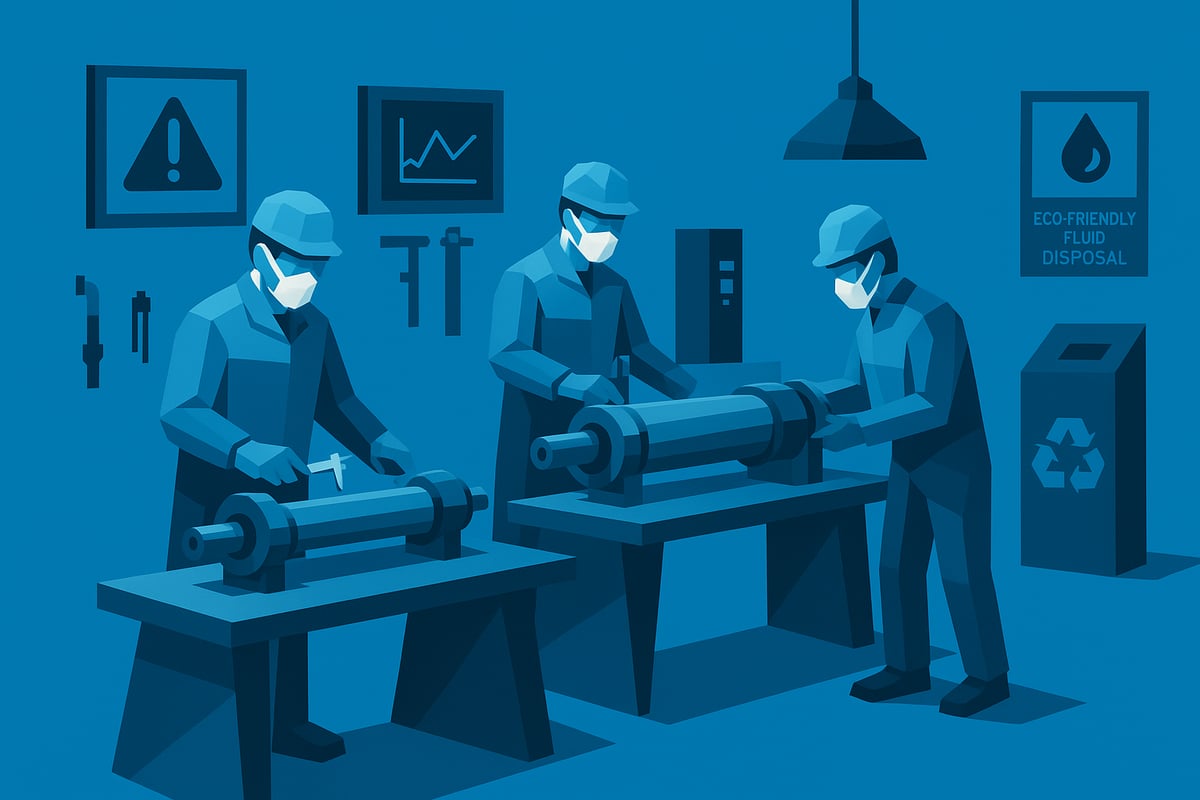
Every successful hydraulic cylinder repair project relies on a set of specialized tools designed for precision, safety, and efficiency. Key equipment includes hydraulic repair benches that allow secure disassembly and assembly, preventing accidental damage to sensitive parts.
Technicians should utilize specialized seal installation and removal tools to avoid seal stretching or misalignment. Honing machines and precision measuring devices, such as digital calipers and micrometers, are vital for restoring cylinder surfaces and verifying tolerances. Digital diagnostic tools have become standard for pressure and alignment checks, helping catch issues before reassembly begins.
For a comprehensive overview of capabilities and equipment used in professional repairs, review the Hydraulic Services Overview.
| Tool Type | Purpose |
|---|---|
| Repair Bench | Secure disassembly/assembly |
| Seal Tools | Safe installation/removal |
| Honing Machine | Surface restoration |
| Digital Calipers | Precision measurement |
| Diagnostic Devices | Pressure/alignment checks |
Advanced Technology Integration
The hydraulic cylinder repair landscape in 2026 is shaped by cutting-edge technology. IoT sensors are now embedded in many cylinders, providing real-time data on pressure, temperature, and vibration. This information allows predictive maintenance software to anticipate failures before they occur.
Smart cylinders can alert operators instantly to impending seal leaks or abnormal performance. Technicians use digital platforms to monitor system health, reducing manual inspections and emergency repairs. By integrating advanced diagnostics, hydraulic cylinder repair professionals achieve greater reliability and efficiency.
Predictive tools not only extend equipment life but also help companies plan downtime strategically, minimizing operational disruptions.
Safety Procedures and Best Practices
Safety remains the cornerstone of every hydraulic cylinder repair operation. Technicians must always wear appropriate PPE, including gloves, goggles, and steel-toe boots, to protect against high-pressure fluid exposure and heavy components.
Establishing strict lockout/tagout procedures is essential to prevent accidental system activation. Safe handling of hydraulic fluids and cleaning agents prevents skin contact and inhalation risks. Proper ventilation in repair areas reduces exposure to fumes, particularly when using solvents or degreasing agents.
Routine safety audits and checklists ensure all personnel follow best practices. Training sessions keep teams updated on evolving safety standards and hazard identification.
Environmental and Compliance Considerations
Environmental responsibility is integral to hydraulic cylinder repair in 2026. Proper handling and disposal of used hydraulic fluids must align with EPA regulations to prevent contamination of soil and water.
Eco-friendly cleaning and degreasing agents are now widely used, reducing hazardous waste generation. Technicians must maintain accurate records of waste disposal and fluid changes for regulatory audits.
Compliance with both local and federal guidelines protects organizations from fines and supports sustainability initiatives. By embracing green practices, repair shops demonstrate their commitment to both safety and environmental stewardship.
Expert Tips for Prolonging Hydraulic Cylinder Life
Maintaining hydraulic cylinders for long-term performance requires more than reactive fixes. By following proven strategies for hydraulic cylinder repair and care, you can significantly reduce downtime and extend the lifespan of your equipment. Here are expert-backed tips to help you achieve reliable operation in demanding industrial environments.
Routine Inspection and Maintenance Schedules
Implementing a structured inspection routine is the foundation of effective hydraulic cylinder repair. Start by setting inspection intervals based on equipment usage, operating environment, and manufacturer guidelines. Look for early signs of wear such as seal leaks, pitted rods, or fluid on mounting surfaces.
A maintenance log for each cylinder is essential. Record inspection dates, findings, and maintenance actions in detail. This historical data makes it easier to predict failures and schedule repairs before problems escalate.
For complex or custom systems, consider professional services like Custom Hydraulic Cylinder Repair to address unique maintenance needs and ensure thorough evaluations.
Fluid Selection and Contamination Control
The choice of hydraulic fluid plays a critical role in the success of hydraulic cylinder repair. Always use fluids that match your system’s specifications and operating temperatures. Incompatible or degraded fluid can cause seal swelling, corrosion, and premature wear.
Install high-efficiency filtration systems to remove particulates and water from the fluid. Contaminants accelerate component failure and reduce cylinder efficiency. Store fluids in sealed, labeled containers and use dedicated transfer equipment to prevent cross-contamination.
Regularly sampling and analyzing fluid condition helps detect problems early. This proactive approach supports longer intervals between major repairs and keeps cylinder performance consistent.
Proper Cylinder Installation and Alignment
Correct installation is vital for maximizing the results of hydraulic cylinder repair. Improper mounting can cause side loading, leading to bent rods and rapid seal failure. Always use alignment tools during installation to ensure the cylinder axis matches the load path.
Verify mounting surfaces are clean, flat, and free of debris. Use manufacturer-recommended torque values for fasteners, and check for free movement of the rod and piston throughout the full stroke.
Misalignment is a leading cause of recurring problems. Investing time in precise installation protects your investment and reduces the frequency of unplanned repairs.
Training and Skill Development for Technicians
Ongoing training is indispensable for any technician performing hydraulic cylinder repair. As technologies evolve, new repair techniques and diagnostic tools emerge. Ensure all personnel receive regular updates on industry standards, safety requirements, and best practices.
Participate in certification programs from recognized organizations to validate skills and knowledge. Well-trained technicians are less likely to make errors that could lead to repeat failures or unsafe conditions.
Document lessons learned from each repair and share insights within your maintenance team. Investing in skill development leads to more efficient repairs and extends the service life of critical equipment.
Preventive Maintenance and Predictive Strategies for 2026
Proactive maintenance is the backbone of reliable hydraulic cylinder repair. In 2026, industrial operators are shifting from reactive fixes to scheduled interventions. The goal is to prevent small issues from becoming costly failures that disrupt operations. Routine inspections, lubrication, and timely part replacements are now integrated into digital schedules.
Partnering with specialists for industrial machinery refurbishment and maintenance further supports these efforts. By following manufacturer recommendations and customizing plans to match real-world usage, organizations can extend equipment life and reduce unexpected downtime.
Scheduled Maintenance Plans
Establishing a scheduled maintenance plan is essential for hydraulic cylinder repair success. Operators analyze equipment usage, environment, and load to set inspection intervals. This approach allows early identification of wear and tear, helping teams address minor issues before they escalate.
Manufacturers report that proactive maintenance can reduce unplanned downtime by up to 20 percent. Scheduling tasks like seal checks, fluid changes, and rod inspections ensures every cylinder receives attention at the right time. Maintenance logs provide a clear record, supporting warranty claims and compliance.
Predictive Maintenance with Smart Sensors
Predictive strategies are transforming hydraulic cylinder repair in 2026. Smart sensors embedded in cylinders track vibration, temperature, and pressure continuously. When abnormal readings occur, the system sends real-time alerts to operators, allowing intervention before failure.
This technology not only minimizes emergency repairs but also optimizes component life. Predictive maintenance software aggregates sensor data, identifying patterns that signal future issues. As a result, facilities benefit from fewer breakdowns, lower repair costs, and improved productivity.
Documentation and Digital Record-Keeping
Digital record-keeping is now a standard practice in hydraulic cylinder repair. Maintenance teams use cloud-based platforms to track inspections, repairs, and part replacements. These digital logs are accessible from any device, making it easy to review cylinder histories and plan future work.
Accurate documentation supports warranty management and regulatory compliance. It also streamlines audits and helps teams identify recurring problems. By leveraging digital tools, organizations ensure that no critical maintenance step is overlooked, protecting both equipment and investment.
Cost-Benefit Analysis of Maintenance vs. Repairs
A clear cost-benefit analysis underscores the value of preventive maintenance in hydraulic cylinder repair. While scheduled upkeep requires upfront investment, it dramatically lowers the risk of catastrophic failure and expensive downtime.
Consider a case where a company implements routine maintenance and predictive monitoring. Over time, they see a reduction in emergency repairs and a lower total cost of ownership. By comparing maintenance expenses to the cost of major repairs or replacements, decision-makers can justify ongoing investment in proactive strategies.
When to Call a Professional: Complex Repairs and Custom Solutions
Identifying Repairs Beyond DIY Scope
Not every hydraulic cylinder repair is suitable for a do-it-yourself approach. Recognizing when an issue exceeds your workshop’s capabilities is critical for safety, cost control, and equipment reliability. Severe barrel damage, deeply scored rods, or complex multi-stage cylinders often require advanced skills and specialized equipment.
Attempting complex repairs without the right expertise can lead to safety hazards, further mechanical damage, or voided warranties. For example, improper handling of high-pressure components or misdiagnosing a root cause may result in catastrophic system failure. In these situations, professional intervention ensures that repairs are performed to specification and industry standards.
When in doubt, always consult with a certified technician before proceeding with any major hydraulic cylinder repair.
Selecting a Qualified Hydraulic Repair Service
Choosing the right partner for hydraulic cylinder repair can make the difference between long-term reliability and repeated downtime. Evaluate repair services based on their industry experience, technical certifications, and commitment to ongoing training. A reputable provider will use OEM-quality parts, adhere to strict standards, and document each repair step for traceability.
Ask about service warranties, parts guarantees, and post-repair support. It is also essential to ensure the shop has specialized equipment for tasks like precision honing, rod straightening, and pressure testing. Providers who invest in modern diagnostic tools and follow rigorous quality assurance protocols are best positioned to deliver safe, effective outcomes.
A transparent, customer-focused approach is a strong indicator of a trustworthy hydraulic cylinder repair specialist.
LTJ Industrial Services: Your Partner for Hydraulic Cylinder Repair and Machining
LTJ Industrial Services brings extensive expertise to hydraulic cylinder repair, machining, and welding for commercial and industrial clients throughout the Western US. Their team handles everything from emergency breakdowns to scheduled maintenance, minimizing downtime for sectors such as recycling, aggregate, and oil and gas.

With both shop and field service options, LTJ Industrial Services can address repairs on-site or at their fully equipped facility. Skilled technicians manage complex repairs, custom fabrication, and precision machining, ensuring every hydraulic cylinder repair meets strict quality and compliance standards.
For custom quotes or to discuss unique challenges, reach out to LTJ Industrial Services and experience comprehensive support tailored to your operational needs.
Custom Fabrication and Machining for Unique Applications
Standard parts are not always sufficient for specialized or legacy equipment. When your hydraulic system requires custom solutions, advanced machining and fabrication become essential. Expert technicians use CNC technology and precision welding to create or modify components that fit exact specifications.
This approach can extend the service life of older machinery, improve performance, and reduce total ownership costs. For example, retrofit projects may involve designing new rods or barrels to integrate with modern hydraulic technology. Leveraging CNC Machining for Heavy Parts ensures each custom hydraulic cylinder repair is both accurate and durable.
Investing in tailored solutions helps keep critical equipment running efficiently in demanding environments.
Frequently Asked Questions About Hydraulic Cylinder Repair in 2026
Common DIY Questions and Troubleshooting
When tackling hydraulic cylinder repair, many ask about solutions for leaks, slow movement, or sticking cylinders. Start by inspecting seals and rod surfaces for wear or debris. Replacing damaged seals often resolves leaks, while cleaning and lubricating the rod can restore smooth motion.
Use quality parts and follow manufacturer guidelines for installation. If you notice recurring issues, review rod sizing and surface finish, as these factors dramatically impact repair costs. For more insights, see Reducing Hydraulic Cylinder Failure Costs. Document each repair step for future reference.
Cost, Timeframes, and Warranty Considerations
The cost of hydraulic cylinder repair varies by cylinder type and severity of damage. Simple seal replacements are affordable, while rod or barrel machining increases expenses. On average, minor repairs can be completed within a day, but complex jobs may take up to a week.
Always check if your repair is covered under warranty. Many manufacturers provide limited warranties on both labor and replacement parts. When comparing repair versus replacement, factor in downtime, part availability, and overall equipment value. Keeping detailed service records supports warranty claims.
Innovations and Future Trends in Hydraulic Repair
The hydraulic cylinder repair landscape in 2026 is rapidly evolving. Smart sensors now monitor pressure, temperature, and vibration in real time, enabling predictive maintenance. AI-driven diagnostics further streamline troubleshooting and reduce downtime.
The market is embracing eco-friendly fluids and automated repair techniques. For a deeper look at these trends, review the Hydraulic Cylinder Market Growth Trends. Staying informed about new technologies helps you maximize equipment reliability and efficiency.
Environmental and Safety Compliance
Proper disposal of hydraulic fluids and used components is crucial. Always follow EPA guidelines for fluid handling and waste management. Wear gloves, goggles, and boots to prevent exposure to hazardous materials during hydraulic cylinder repair.
Meet OSHA standards by using lockout/tagout procedures and maintaining clean, ventilated workspaces. Switching to biodegradable cleaning agents can further reduce your environmental footprint. Keep compliance records organized for audits and inspections.
Choosing Between Repair and Replacement
Deciding whether to repair or replace a hydraulic cylinder depends on multiple factors. If the cost of repair approaches the price of a new cylinder, replacement is usually more practical. Consider equipment age, frequency of failures, and the impact of downtime on operations.
A simple table can help compare options:
| Factor | Repair | Replacement |
|---|---|---|
| Cost | Lower (minor) | Higher (initial) |
| Downtime | Shorter (simple) | Longer (complex) |
| Longevity | May vary | Maximum |
Evaluate all aspects before making a decision on hydraulic cylinder repair.
Hiring Professional Services for Welding, Fabrication, and Machining
Some hydraulic cylinder repair tasks are best left to experts, especially those involving welding, machining, or custom fabrication. Professional technicians have specialized tools and training to address complex failures and ensure compliance with industry standards.
When seeking a provider, look for proven experience, certifications, and support options. For comprehensive welding, fabrication, and machining services, contact LTJ Industrial Services for a custom quote and expert assistance with all your hydraulic cylinder repair needs.
After exploring the critical role hydraulic cylinders play in your operations and the latest techniques to extend their lifespan, you know how essential timely repairs and expert support are to your business. Whether you are facing unexpected downtime or planning proactive maintenance, partnering with a trusted team can make all the difference. At LTJ Industrial Services, we bring precision, experience, and a deep commitment to quality for every repair and custom solution. If you are ready to minimize disruptions and keep your equipment performing at its best, [Request a Quote](https://www.ltjindustrial.com/contact_us/ and let us help you stay ahead in 2026.