Precision and adaptability are now essential in modern manufacturing and repair. As industries evolve, many find that standard welding cannot address their unique requirements. This is where custom welding services excel, delivering tailored solutions for projects that demand something beyond the ordinary.
This guide is designed to help you understand, select, and benefit from custom welding services in 2026. Inside, you will discover what custom welding is, the key processes involved, how to choose a provider, a detailed project workflow, the latest innovations, cost factors, and real-world industry applications.
Understanding Custom Welding Services
Modern industries are increasingly turning to custom welding services to solve challenges that standard solutions cannot address. As unique equipment designs and complex materials become more common, the need for precise, adaptable welding is paramount. Custom welding services are the key to bridging the gap between off-the-shelf options and the specialized demands of today’s industrial landscape.
Defining Custom Welding: What Sets It Apart
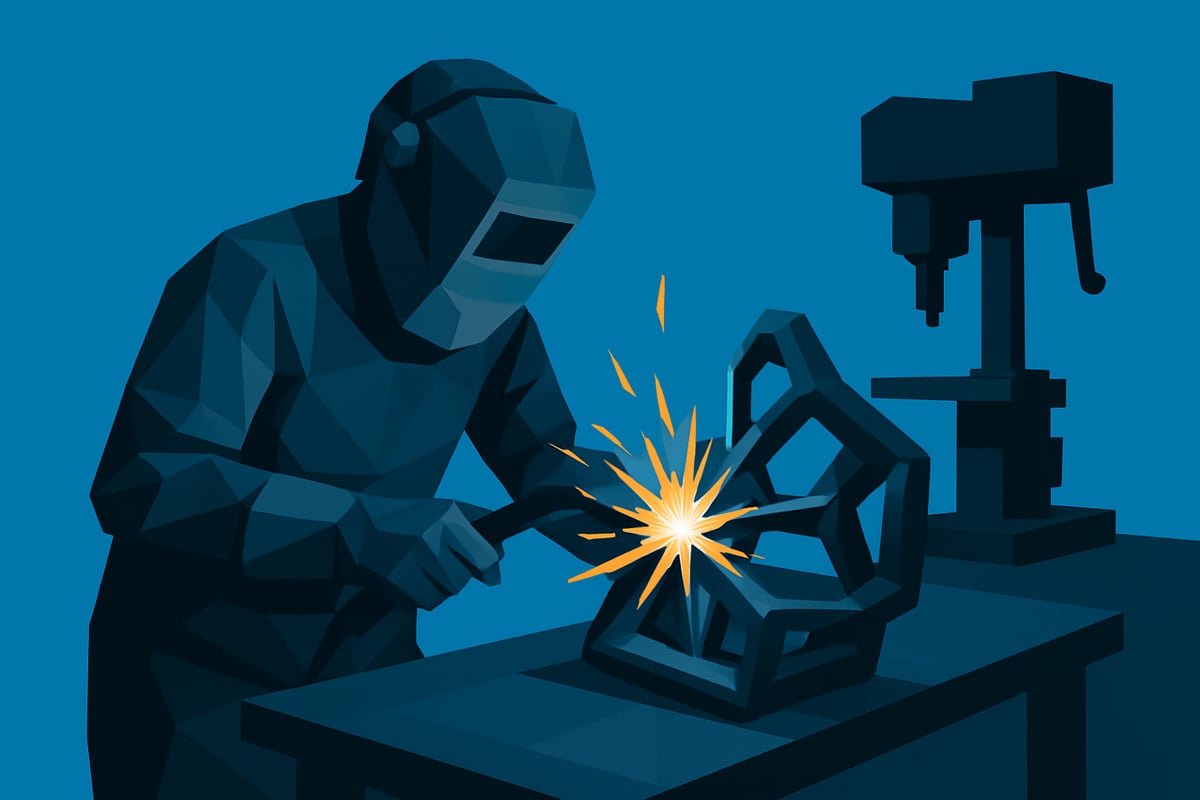
Custom welding services stand apart from standard welding through their focus on tailored solutions for unique industrial challenges. Instead of relying on mass-produced assemblies, these services adapt techniques and materials to fit precise requirements. For example, custom fabrication is essential in sectors like oil and gas, recycling, and manufacturing, where equipment often features complex geometries or rare alloys.
Unlike conventional approaches, custom welding services can handle intricate designs and deliver results that match exact specifications. Techniques such as MIG, TIG, and stick welding are selected based on project needs. For a deeper look at tailored capabilities, review this Custom Fabrication and Welding Overview.
Key Benefits of Custom Welding Services
Choosing custom welding services brings significant advantages in precision and reliability. These services ensure each weld meets strict quality standards, which is crucial for critical components and safety-sensitive environments. Enhanced durability is another key benefit, as tailored welds are designed to withstand specific stresses and conditions.
Flexibility is also a hallmark of custom welding services, supporting prototyping, rapid repairs, and complex modifications. Meeting industry certifications is often easier, as providers work closely with clients to document compliance. In aggregate operations, custom welding services have extended equipment lifespan and reduced costly downtime, demonstrating measurable value.
Core Industries Relying on Custom Welding
Several sectors depend on custom welding services to maintain and upgrade vital assets. Manufacturing, oil and gas, recycling, and construction all require bespoke welding for specialized equipment. Industry estimates show that over 65% of industrial maintenance projects involve custom welding services rather than standardized parts.
Typical projects include fabricating replacement parts for manufacturing lines, reinforcing recycling conveyors, and constructing safe structures for construction sites. The impact of custom welding services extends to improved operational uptime and enhanced workplace safety. As renewable energy projects expand, the need for specialized welding solutions continues to grow.
When to Choose Custom Welding Over Off-the-Shelf Solutions
Businesses should opt for custom welding services when faced with unique designs, aging infrastructure, or high-value assets that cannot be replaced with standard parts. The cost-benefit analysis often favors custom work, especially when considering the long-term savings from increased durability and reduced downtime.
Collaboration with engineers and designers is essential to ensure that custom welding services deliver optimal results. Mass-produced welding assemblies may not offer the precision or compatibility needed for legacy equipment. For example, retrofitting older systems with custom welds has become a practical solution for extending the life of critical infrastructure.
The Custom Welding Process: Step-by-Step
Embarking on a project that requires custom welding services means following a detailed, structured process. Each phase is designed to ensure your unique requirements are met with precision and reliability. Below is a breakdown of the typical workflow, highlighting exactly what to expect, from initial discussion to ongoing support.

Step 1: Initial Consultation & Needs Assessment
Every successful project starts with a thorough consultation. During this phase, providers of custom welding services gather all relevant project requirements and technical specifications. Site visits allow for a close look at the working environment and any existing equipment.
Clear communication is essential. Clients and technicians discuss goals, constraints, and timelines. CAD drawings and technical blueprints are reviewed to ensure everyone shares the same vision. For example, when a recycling plant needs a conveyor repair, a technician will assess the wear, document issues, and propose a tailored solution. This collaborative approach creates a strong foundation for the entire process.
Step 2: Design, Engineering & Material Selection
Next, the focus shifts to design and engineering. Clients, engineers, and welders collaborate closely to bring custom welding services to life. Material selection is crucial, as the right metals and alloys determine the performance and longevity of the final product.
During this step, simulation tools and stress testing help refine the design before fabrication begins. For instance, in oil and gas projects, selecting corrosion-resistant alloys is critical for safety and compliance. Meeting industry standards is non-negotiable, so every design undergoes a rigorous review to ensure it aligns with regulatory requirements.
Step 3: Fabrication & Welding Execution
With the design approved, fabrication and welding commence. Workpieces are prepared, and joint configurations are set up based on project needs. Custom welding services utilize advanced techniques such as MIG, TIG, and Stick welding, chosen for their suitability to the materials and project demands.
Quality control is integrated at every stage. Modern equipment, including CNC machines and robotics, is used for high precision and repeatability. For example, fabricating custom hydraulic components involves multiple quality checkpoints to guarantee flawless results. The combination of skilled technicians and cutting-edge tools sets the stage for a successful build.
Step 4: Inspection, Testing & Quality Assurance
Inspection and testing are critical to verify the integrity of every weld. Custom welding services employ non-destructive testing (NDT) methods like X-ray, ultrasonic, and dye penetrant inspections. These practices ensure that welds are strong and free from hidden defects.
All findings are meticulously documented for traceability and compliance. Industry data shows that thorough quality assurance can reduce failures by up to 98 percent. Meeting client specifications and regulatory standards at this stage is essential for long-term reliability and performance.
Step 5: Delivery, Installation & Ongoing Support
Once fabrication and testing are complete, the finished components are delivered safely to the site. Installation teams integrate the new parts with existing systems, minimizing disruption to operations. Custom welding services often include training for client staff, ensuring proper maintenance and handling.
Post-installation, providers conduct inspections and make any necessary adjustments. For field applications, such as aggregate processing plants, this step is vital for seamless operation. To learn more about the full range of services and support available, consult the Fabrication and Welding Services Guide.
Choosing the Right Custom Welding Provider
Selecting a provider for custom welding services is a crucial decision that can impact your project’s success, safety, and long-term value. With so many options available, focusing on expertise, technology, communication, and regional capabilities will help you make the most informed choice.
Evaluating Experience & Technical Capabilities
Experience is fundamental when comparing providers of custom welding services. Look for companies with a proven track record in your industry, as familiarity with sector-specific challenges ensures reliable results. Certifications such as AWS, ASME, or ISO indicate adherence to international standards and best practices.
Review portfolios of completed projects to assess the provider’s scope and complexity handling. Ask about their ability to perform both in-house and field welding tasks, as flexibility can be vital for industrial operations. For insight into technician qualifications and expertise, consider providers who detail their workforce, such as those highlighted on the Skilled Welders for Custom Projects page.
Assessing Equipment, Technology & Facilities
Modern equipment and advanced technologies are essential for delivering custom welding services efficiently and safely. Providers that invest in CNC machinery, robotic welding arms, waterjet, and plasma cutting tools can handle a wider range of projects and maintain high precision.
A facility’s size and organization influence its ability to take on large or complex jobs. Clean, well-maintained workspaces reflect strong safety protocols and attention to detail. According to industry estimates, providers with up-to-date equipment can reduce turnaround times by 30 percent, translating into faster project delivery and minimized downtime.
Client Communication, Project Management & Support
Effective communication is key to the success of any custom welding services project. Seek providers who offer transparent quoting, clear timelines, and dedicated project managers for complex jobs. Responsiveness to changes, urgent repairs, or unforeseen challenges demonstrates a commitment to customer satisfaction.
Support for prototyping and iterative design accelerates innovation and reduces risk. Some providers stand out by offering 24/7 emergency welding services, ensuring critical repairs are addressed promptly and minimizing disruptions to operations.
LTJ Industrial Services: Your Regional Custom Welding Partner
LTJ Industrial Services offers comprehensive custom welding services, fabrication, and machining for industrial clients across the Western United States. Their skilled technicians excel in both shop and field welding, delivering tailored solutions for manufacturing, recycling, aggregate, and oil and gas sectors.
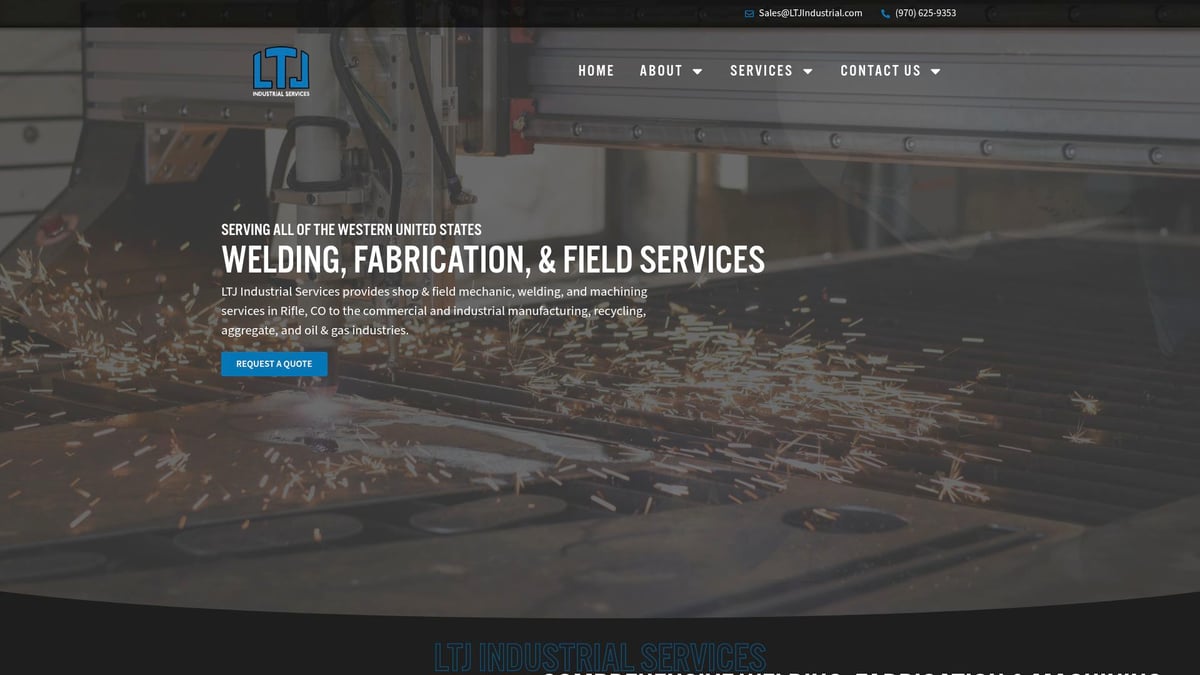
Advanced equipment, attention to detail, and a commitment to quality set LTJ apart. If your project demands precision, durability, and reliable support, reach out to LTJ Industrial Services to request a quote and discuss your custom welding requirements.
Innovations & Trends in Custom Welding (2026)
The landscape of custom welding services is rapidly evolving, driven by technological breakthroughs, digital transformation, sustainability goals, and workforce development. In 2026, these innovations are redefining how industries approach complex welding challenges, ensuring greater precision and efficiency for every project.

Advanced Welding Techniques & Automation
Automation is transforming custom welding services by introducing robotic welding arms and automated systems into production environments. These technologies deliver unmatched consistency, speed, and accuracy even on the most intricate welds.
For example, large-scale manufacturers are deploying automated welding cells to handle repetitive or hazardous tasks. This shift reduces human error and enables faster project turnaround. Industry forecasts suggest that by 2026, 40 percent of industrial welds will use automation, with adoption rates rising even faster. According to Robotic Welding Adoption Statistics, robotic welding saw a 45 percent year-over-year growth, underscoring its critical role in custom welding services. The result is shorter timelines, lower labor costs, and improved safety for all stakeholders.
Smart Welding Technologies & Digital Integration
Digital transformation is at the core of next-generation custom welding services. IoT sensors now monitor weld quality in real time, providing instant feedback and reducing the risk of defects. Digital twins allow engineers to simulate projects before fabrication begins, minimizing costly errors.
Cloud-based quality control systems streamline documentation and compliance, making it easier to track each weld from start to finish. Remote inspection tools enable experts to diagnose and troubleshoot field welds without being on site. These smart technologies not only enhance project transparency but also drive higher standards across custom welding services.
Sustainable Welding Practices & Green Materials
Sustainability is a growing priority for custom welding services as industries seek to reduce their environmental footprint. New welding processes minimize emissions, while energy-efficient equipment cuts power consumption. The use of recycled metals and eco-friendly consumables is becoming standard practice.
For instance, custom welding services are integrating green materials into fabrication workflows, helping clients meet regulatory requirements and corporate sustainability targets. These advances not only support environmental stewardship but also offer long-term operational savings. Regulatory drivers are pushing providers to adopt more sustainable approaches, making green innovation central to the future of welding.
The Future of Custom Welding: Skills & Workforce
The evolution of custom welding services demands a highly skilled, adaptable workforce. Technicians must now master robotics, digital tools, and advanced materials in addition to traditional welding skills. Industry partnerships with technical schools are helping to close the talent gap.
By 2026, demand for certified custom welders is projected to increase by 25 percent. Ongoing education and certification are essential for staying competitive. Custom welding services providers are investing in training programs to equip their teams for the challenges ahead, ensuring they can deliver precision and innovation on every project.
Cost Factors & Budgeting for Custom Welding Projects
Budgeting for custom welding services requires a clear understanding of several moving parts, from material costs to project complexity. Knowing what drives these expenses helps businesses plan more accurately and avoid surprises.
Breaking Down Custom Welding Costs
The cost of custom welding services typically includes labor, materials, equipment usage, and overhead. Labor rates can vary widely depending on the expertise required and project location. Material costs, especially for specialty alloys, can significantly impact the budget. Equipment charges may apply for advanced techniques or large-scale jobs.
Project complexity also plays a crucial role. Simple repairs might cost a few hundred dollars, while intricate fabrications can reach $50,000 or more. Emergency repairs or rush jobs often carry premium fees. For a detailed industry outlook, the Custom Fabricating & Welding Services Market Forecast provides insights into pricing trends and growth projections.
| Cost Element | Typical Range |
|---|---|
| Labor | $50–$150/hr |
| Materials | $100–$10,000+ |
| Equipment | $200–$5,000+ |
| Overhead | 10–20% of project total |
Understanding these factors ensures transparent budgeting for custom welding services.
Estimating Timelines & Resource Allocation
Project timelines for custom welding services depend on industry, scope, and resource availability. A small repair may be completed within days, while complex industrial fabrications can extend to several weeks. Factors like material sourcing, design approvals, and regulatory inspections can affect lead times.
Efficient resource allocation is key. Early planning, clear communication, and defined milestones help minimize downtime. For urgent repairs, providers may offer fast-track services, but these typically increase costs. Establishing a realistic schedule with your custom welding services partner reduces delays and keeps projects on track.
A typical timeline might look like this:
| Project Type | Duration |
|---|---|
| Small Repair | 1–3 days |
| Medium Fabrication | 1–2 weeks |
| Large Installation | 3–6 weeks |
Tips for Cost-Effective Custom Welding
To maximize value from custom welding services, engage your provider early in the design process. Detailed planning and precise specifications can prevent costly changes later. Modular fabrication, where feasible, can also reduce labor and material waste.
Consider bundling multiple repair or fabrication needs into a single project for better pricing. Preventive maintenance welding helps avoid expensive emergency repairs. Reviewing Aggregate Conveyor System Fabrication and Repair projects can provide inspiration for proactive upkeep and cost savings in industrial environments.
Key strategies include:
- Early scope definition with clear goals
- Use of standardized, readily available materials
- Regular maintenance to prevent major failures
- Negotiating bundled service agreements
Navigating Quotes, Contracts & Payment Terms
When seeking quotes for custom welding services, request itemized estimates that detail labor, materials, and equipment costs. Clarify what is included, such as inspections or post-installation support, to avoid hidden fees.
Review contract terms carefully. Look for clear warranties, delivery guarantees, and defined liability. Payment structures may involve progress billing or milestone payments. Open communication with your provider ensures expectations are aligned and scope creep is minimized.
Best practices include:
- Comparing multiple quotes for transparency
- Confirming all deliverables in writing
- Setting realistic payment schedules
- Documenting change orders promptly
A well-structured agreement protects both parties and ensures your custom welding services project stays within budget.
Industry Applications & Success Stories
Across diverse sectors, custom welding services have become essential for maintaining, upgrading, and optimizing critical infrastructure. Companies turn to these specialized solutions to resolve challenges that off-the-shelf products cannot address.
Custom Welding in Manufacturing & Fabrication
Custom welding services play a pivotal role in manufacturing and fabrication, supporting machinery upgrades, prototyping, and streamlined production lines. For example, automotive manufacturers rely on custom jigs and fixtures to optimize assembly processes. According to industry surveys, 70% of manufacturers adopt custom welding services to enhance process efficiency and reduce lead times. This tailored approach drives innovation and helps businesses bring new products to market faster. For a broader view of market growth and service trends, see the North America Contract Fabrication Services Market Analysis.
Oil & Gas, Mining & Energy Sector Applications
The oil and gas sector depends heavily on custom welding services for pipelines, rigs, and processing equipment. These high-stakes environments demand welds that meet strict safety and compliance standards. Mining operations also benefit from custom repairs and reinforcements, especially in harsh, abrasive conditions. In renewable energy, specialized welds for wind and solar infrastructure are becoming increasingly important. Custom welding services ensure durability and reliability, reducing downtime and supporting regulatory compliance.
Recycling, Aggregate & Construction Industries
In recycling and aggregate operations, custom welding services are crucial for repairing and strengthening heavy machinery. Facilities often require unique wear-resistant parts for crushers and conveyors, which extend equipment life and minimize replacement costs. Construction companies use custom welding services to solve complex site challenges, from reinforcing structural steel to fabricating unique components. Industry data shows that custom welding services can reduce equipment replacement rates by 35%, underscoring their value in protecting investments.
Notable Case Studies & Real-World Results
Several anonymized projects highlight the transformative impact of custom welding services. In one case, a manufacturing client saw a 25% increase in production uptime after custom welds upgraded aging machinery. Another recycling facility extended conveyor lifespan by three years through targeted repairs. Testimonials from industrial clients frequently cite improved reliability, reduced costs, and enhanced safety. These success stories demonstrate how partnering with custom welding services delivers measurable, long-term results for demanding industries.
After exploring the ins and outs of custom welding and seeing how tailored solutions can elevate your operations, you might be considering your next move. Whether you’re aiming to boost equipment performance, extend the life of your assets, or ensure every weld meets the highest standards, partnering with a team that understands your industry’s unique demands is key. At LTJ Industrial Services, we’re here to help you turn complex challenges into lasting results with precision, expertise, and a commitment to your success. If you’re ready to take the next step for your business, [Request a Quote](https://www.ltjindustrial.com/contact_us/ today.