
Unplanned downtime in aggregate conveyor systems can drain thousands from your operation every hour. For plant managers and maintenance teams, staying ahead means more than quick fixes.
This expert guide to aggregate conveyor system fabrication and repair in 2026 lays out a clear roadmap to maximize uptime and performance. You will learn industry best practices, emerging trends, and step-by-step strategies to future-proof your conveyor operations.
Explore proven system designs, modern fabrication techniques, repair protocols, and expert tips for maintenance and partner selection. Take control of your plant’s reliability and discover actionable knowledge to keep your systems moving.
Understanding Aggregate Conveyor Systems: Components and Functions
Unplanned downtime in aggregate handling can grind production to a halt, costing thousands every hour. That is why aggregate conveyor system fabrication and repair is a critical focus for operations in mining, quarrying, and construction. These systems are the backbone of bulk material movement, enabling efficient, continuous transfer of gravel, sand, crushed stone, and similar materials across vast facilities.

Aggregate conveyor system fabrication and repair begins with understanding each component’s role. The main parts include:
| Component | Function |
|---|---|
| Belt | Transports material along the conveyor’s path |
| Pulleys | Drive and redirect the belt, maintaining tension |
| Rollers | Support the belt and reduce friction |
| Frame | Provides structural support for the system |
| Drives | Supply power to move the belt |
| Controls | Manage speed, direction, and safety interlocks |
These elements work in harmony. For example, misaligned rollers can lead to uneven belt wear, while faulty pulleys may cause slippage or system stoppage. Effective aggregate conveyor system fabrication and repair requires careful integration of all these components.
There are several conveyor types used for aggregate material:
- Belt conveyors: Most common, ideal for continuous movement of bulk materials.
- Screw conveyors: Move materials using a rotating helical screw blade.
- Drag conveyors: Utilize chains and paddles to drag material along a trough.
- Bucket conveyors: Carry materials in discrete buckets, perfect for vertical lifts.
Each type is selected based on throughput, material characteristics, and plant layout. Proper aggregate conveyor system fabrication and repair ensures each system meets performance requirements, including:
- Load capacity (tons per hour)
- Belt speed (feet per minute)
- Material compatibility (abrasive, corrosive, moist)
- Environmental factors (dust, moisture, temperature)
Neglecting these requirements can result in costly breakdowns. Studies show that the majority of conveyor failures stem from a handful of common causes:
| Failure Point | Percentage of Failures | Typical Cause |
|---|---|---|
| Belt misalignment | 35% | Poor installation |
| Excessive wear | 25% | Lack of maintenance |
| Material buildup | 15% | Inadequate cleaning |
| Faulty pulleys | 10% | Bearing failure |
| Electrical issues | 15% | Motor/control faults |
Regulatory bodies such as OSHA and MSHA set stringent safety standards for conveyor systems. These include guarding moving parts, emergency stop access, and regular inspections. Compliance is mandatory, protecting both personnel and assets during aggregate conveyor system fabrication and repair.
A real-world example highlights the impact of system optimization. At a large quarry, replacing outdated conveyors with modern, precisely fabricated systems improved throughput by 20 percent. This upgrade involved material audits, component upgrades, and attention to design best practices, as detailed in the Commercial Fabrication Guide 2026.
Routine system audits and thorough documentation are vital. By recording maintenance history, tracking repairs, and monitoring performance, plant managers gain the data needed for proactive aggregate conveyor system fabrication and repair decisions.
In summary, a deep understanding of components, system types, and operational demands is the foundation for reliable aggregate conveyor system fabrication and repair. With regular audits, adherence to standards, and a commitment to quality, organizations can maximize uptime and extend equipment life.
Aggregate Conveyor System Fabrication: Advanced Materials & Techniques
Effective aggregate conveyor system fabrication and repair require a strategic blend of robust materials, precise manufacturing, and forward-thinking innovation. The right approach ensures conveyors withstand harsh environments and demanding workloads, keeping operations efficient and downtime minimal.
Material Selection and Sourcing
Selecting the best materials is foundational for aggregate conveyor system fabrication and repair. Metals such as galvanized steel or stainless steel are often chosen for their resistance to corrosion and ability to handle abrasive aggregates. In high-moisture or corrosive environments, stainless steel is preferred, while galvanized steel offers an economical alternative with solid durability.
Polymers are increasingly used for wear strips and rollers, offering reduced friction and lower maintenance needs. Ensuring all materials have traceability and compliance certifications is critical, especially for safety and regulatory requirements.
Lifecycle costs are directly influenced by these choices. While stainless steel has a higher upfront cost, it can significantly reduce maintenance and replacement frequency over time. For example, a quarry operating in a coastal region switched from painted mild steel to stainless steel frames, resulting in a 40 percent drop in annual repair costs.
Sourcing reliable materials is just as important as the selection process. Partnering with a provider that offers documented traceability and adheres to industry standards, as outlined in the Industrial Manufacturing Services Overview, can streamline procurement and ensure long-term system integrity.
Advanced Fabrication Processes
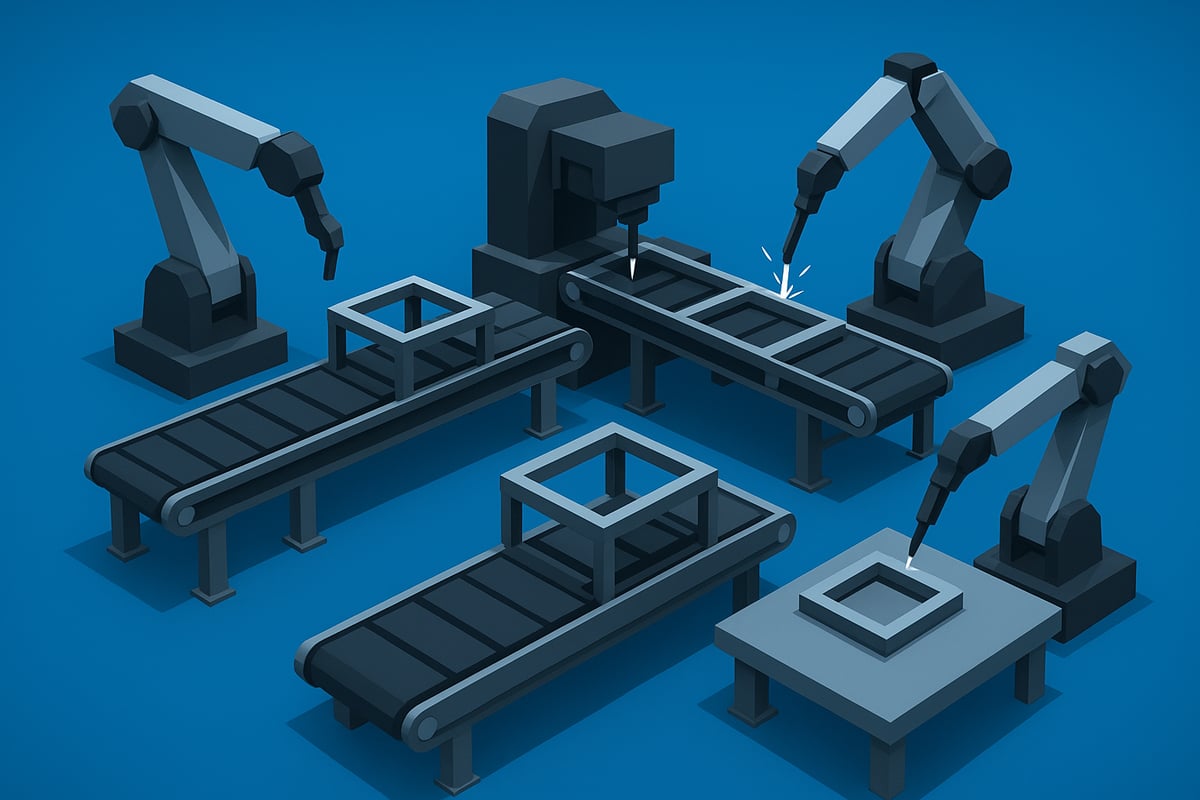
Modern aggregate conveyor system fabrication and repair rely on advanced manufacturing methods to achieve high precision and repeatability. Processes like CNC machining, waterjet, and plasma cutting allow for the creation of custom conveyor components with tight tolerances, reducing assembly time and improving fit.
Welding and joining techniques play a vital role in ensuring the structural integrity of conveyor frames and supports. Skilled fabricators use MIG, TIG, and robotic welding to create strong, consistent joints that withstand vibration and load stresses. Modular fabrication is gaining traction, enabling plants to add or replace sections rapidly without extensive downtime.
Quality control remains a top priority. Non-destructive testing methods, such as ultrasonic or magnetic particle inspection, verify weld integrity without damaging components. Dimensional verification using laser measurement tools ensures all parts meet design specifications.
A typical fabrication timeline for a custom conveyor build includes design approval, material procurement, cutting and machining, welding and assembly, quality inspection, and final installation. This structured approach helps minimize errors and supports efficient aggregate conveyor system fabrication and repair.
Innovations in Conveyor Fabrication
Innovation is redefining aggregate conveyor system fabrication and repair as we approach 2026. Automation tools, such as robotic welding arms and automated assembly lines, are reducing manual labor and improving consistency. These advancements lead to faster production cycles and fewer defects in finished conveyors.
The adoption of digital twins and 3D modeling enables teams to validate designs virtually before physical manufacturing begins. By simulating loads, wear, and material flow, engineers can optimize layouts and avoid costly design mistakes. Smart sensors and IoT-ready components are now integrated during fabrication, allowing for real-time monitoring and predictive maintenance once the conveyor is operational.
Data-driven fabrication is making a measurable difference. Plants that implement digital tools report up to a 30 percent reduction in fabrication errors and a 25 percent decrease in lead times. As these technologies become more accessible, they are set to become standard practice for aggregate conveyor system fabrication and repair.
Step-by-Step Guide to Conveyor System Repair and Maintenance
Unplanned breakdowns in aggregate conveyor systems can halt operations and drain resources rapidly. Knowing how to systematically diagnose issues, execute effective repairs, and implement preventive strategies is vital for plant managers and maintenance teams focused on aggregate conveyor system fabrication and repair. This guide walks you through each critical stage, ensuring your operation can respond quickly, safely, and efficiently when problems arise.

Diagnosing Conveyor System Failures
Effective troubleshooting is the backbone of aggregate conveyor system fabrication and repair. Begin with a structured inspection protocol that includes visual checks for obvious damage, misalignment, or debris buildup. Use vibration analysis tools to detect irregularities in bearings or pulleys, as early signs of wear often present as abnormal vibrations or sounds.
Thermal imaging can help spot overheated motors or friction points, which are common precursors to more severe failures. Pay close attention to the belt, as tracking issues or visible fraying often indicate misalignment or tension problems. For example, a gravel plant experiencing recurring belt tracking issues found the root cause was a misaligned tail pulley combined with uneven material loading, both identified during a systematic inspection.
Common repair triggers include belt slippage, which may result from insufficient tension or pulley wear, misalignment due to frame distortion, and motor failures from inadequate lubrication or overloading. By recording inspection results and identifying patterns of failure, teams can address underlying issues before they escalate, making diagnostics a foundational element of reliable aggregate conveyor system fabrication and repair.
Repair Procedures: Chronological Steps
Once a fault is identified, follow a clear, chronological process for aggregate conveyor system fabrication and repair. Safety is the top priority at every stage.
- Isolate and Lockout: Ensure the conveyor is fully isolated and locked out from power sources. Confirm all energy sources are safely de-energized before beginning work.
- Remove Damaged Components: Carefully remove worn or damaged parts, such as belts, rollers, or drive pulleys. Use proper lifting equipment to minimize risk and avoid further damage.
- Fabricate or Source Replacement Parts: Depending on the situation, either fabricate custom parts in-house or source them from trusted suppliers. Custom fabrication may involve CNC machining or welding for precise fits and long-term durability.
- Install and Align New Components: Position new or repaired components, ensuring correct alignment and tension. Use measurement tools to verify proper setup, reducing the risk of premature wear or failure.
- Test System for Proper Operation: Re-energize the system and observe operation under load. Listen and look for irregularities in movement, noise, or heat that could suggest remaining issues.
- Document Repairs and Update Logs: Record all repair activities, parts replaced, and findings in the maintenance log. Accurate documentation supports future diagnostics and compliance.
Throughout this process, reinforce safety by providing adequate PPE, following lockout/tagout procedures, and ensuring all team members are trained for their tasks. During peak season, rapid replacement is crucial. For instance, a quarry operation minimized downtime by pre-staging critical parts and using mobile welding services to replace a failed drive pulley within hours. Efficient aggregate conveyor system fabrication and repair relies on preparation, skill, and adherence to best practices at every step.
Preventive and Predictive Maintenance
Preventive and predictive maintenance are essential for reducing unexpected failures and maximizing uptime in aggregate conveyor system fabrication and repair. Implement scheduled inspections and lubrication routines based on manufacturer recommendations and real-world operating conditions. These routines should include checking belt tension, inspecting pulleys and rollers for wear, and verifying the condition of all safety devices.
Predictive maintenance leverages modern sensors and data analytics to monitor equipment health in real time. Vibration sensors and temperature monitors can identify early signs of bearing or motor wear, allowing teams to plan repairs before catastrophic failure. Training staff to recognize warning signs and encouraging a culture of proactive reporting further enhances system reliability.
For actionable tips, refer to Best Practices for Conveyor Belt Maintenance, which outlines proven strategies for extending system life and minimizing costly interruptions. By combining regular inspections, predictive tools, and detailed maintenance logs, plants can achieve substantial reductions in downtime and repair costs, securing the long-term value of their aggregate conveyor system fabrication and repair investments.
Technological Advances Shaping Conveyor Fabrication and Repair in 2026
Staying ahead in aggregate conveyor system fabrication and repair requires a keen understanding of emerging technologies. The industry is experiencing a rapid transformation, driven by automation, sustainability initiatives, and digitalization. These advances are enabling plant managers and maintenance teams to maximize uptime, reduce costs, and future-proof operations.
Automation and Smart Monitoring
Automation is redefining aggregate conveyor system fabrication and repair. Real-time condition monitoring systems now use integrated sensors to track vibration, temperature, and belt tension. These sensors feed data into centralized dashboards, enabling predictive maintenance and immediate alerts when anomalies occur.
Automated lubrication and tensioning systems are reducing manual labor and human error. These solutions dispense precise amounts of lubricant and maintain optimal belt tension, extending component life and minimizing costly failures. Remote diagnostics allow technicians to troubleshoot issues without being onsite, accelerating response times.
A table summarizing key automation tools:
| Technology | Benefit | Impact on Operations |
|---|---|---|
| Smart Sensors | Real-time data collection | Early fault detection |
| Automated Lubrication | Consistent maintenance | Longer component lifespan |
| Remote Diagnostics | Offsite troubleshooting | Faster repairs |
The adoption of automation and smart monitoring in aggregate conveyor system fabrication and repair has led to a measurable reduction in unplanned downtime. Plants leveraging these tools experience fewer emergency shutdowns and lower maintenance costs.
Sustainable Fabrication and Repair Practices
Sustainability is a core focus for aggregate conveyor system fabrication and repair as companies aim to reduce environmental impact. The use of eco-friendly materials, such as recycled metals and low-emission polymers, is becoming standard practice. Energy-efficient fabrication processes, including advanced welding techniques and optimized cutting methods, help minimize resource consumption.
Recycling and repurposing conveyor components further support sustainability goals. Many facilities now implement closed-loop recycling programs, turning worn belts and rollers into new products. Compliance with evolving environmental regulations is essential, and companies are investing in systems that track material sourcing and waste streams.
A real-world example: one aggregate processing plant achieved zero-waste conveyor fabrication by recycling all metal offcuts and refurbishing used components for secondary applications. By integrating these practices, aggregate conveyor system fabrication and repair not only supports operational efficiency but also demonstrates environmental stewardship.
Digitalization and Industry 4.0
Digitalization is transforming every stage of aggregate conveyor system fabrication and repair. Cloud-based platforms simplify maintenance tracking, part ordering, and documentation, making it easier to manage large fleets of conveyors across multiple sites. Augmented reality (AR) is being used for technician training and live troubleshooting, reducing the learning curve for complex repairs.
Digital twins—virtual replicas of physical conveyor systems—enable engineers to simulate performance, optimize designs, and identify potential issues before they occur. This proactive approach ensures systems are built for reliability and easy maintenance.
For insights into future-proofing your operations, consider reviewing Emerging Trends in Conveyor Belt Technology for 2025 and Beyond, which explores the latest advancements shaping the industry.
By embracing these technological advances, companies can ensure their aggregate conveyor system fabrication and repair processes stay competitive, efficient, and sustainable.
Choosing the Right Partner for Conveyor System Fabrication and Repair
Selecting the right partner for aggregate conveyor system fabrication and repair can determine your plant’s reliability and bottom line. With technology evolving and operational demands increasing, it is essential to evaluate providers through a rigorous lens.
Criteria for Selecting a Fabrication and Repair Service
When evaluating partners for aggregate conveyor system fabrication and repair, prioritize proven experience in the aggregate sector. Industry certifications, such as ISO or AWS for welding, indicate a commitment to quality and safety. Look for providers who invest in cutting-edge technology, including advanced CNC machining for fabricating custom conveyor components. For example, shops that utilize CNC Machining for Heavy Industry can deliver precise parts that extend equipment life and reduce maintenance frequency.
Assess the provider’s geographic reach and ability to deliver both in-shop and field services. Timely response is critical when urgent repairs are needed. Review their portfolio of completed projects and client testimonials to gauge expertise with aggregate conveyor system fabrication and repair.
Compare local and regional service providers using the following criteria:
| Criteria | Local Provider | Regional Provider |
|---|---|---|
| Response Time | Fast (nearby) | Moderate to Fast |
| Technology Adoption | Varies | Often Advanced |
| Field Service Reach | Limited | Extensive |
| Project Portfolio | Smaller Scale | Broad, Complex Projects |
Prioritize those who offer emergency support and maintain a large inventory of critical spares, ensuring your aggregate conveyor system fabrication and repair needs are met with minimal downtime.
LTJ Industrial Services: Your Trusted Conveyor Fabrication and Repair Partner
LTJ Industrial Services stands out as a leader in aggregate conveyor system fabrication and repair across the Western United States. Their team brings decades of custom metal fabrication, welding, and precision machining expertise to the aggregate industry. Whether you require in-shop fabrication of structural frames or field repair of a damaged conveyor line, their skilled technicians respond quickly, minimizing costly disruptions.
LTJ Industrial Services leverages advanced diagnostic tools and fabrication technology to deliver robust, long-lasting solutions. Their commitment to quality and safety is evident in every project, from small repairs to full system builds. By offering both emergency and scheduled services, they help clients avoid unplanned downtime and optimize system performance.
Clients benefit from comprehensive support, clear documentation, and a partnership approach that focuses on maximizing uptime and reliability. With LTJ Industrial Services, your aggregate conveyor system fabrication and repair projects are handled by experts who understand the unique demands of your operation.
Expert Tips and Best Practices for Long-Term Conveyor System Reliability
Keeping aggregate conveyor system fabrication and repair reliable over the long term demands a proactive approach, combining smart design, strategic maintenance, and rigorous compliance. Small improvements in each area can lead to significant gains in uptime, safety, and cost control. Below are proven strategies to help your operation stay ahead.
Design and Fabrication Best Practices
The foundation of a reliable system is thoughtful aggregate conveyor system fabrication and repair planning. Begin with modular designs that allow easy replacement of individual sections. This modularity reduces repair time and simplifies upgrades as your operation evolves.
Select wear-resistant materials for all high-contact surfaces. For example, using chromium carbide liners in transfer points can extend the life of your conveyor by years. Specify components that offer both durability and compatibility with your material type.
Incorporate access points at critical locations. Hinged covers, removable panels, and strategically placed inspection ports make it easier to perform routine checks and repairs. These features should be included during the aggregate conveyor system fabrication and repair process to avoid costly retrofits.
Example: A plant that transitioned to modular conveyor sections saw downtime cut in half during maintenance shutdowns. With accessible design and standardized parts, repairs could be completed faster and with fewer errors.
When designing, always factor in environmental challenges. Consider corrosion resistance for wet environments and dust management for dry or abrasive conditions. Document all design decisions to support future maintenance and upgrades.
Maintenance and Operations Strategies
A robust maintenance strategy is essential for aggregate conveyor system fabrication and repair reliability. Train your operators to perform daily visual inspections, checking for belt misalignment, unusual noises, or visible wear. Early detection of issues prevents minor problems from escalating.
Maintain an organized inventory of critical spare parts. Keeping drive belts, bearings, and rollers on hand minimizes operational delays during repairs. Digital maintenance tracking systems, such as computerized maintenance management software (CMMS), streamline scheduling and record-keeping.
For urgent issues, leveraging Emergency Mobile Industrial Welding services ensures rapid response, helping you minimize the impact of unexpected breakdowns. Mobile teams equipped with advanced tools can address failures on-site, restoring system functionality with minimal disruption.
Data: Facilities that implement proactive maintenance programs experience 30 percent fewer breakdowns. This approach not only extends equipment life but also optimizes resource allocation and reduces overtime costs.
Example: A quarry with a well-trained crew and digital maintenance logs was able to identify a failing drive pulley early, order the replacement, and coordinate repairs within a single shift, avoiding costly production delays.
Compliance, Documentation, and Continuous Improvement
Long-term reliability for aggregate conveyor system fabrication and repair depends on strict adherence to safety and industry standards. Maintain comprehensive records of all maintenance and repair activities. This documentation supports regulatory compliance and provides valuable insights for future improvements.
Stay current with evolving safety standards, such as OSHA and MSHA regulations. Regular training sessions ensure your team understands the latest requirements and best practices.
Conduct annual performance reviews and root cause analyses for any significant failures. Analyze data from maintenance logs to identify trends and recurring issues. Use these findings to refine inspection routines, update training materials, and prioritize system upgrades.
Example: After an annual audit, one plant discovered opportunities for energy savings by optimizing conveyor motor settings and replacing outdated controls. The result was a measurable reduction in operating costs and improved system reliability.
Embrace a culture of continuous improvement. Encourage feedback from maintenance staff, track all changes, and periodically revisit your aggregate conveyor system fabrication and repair strategies to ensure ongoing operational excellence.
As you’ve seen throughout this guide, staying ahead in aggregate conveyor system fabrication and repair requires both up-to-date knowledge and a reliable partner. Whether you’re looking to minimize costly downtime, implement cutting-edge fabrication techniques, or ensure ongoing compliance and safety, you don’t have to navigate it all alone. If you’re ready to take the next step toward optimizing your conveyor operations or need expert support tailored to your facility’s needs, I encourage you to Request a Quote. Let’s work together to keep your business moving forward with confidence.