In 2026, custom fabrication and welding stand at the forefront of industrial innovation, driving transformation across manufacturing, energy, and infrastructure sectors.
This expert guide on custom fabrication and welding is designed to equip professionals and decision-makers with the latest techniques, technologies, and best practices shaping the industry.
Inside, you will discover foundational concepts, advanced materials, essential processes, and the newest advancements redefining what is possible in fabrication and welding.
Whether you are seeking to refine your expertise or make informed decisions, this guide offers practical insights to help you excel in a rapidly evolving marketplace.
Understanding Custom Fabrication and Welding
In today’s rapidly evolving industrial landscape, custom fabrication and welding are essential for creating specialized solutions that standard manufacturing cannot provide. These processes enable businesses to design and build unique structures, components, and assemblies tailored to specific needs across sectors. For a deeper dive into foundational concepts and process details, see this Metal Fabrication and Welding Overview.
Defining Custom Fabrication and Welding
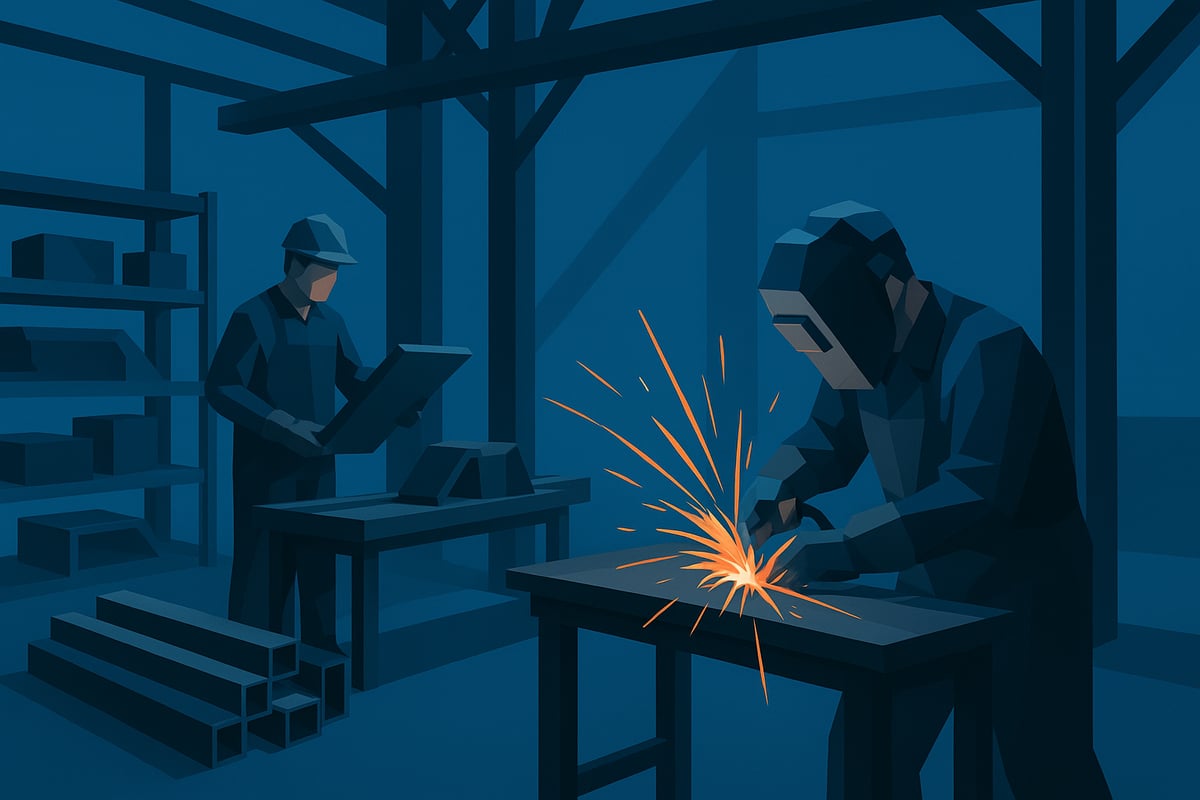
Custom fabrication and welding refer to the creation of metal products or structures based on unique client specifications, rather than mass production. These tailored processes involve cutting, forming, and joining metals to produce one-of-a-kind solutions.
Unlike standard fabrication, which focuses on repetitive, high-volume output, custom fabrication and welding prioritize flexibility and precision for specialized applications. Core processes include precision cutting, complex forming, and skilled joining methods.
The importance of custom fabrication and welding lies in their ability to solve unique engineering challenges for industries like manufacturing, energy, and infrastructure. By enabling the creation of custom parts, these services drive innovation and operational efficiency.
Key Materials Used in 2026
Material selection is crucial for the success of any custom fabrication and welding project. In 2026, the most common materials include steel, aluminum, stainless steel, and a growing range of exotic alloys.
Advanced material science is leading to stronger, lighter, and more corrosion-resistant options, expanding the possibilities for engineers and designers. Sustainability is increasingly prioritized, with recycled metals and eco-friendly alloys gaining traction due to their lower environmental impact.
When choosing materials, professionals consider application requirements, durability, weight, and recyclability. This ensures the finished product meets or exceeds performance expectations while supporting sustainable practices in custom fabrication and welding.
Essential Welding Techniques
A range of welding techniques is employed to achieve optimal results in custom fabrication and welding. Each method offers distinct benefits and is chosen based on the application, material, and project requirements.
| Technique | Pros | Cons | Common Use Cases |
|---|---|---|---|
| MIG | Fast, easy to automate | Less control on thin metal | Structural fabrication |
| TIG | High precision, clean welds | Slower, requires skill | Aerospace, automotive |
| Stick | Versatile, portable | More spatter, slower | Field repairs |
| Flux-Cored | Good for outdoor use | Produces slag | Construction, pipelines |
| Laser | High speed, precise | High cost, safety needs | Electronics, medical |
| Robotic | Consistent, efficient | Setup cost, complexity | Mass production |
Safety is paramount, with certifications like AWS and ISO required for operators. Selecting the right technique ensures both high-quality results and compliance with industry best practices.
Industry Standards and Compliance
Compliance with industry standards is non-negotiable in custom fabrication and welding. Regulatory requirements in 2026 demand strict adherence to certifications and guidelines, such as ASME, API, and AWS D1.1, which guarantee quality and safety.
Quality assurance is reinforced through documented procedures and regular audits. Failure to comply can lead to costly project delays, safety hazards, and reputational damage. For example, skipping proper inspection protocols once led to a structural failure in a major infrastructure project, highlighting the critical role of compliance.
Staying current with evolving standards is essential for every custom fabrication and welding provider, ensuring reliability and long-term success.
The Custom Fabrication and Welding Process: Step-by-Step
The journey from concept to finished product in custom fabrication and welding requires a precise, multi-stage approach. Each step builds on the last, ensuring projects meet technical, safety, and quality standards. Let us walk through each phase to reveal how top-tier results are achieved in 2026.
Step 1: Project Consultation and Design
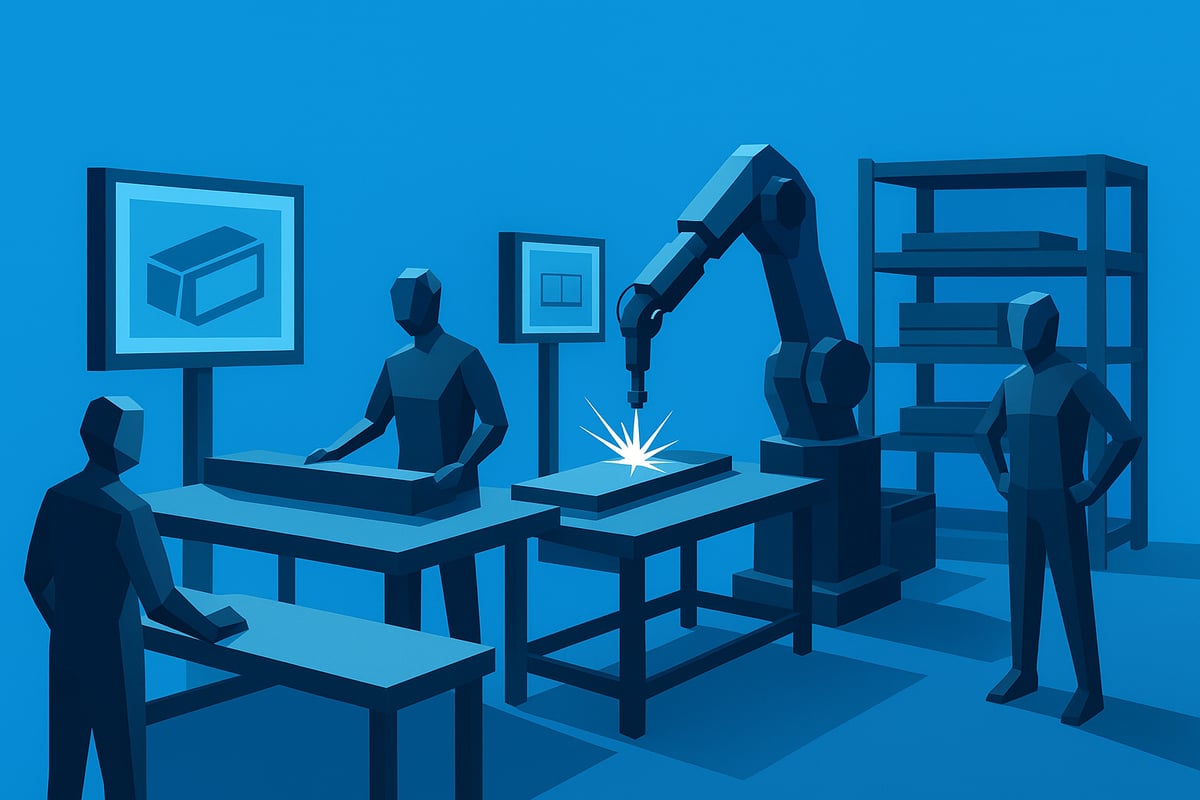
Every custom fabrication and welding project begins with a detailed consultation. Here, fabricators meet with clients to assess objectives, performance needs, and challenges.
Advanced CAD and CAM technology play a vital role at this stage, allowing for precise digital modeling and simulation. Designs are adjusted for manufacturability and compliance before fabrication begins. For example, in the oil and gas sector, engineers often tailor solutions for high-pressure piping or specialized enclosures. This front-end planning ensures the entire custom fabrication and welding process aligns with both industry standards and specific client requirements.
Step 2: Material Selection and Procurement
Material choice directly impacts performance, cost, and sustainability in custom fabrication and welding. Professionals evaluate properties like strength, corrosion resistance, and suitability for the application.
Reliable suppliers are sourced to maintain quality and minimize delays. Factors such as lead time, pricing trends, and eco-friendly sourcing are weighed. In 2026, data-driven market insights guide procurement, helping teams anticipate fluctuations and manage budgets. For instance, aerospace projects might require lightweight alloys, while recycling equipment demands durable, wear-resistant materials. This careful selection is foundational to project success.
| Material | Application Example | Key Benefit |
|---|---|---|
| Stainless Steel | Food Processing | Corrosion Resistance |
| Aluminum | Aerospace | Lightweight |
| Exotic Alloys | Oil & Gas | High Strength |
Step 3: Cutting, Forming, and Machining
Once materials arrive, the custom fabrication and welding process advances to shaping components. Modern cutting technologies include waterjet, plasma, and laser systems, each chosen for their precision and speed.
Forming methods such as bending, rolling, and stamping create the desired geometries, while CNC machining delivers intricate parts with tight tolerances. For aerospace components, CNC machining is essential to achieve complex shapes and exacting standards. This stage transforms raw materials into parts ready for joining, setting the foundation for strong, reliable assemblies.
Step 4: Welding and Assembly
The heart of custom fabrication and welding lies in joining components. Technique selection depends on material type, design, and end-use environment. MIG, TIG, and robotic welding offer varying advantages for strength, speed, and automation.
In 2026, many shops combine manual skill with automated systems to boost productivity and consistency. Structural integrity is ensured through careful assembly and adherence to safety protocols. For a detailed look at process capabilities, review the Fabrication and Welding Services offered by leading providers. This combination of expertise and technology drives high-quality results.
Step 5: Inspection, Testing, and Quality Assurance
No custom fabrication and welding project is complete without rigorous inspection. Non-destructive testing methods like ultrasonic, magnetic particle, and X-ray ensure welds are strong and defect-free.
Quality control benchmarks are documented at every stage, providing traceability and accountability. For critical infrastructure, X-ray inspection is often required to validate internal weld integrity. Thorough documentation and testing not only safeguard performance but also build trust between fabricators and their clients.
Innovations and Technology Trends in Fabrication and Welding
The world of custom fabrication and welding is evolving rapidly, fueled by breakthrough technologies and new industry demands. In 2026, innovation is not just a buzzword, it is a practical necessity. From robotics to digitalization, professionals must stay ahead of these trends to remain competitive and deliver exceptional results.

Automation and Robotics
Automation is transforming custom fabrication and welding in ways that were unimaginable a decade ago. Robotic welding cells are now standard in most advanced facilities, delivering unmatched speed and precision. AI-driven quality monitoring systems catch defects in real time, reducing costly rework.
By 2026, over 70% of fabrication shops are expected to integrate some form of automation. Key benefits include:
- Increased productivity and throughput
- Consistent weld quality
- Reduced human error
- Improved worker safety
As automation becomes more accessible, even small and mid-sized shops are leveraging these tools to compete on a global scale. The role of skilled technicians is shifting from manual operation to programming and oversight of robotic systems.
Advanced Materials and Processes
Material science is at the heart of innovation in custom fabrication and welding. The integration of composites, hybrid alloys, and additive manufacturing techniques is expanding what is possible for design and performance. Shops are now producing 3D-printed metal parts for automotive and aerospace, combining lightweight properties with exceptional strength.
Material selection is more critical than ever, with sustainability and recyclability top of mind. For tailored solutions and examples of advanced capabilities, explore Custom Metal Fabrication Services.
The ability to work with exotic alloys and composite blends allows fabricators to address unique industry challenges, from corrosion resistance to high-temperature applications.
Digitalization and Industry 4.0
The adoption of Industry 4.0 principles is revolutionizing custom fabrication and welding. IoT-enabled machines provide real-time data on every process, from cutting to final inspection. Predictive maintenance algorithms minimize downtime by alerting teams before equipment fails.
Digital tools also streamline production scheduling and inventory management. In 2026, over half of leading shops use integrated software for:
- Live process monitoring
- Automated reporting
- Data-driven quality control
These advancements drive efficiency, reduce waste, and support better decision-making across the fabrication workflow.
Sustainability and Green Fabrication
Sustainability is now a core focus within custom fabrication and welding operations. Eco-friendly material sourcing, energy-efficient welding processes, and zero-waste initiatives are driving measurable environmental improvements.
Fabrication shops are implementing closed-loop recycling systems, ensuring that scrap metal and byproducts are reused instead of discarded. New welding technologies reduce energy consumption and emissions, making it easier to meet regulatory standards.
Sustainability is not only good for the planet, it is increasingly demanded by clients and stakeholders seeking responsible partners for their projects.
Safety Innovations and Workforce Training
Innovation in safety is reshaping the workplace for custom fabrication and welding professionals. Wearable technology, such as smart helmets and sensors, monitors worker health and exposure in real time. Virtual and augmented reality tools are now standard for training, allowing teams to practice complex welds in a risk-free environment.
Updated OSHA standards for 2026 reflect these technological advancements, resulting in a notable reduction in workplace incidents. As processes become more complex, continuous training ensures that all staff remain compliant and skilled.
Shops prioritizing safety not only protect their teams but also boost productivity and morale.
Case Study: Modern Fabrication Shop Transformation
A recent transformation in a leading fabrication shop highlights the impact of embracing new technologies. By investing in automation, advanced materials, and digital monitoring, the shop increased output by 40% and reduced defects by 25%.
During the transition, challenges included staff training and process integration. Solutions involved phased implementation and ongoing support for employees. The result was a measurable return on investment and a stronger reputation for quality in custom fabrication and welding.
Continuous improvement, driven by innovation, is the foundation for long-term success in this industry.
Applications Across Key Industries
Custom fabrication and welding are foundational across diverse sectors, enabling industries to solve unique engineering challenges and meet evolving demands. These services deliver tailored solutions that standard manufacturing cannot, ensuring optimal performance, safety, and durability in critical applications.
Manufacturing and Heavy Industry
In manufacturing and heavy industry, custom fabrication and welding are essential for building specialized machinery, conveyor systems, and process equipment. These sectors rely on expert fabricators to create robust components that handle extreme loads and repetitive motion.
- Custom jigs and fixtures for assembly lines
- Precision welding for robotic manufacturing cells
- Heavy-duty frames for industrial automation
For example, robotics manufacturers depend on custom fabrication and welding to integrate sensors, actuators, and safety features into equipment, supporting advanced automation and efficiency.
Oil, Gas, and Energy Sector
The oil, gas, and energy sector demands high-performance solutions for challenging environments. Custom fabrication and welding enable the construction of pressure vessels, pipeline systems, and offshore platforms built to withstand corrosion, temperature extremes, and hazardous conditions.
- Structural fabrication for refineries and power plants
- Specialized welding for high-pressure pipelines
- Modular skid units for rapid deployment
According to the Global Custom Fabricating and Welding Services Market Outlook, 2031, industry growth is accelerating as energy projects expand and the need for skilled welders increases worldwide.
Construction and Infrastructure
In construction and infrastructure, custom fabrication and welding provide the backbone for safe, resilient structures. Fabricators deliver structural steel for buildings and bridges, as well as bespoke components for modular and prefab construction.
- Beams, columns, and trusses tailored to engineering specs
- Welded assemblies for rapid on-site installation
- Bridge sections fabricated for complex geometries
A notable example is the use of prefab bridge components, which are fabricated offsite, transported, and quickly assembled to minimize road closures and enhance project timelines.
Recycling, Aggregate, and Environmental Solutions
Recycling, aggregate, and environmental industries benefit from custom fabrication and welding through the creation of robust equipment designed for harsh operating conditions. Wear-resistant materials and specialized welds extend equipment life and reduce downtime.
- Custom shredders and conveyors for recycling plants
- Heavy-duty hoppers and chutes for aggregate processing
- Corrosion-resistant tanks for environmental remediation
These tailored solutions support sustainability by maximizing throughput, improving safety, and enabling closed-loop recycling in modern facilities.
Aerospace and Transportation
Aerospace and transportation industries require the highest standards of quality and precision. Custom fabrication and welding deliver lightweight yet strong components for aircraft, rail, and vehicles, meeting strict regulatory and safety requirements.
- Aircraft frames and supports using advanced alloys
- Precision-welded assemblies for landing gear and engines
- Lightweight chassis and body panels for electric vehicles
For instance, aerospace-grade aluminum welding is critical for building fuel-efficient planes, ensuring both performance and safety in flight.
Choosing the Right Custom Fabrication and Welding Partner
Selecting the right custom fabrication and welding partner is crucial for project success, longevity, and safety. The ideal partner brings expertise, advanced technology, and a commitment to quality, ensuring your investment delivers measurable results.
What to Look for in a Fabrication Partner
When evaluating custom fabrication and welding providers, prioritize experience and industry specialization. A seasoned partner with deep sector knowledge can anticipate challenges and deliver precise solutions. Look for essential certifications, such as the Certified Welding Fabricator Program, which demonstrates adherence to strict quality and compliance standards.
Assess the provider’s capabilities, both in-shop and in the field. Reliable partners offer comprehensive services, clear communication, and responsive customer support. This approach minimizes risks and ensures smooth collaboration throughout the project.
Evaluating Technology and Capabilities
Modern custom fabrication and welding shops invest in advanced machinery and automation. Assess the range of services offered—from precision CNC machining to robotic welding cells—to confirm they can handle diverse requirements. Flexibility is vital for complex or large-scale projects, as is a demonstrated track record across industries.
Ask about their use of digital tools, real-time monitoring, and material expertise. A forward-thinking partner quickly adapts to changing technologies and maintains strict process controls, providing measurable benefits in both quality and efficiency.
LTJ Industrial Services: Your Comprehensive Fabrication and Welding Partner
LTJ Industrial Services stands out as a trusted leader in custom fabrication and welding across the Western United States. Their team delivers both shop and field services, specializing in manufacturing, recycling, aggregate, and oil and gas sectors. Whether your project requires large-scale structural fabrication or intricate component welding, LTJ Industrial Services offers tailored solutions built on quality and client partnership.
Their commitment to continuous improvement, safety, and transparent communication ensures each project meets demanding industry standards and unique client needs.
Cost, Lead Time, and Project Management
Transparent pricing models are a hallmark of reputable custom fabrication and welding partners. Expect clear, quote-based estimates outlining all project phases, materials, and labor. Effective partners provide defined timelines, set milestones, and maintain open lines of communication.
Project management expertise is essential for multi-phase industrial jobs. The best providers track progress, document changes, and proactively address challenges, ensuring your project stays on budget and schedule from start to finish.
Future Outlook: Fabrication and Welding in 2026 and Beyond
The future of custom fabrication and welding is dynamic, with new demands, technologies, and global trends shaping the industry’s path. As 2026 approaches, professionals and businesses must adapt to workforce changes, smarter automation, evolving supply chains, and the rapid pace of innovation. Staying ahead means understanding not just what is coming, but how to prepare for it.
Evolving Industry Demands and Skills
In 2026, the custom fabrication and welding sector faces a growing need for highly skilled professionals. As advanced machinery and automation become standard, employers seek welders and fabricators with expertise in both manual and digital processes. Workforce development programs are expanding, with a focus on certifications, hands-on training, and continuous learning. According to industry forecasts, job growth for welders and fabricators is expected to rise by nearly eight percent over the next five years. This demand highlights the importance of investing in education and upskilling to maintain a competitive edge in custom fabrication and welding.
The Role of Artificial Intelligence and Machine Learning
Artificial intelligence is transforming custom fabrication and welding by enabling smarter process optimization, real-time defect detection, and predictive maintenance. AI-powered systems can analyze welding parameters, adjust settings on the fly, and reduce the risk of human error. For example, machine learning algorithms now help identify potential flaws in welds before they become critical, ensuring higher quality and safety. Predictive scheduling tools streamline project management, minimizing downtime and increasing throughput. As AI adoption grows, embracing these technologies will be vital for any business committed to excellence in custom fabrication and welding.
Globalization and Supply Chain Considerations
Global sourcing of materials and components continues to influence the custom fabrication and welding landscape. Companies are diversifying suppliers to reduce risks and manage disruptions more effectively. Trends like nearshoring and reshoring are gaining momentum, as businesses aim to strengthen supply chain resilience and shorten lead times. Recent market reports show that structural steel fabrication and related sectors are experiencing steady growth worldwide, driven by infrastructure investments and manufacturing demand. Navigating these shifts requires a strategic approach to procurement and logistics within custom fabrication and welding operations.
Preparing for the Next Wave of Innovation
The next era of custom fabrication and welding will be shaped by emerging technologies such as nanomaterials, advanced sensors, and smart inspection tools. Regulatory changes are anticipated, prompting industry leaders to stay informed and agile. Attending events like the Inspection Expo & Conference 2026 offers valuable insights into upcoming standards, inspection techniques, and compliance requirements. Early adoption of next-generation fabrication tools, combined with a culture of continuous improvement, will ensure that businesses remain at the forefront of innovation in custom fabrication and welding.
As you’ve seen throughout this guide, the right fabrication and welding partner is essential for navigating complex industry demands, leveraging the latest technologies, and ensuring consistent quality. LTJ Industrial Services brings years of expertise to every project, supporting sectors like manufacturing, recycling, aggregate, and oil & gas across the Western United States. If you’re ready to take your operations to the next level with custom solutions tailored to your business goals, I invite you to connect with our team. Let’s discuss your unique requirements and craft a plan together—Request a Quote.