
Innovation in manufacturing is accelerating at an unprecedented rate, transforming how industries approach custom metal fabrication. In 2026, new technologies and smarter processes are redefining what is possible for businesses seeking a competitive edge.
This comprehensive guide unpacks the latest trends, cutting-edge fabrication methods, advanced materials, and the digital transformation shaping the future. You will also discover sustainability initiatives and expert tips to keep your operations ahead of the curve.
Prepare to explore actionable insights and proven strategies designed to help you thrive in a rapidly evolving market.
The Evolving Landscape of Custom Metal Fabrication
The landscape of custom metal fabrication is shifting rapidly in 2026. Global manufacturers are embracing new technologies, evolving workforce strategies, and responding to dynamic market forces. This evolution is reshaping how businesses approach projects, optimize processes, and remain competitive.
Key Industry Drivers and Market Growth
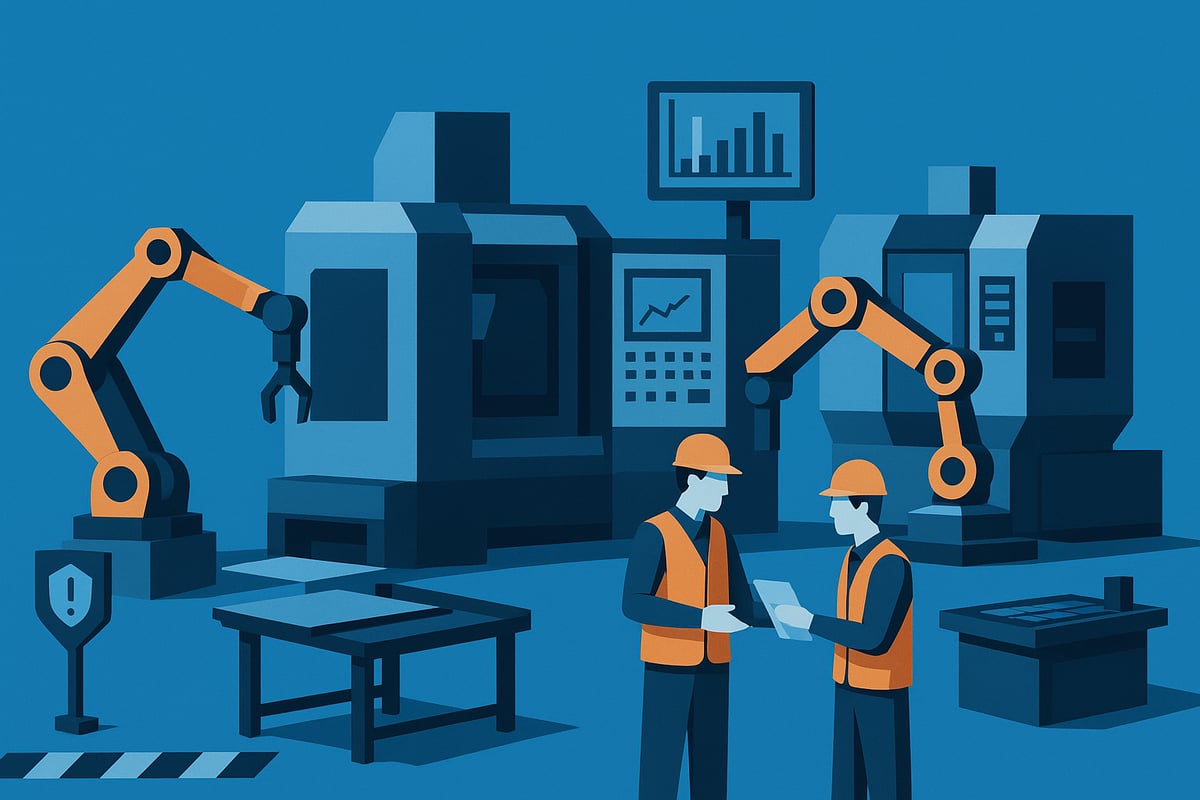
The global custom metal fabrication market is projected to see robust growth through 2026, fueled by several converging trends. Reshoring is gaining momentum, as companies seek greater supply chain resilience and reduced lead times. Sectors like automotive, aerospace, and renewable energy are ramping up demand for precision components.
Digital manufacturing platforms are streamlining project workflows and enabling on-demand production, which allows fabricators to respond quickly to market shifts. According to the Global Custom Metal Fabrication Market Forecast, industry investments are increasing in advanced machinery and skilled labor.
Workforce trends are also evolving. Upskilling is a top priority as fabricators adopt new technologies. However, labor shortages remain a challenge, particularly for roles requiring specialized expertise. Companies are investing in training programs to close the gap and attract new talent. These drivers collectively shape the momentum behind custom metal fabrication in today's market.
Technological Breakthroughs Shaping the Industry
Custom metal fabrication is experiencing a technological renaissance in 2026. Automation, robotics, and artificial intelligence are transforming traditional workflows. Advanced CAD/CAM software and simulation tools allow for faster prototyping and optimized designs.
The integration of IoT devices enables real-time monitoring and quality control across production lines. Smart factories are becoming the norm, with digitally connected fabrication shops using sensors and data analytics to streamline processes.
For example, robotic arms now handle repetitive tasks with precision, while simulation software predicts potential production issues before they arise. These breakthroughs reduce errors, increase safety, and boost overall productivity. The combination of digital tools and automation is setting a new benchmark for efficiency in custom metal fabrication.
Challenges and Opportunities in 2026
Despite significant progress, custom metal fabrication faces ongoing challenges. Material costs continue to fluctuate, impacting project budgets. The skills gap persists, as advanced technologies require a workforce with specialized training. Global competition adds further pressure to innovate and deliver value.
Yet, 2026 also brings new opportunities. Niche markets and customization are thriving as clients demand unique solutions and rapid prototyping. Regulatory changes are driving higher standards for safety and sustainability, compelling fabricators to adapt their processes.
By embracing flexibility and staying informed on industry trends, businesses can turn these challenges into growth opportunities. Navigating this evolving landscape requires a proactive approach and a commitment to continuous improvement.
Emerging Fabrication Methods and Technologies
The pace of innovation in custom metal fabrication is accelerating in 2026, driven by new technologies and smarter workflows. Fabricators are adopting advanced methods to meet rising demands for precision, speed, and flexibility. Understanding these emerging approaches is key for staying ahead in a competitive market.
Laser Cutting and Advanced CNC Machining
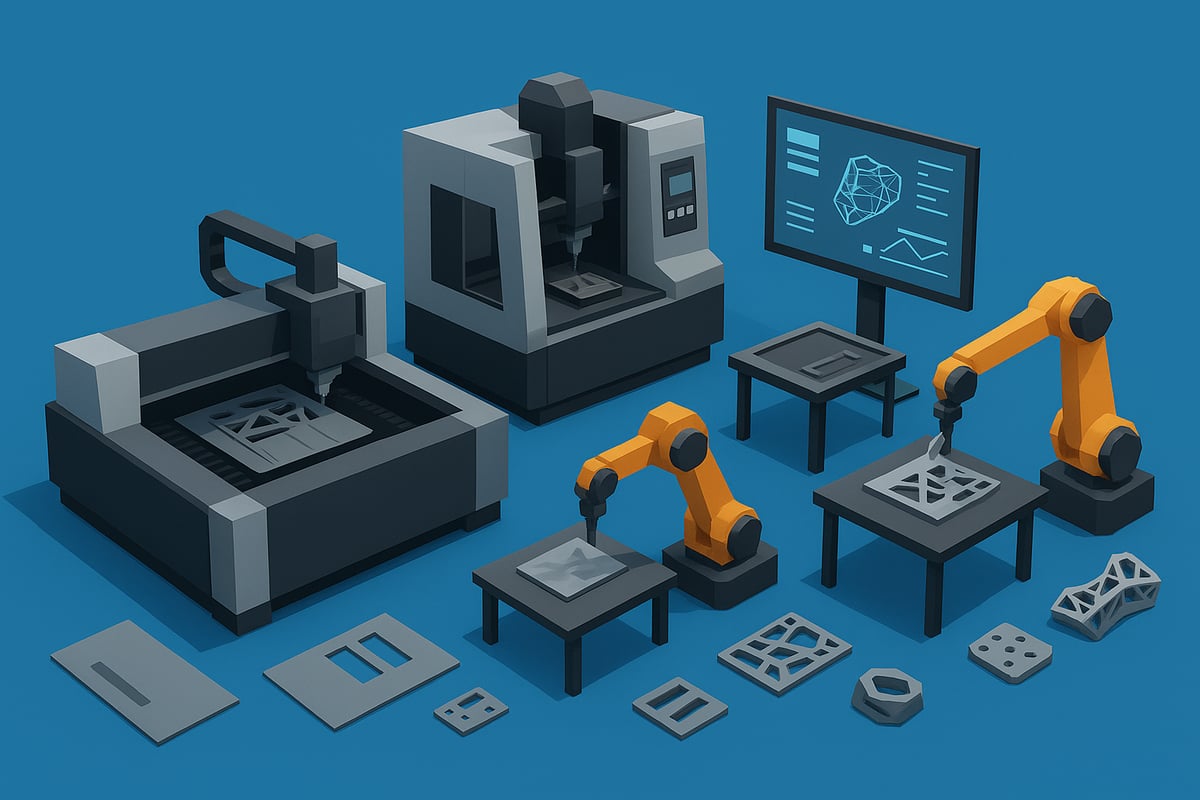
Laser cutting has evolved rapidly, with fiber lasers now offering unmatched speed and precision for custom metal fabrication. These systems handle a wider range of materials, from thin aluminum to thick stainless steel, all while minimizing waste. Multi-axis CNC machining has also advanced, enabling the creation of complex geometries that were once impossible with traditional methods.
Compared to conventional equipment, modern machines deliver superior edge quality and tighter tolerances. Shops gain flexibility by switching between projects with minimal downtime. For a detailed look at these capabilities, explore Custom Fabrication Capabilities. These innovations help fabricators respond quickly to customer needs and complex part requirements.
3D Metal Printing and Additive Manufacturing
The rise of 3D metal printing is transforming custom metal fabrication, especially for prototyping and low-volume production. Additive manufacturing allows intricate internal features, lattice structures, and weight reduction that subtractive processes cannot easily achieve.
Material options have expanded, with new alloys and hybrid composites offering improved strength and corrosion resistance. Industries like aerospace and medical are successfully deploying 3D printed metal components for both prototypes and end-use parts. This flexibility gives fabricators a competitive edge and supports rapid product development cycles.
Waterjet and Plasma Cutting Innovations
Waterjet and plasma cutting have gained traction in custom metal fabrication due to their ability to process thick or sensitive materials without heat distortion. Recent improvements in pump technology and control systems have boosted cut quality and accuracy for both methods.
Waterjets excel at cutting metals, composites, and even glass, making them versatile for diverse applications. Plasma systems now deliver finer kerfs and smoother edges, reducing the need for secondary finishing. These innovations lower production costs and support sustainable practices by minimizing scrap.
Automation and Robotics Integration
Automation is reshaping custom metal fabrication by streamlining repetitive tasks and improving workplace safety. Robotic arms are now common for welding, material handling, and assembly, reducing human error and increasing throughput.
Collaborative robots, or cobots, have become popular for flexible manufacturing cells. They work alongside skilled operators, adapting to changes in production without lengthy reprogramming. This integration helps shops scale up efficiently while maintaining high quality standards.
Digital Twins and Simulation
Digital twins and advanced simulation tools are revolutionizing process optimization in custom metal fabrication. By creating a virtual replica of parts and workflows, engineers can validate designs, predict challenges, and refine processes before real-world production begins.
Simulation reduces lead times by identifying potential errors early and minimizing costly rework. Fabricators use these digital tools to experiment with new materials, optimize tool paths, and ensure consistent product quality. The result is a more agile and responsive manufacturing environment.
Material Trends and Finishing Techniques for 2026
The landscape of custom metal fabrication is rapidly evolving, with new material trends and finishing techniques reshaping industry standards. As manufacturers respond to market demands and regulatory pressures, staying ahead with the right materials and finishes is critical for competitiveness.
Next-Generation Metals and Alloys
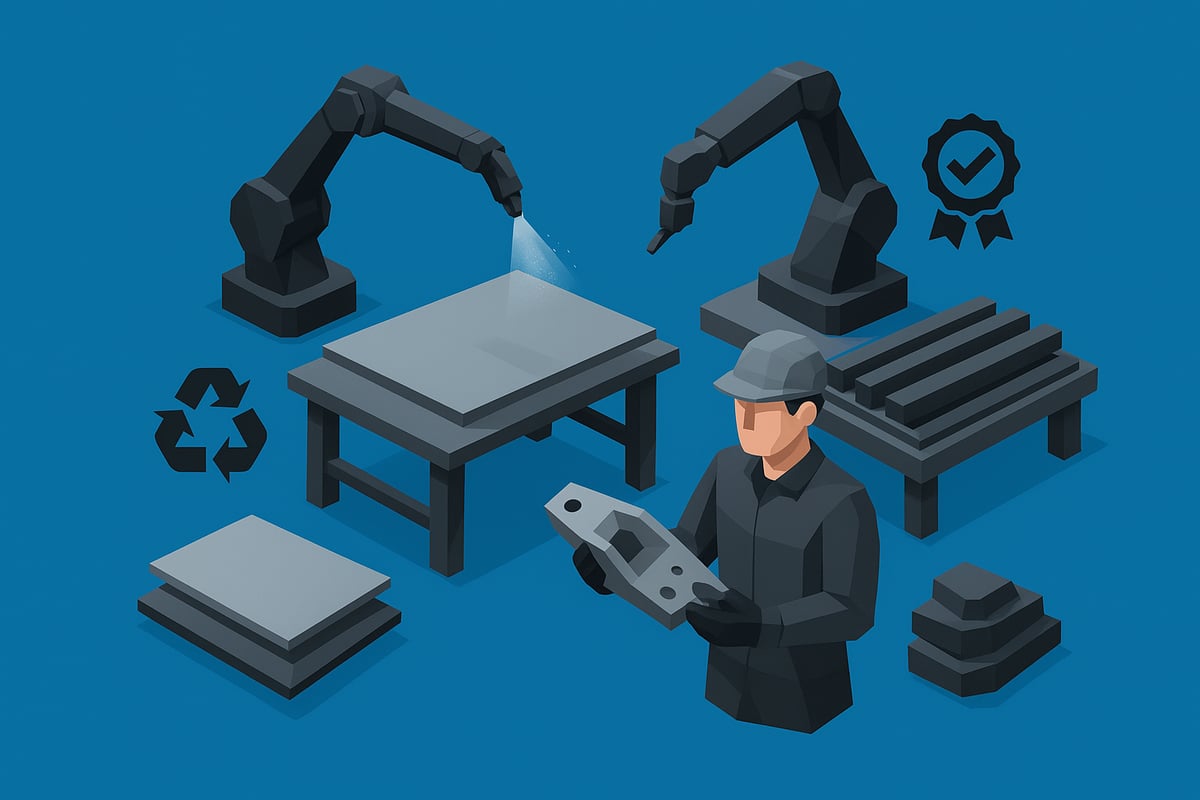
Material innovation is at the heart of custom metal fabrication in 2026. Lightweight alloys such as advanced aluminum and titanium blends are now widely used in automotive and aerospace applications, helping reduce weight without compromising strength. High-strength steels remain in demand for structural components, while corrosion-resistant metals like duplex stainless steel are vital for energy and marine projects.
Drivers for these materials include the need for fuel efficiency, extended lifespan, and compliance with safety standards. Many fabricators now explore hybrid materials and composites to address specific project requirements. For a deeper dive into these trends, the Top 10 Trends in Metal Fabrication highlights how material advancements are shaping the industry’s future.
Surface Finishing Innovations
Surface finishing is essential in custom metal fabrication, impacting both durability and appearance. Popular techniques in 2026 include media blasting for uniform texture, cosmetic brushing for sleek aesthetics, powder coating for superior protection, and advanced deburring for precision edges.
| Finishing Method | Durability | Aesthetics | Best Use Cases |
|---|---|---|---|
| Media Blasting | High | Matte | Structural, heavy-duty |
| Cosmetic Brushing | Medium | Satin | Architectural, decorative |
| Powder Coating | Very High | Gloss/Matte | Outdoor, industrial |
| Deburring | Medium | Smooth | Precision components |
Choosing the right finish enhances product value and meets client specifications. Each process offers unique benefits, allowing fabricators to tailor results for any custom metal fabrication project.
Sustainability in Material Selection
Sustainability is no longer optional in custom metal fabrication. Fabricators increasingly select recycled metals and source low-carbon materials to minimize environmental impact. This shift is driven by both regulatory requirements and client preferences for greener solutions.
Recycled aluminum and steel are now common, reducing both costs and carbon footprint. Closed-loop supply chains help ensure that leftover materials are reused or responsibly disposed of. Studies show that sustainable material choices can lower operational expenses, making them attractive for fabricators and clients alike.
Quality Assurance and Standards
Maintaining quality is crucial in custom metal fabrication, especially as clients demand precision and compliance. Advances in inspection technology, such as 3D scanning and automated measurement systems, allow fabricators to verify tolerances and surface finishes with high accuracy.
Certification to international standards like ISO 9001 and ISO 14001 is increasingly sought after, signaling commitment to quality and environmental responsibility. Strict documentation and traceability procedures ensure every stage of production meets industry benchmarks, giving clients confidence in the final product.
Digital Transformation in Metal Fabrication
Digital transformation is reshaping the custom metal fabrication industry in 2026, creating new benchmarks for speed, accuracy, and customer experience. By embracing advanced digital tools, fabricators are unlocking smarter workflows, streamlined communication, and unprecedented transparency throughout the production lifecycle.
Online Quoting and Design Platforms
Instant online quoting platforms have transformed how custom metal fabrication projects begin. With these tools, customers can upload CAD files, receive real-time pricing, and access Design for Manufacturability (DFM) feedback within minutes.
This digital approach eliminates back-and-forth emails and manual estimates, reducing project timelines and improving accuracy. Advanced DFM tools guide users to optimize part geometry and select the best materials early in the process. As a result, fabricators can focus on delivering value rather than administrative tasks.
For a deeper dive into these trends and their impact on project success, consult the Commercial Fabrication Guide 2026.
Cloud-Based Collaboration and Workflow Automation
Cloud-based project management has become integral to custom metal fabrication. Teams now share files, track revisions, and communicate changes in real time, regardless of location. This transparency minimizes miscommunication and project delays.
Workflow automation tools handle order tracking, scheduling, and supply chain coordination. Automated notifications keep stakeholders informed at every step. By centralizing information and automating routine processes, fabricators reduce human error and ensure projects stay on schedule.
IoT and Data-Driven Manufacturing
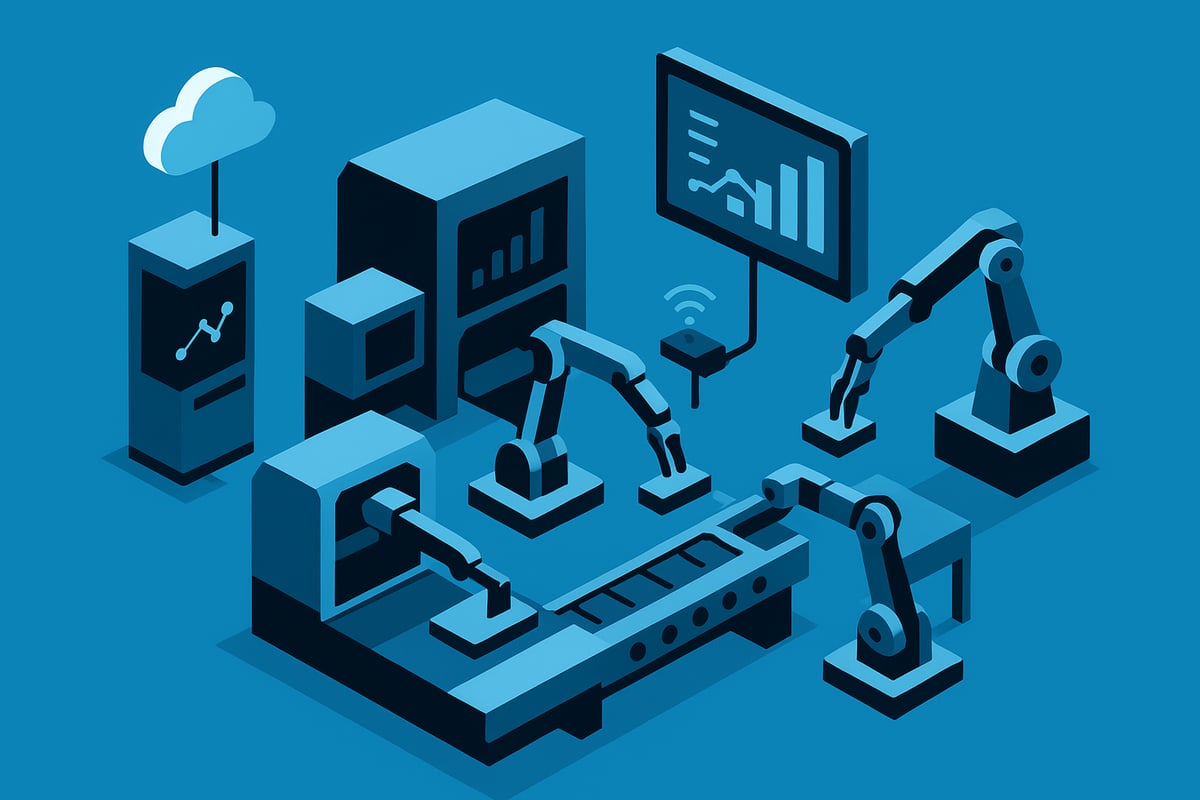
The integration of IoT sensors is revolutionizing equipment monitoring and predictive maintenance in custom metal fabrication. Machines now report performance data continuously, allowing teams to identify maintenance needs before costly breakdowns occur.
Data analytics platforms process this information to optimize production schedules and resource allocation. Fabricators use real-time dashboards to monitor throughput, quality metrics, and energy consumption. This data-driven approach enables smarter decision-making, helping shops maintain a competitive edge.
Cybersecurity and Data Protection
As digital transformation advances, cybersecurity becomes critical in custom metal fabrication. Protecting intellectual property, customer data, and proprietary designs is a top concern for fabricators.
Best practices include multi-factor authentication, encrypted file transfers, and regular security audits. Shops are investing in specialized software to detect threats and prevent breaches. By prioritizing data protection, fabricators build trust with clients and safeguard their digital assets in an increasingly connected world.
Sustainability and Green Manufacturing in Fabrication
As sustainability becomes a core expectation in manufacturing, custom metal fabrication shops are rapidly embracing green practices to reduce their environmental impact. The shift toward eco-conscious operations is not just about compliance, it is a strategic move to lower costs, improve efficiency, and meet the demands of modern clients.
Energy-Efficient Processes and Equipment
Custom metal fabrication facilities are investing heavily in energy-saving equipment and renewable energy sources. The adoption of variable-speed drives, high-efficiency motors, and LED lighting systems has led to significant reductions in energy consumption. Many shops are now integrating solar panels or purchasing green electricity to power their operations, further minimizing their carbon footprint.
According to recent industry reports, top-performing fabrication shops have reduced their energy use by up to 30 percent in the last three years. These improvements not only cut operational costs but also align with growing customer demands for sustainable supply chains. Energy management systems track usage in real time, allowing for continuous improvement and accountability in custom metal fabrication.
Waste Reduction and Circular Economy Practices
Waste reduction is a key pillar of green manufacturing in custom metal fabrication. Leading shops are adopting closed-loop recycling systems, ensuring that metal scrap is collected, sorted, and reprocessed back into production. This approach drastically reduces landfill waste and conserves valuable raw materials.
Common strategies include:
- Implementing precise nesting algorithms to minimize offcuts.
- Reusing water in cutting and cleaning processes.
- Partnering with local recyclers for scrap material recovery.
A mid-sized fabrication business recently reported achieving zero-waste status by redesigning its workflow and investing in on-site recycling. These practices not only support environmental goals but also create cost savings that can be reinvested into custom metal fabrication technology.
Eco-Friendly Finishes and Coatings
Surface finishing is evolving with a focus on eco-friendly options in custom metal fabrication. Shops are replacing traditional solvent-based paints with low-VOC (volatile organic compound) coatings and powder coating techniques. These alternatives emit fewer pollutants and provide durable, attractive finishes.
Here is a comparison of traditional and green finishing methods:
| Method | Environmental Impact | Durability | Typical Use |
|---|---|---|---|
| Solvent-Based Paint | High | Moderate | General steel parts |
| Low-VOC Paint | Low | High | Architectural, consumer |
| Powder Coating | Very Low | High | Machinery, enclosures |
| Eco-Friendly Solvents | Low | Moderate | Sensitive applications |
By adopting these green finishes, fabricators can meet stricter regulations and appeal to environmentally conscious customers, while maintaining the quality standards expected in custom metal fabrication.
Regulatory Compliance and Certifications
Environmental regulations are evolving rapidly, and compliance is essential for any custom metal fabrication business seeking long-term success. In 2026, standards such as ISO 14001 are recognized benchmarks for sustainable practices, helping companies demonstrate their commitment to environmental stewardship.
Staying informed about new regulations and emerging technologies is crucial. Attending industry events like FABTECH 2026 Event Information offers valuable insights into best practices, regulatory changes, and the latest green innovations. Achieving certifications not only supports compliance but also enhances credibility with clients who value sustainable sourcing.
By prioritizing regulatory alignment and continuous improvement, custom metal fabrication shops can future-proof their operations and thrive as sustainability becomes a competitive differentiator.
Expert Tips for Successful Custom Metal Fabrication Projects
Staying ahead in custom metal fabrication requires a blend of smart planning, technical expertise, and strong partnerships. Whether you are launching a new project or refining ongoing operations, leveraging proven strategies will help you maximize results and keep your competitive edge.
Design for Manufacturability (DFM) Best Practices
Early collaboration between engineers and fabricators is vital for successful custom metal fabrication. Engaging experts in the design phase helps identify potential issues, optimize part geometry, and ensure materials are suitable for both performance and cost.
To streamline production, consider:
- Reducing overly tight tolerances unless necessary
- Minimizing complex features that add cost or lead time
- Choosing commonly available materials
Reviewing your design with a fabricator, like those offering Welding and Metal Fabrication Services, can prevent costly mistakes and support smooth transitions from prototype to production.
Choosing the Right Fabrication Partner
Selecting the right partner for custom metal fabrication is crucial. Look for shops with a diverse set of capabilities, relevant certifications, and a proven track record in your industry.
Key criteria to evaluate:
- Technical expertise in your required processes
- Quality assurance protocols and certifications (such as ISO 9001)
- Reliable turnaround times and clear communication
- Field services and support for on-site requirements
A trusted partner will offer transparency, flexibility, and guidance throughout your project.
Project Planning and Communication
Clear documentation and open communication are foundational in custom metal fabrication projects. Start with detailed drawings, material specifications, and a defined project scope.
Best practices include:
- Establishing a single point of contact for updates
- Using cloud-based tools for real-time document sharing
- Scheduling regular check-ins to manage revisions and approvals
Effective communication reduces errors, accelerates timelines, and ensures all stakeholders are aligned.
Cost Optimization Strategies
Optimizing costs in custom metal fabrication involves strategic choices at every stage. Focus on efficient material selection, batch production, and process automation.
| Method | Benefit | Consideration |
|---|---|---|
| Batch Production | Lower per-unit cost | Requires forecasting |
| Material Substitution | Reduces raw material cost | Must meet specs |
| Automation | Cuts labor expenses | Upfront investment |
Investing in new technologies can yield long-term savings compared to traditional approaches.
Ensuring Quality and Compliance
Quality control is a non-negotiable aspect of custom metal fabrication. Implement inspection checkpoints throughout the process, from raw material verification to final assembly.
Steps for robust quality assurance:
- Traceability of materials and processes
- Use of advanced measuring tools for precision
- Comprehensive documentation for audits
Meeting international standards not only assures quality but also opens doors to broader markets.
Future-Proofing Your Fabrication Projects
The landscape of custom metal fabrication is evolving rapidly. Stay informed about new processes, materials, and digital solutions to remain competitive.
Adopt scalable systems that allow you to adapt to changing demands. Continuous improvement initiatives, such as employee training and regular process reviews, can help your business thrive amid industry shifts.
Future Outlook: What’s Next for Custom Metal Fabrication?
The future of custom metal fabrication is defined by rapid transformation and a relentless drive for efficiency, precision, and adaptability. As 2026 approaches, manufacturers and fabricators are preparing for a new era shaped by digitalization, evolving customer expectations, and sustainable practices.
Predicting the Next Wave of Innovation
Custom metal fabrication is on the brink of a technological leap. Expect artificial intelligence to power design optimization, enabling autonomous fabrication cells that self-adjust for efficiency and quality. Smart manufacturing ecosystems will connect every stage, from quoting to finishing.
Blockchain could soon provide secure, transparent supply chain management, while Precision CNC Plasma Cutting is evolving to deliver faster, more accurate cuts for complex projects. Conferences like the Advances in Materials, Mechanical and Manufacturing Conference highlight the innovation pipeline, from new alloys to digital twins. Staying informed on these advancements will be vital for custom metal fabrication leaders.
The Role of Workforce Development
Industry progress depends on a skilled, adaptable workforce. Continuous training in automation, robotics, and digital tools is essential for those in custom metal fabrication. Apprenticeships and partnerships with technical schools help bridge the skills gap.
Companies are investing in STEM education to attract new talent and upskill existing teams. As new technologies emerge, fabricators will rely on a blend of traditional craftsmanship and digital proficiency. This approach ensures a workforce ready to meet the demands of tomorrow’s custom metal fabrication landscape.
Globalization and Localization Trends
Balancing global reach with local agility is a key challenge. Custom metal fabrication shops are re-evaluating supply chains to manage risks and ensure timely delivery. Geopolitical shifts and regional trade policies are influencing sourcing decisions.
Many firms are reshoring production to boost resilience and support local economies. At the same time, international collaborations and digital platforms enable access to specialized expertise worldwide. Navigating these trends will require flexibility and a deep understanding of market dynamics.
Adapting to Customer Demands
Customers now expect mass customization and fast turnarounds. Custom metal fabrication providers are adopting flexible manufacturing systems to accommodate small-batch orders and unique specifications.
Digital platforms and online quoting tools enable real-time collaboration, reducing lead times and improving accuracy. To stay competitive, fabricators must remain agile, embracing technologies that support personalized solutions while maintaining efficiency and quality.
Investment and Growth Opportunities
The outlook for custom metal fabrication is strong across several sectors. Automotive, aerospace, renewable energy, and infrastructure are projected to lead demand through 2026. Strategic investments in advanced equipment, software, and workforce training can yield significant returns.
| Sector | Projected Demand Growth (%) |
|---|---|
| Automotive | 8.5 |
| Aerospace | 7.2 |
| Renewable Energy | 9.0 |
| Infrastructure | 6.8 |
Prioritizing innovation and operational excellence positions businesses to capitalize on these opportunities and drive sustainable growth.
Preparing for Regulatory and Environmental Changes
Regulatory landscapes are evolving, especially regarding environmental standards and digital security. Custom metal fabrication companies must anticipate stricter emissions guidelines, enhanced reporting requirements, and new data protection laws.
Proactive compliance, investment in green technologies, and robust cybersecurity protocols will be essential. By staying ahead of regulations, fabricators can maintain market access, avoid costly disruptions, and reinforce their reputation for reliability and responsibility.
As we look ahead to 2026, the pace of change in custom metal fabrication is truly impressive—innovation, digital transformation, and sustainability are setting new standards across industries. Whether you’re seeking the latest fabrication techniques, advanced materials, or a partner who can help you stay agile and competitive, the right expertise makes all the difference. If you’re ready to put these trends and tips into practice for your next project, I invite you to connect with LTJ Industrial Services for tailored solutions and personal guidance.