Welding mistakes in pressure piping can lead to catastrophic failures, risking both lives and assets. That is why asme code welding services for pressure piping are essential for any operation focused on safety and regulatory compliance.
This guide demystifies the complexities of ASME code welding, providing industry professionals with clear steps to meet evolving 2026 standards and maintain operational integrity. Inside, you will discover the core ASME code requirements, upcoming regulatory changes, a step-by-step welding service workflow, certification essentials, quality assurance strategies, and tips for choosing the right service provider.
Stay ahead of risks, ensure compliance, and protect your business with practical, expert-driven guidance.
Understanding ASME Code Welding for Pressure Piping
Understanding ASME code welding services for pressure piping is fundamental for any professional involved in the design, fabrication, or maintenance of critical piping systems. This section unpacks the essentials, from ASME’s foundational role to the real-world challenges of maintaining code compliance.
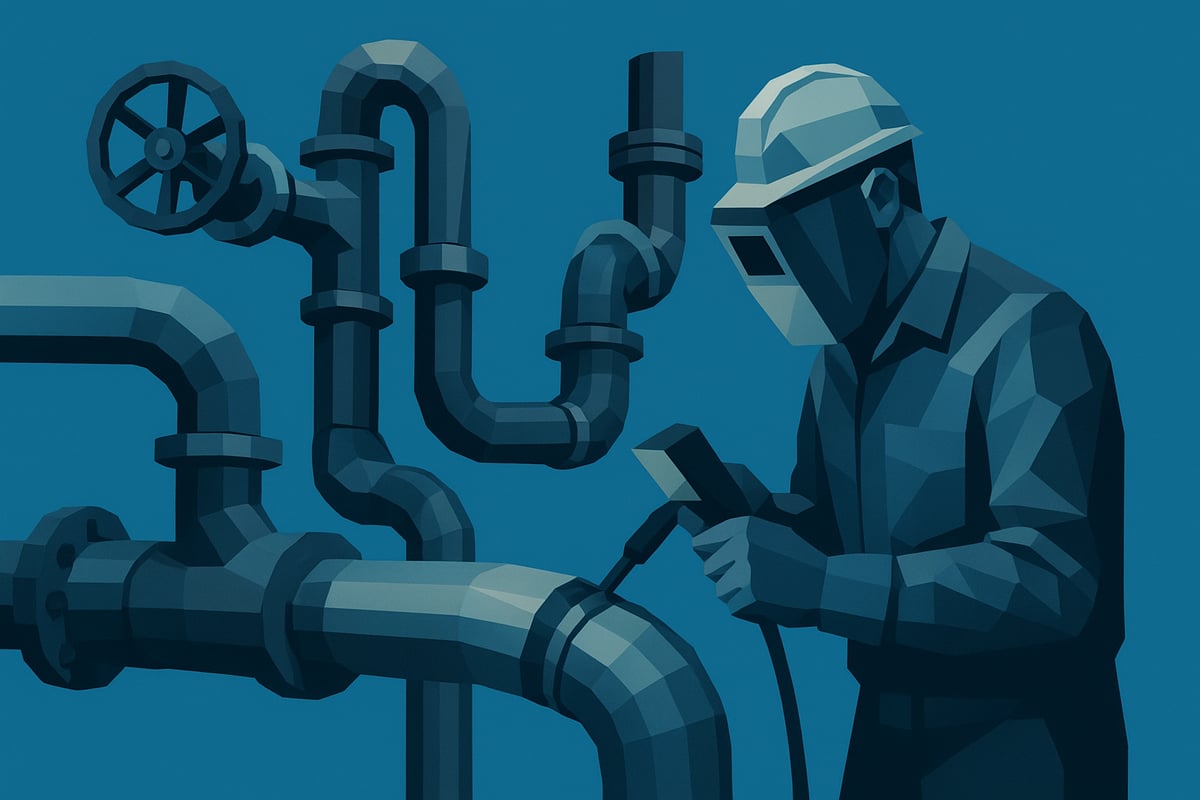
The Role of ASME in Pressure Piping Safety
The American Society of Mechanical Engineers (ASME) has played a central role in industrial safety since its founding in 1880. Its primary mission is to set rigorous engineering standards that protect both people and assets in high-risk environments.
A cornerstone of these efforts is the ASME Boiler and Pressure Vessel Code (BPVC) Section IX, which governs the welding qualifications and procedures for pressure piping systems. Compliance with ASME code welding services for pressure piping is not optional. It is a legal and safety requirement for industries where failure can have catastrophic results.
Data consistently shows that facilities adhering to ASME standards experience significantly fewer accidents. For example, a major refinery incident in the early 2000s was averted due to strict code-compliant welding protocols, highlighting the life-saving impact of these regulations.
Without ASME code welding services for pressure piping, organizations risk not just operational downtime but also severe legal and financial consequences.
Key Elements of ASME Code Welding
ASME code welding services for pressure piping rely on several core concepts: qualified welders, well-documented procedures, and thorough recordkeeping. Every project must follow strict standards for material selection, joint design, weld quality, and inspection processes.
Essential elements include:
- Qualified welders tested per ASME Section IX
- Welding Procedure Specifications (WPS) and Procedure Qualification Records (PQR)
- Detailed documentation for every weld
Adhering to these standards directly impacts the longevity of piping systems and limits liability. The difference between code and non-code welding is stark. Code-compliant welds are engineered for strength and durability, while non-compliant welds can fail prematurely under stress.
| Aspect | Code-Compliant Welding | Non-Code Welding |
|---|---|---|
| Welder Qualification | Mandatory | Often skipped |
| Documentation | Extensive, traceable | Minimal or lacking |
| Inspection | Rigorous, multi-stage | Limited or absent |
| Performance | Proven under pressure | Unpredictable, riskier |
For a comprehensive overview of the standards shaping these practices, see Piping Codes and Welding.
Types of Pressure Piping Covered by ASME Codes
ASME code welding services for pressure piping are critical across a range of industries: oil and gas, chemical processing, power generation, and manufacturing. Each sector has unique demands, but all rely on robust code compliance for safety.
Pressure piping falls into various classes and service conditions, from high-pressure steam lines to corrosive chemical transfer systems. Key ASME sections include:
- B31.1 for Power Piping
- B31.3 for Process Piping
- B31.8 for Gas Transmission and Distribution
Market share for ASME code piping by sector is substantial:
| Industry | Approx. Market Share (%) |
|---|---|
| Oil & Gas | 40 |
| Chemical | 25 |
| Power Gen. | 20 |
| Manufacturing | 15 |
A typical example is the construction of a new chemical processing facility, which mandates ASME code welding services for pressure piping to handle high-temperature, high-pressure operations.
Common Challenges in ASME Code Welding
Despite best efforts, organizations encounter challenges with ASME code welding services for pressure piping. Common pitfalls include errors in documentation, use of unqualified procedures, and failed inspections.
Statistics reveal that up to 30% of code-related project delays stem from incomplete or inaccurate records. As technologies evolve, new challenges emerge, such as integrating digital inspection systems or adapting to innovative welding materials.
One notable case involved a power plant upgrade delayed by several weeks due to missing welder qualification records. This highlights the importance of meticulous compliance and the need for ongoing staff training.
Staying ahead of these challenges is essential for organizations aiming to maintain seamless operations and meet stringent safety standards.
What’s New in ASME Code Welding for Pressure Piping: 2026 Updates
The landscape of asme code welding services for pressure piping is rapidly evolving as the 2026 code updates approach. Staying ahead of these changes is essential for any company that values safety, compliance, and operational excellence. The new requirements impact materials, procedures, inspection, and recordkeeping, making it critical for industry professionals to adapt quickly.

Major Changes in the 2026 ASME Code
The 2026 revisions to asme code welding services for pressure piping introduce several important updates. Notably, BPVC Section IX and the B31 series now require expanded material qualifications. This includes stricter traceability of source materials and the adoption of new filler metal specifications. These changes are designed to further reduce the risk of weld failures in critical service applications.
Welding techniques are also evolving. The code now recognizes advanced welding processes, such as hybrid laser-arc welding, and places greater emphasis on process qualification and operator training. Inspection protocols have been strengthened, with new acceptance criteria for radiographic and ultrasonic testing results.
A significant shift is the mandate for enhanced digital recordkeeping. Companies must maintain electronic documentation for weld procedures, material test reports, and inspection records. This not only streamlines audits but also supports rapid traceability in the event of a compliance review.
For a comprehensive overview of these changes, the 2025 ASME BPVC Updates page provides official details and access to the latest code documentation. Integrating these new requirements into asme code welding services for pressure piping will impact project planning, especially when selecting and qualifying materials.
Regulatory Implications for Industry Stakeholders
The 2026 updates to asme code welding services for pressure piping carry significant regulatory implications. Project approval processes will now include more rigorous verification of digital records and updated welding procedures. Certification requirements have been tightened, increasing scrutiny on welder qualifications and documentation accuracy.
Non-compliance under the new code can lead to costly penalties, project shutdowns, or legal liability. Regulatory agencies project a 15 percent increase in enforcement actions as they adopt advanced digital auditing tools. Stakeholders must proactively adjust their compliance strategies to avoid disruptions and safeguard their reputations.
Preparing for 2026 Compliance
Adapting to the 2026 changes in asme code welding services for pressure piping requires a systematic approach. Begin by reviewing current welding procedures and identifying gaps relative to the new code. Update all Welding Procedure Specifications (WPS), retrain welders on new processes, and implement digital documentation systems.
Conduct a thorough audit of existing records, ensuring traceability from material receipt through final inspection. Integrate new inspection protocols into your workflow and schedule regular internal reviews to catch issues early. Success stories are emerging from companies that embraced digital transformation, resulting in smoother audits and faster project approvals.
For official resources, consult the ASME website and participate in industry webinars on code changes. Staying informed and proactive will position your organization to deliver asme code welding services for pressure piping that meet and exceed 2026 standards.
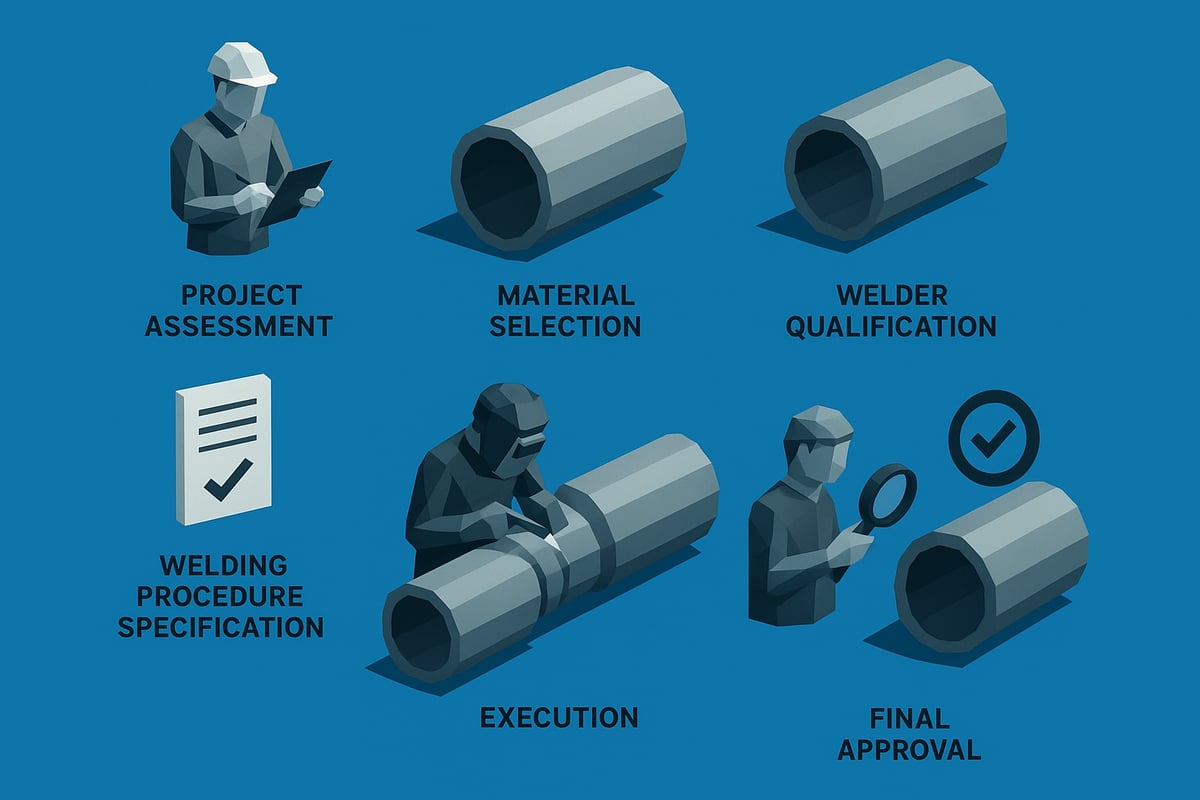
Step-by-Step Guide to ASME Code Welding Services for Pressure Piping
Embarking on a project involving asme code welding services for pressure piping requires a disciplined, methodical approach. Each phase is essential for ensuring safety, compliance, and operational longevity. The following step-by-step guide breaks down the process, providing clarity for industry professionals aiming to meet the highest standards.
Step 1: Project Assessment and Code Determination
The journey begins by thoroughly evaluating system design, pressure ratings, and intended service conditions. This assessment is critical for selecting the correct code section, which forms the foundation for all subsequent work in asme code welding services for pressure piping.
Start by reviewing engineering drawings and process requirements. Identify the applicable ASME code, such as B31.1 for power piping or B31.3 for process piping. For example, a chemical processing facility with corrosive media and high temperatures typically falls under ASME B31.3.
Proper code determination at this stage reduces costly changes later and ensures compliance from the outset. Document all decisions and maintain clear communication with stakeholders to set expectations.
Step 2: Material Selection and Traceability
Material selection is a cornerstone of asme code welding services for pressure piping. Only code-approved materials, with robust documentation, can guarantee system integrity and safety.
Specify materials that meet ASME standards for mechanical properties and corrosion resistance. Each material must be accompanied by a Material Test Report (MTR) to confirm its origin and properties. Implement traceability protocols, such as tracking heat numbers, to link each component back to its source.
This meticulous approach prevents mix-ups and supports efficient inspections. For example, tracking heat numbers helps resolve questions about material suitability during audits or repairs.
Step 3: Welding Procedure Specification (WPS) Development
A comprehensive Welding Procedure Specification (WPS) is mandatory for asme code welding services for pressure piping. The WPS outlines every critical parameter, ensuring that welds consistently meet code requirements.
The Procedure Qualification Record (PQR) validates the WPS by documenting test results for sample welds. Key WPS elements include joint design, filler metal selection, required preheat, and post-weld heat treatment. For high-pressure steam lines, the WPS might specify alloy steel, a particular joint geometry, and precise temperature controls.
Regularly review and update WPSs to reflect changes in code or materials. Proper WPS development sets the stage for successful, compliant welding.
Step 4: Welder Qualification and Certification
Welder qualification is a non-negotiable aspect of asme code welding services for pressure piping. Each welder must pass performance qualification tests according to ASME Section IX, demonstrating their ability to produce sound welds under specified conditions.
The qualification process includes visual inspection and destructive testing of weld samples. Documentation is critical—keep records of each welder’s certifications, renewal dates, and the specific procedures they are qualified for. Industry data shows that around 70 percent of welders pass their first-time qualifications, highlighting the need for thorough training.
Regularly renew certifications and provide ongoing training to maintain a skilled workforce. This commitment ensures consistent code compliance and high-quality results.
Step 5: Execution of Code Welding
The actual welding phase translates planning into reality. For asme code welding services for pressure piping, strict adherence to approved procedures is vital, both in the shop and in the field.
Use calibrated equipment and ensure all personnel are qualified for the specific welds required. Field welding in oil and gas pipeline construction, for example, demands careful coordination, environmental controls, and precise execution. Partnering with experts who offer a full welding services overview can streamline this phase and ensure code compliance.
Monitor weld quality continuously, promptly address any non-conformances, and maintain a clean, organized work environment. Consistent execution is the backbone of a successful project.
Step 6: Inspection, Testing, and Documentation
Inspection and testing are the gatekeepers of quality in asme code welding services for pressure piping. Each weld must undergo a series of checks to verify compliance and integrity.
Common inspection methods include:
- Visual inspection for surface defects
- Radiographic testing (RT) for internal flaws
- Ultrasonic testing (UT) for thickness and bond quality
- Hydrostatic testing to confirm leak-tightness
Use a checklist to document results, and retain all inspection records for future audits. For instance, a pressure piping weld inspection checklist might include joint fit-up, weld appearance, NDE results, and hydrostatic test data.
Thorough documentation is your shield during regulatory reviews and future maintenance.
Step 7: Final Approval and Turnover
The final stage in asme code welding services for pressure piping is obtaining code approval and turning over the system to the client. This step requires a comprehensive review by Authorized Inspectors (AIs), who verify that all work meets ASME standards.
Assemble a turnover package that includes WPSs, PQRs, welder certifications, inspection reports, MTRs, and as-built drawings. This documentation is essential for regulatory submission and client acceptance. For example, a complete turnover package for a new process line in a refinery provides assurance of code compliance and supports future maintenance or modifications.
Clear communication and thorough documentation at this stage finalize the project and set the standard for operational excellence.
Certification, Inspection, and Quality Assurance in ASME Code Welding
Certification, inspection, and quality assurance are the backbone of asme code welding services for pressure piping. These elements work together to guarantee safety, compliance, and reliability in every project. Understanding their roles helps industry professionals avoid costly mistakes and achieve regulatory approval.
The Importance of Third-Party Inspection
Third-party inspection is essential for asme code welding services for pressure piping, providing impartial verification of compliance. Authorized Inspectors (AIs) or accredited agencies review welding processes, documentation, and finished welds to ensure adherence to ASME codes. Their independent assessment builds credibility and trust with regulators and clients.
A notable example involves a major pipeline project where a third-party inspector identified a weld defect that could have led to catastrophic failure. By intervening early, the inspector protected both safety and project integrity. For projects requiring certified pressure vessel welding, partnering with accredited providers adds another layer of assurance and helps meet all code requirements.
Essential Documentation for ASME Code Compliance
Thorough documentation is non-negotiable for asme code welding services for pressure piping. Required records include Welding Procedure Specifications (WPS), Procedure Qualification Records (PQR), welder certifications, inspection reports, and Material Test Reports (MTRs). These documents must be accurate, complete, and readily available for audits.
Retention periods often span several years, with regulatory agencies conducting random audits to verify compliance. Incomplete or missing records are a leading cause of audit failures, resulting in delays and penalties. Implementing digital documentation systems improves traceability and audit readiness, reducing the risk of non-compliance.
Non-Destructive Examination (NDE) Techniques
Non-destructive examination is a cornerstone of asme code welding services for pressure piping, enabling detection of flaws without damaging the material. Common NDE methods include radiographic, ultrasonic, magnetic particle, and dye penetrant testing. Each method offers specific benefits and limitations, as summarized below:
| NDE Method | Advantages | Limitations |
|---|---|---|
| Radiographic | Internal flaw detection | Radiation safety requirements |
| Ultrasonic | Depth measurement | Surface access needed |
| Magnetic Particle | Surface/subsurface flaws | Only for ferromagnetic materials |
| Dye Penetrant | Fine surface cracks | Surface prep required |
Selecting the right NDE technique depends on pipe material, weld type, and service conditions.
Quality Assurance Programs and Continuous Improvement
A robust quality assurance program is fundamental for asme code welding services for pressure piping. Effective QA programs establish standards for every project phase, from material selection to final inspection. Internal audits and corrective actions help identify and resolve issues before they escalate.
Continuous improvement is achieved by tracking weld defect rates and implementing feedback loops. For instance, a manufacturing plant that adopted a structured QA program saw a significant reduction in weld defects. Regular training and process reviews keep teams aligned with the latest code requirements and industry best practices.
Common Pitfalls and How to Avoid Them
Despite rigorous standards, pitfalls can undermine asme code welding services for pressure piping. The most frequent issues include incomplete records, insufficient training, and missed inspections. These oversights increase liability and risk project delays.
To avoid these problems, organizations should:
- Schedule regular training on code updates
- Implement digital documentation systems
- Conduct proactive internal quality audits
Studies show that companies with strong QA programs reduce rework costs and improve compliance rates. Investing in prevention pays dividends in project success and regulatory approval.
Selecting the Right ASME Code Welding Service Provider
Choosing the right provider for asme code welding services for pressure piping is essential for project success and regulatory compliance. The decision impacts safety, schedule, and long-term system performance. With evolving industry standards, making an informed choice is more important than ever.
Key Criteria for Evaluating Welding Service Providers
When evaluating asme code welding services for pressure piping, start by confirming the provider’s ASME code certification. Look for documented experience with comparable projects, a robust safety record, and modern equipment. Industry-specific expertise, especially in sectors like oil and gas or chemical processing, is critical for ensuring project requirements are met.
A provider’s ability to deliver both shop and field welding, along with a solid track record of code-compliant work, demonstrates reliability. For projects involving pressure vessels, review their certified pressure vessel welding capabilities to confirm they meet all relevant ASME standards.
Questions to Ask Potential Providers
Selecting asme code welding services for pressure piping involves asking the right questions. Begin with certification status: Is the provider’s ASME code certification current? Request details about recent code-compliant projects and the types of welding performed.
Ask about their quality assurance processes and internal audits. Inquire about welder qualifications, training programs, and turnover rates. Request references from similar projects and clarify documentation protocols. Watch for vague answers, missing documentation, or reluctance to provide references, as these may signal inadequate code expertise.
The Value of Local and Regional Expertise
Local knowledge can significantly impact asme code welding services for pressure piping. Providers familiar with regional regulations and industry practices are better equipped to navigate permitting, inspections, and project logistics, reducing the risk of costly delays.
Data show that partnering with regional experts decreases project overruns and streamlines compliance. For example, choosing a Western US-based provider for oil and gas projects ensures alignment with local codes and inspection routines. Their understanding of area-specific challenges translates into smoother project delivery.
LTJ Industrial Services: Your Partner for ASME Code Welding
LTJ Industrial Services offers comprehensive asme code welding services for pressure piping, serving industries across the Western United States. Their team delivers expert shop and field welding, fabrication, and machining for oil and gas, manufacturing, and industrial clients.
With a proven commitment to quality, safety, and ASME code compliance, LTJ Industrial Services stands out as a trusted partner. Clients benefit from tailored solutions, responsive service, and deep regional knowledge. To request a quote or consultation, visit their website and connect with their specialists today.
The Future of ASME Code Welding Services for Pressure Piping
The future of asme code welding services for pressure piping is being shaped by rapid technological advancements, increased digitalization, a growing focus on sustainability, and evolving workforce demands. As the industry adapts to new challenges and standards, understanding these trends is vital for maintaining compliance and operational excellence.
Emerging Technologies and Automation
Automation is revolutionizing asme code welding services for pressure piping. The adoption of robotic welding systems, automated seam tracking, and advanced monitoring tools is increasing productivity and weld consistency. Real-time weld monitoring allows for immediate adjustments, reducing the risk of defects and costly rework.
Industry data shows a steady rise in automated welding equipment use, particularly for oil and gas pipeline projects. For instance, integrating robotics in pipeline fabrication enhances precision and supports compliance with stringent ASME codes. Automated technologies also help address skilled labor shortages while maintaining quality.
Digitalization and Documentation Management
Digital transformation is a defining trend in asme code welding services for pressure piping. Companies are moving to cloud-based documentation systems, enabling seamless tracking of welder certifications, material traceability, and inspection records. This digital approach improves audit readiness and reduces the risk of missing or incomplete paperwork.
Efficiency gains are evident in multi-site projects, where teams access real-time data and collaborate remotely. With the 2026 code updates emphasizing stricter recordkeeping, digital platforms will become even more critical. For those seeking to stay ahead, attending events like ASME B31 Code Week 2025 can provide valuable insights into emerging documentation standards.
Sustainability and Green Initiatives
Sustainability is increasingly central to asme code welding services for pressure piping. The industry is adopting greener practices, such as energy-efficient welding processes, eco-friendly filler materials, and comprehensive waste management. These initiatives align with global carbon reduction targets and customer demands for responsible project delivery.
Many fabrication shops now monitor energy use and emissions throughout the welding lifecycle. Green welding solutions, such as low-heat input methods and recyclable materials, are being integrated into new pipeline projects. Companies prioritizing sustainability are also more likely to win contracts with environmentally conscious clients.
Evolving Workforce Skills and Training
As asme code welding services for pressure piping evolve, so do workforce requirements. Continuous training in new welding procedures, digital tools, and code updates is essential for maintaining compliance and quality. Apprenticeship programs and certification courses help bridge knowledge gaps and prepare welders for emerging technologies.
Ongoing education results in higher weld quality and fewer compliance issues. Employers investing in workforce development report improved project outcomes and reduced rework costs. Staying current with code changes and best practices ensures teams are ready to meet the demands of future pressure piping projects.
As you look to ensure the safety, reliability, and compliance of your pressure piping systems in line with the latest ASME code requirements, it’s essential to partner with professionals who truly understand the complexities at stake. We’ve explored how ASME code welding safeguards your operations and future-proofs your projects, and LTJ Industrial Services stands ready to support you with proven expertise across shop and field environments. If you’re ready to take the next step or need guidance tailored to your unique industry needs, I encourage you to Request a Quote and discover how we can help your business thrive.