A metal manufacturing co serves as the backbone of industrial infrastructure, transforming raw materials into essential components that power commercial operations across multiple sectors. These specialized facilities combine traditional metalworking expertise with modern technology to deliver precision fabrication, welding, and machining services that keep industries running smoothly. For businesses in sectors like recycling, aggregate production, and oil and gas, partnering with the right metal manufacturing co means accessing capabilities that directly impact operational efficiency and project success.
Essential Services Provided by a Metal Manufacturing Co
When evaluating a metal manufacturing co, understanding the full scope of services available helps businesses make informed decisions. Metal manufacturing processes encompass a wide range of techniques, each serving specific industrial applications.
Custom Fabrication Capabilities
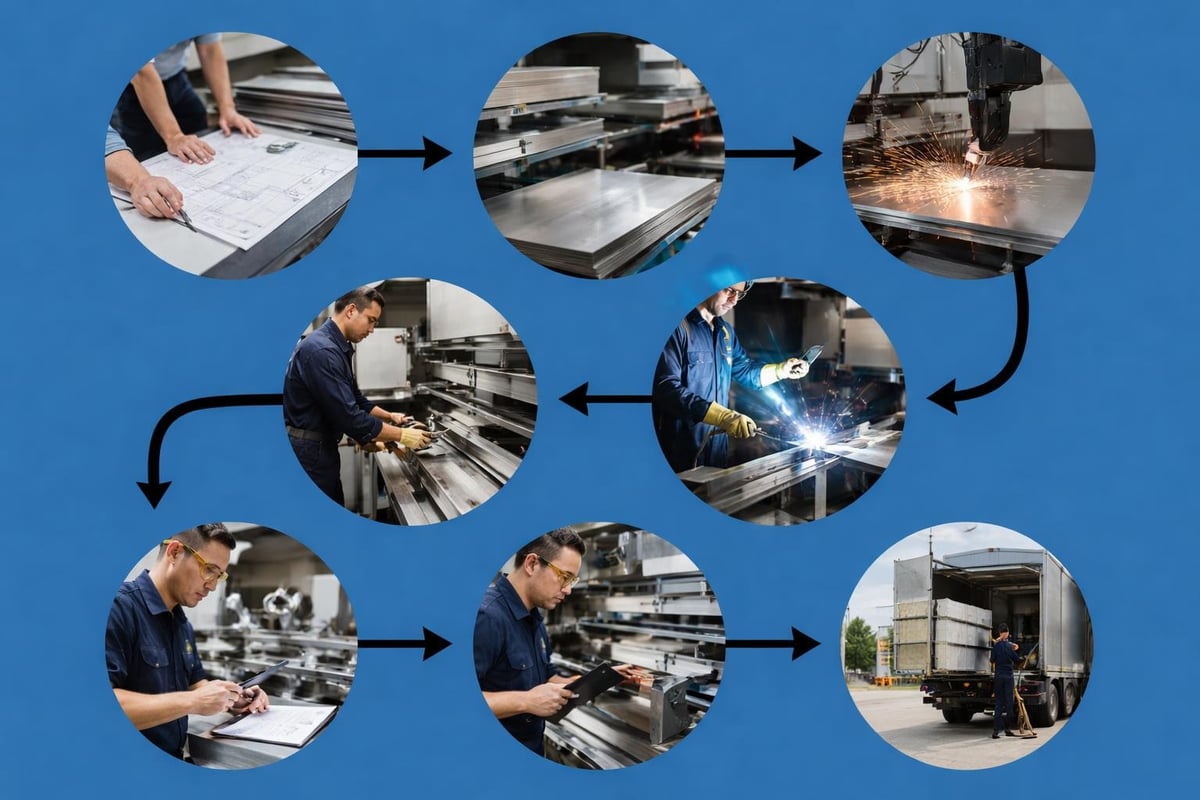
Custom metal fabrication represents the foundation of what a metal manufacturing co delivers. This process involves cutting, bending, assembling, and finishing metal components according to precise specifications. The best facilities offer both shop-based and field services, allowing them to handle projects regardless of location constraints.
Key fabrication services include:
- Structural steel fabrication for industrial frameworks
- Sheet metal forming and assembly
- Precision cutting using plasma, laser, and waterjet technologies
- Custom welding for specialized applications
- Assembly and finishing services
A comprehensive metal manufacturing co maintains equipment capable of handling various material types and thicknesses. This versatility enables them to serve diverse industries with unique requirements. For instance, aggregate operations might need heavy-duty conveyor components, while oil and gas facilities require pressure vessels meeting strict safety standards.
Welding Expertise and Certifications
Welding capabilities distinguish exceptional metal manufacturing co operations from basic fabrication shops. Professional welding services require certified technicians who understand metallurgy, heat treatment, and industry-specific standards.
| Welding Type | Primary Applications | Material Compatibility |
|---|---|---|
| MIG Welding | General fabrication, repairs | Steel, stainless steel, aluminum |
| TIG Welding | Precision work, thin materials | All metals, exotic alloys |
| Stick Welding | Field repairs, heavy construction | Carbon steel, cast iron |
| Flux-Cored | High-production environments | Thick steel sections |
Companies operating in industries like oil and gas benefit significantly from certified pressure vessel welding and repair services. These specialized capabilities ensure compliance with ASME codes and other regulatory requirements that govern critical infrastructure.
Precision Machining Operations
Machining services complement fabrication capabilities at a modern metal manufacturing co. While fabrication shapes metal through cutting and forming, machining achieves precise tolerances through material removal. CNC machining centers, lathes, and mills enable production of components with exacting specifications.
Machining becomes particularly critical when:
- Tight tolerances are required for proper fit and function
- Surface finishes must meet specific standards
- Components need threaded holes, keyways, or other detailed features
- Repairs require matching existing dimensions precisely
Many industrial operations require machining and fabrication services that work in tandem. A single metal manufacturing co providing both capabilities streamlines project management and ensures consistency across all manufacturing phases.
Industry Applications and Specialized Solutions
Understanding how different industries utilize metal manufacturing co services reveals the breadth of applications these facilities support. Each sector presents unique challenges requiring specialized knowledge and equipment.
Commercial and Industrial Manufacturing Support
The fabricated structural metal manufacturing industry plays a vital role in supporting commercial operations nationwide. A metal manufacturing co serving this sector must understand production environments, maintenance schedules, and the need for minimal downtime.
Manufacturing sector applications include:
- Production equipment fabrication and modification
- Replacement parts manufacturing for legacy equipment
- Maintenance welding and repair services
- Custom tooling and fixture creation
- Material handling system components
Field service capabilities become essential when equipment cannot be transported to a shop facility. A metal manufacturing co offering on-site welding, machining, and hydraulic services provides manufacturers with flexible solutions that reduce production interruptions.
Oil and Gas Industry Requirements
Oil and gas operations demand metal manufacturing co partners who understand the stringent safety and quality requirements governing this industry. From wellhead equipment to processing facilities, every component must meet rigorous standards.
Specialized services for this sector include:
- High-pressure piping fabrication and installation
- Tank and vessel construction or modification
- Structural steel for platform and facility construction
- Emergency repair services for critical systems
- Corrosion-resistant material fabrication
The harsh environments common in oil and gas extraction require materials and welding techniques that withstand extreme conditions. Custom metal fabrication for this industry often involves exotic alloys and specialized coatings that extend component lifespan.
Aggregate and Recycling Operations
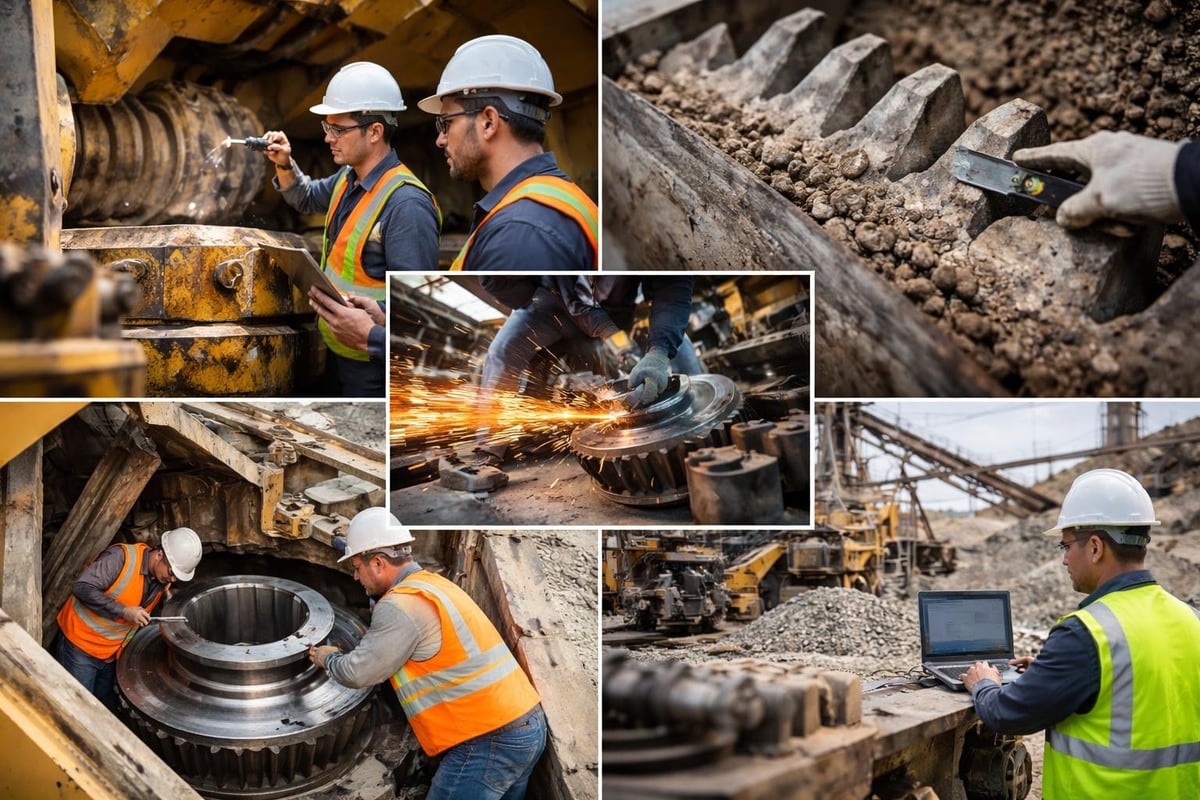
Aggregate production and recycling facilities subject equipment to constant abrasion, impact, and heavy loads. A metal manufacturing co serving these industries must deliver components engineered for durability and easy maintenance.
| Equipment Type | Common Repairs | Typical Materials |
|---|---|---|
| Crushers | Wear plate replacement, structural repairs | AR400/500 steel |
| Conveyors | Idler fabrication, frame modifications | Structural steel, UHMW |
| Screens | Deck replacement, support reinforcement | Stainless steel, mild steel |
| Hoppers | Liner installation, structural patches | Abrasion-resistant steel |
These industries benefit from a metal manufacturing co that maintains inventory of wear-resistant materials and can respond quickly to equipment failures. Downtime in aggregate and recycling operations translates directly to lost revenue, making responsive service a critical selection factor.
Advanced Capabilities That Differentiate Leading Providers
As metal manufacturing trends evolve, forward-thinking companies invest in technologies and processes that enhance efficiency and expand capabilities. These advancements benefit clients through improved quality, faster turnaround times, and access to previously unavailable services.
Hydraulic Systems and Water Jetting
Hydraulic expertise represents a valuable differentiator for a metal manufacturing co. Many industrial operations rely on hydraulic systems for equipment operation, and integrating hydraulic services with fabrication capabilities provides comprehensive solutions.
Hydraulic services typically include:
- Custom cylinder manufacturing and repair
- Hose assembly and replacement
- System design and installation
- Troubleshooting and performance optimization
- Preventive maintenance programs
Water jetting technology complements traditional cutting methods by offering advantages in specific applications. High-pressure water cutting produces no heat-affected zones, prevents material distortion, and handles materials difficult to cut through thermal processes. A metal manufacturing co equipped with water jetting can tackle projects involving composites, thick materials, or intricate patterns.
Shop and Field Service Integration
The distinction between shop and field services represents more than location. Each approach offers specific advantages, and a metal manufacturing co providing both delivers maximum flexibility.
Shop service advantages:
- Controlled environment for precision work
- Access to full equipment range
- Better quality control
- Cost-effective for large projects
- Ideal for new component fabrication
Field service benefits:
- Eliminates transportation logistics
- Reduces equipment downtime
- Enables work on installed systems
- Provides immediate response to emergencies
- Cost-effective for repairs and modifications
Organizations throughout the Western United States value industrial fabrication services that combine these approaches. The ability to fabricate components in a shop while providing field installation or emergency repairs offers operational advantages that single-service providers cannot match.
Quality Assurance and Testing
Quality distinguishes professional metal manufacturing co operations from basic fabrication shops. Comprehensive quality programs ensure components meet specifications and perform as intended in demanding applications.
Testing and inspection methods include:
- Visual inspection by certified welding inspectors
- Non-destructive testing (ultrasonic, magnetic particle, dye penetrant)
- Hydrostatic testing for pressure vessels
- Dimensional verification using precision measurement tools
- Material certification and traceability
Industries with strict regulatory requirements, such as oil and gas, depend on these quality measures. Industrial metal fabrication for critical applications requires documentation demonstrating compliance with applicable codes and standards.
Selecting the Right Metal Manufacturing Co Partner
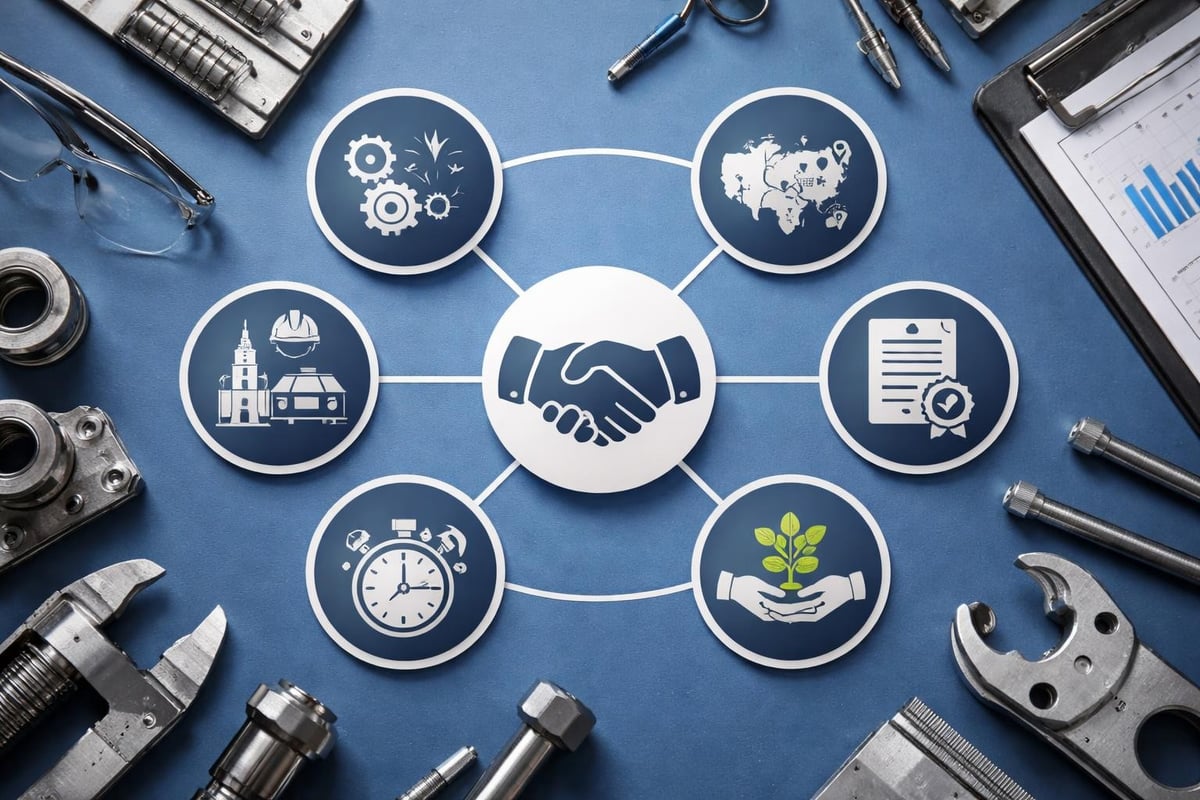
Choosing a metal manufacturing co involves evaluating multiple factors beyond basic capabilities. The right partner brings expertise, reliability, and a commitment to understanding your specific operational needs.
Evaluating Technical Capabilities
Technical assessment begins with understanding what metal manufacturing encompasses and matching those capabilities to your requirements. Review the facility's equipment inventory, examining both capacity and technology level.
Critical evaluation criteria:
- Maximum material thickness and dimensions
- Available welding processes and certifications
- Machining capabilities and tolerance ranges
- Material handling equipment for large components
- CAD/CAM capabilities for complex projects
A metal manufacturing co serving multiple industries should demonstrate versatility in materials and processes. Companies specializing too narrowly may lack experience with your specific applications, while those with broad capabilities bring cross-industry insights that enhance project outcomes.
Geographic Considerations and Service Area
Location significantly impacts service delivery, particularly for field services and emergency response. A metal manufacturing co based in the Western United States offers advantages for operations throughout this region through reduced mobilization costs and faster response times.
Consider these geographic factors:
- Distance to primary facilities requiring service
- Travel time for emergency response situations
- Regional expertise with industry-specific challenges
- Familiarity with local suppliers and resources
- Understanding of regional environmental conditions
For businesses operating across multiple sites, a metal manufacturing co with mobile capabilities can provide consistent service quality regardless of location. Field machining, welding, and hydraulic services eliminate the logistics and downtime associated with transporting equipment to distant shop facilities.
Industry Experience and Specialization
While versatility matters, industry-specific experience proves invaluable when tackling complex projects. A metal manufacturing co with deep expertise in your sector understands the challenges you face, the standards governing your operations, and the practical considerations affecting implementation.
| Industry | Key Experience Indicators | Critical Certifications |
|---|---|---|
| Oil & Gas | Pressure vessel work, API familiarity | ASME certification, API 650/620 |
| Aggregate | Wear-resistant fabrication, conveyor systems | Safety training, confined space |
| Recycling | Material handling equipment, high-volume repairs | OSHA compliance, lockout/tagout |
| Manufacturing | Production equipment, precision machining | ISO quality standards, trade certifications |
Experience with custom fabrication projects in your industry provides insights that improve project planning, reduce errors, and identify opportunities for performance optimization. Ask potential partners for references from similar operations and review case studies demonstrating relevant expertise.
Responsiveness and Communication
Equipment failures and project deadlines create situations where responsive service becomes critical. A metal manufacturing co's communication practices and response capabilities often determine whether downtime measures in hours or days.
Evaluate responsiveness through:
- Availability of emergency services and contact procedures
- Typical response time for urgent requests
- Project communication protocols and update frequency
- Ability to mobilize field services quickly
- Flexibility in scheduling and priority handling
Organizations requiring welding and fabrication services for time-sensitive projects benefit from partners who understand that rapid, accurate communication prevents costly delays. Establish expectations regarding project updates, timeline management, and problem escalation before beginning work.
Cost Considerations and Value Assessment
Understanding how a metal manufacturing co structures pricing helps organizations budget appropriately and evaluate proposals effectively. The lowest initial quote rarely represents the best value when project delays, quality issues, or scope gaps emerge during execution.
Pricing Models and Cost Factors
Metal fabrication pricing reflects materials, labor, equipment usage, and overhead costs. Different project types suit different pricing approaches, and transparent metal manufacturing co partners explain their methodology clearly.
Common pricing structures:
- Time and materials: Best for repair work with uncertain scope
- Fixed price: Ideal for well-defined projects with detailed specifications
- Unit pricing: Appropriate for production runs of identical components
- Retainer agreements: Valuable for ongoing maintenance relationships
Material costs fluctuate based on market conditions, particularly for specialty alloys and wear-resistant steels. A metal manufacturing co with established supplier relationships often secures better pricing than operations ordering materials sporadically.
Hidden Costs and Value Drivers
Beyond quoted prices, consider total project costs including transportation, installation, downtime, and long-term performance. Metal fabrication projects delivering superior quality may cost more initially but provide better value through extended service life and reduced maintenance requirements.
Factor these value considerations:
- Material selection expertise reducing lifecycle costs
- Design optimization improving performance or manufacturability
- Quality assurance preventing failures and rework
- Delivery reliability supporting project schedules
- Technical support during installation and commissioning
A metal manufacturing co focused on long-term relationships prioritizes value delivery over transaction completion. This approach aligns their success with yours, creating partnerships that improve over time through accumulated knowledge of your operations and preferences.
Investment in Capabilities and Technology
The equipment and technology a metal manufacturing co maintains reflects their commitment to quality and efficiency. Modern fabrication technology enables faster production, tighter tolerances, and expanded capabilities that benefit clients through improved outcomes.
Recent technological advances include:
- CNC plasma and laser cutting for precision and speed
- Robotic welding systems ensuring consistency
- 3D scanning and modeling for reverse engineering
- Portable machining equipment for field applications
- Advanced non-destructive testing equipment
While these investments increase operational costs, they deliver value through reduced project timelines, enhanced quality, and access to capabilities that traditional equipment cannot provide. Evaluate whether a metal manufacturing co's technology level matches your project requirements and quality expectations.
Building Long-Term Manufacturing Partnerships
The most successful relationships between organizations and their metal manufacturing co partner evolve from transactional interactions into strategic collaborations. This transformation requires commitment from both parties and delivers significant operational benefits.
Preventive Maintenance and Reliability Programs
Rather than responding only to failures, proactive metal manufacturing co partners help clients develop preventive maintenance programs that reduce unexpected downtime. These programs identify wear patterns, schedule component replacement during planned outages, and maintain critical spares inventory.
Preventive program elements:
- Regular equipment inspections identifying emerging issues
- Wear pattern analysis informing replacement schedules
- Critical component inventory management
- Scheduled maintenance during planned downtime
- Performance monitoring and optimization recommendations
Industries with high downtime costs, particularly aggregate and recycling operations, realize substantial savings through these proactive approaches. A metal manufacturing co familiar with your equipment develops institutional knowledge that improves service quality and response efficiency over time.
Collaborative Problem Solving
Complex operational challenges often benefit from collaborative approaches leveraging the expertise both organizations bring. Rather than simply executing specifications, a partnered metal manufacturing co contributes design input, material selection guidance, and process improvements based on their cross-industry experience.
This collaboration manifests through:
- Design review sessions identifying optimization opportunities
- Value engineering reducing costs without compromising performance
- Material substitution recommendations improving availability or performance
- Process improvements streamlining future projects
- Knowledge transfer enhancing your team's capabilities
Organizations pursuing custom welding and fabrication solutions gain competitive advantages when their metal manufacturing co partner invests in understanding their business objectives and operational constraints. This depth of engagement produces better outcomes than arms-length vendor relationships.
Scalability and Growth Support
As businesses expand operations, enter new markets, or adopt new technologies, their manufacturing requirements evolve. A metal manufacturing co partnership should accommodate this growth through scalable service delivery and expanding capabilities.
Consider long-term scalability factors:
- Capacity to handle increased project volumes
- Geographic expansion supporting new facility locations
- Capability development for emerging technologies
- Flexible resource allocation during demand fluctuations
- Financial stability ensuring continued operation
The Western United States continues experiencing industrial growth across sectors served by metal manufacturing co providers. Selecting partners positioned to grow alongside your organization prevents the disruption and inefficiency of changing suppliers as requirements expand.
Selecting and partnering with the right metal manufacturing co significantly impacts operational efficiency, project success, and long-term competitiveness. Organizations throughout the Western United States in commercial manufacturing, oil and gas, aggregate, and recycling industries require comprehensive fabrication, welding, and machining capabilities delivered by experienced professionals. LTJ Industrial Services provides these essential services through shop and field operations serving clients across the region, combining technical expertise with responsive service and a commitment to understanding your specific operational needs. Whether you need emergency repairs, custom fabrication, or ongoing maintenance support, LTJ Industrial Services delivers the capabilities and reliability your operations demand.