The industrials and manufacturing landscape continues to undergo significant transformation as companies adapt to technological advancement, workforce challenges, and evolving market demands. From recycling operations to aggregate processing and energy sector facilities, businesses across the Western United States require reliable partners who understand both traditional craftsmanship and modern capabilities. This evolution demands a comprehensive approach to metal fabrication, precision machining, and field services that can meet the rigorous standards of commercial and industrial operations.
The Current State of Industrials and Manufacturing
The industrials and manufacturing sector faces unprecedented change as automation capabilities expand rapidly. According to PwC’s global industrial manufacturing sector outlook, automation in industrial manufacturing processes is anticipated to double by 2030, creating a significant divide between industry leaders who embrace these technologies and those who lag behind.
Manufacturing facilities now operate in an environment where precision, speed, and reliability determine competitive success. Companies serving the oil and gas, recycling, and aggregate industries must maintain equipment uptime while managing complex supply chains and tight project timelines.
Key challenges facing the sector include:
- Equipment downtime costing thousands of dollars per hour
- Skilled labor shortages in welding and machining trades
- Increasing complexity of hydraulic systems and custom components
- Demand for both shop-based precision work and rapid field response
- Quality standards requiring certified welding procedures and documentation
The gap between operational requirements and available resources has made specialized industrial fabrication services more critical than ever for maintaining production schedules and equipment reliability.
Digital Transformation Reshaping Operations
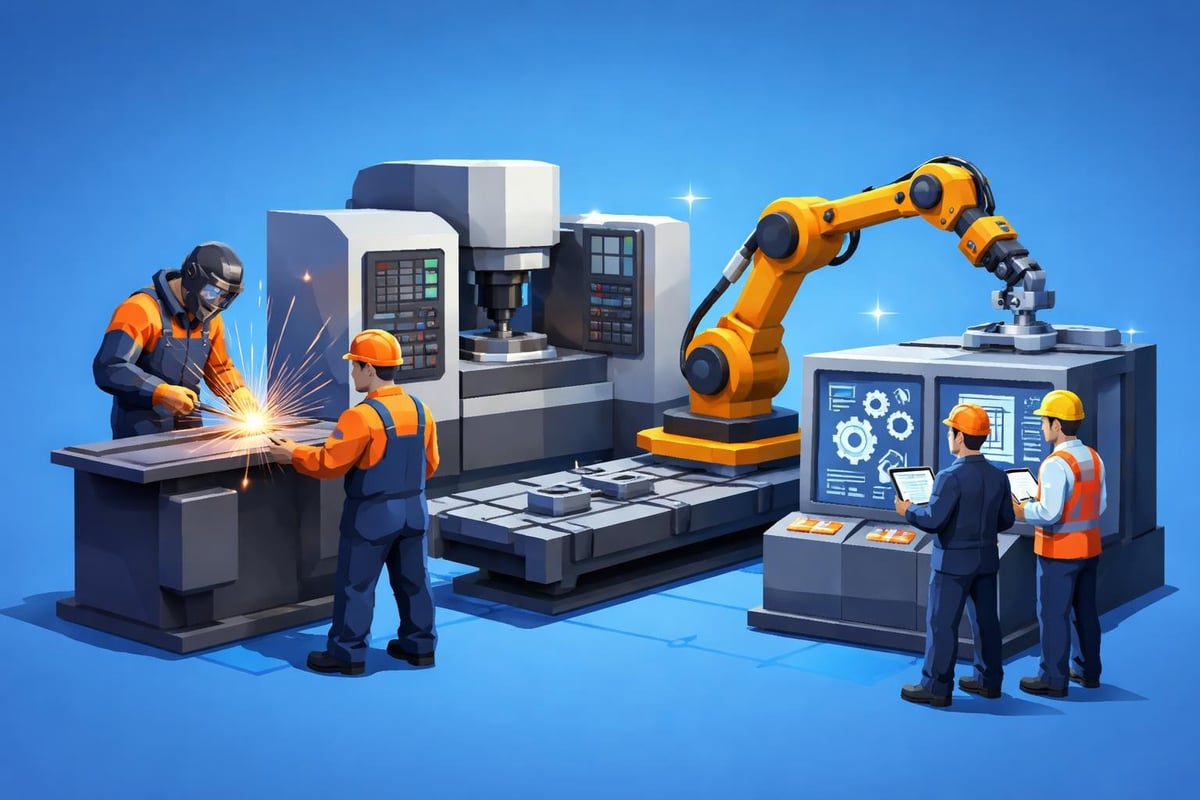
Manufacturing companies increasingly recognize that the Fourth Industrial Revolution represents more than just automation. It encompasses connected systems, data-driven decision making, and the integration of physical and digital processes. Smart factories utilize sensors, predictive maintenance algorithms, and real-time monitoring to optimize production.
However, digital systems still require physical infrastructure. When a hydraulic cylinder fails on a processing line or structural steel needs custom fabrication, no amount of software can replace skilled welders and machinists. The most successful operations blend technological capability with hands-on expertise delivered by experienced welding and fabrication services providers.
Critical Services Supporting Industrials and Manufacturing
Modern industrial operations depend on a comprehensive range of support services that extend beyond basic maintenance. Companies need partners capable of handling everything from routine repairs to complex custom fabrication projects.
Metal Fabrication and Custom Welding
Metal fabrication forms the backbone of industrials and manufacturing infrastructure. Whether constructing new processing equipment, modifying existing systems, or fabricating replacement components, precision metalwork determines operational success.
Essential fabrication capabilities include:
- Structural steel fabrication for buildings, platforms, and support structures
- Custom component manufacturing for unique operational requirements
- Pressure vessel and piping work meeting ASME code requirements
- Material handling equipment including chutes, hoppers, and conveyors
- Protective guards and safety equipment ensuring OSHA compliance
Companies serving recycling facilities, aggregate operations, and energy sector clients must provide custom welding services that meet stringent quality standards while accommodating tight deadlines. Field welding capabilities become particularly valuable when equipment cannot be transported to a shop or when repairs must occur on-site to minimize downtime.
Precision Machining and Component Manufacturing
Machining services complement fabrication by providing the tight tolerances required for rotating equipment, hydraulic components, and specialized assemblies. Manufacturing and machining operations support industrials through both production runs and one-off custom parts.
| Machining Service | Application | Typical Tolerance |
|---|---|---|
| CNC Milling | Custom brackets, mounting plates | ±0.005″ |
| Precision Turning | Shafts, pins, bushings | ±0.002″ |
| Boring Operations | Hydraulic cylinder repair | ±0.001″ |
| Surface Grinding | Seal surfaces, mating components | 32 microinch finish |
The ability to machine replacement parts on short notice prevents extended equipment downtime. When a critical bearing housing cracks or a custom shaft fails, having access to local machining capabilities can mean the difference between hours of downtime and days of waiting for parts shipment.
Industry-Specific Applications and Requirements
Different sectors within industrials and manufacturing present unique challenges requiring specialized knowledge and capabilities.
Oil and Gas Sector Demands
Energy sector operations require services that meet strict safety and quality standards. Oil and gas fabrication involves working with materials and processes governed by codes and regulations designed to prevent catastrophic failures.
Welding procedures must be documented, welders certified for specific processes, and materials tracked through heat numbers and mill certifications. Field repairs on pipeline infrastructure or production equipment often occur in remote locations under challenging conditions.
Recycling and Aggregate Processing
Recycling facilities and aggregate operations subject equipment to extreme wear conditions. Conveyor systems, crushers, screens, and material handling equipment face constant abrasion, impact loading, and environmental exposure.
These industries require fabrication partners who understand wear-resistant materials, proper welding techniques for high-strength steels, and design principles that extend equipment life. The ability to perform both shop work and field repairs ensures operations can address failures quickly while planning systematic rebuilds during scheduled downtime.
Common recycling and aggregate needs:
- Wear liner replacement and installation
- Structural reinforcement of failing equipment
- Custom chute and hopper fabrication
- Crusher component repair and modification
- Screen deck fabrication and installation
Automation and Smart Factory Integration
Oracle’s analysis of industrial manufacturing trends emphasizes the rise of smart factories where connected devices, sensors, and analytics drive operational decisions. While this technology offers tremendous benefits, implementation requires careful planning and infrastructure support.
Smart factory systems need physical mounting points for sensors, enclosures protecting electronics from harsh environments, and infrastructure supporting power and communication networks. This physical layer demands metal fabrication and welding expertise to integrate technology successfully.
Balancing Technology with Traditional Expertise
The most effective approach to industrials and manufacturing combines modern technology with proven craftsmanship. Predictive maintenance systems identify potential failures, but skilled technicians must perform the actual repairs. Automated cutting systems improve fabrication speed, but complex assemblies still require experienced welders.
Companies that IBM identifies as manufacturing trend leaders don’t replace human expertise with technology but rather use technology to amplify skilled workers’ capabilities. A welder using advanced processes like pulse MIG or regulated metal deposition produces higher quality work faster than traditional methods, while CNC machining allows machinists to achieve tolerances impossible with manual equipment.
Field Services and Emergency Response
Beyond shop-based capabilities, industrials and manufacturing operations require responsive field services for emergency repairs and on-site projects. Equipment failures don’t follow convenient schedules, and production downtime costs mount quickly.
Field service capabilities should include:
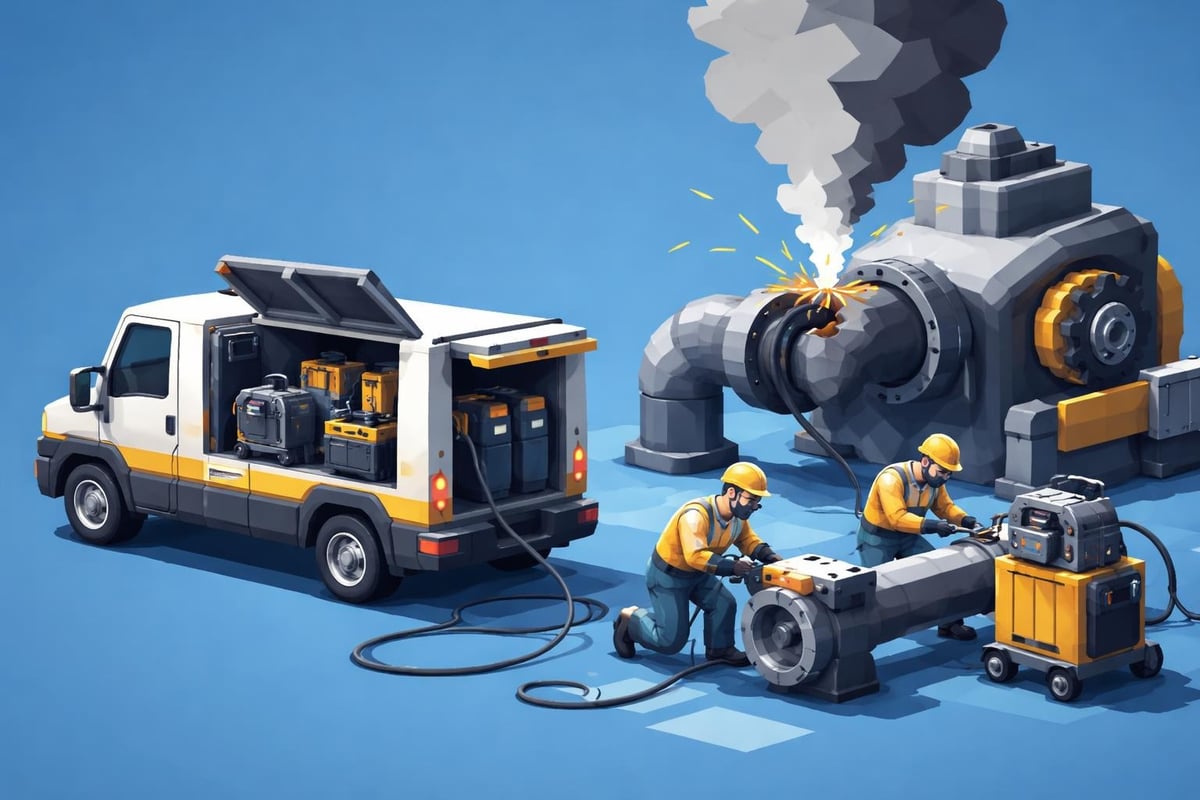
- Mobile welding units with multiple processes available
- Portable machining equipment for on-site repairs
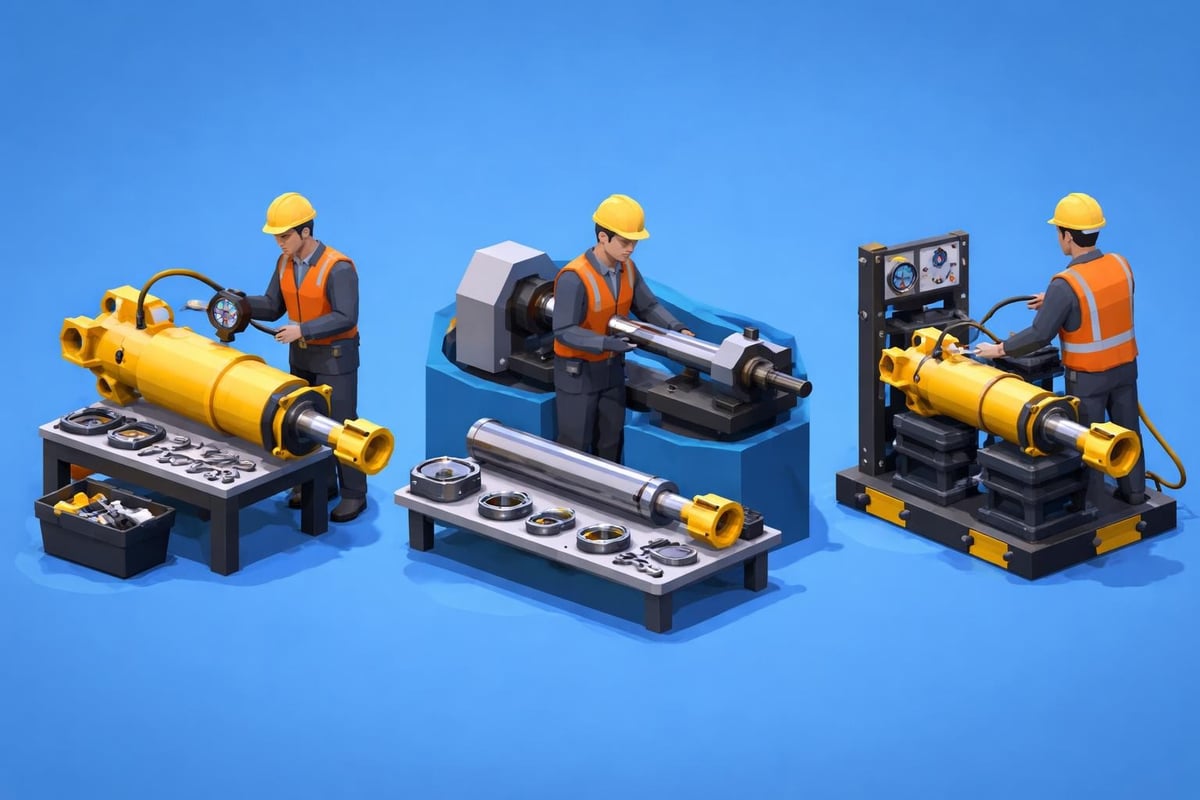
- Hydraulic system troubleshooting and component replacement
- Water jetting for cleaning and surface preparation
- Emergency response availability outside normal business hours
The value of field services extends beyond emergency response. Many fabrication and installation projects are more efficiently completed on-site, eliminating transportation costs and allowing equipment to remain in place during modification work.
Regional Service Coverage
For companies operating across multiple states, having a service provider with regional coverage throughout the Western United States ensures consistent quality and rapid response regardless of facility location. A provider based in Colorado but capable of serving operations from Wyoming to New Mexico offers strategic advantages for companies with distributed facilities.
Quality Standards and Certification Requirements
Industrials and manufacturing sectors demand adherence to recognized quality standards and certification programs. Different industries and applications require specific qualifications ensuring work meets safety and performance requirements.
| Standard/Code | Application | Key Requirements |
|---|---|---|
| ASME Section IX | Pressure piping and vessels | Certified welders, documented procedures |
| AWS D1.1 | Structural steel fabrication | Visual inspection, NDT when specified |
| API 1104 | Pipeline welding | Specific joint geometries, testing protocols |
| ISO 9001 | Quality management | Documented processes, continuous improvement |
Companies should verify that their fabrication and machining partners maintain appropriate certifications and employ qualified personnel. ASME code welding services become essential when working on pressure systems where code compliance isn’t optional.
Workforce Development and Skilled Trades
The industrials and manufacturing sector faces ongoing challenges recruiting and retaining skilled tradespeople. Welders, machinists, and field technicians require years of training to develop expertise, yet many technical programs struggle to attract students.
Addressing the skills gap requires:
- Competitive compensation recognizing specialized expertise
- Investment in ongoing training and certification
- Modern equipment that makes trades more appealing
- Clear career advancement pathways
- Recognition of skilled trades’ professional status
Companies partnering with service providers should consider their approach to workforce development. Providers investing in employee training and maintaining certified staff deliver more consistent quality and possess broader capabilities than those relying on transient labor.
Supply Chain Considerations and Material Sourcing
Recent years have highlighted supply chain vulnerabilities affecting industrials and manufacturing operations. Material shortages, price volatility, and extended lead times create challenges for both production operations and maintenance activities.
Fabrication and machining service providers with established supplier relationships and material inventory can often source components faster than individual facilities. This advantage becomes particularly valuable during emergency repairs when standard procurement processes would create unacceptable delays.
Smart inventory management balances carrying costs against availability needs. Stocking common wear parts, standard materials, and frequently specified components enables rapid project starts while avoiding excessive capital tied up in inventory.
Sustainability and Environmental Responsibility
Environmental considerations increasingly influence industrials and manufacturing decisions. Companies face pressure to reduce energy consumption, minimize waste, and lower carbon emissions while maintaining productivity and profitability.
Fabrication and machining services contribute to sustainability through:
- Equipment rebuilding extending asset life rather than replacement
- Precision work minimizing material waste
- Efficient processes reducing energy consumption
- Proper waste handling including metal recycling and fluid disposal
- Local sourcing reducing transportation emissions
The most sustainable approach often involves repairing and upgrading existing equipment rather than purchasing new machinery. Custom fabrication services can modify older equipment to improve efficiency or add modern controls without the environmental impact of manufacturing entirely new systems.
Technology Adoption Strategies
Successfully integrating new technology into industrials and manufacturing operations requires strategic planning beyond simply purchasing equipment. LeverX’s analysis of digital trends emphasizes that technology adoption must align with operational goals and workforce capabilities.
Phased Implementation Approaches
Rather than attempting wholesale transformation, successful companies typically adopt technology incrementally:
- Pilot programs testing new systems in limited applications
- Data collection establishing baselines before major changes
- Training investment ensuring personnel can operate new systems
- Integration planning connecting new technology with existing infrastructure
- Performance monitoring validating that changes deliver expected benefits
Physical infrastructure supporting technology adoption requires industrial metal fabrication expertise. Sensor mounting brackets, control panel enclosures, cable routing systems, and equipment modifications all demand skilled metalwork integrated with technology deployment.
Maintenance Strategies for Optimal Performance
Industrials and manufacturing facilities benefit from evolving beyond reactive maintenance toward planned and predictive approaches. While emergency repairs remain necessary, systematic maintenance reduces their frequency and severity.
Effective maintenance programs include:
- Scheduled inspections identifying wear before failure
- Preventive replacement of components at predetermined intervals
- Predictive monitoring using vibration analysis, thermography, and oil sampling
- Root cause analysis preventing recurring failures
- Documentation supporting continuous improvement
Maintenance programs require partnerships with service providers offering both routine capabilities and specialized expertise. A manufacturing company might handle basic maintenance internally while relying on specialists for complex welding, precision machining, or hydraulic system work.
Regional Advantages and Local Partnerships
For operations throughout the Western United States, working with regional service providers offers distinct advantages over relying solely on national chains or distant specialists. Local providers understand regional industry needs, respond faster to urgent requests, and develop relationships supporting long-term collaboration.
Colorado industrial service providers, for example, understand the challenges of high-altitude operations, seasonal weather impacts, and the specific industries prevalent throughout the region. This familiarity translates to more effective solutions and fewer surprises during project execution.
Geographic proximity also facilitates better communication and project oversight. Site visits for initial assessment, progress inspections, and final verification become simpler when facilities and service providers operate in the same region.
Custom Solutions for Unique Challenges
Standardized solutions cannot address every challenge facing industrials and manufacturing operations. Equipment variations, space constraints, material specifications, and operational requirements frequently demand custom approaches.
Custom fabrication and welding capabilities allow service providers to design and build solutions matching specific needs rather than forcing operations to adapt to off-the-shelf products. This flexibility proves particularly valuable when modifying existing equipment, integrating new systems into established facilities, or addressing unusual operational requirements.
The custom approach requires strong communication between operations personnel who understand the challenge and fabrication professionals who can engineer solutions. Successful projects typically involve collaborative design development where practical experience and technical expertise combine to create optimal outcomes.
The industrials and manufacturing sector continues evolving as technology, workforce dynamics, and market demands reshape operations. Success requires balancing modern capabilities with proven expertise, investing in quality partnerships, and maintaining adaptable approaches to changing requirements. Whether you need emergency field repairs, precision machining, custom fabrication, or comprehensive maintenance support, LTJ Industrial Services delivers the expertise and capabilities to keep your operations running efficiently throughout the Western United States.