Colorado’s industrial sector is on the brink of a transformation as 2026 draws near, presenting both challenges and opportunities for those paying close attention. The pace of change is accelerating, with leaders across the colorado industrial landscape seeking ways to stay ahead of emerging trends and regulatory shifts.
This guide delivers clear, actionable insights into the future of Colorado’s industry, spotlighting growth projections, technology adoption, sustainability, and workforce evolution. Our goal is to help industrial leaders, investors, and stakeholders prepare to seize new opportunities and adapt to the rapidly evolving environment.
Are you ready to position your business for success in a changing market? Explore the strategies, updates, and forward-thinking solutions that will shape the next era of Colorado industry.
Overview of Colorado’s Industrial Landscape in 2026
Colorado industrial activity is surging as the state advances toward 2026. The landscape features a robust mix of established sectors and emerging opportunities, underpinned by innovation and strategic investments. This environment is attracting attention from leaders eager to capitalize on growth and navigate evolving market conditions.
Current State of Colorado Industry
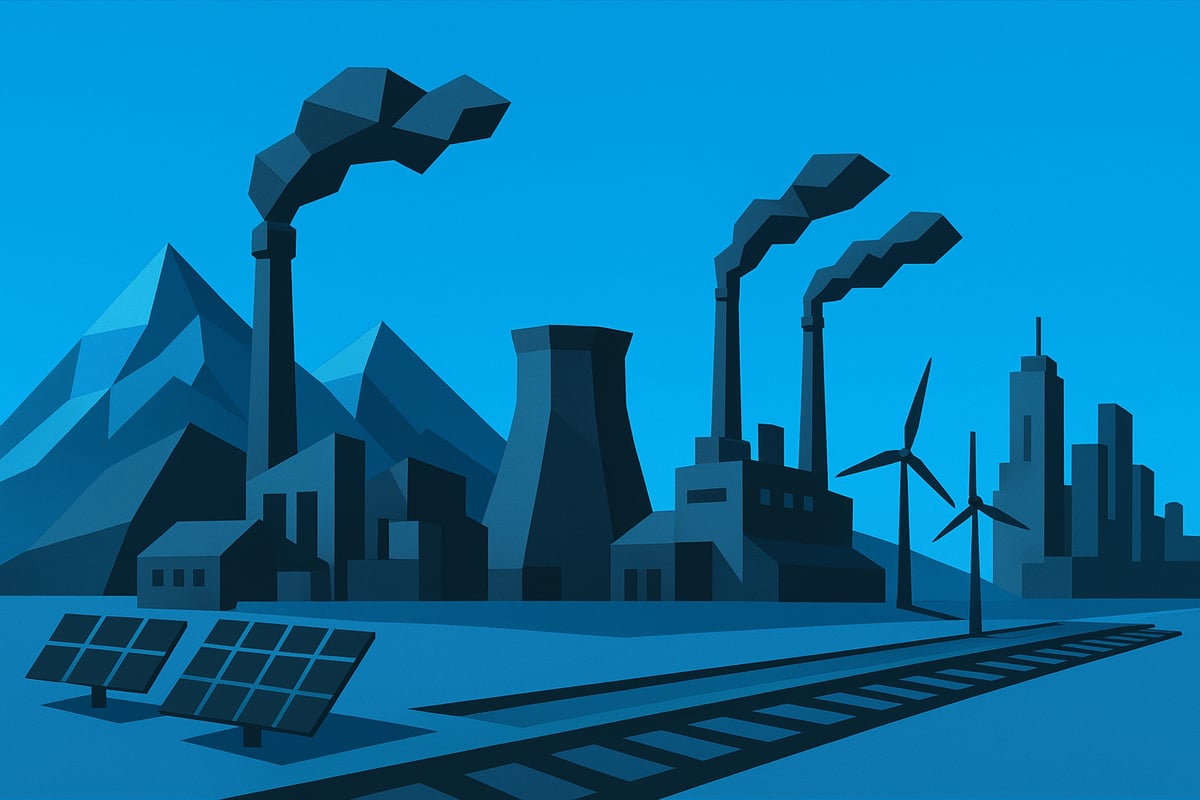
The colorado industrial sector stands as a key economic driver, contributing over $30 billion annually. Core segments include manufacturing, energy, recycling, and technology, all supporting a substantial portion of the state’s workforce.
Geographically, activity clusters in the Front Range, Western Slope, and Denver Metro, where infrastructure and skilled labor are abundant. Recent years have seen significant investments, particularly in advanced manufacturing facilities. These developments have fostered innovation hubs and positioned Colorado as a leader in industrial modernization.
Growth is fueled by ongoing infrastructure upgrades, a deep talent pool, and a focus on sustainability. The state’s commitment to progress continues to attract new projects and capital.
Major Industrial Sectors and Their Growth
Colorado industrial growth is evident across multiple sectors. Manufacturing is expanding, with aerospace, electronics, and machinery leading the way. The energy sector is evolving, blending renewable projects with traditional oil and gas operations.
Recycling and waste management are also seeing increased demand, driven by sustainability initiatives. Construction and aggregate industries benefit from infrastructure projects, while technology integration enhances efficiency in all areas.
Notable companies are establishing advanced facilities, supporting a projected 4 percent annual increase in manufacturing output through 2026. For a broader look at these trends, see Colorado’s top industries in 2026.
Economic Projections and Market Trends
Looking ahead, colorado industrial sectors are expected to boost the state’s GDP through increased capital investments and new project pipelines. Export activity remains strong, with international trade shaping opportunities and risks.
Federal infrastructure spending is influencing real estate demand, particularly for industrial and logistics space. In recent years, vacancy rates have dropped below 3 percent, indicating a tight market.
Denver and Colorado Springs are emerging as logistics hubs, further strengthening the industrial ecosystem. These trends highlight the importance of strategic planning for businesses aiming to secure their position in the evolving landscape.
Regional Industrial Hotspots
Several regions are driving colorado industrial growth. The Front Range is a leader in tech-driven manufacturing and logistics, benefiting from interstate corridors and rail networks.
On the Western Slope, oil and gas, recycling, and custom fabrication are prominent. Southern Colorado is gaining attention for renewable energy projects, while Northern Colorado excels in food processing and equipment manufacturing.
An example is Rifle, CO, which has become a hub for field services and custom machining. Regional collaboration and innovation clusters are fostering resilience and shared success across the state.
Regulatory Environment and Compliance Trends
Colorado industrial businesses are operating in a landscape shaped by evolving regulations and heightened compliance standards. Staying informed and proactive is essential for organizations seeking to maintain operational efficiency and competitive advantage. Let’s examine the critical compliance issues and trends impacting the sector in 2026.
Key Regulations Affecting Colorado Industry
The regulatory framework for colorado industrial operations is multifaceted. State and federal laws govern air and water quality, with the Clean Water Act and strict air emissions standards leading the way. Industrial stormwater permits like COR900000 are central, alongside occupational safety and hazardous materials regulations.
Energy efficiency mandates are also increasing, driving companies to reassess processes and equipment. Colorado’s 2026 emissions standards are among the nation’s strictest, prompting facilities to invest in advanced controls and monitoring. These rules impact operational costs, making compliance strategies a top priority for every colorado industrial leader.
Industrial Stormwater Permitting: COR900000 Update
For colorado industrial businesses, the COR900000 permit renewal brings notable changes. Non-extractive industries must develop robust stormwater management plans, implement control measures, and conduct regular inspections. Monitoring and detailed reporting are now standard, requiring investment in both technology and staff training.
Facilities can apply for the “No Exposure” exclusion if operations are fully sheltered from stormwater, but eligibility is tightly defined. Stakeholder engagement is encouraged, and compliance assistance is available through the CDPHE water quality compliance reports. Over 1,200 colorado industrial sites are now covered, making this regulation a major focus for facility managers.
Environmental Sustainability and Green Initiatives
Sustainability is rapidly becoming a cornerstone of colorado industrial strategy. More manufacturers and recyclers are adopting renewable energy, optimizing water use, and investing in waste reduction. State incentives are available for green technology upgrades, further accelerating this shift.
Water conservation and emissions reduction targets are tightening, prompting companies to rethink resource management. Large-scale solar installations in industrial parks are increasingly common. Regulatory pressure is driving investments in eco-friendly processes, and industrial recycling rates have jumped by 25% since 2020 across the colorado industrial sector.
Navigating Compliance: Best Practices
Success in the colorado industrial sector relies on building strong compliance teams and leveraging technology for monitoring and reporting. Regular training ensures staff are equipped to adapt to regulatory changes, while engagement with regulators and industry associations can clarify expectations.
Case studies highlight the value of proactive permit renewal and cost management strategies. Digital tools streamline reporting and audits, reducing the risk of non-compliance. Resources are available to help companies stay ahead of evolving colorado industrial regulations, making ongoing education and collaboration essential for long-term success.
Technology and Innovation Shaping Colorado Industry
Colorado industrial growth is accelerating as innovation reshapes every facet of the sector. Across the state, technology is driving efficiency, productivity, and new capabilities. Companies are adopting digital tools, advanced materials, and service models to remain competitive. This section explores how technology is shaping colorado industrial progress for 2026 and beyond.
Digital Transformation in Manufacturing
Digital transformation is redefining the colorado industrial landscape. Manufacturers are rapidly integrating automation, robotics, and Industry 4.0 systems into their operations. Smart factories equipped with IoT-enabled devices gather real-time data, enabling predictive maintenance and reducing costly downtime.
As digital infrastructure matures, businesses invest in cloud platforms and advanced analytics. This shift allows for agile production, better quality control, and faster response to market changes. With 60 percent of manufacturers planning to boost technology investment by 2026, the colorado industrial sector is set for a leap forward. Upskilling the workforce is vital, ensuring employees can operate and maintain these new digital systems.
Advanced Materials and Custom Fabrication
Innovation in materials is fueling growth throughout the colorado industrial sector. Companies are developing advanced composites and high-performance metal alloys for industries such as aerospace, defense, and energy. Precision machining, waterjet cutting, and computer-aided design/manufacturing (CAD/CAM) systems enable rapid prototyping and custom solutions.
Collaboration with local research institutions drives breakthroughs in high-tolerance and specialty components. For businesses seeking specialized fabrication and welding, Fabrication and Welding for Industry offers insights into how cutting-edge services support complex industrial needs. Demand for custom parts continues to rise, positioning Colorado as a leader in innovative manufacturing.
Industrial Services and Field Solutions
The colorado industrial market increasingly relies on advanced service models. On-site maintenance, mobile machining, and remote diagnostics reduce downtime for critical equipment. Field technicians provide welding, hydraulics, and repairs directly at client locations, improving operational flexibility.
Custom metalwork and fabrication services are essential for infrastructure and aggregate projects. Providers support a wide range of industries, including oil and gas, recycling, and construction. The need for multi-skilled teams is growing, as businesses seek to adapt to evolving project requirements. These services are now a cornerstone of operational resilience in the colorado industrial sector.
LTJ Industrial Services: Supporting Colorado’s Industrial Growth
LTJ Industrial Services is a key player in the colorado industrial arena, based in Rifle and serving the Western US. The company delivers comprehensive shop and field solutions, including mechanic work, welding, and precision machining. Their expertise in custom metal fabrication, hydraulics, and water jetting allows clients to tackle complex projects efficiently.
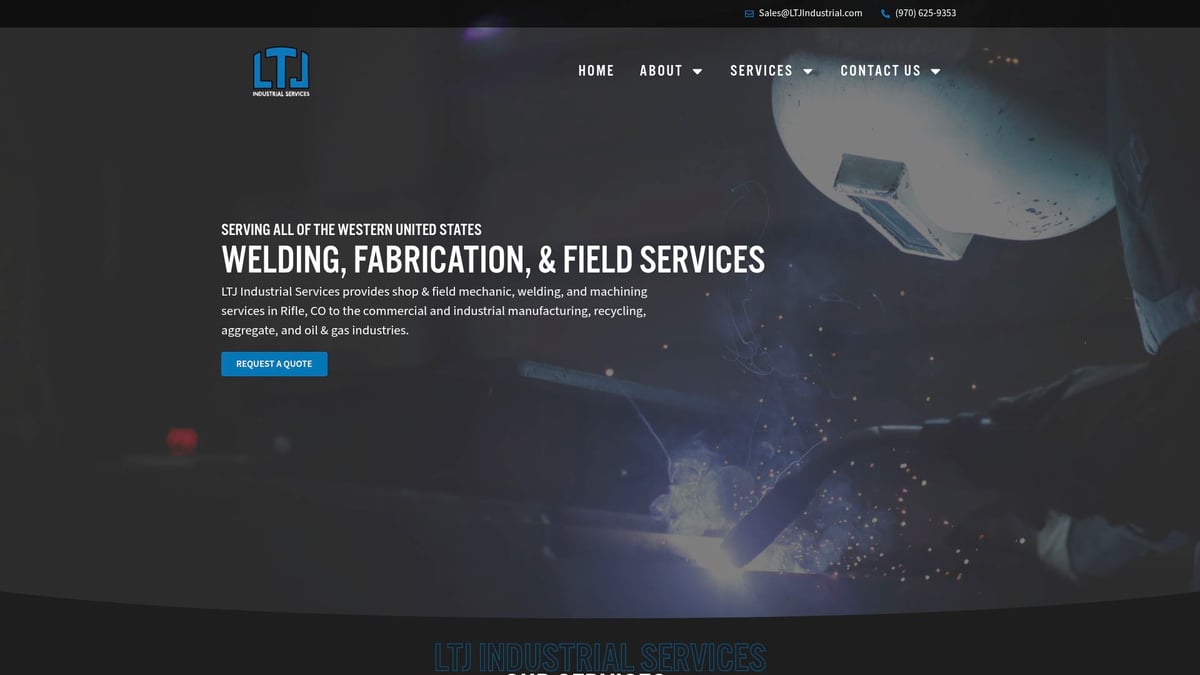
By leveraging regional knowledge and advanced technology, LTJ enables businesses to focus on core operations. Flexible shop and field capabilities offer maximum convenience for clients. The commitment to quality and reliability makes LTJ a trusted partner for those navigating the dynamic colorado industrial landscape.
Emerging Technologies and Future Trends
Looking ahead, emerging technologies will further transform the colorado industrial sector. Artificial intelligence and machine learning are streamlining operations and improving decision-making. 3D printing is gaining traction for prototyping and small-batch production, reducing lead times.
Blockchain is being explored for supply chain transparency, while digital twins and real-time simulations enhance process optimization. Smart logistics systems are optimizing distribution centers across Colorado. With 40 percent of industrial firms expecting to adopt AI-driven tools by 2026, the colorado industrial ecosystem is poised for a new era of productivity and competitiveness.
Workforce, Skills, and Talent Pipeline
Colorado industrial employers are experiencing a period of rapid change in workforce needs. As technology, sustainability, and productivity expectations rise, companies are rethinking how they attract, train, and retain skilled talent. Building a resilient talent pipeline is now a top priority for the colorado industrial sector.
Evolving Workforce Demands
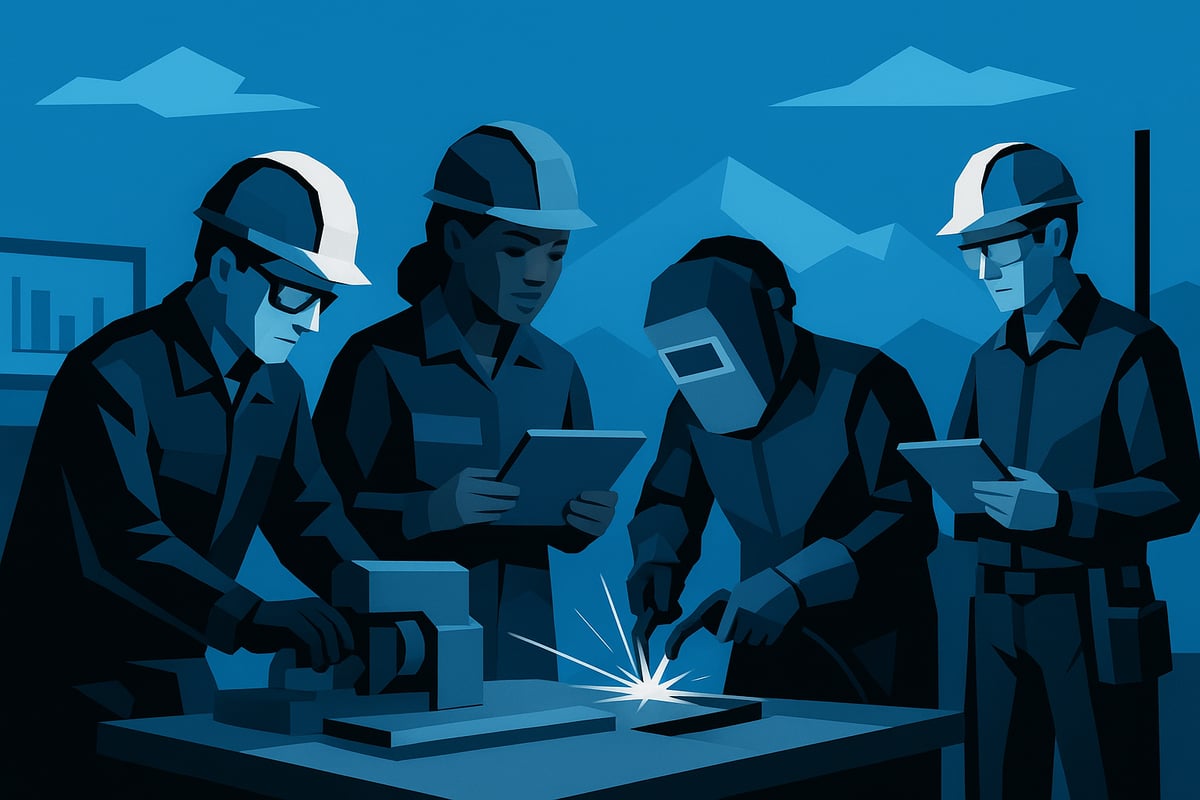
The colorado industrial sector is shifting toward technical and digital expertise. Demand for machinists, welders, and skilled field technicians continues to rise as automation and smart manufacturing reshape job roles. Companies are adapting by partnering with apprenticeship programs and trade schools to close talent gaps.
Aging workforce demographics create additional urgency. Employers now seek younger workers through outreach at community colleges and industry events. According to state projections, industrial technician jobs will grow by 15% by 2026. These trends highlight the need for a proactive approach to workforce planning.
Training, Upskilling, and Education Initiatives
Continuous training is crucial for colorado industrial businesses to stay competitive. State-supported grants, on-the-job training, and certification programs help workers adapt to new technologies. Employers increasingly collaborate with local educational institutions to develop tailored upskilling pathways.
Programs like Colorado’s Manufacturing Works connect students with real-world experience in advanced manufacturing. Many firms now offer tuition assistance and sponsor credentials for digital tools and safety compliance. To learn more about workforce development and skills in the sector, review the Colorado Industrial Manufacturing Overview.
Attracting and Retaining Industrial Talent
Retaining skilled professionals is a top concern across the colorado industrial landscape. Competitive pay, robust benefits, and flexible work arrangements play a key role in talent retention. Companies are also investing in diversity, equity, and inclusion initiatives to broaden their talent pool.
Employer branding and community engagement help attract new recruits, especially in high-demand roles. Case studies from the recycling sector show that positive company culture significantly boosts retention. Notably, 70% of industrial employers now rank talent retention as a leading business priority.
Addressing Workforce Challenges
Rural regions face unique colorado industrial workforce challenges, such as limited access to training and smaller labor pools. Companies are leveraging mobile training labs and remote diagnostics to bridge these gaps, providing education and support in remote areas.
Technology adoption is helping close skills gaps, while industry associations advocate for workforce investment and policy support. Immigration and labor policy changes also influence talent availability. Collaboration and innovation remain essential for building a strong, adaptable workforce across Colorado.
Sustainability, Energy, and Environmental Impact
Colorado industrial leaders are rapidly embracing sustainability to remain competitive in a changing market. Environmental responsibility is now at the core of business strategies, driving investment and innovation. As the state advances toward its clean energy goals, every colorado industrial operation must adapt to new expectations and regulations.
Colorado’s Clean Energy Transition
Clean energy is transforming the colorado industrial landscape. Wind and solar projects are expanding across the state, supporting both rural and urban operations. Industrial facilities are increasingly electrifying processes, shifting away from traditional fuels.
Manufacturers are investing in solar-powered production lines, reducing reliance on fossil fuels and lowering long-term costs. State and federal incentives make renewable adoption more attractive, especially as operational savings and carbon footprint reductions become measurable. According to Colorado’s economic forecast for 2026, about 35% of colorado industrial energy use is projected to come from renewables by 2026, placing Colorado among national leaders in clean industry transitions.
Circular Economy and Industrial Recycling
The circular economy is gaining momentum in the colorado industrial sector. Companies are building infrastructure for recycling, reuse, and closed-loop material systems. Industrial waste reduction is now an operational priority, with many manufacturers forming partnerships with local recyclers.
Aggregate industries, for example, are implementing systems that recover and repurpose construction materials, reducing landfill use. Regulatory drivers and market demand for recycled content are creating new revenue streams. Since 2020, industrial recycling rates in Colorado have increased by 25%, reflecting a cultural shift toward sustainability. These efforts help the colorado industrial community meet both regulatory targets and consumer expectations.
Water Management and Conservation
Water scarcity and strict regulations make conservation a key concern for every colorado industrial facility. Innovative water management practices are being implemented, including advanced treatment technologies and zero-liquid discharge systems. Stormwater permits, such as those outlined in the Colorado NPDES permits, require strict compliance and regular monitoring.
Facilities are adopting water-efficient equipment and processes, supported by state incentives. Best practices include rainwater harvesting, closed-loop cooling, and real-time usage monitoring. By 2026, industrial water use efficiency is projected to improve by 12%, helping the colorado industrial sector safeguard this vital resource for future growth.
Emissions Reduction and Air Quality Initiatives
Colorado industrial companies are tackling emissions through investment in low-emission equipment and advanced monitoring technologies. State and federal standards require continuous improvement in air quality management. Many facilities are piloting carbon capture and integrating real-time emissions tracking to stay ahead of regulations.
Community engagement is also a focus, with businesses working alongside local groups to address air quality concerns. Since 2018, the colorado industrial sector has achieved an 18% reduction in CO2 emissions. These initiatives not only support regulatory compliance but also improve public perception and operational efficiency, positioning colorado industrial businesses as environmental stewards.
Strategic Opportunities and Actionable Insights for 2026
Colorado industrial leaders are entering a pivotal era defined by innovation, regulatory shifts, and an evolving workforce. Strategic planning is crucial for those seeking to outperform competitors and seize market opportunities. The following actionable insights and opportunities can help businesses position themselves for long-term growth and resilience.
Investment and Expansion Opportunities
The colorado industrial sector is attracting significant investment as companies seek to expand capacity and enter new markets. Key opportunities include industrial real estate in logistics corridors, mergers and acquisitions, and public grants for advanced manufacturing. Sectors such as aerospace, clean energy, and recycling show the highest projected ROI.
A 2026 forecast anticipates over $2.5 billion in new investments. For deeper insights into sector-specific growth and market entry strategies, explore Manufacturing in Colorado Insights. Capitalizing on these trends involves aligning site selection with infrastructure upgrades and tapping into available incentives.
Risk Management and Resilience Planning
Risk management is a top priority for colorado industrial businesses, given the dynamic regulatory and supply chain landscape. Identifying key risks—such as regulatory changes, cybersecurity threats, and operational disruptions—is essential. Effective resilience planning includes:
- Business continuity and disaster recovery protocols
- Supply chain diversification and local sourcing
- Cybersecurity enhancements for industrial operations
- Robust insurance and liability coverage
Recent lessons from supply chain challenges highlight the value of proactive risk assessment tools and resilient infrastructure investments. Building flexibility into operations prepares companies for unforeseen disruptions.
Leveraging Public and Private Partnerships
Collaboration drives innovation and funding in the colorado industrial community. Public-private partnerships (PPPs) support infrastructure, workforce training, and clean energy projects. These alliances open doors to:
- State and federal grant programs
- Joint ventures in recycling and renewables
- Industry association advocacy
- Community engagement for project buy-in
Data shows $500 million in PPP investment since 2021, illustrating their growing role. Engaging with economic development groups and leveraging these networks can accelerate project timelines and unlock new resources.
Action Plan for Industrial Stakeholders
To thrive in the colorado industrial landscape, stakeholders should take a structured approach to transformation. An effective action plan includes:
- Assessing current operations for technology and sustainability gaps
- Prioritizing investments in digital tools and upskilling teams
- Building agile, cross-functional teams for rapid adaptation
- Maintaining open communication with regulators and associations
- Establishing clear KPIs and a 2026 readiness roadmap
For operational support and field solutions, align with trusted partners who understand regional requirements. Strategic execution and continuous evaluation will ensure long-term competitiveness.
As you look ahead to the opportunities and challenges shaping Colorado’s industrial landscape in 2026, it’s clear that expert support makes all the difference for ambitious projects. Whether you’re focused on advanced manufacturing, energy, recycling, or custom fabrication, having a trusted partner means you can stay ahead of regulatory shifts, technology upgrades, and sustainability goals. If you’re ready to turn industry insights into actionable results and need reliable welding, machining, or field services, let’s start a conversation about your unique needs. You can Request a Quote to explore how we can help your business thrive.