Colorado’s manufacturing colorado sector is entering a new era, fueled by rapid innovation, skilled talent, and advanced technology. Industry leaders are facing a landscape full of opportunity and change. This article highlights the eight most impactful trends shaping the future, from smart manufacturing and workforce evolution to resilient supply chains and sustainability. Discover how these emerging forces will empower your business to compete and thrive. Now is the time to adapt, lead, and secure your place at the forefront of Colorado’s manufacturing success.
The Evolving Landscape of Manufacturing in Colorado
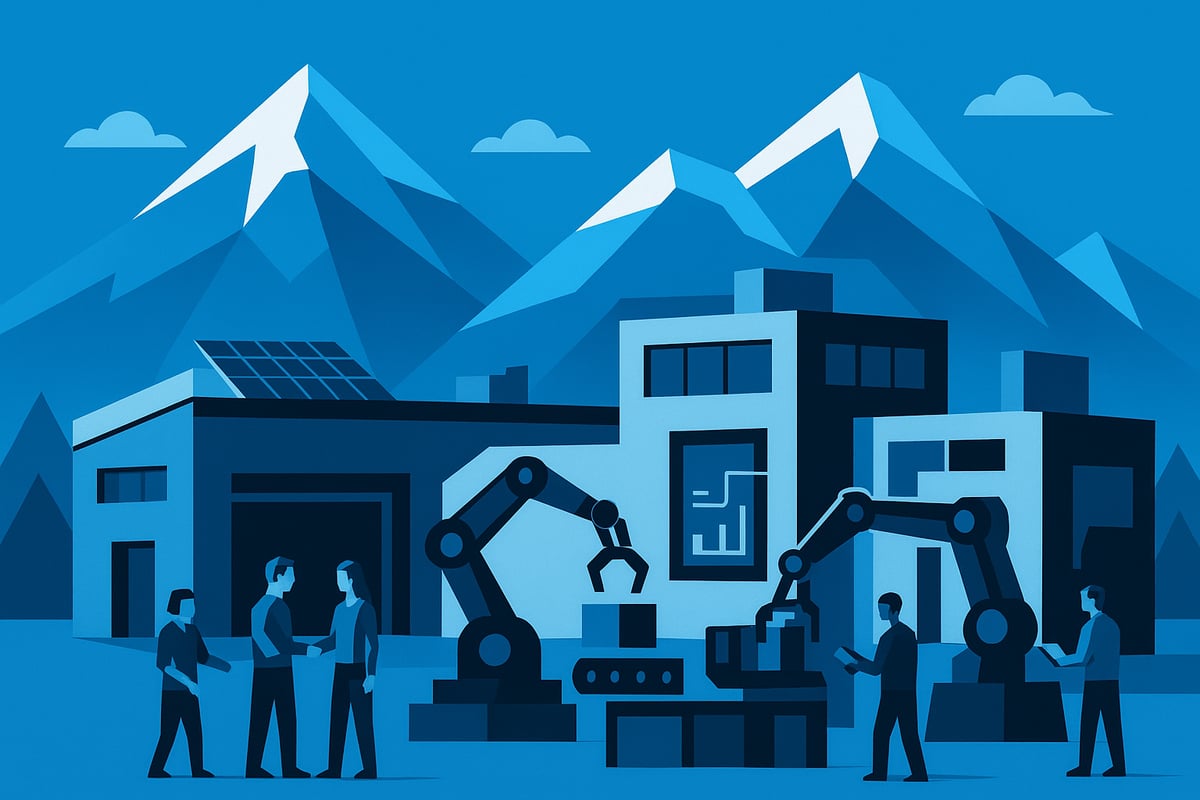
Colorado’s manufacturing colorado sector is experiencing a period of remarkable transformation, with over 500 companies operating in Colorado Springs alone. This region, often referred to as “Silicon Mountain,” is becoming a magnet for advanced industries and high-tech investments. The sector’s influence on the state’s economy is substantial, driving innovation, creating jobs, and shaping Colorado’s future.
Colorado’s Manufacturing Growth and Economic Impact
The manufacturing colorado sector is a cornerstone of the state’s prosperity, contributing significantly to both GDP and employment. In Colorado Springs, the manufacturing workforce surpasses 11,600, supporting a thriving ecosystem that spans aerospace, defense, electronics, advanced materials, and food processing.
Recent investments highlight the momentum in manufacturing colorado. Microchip Technology’s $880 million expansion and Entegris’ $600 million center of excellence signal strong confidence in the region’s potential. These projects are bolstered by the CHIPS and Science Act, which is catalyzing local semiconductor and hardware production, reinforcing Colorado’s reputation as a technology hub.
Colorado’s business-friendly environment, marked by a lower cost of living, robust infrastructure, and a skilled labor pool, continues to attract industry leaders. Notable employers like Boeing, Accuris, Biofire, True Anomaly, Schneider Electric, and Beehive Industries are shaping the sector’s growth. For a detailed look at the sector’s scope and economic impact, visit the Colorado manufacturing industry overview.
Major Employers and Recent Investments
| Company | Sector | Recent Investment |
|---|---|---|
| Microchip Technology | Semiconductors | $880M expansion |
| Entegris | Advanced Materials | $600M center |
| Boeing | Aerospace/Defense | Ongoing projects |
| Schneider Electric | Electronics/Energy | Green initiatives |
| Beehive Industries | Additive Manufacturing | Facility upgrades |
Workforce and Education Initiatives
The continued success of manufacturing colorado depends on a dynamic, skilled workforce. Institutions such as Pikes Peak State College and the University of Colorado Colorado Springs play a pivotal role in preparing talent for advanced manufacturing roles. The Manufacturing Industry Learning Lab (MiLL) stands out as a vital pipeline, equipping students with hands-on experience in cutting-edge technologies.
Colorado’s strong connection to the military community enhances its manufacturing colorado talent pool. Each month, more than 400 military personnel transition to civilian life, with many choosing careers in manufacturing. These individuals bring discipline, technical expertise, and leadership skills that benefit the sector.
Upskilling and reskilling are central to meeting the demands of emerging technologies in manufacturing colorado. Collaborative efforts between industry and education ensure that workers are prepared for roles in automation, digital systems, and advanced processes. As manufacturing colorado evolves, these initiatives will be essential for sustaining growth and competitiveness.
8 Leading Trends in Manufacturing Colorado for 2026
Colorado’s manufacturing colorado sector is at a pivotal moment, with rapid transformation fueled by technology, workforce evolution, and strategic investments. The following eight trends are set to define the future, offering a roadmap for companies aiming to lead and innovate. Let’s explore each trend shaping manufacturing colorado as we move toward 2026.
1. Smart Manufacturing and Industry 4.0 Adoption
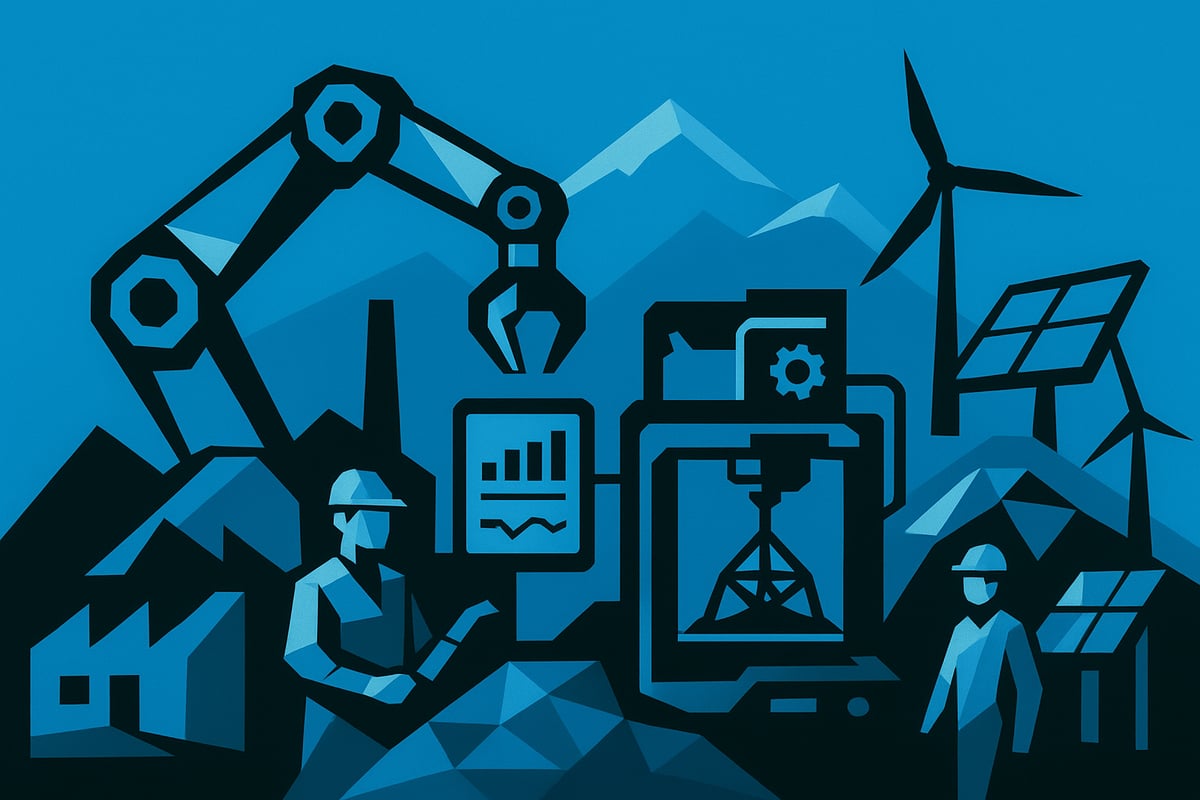
Smart manufacturing colorado is taking center stage as companies embrace Industry 4.0. The integration of IoT sensors, AI-driven analytics, and advanced automation is transforming production lines across the state.
Real-time data analytics allow manufacturers to optimize processes, predict maintenance needs, and improve quality control. Digital twins, which are virtual replicas of physical assets, enable simulation and testing before full-scale deployment, reducing errors and costly downtime.
For instance, Schneider Electric’s EcoStruxure platform exemplifies how industrial IoT can drive efficiency and sustainability. Beehive Industries is pioneering additive manufacturing colorado with advanced 3D printing and digital design.
However, these advancements come with challenges. Cybersecurity risks are increasing as more devices connect to networks, and the initial investment in technology can be substantial. The need for a tech-savvy workforce is at an all-time high.
Early adopters of smart manufacturing colorado are gaining a significant competitive edge, as they can react faster to market changes and customer demands. For a deeper dive into future fabrication trends and best practices, see the Commercial fabrication guide for 2026.
2. Resilient and Localized Supply Chains
The disruptions of recent years exposed vulnerabilities in global supply networks, prompting manufacturing colorado leaders to focus on resilience and localization. Companies are reshoring and nearshoring operations to reduce dependency on overseas suppliers.
Colorado’s strategic location, with excellent road, rail, and air connections, supports efficient distribution throughout the Western US. The state offers incentives for local sourcing, encouraging manufacturers to build relationships with nearby suppliers.
A prime example is Entegris, which expanded its operations to secure semiconductor supply within the region. Manufacturers now rely on advanced forecasting tools and real-time inventory management to anticipate disruptions and maintain steady production.
Local partnerships not only reduce lead times but also improve quality control and flexibility. Manufacturing colorado is benefiting from a robust logistics infrastructure, which further enhances supply chain resilience.
3. Workforce Transformation and Talent Development
As manufacturing colorado shifts toward automation and digitalization, the workforce is undergoing a transformation. New technologies demand advanced skills, especially in robotics, programming, and data analysis.
Collaboration between industry and educational institutions is vital. Programs at The MiLL and the University of Colorado Colorado Springs provide apprenticeships, internships, and hands-on training. These initiatives ensure a steady pipeline of skilled workers ready for the demands of modern manufacturing colorado.
Veteran transitions are a unique strength in Colorado, with over 400 military separations monthly. Many veterans bring discipline and technical expertise, adding value to the sector.
Upskilling and reskilling efforts focus on digital literacy, robotics, and machine learning. Companies like Zivaro are creating high-wage jobs that attract younger talent and support diversity initiatives. State and federal programs offer grants and incentives to accelerate workforce development, making manufacturing colorado a leader in talent innovation.
4. Sustainable and Green Manufacturing Practices
Sustainability is no longer optional for manufacturing colorado businesses. Regulatory requirements and consumer expectations are driving the adoption of renewable energy, energy-efficient systems, and sustainable materials.
Manufacturers are investing in LEED-certified facilities, waste reduction programs, and circular economy models. Schneider Electric, for example, integrates renewable energy into its operations and advocates for green building standards.
Tax credits and grants encourage companies to pursue eco-friendly projects. Compliance with ESG (Environmental, Social, and Governance) standards is becoming a differentiator in the market.
By reducing their carbon footprint, manufacturing colorado companies can strengthen their brand and attract environmentally conscious customers. The move toward sustainability also improves operational efficiency and long-term profitability.
5. Advanced Materials and Additive Manufacturing
The use of advanced materials and additive manufacturing colorado is accelerating innovation across aerospace, defense, and healthcare. 3D printing enables rapid prototyping, customization, and the production of complex geometries that traditional methods cannot achieve.
Beehive Industries is a leader in this space, leveraging additive manufacturing to shorten product development cycles and reduce material waste. Digital design tools and simulation software are closely integrated, allowing for faster iterations and improved product quality.
Nanotechnology and smart materials are also making their way into manufacturing colorado, opening new possibilities for lightweight, durable, and high-performance components.
Despite these advancements, challenges remain in scaling up production and ensuring consistent quality. Manufacturers are investing in quality assurance and certification programs to meet industry standards.
A quick comparison of benefits:
| Feature | Traditional Manufacturing | Additive Manufacturing |
|---|---|---|
| Customization | Limited | High |
| Prototyping Speed | Slow | Fast |
| Material Efficiency | Moderate | High |
| Complexity of Design | Restricted | Unrestricted |
6. Semiconductor and Electronics Manufacturing Renaissance
Semiconductor manufacturing colorado is experiencing a renaissance, thanks to the direct impact of the CHIPS and Science Act. Major investments by Microchip Technology and Entegris are turning Colorado Springs into a semiconductor research and production hub.
This sector is crucial for national security and economic growth. Enhanced collaboration between manufacturers and universities is fostering innovation and talent development.
Tax incentives, enterprise zones, and state support make manufacturing colorado attractive for electronics and hardware companies. Growth areas include sensors, devices, and integrated systems for aerospace and defense.
The integration of local supply chains reduces dependency on global sources and boosts resilience. Manufacturing colorado is positioned to play a pivotal role in the nation’s technology ecosystem.
7. Enhanced Automation and Robotics Integration
Automation and robotics are revolutionizing manufacturing colorado, driving efficiency, safety, and scalability. Robots handle repetitive tasks in assembly, packaging, and quality control, freeing human workers for higher-value roles.
Collaborative robots, or cobots, work alongside people on the factory floor, enhancing productivity and reducing workplace injuries. True Anomaly has adopted advanced systems for space defense, showcasing the possibilities in high-tech manufacturing colorado.
Investment in robotics training is essential, with manufacturers providing ongoing education for operators and maintenance staff. While some worry about job displacement, retraining and upskilling programs are empowering the workforce to adapt.
Case studies from Colorado manufacturers highlight reduced operational costs and improved scalability. Automation is a key differentiator in the competitive manufacturing colorado market.
8. Business Incentives and Supportive Policy Environment
The policy landscape in Colorado is exceptionally favorable for manufacturing colorado. Tax credits, sales tax exemptions, and enterprise zones make it easier for companies to invest and expand.
Special zones, such as the Commercial Aeronautical Zone and Aviation Development Zone, provide additional benefits for aerospace manufacturers. Job growth and R&D tax credits support innovation and employment.
Collaboration with local chambers of commerce and economic development councils streamlines regulatory processes and infrastructure planning. Programs like the Pikes Peak Enterprise Zone offer targeted incentives for manufacturing colorado businesses.
A supportive business environment attracts new manufacturers and encourages current companies to scale their operations. Strategic public-private partnerships are key to sustaining the growth of manufacturing colorado through 2026.
Opportunities and Challenges for Colorado Manufacturers
Colorado’s manufacturing colorado sector stands at a pivotal crossroads, where growth and disruption converge. As the industry accelerates toward 2026, manufacturers are presented with a unique mix of promising opportunities and formidable challenges.
Opportunities in Manufacturing Colorado
Manufacturing colorado is experiencing a surge in capital investment, technological advancement, and workforce expansion. Recent manufacturing projects in Colorado highlight a strong commitment to innovation, from advanced materials to semiconductor production. Companies benefit from a diverse talent pipeline, bolstered by local universities and skilled veterans, as well as a supportive policy environment that encourages sustainable growth.
Key opportunities include:
- Increased capital investments and facility expansions
- Access to a growing pool of skilled, tech-savvy workers
- Adoption of advanced manufacturing technologies
- Strategic partnerships with research institutions
- Enhanced competitiveness through sustainable practices
Challenges Facing Manufacturing Colorado
Despite these advantages, manufacturing colorado faces several persistent challenges. Labor shortages continue to pressure production timelines and costs. The rapid pace of digital transformation brings heightened cybersecurity risks and a need for ongoing employee training. Global competition intensifies, making regulatory compliance and supply chain resilience essential for long-term success.
Major challenges include:
- Attracting and retaining qualified talent in a competitive labor market
- Addressing cybersecurity threats and data protection requirements
- Navigating complex regulatory frameworks
- Adapting to global market fluctuations and supply chain disruptions
The Path Forward: Innovation, Agility, and Collaboration
To thrive, manufacturing colorado companies must prioritize continuous innovation and agile decision-making. Building strong partnerships between industry, government, and education will help address workforce gaps and accelerate technology adoption. Companies like Biofire demonstrate how a focus on safety innovation and adaptability can turn challenges into competitive advantages.
Looking ahead, those who embrace new technologies, foster collaboration, and invest in employee development will be best positioned to navigate uncertainty and seize opportunities in Colorado’s dynamic manufacturing landscape.
As we look ahead to 2026, it’s clear that Colorado’s manufacturing landscape is evolving rapidly, with innovation and adaptability at the forefront. Whether you’re navigating smart manufacturing, building a resilient workforce, or seeking sustainable solutions, having the right support is crucial for staying competitive. At LTJ Industrial Services, we understand the unique challenges and opportunities you face in this dynamic environment. If you’re ready to take the next step in optimizing your operations with trusted welding, fabrication, or machining expertise, let’s collaborate to achieve your goals. [Request a Quote](https://www.ltjindustrial.com/contact_us/)