
The relationship between manufacturing and recycling has evolved from a simple waste management strategy into a critical component of sustainable industrial operations. Modern manufacturing recycling practices integrate material recovery, reprocessing, and reuse directly into production workflows, creating closed-loop systems that reduce costs while minimizing environmental impact. For businesses in the commercial and industrial sectors, implementing effective recycling programs requires specialized equipment, skilled technicians, and strategic partnerships to maximize material recovery and operational efficiency.
Understanding Manufacturing Recycling Systems
Manufacturing recycling encompasses two primary categories: pre-consumer and post-consumer waste streams. Pre-consumer recycling, also known as industrial scrap recycling, involves reclaiming materials generated during production before they reach end users. This includes metal shavings from machining operations, offcuts from fabrication processes, and defective components rejected during quality control.
Material Types and Recovery Methods
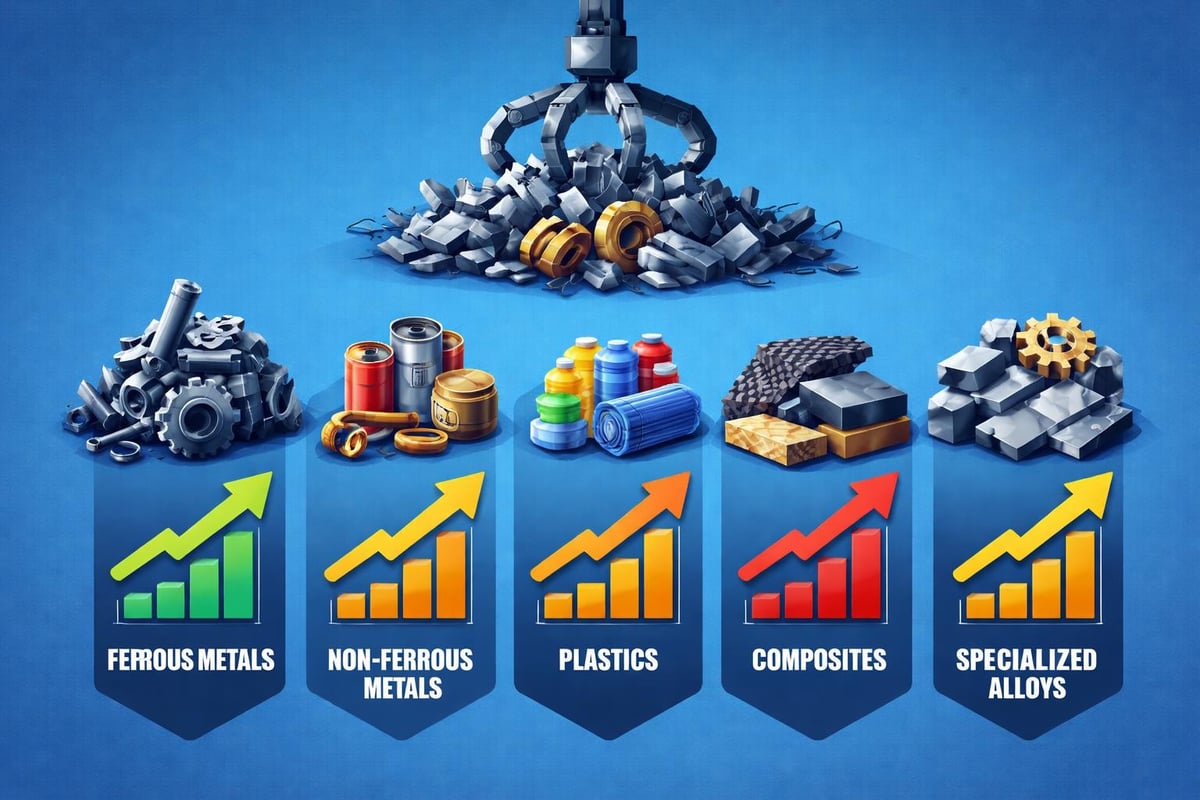
Different materials require specialized handling and processing techniques. Metal recycling dominates industrial operations, with ferrous and non-ferrous metals commanding significant recovery value.
Common recyclable materials in manufacturing:
- Steel and stainless steel from fabrication and welding operations
- Aluminum alloys from machining and casting processes
- Copper wire and components from electrical manufacturing
- Brass fittings and hardware from assembly operations
- Plastic polymers from injection molding and extrusion
The U.S. recycling system processes millions of tons of industrial materials annually, with manufacturing facilities contributing substantial volumes to this recovery infrastructure.
Economic Drivers Behind Industrial Recycling
Manufacturing recycling delivers measurable financial benefits beyond environmental compliance. Scrap metal sales generate revenue streams that offset disposal costs, while material reuse reduces raw material purchasing expenses. According to industry sustainability reports, recycled materials often cost 20-40% less than virgin materials while maintaining comparable quality specifications.
| Economic Benefit | Impact Range | Primary Application |
|---|---|---|
| Raw material cost reduction | 20-40% | Metal fabrication, machining |
| Disposal cost savings | 50-70% | Waste management elimination |
| Energy consumption reduction | 30-90% | Reprocessing vs. virgin production |
| Revenue from scrap sales | Variable | Based on commodity markets |
Companies investing in manufacturing and machining capabilities benefit from integrated recycling programs that capture value at every production stage.
Implementing Effective Recycling Programs
Successful manufacturing recycling programs require systematic planning, employee training, and infrastructure investment. The first step involves conducting a comprehensive waste audit to identify material streams, quantify volumes, and assess recovery potential.
Developing a Material Recovery Strategy
Every manufacturing facility generates unique waste profiles based on production processes, materials used, and product specifications. Metal fabrication shops produce different scrap compositions than assembly operations or chemical processing plants.
Key steps for program implementation:
- Audit current waste streams – Document all material types, quantities, and disposal methods
- Identify high-value materials – Prioritize metals and materials with strong market demand
- Segregate at source – Install collection systems at workstations and production areas
- Partner with processors – Establish relationships with certified recycling facilities
- Train employees – Educate workforce on proper sorting and contamination prevention
- Track metrics – Monitor recovery rates, revenue generation, and cost savings
- Optimize continuously – Refine processes based on performance data
The manufacturing sector’s federal initiatives demonstrate growing recognition of recycling's strategic importance to industrial competitiveness and sustainability goals.
Equipment and Infrastructure Requirements
Manufacturing recycling demands specialized equipment tailored to material types and processing volumes. Small operations might require only basic sorting containers and scheduled pickup services, while large facilities justify on-site balers, shredders, and material handling systems.
Essential equipment categories:
- Collection containers – Color-coded bins for different material streams
- Compaction equipment – Balers for cardboard, plastics, and light metals
- Cutting tools – Shears and torches for oversized metal components
- Storage systems – Secure areas for accumulated materials awaiting pickup
- Weighing systems – Scales for accurate inventory and revenue tracking
Facilities offering custom metal fabrication services typically generate substantial metal scrap volumes that warrant dedicated recycling infrastructure.
Recycling in Welding and Fabrication Operations
Welding and fabrication shops produce particularly valuable recyclable materials, with clean steel and aluminum scrap commanding premium pricing. These operations also face unique challenges regarding contamination, hazardous waste, and material segregation.
Managing Metal Scrap Streams
Fabrication operations generate scrap at multiple production stages: cutting, forming, welding, and finishing. Effective programs capture materials at each point while maintaining segregation to maximize value.
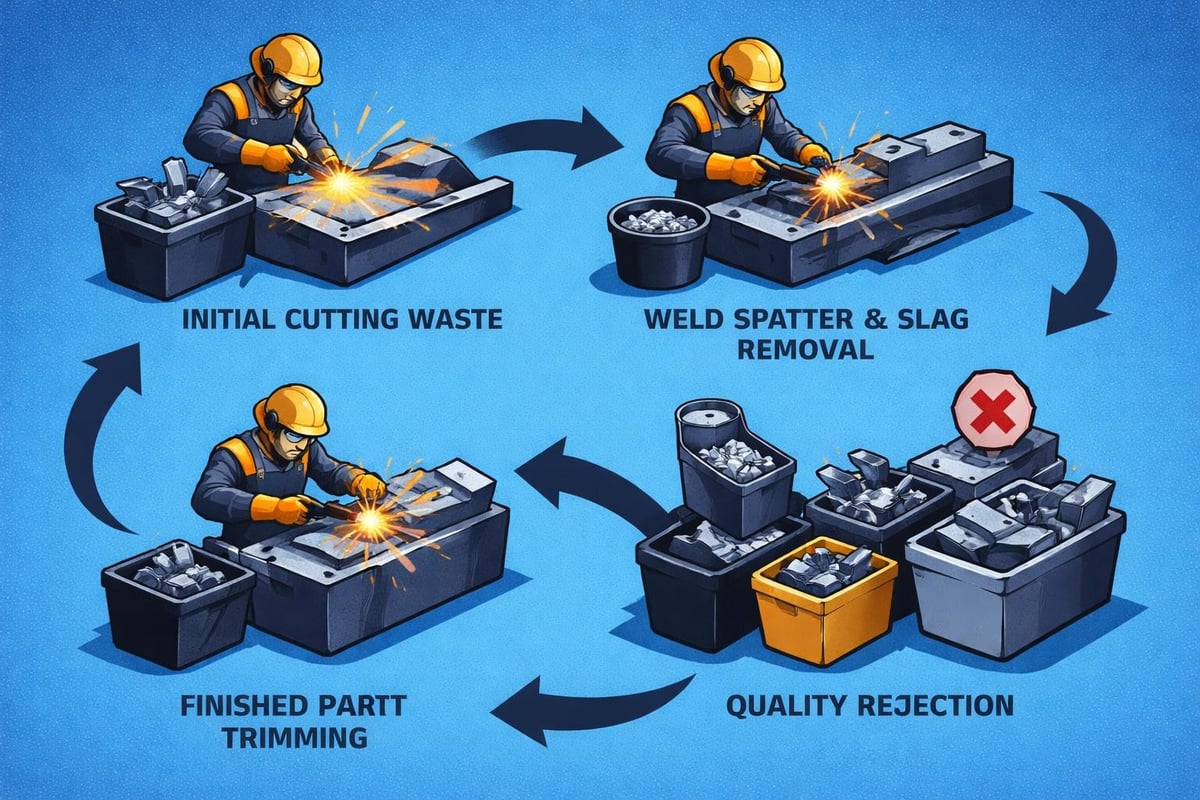
Clean, sorted metals achieve significantly higher prices than mixed or contaminated loads. A well-organized welding custom fabrication operation implements sorting protocols that preserve material value throughout the production cycle.
| Material Type | Contamination Risk | Sorting Priority | Market Value |
|---|---|---|---|
| Carbon steel plate | Low | Medium | Moderate |
| Stainless steel | Medium | High | High |
| Aluminum alloys | High | Very High | Very High |
| Mixed ferrous | Low | Low | Low |
Handling Hazardous Waste Properly
Not all manufacturing waste qualifies for standard recycling. Welding operations generate slag, used electrodes, and contaminated materials requiring specialized disposal. Oil-soaked rags, grinding dust, and paint residues fall under hazardous waste regulations demanding compliant handling.
Proper segregation prevents valuable recyclables from contamination while ensuring regulatory compliance. Industrial manufacturing facilities must maintain clear documentation of waste streams, disposal methods, and recycling partnerships.
Machining Operations and Material Recovery
Machining processes create particularly consistent, recyclable waste streams. Metal chips, turnings, and coolant-contaminated materials represent both recovery opportunities and processing challenges.
Optimizing Chip Recovery Systems
CNC machining, turning, and milling operations produce continuous volumes of metal chips with excellent recycling potential. However, cutting fluid contamination reduces value unless properly managed.
Chip processing best practices:
- Install chip conveyors to transport materials away from machines
- Utilize centrifugal separators to remove cutting fluids
- Store different alloys separately to prevent mixing
- Drain chips thoroughly before storage or shipment
- Partner with processors equipped to handle contaminated materials
Modern manufacturing projects increasingly incorporate chip recovery systems during facility design rather than retrofitting solutions later.
Coolant and Fluid Management
Cutting fluids, hydraulic oils, and lubricants require specialized recycling or disposal. Many fluids can be filtered, treated, and reused multiple times before requiring replacement, reducing both costs and environmental impact.
The recycled materials industry provides essential infrastructure for processing contaminated metals and recovering valuable materials from complex waste streams.
Circular Economy Integration
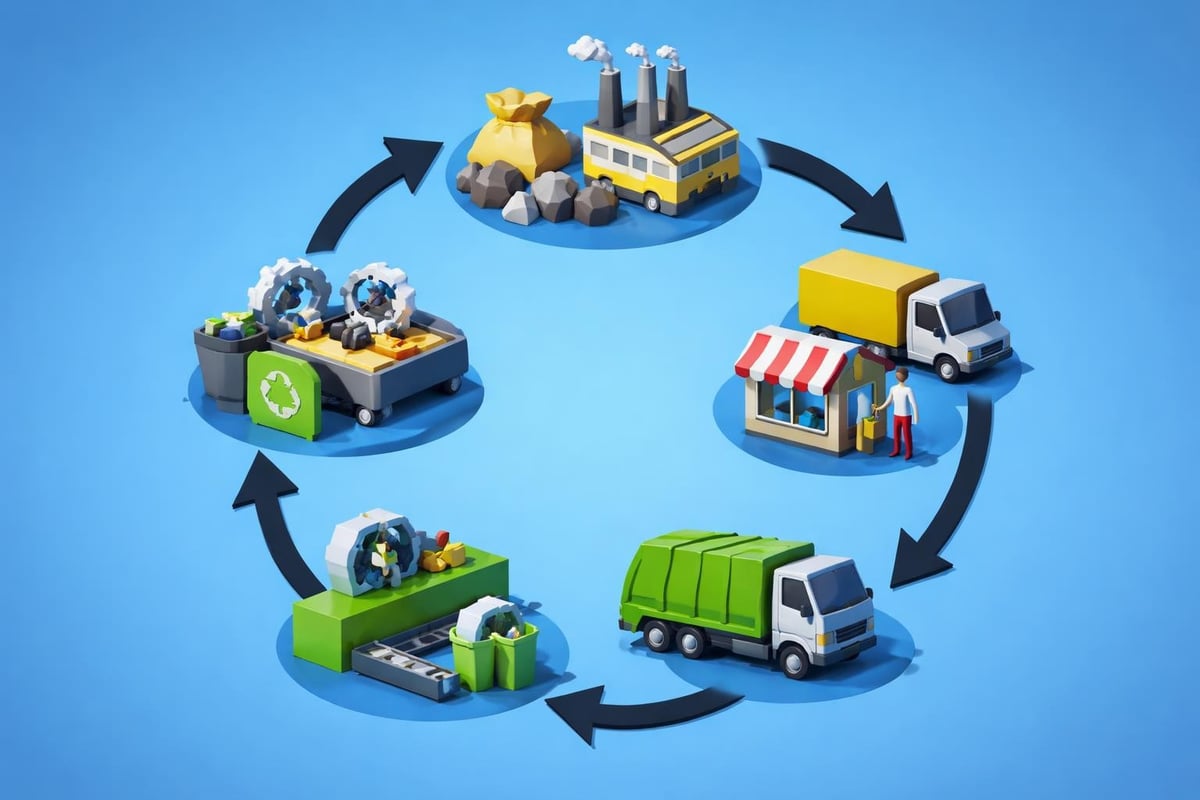
Manufacturing recycling represents a foundational element of circular economy principles, where materials flow continuously through production cycles rather than following linear "take-make-dispose" patterns. This approach transforms waste into feedstock, creating sustainable industrial ecosystems.
Designing for Recyclability
Forward-thinking manufacturers consider end-of-life material recovery during product design phases. Selecting recyclable materials, minimizing mixed-material assemblies, and documenting material compositions facilitate future recovery.
Design considerations for enhanced recyclability:
- Specify standard alloys with established recycling markets
- Minimize material mixing within single components
- Use mechanical fasteners instead of permanent adhesives when possible
- Mark materials for easier sorting during disassembly
- Document bill of materials for downstream processors
These principles apply equally to custom fabrication metal projects and large-scale industrial equipment manufacturing.
Supplier and Customer Partnerships
Effective manufacturing recycling extends beyond individual facilities to encompass entire supply chains. Collaborating with material suppliers, customers, and recycling processors creates integrated systems that maximize recovery throughout product lifecycles.
Suppliers may accept production scrap for credit toward new material purchases. Customers might return obsolete equipment for refurbishment or material recovery. Third-party processors provide specialized services that smaller operations cannot justify in-house.
Regulatory Compliance and Reporting
Manufacturing recycling activities intersect with numerous environmental regulations governing waste management, hazardous materials, and emissions. Understanding compliance requirements protects businesses from penalties while enabling participation in incentive programs.
Federal and State Requirements
The Environmental Protection Agency establishes baseline requirements through programs like the Resource Conservation and Recovery Act (RCRA). Individual states often implement more stringent standards or additional reporting obligations. According to EPA data on materials and waste, tracking and reporting requirements continue evolving toward greater transparency.
Common compliance areas:
- Hazardous waste generator status and reporting
- Universal waste handling for batteries, lamps, and electronics
- Stormwater management for outdoor material storage
- Air quality permits for processing equipment
- Documentation retention for waste shipments
Certification and Verification Programs
Third-party certifications validate recycling program effectiveness while providing marketing advantages. ISO 14001 environmental management systems, zero-waste certifications, and industry-specific sustainability programs demonstrate commitment to responsible practices.
Technology and Innovation in Manufacturing Recycling
Emerging technologies are transforming how manufacturers approach material recovery, sorting, and processing. Automation, artificial intelligence, and advanced materials science enable higher recovery rates and improved economics.
Automated Sorting Systems
Modern sorting technologies use sensors, cameras, and artificial intelligence to identify and separate materials with minimal human intervention. X-ray fluorescence analyzers distinguish between metal alloys in milliseconds, while optical sorters classify plastics by polymer type.
| Technology | Application | Accuracy Rate | Investment Level |
|---|---|---|---|
| X-ray fluorescence | Metal alloy identification | 99%+ | High |
| Optical sorting | Plastic polymer classification | 95-98% | Medium-High |
| Magnetic separation | Ferrous metal recovery | 99%+ | Low-Medium |
| Eddy current | Non-ferrous metal separation | 90-95% | Medium |
Digital Tracking and Analytics
Software platforms now track material flows, market prices, and recycling metrics in real-time. These systems optimize pickup scheduling, identify process improvements, and quantify environmental benefits for sustainability reporting.
Manufacturers engaged in large manufacturing company operations particularly benefit from data-driven recycling management that scales across multiple facilities and diverse material streams.
Industry-Specific Applications
Different manufacturing sectors face unique recycling challenges and opportunities based on materials processed, production methods, and regulatory environments.
Oil and Gas Equipment Manufacturing
Fabricators serving oil and gas industries work with specialized alloys, exotic metals, and large-scale structural components. Recycling programs must accommodate high-value materials like stainless steel, inconel, and titanium while managing substantial volumes of carbon steel.
Aggregate and Mining Equipment
Equipment manufacturers for aggregate and mining operations handle extremely durable materials designed for abrasive environments. Worn components often retain significant material value despite heavy use, making remanufacturing and recycling economically attractive.
General Industrial Manufacturing
Broad-spectrum service manufacturing operations encounter diverse material streams requiring flexible recycling approaches. Success depends on establishing multiple processor relationships capable of handling various materials at different volumes.
Measuring Program Success
Quantifying manufacturing recycling program performance enables continuous improvement and demonstrates value to stakeholders. Effective metrics balance environmental impact, economic returns, and operational efficiency.
Key Performance Indicators
Critical metrics for program evaluation:
- Diversion rate – Percentage of total waste redirected from landfills
- Revenue per ton – Average payment received for recyclable materials
- Contamination rate – Percentage of loads rejected or downgraded due to improper sorting
- Processing costs – Internal labor and equipment expenses for recycling activities
- Recovery rate – Material captured versus total generated
- Carbon footprint reduction – Emissions avoided through recycling versus virgin production
Detailed research on waste management in manufacturing demonstrates the correlation between systematic measurement and program improvement over time.
Benchmarking and Goal Setting
Comparing performance against industry standards identifies improvement opportunities. Organizations like the Institute of Scrap Recycling Industries provide benchmarking data helping manufacturers establish realistic yet ambitious targets.
Overcoming Common Challenges
Despite clear benefits, manufacturing recycling programs encounter obstacles that impede implementation and effectiveness. Recognizing common challenges enables proactive solutions.
Space and Infrastructure Limitations
Manufacturing facilities often operate at capacity with limited room for recycling infrastructure. Creative solutions include outdoor storage with weather protection, vertical storage systems, and coordinated pickup schedules that minimize on-site accumulation.
Contamination and Material Mixing
The single greatest threat to recycling program economics involves contamination that reduces material value or renders loads unacceptable. Rigorous employee training, clear signage, and regular audits maintain sorting quality.
Understanding pre-consumer recycling principles helps manufacturers recognize that industrial scrap generated before consumer use typically achieves higher recovery values when properly managed.
Market Price Volatility
Commodity metal prices fluctuate based on global economic conditions, creating unpredictable revenue streams. While manufacturers cannot control markets, long-term contracts with processors can provide price stability and guaranteed pickup services.
Labor and Training Requirements
Effective recycling demands employee participation at all organizational levels. Initial resistance often stems from perceived inconvenience or lack of understanding regarding program benefits. Comprehensive training programs addressing both environmental and economic advantages improve compliance and enthusiasm.
Building Strategic Partnerships
No single organization possesses all capabilities required for comprehensive manufacturing recycling. Strategic partnerships with specialized service providers extend program reach and effectiveness.
Selecting Recycling Processors
Choosing the right recycling partners involves evaluating capabilities, certifications, pricing structures, and service reliability. Reputable processors maintain necessary permits, provide transparent pricing, and offer documentation supporting sustainability reporting.
Evaluation criteria for recycling partners:
- Certifications and permits – Verify regulatory compliance and industry credentials
- Processing capabilities – Ensure they handle your specific material types
- Pricing transparency – Understand fee structures and payment terms
- Service reliability – Assess pickup scheduling flexibility and responsiveness
- Geographic coverage – Consider transportation costs and service areas
- Technology investment – Modern processing equipment maximizes material recovery
- Sustainability commitment – Partner values should align with your goals
Equipment Maintenance and Repair Services
Manufacturing recycling generates indirect equipment needs including maintenance on processing machinery, repairs to damaged collection containers, and modifications to material handling systems. According to insights on manufacturing depends on recycling, integrated service providers offering both production support and recycling infrastructure maintenance deliver operational advantages.
Businesses throughout the Western United States benefit from comprehensive service providers capable of supporting both primary manufacturing operations and ancillary recycling systems.
Future Trends and Opportunities
Manufacturing recycling continues evolving as technology advances, regulations tighten, and circular economy principles gain adoption. Forward-thinking manufacturers position themselves to capitalize on emerging opportunities.
Advanced Material Recovery
Research into chemical recycling, nano-separation technologies, and molecular-level material identification promises to recover value from previously unrecyclable waste streams. Composite materials, mixed plastics, and complex assemblies may soon achieve recycling rates comparable to pure metals.
Carbon Markets and Recycling Credits
Emerging carbon trading systems may create additional revenue streams for manufacturers demonstrating verifiable emissions reductions through recycling. Documentation systems tracking environmental benefits could generate tradable credits or tax advantages.
Localized Circular Manufacturing Networks
Regional manufacturing clusters are developing shared recycling infrastructure, creating economies of scale unavailable to individual facilities. These networks enable smaller manufacturers to access sophisticated processing capabilities while reducing transportation costs and environmental impact.
Industry analysis from sources like Recycling Today highlights the increasing recognition that manufacturing and recycling represent complementary rather than separate industries.
Implementing comprehensive manufacturing recycling programs delivers measurable environmental and economic benefits while positioning businesses for long-term sustainability and competitiveness. Whether you need support with equipment fabrication for recycling infrastructure, maintenance services to keep processing systems operational, or custom machining solutions for specialized applications, LTJ Industrial Services brings decades of expertise serving the commercial and industrial manufacturing sectors throughout the Western United States. Our team understands the unique demands of recycling operations and delivers the welding, fabrication, and machining services that keep your systems running efficiently.