
Understanding the true cost of custom metal fabrication requires looking beyond simple price-per-pound calculations. Whether you're planning a one-off prototype for a mining operation or ordering production runs for aggregate equipment, the final price tag reflects dozens of interconnected variables. From raw material selection and labor rates to tolerances, finishing, and shipping logistics, every decision shapes your budget. For businesses across the Western United States working in recycling, oil and gas, or industrial manufacturing, getting an accurate estimate upfront prevents costly surprises and keeps projects on track. This guide breaks down the core cost drivers, shows you where to optimize spending, and helps you build realistic budgets for 2026 and beyond.
Primary Cost Drivers in Metal Fabrication
Every custom metal fabrication cost estimate begins with three foundational elements: materials, labor, and overhead. The interplay among these categories determines whether your project lands at the lower or higher end of the spectrum.
Material expenses typically account for 30 to 50 percent of the total custom metal fabrication cost. Steel prices fluctuate with global demand, and worldsteel.org reports show that regional supply constraints and trade dynamics continue to influence short-term availability in 2026. Specialty alloys, stainless grades, and aluminum add premium pricing, while mild steel remains the most economical choice for structural work.
Labor and machine time represent the second major line item. Skilled welders, CNC operators, and machinists command competitive hourly rates, particularly in remote or underserved regions. Complexity multiplies labor hours: intricate geometries, tight tolerances, and multi-axis machining all extend cycle time. Shops that invest in automation can reduce per-unit labor cost on high-volume runs but carry higher fixed overhead.
Overhead and markup cover facility costs, tooling, consumables, utilities, insurance, and profit margin. Fabrication shops typically apply a multiplier to direct labor and material costs to ensure sustainable operations. When evaluating quotes, understanding how a shop structures its markup helps you compare apples to apples and identify the best value.
Material Selection and Market Pricing
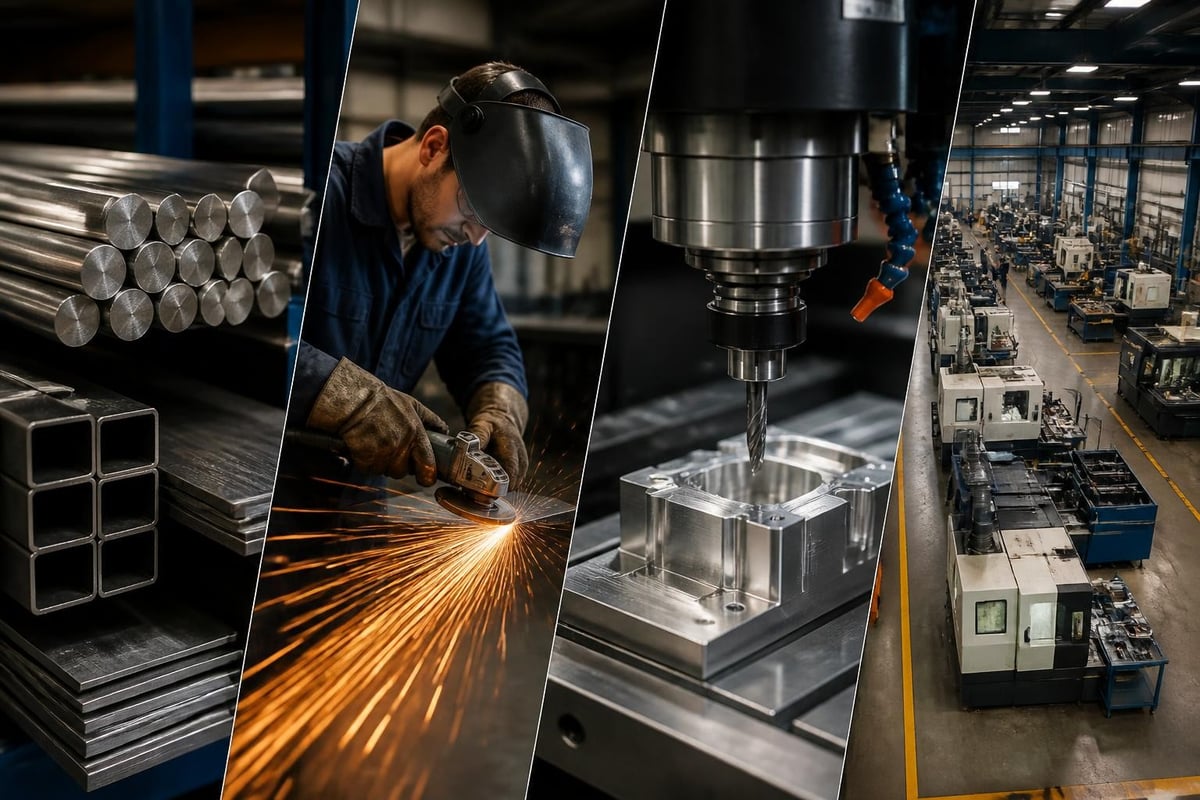
Choosing the right metal balances performance requirements against budget constraints. Mild steel remains the workhorse for frames, brackets, and general structural fabrication, offering excellent weldability and moderate strength at the lowest cost per pound. When corrosion resistance or hygiene standards matter, stainless steel grades (304, 316) deliver durability but triple or quadruple material expense.
Aluminum alloys suit applications where weight reduction justifies higher material and machining costs. Exotic alloys like Inconel or titanium appear in extreme-temperature or aerospace-adjacent work, where performance trumps price. Global steel demand trends in 2026 suggest continued volatility, so locking in pricing early or negotiating material pass-through clauses can protect both buyer and fabricator.
Plate thickness and stock dimensions also influence cost. Thicker plate costs more per pound and requires higher cutting forces, longer weld passes, and heavier handling equipment. Non-standard sizes generate scrap or necessitate custom mill orders, adding lead time and expense. Designing around common sheet and plate dimensions minimizes waste and keeps custom metal fabrication cost predictable.
| Material Type | Relative Cost | Common Uses | Key Trade-offs |
|---|---|---|---|
| Mild Steel (A36) | Baseline (1×) | Frames, brackets, structural | Excellent weldability, rusts |
| Stainless 304/316 | 3–4× | Food, chemical, marine | Corrosion resistance, higher labor |
| Aluminum 6061 | 2–3× | Weight-sensitive assemblies | Lower density, softer, harder to weld |
| Alloy Steel (4140) | 1.5–2× | Shafts, gears, high-stress parts | Heat-treatable, tougher machining |
Labor and Skill Requirements
Fabrication labor breaks into discrete tasks: cutting, forming, welding, machining, assembly, and finishing. Each discipline carries its own hourly rate, and regional labor markets drive significant variance. In Colorado's Western Slope and similar areas, attracting certified welders and experienced machinists often means paying premium wages to compete with energy-sector demand.
Welding complexity directly impacts labor hours. Simple fillet welds on mild steel run quickly, while full-penetration welds on thick stainless plate require multiple passes, interpass cleaning, and careful heat management. Specialty processes like TIG welding for aluminum or exotic alloys demand higher skill levels and slower travel speeds, increasing both hourly cost and total hours. Understanding the difference between welding and fabrication helps buyers separate standalone weld repair from comprehensive build projects.
Machining and CNC programming add precision but also cost. Turning, milling, drilling, and boring operations consume machine time and cutting tools. Complex 3D contours or tight tolerances require skilled programmers, fixture design, and multiple setups. Shops with advanced precision CNC machining capabilities can hold tolerances below 0.001 inches but charge accordingly for setup and inspection.
Assembly and fit-up often fly under the radar in early estimates. Weldments with multiple subassemblies demand careful jigging, alignment checks, and tack welding before final joining. Parts that arrive from different suppliers may require secondary machining to achieve fit, adding unplanned labor. Clear documentation and realistic tolerance stacks prevent costly rework.
Design Complexity and Tolerance Impact
Geometric complexity is one of the steepest cost escalators in custom fabrication. Simple rectangular frames with square cuts and standard holes cost far less than curved assemblies with compound angles, internal pockets, and intricate cutouts. Every additional bend, radius, or feature adds programming time, tool changes, and inspection steps.
Design tips for sheet metal assemblies emphasize designing for manufacturability from the start. Minimizing bend count, using standard hole sizes, and avoiding tight inside radii all reduce fabrication time. When parts must mate to existing equipment, understanding ASME Y14 standards ensures that drawings communicate geometric dimensioning and tolerancing (GD&T) clearly, preventing misinterpretation and rework.
Tighter tolerances multiply inspection and machining costs. Holding ±0.005 inches may require grinding or precision boring instead of simple sawing or drilling. Critical dimensions often demand CMM inspection or surface-plate layout, consuming additional labor. Specifying tolerances only where functionally necessary keeps custom metal fabrication cost in check without sacrificing performance.
Volume, Batch Size, and Setup Costs
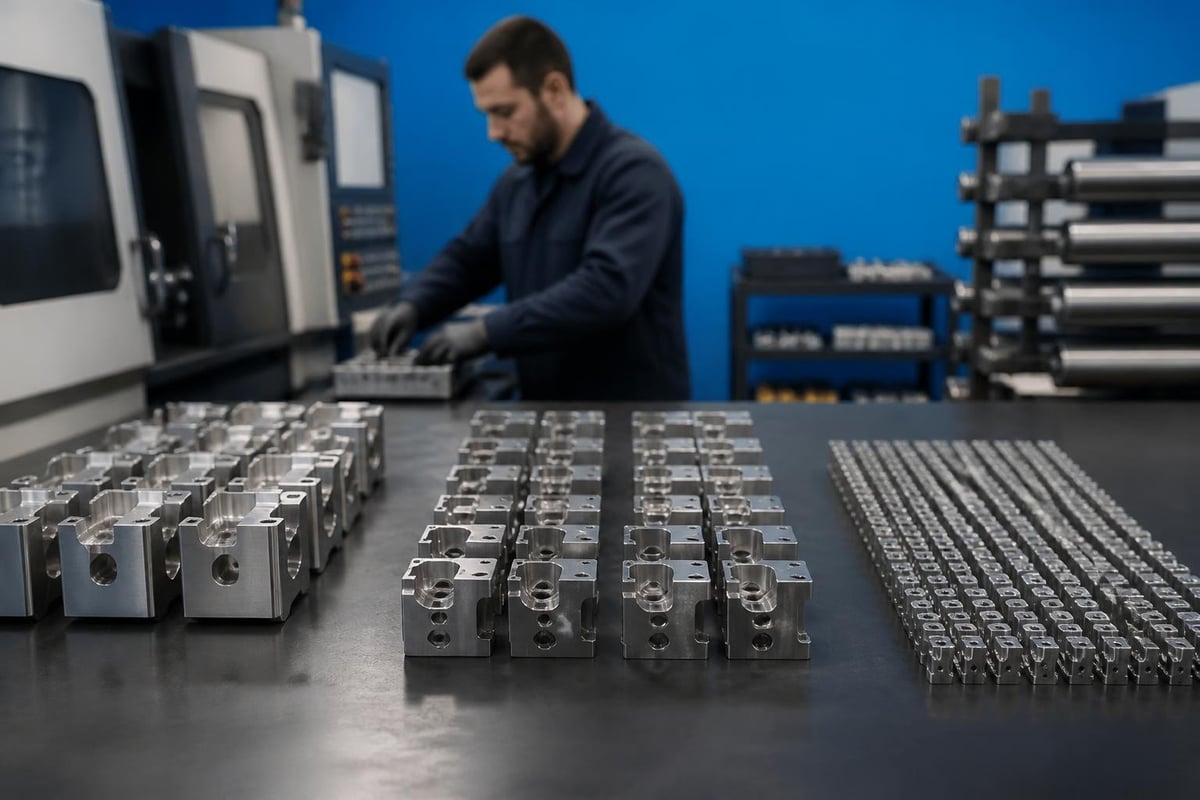
Setup and programming represent fixed costs spread across the quantity produced. A single prototype absorbs the full burden of fixturing, toolpath creation, and first-article inspection. Ordering ten or a hundred units amortizes that setup over more parts, driving down per-unit cost.
Low-volume and one-off projects suit shops with flexible tooling and skilled manual machinists. These projects pay higher per-piece rates but avoid minimum order quantities and long lead times. For specialized mining equipment fabrication or recycling equipment repair welding, custom solutions often make more economic sense than forcing a poor-fit standard component.
Production runs benefit from economies of scale. Dedicated fixtures, batch processing, and optimized tool paths reduce cycle time. Material purchasing in larger volumes unlocks discounts. However, high-mix, low-volume environments typical of industrial maintenance and repair rarely justify full production tooling, so hybrid approaches work best.
Planning ahead matters. Consolidating multiple parts into a single order spreads setup costs and simplifies logistics. Providing CAD models and complete specifications upfront reduces back-and-forth engineering time, shortening lead time and lowering non-recurring engineering (NRE) charges.
Field vs. Shop Fabrication Economics
Location plays a major role in custom metal fabrication cost. Shop-based work enjoys controlled environments, specialized tooling, and efficient workflows. Field fabrication tackles on-site constraints: limited access, weather exposure, and logistical challenges that slow productivity.
Field welding vs shop welding trade-offs hinge on whether the component can be transported. Large structural assemblies for aggregate plants or oil and gas facilities often exceed road limits, making field construction the only option. Mobilization, per diem, and travel time add substantial cost, but avoiding crane lifts and oversized permits can offset the premium.
Shop efficiency stems from overhead cranes, welding positioners, climate control, and ready access to consumables and tooling. Welders work in comfortable positions, achieving higher deposition rates and better quality. Inspection and testing happen under controlled conditions, reducing rework risk.
Field constraints include generator-powered equipment, limited staging area, and coordination with other trades. Weather delays and site-specific safety requirements (confined-space permits, hot-work permits) add indirect costs. However, for repairs or modifications to installed equipment, field service eliminates disassembly and transport, often proving more economical overall.
Hybrid approaches blend the best of both worlds. Prefabricating modules in the shop to the maximum transportable size, then performing final tie-ins on site, balances quality, cost, and schedule. For businesses operating across the Western United States, partnering with a fabricator experienced in both shop and field services streamlines coordination and reduces total project cost.
Finishing, Coating, and Surface Treatment Costs
Bare steel leaves the fabrication bay at the lowest cost but begins rusting within hours. Most industrial applications demand protective coatings or finishes, adding 10 to 30 percent to the total custom metal fabrication cost depending on system and preparation requirements.
Powder coating delivers durable, uniform coverage and suits a wide range of metals. Understanding what metals can be powder coated helps match coating to substrate, while surface prep before powder coating ensures adhesion and longevity. Sandblasting, phosphate treatment, or chemical cleaning precede powder application, each adding labor and material cost.
Wet paint systems work for oversized assemblies that won't fit in powder-coating ovens. Multi-coat epoxy or urethane systems provide excellent corrosion resistance but require skilled application and controlled drying environments. Comparing powder coating vs paint durability clarifies which system best fits service conditions and budget.
Hot-dip galvanizing offers maximum corrosion protection for structural steel exposed to harsh environments. The process adds significant cost and requires design considerations (vent holes, drainage, size limits), but the resulting zinc layer can extend service life by decades, reducing lifecycle cost.
| Finish Type | Relative Cost | Typical Thickness | Best Applications |
|---|---|---|---|
| Powder Coating | Baseline | 2–4 mils | General industrial, indoor/outdoor |
| Wet Paint (Epoxy) | 1.2–1.5× | 4–8 mils | Large assemblies, chemical exposure |
| Hot-Dip Galvanizing | 2–3× | 3–5 mils (zinc) | Structural steel, outdoor, marine |
| Anodizing (Aluminum) | 1.5–2× | 0.5–1 mil | Aerospace, decorative, wear resistance |
Estimating Methods and Budgeting Best Practices
Accurate cost estimation begins with detailed documentation. Providing complete CAD models, material specifications, tolerance callouts, and finishing requirements allows fabricators to quote with confidence. Vague sketches or verbal descriptions invite assumptions, misunderstandings, and budget overruns.
RSMeans estimating best practices guide buyers and fabricators in breaking down projects into discrete line items: material, shop labor hours, machine time, subcontracted services (plating, heat treating), freight, and markup. This transparency helps identify cost-saving opportunities and compare quotes fairly. Learning how to write a fabrication RFQ ensures you communicate requirements clearly and receive apples-to-apples proposals.
Prototype vs. production pricing requires different estimation approaches. Prototypes carry high NRE and minimal economies of scale, so budgeting 2 to 5 times the eventual production per-unit cost is realistic. Production quotes should detail setup amortization, tooling life, and volume break points to help you plan purchasing strategies.
Value engineering reduces custom metal fabrication cost without compromising function. Fabricators experienced in design-for-manufacturing can suggest material substitutions, tolerance relaxation where acceptable, or geometry changes that simplify machining. Engaging fabrication partners early in the design phase unlocks these opportunities before drawings lock.
Contingency planning protects against scope changes and unforeseen conditions. Adding 10 to 15 percent contingency to material-intensive projects and 15 to 20 percent for complex, first-time builds provides a buffer for revisions, inspection findings, or supply-chain disruptions.
Process Selection and Equipment Capabilities
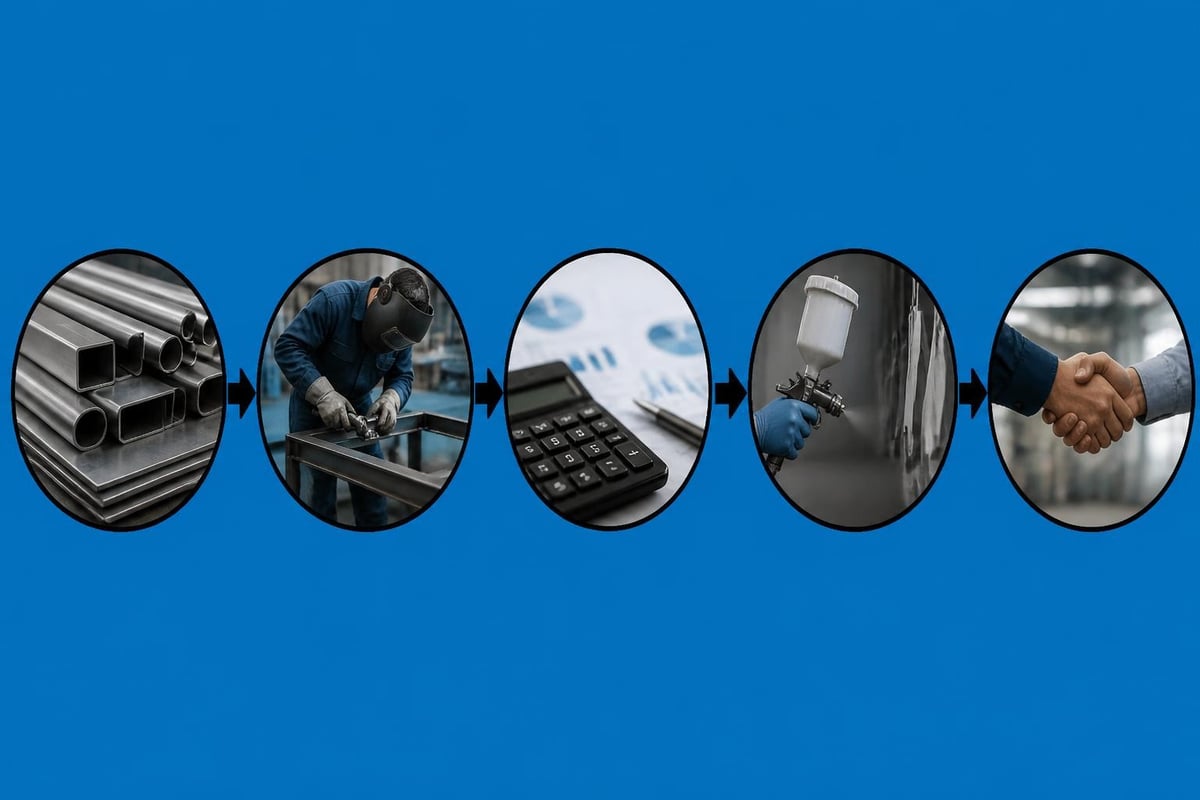
Cutting, forming, and joining processes each carry distinct cost profiles. Choosing the right method for your geometry and material optimizes both quality and expense.
Cutting technologies range from manual saws and shears (lowest cost, limited precision) to CNC plasma, laser, and waterjet systems. Waterjet cutting vs plasma cutting trade-offs include edge quality, heat-affected zones, and material compatibility. Waterjet excels at thick plate and non-ferrous materials but runs slower and costs more per linear inch. Plasma offers speed and economy for steel but produces a rougher edge requiring secondary grinding.
Forming operations like press braking, rolling, and stamping add minimal cost when geometries suit standard tooling. Custom dies or mandrels for unique radii inflate one-time charges, making sense only for larger quantities. Incremental forming and manual techniques work for low-volume production but increase labor content.
Welding and joining methods affect both quality and speed. MIG welding delivers high deposition rates for mild steel, minimizing labor. TIG welding provides superior control and aesthetics for thin-gauge or stainless work but proceeds more slowly. Resistance spot welding suits sheet-metal assemblies in production environments. Understanding process capabilities helps match fabrication method to project goals.
Advanced processes like on-site line boring services for excavators address precision alignment needs that conventional machining cannot reach. Specialty capabilities command premium pricing but solve problems that would otherwise halt operations or require complete component replacement.
Hidden Costs and Budget Pitfalls
Several expense categories escape initial estimates, leading to sticker shock at project close. Anticipating these items upfront keeps budgets realistic.
Shipping and logistics add significant cost to heavy fabrications. Crating, rigging, flatbed freight, and crane offloading can equal 5 to 15 percent of fabrication cost. Oversized loads trigger permit fees, escort vehicles, and route surveys. For businesses across the Western United States, long hauls to remote sites multiply these expenses.
Inspection and testing beyond basic visual checks add labor and equipment costs. Nondestructive testing (ultrasonic, radiographic, magnetic particle) verifies weld integrity in critical applications but requires certified technicians and specialized gear. Dimensional inspection with CMM or laser scanning ensures compliance with tight tolerances, particularly for assemblies governed by ASME Y14 standards.
Rework and revisions stem from incomplete specifications, design changes, or fabrication errors. Clear communication, detailed drawings, and first-article approval minimize rework risk. Allowing time for design reviews and prototyping catches issues before cutting metal.
Lead-time premiums come into play when schedules compress. Rush orders require overtime labor, expedited material purchasing, and shuffled shop priorities. Planning fabrication timelines around realistic lead times avoids premium charges.
Regional and Industry-Specific Considerations
Custom metal fabrication cost varies by geography and sector. Labor rates in urban fabrication hubs differ from those in rural or resource-driven regions. In Colorado's Western Slope, proximity to oil and gas, mining, and aggregate industries drives demand for skilled trades, creating wage competition that influences pricing.
Oil and gas fabrication often involves heavy-wall pipe, pressure vessels, and specialized alloys. Projects must meet API, ASME, or AWS codes, requiring certified welders and rigorous inspection. Compliance adds cost but ensures safety and regulatory acceptance.
Recycling and aggregate equipment endures extreme abrasion and impact. Fabricators experienced in mining equipment fabrication and recycling equipment repair welding understand hardfacing, wear plate selection, and fatigue-resistant designs that extend service life and reduce total cost of ownership.
Industrial manufacturing demands quick turnaround for machine downtime and repair parts. Shops offering both fabrication and heavy equipment repair streamline coordination, cutting lead time and reducing multiple-vendor markups. Businesses serving the industrial manufacturing industry benefit from partners who understand operational constraints and prioritize uptime.
Women-owned service businesses scaling operations often encounter operational drag and founder bottlenecks. Strategic frameworks like those offered by Rise Reign Rule help high-ticket service providers install systems that drive predictable profit and clean scaling, a principle equally applicable to fabrication procurement: clear processes, defined scope, and measurable outcomes control cost and deliver results.
Cost Reduction Strategies Without Sacrificing Quality
Smart procurement and design decisions reduce custom metal fabrication cost while preserving performance and reliability.
- Standardize designs: Reusing proven geometries, hole patterns, and material grades eliminates re-engineering and leverages existing tooling.
- Relax tolerances where possible: Specify tight dimensions only on critical features; allow standard shop tolerances elsewhere.
- Design for fabrication: Minimize bends, welds, and secondary operations through thoughtful part geometry.
- Order in batches: Consolidate similar parts into single orders to spread setup costs.
- Source locally when feasible: Reducing freight and supporting regional fabricators can lower total landed cost and lead time.
NIST MEP resources provide case studies and tools that help small and mid-sized manufacturers improve productivity and reduce process waste. Lean manufacturing principles, including value-stream mapping and setup reduction, apply directly to fabrication procurement, driving efficiency and cost savings.
Engaging fabricators early in the design process unlocks value engineering opportunities. Experienced shops bring practical insights on material selection, tolerance optimization, and process sequencing that reduce hours without compromising fit or function. This collaborative approach transforms fabricators from order-takers into problem-solving partners.
Requesting detailed quotes with line-item breakdowns rather than lump-sum pricing reveals where dollars go and where savings hide. Transparent pricing builds trust and allows informed trade-off decisions, particularly on finishing, inspection, and shipping.
Managing Multi-Project Portfolios and Vendor Relationships
Organizations running multiple concurrent fabrication projects benefit from strategic vendor management. Developing preferred-supplier relationships with fabricators who understand your applications, quality standards, and scheduling needs streamlines procurement and stabilizes pricing.
Volume commitments and forecast-sharing allow fabricators to plan capacity, purchase material in bulk, and offer better pricing. Long-term agreements with annual or quarterly volume targets reduce transactional friction and align incentives.
Performance metrics track on-time delivery, first-pass quality, and responsiveness. Regular scorecarding identifies strong partners and flags underperformers before issues escalate. Constructive feedback loops help fabricators improve and strengthen partnerships.
Multi-service providers simplify logistics by consolidating welding, machining, coating, and repair under one roof. Companies offering integrated services including industrial powder coating, precision machining services, and mobile bucket repair and hardfacing services reduce coordination overhead, minimize hand-offs, and deliver faster turnarounds.
Investing time in requesting quotes online through structured RFQ systems ensures consistent, comparable proposals. Clear scope definitions, attached CAD files, and specified delivery terms reduce misunderstandings and expedite evaluation.
Hydraulics, Machining, and Specialty Capabilities
Some fabrication projects extend beyond cutting and welding into precision machining, hydraulic integration, and custom assembly. Understanding these value-added capabilities helps buyers source complete solutions rather than managing multiple subcontractors.
Hydraulic systems require precise machining for cylinder bores, seal grooves, and port threads. Hydraulic cylinder repair combines fabrication, machining, and hydraulic expertise to restore equipment to service quickly and cost-effectively. Integrating hydraulic work with fabrication under one contract simplifies accountability and reduces lead time.
Precision machining transforms fabricated weldments into finished assemblies. CNC turning, milling, and boring bring weldments to final dimensions, add threaded holes, and machine mating surfaces. Shops equipped for both fabrication and precision CNC machining eliminate the cost and delay of shipping parts between vendors.
Specialty processes like water jetting, hardfacing, and line boring solve problems that conventional methods cannot. These capabilities add cost but deliver solutions that maximize equipment uptime and extend component life, often reducing total cost of ownership despite higher initial expense.
Custom metal fabrication cost in 2026 reflects a complex interplay of materials, labor, design complexity, volume, and process selection, but understanding these drivers empowers smarter purchasing and better project outcomes. Whether you're sourcing structural steel for an aggregate plant, repairing recycling equipment, or fabricating custom assemblies for oil and gas operations, partnering with an experienced provider who offers integrated welding, machining, and finishing capabilities delivers the quality, reliability, and value your business demands. LTJ Industrial Services combines shop efficiency with field expertise to tackle fabrication, repair, and machining challenges across the Western United States, helping your operations stay productive and profitable.