Modern industrial operations depend on reliable equipment and precision engineering to maintain competitive advantage. Commercial machine services encompass the specialized technical capabilities that keep manufacturing facilities, oil and gas operations, and aggregate processors running at peak efficiency. These services range from precision machining and metal fabrication to emergency repairs and preventative maintenance programs designed to minimize downtime and maximize return on investment across the Western United States.
Understanding Commercial Machine Services in Industrial Operations
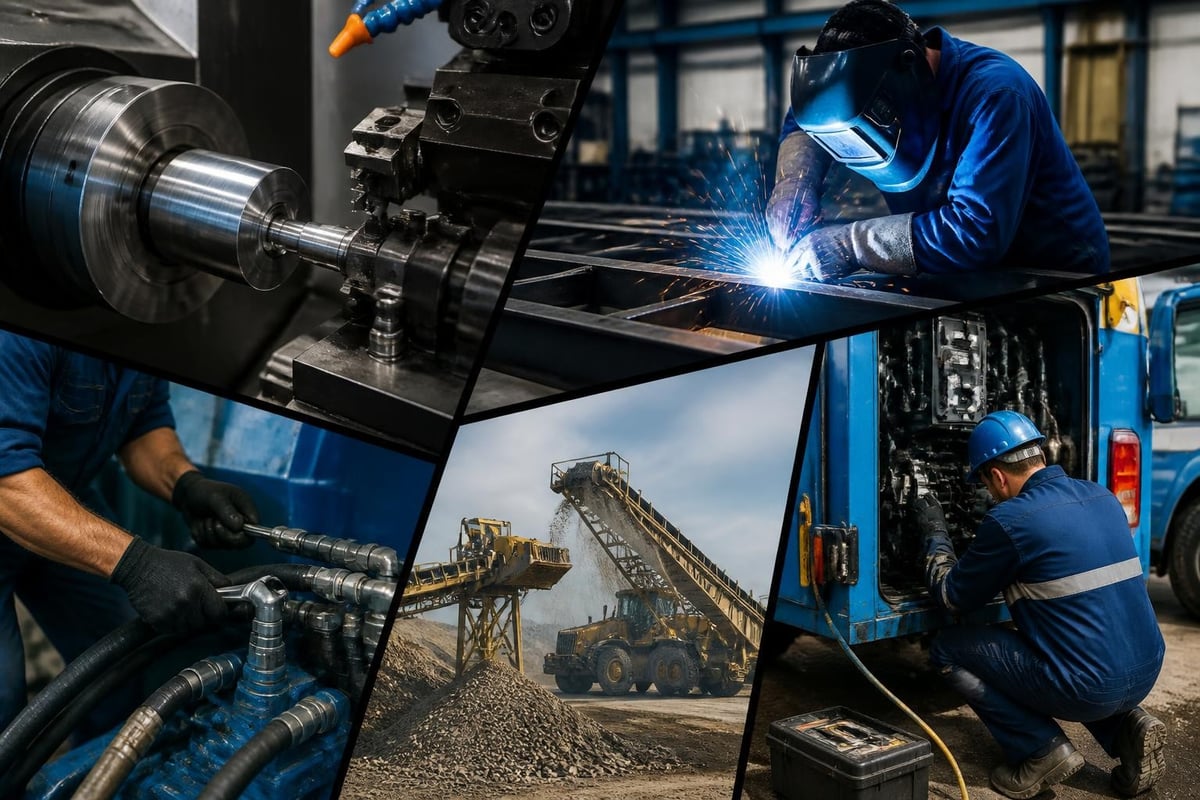
Commercial machine services represent a comprehensive suite of technical capabilities that support industrial manufacturing and processing operations. Unlike consumer-level repair work, these services address the complex demands of heavy-duty equipment, specialized machinery, and mission-critical systems that power everything from recycling facilities to oil production platforms.
Core Components of Professional Machine Services
The foundation of effective commercial machine services rests on multiple technical disciplines working in concert:
- Precision machining and CNC operations for custom parts and components
- Welding and metal fabrication including ASME code welding for pressure systems
- Hydraulic system repair and maintenance for heavy equipment
- Emergency field services to address critical breakdowns
- Preventative maintenance programs designed for specific industries
Organizations like ServiceTitan’s 2025 Commercial Service Market Survey demonstrate that 66% of commercial contractors report stable or growing revenues, highlighting the increasing demand for reliable service providers.
Industry-Specific Applications
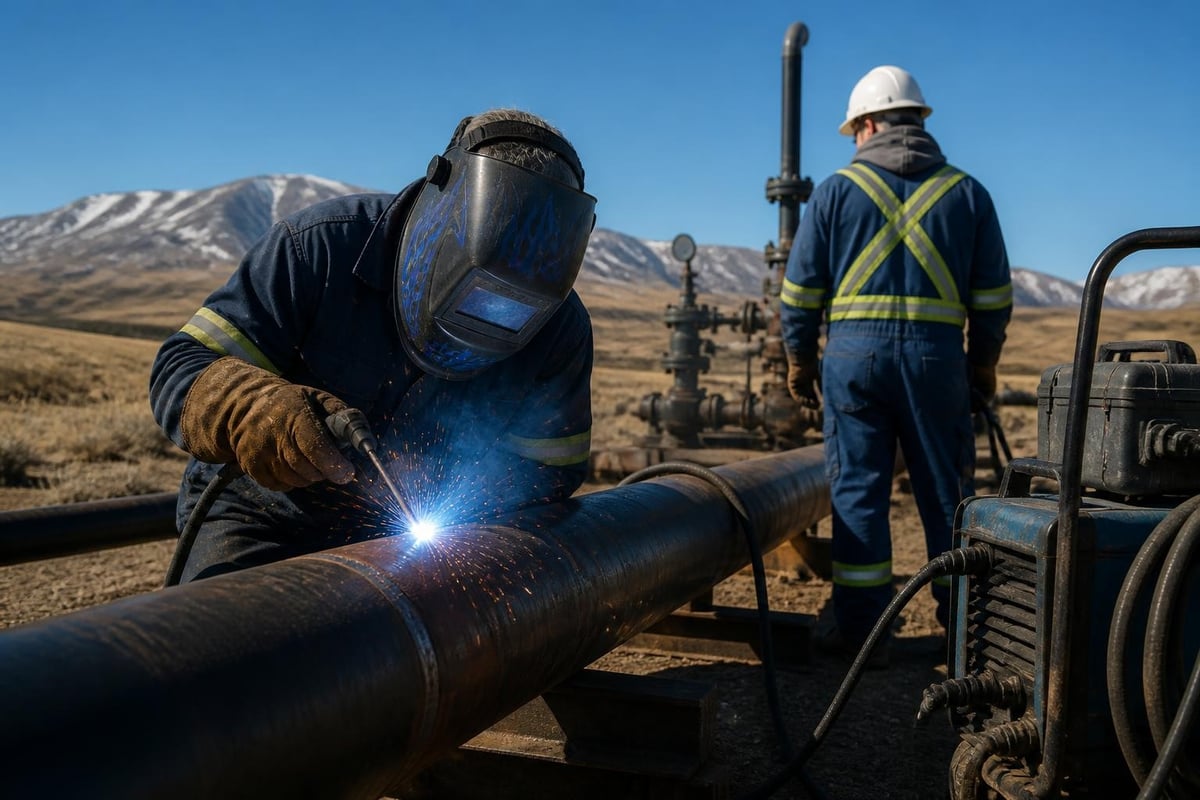
Different sectors require specialized approaches to commercial machine services. The aggregate industry demands robust equipment capable of processing tons of material daily, while oil and gas operations require ASME code welding services for pressure piping to maintain safety and compliance standards.
Recycling facilities present unique challenges with abrasive materials and continuous operation requirements. Understanding these industry-specific needs allows service providers to deliver targeted solutions that address actual operational challenges rather than generic maintenance approaches.
The Evolution of Machine Service Delivery Models
The machinery service industry is undergoing significant transformation. According to Bain & Company’s analysis, Industry 4.0 technologies are reshaping the sector from product-centric to service-oriented models. This shift affects how commercial machine services are delivered, priced, and optimized.
Traditional Versus Modern Service Approaches
| Approach | Traditional Model | Modern Service Model |
|---|---|---|
| Response Time | Scheduled maintenance only | Predictive + emergency response |
| Service Location | Primarily shop-based | Shop and field capabilities |
| Technology Integration | Limited diagnostic tools | Advanced monitoring systems |
| Pricing Structure | Time and materials | Value-based partnerships |
Modern commercial machine services integrate both reactive and proactive strategies. While emergency mobile industrial welding services remain essential for unexpected failures, forward-thinking operations emphasize predictive maintenance to prevent costly breakdowns.
Field Service Transformation
Field service capabilities have become increasingly sophisticated. The ability to bring commercial machine services directly to industrial sites eliminates transportation costs and reduces downtime significantly. Field service trends for 2026 indicate that digital transformation and mobile capabilities are driving commercial growth across the sector.
This evolution particularly benefits remote operations common in the Western United States, where bringing equipment to a shop may require significant logistics coordination. On-site services for oil and gas fabrication needs demonstrate how field capabilities support operations in challenging environments.
Critical Service Categories for Industrial Success
Precision Machining and Fabrication
Precision machining forms the backbone of commercial machine services, enabling the creation of custom components that meet exact specifications. CNC capabilities allow for repeatable accuracy across production runs, essential for maintaining equipment standardization across large facilities.
Key machining capabilities include:
- Custom part production for obsolete equipment
- Modification of existing components for improved performance
- Prototype development for new system installations
- High-tolerance work for critical applications
- Material-specific expertise across metals and alloys
The integration of industrial fabrication services with machining creates comprehensive solutions. Rather than sourcing components from multiple vendors, industrial operations benefit from single-source providers who understand how fabricated structures and machined components interact within larger systems.
Welding Services for Industrial Applications
Welding represents a critical element of commercial machine services, particularly in industries requiring pressure vessel certification and structural integrity. Different applications demand different welding approaches, from stick welding for field repairs to TIG welding for precision work on thin materials.
Certified welding capabilities ensure compliance with industry standards and safety regulations. Facilities handling pressurized systems require certified pressure vessel welding and repair services to maintain operational licenses and insurance coverage.
Hydraulic System Expertise
Hydraulic systems power much of the heavy equipment used in aggregate, recycling, and construction operations. Commercial machine services addressing hydraulics repair and maintenance prevent catastrophic failures that can halt entire production lines.
Common hydraulic services include:
- Cylinder rebuilding and seal replacement
- Pump and motor repair
- System contamination analysis and flushing
- Pressure testing and calibration
- Custom hose assembly and installation
Hydraulic expertise requires understanding both mechanical and fluid dynamics principles. Service providers must diagnose problems that may stem from contamination, wear, improper pressure settings, or component failures.
Preventative Maintenance: The Foundation of Reliability
Preventative maintenance programs represent the most cost-effective approach to commercial machine services. Best practices for preventative maintenance emphasize regular inspections, systematic component replacement, and data-driven scheduling based on actual equipment usage rather than arbitrary timelines.
Building Effective Maintenance Programs
Successful preventative maintenance requires:
- Equipment inventory and criticality assessment – identifying which systems have the greatest operational impact
- Baseline performance documentation – establishing normal operating parameters
- Inspection schedules based on manufacturer recommendations – adjusted for actual operating conditions
- Predictive monitoring integration – using vibration analysis, thermal imaging, and oil sampling
- Documentation systems – tracking all maintenance activities and equipment history
Organizations that invest in comprehensive turnkey plant maintenance and shutdown services experience fewer emergency situations and longer equipment lifecycles. The upfront investment in systematic maintenance delivers returns through reduced downtime and lower total cost of ownership.
Scheduled Shutdown Optimization
Major industrial facilities require periodic shutdowns for comprehensive maintenance that cannot be performed during operation. Effective commercial machine services providers approach these shutdowns as precision-planned events rather than simple downtime periods.
| Shutdown Phase | Activities | Success Metrics |
|---|---|---|
| Pre-Shutdown | Scope definition, parts procurement, team coordination | Materials ready, schedule finalized |
| Execution | Inspection, repair, replacement, testing | On-time completion, safety record |
| Post-Shutdown | Documentation, performance verification, lessons learned | Return to full production, issue resolution |
The compressed timeline of shutdowns demands exceptional coordination. Service providers must mobilize complete teams, ensure all necessary parts and materials are on-site, and execute complex repairs within narrow time windows.
Specialized Capabilities for Niche Industries
Aggregate and Recycling Operations
Aggregate processing and recycling facilities subject equipment to extreme wear conditions. Commercial machine services for these sectors must address abrasion, impact damage, and continuous duty cycles. Equipment like crushers, screens, and conveyors require specialized knowledge for effective maintenance and repair.
Industrial machinery refurbishment and maintenance extends equipment life in these demanding environments. Rather than replacing entire systems, refurbishment programs systematically address wear components while preserving the structural integrity of major assemblies.
Oil and Gas Industry Requirements
The oil and gas sector presents unique challenges for commercial machine services. Operations often occur in remote locations with harsh environmental conditions. Equipment must meet strict safety standards and maintain reliable performance under pressure.
Service providers supporting this industry need:
- ASME certification for pressure vessel and piping work
- Field service capabilities for remote well sites and production facilities
- Emergency response readiness for critical system failures
- Regulatory compliance expertise for environmental and safety standards
- Materials knowledge for corrosive and high-pressure applications
Quality Standards and Certification Requirements
Professional commercial machine services operate under rigorous quality standards. Industries like oil and gas, food processing, and pharmaceuticals require documented quality systems and certified processes. Service providers must maintain:
Essential certifications and standards:
- ASME code certification for pressure vessel work
- AWS welding certifications for critical applications
- ISO quality management systems
- Industry-specific safety certifications
- Environmental compliance documentation
Quality systems ensure consistency across all service delivery. Whether performing custom metal fabrication in a shop environment or executing emergency repairs in the field, documented procedures maintain standards regardless of location or circumstances.
Workforce Development and Technical Expertise
The technical workforce shortage presents significant challenges for commercial machine services. According to industry surveys, labor shortages rank among the top concerns for contractors despite stable revenue growth. Developing and retaining skilled technicians requires investment in training, competitive compensation, and career development opportunities.
Organizations committed to quality welders and machinists invest in continuous education. Certifications must be maintained, new technologies require training, and safety standards evolve with industry developments.
Strategic Partnership Versus Transactional Services
The relationship between industrial operations and commercial machine services providers can follow different models. Transactional relationships involve calling service providers only when problems arise, while strategic partnerships integrate service providers into operational planning and preventative programs.
Benefits of Partnership Approaches
Strategic partnerships deliver advantages beyond emergency repairs:
- Proactive equipment monitoring identifies potential failures before breakdowns occur
- Optimized parts inventory reduces lead times for common repairs
- Integrated planning aligns maintenance with production schedules
- Cost predictability through service agreements and planned maintenance budgets
- Performance metrics track equipment reliability and service effectiveness
Research from Bain & Company on field service evolution demonstrates how big data and new commercial models transform service delivery. Providers who understand their clients' operational patterns can optimize service timing, resource allocation, and preventative interventions.
Service Level Agreements and Performance Metrics
Formal service agreements establish clear expectations for commercial machine services. These agreements typically address:
- Response time commitments for emergency situations
- Scheduled maintenance frequencies and scope
- Parts availability and procurement responsibilities
- Documentation and reporting requirements
- Performance standards and quality metrics
Well-structured agreements align incentives between service providers and industrial operators. Rather than profiting from equipment failures, partnership models reward reliability and operational uptime.
Technology Integration in Modern Machine Services
Digital transformation affects how commercial machine services are delivered and managed. Modern approaches incorporate technology at multiple levels, from diagnostic equipment to customer communication platforms.
Diagnostic and Monitoring Technologies
Advanced diagnostic capabilities enable more effective troubleshooting and preventative maintenance:
- Vibration analysis detects bearing wear and alignment issues
- Thermal imaging identifies electrical problems and insulation failures
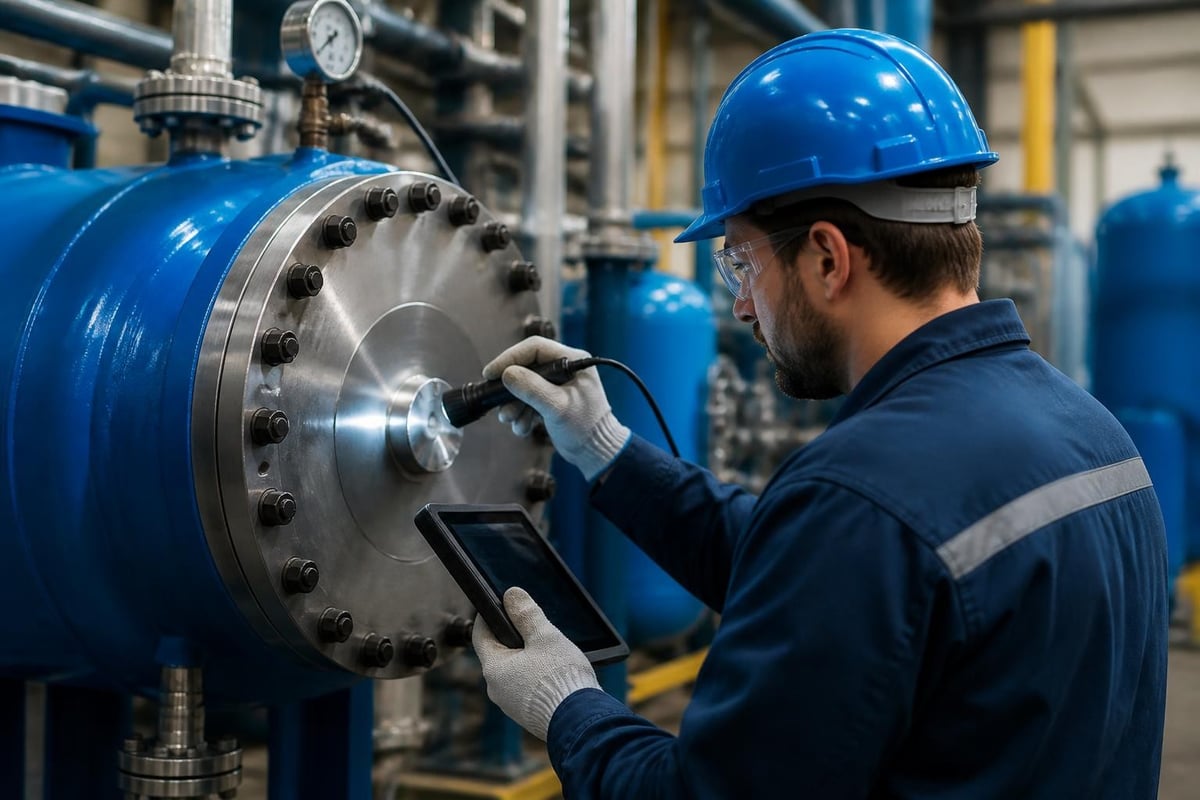
- Ultrasonic testing reveals structural defects and leaks
- Oil analysis monitors contamination and wear particles
- Non-destructive testing verifies weld integrity without damaging components
These technologies support data-driven decision making. Rather than replacing components based solely on age or visual inspection, maintenance decisions can be based on actual condition assessment.
Documentation and Communication Systems
Professional commercial machine services maintain comprehensive documentation of all work performed. Digital systems track equipment history, service records, parts replacement, and performance trends. This historical data becomes invaluable for:
- Warranty claims and equipment performance analysis
- Regulatory compliance and audit requirements
- Future service planning and budget forecasting
- Root cause analysis of recurring problems
- Knowledge transfer when personnel changes occur
Mobile technology enables real-time updates from field technicians. Rather than waiting for written reports after service completion, operations managers can monitor progress, review photos of work in progress, and approve scope changes immediately.
Regional Considerations for Service Delivery
Commercial machine services in the Western United States face unique geographic and logistical challenges. The region's vast distances, remote industrial sites, and diverse industries require service providers with broad capabilities and mobile resources.
Field Service Logistics
Effective field service delivery requires:
- Mobile equipment and tools capable of performing most repairs on-site
- Parts inventory strategies that balance availability against carrying costs
- Geographic coverage areas clearly defined and communicated
- Emergency response protocols for critical situations
- Weather and access considerations particularly in winter months and remote locations
Service providers operating across multiple states must understand varying regulatory requirements, permit processes, and environmental standards. What's acceptable in one jurisdiction may require different approaches elsewhere.
Industry Concentration and Specialization
Different regions within the Western United States show concentration in specific industries. Colorado's oil and gas activity differs from aggregate operations in Nevada or recycling facilities in California. Successful commercial machine services providers either specialize deeply in particular industries or maintain broad capabilities across multiple sectors.
Understanding regional industry patterns allows for better resource allocation. Providers can position equipment, inventory parts for common repairs, and develop relationships with local suppliers who support their service delivery.
Maintaining operational reliability in industrial manufacturing requires specialized commercial machine services that combine technical expertise, responsive field capabilities, and systematic preventative programs. Whether addressing emergency breakdowns or implementing comprehensive maintenance strategies, the right service partner becomes an extension of your operational team. LTJ Industrial Services delivers complete machining, welding, and fabrication solutions throughout the Western United States, supporting oil and gas, aggregate, and recycling operations with both shop and field capabilities designed to keep your equipment running when it matters most.