The industrial manufacturing landscape demands solutions that fit precise specifications, challenging environments, and unique operational requirements. Custom welding and fabrication has emerged as the cornerstone of modern industrial innovation, enabling businesses across the oil and gas, aggregate, and recycling sectors to build components that standard off-the-shelf products cannot deliver. From pressure vessels to specialized machinery parts, these tailored metalworking solutions provide the flexibility, durability, and performance that keep Western United States industries competitive and operational.
Understanding Custom Welding and Fabrication Fundamentals
Custom welding and fabrication represents a specialized approach to metalworking where projects begin with specific design requirements rather than standardized templates. This process combines engineering expertise, advanced welding techniques, and precision fabrication to create components that match exact dimensional tolerances and performance specifications.
The distinction between standard and custom work becomes critical when industrial operations face unique challenges. Standard fabrication relies on predetermined designs and dimensions, suitable for common applications but limited in adaptability. Custom solutions start with client consultations, engineering assessments, and detailed planning to address specific operational needs.
Core Components of the Custom Process
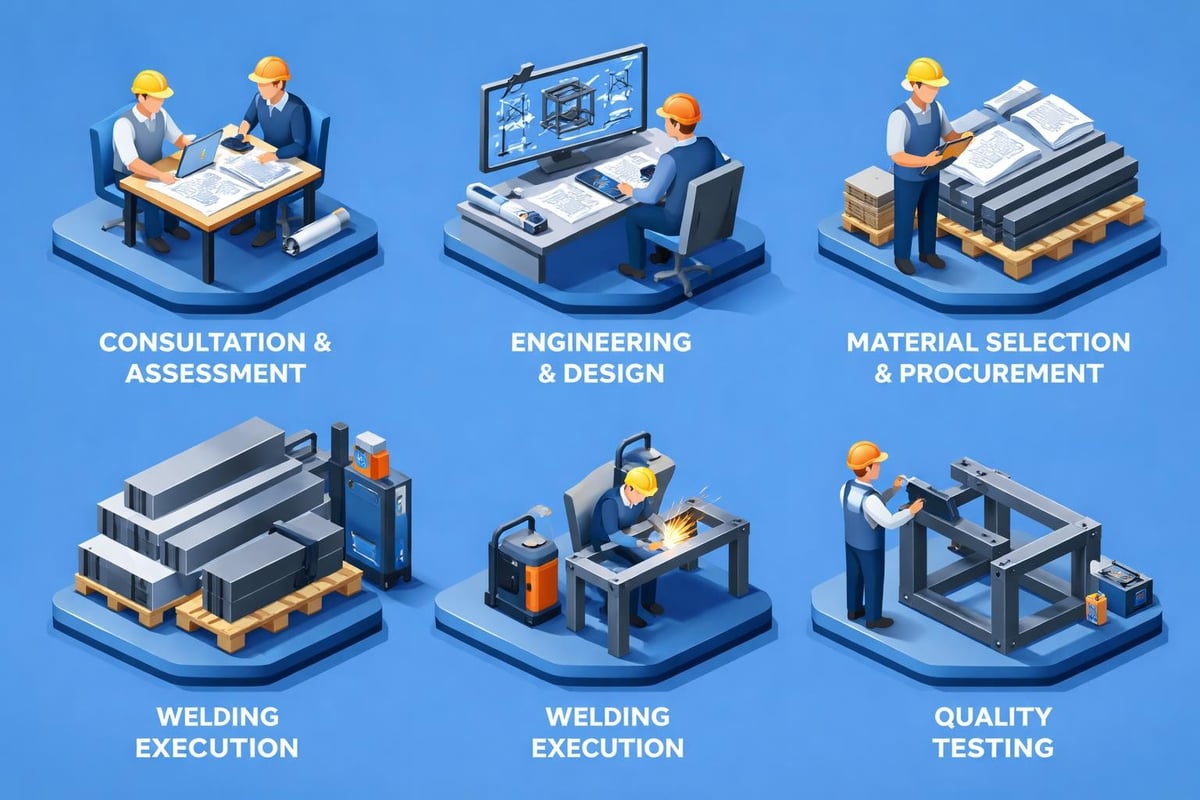
Every custom project follows a structured workflow that ensures quality and precision from concept to completion:
- Initial consultation and needs assessment – Engineers evaluate project requirements, environmental factors, and performance expectations
- Design and engineering phase – CAD modeling, structural calculations, and material selection based on application demands
- Material procurement – Sourcing metals and alloys that meet strength, corrosion resistance, and temperature specifications
- Fabrication and welding execution – Cutting, forming, and joining materials using appropriate techniques
- Quality inspection and testing – Non-destructive testing, dimensional verification, and performance validation
- Finishing and delivery – Surface treatments, protective coatings, and installation support
This systematic approach ensures that industrial fabrication services deliver components that integrate seamlessly into existing operations while meeting regulatory requirements.
Materials and Welding Techniques for Industrial Applications
Material selection fundamentally influences the performance and longevity of fabricated components. Industrial environments expose metal structures to extreme temperatures, corrosive chemicals, high pressures, and mechanical stresses that standard materials cannot withstand.
Common Materials in Custom Fabrication
| Material Type | Primary Applications | Key Advantages | Typical Industries |
|---|---|---|---|
| Carbon Steel | Structural supports, pressure vessels, piping | Cost-effective, high strength, weldability | Oil & gas, aggregate, construction |
| Stainless Steel | Chemical processing equipment, food-grade systems | Corrosion resistance, hygiene compliance | Recycling, manufacturing, processing |
| Aluminum | Lightweight structures, transportation equipment | Weight reduction, corrosion resistance | Aerospace, automotive, material handling |
| Alloy Steel | High-stress components, wear-resistant parts | Enhanced strength, temperature stability | Mining, heavy equipment, energy |
Recent research on structural performance differences between fabrication methods demonstrates how material processing techniques significantly impact component reliability and load-bearing capabilities.
Essential Welding Processes
MIG (Metal Inert Gas) Welding provides versatility and speed for carbon steel and stainless steel projects, making it ideal for general fabrication work and repair applications. The process uses continuous wire feed and shielding gas to create clean, strong welds on materials ranging from thin gauge to heavy plate.
TIG (Tungsten Inert Gas) Welding delivers precision and aesthetic quality for critical applications requiring clean, spatter-free welds. This technique excels with stainless steel, aluminum, and exotic alloys where contamination control and visual appearance matter. Advancements in AI-driven autonomous adaptive feedback welding are enhancing TIG precision and consistency.
Stick Welding (SMAW) remains essential for field work, outdoor applications, and heavy structural components where portability and penetration depth outweigh speed considerations.
Flux-Cored Arc Welding (FCAW) combines the productivity of MIG with the versatility of stick welding, particularly valuable for thicker materials and outdoor environments common in oil and gas operations.
Applications Across Industrial Sectors
Custom welding and fabrication serves diverse industries throughout the Western United States, each with distinct requirements and performance standards. Understanding sector-specific applications helps businesses identify opportunities for operational improvements through tailored metalworking solutions.
Oil and Gas Industry Solutions
The energy sector demands components that withstand extreme pressures, corrosive environments, and temperature fluctuations while maintaining safety compliance. Oil and gas fabrication projects include:
- Pipeline supports and mounting brackets designed for specific terrain and environmental conditions
- Pressure vessel modifications and repairs that extend equipment lifespan
- Wellhead equipment and structural supports engineered for field installation
- Custom piping assemblies that meet ASME code requirements for pressure piping systems
Specialized ASME code welding services ensure that pressure-containing components meet regulatory standards and pass rigorous inspection protocols.
Aggregate and Mining Applications
Aggregate operations subject equipment to continuous abrasion, impact forces, and heavy loads that accelerate wear and failure. Custom fabrication addresses these challenges through:
- Wear-resistant chute liners fabricated from abrasion-resistant steel alloys
- Conveyor system components designed for specific material handling requirements
- Screen deck modifications that optimize particle separation efficiency
- Crusher housing repairs and reinforcements extending equipment operational life
Recycling Industry Components
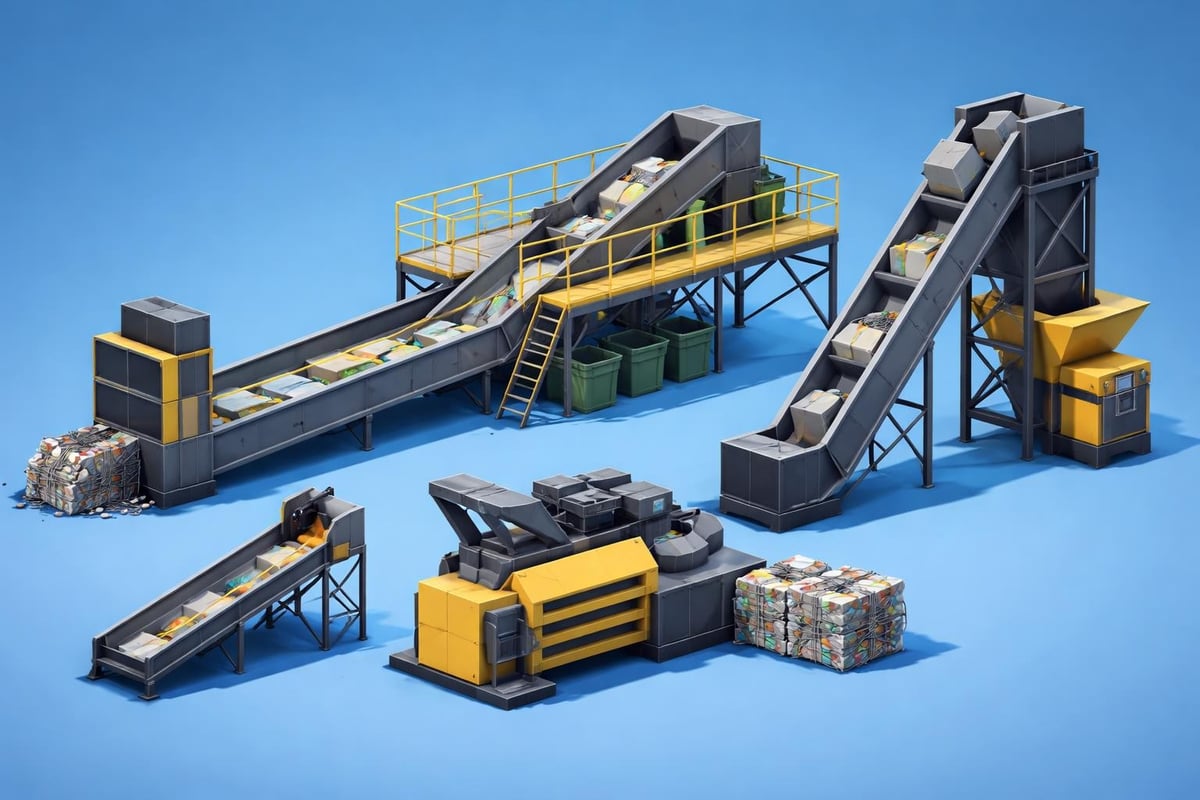
Recycling facilities process diverse materials under harsh conditions requiring durable, adaptable equipment. Custom solutions include sorting equipment frames, baler components, and material handling systems designed for rapid maintenance and modification as processing needs evolve.
Quality Standards and Certification Requirements
Industrial custom welding and fabrication operates within a framework of quality standards, certifications, and inspection protocols that ensure safety, reliability, and regulatory compliance. These requirements vary by industry, application, and geographic location but share common objectives of structural integrity and performance validation.
Welding Certifications and Standards
Professional welders maintain certifications demonstrating competency with specific processes, materials, and positions. The American Welding Society (AWS) establishes standards that govern welder qualification, procedure specifications, and inspection criteria. Their Welding Journal provides ongoing education on evolving technologies and best practices.
Key certification areas include:
- AWS D1.1 – Structural welding code for steel construction and fabrication
- AWS D1.6 – Stainless steel structural welding requirements
- ASME Section IX – Welding and brazing qualifications for pressure equipment
- API 1104 – Welding of pipelines and related facilities in oil and gas operations
Inspection and Testing Methods
Quality assurance in custom fabrication relies on comprehensive inspection protocols that verify dimensional accuracy, weld integrity, and material properties:
- Visual inspection – Surface examination for defects, discontinuities, and workmanship quality
- Dimensional verification – Measurement confirmation using precision instruments and CMM equipment
- Non-destructive testing (NDT) – Ultrasonic, radiographic, magnetic particle, and dye penetrant testing
- Destructive testing – Mechanical property verification through tensile, bend, and impact testing
- Pressure testing – Hydrostatic or pneumatic testing of pressure-containing components
These rigorous protocols ensure that custom fabrication and welding projects meet or exceed specification requirements before entering service.
Design Considerations for Custom Projects
Successful custom fabrication begins with thoughtful design that balances performance requirements, manufacturing feasibility, and cost-effectiveness. Engineers and fabricators collaborate to optimize designs for strength, durability, and practical production.
Engineering Analysis and Optimization
Finite element analysis (FEA) allows engineers to simulate stress distribution, identify potential failure points, and optimize material usage before fabrication begins. This computational approach reduces over-engineering, minimizes material waste, and validates design assumptions against real-world loading conditions.
Design for manufacturability principles ensure that custom components can be efficiently fabricated with available equipment and processes. Considerations include weld accessibility, material handling during fabrication, and assembly sequence planning.
Material Selection Criteria
Choosing appropriate materials involves evaluating multiple factors beyond basic strength requirements:
- Corrosion resistance – Chemical exposure, atmospheric conditions, and galvanic compatibility
- Temperature performance – Thermal expansion, high-temperature strength retention, and low-temperature brittleness
- Mechanical properties – Yield strength, tensile strength, ductility, and impact toughness
- Weldability – Preheat requirements, filler metal compatibility, and post-weld heat treatment needs
- Availability and cost – Material lead times, regional availability, and total project economics
The growing integration of artificial intelligence and machine learning in custom fabrication enables data-driven material selection based on performance databases and historical project outcomes.
Advanced Technologies Transforming Custom Fabrication
The welding and fabrication industry continues evolving through technological innovations that enhance precision, efficiency, and quality. Modern shops integrate automation, monitoring systems, and digital tools that were unavailable just a decade ago.
Automation and Robotic Welding
Automated welding systems deliver consistency and repeatability for production runs and complex geometries. Robotic arms programmed with precise weld paths execute identical welds across multiple components, reducing variability and improving quality metrics.
Benefits of automation include:
- Consistent weld quality across production batches
- Reduced labor costs for repetitive welding operations
- Enhanced safety by removing operators from hazardous environments
- Increased productivity through continuous operation capabilities
However, complex one-off projects and field repairs still require skilled welders with adaptability and problem-solving capabilities that automation cannot replicate.
Condition Monitoring and Predictive Maintenance
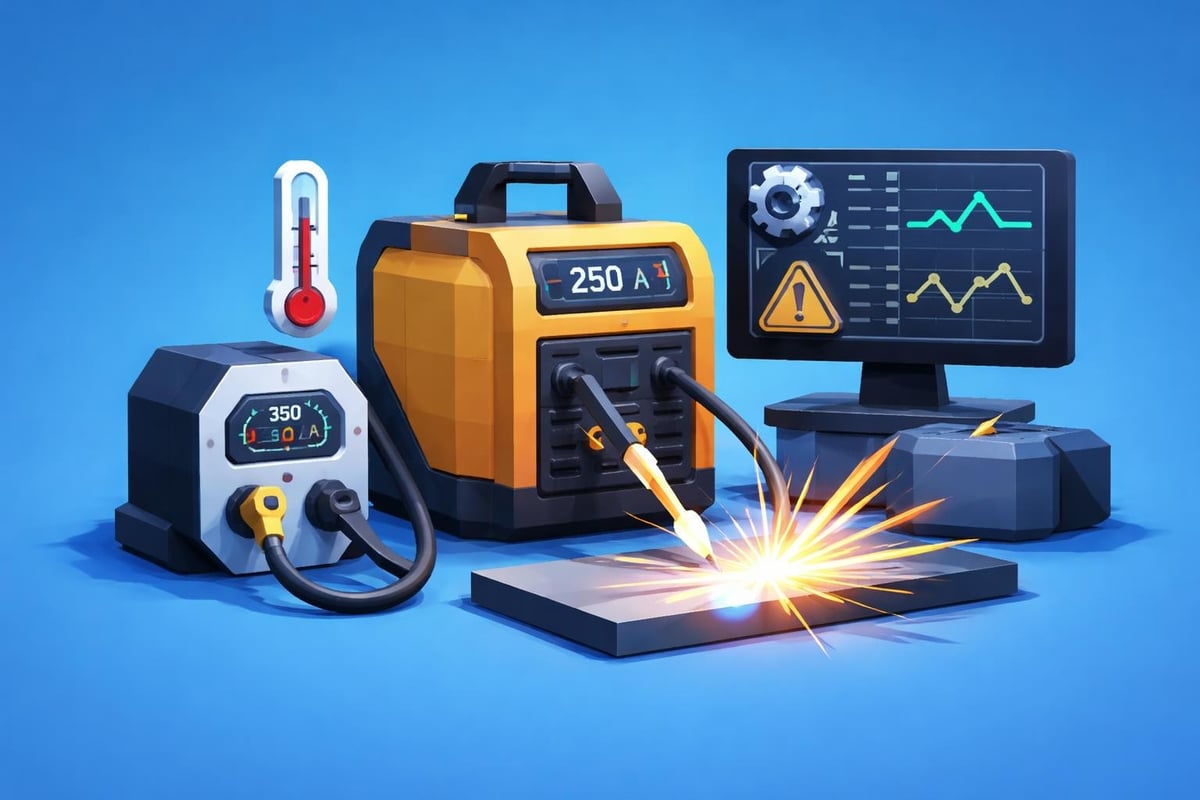
Advanced monitoring systems track welding parameters in real-time, detecting anomalies that indicate potential defects or equipment issues. Research on cost-effective ultrasonic welding machine condition monitoring demonstrates how sensor technologies enable predictive maintenance and quality assurance.
Digital transformation extends beyond equipment monitoring to encompass project management, client collaboration, and supply chain integration. Online quoting platforms and cloud-based collaboration tools streamline communication between clients, engineers, and fabrication teams, reducing project timelines and minimizing miscommunication.
Cost Factors and Project Economics
Understanding cost drivers in custom welding and fabrication helps businesses make informed decisions about project scope, material selection, and vendor partnerships. Unlike standardized products with fixed pricing, custom work involves variable costs influenced by design complexity, material specifications, and production requirements.
Primary Cost Components
| Cost Category | Typical Percentage | Key Variables | Optimization Strategies |
|---|---|---|---|
| Materials | 35-45% | Material type, quantity, market prices | Efficient nesting, scrap reduction, alternative materials |
| Labor | 30-40% | Complexity, welding time, skill level | Design for manufacturability, automation where applicable |
| Equipment | 10-15% | Machine time, tooling, consumables | Batch processing, efficient scheduling |
| Overhead | 10-15% | Facility costs, utilities, administration | Volume partnerships, long-term agreements |
| Finishing | 5-10% | Coating requirements, testing, certification | Appropriate specification for application needs |
Material costs fluctuate with commodity markets, particularly for steel and aluminum. Strategic material procurement and inventory management help fabricators control this variable expense.
Labor efficiency depends on design complexity, weld accessibility, and the number of setups required. Well-designed projects that minimize repositioning and allow ergonomic welding positions reduce labor hours significantly.
Value Engineering Approaches
Collaborating with experienced fabricators during the design phase often reveals cost-saving opportunities without compromising performance. Value engineering examines:
- Alternative materials that meet performance requirements at lower cost
- Simplified geometries that reduce welding time and complexity
- Standard components integrated with custom elements to balance customization with economy
- Finish specifications matched to actual service requirements rather than over-specification
The advantages of custom welding solutions include long-term cost savings through improved durability, reduced maintenance, and extended service life compared to inadequate standard alternatives.
Field Services and On-Site Capabilities
Many industrial applications require fabrication and welding work at operational sites rather than in controlled shop environments. Field machining and on-site welding services address equipment that cannot be transported, minimize downtime, and enable repairs without complete system shutdowns.
Mobile Welding and Fabrication
Field welding presents unique challenges including weather exposure, limited positioning options, power supply constraints, and restricted access. Professional field services bring appropriate equipment, certified welders, and safety protocols to job sites throughout the Western United States.
Common field applications include:
- Pipeline repairs and tie-ins for oil and gas infrastructure
- Structural modifications to processing equipment during plant expansions
- Emergency repairs minimizing production interruptions
- Installation support for custom fabricated components
Portable welding equipment has advanced significantly, with inverter-based machines delivering shop-quality performance in compact, generator-compatible packages. Mobile welding capabilities enable rapid response to equipment failures and scheduled maintenance windows.
Hydraulic System Integration
Custom fabrication often integrates with hydraulic systems requiring precision machining, high-pressure fittings, and leak-free assembly. Hydraulic cylinder repair and custom hydraulic component fabrication demand specialized knowledge of sealing technologies, surface finishes, and pressure ratings.
Successful hydraulic fabrication projects coordinate welding, machining, and assembly operations to ensure proper alignment, surface preparation, and pressure testing before installation.
Selecting a Custom Fabrication Partner
Choosing the right fabrication partner significantly impacts project success, cost management, and long-term component performance. Businesses should evaluate potential vendors across multiple criteria beyond simple price comparison.
Evaluation Criteria for Fabrication Vendors
Technical capabilities encompass the range of available processes, equipment capacity, and material expertise. Assess whether a fabricator possesses the specific welding processes, forming equipment, and machining capabilities your project requires.
Quality systems and certifications indicate a fabricator's commitment to consistent results and regulatory compliance. Look for ISO certifications, AWS accreditations, and industry-specific qualifications relevant to your sector.
Engineering support separates basic fabrication shops from full-service partners. Vendors offering design assistance, material recommendations, and value engineering provide greater value throughout the project lifecycle.
Geographic proximity and responsiveness matter for field service needs, emergency repairs, and projects requiring site visits. Fabricators serving the Western United States understand regional challenges including environmental conditions, transportation logistics, and local regulatory requirements.
Industry Experience and Specialization
Fabricators with relevant industry experience bring valuable insights into application-specific challenges. A vendor experienced in recycling equipment understands abrasion resistance requirements differently than one focused exclusively on architectural metalwork.
Market analysis of global custom fabricating and welding services indicates growing demand for specialized fabrication expertise as industries pursue operational efficiency and equipment optimization.
Maintenance and Lifecycle Considerations
Custom welded and fabricated components represent significant capital investments that require appropriate maintenance strategies to maximize service life and return on investment. Proactive maintenance prevents unexpected failures, extends equipment availability, and maintains performance specifications.
Inspection Protocols
Regular inspection schedules identify wear, corrosion, and fatigue before they compromise structural integrity. Inspection frequency depends on service severity, environmental conditions, and component criticality.
Recommended inspection intervals:
- Quarterly visual inspections for equipment in severe service or corrosive environments
- Annual comprehensive inspections including dimensional verification and NDT for critical components
- Biennial or as-needed inspections for components in moderate service conditions
- Post-incident inspections following operational upsets, impacts, or unusual loading events
Documentation of inspection findings creates historical records supporting predictive maintenance decisions and component lifecycle planning.
Repair vs. Replacement Analysis
When fabricated components show wear or damage, businesses must evaluate repair feasibility against replacement costs. Factors influencing this decision include:
- Remaining service life after repair versus new component longevity
- Downtime requirements for repair execution versus replacement installation
- Material availability and lead times for new fabrication
- Total cost including direct expenses and production impact
Experienced welding specialists can assess component condition, recommend repair strategies, and execute restoration work that extends equipment life at a fraction of replacement costs.
Regional Considerations for Western United States Operations
Industrial operations throughout the Western United States face distinctive challenges including extreme temperature variations, remote locations, high altitude conditions, and extended logistics networks. Custom welding and fabrication solutions must account for these regional factors.
Environmental Adaptations
Temperature extremes from Rocky Mountain winters to desert summers require materials and designs that accommodate thermal cycling without premature failure. Allowances for thermal expansion, appropriate material selection for low-temperature service, and protective coatings for UV exposure extend component reliability.
Remote site accessibility influences design decisions toward modular construction, field-weldable sections, and components sized for available transportation infrastructure. Projects in rural Colorado, Wyoming, or Utah often require creative logistics planning and field assembly capabilities.
Altitude considerations affect welding parameters, particularly with gas-shielded processes where atmospheric pressure influences shielding gas coverage. Experienced welding and fabrication shops understand these adjustments and maintain procedure qualifications appropriate for elevation.
Regulatory Environment
Western states maintain varying regulations governing industrial construction, pressure equipment, and environmental protection. Compliance requirements include:
- State-specific pressure vessel inspection and certification programs
- Environmental regulations for coating application and waste management
- Building codes for structural components and seismic design criteria
- Industry-specific standards for oil and gas, mining, and aggregate operations
Professional fabrication partners navigate these regulatory frameworks, ensuring projects meet all applicable requirements without unnecessary over-specification.
Custom welding and fabrication delivers the specialized solutions that standard products cannot provide, enabling industrial operations to overcome unique challenges with precision-engineered components. From initial design consultation through quality testing and field installation, this comprehensive approach ensures that fabricated components integrate seamlessly into operations while meeting performance specifications and regulatory requirements. Whether you need pressure vessel modifications, custom equipment fabrication, or field welding services throughout the Western United States, LTJ Industrial Services combines extensive experience across oil and gas, aggregate, and recycling industries with comprehensive shop and mobile capabilities to deliver the quality solutions your operations demand.