Welding specialists are witnessing a transformation in their field as 2026 approaches. New technologies, evolving standards, and expanding industries are reshaping what it means to excel in welding today. This guide is crafted to empower welding specialists with expert insights, practical advice, and the latest trends they need to stay ahead. Here, you will discover advancements in equipment, essential skills, changing safety requirements, and strategies for career growth. Whether you are a seasoned professional or just starting out, this guide will help you thrive in the rapidly shifting world of welding.
The Evolving Role of Welding Specialists in 2026
Welding specialists are seeing their roles transform as industries adapt to a rapidly changing manufacturing landscape. With 2026 on the horizon, the expectations for these professionals are higher than ever. Businesses prioritize versatility, advanced technical knowledge, and adaptability, making it essential for welding specialists to stay ahead of trends.
Shifting Industry Demands and Opportunities
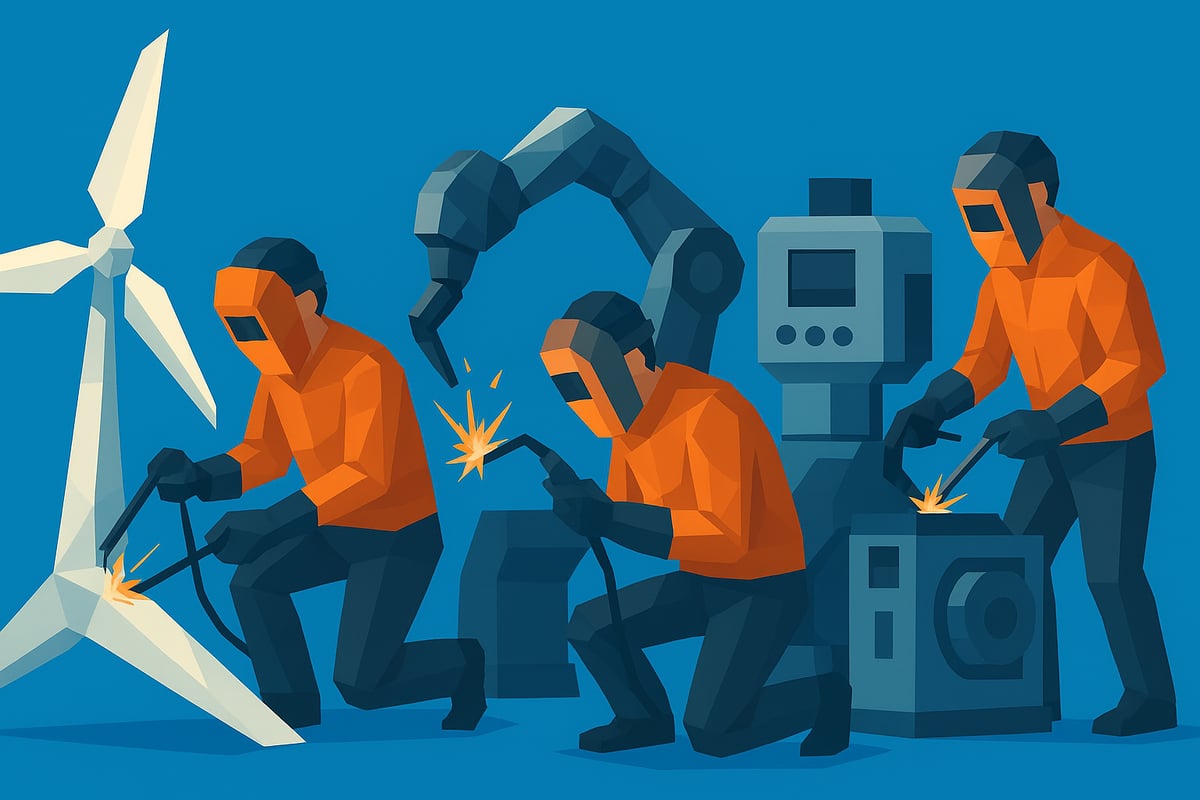
The demand for welding specialists is expanding beyond traditional sectors. Multi-skilled professionals are needed in renewable energy, infrastructure, and advanced manufacturing. For example, the rise of wind turbine and electric vehicle manufacturing has sparked a surge in specialized welding projects.
According to the Bureau of Labor Statistics, welders are expected to see 3% job growth from 2024 to 2026. Cross-training in related fields like machining and fabrication boosts employability, helping welding specialists adapt to project demands and ensuring they remain competitive.
Essential Skills and Certifications
Certifications are crucial for welding specialists aiming to stand out. Credentials from AWS, ASME, and ISO validate expertise and open more career doors. Advanced blueprint reading, proficiency with robotics, and automation skills are now baseline requirements.
Soft skills such as communication, problem-solving, and adaptability are also highly valued. Companies increasingly seek welding specialists with robotic programming abilities. In fact, 60% of leading employers will require multiple certifications by 2026, highlighting the importance of ongoing professional development.
Technological Advancements Impacting the Profession
Technology is reshaping daily work for welding specialists. AI-assisted welding, collaborative robots (cobots), and automated inspection systems are becoming standard in large manufacturing settings. Augmented reality (AR) is now used for hands-on training and real-time guidance.
For example, AR welding helmets can enhance precision and help reduce errors. Over 40% of major manufacturers are investing in welding automation, pushing welding specialists to master these advanced tools to remain relevant and efficient.
Industry-Specific Trends and Specializations
Different industries present unique challenges for welding specialists. Oil and gas, aerospace, and recycling sectors demand expertise in custom alloy welding and handling exotic materials. For instance, nickel alloy welding is essential for high-pressure pipeline work.
Niche specialization can significantly increase earning potential. Professionals who focus on advanced materials, such as those discussed in the Aluminum and stainless steel welding specialists resource, are highly sought after for their ability to tackle complex jobs with precision.
Career Pathways and Advancement Strategies
There are multiple career paths for welding specialists: field specialist, inspector, supervisor, instructor, or even business owner. Continuous education and active networking are critical for advancement.
Mentorship programs accelerate career growth, providing guidance and industry connections. Notably, there has been a 25% rise in welding professionals pursuing advanced degrees in 2026, underscoring the value of lifelong learning for those aiming to lead in the field.
Cutting-Edge Welding Technologies and Equipment for 2026
The welding industry is experiencing rapid technological transformation. Welding specialists must stay ahead by understanding and adopting the latest tools, automation, and digital solutions. This section explores the advanced technologies shaping the future of welding, offering practical insights for those aiming to excel in 2026.

Next-Generation Welding Machines and Tools
Next-generation welding machines are redefining efficiency for welding specialists. Advanced multi-process welders now feature digital controls, inverter technology, and remote monitoring. These innovations let operators switch seamlessly between processes and optimize energy use.
Smart welders equipped with cloud connectivity enable predictive diagnostics, reducing downtime. According to the Welding Machinery Market Analysis and Regional Growth Outlook 2025-2032, manufacturers are investing heavily in these intelligent systems to boost productivity and quality. Welding specialists should familiarize themselves with these tools to stay competitive.
Automation and Robotics in Welding
Collaborative robots, or cobots, are increasingly common in welding environments. They handle repetitive, precise tasks and work safely alongside human operators. Welding specialists benefit from cobots by achieving higher consistency and minimizing errors.
Adoption of automation leads to faster turnaround times and improved workplace safety. By 2026, it is projected that 35 percent of welding shops will integrate cobots into their workflows. Mastery of robotic programming is becoming a valuable skill for welding specialists.
Non-Destructive Testing and Quality Assurance Tools
Quality assurance is evolving with advances in non-destructive testing (NDT) methods. Welding specialists now use ultrasonic, radiographic, and phased array technologies for real-time defect detection. These tools are integrated with digital record-keeping and AI-driven analysis.
Immediate feedback allows for quick adjustments, reducing costly rework. The combination of NDT and smart data analytics ensures projects meet stringent standards. Welding specialists who understand these systems are in high demand for quality-critical industries.
Welding Consumables and Materials Innovation
Material science is driving innovation in welding consumables. New eco-friendly wires and fluxes offer improved strength and corrosion resistance. There is a growing trend toward using recycled metals in consumable manufacturing.
Welding specialists who understand these material properties can select the right consumables for each job. This knowledge enables them to deliver sustainable, high-performance results across various applications.
Digitalization and Smart Welding Solutions
Digital transformation is revolutionizing welding processes. IoT-enabled systems gather real-time data to optimize performance and predict maintenance needs. Welding specialists can access process analytics remotely, making troubleshooting more efficient.
Smart welding solutions are being adopted in half of large-scale projects by 2026. Specialists who leverage these digital tools can ensure higher uptime and consistent quality, positioning themselves as leaders in the field.
Safety Standards, Compliance, and Best Practices
Safety remains a top priority for welding specialists as the industry adapts to new technologies and regulations in 2026. Understanding and implementing the latest standards, compliance measures, and best practices is crucial for protecting workers, ensuring project quality, and meeting client expectations.

Updated Regulatory Requirements and Certifications
The regulatory landscape for welding specialists is evolving quickly. In 2026, OSHA, ANSI, and ISO have updated their welding safety standards to address emerging risks from automation, new materials, and advanced processes.
Mandatory training now covers not just basic safety, but also the latest requirements for personal protective equipment (PPE) in high-heat environments. For example, companies must provide heat-resistant gloves, auto-darkening helmets, and smart PPE with real-time health monitoring. Documentation and record-keeping are stricter, with digital logs required for compliance audits.
Obtaining and maintaining certifications such as ASME, AWS, and ISO is essential. For those working on pressure piping or specialized projects, ASME code welding services for pressure piping demonstrate a commitment to safety and regulatory excellence. This level of compliance helps welding specialists build trust and credibility with clients.
Risk Mitigation and Incident Prevention
Welding specialists face ongoing hazards, including fire, electrical shock, and exposure to fumes. In 2026, risk mitigation strategies focus on both prevention and real-time intervention.
Smart monitoring systems now track air quality, temperature, and equipment status, alerting workers to potential dangers before incidents occur. This proactive approach has contributed to a 20% decrease in welding-related injuries, especially when combined with the adoption of smart PPE.
Key incident prevention steps include:
- Regular equipment inspections
- Installation of fume extraction units
- Real-time alerts for gas leaks or excessive heat
By embracing these technologies and practices, welding specialists can create safer workplaces for themselves and their teams.
Ergonomics and Worker Wellbeing
The physical demands on welding specialists are significant, making ergonomics a vital consideration in 2026. Advances in ergonomic welding equipment and workstation design help reduce fatigue and the risk of musculoskeletal disorders.
Adjustable welding tables, supportive seating, and lightweight, well-balanced tools are now standard in leading shops. Fatigue management programs encourage regular breaks and task rotation, supporting long-term health.
Physical wellbeing also includes access to health screenings and wellness programs. These initiatives help welding specialists stay productive and reduce absenteeism due to work-related injuries.
Environmental Health and Sustainability Measures
Environmental responsibility is increasingly important for welding specialists. Companies are adopting low-emission welding processes and investing in advanced fume extraction technologies to protect both workers and the environment.
Compliance with updated environmental regulations means using water-based coolants, recyclable materials, and energy-efficient machinery. Sustainable practices not only reduce the industry's carbon footprint but also meet the growing expectations of clients and regulatory bodies.
For welding specialists, embracing these measures enhances their reputation and supports long-term business success.
Training, Upskilling, and Career Development for Welding Specialists
Staying competitive in the rapidly changing welding field requires more than technical ability. As industries evolve, welding specialists must embrace ongoing training, upskilling, and proactive career development to secure their futures.

Modern Training Programs and Learning Platforms
The training landscape for welding specialists has transformed. Today, VR welding labs and simulator-based platforms are revolutionizing how skills are learned and practiced. Studies show that VR-based training improves skill retention by 30 percent compared to traditional classrooms.
Online courses and micro-credentialing options allow busy professionals to upskill at their own pace. These digital resources are especially valuable for welding specialists looking to master new techniques or technologies. For an in-depth look at the expertise and qualifications required of skilled welding professionals, visit Skilled welders for industry projects.
Certification Pathways and Continuing Education
Certifications remain a cornerstone for welding specialists seeking advancement. The American Welding Society (AWS), Certified Welding Inspector (CWI), and advanced credentials open doors to higher-paying roles and specialized projects.
Continuous education is now an expectation. Data shows that 70 percent of welding specialists pursue at least one new certification every two years. Lifelong learning ensures adaptability as new standards and equipment emerge.
Apprenticeships, Mentorship, and Networking
Structured apprenticeships provide welding specialists with real-world experience and hands-on learning. Mentorship programs accelerate professional growth, offering personalized guidance and industry insights.
Becoming active in professional organizations, such as the American Welding Society, expands networking opportunities. Events and conferences connect welding specialists with industry leaders and peers, fostering both collaboration and career advancement.
Strategies for Advancing Welding Careers
To stand out, welding specialists should build a portfolio showcasing their specialized skills and completed projects. Digital platforms and social media are powerful tools for attracting employers and clients.
Key strategies for career growth:
- Regularly update certifications and training
- Network through industry events
- Highlight niche skills in your portfolio
- Stay informed on industry trends
By embracing these approaches, welding specialists can unlock new opportunities and ensure long-term career success.
Industry Challenges and Solutions for Welding Specialists
Welding specialists in 2026 face a rapidly evolving landscape shaped by new technologies, shifting workforce demographics, and changing client expectations. To thrive, professionals must address labor shortages, adapt to economic fluctuations, foster diversity, and consistently deliver high-quality results. Let us explore the most pressing industry challenges and the solutions paving the way for success.
Addressing Labor Shortages and Skills Gaps
The welding industry is confronting a growing shortage of skilled professionals. Causes include an aging workforce, limited new entrants, and the rapid pace of technological change. Welding specialists must stay ahead by embracing lifelong learning and cross-training.
Key solutions include:
- Outreach programs in schools and technical colleges
- Structured apprenticeships to attract diverse talent
- Investment in automation to supplement labor gaps
For example, many welding specialists now partner with educational institutions to create hands-on training pathways. This approach ensures a steady pipeline of qualified candidates ready to meet industry needs.
Navigating Economic and Supply Chain Volatility
Economic uncertainty and supply chain disruptions can challenge even the most prepared welding specialists. Fluctuating material prices and equipment shortages demand agile strategies.
Effective solutions for welding specialists:
- Bulk purchasing to secure stable pricing and supply
- Supplier diversification to minimize risk
- Adoption of lean inventory and just-in-time practices
Some welding shops are also stockpiling critical consumables to buffer against unexpected delays. These proactive measures help welding specialists maintain project timelines and client satisfaction, even during turbulent periods.
Embracing Diversity and Inclusion in the Welding Workforce
A diverse workforce brings a wealth of perspectives and drives innovation. Welding specialists benefit from teams that differ in gender, age, and cultural background.
Industry initiatives include:
- Scholarships targeting underrepresented groups
- Inclusive training and mentorship programs
- Promotion of equitable hiring practices
Data shows diverse welding teams can boost productivity by up to 25 percent. By fostering inclusion, welding specialists create workplaces that attract top talent and build lasting industry resilience.
Meeting Customer Demands and Quality Expectations
Clients expect welding specialists to deliver projects quickly, cost-effectively, and with uncompromising quality. Balancing these demands requires robust quality assurance systems and transparent communication.
Modern solutions involve:
- Digital QA/QC platforms for real-time monitoring
- Automated inspection tools to spot defects early
- Client portals for instant project updates
The integration of AI-driven quality control and predictive systems in welding is transforming how welding specialists ensure precision. These advanced technologies enable specialists to reduce errors, improve consistency, and exceed client expectations.
Future Trends and Opportunities in Welding for 2026 and Beyond
The landscape for welding specialists is rapidly changing, offering both challenges and new avenues for growth. As 2026 approaches, understanding future trends can help welding specialists stay ahead, adapt, and maximize their impact in the industry.
Sustainability and Green Welding Practices
Sustainability is no longer optional for welding specialists. By 2026, there is a strong emphasis on eco-friendly welding solutions in manufacturing and construction. Many clients now demand processes that lower emissions and reduce environmental impact.
Welding specialists are adopting low-carbon welding techniques, using water-based coolants, and selecting recyclable materials. There is also a shift toward energy-efficient equipment and fume extraction systems that improve air quality in the workplace.
Data shows that 40% of clients consider sustainability a top priority when choosing vendors. This opens new opportunities for welding specialists who invest in green practices and certifications. Adapting to these expectations ensures a competitive edge in the evolving marketplace.
Integration of Artificial Intelligence and Data Analytics
Artificial intelligence is transforming how welding specialists approach both fabrication and quality control. AI-driven parameter adjustments can reduce defects and enable predictive maintenance, ensuring smoother workflows and less downtime.
The use of data analytics allows welding specialists to optimize processes and spot trends that improve efficiency. For example, research into Burst Mode Ultrafast Laser Welding of Sapphire and Fe-36Ni Alloy illustrates how AI and advanced monitoring can deliver high-precision results with previously challenging materials.
Data-driven welding shops consistently outperform competitors, highlighting the importance of digital skills. Embracing these technologies will be essential for welding specialists aiming to lead in 2026 and beyond.
Globalization and Cross-Border Collaboration
Welding specialists are increasingly working on projects that span countries and continents. The growth of international standards and digital project management tools is making remote collaboration more practical and efficient.
Multi-site welding teams now use cloud-based platforms to share blueprints, monitor progress, and resolve issues in real time. This trend is supported by a 30% rise in cross-border welding projects, requiring specialists to be flexible and culturally aware.
As globalization accelerates, welding specialists who understand diverse regulations and can coordinate with international teams will be highly sought after. Building these skills ensures readiness for global opportunities.
Preparing for the Next Generation of Welding Specialists
Attracting and developing new talent is vital for the future of welding specialists. Gen Z and Millennials are bringing digital fluency and a preference for interactive learning into the workforce. Training programs now use gamification, e-learning platforms, and VR-based simulations to boost engagement and skill retention.
Welding competitions and networking events are also popular ways to inspire the next generation. Staying informed about opportunities, such as those listed in the AWS 2026 Event Schedule and Educational Conferences, helps welding specialists connect, learn, and grow.
With a focus on innovation and lifelong learning, welding specialists can ensure their skills remain relevant as the industry evolves.
As you explore the evolving world of welding in 2026, you’ll see how the right expertise and forward-thinking solutions set businesses apart. Whether you need advanced metal fabrication, custom machining, or reliable field services, partnering with knowledgeable professionals can make all the difference. At LTJ Industrial Services, we help you stay ahead—so your projects run smoothly, safely, and efficiently. If you’re ready to elevate your operations with trusted welding and fabrication support across the Western United States, let’s connect and discuss how we can help you achieve your goals.
Request a Quote