The welding industry across the Western United States represents a critical component of industrial infrastructure, supporting sectors from oil and gas to recycling and aggregate operations. Western welders face unique challenges including remote work locations, diverse environmental conditions, and the need for specialized expertise across multiple industries. Understanding the capabilities, certifications, and service approaches of these professionals helps businesses make informed decisions when selecting partners for fabrication and repair projects.
The Scope of Western Welding Services
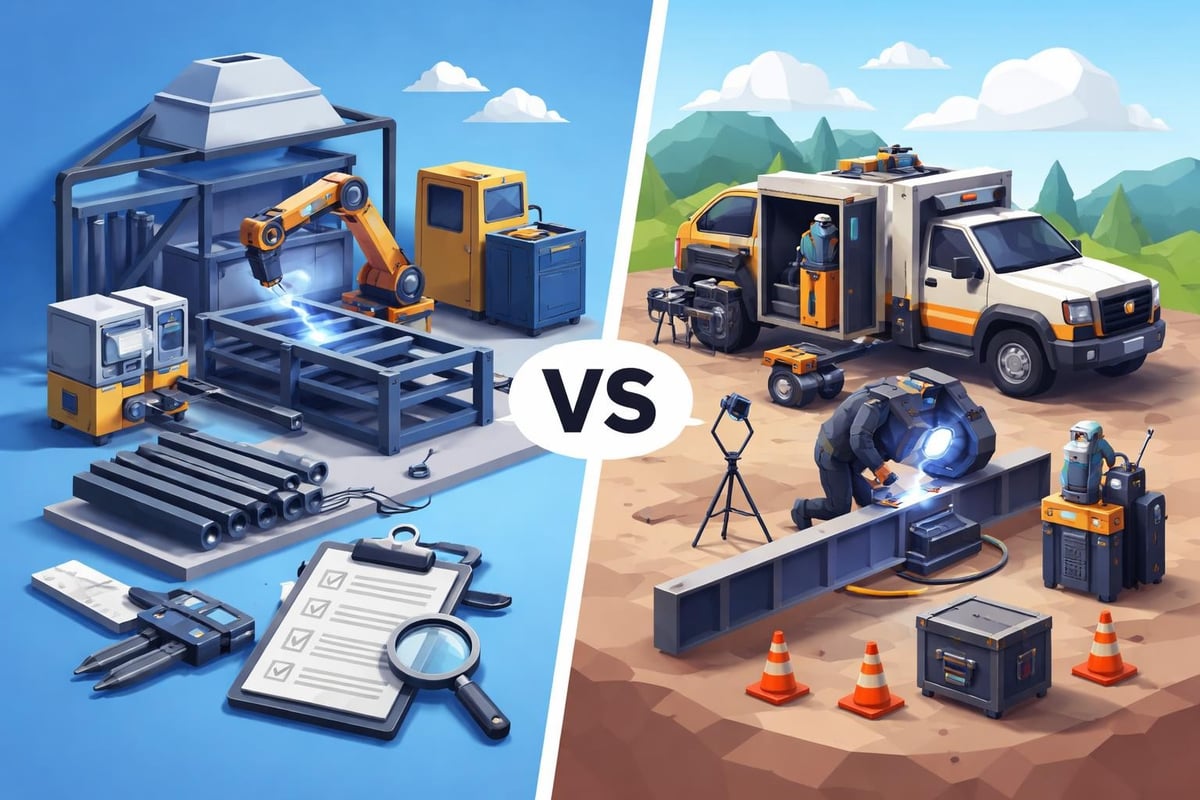
Industrial operations throughout the Western United States require welding professionals who can adapt to various project demands. Western welders typically provide both shop-based fabrication and field services, allowing businesses to address maintenance and construction needs without major operational disruptions.
Shop Fabrication Capabilities
Dedicated fabrication facilities offer controlled environments where western welders execute precision work on custom components. These shops typically feature:
- Advanced welding equipment for MIG, TIG, stick, and flux-core processes
- CNC machining centers for complementary metalworking operations
- Quality control systems ensuring compliance with industry standards
- Material handling equipment for large-scale projects
- Climate-controlled environments protecting sensitive work
The industrial fabrication service model allows for detailed project planning and execution without the constraints of field conditions. Shops can accommodate everything from small component repairs to large structural assemblies.
Field Service Expertise
Many industrial facilities across the Western region require on-site welding services for equipment that cannot be easily transported. Field welders bring specialized equipment and expertise directly to operational sites, minimizing downtime and transportation costs.
Mobile welding units carry generators, welding machines, cutting equipment, and safety gear necessary for remote operations. This flexibility proves essential for industries like oil and gas, where equipment failures demand immediate attention to prevent production losses.
Industry Specializations for Western Welders
Different industrial sectors present unique welding challenges that require specialized knowledge and certifications. Understanding these distinctions helps businesses identify welders with relevant experience.
Oil and Gas Applications
The energy sector demands welders familiar with high-pressure systems, specialized alloys, and stringent safety protocols. Western welders serving this industry must often hold certifications for ASME Code welding services for pressure piping and understand the regulatory requirements outlined in standards such as the ASME Boiler and Pressure Vessel Code.
| Service Type | Application | Typical Materials |
|---|---|---|
| Pipeline Welding | Transmission lines, gathering systems | Carbon steel, stainless steel |
| Pressure Vessel Repair | Separators, tanks, reactors | Chrome-moly, duplex stainless |
| Equipment Fabrication | Skids, platforms, supports | Structural steel, aluminum |
Projects in this sector often involve working in remote locations with challenging weather conditions. Western welders must maintain quality standards while adapting to environmental variables that can affect weld integrity.
Aggregate and Mining Operations
Aggregate processing and mining equipment face constant wear from abrasive materials and heavy loads. Welders supporting these industries focus on:
- Wear plate installation for chutes, hoppers, and conveyor systems
- Crusher component repair requiring hard-facing and build-up techniques
- Structural modifications to accommodate production changes
- Emergency repairs minimizing costly production downtime
The ability to work with high-carbon and manganese steels distinguishes experienced aggregate industry welders. These materials require specific preheat and post-weld heat treatment procedures to prevent cracking.
Recycling Industry Requirements
Recycling facilities process diverse materials that create unique equipment stresses. Western welders in this sector handle everything from shredder hammer replacement to structural reinforcement of material handling systems.
Understanding metallurgy becomes particularly important when repairing equipment exposed to mixed metal streams. Contamination concerns and material compatibility issues require careful assessment before beginning welding operations.
Essential Certifications and Standards
Professional western welders maintain certifications demonstrating their competency across various welding processes and positions. These credentials provide assurance that work meets industry standards and regulatory requirements.
AWS Certification Programs
The American Welding Society establishes widely recognized certification programs that validate welder skills. Their standards and safety resources guide both certification processes and ongoing professional development.
Common AWS certifications include:
- Certified Welder (CW) – Demonstrates proficiency in specific processes and positions
- Certified Welding Inspector (CWI) – Authorizes quality control and code compliance verification
- Certified Welding Educator (CWE) – Validates instructional capabilities for training programs
- Certified Welding Supervisor (CWS) – Confirms management and oversight competencies
Businesses should verify that western welders hold current certifications relevant to their specific project requirements. Certifications typically specify the welding process, material type, position, and thickness range qualified.

Industry-Specific Standards
Beyond general welding certifications, certain industries impose additional requirements. ASME Section IX governs welding procedures for pressure equipment, while API standards apply to petroleum industry applications.
Western welders serving multiple industries often maintain procedure qualifications across several code bodies. This versatility allows them to transition between project types while maintaining compliance with applicable standards.
Safety Protocols and Compliance
Welding operations present numerous hazards requiring comprehensive safety programs. Western welders must implement protocols addressing both common workplace risks and industry-specific concerns.
OSHA Requirements
The Occupational Safety and Health Administration establishes baseline safety requirements through standards like OSHA 1910.254 for arc welding and cutting. These regulations cover:
- Equipment installation and maintenance procedures
- Electrical safety requirements for welding circuits
- Fire prevention and protection measures
- Proper ventilation for fume control
- Personal protective equipment specifications
Compliance with OSHA standards represents the minimum acceptable safety level. Leading western welders often exceed these requirements through enhanced training programs and upgraded equipment.
Environmental Considerations
Field welding in the Western United States frequently occurs in environmentally sensitive areas. Proper containment of welding slag, grinding debris, and other waste materials prevents contamination of soil and water resources.
Wind conditions common in many Western locations create additional challenges for fume control and fire prevention. Experienced welders adapt their techniques and implement supplementary safety measures appropriate to local conditions.
Following guidelines such as ANSI Z49.1-2021 safety standards helps establish comprehensive safety programs. These standards address ventilation requirements, protective equipment selection, and hazard assessment procedures.
Quality Control and Inspection Methods
Ensuring weld quality requires systematic inspection programs using appropriate non-destructive testing methods. Western welders typically employ multiple techniques to verify work meets specifications.
Non-Destructive Testing Approaches
Different NDT methods reveal specific types of weld discontinuities:
| Method | Detects | Applications |
|---|---|---|
| Visual Testing (VT) | Surface defects, dimensions | All welds, initial inspection |
| Magnetic Particle (MT) | Surface/near-surface cracks | Ferromagnetic materials |
| Liquid Penetrant (PT) | Surface-breaking defects | Non-magnetic materials |
| Radiographic Testing (RT) | Internal defects | Critical pressure vessels |
| Ultrasonic Testing (UT) | Internal discontinuities | Thick sections, structural welds |
Selecting appropriate testing methods depends on material type, accessibility, and code requirements. Manufacturing and machining operations often integrate multiple NDT techniques to ensure comprehensive quality verification.
Documentation and Traceability
Professional western welders maintain detailed records documenting procedures, materials, and inspection results. This documentation provides traceability essential for warranty claims, regulatory audits, and future maintenance planning.
Welding procedure specifications (WPS) define the parameters used for each joint configuration. Procedure qualification records (PQR) demonstrate that these procedures produce acceptable results through destructive testing of sample welds.
Equipment and Technology Advances
Modern welding technology continues evolving, offering western welders improved capabilities and efficiency. Understanding these advances helps businesses evaluate service providers and make informed equipment investments.
Power Source Innovations
Contemporary welding machines feature inverter technology providing better arc control, reduced weight, and improved energy efficiency compared to traditional transformer-based equipment. These benefits prove particularly valuable for field applications where portability and generator capacity matter.
Advanced machines offer:
- Pulse welding modes reducing heat input and distortion
- Synergic controls simplifying parameter selection
- Data logging capabilities tracking weld parameters
- Multi-process functionality consolidating equipment needs
Western welders equipped with modern power sources can achieve higher quality results across a broader range of applications.
Automation and Mechanization
While fully automated welding systems suit high-volume production, mechanized equipment increasingly supports field operations. Orbital welding systems for pipe fabrication, automated carriage systems for vessel seams, and robotic welding cells in fabrication shops all enhance consistency and productivity.
These technologies complement rather than replace skilled welders. Operators must understand programming, setup, and quality monitoring to maximize automated equipment benefits.
Selecting the Right Western Welding Partner
Businesses throughout the Western United States need reliable welding partners capable of supporting diverse operational requirements. Several factors distinguish exceptional service providers from basic welding contractors.
Evaluating Experience and Capabilities
Review potential partners’ project portfolios to assess relevant experience. Companies serving your specific industry understand unique challenges and regulatory requirements affecting project success.
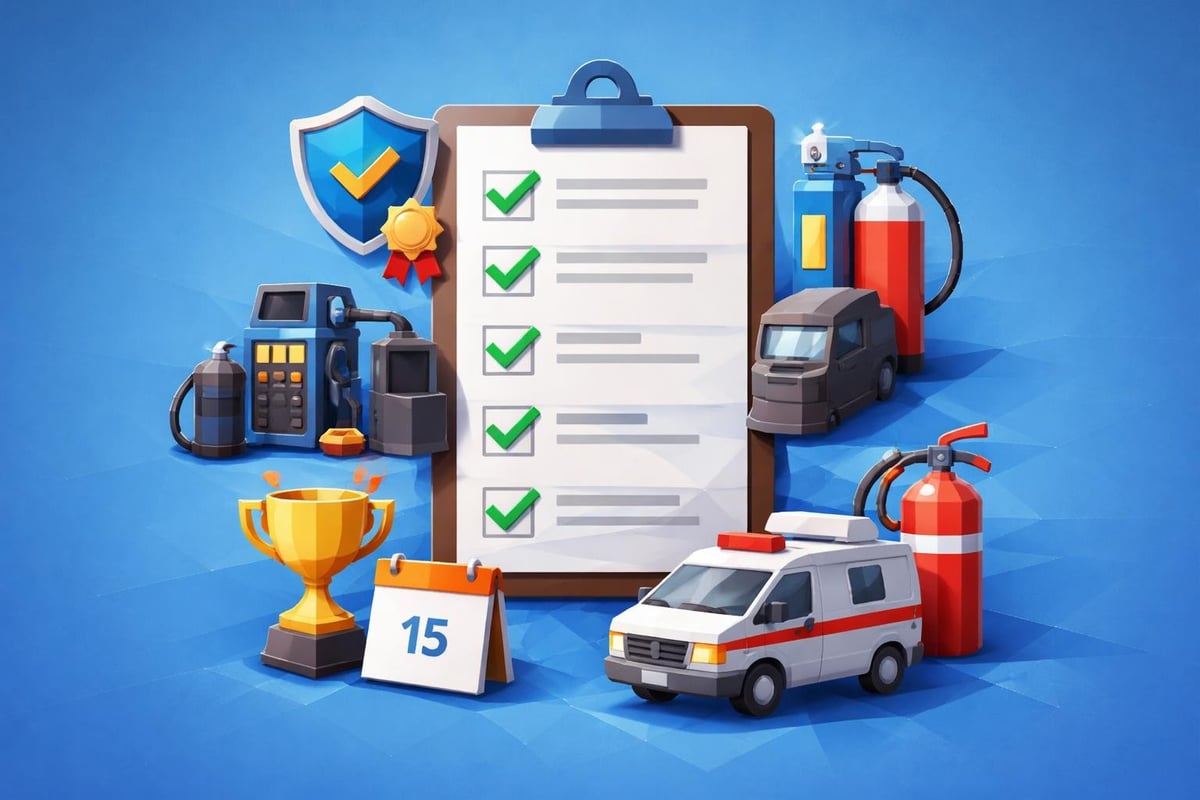
Consider these evaluation criteria:
- Certification breadth – Range of qualified processes and materials
- Equipment capabilities – Both shop and field service resources
- Industry experience – Demonstrated success in your sector
- Safety record – EMR ratings and incident history
- Response capacity – Ability to mobilize for emergency repairs
Western welders with comprehensive capabilities can handle both planned projects and unexpected equipment failures. This versatility simplifies vendor management and builds lasting partnerships.
Geographic Considerations
Service providers based in the Western United States understand regional conditions affecting welding operations. Altitude, temperature extremes, and remote locations all influence project planning and execution.
Companies like those offering custom welding services throughout the region maintain equipment and expertise suitable for diverse environments. Their familiarity with local suppliers, permitting requirements, and environmental regulations streamlines project implementation.
Project Planning Best Practices
Successful welding projects begin with thorough planning addressing technical requirements, safety considerations, and schedule constraints. Western welders contribute valuable expertise during this phase, helping identify potential challenges before work begins.
Pre-Project Assessment
Detailed site surveys and equipment inspections inform accurate project scoping. For repair projects, non-destructive testing may reveal the full extent of damage not visible through visual inspection alone.
Material analysis ensures replacement components match existing equipment specifications. Mismatched materials can lead to galvanic corrosion, differential thermal expansion, or inadequate strength for service conditions.
Coordination and Communication
Complex projects involving multiple trades require careful coordination to prevent conflicts and delays. Western welders must sequence their work appropriately with other activities like equipment disassembly, machining, and surface preparation.
Clear communication protocols established before work begins help prevent misunderstandings. Daily progress meetings, written work orders, and photographic documentation keep all stakeholders informed throughout project execution.
Emergency Response and Field Repair
Equipment failures in industrial operations demand rapid response to minimize production losses. Western welders offering heavy equipment welding services maintain ready-response capabilities for urgent situations.
Mobilization Capabilities
Emergency response requires more than technical welding skills. Service providers must maintain:
- Dedicated emergency contact systems ensuring 24/7 accessibility
- Pre-positioned equipment caches reducing mobilization time
- Qualified personnel availability through on-call scheduling
- Safety equipment stocks appropriate for various hazardous environments
- Transportation resources reaching remote facility locations
The ability to arrive on-site within hours rather than days can prevent minor issues from escalating into major production outages.
Temporary Repair Solutions
Not every field repair requires permanent, code-compliant welding. Western welders experienced in emergency response can implement temporary solutions allowing operations to continue while permanent repairs are planned.
Temporary measures might include mechanical clamps, composite wraps, or expedient welding repairs designed to maintain operation until scheduled downtime permits proper restoration. These approaches require careful engineering to ensure safety while accepting reduced design margins.
Training and Workforce Development
The welding industry faces ongoing workforce challenges as experienced professionals retire and demand for services continues growing. Western welders invest in training programs developing the next generation of skilled craftspeople.
Apprenticeship Programs
Structured apprenticeship programs combine classroom instruction with supervised hands-on experience. These programs typically span 3-4 years, progressively building skills from basic welding fundamentals through advanced techniques and code requirements.
Participants learn:
- Fundamental welding processes including SMAW, GMAW, GTAW, and FCAW
- Blueprint reading and welding symbol interpretation
- Metallurgy basics affecting material selection and procedure development
- Safety practices following standards like those outlined in welding safety precautions
- Quality control methods ensuring work meets specifications
Businesses partnering with companies investing in apprenticeship programs benefit from access to well-trained personnel committed to professional excellence.
Continuing Education
Technology advances and evolving code requirements necessitate ongoing education for experienced welders. Professional development opportunities include manufacturer training on new equipment, certification courses for specialized processes, and industry conferences exploring emerging trends.
Organizations like the Edison Welding Institute provide research-based training programs advancing welding technology and techniques. Staying current with these developments helps western welders maintain competitive advantages.
Cost Considerations and Value Analysis
Welding service costs vary significantly based on project complexity, location, and timing. Understanding pricing structures helps businesses budget appropriately and evaluate proposals effectively.
Pricing Components
Professional welding services typically include:
| Cost Element | Description | Variables |
|---|---|---|
| Labor | Welder and helper time | Skill level, certification requirements |
| Materials | Base metals, consumables | Alloy specifications, quantity |
| Equipment | Welding machines, tooling | Specialized equipment needs |
| Mobilization | Travel, setup, demobilization | Distance, site accessibility |
| Testing/Inspection | NDT, documentation | Code requirements, acceptance criteria |
Emergency call-outs typically command premium rates reflecting after-hours availability and rapid response capabilities. Planning maintenance during regular hours when possible controls costs while ensuring quality workmanship.
Total Cost of Ownership
The lowest initial bid rarely represents the best value over equipment service life. Quality welding performed by experienced western welders using appropriate procedures and materials prevents premature failures requiring costly re-work.
Consider these value factors beyond initial price:
- Warranty coverage protecting against defective workmanship
- Expected service life of repairs and fabrications
- Downtime costs associated with project duration
- Safety performance reducing incident-related expenses
- Long-term relationship benefits including priority service and preferred pricing
Partnerships with reliable service providers like those offering welding and fabrication services deliver value through consistent quality and responsive support.
Specialized Welding Processes
Different applications demand specific welding processes optimized for particular materials, positions, or quality requirements. Western welders maintain expertise across multiple processes to address diverse project needs.
Gas Tungsten Arc Welding (GTAW)
GTAW, commonly called TIG welding, produces high-quality welds on thin materials and exotic alloys. This process excels for:
- Stainless steel applications requiring clean, oxide-free welds
- Aluminum fabrication in industries like food processing
- Root pass welding on pipe systems
- Critical applications demanding superior quality
The slower deposition rates and higher skill requirements make GTAW more expensive than other processes, but the quality justifies costs for demanding applications.
Flux-Cored Arc Welding (FCAW)
FCAW combines high deposition rates with versatility across various positions. Western welders frequently use this process for:
- Field construction where wind prevents GMAW use
- Thick section welding requiring deep penetration
- Out-of-position welding on structural components
- Applications where electrode changes would reduce productivity
Self-shielded FCAW electrodes eliminate external shielding gas requirements, simplifying field welding logistics in remote locations.
Material Handling and Fabrication Integration
Complex fabrication projects require more than just welding expertise. Successful western welders integrate complementary capabilities including machining, forming, and assembly services.
Machine Shop Capabilities
Precision machining operations prepare weld joints, create custom fittings, and finish fabricated assemblies. Companies offering integrated manufacturing and machining services streamline project execution by eliminating coordination between multiple vendors.
CNC machining centers produce components with tight tolerances impossible to achieve through welding alone. Turning, milling, drilling, and boring operations complement welding to create finished assemblies ready for installation.
Hydraulic System Services
Many industrial applications involve hydraulic equipment requiring specialized knowledge. Western welders supporting industries like mining and aggregate processing often maintain capabilities in hydraulic cylinder repair and component fabrication.
Understanding hydraulic system design, seal technology, and pressure testing protocols distinguishes full-service providers from basic welding shops. This expertise ensures repairs restore equipment to original performance specifications.
Environmental and Sustainability Considerations
Modern industrial operations increasingly prioritize environmental stewardship and sustainable practices. Western welders contribute to these goals through efficient material use, proper waste management, and technology adoption reducing environmental impacts.
Material Optimization
Precise cutting and fitting minimize scrap generation during fabrication. Computer-aided design systems optimize material layouts, nesting parts efficiently on raw stock. Recycling programs capture scrap metal for reprocessing rather than disposal.
Welding procedure development balances productivity with minimal consumable use. Proper technique reduces spatter and wasted electrode material while maintaining quality standards.
Energy Efficiency
Modern welding equipment uses substantially less energy than older technology. Inverter-based power sources achieve higher efficiency while providing better arc characteristics than traditional transformers.
Facilities powered by renewable energy sources reduce the carbon footprint of fabrication operations. Some western welders invest in solar installations or purchase renewable energy credits offsetting their consumption.
Western welders serve as essential partners for industrial operations throughout the region, providing specialized expertise that keeps equipment running and projects on schedule. Their combination of technical skills, industry knowledge, and responsive service delivers value that extends far beyond basic welding capabilities. Whether you need emergency field repairs, custom fabrication, or comprehensive project support, LTJ Industrial Services brings decades of experience serving the commercial and industrial manufacturing sectors across the Western United States with quality workmanship and professional integrity.