
Selecting the right machine shop partner can determine whether your project succeeds or becomes a costly setback. For businesses in commercial and industrial manufacturing-from oil and gas to aggregate and recycling operations-asking the right questions up front separates reliable partners from those who overpromise and underdeliver. Whether you need precision CNC machining, custom fabrication, or repair services, the questions to ask a machine shop should cover technical capabilities, quality systems, communication practices, and operational reliability. This guide provides a comprehensive framework for vetting machine shops before committing to a partnership.
Core Capability and Equipment Questions
Understanding a shop's actual capabilities prevents mismatches between your requirements and their equipment. Start with fundamental questions about machine types, capacities, and operational status.
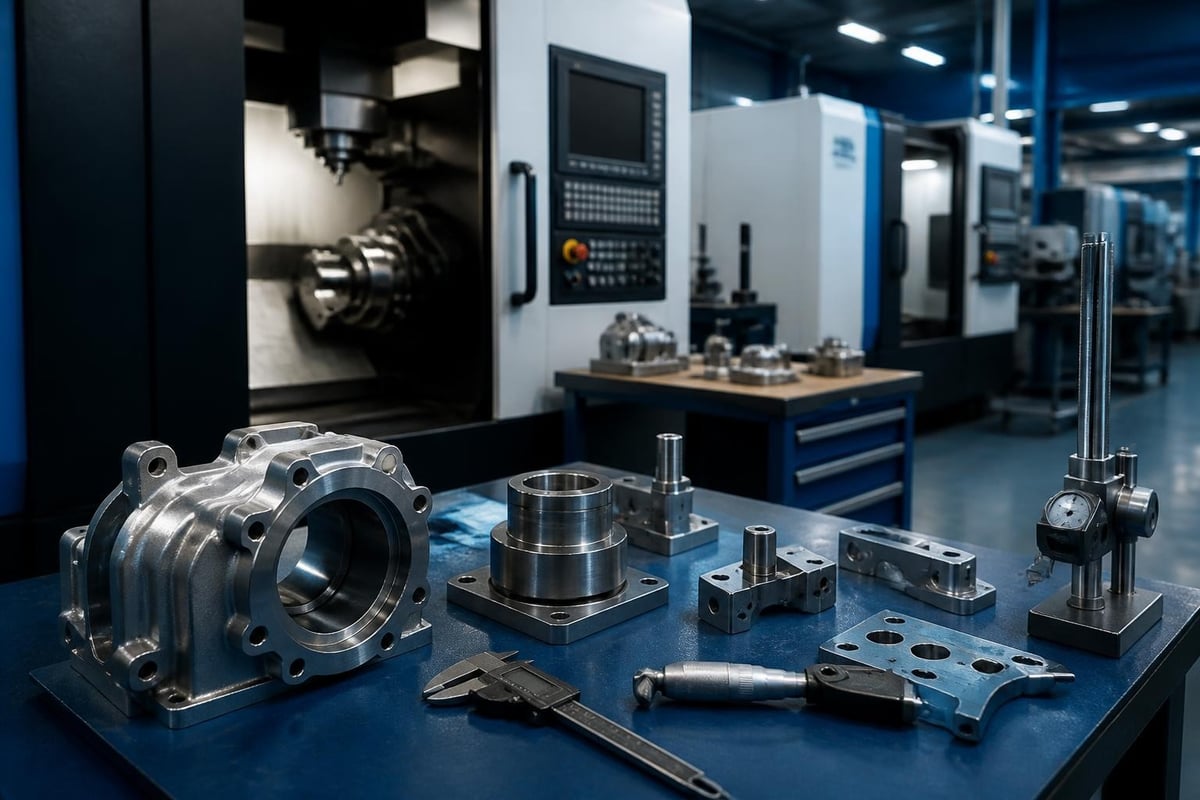
What Equipment Do You Currently Operate?
Request a complete equipment list including machine types, manufacturers, model numbers, and year of installation. This reveals whether they have the right tools for your project and how current their technology is.
Key equipment categories to discuss:
- CNC mills (3-axis, 4-axis, 5-axis) and maximum work envelope
- Lathes (manual and CNC) with swing and between-centers capacity
- Grinding equipment (surface, cylindrical, centerless)
- EDM capabilities (wire and sinker)
- Fabrication equipment (press brakes, shears, rolls)
- Inspection and metrology equipment
Modern shops should maintain a mix of conventional and CNC equipment. For specialized work like industrial gearbox repair and machining services, ask about horizontal boring mills, gear hobbers, or specific repair tooling.
What Are Your Material and Size Limitations?
Every shop has physical constraints. Understanding these prevents discovering limitations after quoting.
| Constraint Type | Questions to Ask | Why It Matters |
|---|---|---|
| Material Weight | Maximum crane capacity and floor loading | Prevents handling issues with large castings |
| Work Envelope | Largest part dimensions (L×W×H) | Ensures your parts physically fit |
| Material Types | Metals, plastics, composites experience | Material expertise affects quality |
| Thickness Range | Minimum/maximum material thickness | Impacts cutting methods and tolerances |
Ask whether they regularly work with your specific materials. A shop experienced with aluminum may struggle with high-carbon steel or exotic alloys common in oil and gas applications.
Do You Offer In-House Finishing and Secondary Operations?
Parts rarely leave a machine shop ready for service. Inquire about finishing capabilities to avoid coordinating multiple vendors.
Secondary operations to verify:
- Heat treating (stress relieving, hardening, tempering)
- Surface treatments (plating, anodizing, powder coating)
- Assembly and sub-assembly services
- Deburring and surface finishing
- Testing and functional verification
Understanding what metals can be powder coated and proper surface prep before powder coating becomes important when evaluating shops that offer integrated finishing services.
Quality Systems and Inspection Questions
Quality systems separate professional shops from amateur operations. These questions to ask a machine shop reveal their commitment to consistent results.
What Quality Management System Do You Follow?
Professional shops operate under documented quality systems. Ask about certifications and documented procedures.
Quality certifications and standards:
- ISO 9001:2015 certification status and scope
- AS9100 (aerospace) or IATF 16949 (automotive) if applicable
- Industry-specific certifications (API, ASME, AWS)
- Customer-specific quality requirements they currently meet
Request to review their quality manual or procedures. According to the U.S. Chamber guide on finding manufacturing partners, documented quality systems predict reliability better than equipment lists alone.
What Inspection Equipment Do You Use?
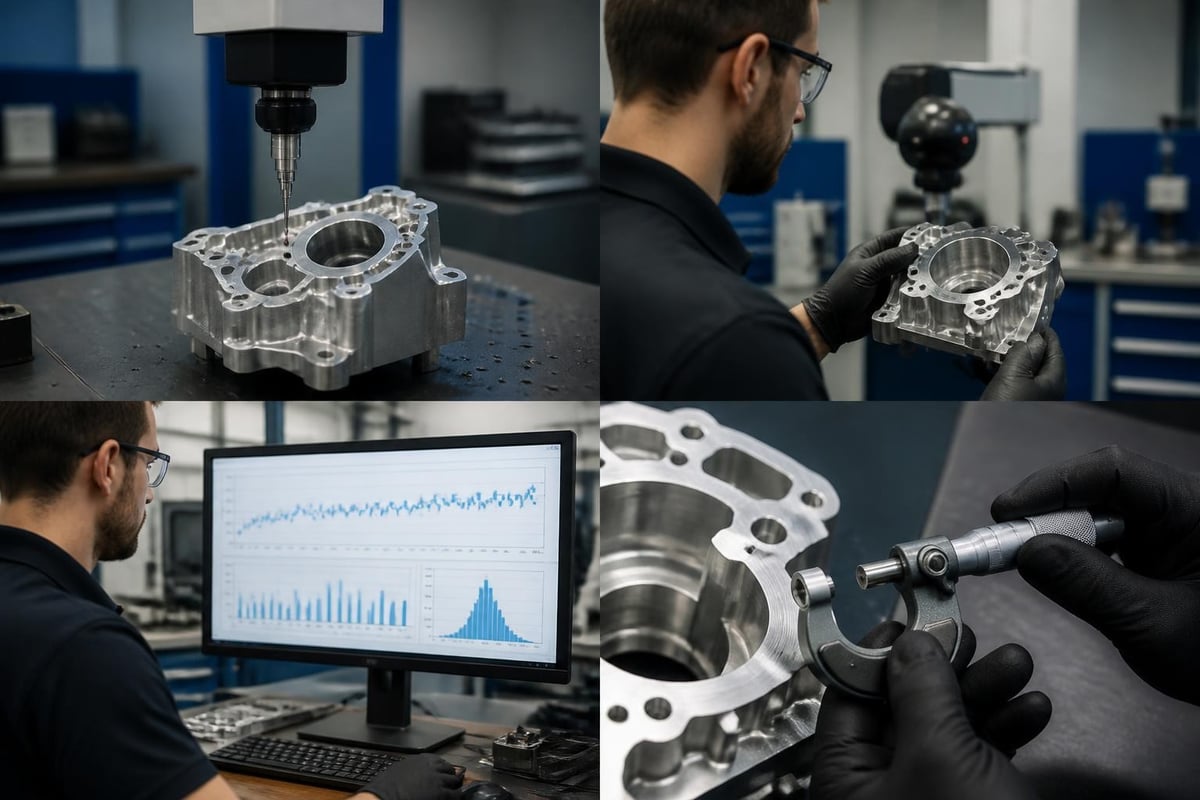
Inspection capability determines whether a shop can verify they've met your specifications. Questions to ask a machine shop about metrology should be specific and technical.
Ask about:
- Coordinate measuring machines (CMM) with work volume and accuracy specs
- Optical comparators and video measuring systems
- Surface finish testers (profilometers)
- Hardness testing equipment
- Thread and gear inspection tools
- Calibration schedules and traceability to NIST standards
The NIST Advanced Manufacturing Series on on-machine measurement provides technical background for discussing inspection methods and measurement uncertainty with potential partners.
Can You Provide Sample Inspection Reports?
Don't just ask if they inspect-request actual examples. A detailed guide on CMM inspection reports outlines what comprehensive reports should contain.
Inspection report elements to verify:
- Complete dimensional data for all critical features
- Actual measurements versus nominal with tolerances
- Out-of-tolerance callouts and disposition
- Inspector identification and date
- Equipment used and calibration status
- Material certifications and heat treat documentation
Request both first article inspection reports and production sampling reports. The format and completeness reveal their documentation standards.
Tolerance and Precision Capabilities
Tolerance claims require verification. These questions to ask a machine shop prevent discovering capability gaps after production begins.
What Tolerances Can You Consistently Hold?
General answers like "tight tolerances" mean nothing. Push for specifics in different machining operations.
| Operation Type | Standard Tolerance | Precision Tolerance | Ultra-Precision |
|---|---|---|---|
| Milling (general) | ±0.005" | ±0.001" | ±0.0002" |
| Turning (diameter) | ±0.003" | ±0.0005" | ±0.0001" |
| Hole location | ±0.005" | ±0.001" | ±0.0003" |
| Surface finish | 125 Ra | 32 Ra | 8 Ra |
According to comprehensive research on machine tool calibration, documented calibration and compensation practices directly impact achievable tolerances. Ask how they validate their claims.
How Do You Verify Machine Accuracy?
Questions to ask a machine shop about equipment maintenance reveal their reliability over time.
Machine verification practices:
- Preventive maintenance schedules and records
- Laser calibration frequency (annually minimum for precision work)
- Ball bar testing for circular interpolation accuracy
- Spindle runout checks and documentation
- Environmental controls (temperature, vibration isolation)
Shops serving demanding industries should follow formal calibration protocols. Resources from SME training and certification programs provide industry standards for machine tool maintenance and capability verification.
What Happens When Parts Are Out of Tolerance?
Their response to problems reveals operational maturity. Ask about:
- Nonconformance documentation and review processes
- Root cause analysis methods
- Corrective action implementation and verification
- Customer notification procedures
- Rework capabilities and policies
Professional shops view problems as improvement opportunities and have formal systems for addressing them.
Lead Time and Capacity Questions
Understanding scheduling and capacity prevents delivery disappointments. Strategic questions to ask a machine shop about timing should uncover their true capabilities.
What Are Your Current Lead Times?
Lead times vary by complexity, but shops should provide realistic estimates based on current loading.
Lead time factors to discuss:
- Standard production lead time for typical jobs
- Rush service availability and upcharges
- Prototype or first article timing
- Large production run scheduling
- Seasonal capacity variations
Ask what percentage of jobs ship on time. Consistent on-time delivery above 95% indicates good planning and realistic quoting.
How Do You Handle Capacity Fluctuations?
Every shop faces busy and slow periods. Understanding their approach reveals reliability during your critical times.
Questions to explore:
- Overtime and weekend shift capabilities
- Subcontracting policies and approved vendors
- Equipment redundancy for critical operations
- Cross-training and workforce flexibility
- Job prioritization methods during peak periods
For businesses in industries with seasonal demands like aggregate or oilfield maintenance, understanding capacity management becomes essential.
What Is Your Minimum Order Quantity?
Economic realities mean shops must balance job size with profitability. Clear communication prevents surprises.
| Job Type | Typical MOQ Consideration | Impact on Pricing |
|---|---|---|
| Prototype/Sample | Often no minimum, higher per-unit cost | Setup cost spread across fewer units |
| Short Run (1-25) | Setup fees may apply | Medium per-unit pricing |
| Production (25-500) | Most economical range for many shops | Lower per-unit pricing |
| Volume (500+) | May require scheduling blocks | Best pricing, committed delivery slots |
Some shops, particularly those offering custom metal fabrication, specialize in one-offs and prototypes, while others focus on production runs.
Communication and Project Management
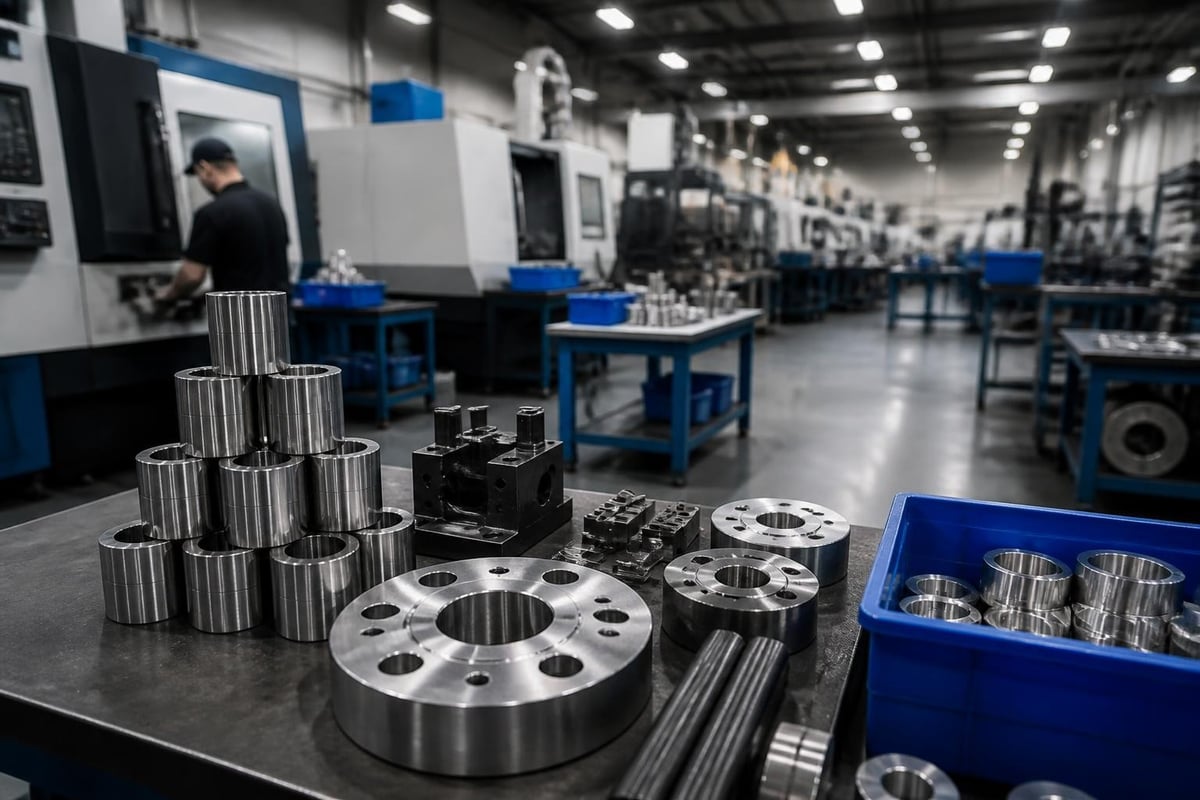
Technical capability means nothing without effective communication. These questions to ask a machine shop assess their collaboration approach.
Who Will Be My Primary Contact?
Clear ownership prevents miscommunication. Ask about:
- Dedicated project managers or account representatives
- Direct access to engineering and quality personnel
- After-hours emergency contact procedures
- Communication preferences and response time expectations
Single point of contact models work well for complex projects requiring coordination across multiple departments.
How Do You Handle Engineering Questions?
Design collaboration often determines project success. Inquire about:
Engineering support capabilities:
- Design for manufacturability (DFM) review and feedback
- CAD file format compatibility (STEP, IGES, Parasolid, native formats)
- Drawing interpretation and GD&T expertise
- Value engineering suggestions for cost reduction
- Prototype development and iterative design support
Shops familiar with the difference between welding and fabrication can provide valuable input during design phases, especially for weldments and fabricated assemblies.
What Project Documentation Do You Provide?
Documentation standards separate professional operations from casual shops. Request samples of:
- Formal quotations with detailed scope and exclusions
- Job travelers or routing sheets
- Inspection reports and certifications
- Material test reports and mill certificates
- As-built documentation for modified designs
- Final invoices with clear cost breakdowns
The comprehensive RFQ checklist from Machmaster outlines documentation elements that facilitate clear communication and accountability.
Specialized Capability Questions
Industry-specific requirements demand targeted questions. Tailor your inquiries to your sector's unique needs.
For Welding and Fabrication Projects
When evaluating shops for welding work, questions to ask a machine shop should address certifications and procedures.
Welding-specific inquiries:
- Welder certifications and qualification test records
- Welding procedure specifications (WPS) and procedure qualification records (PQR)
- Code compliance (AWS D1.1, API 1104, ASME Section IX)
- Non-destructive testing capabilities (RT, UT, MT, PT)
- Welding equipment and process capabilities (SMAW, GMAW, GTAW, FCAW)
For pipeline and pressure vessel work, understanding AWS D1.1 vs API 1104 standards and working with certified API 1104 pipeline welding contractors becomes critical.
For Hydraulic and Precision Boring Work
Specialized services require specialized questions. When evaluating hydraulic cylinder repair or on-site line boring services capabilities:
- Portable boring equipment specifications and capacity ranges
- Field service radius and mobilization requirements
- Hydraulic testing equipment and pressure capabilities
- Seal and component sourcing for obsolete equipment
- Experience with specific equipment manufacturers
For Heavy Equipment and Earthmoving Applications
When supporting heavy-duty welding services for earthmoving equipment, ask about:
- Maximum component weight handling capability
- Hard surfacing and wear plate application experience
- Structural steel and high-strength steel expertise
- Field deployment capabilities for on-site repair
- Preventive maintenance program support
According to the Zetwerk contract manufacturing checklist, specialized capabilities should be verified through reference projects, not just capability statements.
Financial and Business Questions
Beyond technical capability, business stability and practices matter. Questions to ask a machine shop should include financial and operational health indicators.
What Are Your Payment Terms and Pricing Structure?
Understanding financial arrangements prevents friction later.
Payment and pricing topics:
- Standard payment terms (net 30, net 60, etc.)
- Deposit requirements for new customers or large projects
- Progress billing options for extended projects
- Pricing basis (time and materials vs. fixed price)
- Rush order or expedite fees
- Minimum charges or setup fees
Transparent pricing builds trust. The MDA machine shop selection guide emphasizes that shops confident in their value provide detailed, itemized quotations.
Do You Carry Adequate Insurance?
Risk management protects both parties. Verify:
- General liability insurance coverage limits
- Product liability insurance for manufactured components
- Workers compensation insurance compliance
- Professional liability coverage if providing design services
- Cyber liability insurance for protecting intellectual property
Request certificates of insurance naming your company as additional insured for significant projects.
Can You Provide Customer References?
Past performance predicts future results. Ask for:
- Three to five recent customers in similar industries
- Contact information for project managers or engineers (not just purchasing)
- Permission to discuss project specifics, challenges, and outcomes
- Examples of long-term customer relationships (3+ years)
Check references thoroughly. Ask about communication, problem resolution, delivery reliability, and whether they would use the shop again.
Advanced Technical Verification
For critical applications, standard questions to ask a machine shop must go deeper into technical verification.
What Process Controls Do You Use?
Statistical process control (SPC) and process capability studies demonstrate manufacturing maturity.
Inquire about:
- SPC implementation and charting practices
- Process capability indices (Cpk) for critical features
- First article inspection (FAI) procedures
- In-process inspection frequency
- Process failure mode and effects analysis (PFMEA)
The Haizol precision machining guide details how shops should substantiate capability claims through documented process control data.
How Do You Protect Intellectual Property?
Proprietary designs require protection. Discuss:
IP protection measures:
- Non-disclosure agreement (NDA) signing practices
- Physical security for drawings and CAD files
- Digital security and network access controls
- Employee confidentiality agreements
- Prototype and scrap disposal procedures
Professional shops treat customer IP as seriously as their own and have formal policies governing its protection.
What Continuous Improvement Initiatives Are Active?
Stagnant shops fall behind. Ask about:
- Lean manufacturing or Six Sigma implementation
- Employee training and skills development programs
- Equipment upgrade and technology adoption plans
- Supplier development and qualification processes
- Customer satisfaction measurement and response
Active improvement programs indicate a shop investing in long-term capabilities rather than coasting on existing equipment and knowledge.
Industry-Specific Considerations for Western U.S. Operations
Geographic and regional factors affect service delivery, particularly for businesses operating across the Western United States in industries like recycling, aggregate, and oil and gas.
Field Service and On-Site Capabilities
Remote operations often require on-site work. Questions to ask a machine shop about field services include:
- Mobile equipment inventory and capabilities
- Service territory and travel policies
- Emergency response time commitments
- Field technician certifications and experience
- Support equipment (welding trucks, portable machining, etc.)
For operations in remote areas, evaluate whether shops can provide comprehensive field support or only shop-based services.
Material Sourcing and Supply Chain
Western U.S. operations may face longer material lead times. Discuss:
- Primary material suppliers and relationships
- Inventory of common materials and sizes
- Expedited material sourcing capabilities
- Import material experience (tariffs, documentation)
- Alternative material suggestion capabilities
Understanding supply chain strengths prevents material delays from derailing projects.
Asking comprehensive, strategic questions before committing to a machine shop partnership protects your project timeline, budget, and quality standards. The right questions reveal not just what equipment a shop owns, but how they operate, solve problems, and support customers through challenges. For businesses across commercial and industrial manufacturing sectors in the Western United States, LTJ Industrial Services brings decades of experience in machining, welding, fabrication, and field services to support your critical operations. Whether you need precision machining, hydraulic repair, custom fabrication, or on-site field services, our team delivers the quality and reliability your business demands.