
The landscape of industrial services continues to evolve rapidly in 2026, driven by technological innovation, sustainability demands, and the growing complexity of manufacturing operations. Companies across commercial and industrial sectors require specialized expertise in welding, fabrication, machining, and field services to maintain competitive advantage and operational excellence. Understanding the full spectrum of industrial services available and how they integrate with modern manufacturing processes has become essential for business leaders making strategic decisions about maintenance, production, and growth.
Understanding Modern Industrial Services
Industrial services encompass a comprehensive range of specialized solutions that support manufacturing, production, and operational continuity across diverse sectors. These services extend far beyond basic maintenance to include advanced fabrication, precision machining, custom welding, hydraulic systems, and emergency field repairs that keep facilities running efficiently.
The global industrial services sector is projected to grow from USD 49.66 billion in 2026 to USD 91.70 billion by 2034, reflecting increasing demand for specialized technical expertise. This expansion demonstrates how businesses recognize the strategic value of partnering with experienced service providers rather than maintaining all capabilities in-house.
Core Service Categories
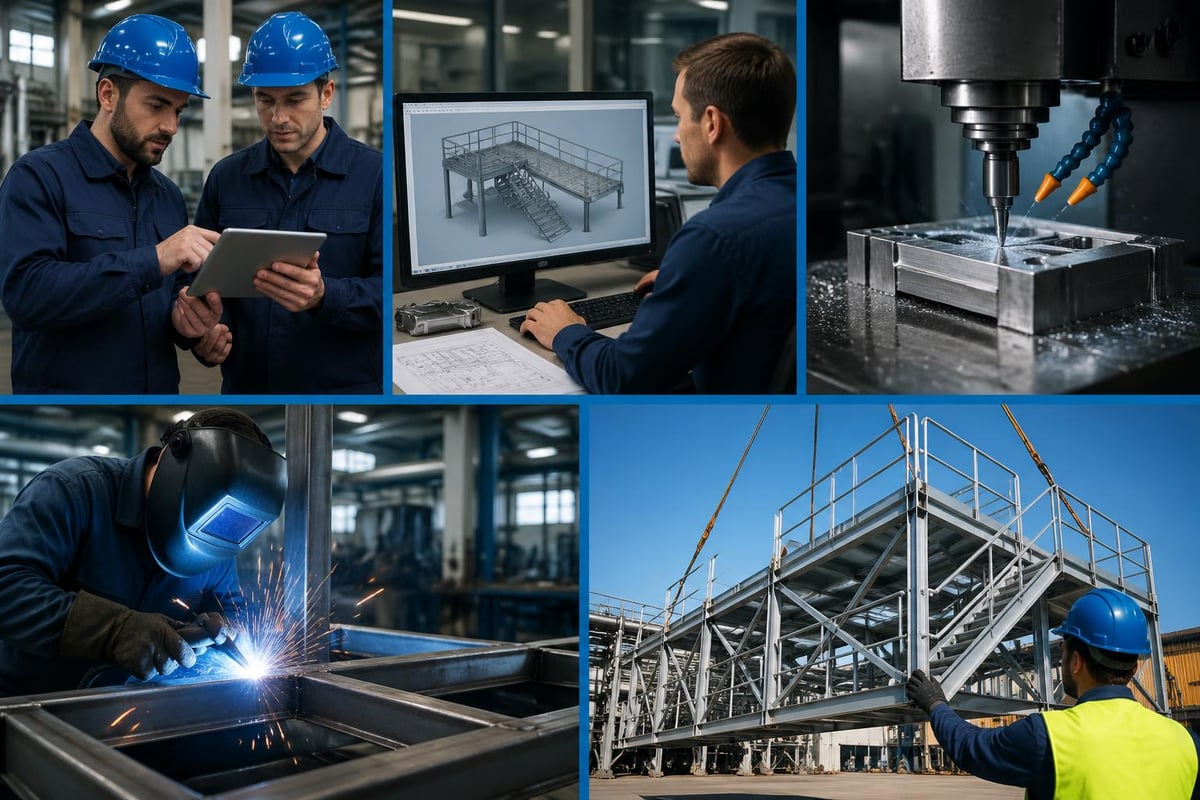
Different industrial operations require distinct service capabilities. Metal fabrication forms the foundation of many industrial projects, transforming raw materials into custom components and structures. Metal fabrication and welding services combine cutting, bending, and joining processes to create everything from small precision parts to large structural assemblies.
Machining services provide the accuracy and repeatability essential for modern manufacturing. Computer numerical control (CNC) machining, manual machining, and specialized processes like water jetting enable fabrication of components meeting exact specifications. These capabilities support industries from oil and gas to aggregate processing and recycling operations.
Field services bring expertise directly to operational sites, minimizing downtime and transportation costs. Mobile welding units, on-site machining equipment, and portable hydraulic repair capabilities ensure businesses maintain productivity even when equipment cannot be moved to a shop environment.
Technology Integration and Digital Transformation
The industrial services sector has embraced technological advancement at an unprecedented pace. Automation, Internet of Things (IoT) connectivity, and artificial intelligence now play critical roles in service delivery and quality assurance. Recent analysis shows manufacturing shifting towards service-driven growth, with Industrial AI transforming how companies approach maintenance and production support.
Digital twin technology represents one of the most significant innovations affecting industrial services. This approach creates virtual replicas of physical assets, enabling predictive maintenance, process optimization, and remote troubleshooting. Service providers can now identify potential failures before they occur and optimize repair strategies based on real-time data.
Advanced Welding Technologies
Modern welding capabilities extend well beyond traditional stick and MIG processes. Automated welding systems, robotic welding cells, and advanced techniques like friction stir welding and laser welding deliver superior quality and consistency. These technologies particularly benefit high-volume production and applications requiring exceptional precision.
For companies seeking custom welding and fabrication solutions, understanding these advanced capabilities helps specify the right approach for each project. Pulse welding reduces heat input for sensitive materials, while orbital welding ensures perfect pipe joints in critical applications.
| Welding Process | Best Applications | Key Advantages |
|---|---|---|
| TIG Welding | Precision work, stainless steel, aluminum | Superior quality, minimal spatter, excellent control |
| MIG Welding | Production welding, structural steel | High speed, good penetration, versatile |
| Flux-Cored Arc | Heavy fabrication, outdoor work | Deep penetration, weather tolerance, efficient |
| Robotic Welding | High-volume production, repeatability | Consistent quality, reduced labor costs, improved safety |
Industry-Specific Applications
Different sectors demand specialized industrial services tailored to their unique operational requirements and regulatory environments. The oil and gas industry requires services meeting stringent safety standards and capable of handling extreme conditions. Pressure vessel fabrication, pipeline repair, and specialized coatings must withstand harsh environments while maintaining operational integrity.
Aggregate and mining operations need robust equipment capable of processing abrasive materials under demanding conditions. Structural steel fabrication for mining equipment must account for heavy loads, constant vibration, and exposure to dust and moisture. Custom conveyors, chutes, screens, and crushing equipment require engineering expertise and fabrication precision.
The recycling industry presents unique challenges requiring innovative solutions. Equipment must handle diverse materials, resist corrosion from various contaminants, and maintain efficiency despite variable input streams. Hydraulic systems powering balers, shears, and compactors demand regular maintenance and rapid repair capabilities to prevent costly downtime.
Manufacturing Sector Needs
Commercial manufacturing facilities require comprehensive support services enabling continuous production. Preventive maintenance programs, emergency repair capabilities, and production equipment upgrades form the foundation of effective manufacturing services partnerships.
Production line modifications, custom tooling fabrication, and equipment refurbishment help manufacturers adapt to changing market demands without massive capital investments. Machine shops providing quick turnaround on replacement parts and custom components become essential partners in maintaining operational flexibility.
- Equipment maintenance programs prevent unexpected failures
- Precision machining ensures component compatibility and performance
- Custom fabrication enables production line modifications
- Field welding repairs minimize equipment downtime
- Hydraulic services maintain power systems efficiency
Strategic Sourcing and Partnership Selection
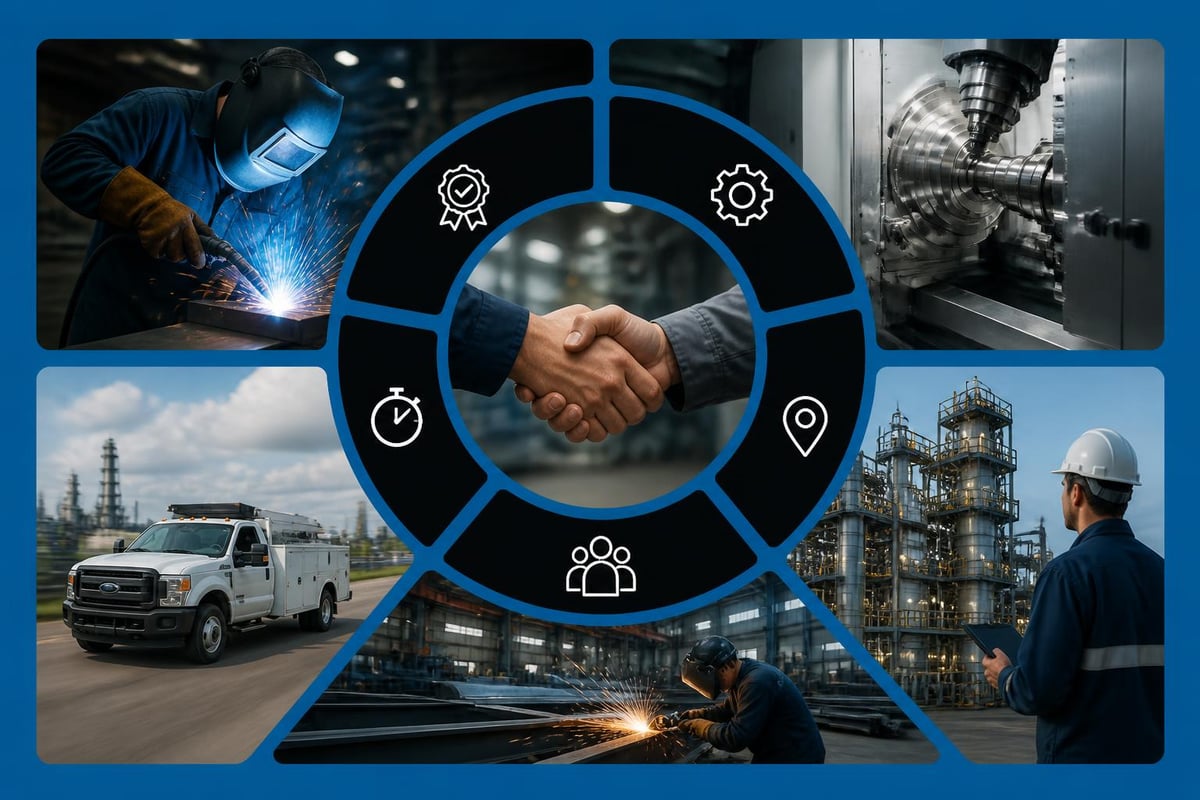
Choosing the right industrial services provider significantly impacts operational efficiency, project success, and long-term costs. Businesses must evaluate potential partners across multiple dimensions beyond simple price comparison. Technical capabilities, equipment availability, response times, and industry experience all contribute to partnership value.
Geographic coverage matters particularly for companies operating across broad regions. Service providers with mobile capabilities throughout the Western United States can support multiple facilities with consistent quality standards. This geographic reach becomes especially valuable during equipment failures requiring immediate on-site response.
Evaluating Service Capabilities
Technical expertise forms the foundation of effective industrial services. Providers should demonstrate proficiency in required processes, certifications for specialized work, and investment in modern equipment. Machining and fabrication capabilities should include both traditional and advanced technologies appropriate for your specific applications.
Quality assurance processes separate exceptional service providers from adequate ones. Look for documented procedures, inspection protocols, material traceability systems, and commitment to continuous improvement. These systems ensure consistent results across projects and provide confidence in mission-critical applications.
Response time capabilities directly affect downtime duration and associated costs. Providers offering 24/7 emergency services, strategically positioned field service vehicles, and adequate staffing demonstrate commitment to customer support beyond standard business hours.
Project Planning and Execution
Successful industrial services projects begin with thorough planning and clear communication. Whether undertaking major fabrication projects or routine maintenance, establishing detailed scopes of work, timelines, and quality standards prevents misunderstandings and ensures satisfactory outcomes.
Large-scale metal fabrication for construction projects requires coordination between multiple stakeholders, adherence to engineering specifications, and careful scheduling to support construction timelines. Detailed project plans address material procurement, fabrication sequences, quality checkpoints, and delivery schedules.
Communication Protocols
Effective project communication keeps all parties informed and aligned throughout execution. Regular progress updates, immediate notification of issues, and documented change order processes prevent surprises and facilitate quick decision-making. Digital project management tools enable real-time visibility into fabrication progress, material status, and quality inspection results.
For complex projects involving custom metal fabrication, early involvement of service providers during design phases often identifies optimization opportunities. Value engineering suggestions can reduce material costs, improve manufacturability, or enhance performance without compromising design intent.
- Initial consultation establishes project scope and requirements
- Design review identifies potential manufacturing challenges early
- Material selection balances performance needs with cost efficiency
- Fabrication planning sequences operations for optimal quality
- Quality inspection verifies compliance with specifications
- Final delivery coordinates logistics and installation support
Workforce Development and Skills
Recruitment trends in industrial services for 2026 emphasize the growing need for technologically skilled workers who combine traditional craftsmanship with digital literacy. The sector faces ongoing challenges attracting and retaining qualified welders, machinists, and technicians capable of operating increasingly sophisticated equipment.
Successful industrial services providers invest heavily in workforce development through apprenticeship programs, continuing education, and certification support. These investments ensure technicians stay current with evolving technologies, safety standards, and industry best practices. Companies benefit from working with providers demonstrating commitment to employee development.
Certification and Standards Compliance
Professional certifications verify individual competency and organizational commitment to quality. Welding certifications from organizations like the American Welding Society confirm technicians can perform specific processes meeting industry standards. Machinist certifications demonstrate precision capabilities and measurement proficiency essential for tight-tolerance work.
Beyond individual certifications, facility certifications and quality management system registrations provide additional assurance. ISO 9001 certification demonstrates systematic approaches to quality management, while industry-specific certifications verify compliance with sector requirements.
| Certification Type | Issuing Organization | Significance |
|---|---|---|
| Certified Welder | American Welding Society | Process-specific welding competency verification |
| CNC Machinist | National Institute for Metalworking Skills | Precision machining capabilities confirmation |
| ISO 9001 | International Organization for Standardization | Quality management system implementation |
| ASME Code | American Society of Mechanical Engineers | Pressure vessel and piping fabrication authorization |
Safety and Regulatory Compliance
Industrial services operations involve inherent hazards requiring comprehensive safety programs and regulatory compliance. Providers must maintain current knowledge of Occupational Safety and Health Administration (OSHA) requirements, environmental regulations, and industry-specific safety standards. Effective safety cultures protect workers, prevent accidents, and minimize liability exposure.
Welding operations generate fumes, intense light, and fire hazards requiring proper ventilation, personal protective equipment, and fire prevention measures. Welding businesses must implement written safety procedures, regular equipment inspections, and ongoing safety training for all personnel.
Machining operations present risks from rotating equipment, sharp tools, and flying debris. Machine guarding, lockout-tagout procedures, and proper training prevent injuries and ensure compliance with safety regulations. Service providers should demonstrate documented safety programs and strong safety performance records.
Environmental Considerations
Environmental compliance extends beyond basic safety to include waste management, emissions control, and sustainable practices. Metal fabrication generates scrap material requiring proper recycling or disposal. Cutting fluids, solvents, and other chemicals need appropriate handling, storage, and disposal procedures meeting environmental regulations.
Progressive industrial services providers embrace sustainability as both regulatory requirement and competitive advantage. Material utilization optimization reduces waste, while energy-efficient equipment lowers operational costs and environmental impact. These practices align with growing customer expectations for environmentally responsible business partners.
Cost Management and Value Optimization
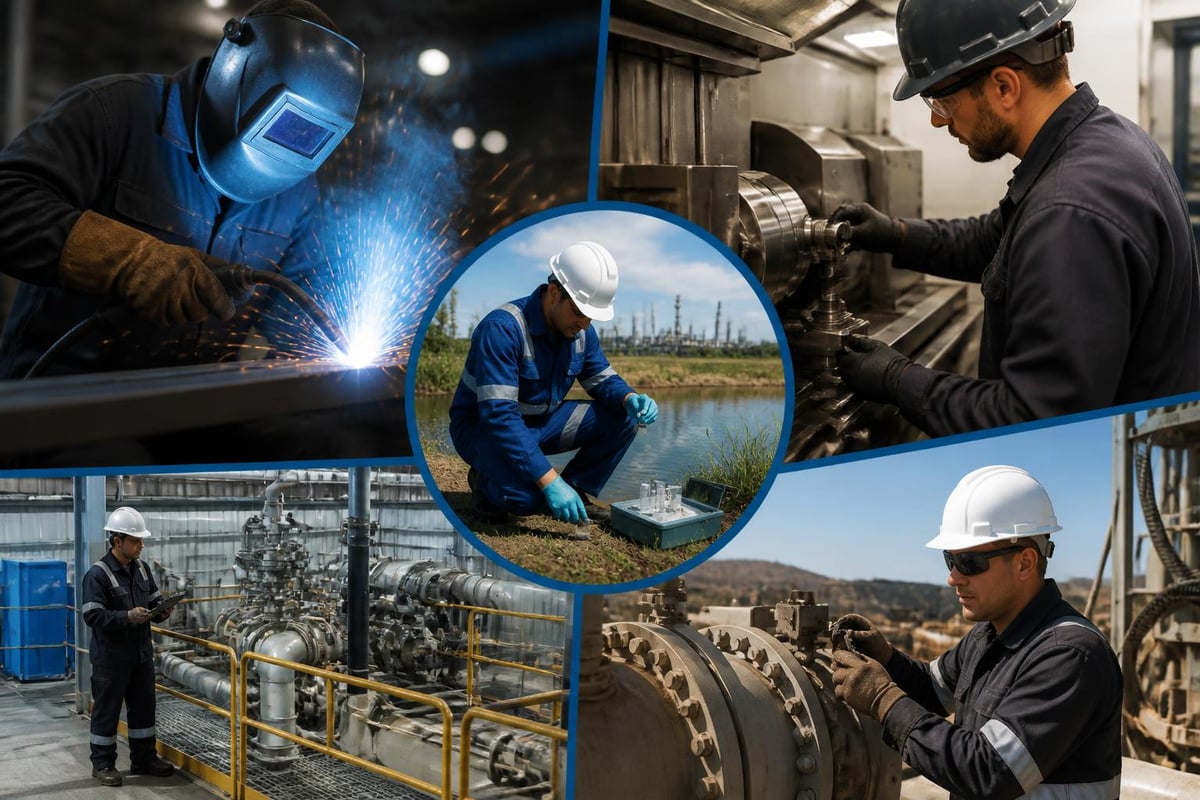
Industrial services represent significant operational expenses requiring careful management to balance quality, timeliness, and cost efficiency. Understanding cost structures, pricing models, and value drivers enables better decision-making when sourcing services and managing budgets.
Fixed-price contracts provide cost certainty for well-defined projects but may include contingency padding for unknown variables. Time-and-materials arrangements offer flexibility for evolving scopes but require careful oversight to control costs. The optimal pricing approach depends on project characteristics, risk allocation preferences, and relationship maturity.
Total Cost of Ownership Analysis
Evaluating industrial services purely on initial price overlooks important cost factors affecting long-term value. Higher-quality fabrication may cost more upfront but deliver extended service life and reduced maintenance requirements. Faster turnaround times minimize production downtime costs that often exceed service fees.
Preventive maintenance programs illustrate total cost thinking. Regular inspections and scheduled services cost more than reactive approaches in the short term but prevent expensive emergency repairs and unplanned downtime. Companies achieving optimal total cost of ownership strategically balance preventive and reactive service investments.
Geographic proximity affects both direct costs and indirect factors like response times and shipping expenses. Regional providers may offer advantages in emergency situations despite potentially higher hourly rates compared to distant alternatives. Industrial manufacturing companies benefit from evaluating these trade-offs systematically.
Supply Chain Integration
Industrial services increasingly integrate with broader supply chain strategies as companies recognize the interdependencies between fabrication, procurement, and production. Just-in-time manufacturing approaches require reliable, responsive service partners capable of quick turnarounds on replacement parts and custom components.
Strategic service partnerships enable inventory reduction by providing rapid fabrication capabilities when needed rather than maintaining extensive spare parts stocks. This approach requires strong relationships with providers demonstrating consistent delivery performance and quality reliability.
Material Management
Effective material management separates exceptional industrial services providers from average performers. Established relationships with steel mills, aluminum suppliers, and specialty materials distributors enable competitive pricing and reliable availability. Material certifications and traceability systems ensure compliance with project specifications and regulatory requirements.
Recent analysis of industrial services trends highlights how technological innovations including automation and IoT optimize supply chain processes. Real-time inventory visibility, automated reordering systems, and predictive analytics help service providers maintain material availability while minimizing carrying costs.
Quality Assurance and Continuous Improvement
Quality management systems form the backbone of reliable industrial services delivery. Documented procedures, regular audits, and continuous improvement processes ensure consistent results meeting customer expectations. Quality begins with clear specifications and extends through every production step to final inspection and delivery.
Non-destructive testing (NDT) methods verify fabrication integrity without damaging components. Ultrasonic testing, radiographic inspection, magnetic particle testing, and dye penetrant inspection each serve specific applications revealing internal or surface defects. Critical applications in oil and gas, pressure vessels, and structural components often require NDT verification.
Dimensional inspection ensures fabricated components meet engineering tolerances using coordinate measuring machines (CMM), laser scanners, and traditional measurement tools. Precision CNC plasma cutting service suppliers invest in quality inspection equipment matching their fabrication capabilities, closing the loop between production and verification.
Performance Metrics
Establishing clear performance metrics enables objective evaluation of service provider performance and identifies improvement opportunities. Key performance indicators might include on-time delivery percentages, first-pass quality rates, safety incident frequencies, and customer satisfaction scores.
Progressive service providers share performance metrics transparently with customers, demonstrating commitment to accountability and continuous improvement. Regular business reviews discussing metrics, challenges, and improvement initiatives strengthen partnerships and align expectations.
- On-time delivery rate measures schedule reliability
- First-pass acceptance indicates quality consistency
- Safety performance reflects operational discipline
- Response time compliance demonstrates service commitment
- Cost variance tracks budget performance
Regional Considerations for Western Operations
Operating across the Western United States presents unique considerations affecting industrial services delivery. Vast distances between facilities, varying environmental conditions, and regional industry concentrations influence service strategies and provider selection.
States like Colorado, Wyoming, Utah, and New Mexico host significant oil and gas operations requiring specialized services meeting API standards and capable of supporting remote locations. Colorado industrial operations benefit from providers familiar with altitude considerations, temperature extremes, and regulatory environments specific to Rocky Mountain states.
Mining and aggregate operations concentrated in Nevada, Arizona, and Montana require equipment capable of handling abrasive materials and operating in dusty, harsh environments. Service providers supporting these industries need experience with heavy structural fabrication, conveyor systems, and wear-resistant materials.
Logistics and Mobilization
Geographic dispersion requires strategic thinking about service delivery models. Centralized shop facilities offer equipment and capability advantages but require transportation for field services. Mobile service units bring capabilities directly to customer sites, reducing downtime but with equipment limitations compared to full shop environments.
Successful providers balance these approaches, maintaining well-equipped shops for complex fabrication while deploying mobile capabilities for field services, emergency repairs, and on-site welding. This hybrid model maximizes capability while minimizing customer downtime and transportation costs.
Future Outlook and Emerging Trends
Analysis of M&A trends in industrials and services highlights energy transition, digital transformation, and strategic portfolio realignment as key drivers shaping the sector's future. Industrial services providers must adapt to these forces while maintaining core competencies in fabrication, welding, and machining.
Energy transition creates new opportunities in renewable infrastructure, requiring specialized fabrication for wind towers, solar mounting systems, and energy storage installations. Traditional oil and gas expertise translates into hydrogen infrastructure, carbon capture systems, and other emerging energy technologies.
Additive manufacturing continues expanding from prototyping into production applications, complementing traditional fabrication methods. Metal 3D printing enables complex geometries impossible with conventional machining while reducing material waste. Forward-thinking service providers integrate these capabilities alongside traditional processes.
Artificial intelligence and machine learning optimize scheduling, predict maintenance needs, and improve quality control through automated inspection systems. These technologies enhance rather than replace skilled craftspeople, enabling them to focus on complex tasks requiring human judgment and expertise.
The industrial services landscape in 2026 demands technical excellence, technological sophistication, and strategic partnership approaches that align service capabilities with operational requirements. Companies that thoughtfully select service partners, invest in preventive maintenance, and leverage advanced fabrication technologies position themselves for sustained competitive advantage. Whether your operation requires emergency field repairs, complex custom fabrication, or ongoing maintenance support, working with experienced professionals ensures quality results and operational reliability. LTJ Industrial Services brings comprehensive welding, fabrication, and machining expertise to commercial and industrial operations throughout the Western United States, delivering the responsive, high-quality solutions your business needs to maintain productivity and achieve your goals.