
Structural steel fabrication for mining equipment stands at the heart of every safe and reliable operation in today’s mining industry. Without expertly crafted steel components, even the most advanced machinery is vulnerable to breakdowns and hazards.
This expert guide dives deep into structural steel fabrication for mining equipment, highlighting the latest 2026 standards, material innovations, and engineering best practices. Whether you’re a mining professional, engineer, or procurement manager, you’ll find actionable insights to enhance equipment performance and ensure compliance.
Discover why fabrication quality is vital, learn about optimal material selection, and explore step-by-step processes, rigorous quality control, and cutting-edge trends. Ready to elevate your mining projects? Read on for expert recommendations that will help you achieve outstanding results.
The Importance of Structural Steel Fabrication in Mining Equipment
Structural steel fabrication for mining equipment is the unsung hero behind every reliable and safe mining operation. The strength, precision, and longevity of fabricated steel components are central to the industry’s ability to move, crush, and process massive volumes of material without interruption. Understanding the importance of this process is essential for mining professionals committed to safety, efficiency, and long-term profitability.
The Backbone of Mining Operations
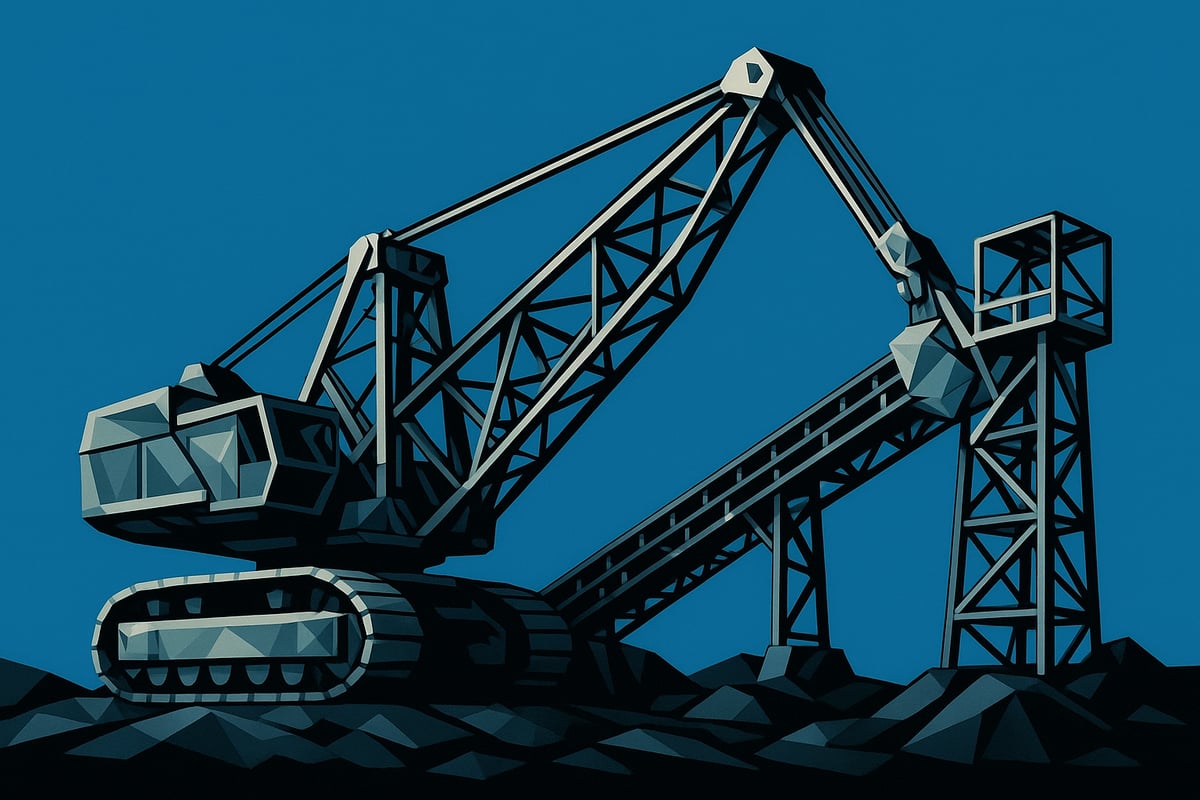
Structural steel fabrication for mining equipment forms the backbone of every major mining project. From colossal draglines that extract earth to crushers that pulverize ore, nearly all heavy-duty machinery depends on expertly fabricated steel.
Consider draglines, crushers, conveyors, and excavators. Each relies on custom steel frames and supports to handle extreme loads, continuous vibration, and challenging terrain. The load-bearing capacity and operational safety of these machines are directly tied to the quality of their steel fabrication.
Industry data shows that over 80% of mining equipment relies on custom-fabricated steel components. When fabrication falls short, the consequences are immediate and costly. For example, a poorly welded conveyor frame can lead to catastrophic failure, halting production and risking worker safety. Case studies reveal that undetected fabrication flaws have caused unplanned shutdowns, extensive repairs, and even accidents.
Partnering with a provider that offers a comprehensive Fabrication Services Overview ensures mining operations receive steel components engineered for performance and reliability. The right fabrication expertise is critical for building equipment that withstands the toughest mining conditions.
Key Challenges in Mining Environments
Mining environments present some of the harshest conditions imaginable for steel structures. Continuous abrasion from rocks, exposure to corrosive materials, and relentless mechanical stress test the limits of every component.
Structural steel fabrication for mining equipment must account for these extremes. Precision engineering is non-negotiable. Every weld, joint, and frame must be designed and executed to the highest standards. Regulatory compliance is also a driving force. Agencies like OSHA, MSHA, and ISO 9001 set strict guidelines for fabrication quality and worker safety.
Meeting these requirements demands robust quality control, advanced fabrication techniques, and thorough inspections. Fabricators must ensure every steel component meets or exceeds industry benchmarks. This approach not only prevents equipment failure but also builds trust with operators and regulators.
By prioritizing structural steel fabrication for mining equipment that meets rigorous standards, mining companies reduce risk and enhance the overall resilience of their assets. Every step, from material selection to final inspection, supports safer, more reliable mining operations.
Economic and Operational Benefits
Investing in high-quality structural steel fabrication for mining equipment delivers measurable economic and operational advantages. The most immediate benefit is reduced downtime. When equipment is built right from the start, unplanned shutdowns become rare, and productivity remains high.
Another significant advantage is extended equipment lifespan. Durable, well-fabricated steel components require less frequent maintenance and repair. Industry statistics show that fabrication quality can lower annual maintenance costs by up to 25%. These savings quickly add up, especially across large fleets and multi-site operations.
Operational efficiency increases as well. With robust fabrication, mining teams spend less time troubleshooting failures and more time focusing on production goals. Ultimately, structural steel fabrication for mining equipment is a strategic investment that pays dividends in safety, reliability, and profitability.
Essential Steel Materials and Design Strategies for Mining Equipment
Selecting the right materials is at the core of effective structural steel fabrication for mining equipment. The choice of steel grade, design approach, and sourcing practices directly impact durability, safety, and long-term performance in demanding mining environments.
Choosing the Right Structural Steel Grades
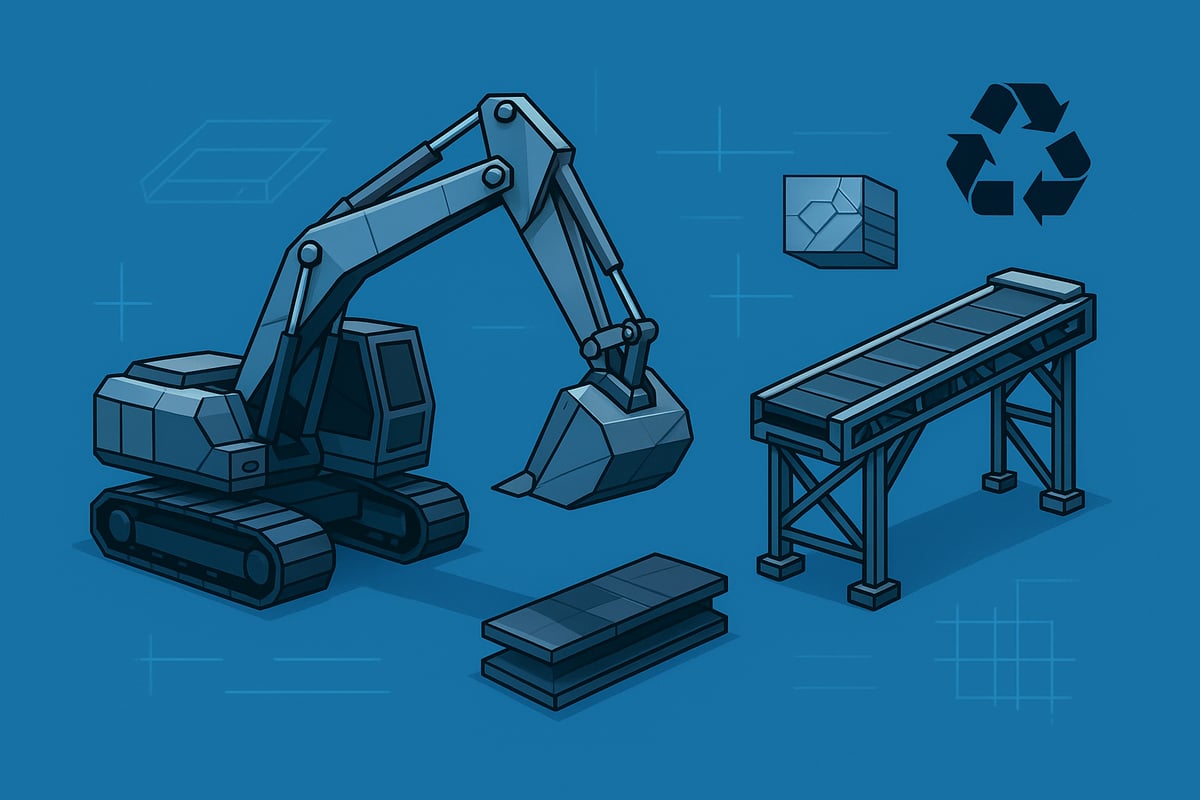
For structural steel fabrication for mining equipment, steel grade selection is fundamental. Mining machinery faces extreme mechanical stress, abrasion, and exposure to corrosive substances. As a result, fabricators commonly use grades such as ASTM A36 for general components, A572 for higher strength, and high-strength low-alloy steels for critical load-bearing parts.
Abrasion-resistant (AR) steels are essential in wear-prone areas like hoppers and liners. Their superior hardness extends component lifespan, reducing downtime and replacement costs. Factors influencing grade selection include tensile strength, weldability, and corrosion resistance.
Certification and traceability are non-negotiable when sourcing steel. Reputable fabricators ensure all materials meet industry standards and project specifications. For insights into modern quality control and skilled workforce requirements, review Best Practices in Structural Steel Fabrication Services.
Steel grade comparison table:
| Steel Grade | Strength | Weldability | Corrosion Resistance | Typical Use |
|---|---|---|---|---|
| ASTM A36 | Moderate | Excellent | Basic | General structures |
| ASTM A572 | High | Good | Moderate | Frames, supports |
| AR Steel | Very High | Moderate | High | Liners, chutes, hoppers |
Design for Performance and Safety
In structural steel fabrication for mining equipment, design must prioritize both operational efficiency and worker safety. Engineers perform detailed load calculations and stress analyses to ensure every component withstands dynamic and static forces. Fatigue resistance is key, particularly for equipment subjected to repetitive loading.
Safety features are integrated early in the design process. Reinforced joints, guardrails, and anti-slip platforms are common additions to protect operators and maintenance crews. Modern fabrication leverages CAD modeling and simulation tools, allowing teams to test and optimize designs before production begins.
Collaboration between engineers and fabricators is essential. Early engagement ensures that designs are not only structurally sound but also practical for fabrication and assembly. This partnership reduces costly revisions and streamlines production, a critical advantage in structural steel fabrication for mining equipment.
Material Sourcing and Sustainability
Sourcing practices in structural steel fabrication for mining equipment now go beyond simple procurement. Quality assurance demands steel be certified, traceable, and sourced from reputable mills. This traceability supports compliance with ISO 9001 and other regulatory frameworks.
Sustainability is becoming a major focus. Many mining companies now specify recycled or eco-friendly steel to minimize environmental impact. Industry data shows that up to 40 percent of steel used in mining equipment is from recycled sources, reflecting a commitment to circular economy principles.
Additionally, fabricators are adopting green practices, such as energy-efficient processing and waste minimization. These efforts not only support environmental goals but can also improve project cost-effectiveness by reducing raw material expenses. As sustainability becomes integral to procurement decisions, expect recycled content and responsible sourcing to play an even bigger role in structural steel fabrication for mining equipment.
Step-by-Step Structural Steel Fabrication Process for Mining Equipment
Structural steel fabrication for mining equipment involves a meticulous, multi-stage process to ensure every component meets the rigorous demands of mining operations. Each step is designed to optimize strength, precision, and longevity. Let us walk through the critical stages that transform raw steel into high-performance mining equipment, with a focus on industry standards and innovative practices.
1. Project Planning and Engineering
Every structural steel fabrication for mining equipment project begins with thorough planning and engineering. This phase sets the foundation for quality and efficiency throughout the fabrication process.
Stakeholders, including mining engineers, plant managers, and fabrication specialists, collaborate to define detailed requirements. Feasibility studies are conducted to identify unique operational challenges, environmental factors, and regulatory constraints. Accurate project specifications are developed, outlining dimensions, load requirements, safety features, and compliance standards.
Using advanced CAD modeling and simulation tools, engineers optimize designs for both performance and manufacturability. This early investment in planning helps prevent costly errors, reduce lead times, and ensure the finished equipment will withstand the harsh conditions typical in mining environments.
Clear documentation and communication channels are established to keep all parties aligned from concept to completion. By prioritizing planning, companies lay the groundwork for successful structural steel fabrication for mining equipment.
2. Material Preparation and Cutting
The second step in structural steel fabrication for mining equipment is material preparation and precision cutting. Selecting the right steel plates and profiles is crucial, as each grade offers specific properties suited to mining demands.
Certified, traceable steel is sourced to guarantee quality and compliance. Once received, materials undergo inspection and are organized according to the fabrication plan. Advanced cutting methods, such as CNC plasma, laser, and waterjet cutting, are employed to achieve tight tolerances and smooth edges. These techniques ensure minimal material waste and optimal fit-up during assembly.
Edge quality is meticulously checked to prevent weld defects and ensure structural integrity. Proper labeling and tracking of each piece support traceability for later quality control stages. This attention to detail in material preparation enables the structural steel fabrication for mining equipment process to proceed smoothly and efficiently.
3. Forming and Shaping
Once materials are cut, the next phase in structural steel fabrication for mining equipment is forming and shaping. This step transforms flat steel into the complex geometries required for mining machinery.
Common forming techniques include bending, rolling, and pressing. Specialized equipment enables the creation of curved, angled, or contoured components with high precision. For example, custom hoppers, chutes, and reinforced frames are shaped to exact specifications to handle heavy loads and abrasive materials.
Operators use detailed fabrication drawings and jigs to maintain consistency across batches. Quality checks are performed to verify dimensional accuracy and surface finish. The ability to achieve intricate shapes without compromising strength is essential for mining equipment, where reliability and safety are paramount.
Effective forming and shaping set the stage for precise assembly, ensuring all parts fit together seamlessly in the next steps of the structural steel fabrication for mining equipment process.
4. Welding and Assembly
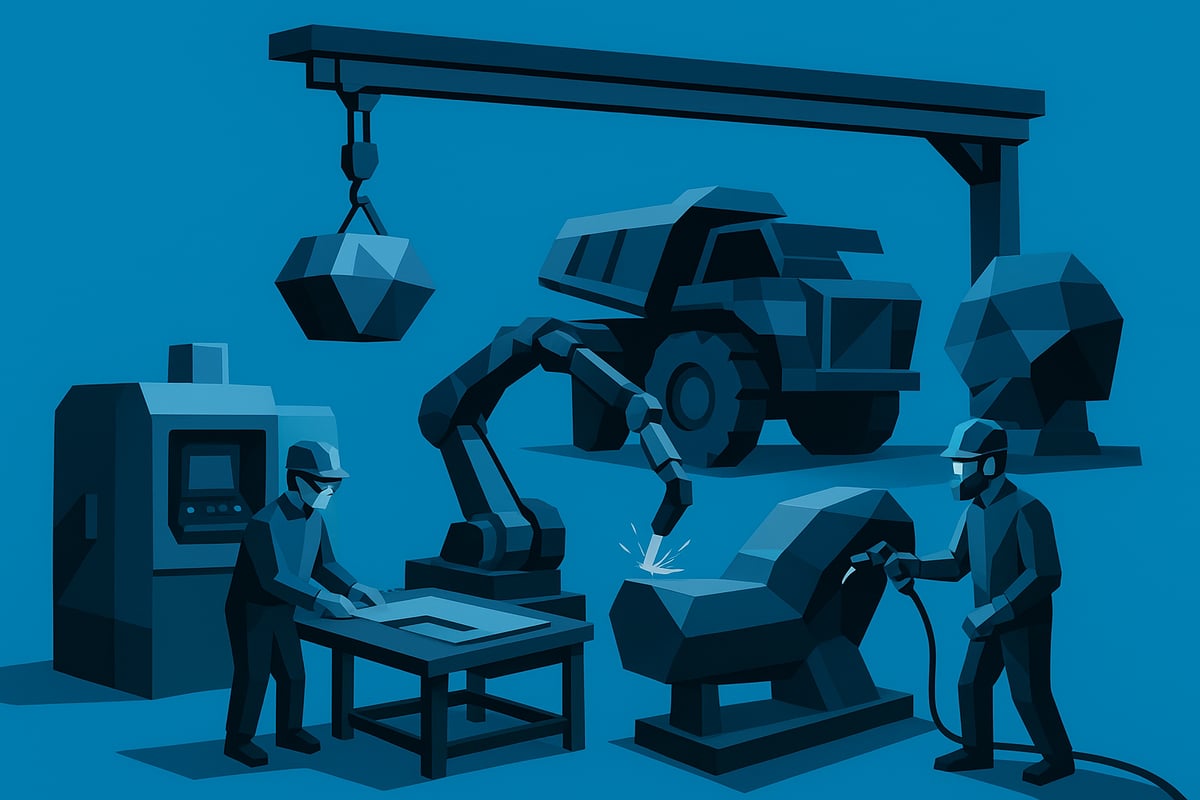
Welding and assembly represent the heart of structural steel fabrication for mining equipment. This stage involves joining shaped steel components to create robust substructures and complete equipment frames.
A range of welding processes is used, including MIG, TIG, stick, and flux-cored arc welding. Each method offers advantages depending on material thickness, joint design, and required strength. Weld quality is critical, as poor welds can lead to catastrophic equipment failure.
Certified welders follow detailed procedures and perform regular inspections to ensure every joint meets industry standards. Precise fixturing and alignment guarantee that subassemblies fit perfectly during final assembly. For a deeper look at specialized welding expertise, see Welding Services for Mining Equipment.
Assembly teams then bolt or weld together substructures, integrating hydraulic systems, wear plates, and safety features. This meticulous process ensures that structural steel fabrication for mining equipment produces machinery that stands up to the toughest mining environments.
5. Surface Treatment and Finishing
After assembly, surface treatment and finishing are essential to protect against corrosion and extend equipment lifespan. In structural steel fabrication for mining equipment, this step is tailored to withstand the harshest mining conditions.
First, surfaces are cleaned through sandblasting to remove impurities and prepare for coatings. Next, protective layers such as industrial paint, powder coating, or specialized wear-resistant coatings are applied. These treatments shield steel from moisture, chemicals, and abrasive materials.
Compliance with industry standards is verified at each stage to ensure coatings meet required thickness and adhesion. Documentation accompanies every finished piece, providing traceability and assurance for mining operators. The right surface treatment not only enhances durability but also reduces maintenance needs, supporting the long-term performance of structural steel fabrication for mining equipment.
6. Quality Control and Testing
The final step in structural steel fabrication for mining equipment is rigorous quality control and testing. This stage confirms that every component meets strict safety, reliability, and regulatory requirements.
Non-destructive testing (NDT) methods, such as ultrasonic, radiographic, and magnetic particle inspection, are used to detect internal flaws without damaging the steel. Dimensional inspections verify that all parts conform to design specifications, while load testing ensures structural integrity under expected operating conditions.
Comprehensive documentation is maintained to track inspections, test results, and material certifications. This traceability is essential for regulatory compliance and future maintenance. Continuous improvement programs are implemented, using feedback from testing to refine processes and enhance quality.
By prioritizing quality control, companies ensure that structural steel fabrication for mining equipment delivers machinery that is safe, durable, and ready for the demands of modern mining operations.
Innovations and Trends in Structural Steel Fabrication for Mining (2026 Outlook)
The mining industry is on the brink of transformation, with new technologies, materials, and sustainable practices reshaping structural steel fabrication for mining equipment. As we approach 2026, understanding these trends is crucial for mining professionals aiming to stay competitive and compliant. Let’s explore what is driving progress and how these changes impact operations.
Automation and Digitalization
Automation is revolutionizing structural steel fabrication for mining equipment. Robotic welding systems, automated assembly lines, and digital project management tools are now standard in leading fabrication shops. These technologies deliver unmatched precision, reduce human error, and accelerate production timelines.
Industry 4.0 is further enhancing efficiency by integrating IoT sensors and real-time monitoring. This allows teams to track weld quality, material usage, and machine performance instantly. Digital twins and BIM (Building Information Modeling) are also gaining ground, enabling better planning and clash detection. For an in-depth look at how these tools are shaping the future, review the latest Steel Detailing Trends 2026.
The result is a smarter, more connected fabrication process that supports the ever-increasing demands of mining operations.
Advanced Materials and Coatings
The push for higher performance and longevity is driving the adoption of advanced materials in structural steel fabrication for mining equipment. Nano-structured alloys and high-performance steels are gaining popularity due to their superior strength and resistance to extreme conditions.
Smart coatings are another innovation. These coatings can self-heal minor scratches or abrasions, significantly extending the lifespan of mining components. Data indicates that by 2026, 30 percent of new mining equipment will feature these advanced coatings. This shift not only boosts durability but also helps operators reduce maintenance frequency and cost.
Mining companies now have more options than ever when selecting materials, allowing for improved equipment reliability in the harshest environments.
Modular and Prefabricated Components
Modular construction is becoming a game-changer in structural steel fabrication for mining equipment. Fabricators are designing components that can be assembled rapidly on-site, minimizing downtime and increasing flexibility.
Prefabricated conveyor systems, crusher frames, and support structures are now common. This approach allows mining operations to expand or modify equipment layouts with minimal disruption. Modular systems also streamline transportation and installation, especially in remote locations.
The benefits are clear: faster project completion, reduced labor costs, and scalable solutions that adapt to evolving site needs.
Sustainability and Green Fabrication Practices
Environmental responsibility is now central to structural steel fabrication for mining equipment. Fabricators are adopting low-carbon steel production methods and investing in energy-efficient processes. The circular economy is gaining traction as companies refurbish and reuse steel components rather than discarding them.
By 2026, industry leaders are targeting significant reductions in carbon emissions and waste. Use of recycled steel is on the rise, supporting both cost savings and environmental goals. These green practices not only meet regulatory requirements but also appeal to stakeholders seeking sustainable mining solutions.
In summary, staying ahead in structural steel fabrication for mining equipment requires embracing automation, advanced materials, modular construction, and sustainability. By understanding these trends, mining professionals can ensure their operations are safe, efficient, and future-ready.
Selecting the Right Structural Steel Fabricator for Mining Equipment
Choosing the ideal partner for structural steel fabrication for mining equipment is critical to project success. The right fabricator ensures your machinery is reliable, safe, and built to the rigorous demands of mining operations. With so many options available, how do you make the best choice?
Key Criteria for Fabricator Selection
When evaluating providers of structural steel fabrication for mining equipment, prioritize experience with mining-specific projects. Look for fabricators who understand the unique challenges of mining, such as extreme loads, abrasive environments, and tight compliance requirements.
Assess technical capabilities, including equipment, certifications, and skilled workforce. A reputable fabricator should hold relevant certifications (such as AWS, ISO 9001) and demonstrate a proven safety record. Client testimonials and project portfolios offer insight into their reliability and expertise. Make sure your chosen partner has a history of delivering mining equipment that meets or exceeds industry standards.
Evaluating Fabrication Facilities and Technology
Inspecting fabrication facilities is essential before committing to a provider. Inquire if they handle all aspects of structural steel fabrication for mining equipment in-house or outsource critical processes. Modern machinery, such as CNC cutting and automated welding systems, is vital for precision and efficiency.
Verify that their technology supports advanced surface treatments, like painting and sandblasting, which protect equipment from harsh mining conditions. Consider scheduling a site visit and conducting quality audits. These steps help confirm that the fabricator’s operations align with your quality expectations and industry regulations.
Project Management and Communication
Transparent communication is the foundation of successful structural steel fabrication for mining equipment. Evaluate how the fabricator manages quoting, project timelines, and progress updates. A dedicated project manager should be available to address your questions and concerns throughout the process.
After-sales service is another important factor. Reliable fabricators provide ongoing support, maintenance guidance, and quick response to issues. Effective project management minimizes delays, ensures regulatory compliance, and helps you avoid costly surprises during equipment deployment.
LTJ Industrial Services: Your Partner in Mining Equipment Fabrication
LTJ Industrial Services stands out as a leader in structural steel fabrication for mining equipment across the Western United States. Their team brings deep expertise in welding, machining, custom fabrication, and hydraulic solutions for mining and industrial sectors.
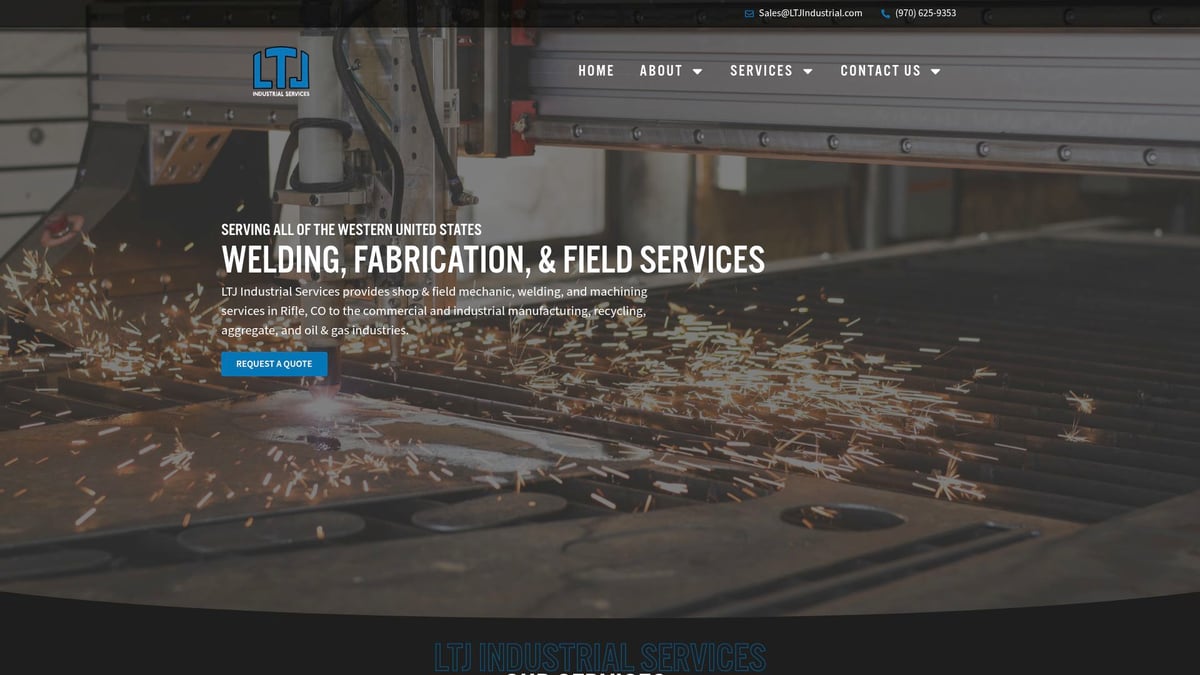
With both shop and field capabilities, LTJ delivers precise, durable components for draglines, crushers, conveyors, and more. Their Machining Solutions for Heavy Industry ensure every steel part fits exacting specifications. LTJ is committed to quality, safety, and responsive client support. Ready to optimize your mining equipment? Request a custom quote from LTJ Industrial Services today.
Best Practices and Expert Tips for Mining Equipment Steel Fabrication
Achieving excellence in structural steel fabrication for mining equipment requires a disciplined approach at every stage of the project. Industry leaders know that integrating best practices from design to delivery is critical for reliability, safety, and cost control.
Design and Engineering Collaboration
Effective structural steel fabrication for mining equipment starts with early collaboration between engineers, fabricators, and mining professionals. Bringing fabricators into the initial design phase allows for value engineering, where cost and performance are optimized without sacrificing strength.
Teams use CAD modeling and simulation to visualize stresses, loads, and fatigue points in real time. This ensures that every joint, frame, and guardrail is designed for maximum durability and operational safety.
- Engage fabricators early in equipment design
- Use value engineering to reduce material costs
- Optimize designs for manufacturability and ease of maintenance
Proactive communication at this stage prevents costly rework and enhances equipment longevity.
Quality Assurance at Every Stage
Rigorous quality assurance is essential for structural steel fabrication for mining equipment. Multi-stage inspections, from material certification to final assembly, catch defects before they become operational problems.
All fabrication staff should be regularly trained and certified. Maintaining complete traceability of materials and welds supports regulatory compliance and continuous improvement. For more on the importance of robust QA, see Quality Assurance in Steel Fabrication.
- Implement multi-stage inspections and documentation
- Require up-to-date staff certifications
- Enforce traceability for all components and welds
A culture of quality reduces downtime and supports safer mining operations.
Safety and Compliance Standards
Safety is non-negotiable in structural steel fabrication for mining equipment. Adhering to MSHA, OSHA, and ISO 9001 standards minimizes risks for both workers and equipment.
Regular safety audits and risk assessments identify hazards before they escalate. Fabricators should establish robust protocols for welding, machining, and assembly to reduce incidents.
- Conduct frequent safety audits and risk assessments
- Train teams on compliance requirements
- Use standardized checklists for all fabrication steps
This disciplined approach consistently delivers safer, more reliable mining equipment.
Cost Optimization Strategies
Cost control is a top priority in structural steel fabrication for mining equipment. Bulk purchasing of certified materials can reduce expenses without compromising quality.
Implementing lean manufacturing principles streamlines workflows and minimizes waste. Companies that adopt these methods report project completion times up to 20 percent faster.
- Buy materials in bulk for better pricing
- Apply lean manufacturing to reduce rework and delays
- Monitor key metrics to drive continuous process improvement
Optimized processes free up resources for innovation and help maintain a competitive edge.
As we’ve explored, investing in high quality structural steel fabrication is essential for mining equipment that stands up to tough conditions and meets the latest industry standards. If you’re looking to boost reliability, safety, and performance on your next project, partnering with a team that understands these demands makes all the difference. At LTJ Industrial Services, you’ll find experienced professionals ready to help you achieve your goals with expert welding, machining, and custom fabrication—all tailored to the needs of the mining sector. Let’s connect and discuss how we can support your success.
Request a Quote