
Fabrication businesses across the United States are experiencing unprecedented transformation in 2026, driven by technological advancement, skilled labor challenges, and evolving market demands. From small welding shops to large-scale manufacturing facilities, these enterprises must adapt to remain competitive while maintaining quality and profitability. Companies serving the commercial and industrial sectors, particularly in recycling, aggregate, and oil & gas industries, face unique opportunities to leverage innovation while addressing workforce development and operational efficiency.
The Current State of Fabrication Businesses
The landscape for fabrication businesses has shifted dramatically over the past several years. According to recent industry analysis, the fabricated metals industry continues to represent a significant portion of the U.S. manufacturing sector, with hundreds of thousands of facilities nationwide generating substantial economic impact.
Market conditions in 2026 reflect several competing pressures. Infrastructure investment has created substantial demand for custom fabrication work, while supply chain considerations and material cost volatility continue to challenge profit margins. Fabrication businesses that serve multiple sectors rather than relying on a single industry have demonstrated greater resilience during economic fluctuations.
Market Dynamics Shaping the Industry
Several forces are reshaping how fabrication businesses operate and compete:
- Diversification requirements across manufacturing sectors to mitigate risk
- Technology adoption pressures from automation and digital integration
- Quality expectations that demand precision and consistency
- Regulatory compliance including safety and environmental standards
- Customer demands for faster turnaround times and custom solutions
The metal fabrication sector continues to see strategic consolidation, with larger players acquiring specialized shops to expand capabilities and geographic reach. This trend creates both competitive pressure and partnership opportunities for mid-sized fabrication businesses.
Technology Integration and Automation Trends
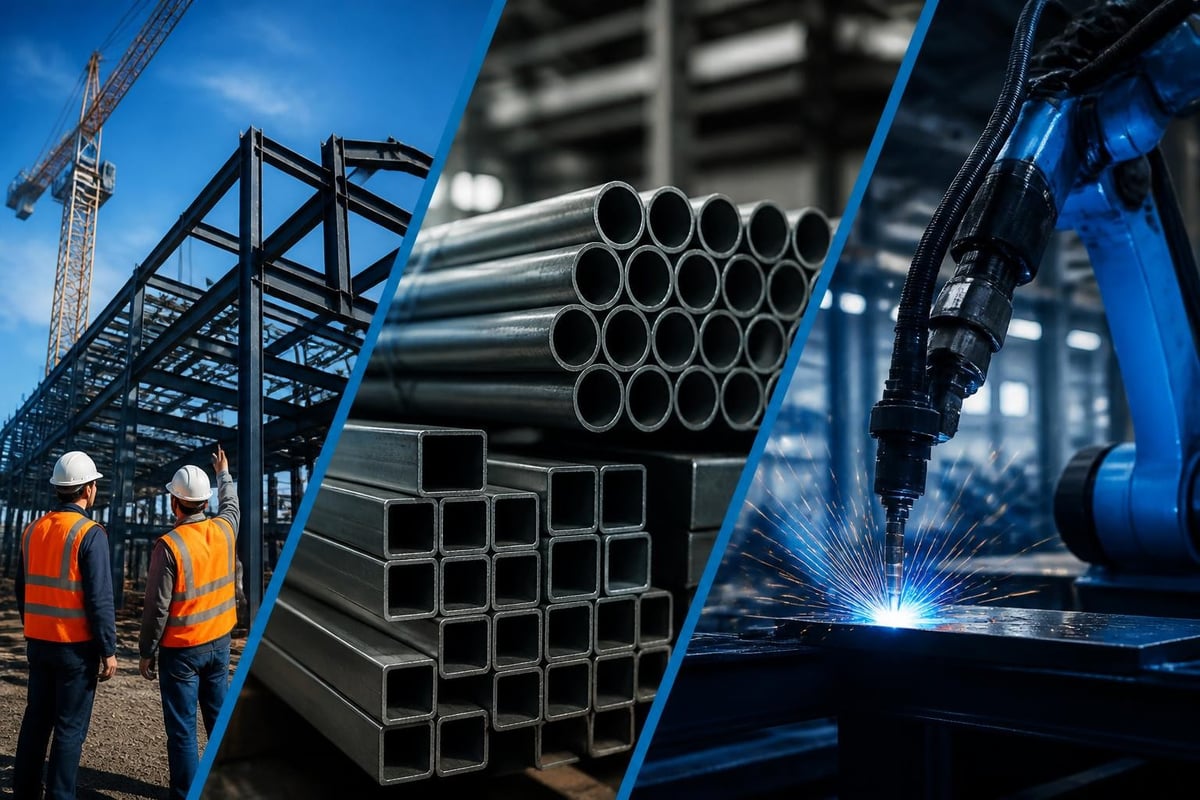
Modern fabrication businesses are investing heavily in technology to improve precision, reduce labor costs, and increase throughput. The trends transforming the fabrication industry include computer numerical control (CNC) equipment, automated welding systems, and digital workflow management.
Key Technology Investments:
- CNC machining centers that reduce setup times and improve repeatability
- Robotic welding systems for high-volume production runs
- Laser cutting equipment that handles complex geometries with minimal waste
- 3D modeling software for design validation before production
- Enterprise resource planning systems that integrate quoting, scheduling, and inventory
Not every technology suits every operation. Fabrication businesses serving diverse industries need flexible equipment that can handle varied project requirements without extensive reconfiguration. The balance between automation and skilled labor remains critical, particularly for custom work that requires judgment and adaptation.
| Technology Type | Best For | Investment Level | ROI Timeline |
|---|---|---|---|
| CNC Machining | High-precision parts | High | 18-36 months |
| Robotic Welding | Repetitive production | Very High | 24-48 months |
| Laser Cutting | Complex geometries | High | 12-24 months |
| Digital Workflow | All operations | Medium | 6-18 months |
Balancing Automation with Flexibility
While automation improves efficiency, fabrication businesses must maintain the flexibility to handle custom projects and field services. Companies that combine advanced machining capabilities with skilled technicians who can work on-site provide comprehensive solutions that purely automated facilities cannot match.
Workforce Development Challenges and Solutions
The skilled labor shortage represents the most significant challenge facing fabrication businesses in 2026. Experienced welders, machinists, and fabricators remain in high demand, with workforce dynamics creating competitive pressure for talent acquisition and retention.
Strategies for Building a Skilled Team
Successful fabrication businesses are implementing multiple approaches to workforce development:
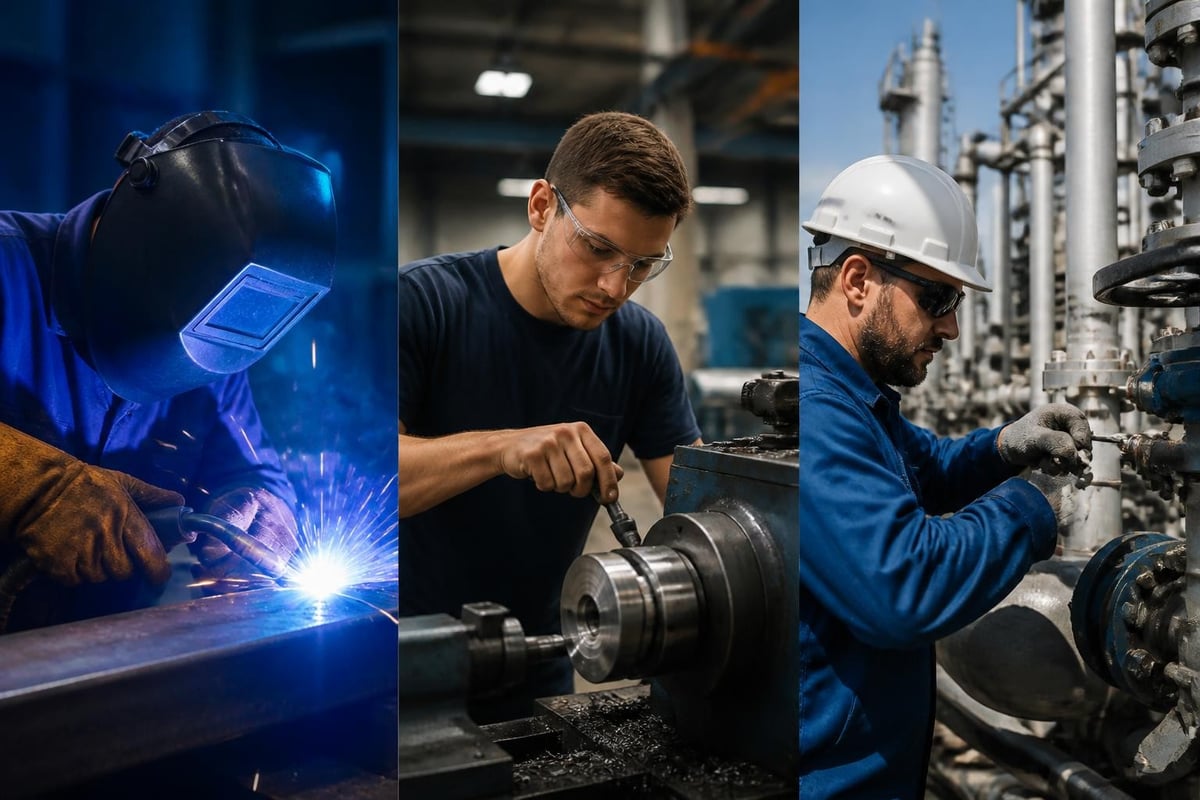
- Apprenticeship programs that combine classroom instruction with hands-on training
- Competitive compensation packages including benefits and advancement opportunities
- Partnerships with technical schools to create talent pipelines
- Cross-training initiatives that develop versatile technicians
- Retention bonuses and profit-sharing arrangements for experienced workers
The most effective programs recognize that skilled welders and machinists require years to develop expertise. Fabrication businesses that invest in training create competitive advantages that cannot be easily replicated.
Training Program Components:
- Safety certification as the foundation for all technical skills
- Process-specific training for welding, machining, and fabrication techniques
- Equipment operation for CNC, plasma cutting, and other specialized tools
- Quality control procedures to ensure consistency and specification compliance
- Customer service skills for effective communication and problem-solving
Operational Excellence in Fabrication Services
Fabrication businesses that excel in 2026 have optimized their operations across multiple dimensions. From quote-to-delivery workflows to quality control systems, operational efficiency directly impacts profitability and customer satisfaction.
Workflow Optimization Best Practices
Leading fabrication businesses structure their operations to minimize bottlenecks and maximize equipment utilization. The intake process begins with thorough project assessment, including material requirements, timeline constraints, and specification review.
Critical Workflow Elements:
- Clear communication channels between sales, engineering, and production teams
- Digital job tracking that provides real-time visibility into project status
- Material procurement systems that balance inventory costs with availability
- Quality checkpoints throughout the fabrication process
- Documentation protocols for compliance and customer requirements
Fabrication businesses serving industrial sectors must coordinate shop work with field service capabilities. The ability to fabricate components in a controlled shop environment and install or repair equipment on-site provides comprehensive solutions that standalone shops cannot offer.
| Service Type | Location | Primary Benefits | Typical Applications |
|---|---|---|---|
| Shop Fabrication | Controlled environment | Precision, efficiency, quality control | Custom components, production runs |
| Field Services | Customer site | Minimize downtime, immediate repairs | Emergency repairs, installations, maintenance |
| Hybrid Approach | Both | Comprehensive solutions, faster project completion | Large manufacturing projects, system upgrades |
Quality Control and Certification Standards
Fabrication businesses competing for commercial and industrial work must demonstrate consistent quality and appropriate certifications. Quality control systems extend beyond final inspection to include process controls, material verification, and welder qualification.
Essential Quality Systems
Modern fabrication businesses implement quality management systems that document procedures, track performance, and ensure compliance:
- Welding procedure specifications (WPS) that define parameters for specific applications
- Non-destructive testing protocols for critical components
- Material traceability systems that document certification and origin
- Dimensional inspection processes using calibrated measurement equipment
- Customer acceptance criteria documented and verified before delivery
Companies providing industrial metal fabrication services must often meet industry-specific standards such as ASME, AWS, or API certifications. These qualifications require ongoing investment in training, equipment, and documentation systems.
Certification Benefits:
- Access to projects requiring qualified contractors
- Higher billing rates justified by demonstrated capabilities
- Reduced liability through documented quality processes
- Competitive differentiation in crowded markets
- Customer confidence in consistent quality delivery
Financial Management and Profitability Strategies
Fabrication businesses face unique financial challenges including material cost volatility, equipment capital requirements, and project-based cash flow. Effective financial management requires attention to both operational metrics and strategic planning.
Pricing and Estimating Accuracy
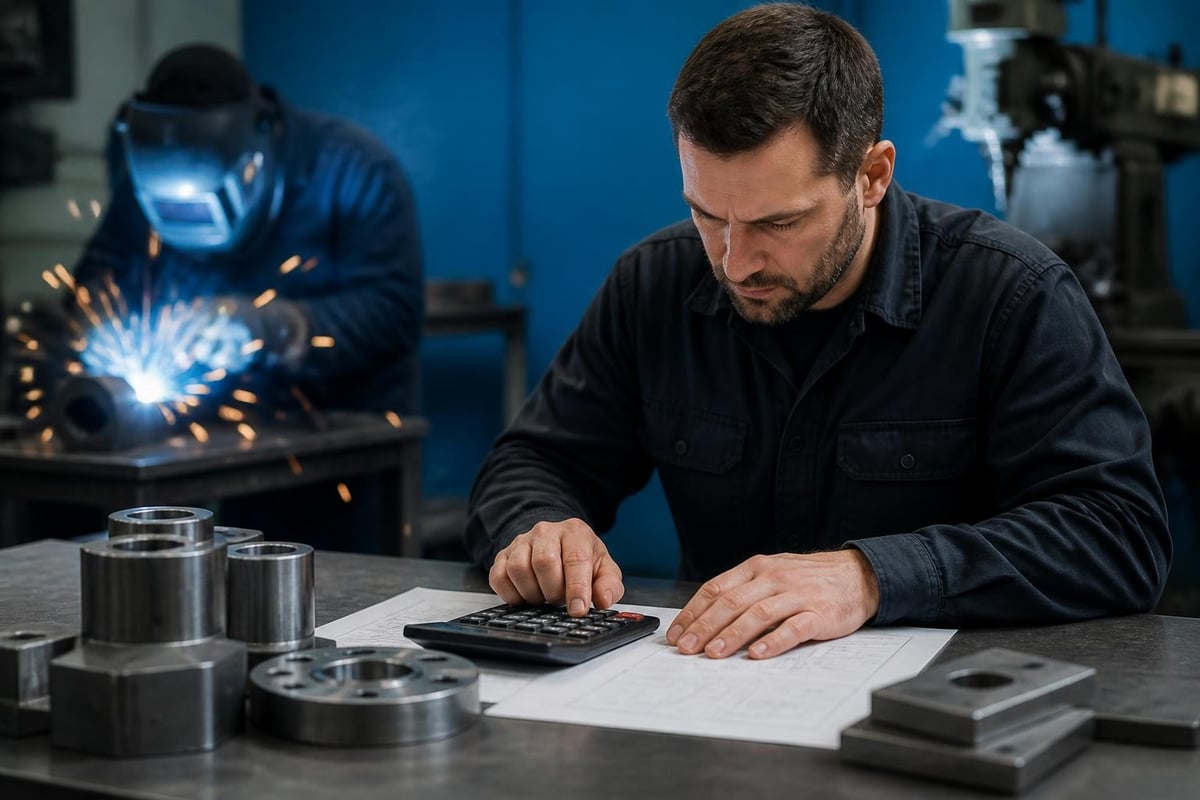
Accurate job estimating represents a critical competency for profitable fabrication businesses. Underestimating labor hours, material costs, or project complexity erodes margins, while overestimating reduces competitiveness.
Successful estimating systems account for:
- Direct material costs including waste factors and transportation
- Labor hours based on historical data and complexity assessment
- Equipment time and consumable costs
- Overhead allocation appropriate to project type and duration
- Profit margins that reflect value delivered and market conditions
Fabrication businesses that track actual costs against estimates continuously improve their pricing accuracy. This data-driven approach enables competitive bidding while maintaining profitability across diverse project types.
Cash Flow Management
Project-based work creates cash flow challenges that fabrication businesses must actively manage. Long production cycles, material procurement requirements, and delayed customer payments can strain working capital.
Cash Flow Strategies:
| Strategy | Implementation | Impact |
|---|---|---|
| Deposit requirements | 30-50% upfront payment | Reduces working capital needs |
| Progress billing | Invoicing at project milestones | Improves cash flow timing |
| Material pass-through | Customer purchases direct | Eliminates procurement financing |
| Credit line management | Maintain available capacity | Covers temporary shortfalls |
Strategic Positioning and Market Differentiation
The competitive landscape for fabrication businesses in 2026 requires clear differentiation and strategic positioning. Companies that attempt to compete solely on price face constant margin pressure and limited growth potential.
Developing Competitive Advantages
Successful fabrication businesses build competitive advantages through capability development, service excellence, and market specialization. Manufacturing projects that require specialized expertise, tight tolerances, or complex coordination provide opportunities for value-based pricing.
Differentiation Strategies:
- Industry specialization developing deep expertise in specific sectors
- Comprehensive service offerings combining fabrication, machining, and field services
- Geographic coverage serving multi-site customers across regions
- Emergency response capabilities providing 24/7 availability for critical repairs
- Engineering support offering design assistance and value engineering
Fabrication businesses serving oil & gas, recycling, or aggregate industries benefit from understanding sector-specific requirements, safety standards, and operational constraints. This industry knowledge translates directly into more effective solutions and stronger customer relationships.
Equipment Investment and Capacity Planning
Capital equipment decisions significantly impact fabrication business capabilities and financial performance. The balance between in-house capabilities and outsourced processes requires careful analysis of utilization rates, project mix, and strategic direction.
Making Smart Equipment Investments
Equipment purchases should align with demonstrated demand and strategic positioning. Fabrication businesses must evaluate several factors before major capital commitments:
- Utilization projections based on current and projected workload
- Capability gaps that limit market opportunities or require outsourcing
- Technology lifecycle and obsolescence considerations
- Financing options including purchase, lease, or used equipment alternatives
- Training requirements to effectively operate and maintain new systems
Companies providing both welding and machining services need equipment that supports diverse project requirements without excessive idle time. Multi-purpose machines and flexible workholding systems maximize utilization across varied work.
Equipment Evaluation Criteria:
- Annual utilization rates exceeding 60% before purchase consideration
- Payback periods under 36 months for specialized equipment
- Maintenance costs and parts availability for long-term ownership
- Operator skill requirements and training investment
- Floor space and utility requirements
Customer Relationship Management
Long-term success for fabrication businesses depends on strong customer relationships and repeat business. The cost of acquiring new customers significantly exceeds retention costs, making relationship management a strategic priority.
Building Customer Loyalty
Fabrication businesses that consistently deliver quality work on schedule build reputations that generate referrals and repeat business. Effective customer relationship management extends beyond project execution:
- Proactive communication regarding project status, challenges, and solutions
- Problem-solving orientation that addresses customer needs beyond basic scope
- Documentation excellence providing detailed records and compliance support
- Responsive service for questions, changes, and additional requirements
- Post-project follow-up ensuring satisfaction and identifying future needs
Industrial customers particularly value fabrication partners who understand their operations and can respond quickly when equipment failures or project needs arise. The combination of shop capabilities and field service responsiveness creates comprehensive solutions that drive customer loyalty.
Safety and Compliance Management
Fabrication businesses operate in inherently hazardous environments requiring comprehensive safety programs and regulatory compliance. Workplace injuries impact both human and financial costs, making safety management both an ethical and business imperative.
Implementing Effective Safety Systems
Leading fabrication businesses integrate safety into every aspect of operations rather than treating it as a separate program. This cultural approach reduces incidents while improving overall operational discipline.
Safety Program Elements:
- Hazard identification and mitigation before work begins
- Personal protective equipment requirements enforced consistently
- Equipment maintenance protocols ensuring safe operation
- Training programs covering both general safety and specific hazards
- Incident reporting systems that enable continuous improvement
Fabrication businesses working in oil & gas, aggregate, or industrial manufacturing must often meet customer-specific safety requirements and participate in contractor safety qualification programs. These systems require documentation, training records, and performance metrics that demonstrate commitment to safe operations.
Marketing and Business Development
Growth-oriented fabrication businesses implement structured marketing and business development activities rather than relying solely on referrals and reputation. While word-of-mouth remains important, proactive market development accelerates growth and reduces dependence on any single customer or sector.
Effective Marketing Strategies
Modern fabrication businesses leverage both digital and traditional marketing approaches:
- Professional website showcasing capabilities, equipment, and completed projects
- Industry association participation building visibility and credibility
- Trade show presence at sector-specific events
- Digital marketing including search optimization and targeted advertising
- Case studies and testimonials demonstrating successful project delivery
The current state of fabrication services requires businesses to articulate their value proposition clearly and demonstrate relevant experience to prospective customers.
Business Development Activities:
| Activity | Target Audience | Expected Outcomes |
|---|---|---|
| Industry networking | Potential customers and partners | Relationship building, referrals |
| Capability presentations | Engineering and procurement teams | Qualified opportunities |
| Plant tours | Key customers and prospects | Trust building, capability demonstration |
| Proposal development | Active opportunities | Project awards |
Sustainability and Environmental Considerations
Environmental responsibility increasingly influences fabrication business operations and customer requirements. Sustainability initiatives range from waste reduction and energy efficiency to material sourcing and end-of-life considerations.
Implementing Sustainable Practices
Fabrication businesses can improve environmental performance while often reducing costs:
- Material optimization through nesting software and process improvement
- Scrap management ensuring proper recycling and material recovery
- Energy efficiency in equipment selection and facility operations
- Waste stream reduction of consumables, packaging, and hazardous materials
- Documentation systems tracking environmental metrics and improvement
Customers in industrial manufacturing sectors increasingly request environmental performance data and sustainable practices from their fabrication partners. Companies that proactively address these requirements position themselves favorably for future opportunities.
Technology Adoption and Digital Transformation
Beyond production equipment, fabrication businesses benefit from digital tools that improve communication, documentation, and operational visibility. The digital integration trend encompasses everything from customer portals to real-time production monitoring.
Digital Tool Categories
Modern fabrication businesses implement technology across multiple operational areas:
- Estimating software that improves accuracy and speed
- Project management platforms providing visibility and coordination
- Quality documentation systems ensuring traceability and compliance
- Customer communication tools streamlining information exchange
- Financial management systems integrating job costing and accounting
The return on digital investment comes through reduced administrative time, improved accuracy, and enhanced customer service rather than direct labor savings in production.
Fabrication businesses face complex challenges in 2026, from workforce development and technology adoption to operational efficiency and market differentiation. Success requires strategic planning, continuous improvement, and commitment to quality across all aspects of operations. Whether you need comprehensive metal fabrication, precision machining, custom welding, or field service support for your industrial operations, LTJ Industrial Services delivers the expertise and capabilities to keep your projects on track. Contact our team to discuss how we can support your manufacturing, maintenance, and fabrication requirements throughout the Western United States.