
Shop welding represents the backbone of industrial manufacturing across the Western United States, enabling companies to fabricate custom components, repair heavy machinery, and produce structural elements that keep commercial operations running smoothly. Unlike field welding, where environmental factors and accessibility constraints create significant challenges, shop welding allows fabricators to work in controlled environments with full access to precision equipment, quality control systems, and safety infrastructure. This controlled setting delivers superior results for industries ranging from oil and gas to recycling and aggregate processing, where component reliability directly impacts operational uptime and profitability.
Understanding Shop Welding Environments
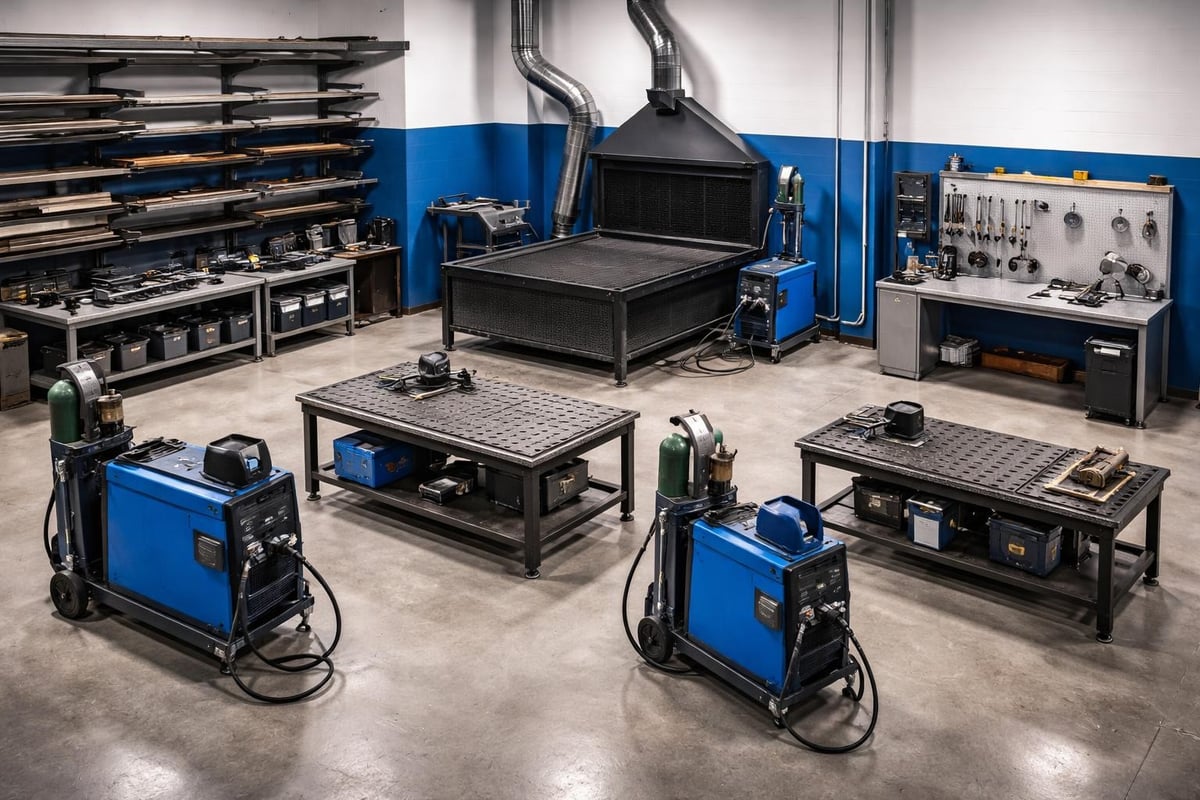
Shop welding facilities provide manufacturers with dedicated spaces optimized for metal fabrication and joining processes. These controlled environments feature proper ventilation systems, stable power supplies, and organized workstations that eliminate many variables associated with on-site work.
Temperature control stands as a critical advantage in shop settings. Welders can maintain optimal working conditions year-round, preventing issues like moisture condensation on metal surfaces or extreme temperature fluctuations that affect weld quality. Consistent ambient conditions ensure predictable material behavior and allow for precise heat input management.
The infrastructure available in custom metal fabrication shops includes overhead cranes, material handling systems, and positioning equipment that simply cannot be replicated in field environments. These tools enable welders to manipulate heavy components safely and position them at ergonomic angles that reduce fatigue while improving weld access.
Essential Equipment for Shop Welding Operations
Modern shop welding requires a comprehensive equipment inventory tailored to diverse fabrication needs. The following categories represent core capabilities:
- MIG/GMAW welding machines for high-productivity applications on carbon steel and aluminum
- TIG/GTAW systems for precision work on stainless steel, exotic alloys, and thin materials
- Stick/SMAW equipment for heavy structural welding and hard-to-access joint configurations
- Flux-cored arc welding (FCAW) units for thick-section work requiring deep penetration
- Plasma cutting tables for precise material preparation and complex profile cutting
- Grinding and finishing stations equipped with dust collection systems
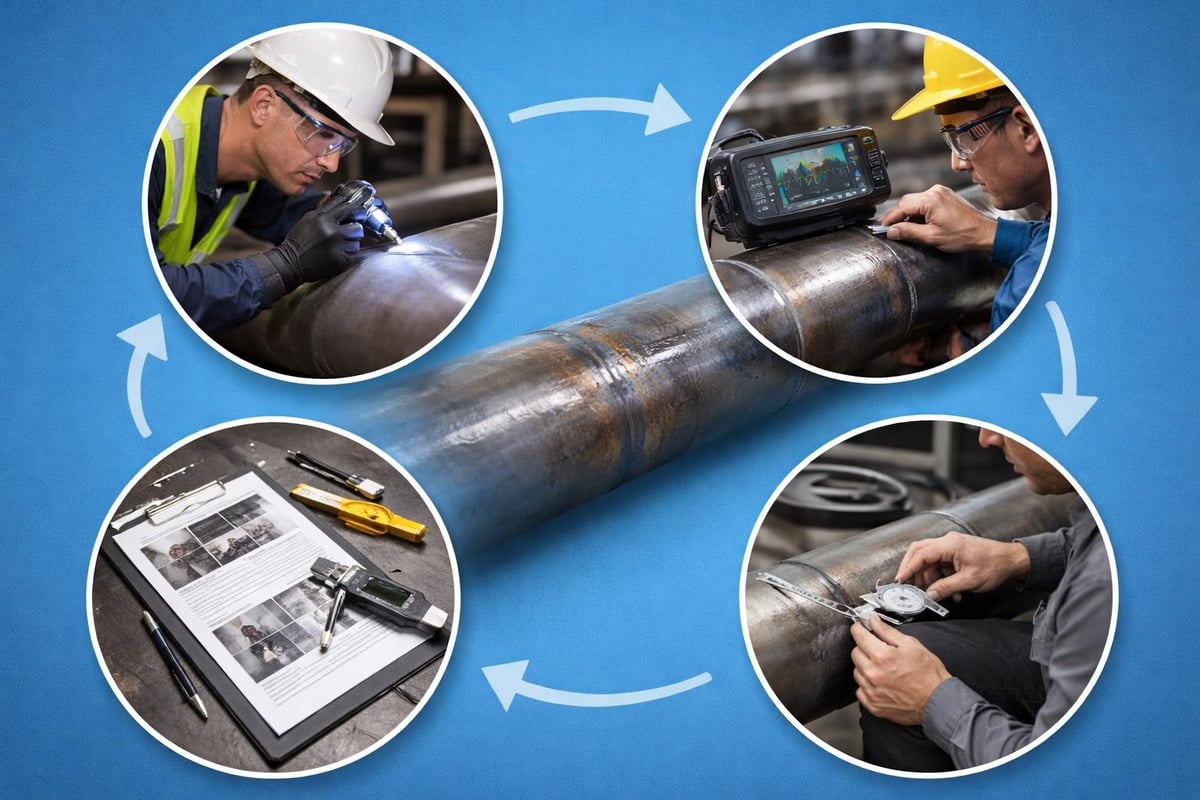
Beyond welding power sources, machining and fabrication shops invest in material testing equipment, including destructive and non-destructive testing capabilities. Ultrasonic testing equipment, radiographic systems, and dye penetrant kits verify weld integrity before components enter service in critical applications.
| Equipment Type | Primary Application | Typical Material Range | Production Rate |
|---|---|---|---|
| MIG Welding | General fabrication | 16 gauge to 1/2 inch | High |
| TIG Welding | Precision work | Thin to 1/4 inch | Medium |
| Stick Welding | Structural steel | 1/8 inch to unlimited | Medium |
| FCAW | Heavy fabrication | 1/4 inch to unlimited | Very High |
Safety Standards and Compliance Requirements
Safety compliance forms the foundation of professional shop welding operations. OSHA standards for welding, cutting, and brazing establish minimum requirements that protect workers from hazards including electric shock, fume exposure, fire risks, and arc radiation.
Personal protective equipment (PPE) requirements extend beyond basic auto-darkening helmets and leather gloves. Comprehensive protection includes flame-resistant clothing, respiratory protection for confined spaces or specialty materials, and safety footwear rated for hot work environments. According to essential welding safety tips, proper PPE selection must match specific welding processes and materials being joined.
Ventilation systems deserve particular attention in shop welding environments. Welding fumes contain metallic oxides, fluorides, and other compounds that pose serious health risks with chronic exposure. Local exhaust ventilation captures fumes at the source, while general dilution ventilation maintains acceptable air quality throughout the facility.
Fire Prevention and Emergency Response
Shop welding creates numerous ignition sources capable of starting fires in combustible materials. Professional facilities implement multi-layered fire prevention strategies:
- Hot work permits documenting pre-weld fire safety inspections
- Fire watch personnel monitoring work areas during and after welding operations
- Combustible material removal from 35-foot radius around welding zones
- Fire extinguisher placement within immediate reach of all welding stations
- Sprinkler system maintenance ensuring automatic suppression readiness
- Welding screen deployment containing sparks and protecting adjacent work areas
Understanding common welding hazards helps facilities develop effective risk mitigation protocols. Regular safety audits identify emerging risks before incidents occur, while continuous training keeps welders current on welding best practices and procedural updates.
Quality Control and Weld Inspection Protocols
Quality assurance in shop welding begins long before arc strike. Industrial manufacturing companies implement documented procedures covering material verification, welder qualification, process control, and post-weld inspection.
Material traceability systems track metal from mill certification through final fabrication. Bar codes or heat stamps link physical materials to chemical composition reports, mechanical property data, and origin documentation. This traceability proves essential when fabricating pressure vessels, structural components, or equipment destined for regulated industries.
Welder qualification testing verifies that individual operators can produce acceptable welds using specific processes, materials, and joint configurations. These qualifications follow AWS D1.1 (structural steel), ASME Section IX (pressure equipment), or API 1104 (pipeline) standards depending on application requirements.
Non-Destructive Testing Methods
Shop environments enable comprehensive weld inspection using multiple NDT techniques:
| NDT Method | Detection Capability | Best Application | Limitations |
|---|---|---|---|
| Visual Inspection | Surface defects | All welds (first step) | Surface only |
| Liquid Penetrant | Surface-breaking cracks | Non-magnetic materials | Surface only |
| Magnetic Particle | Subsurface defects | Ferromagnetic materials | Material-specific |
| Ultrasonic Testing | Internal discontinuities | Thick sections | Requires skilled technicians |
| Radiographic Testing | Internal defects | Critical welds | Radiation safety concerns |
Process control documentation captures welding parameters including amperage, voltage, travel speed, and interpass temperature. This data creates traceable records demonstrating that fabricators followed approved welding procedure specifications (WPS) throughout production.
Optimizing Shop Layout and Workflow Efficiency
Efficient shop welding operations require thoughtful facility design that minimizes material handling, reduces bottlenecks, and supports lean manufacturing principles. Material flow analysis identifies optimal placement for receiving areas, storage zones, fabrication stations, and shipping docks.
Cellular manufacturing arrangements group related equipment and processes into dedicated work cells. A structural steel fabrication cell might include plate shears, drill presses, fit-up tables, welding stations, and grinding equipment positioned to minimize work-in-process movement between operations.
Overhead crane coverage deserves careful planning during facility layout. Strategic hoist placement enables material movement throughout the shop without ground-based forklift traffic that creates safety hazards and workflow interruptions. Large-scale metal fabrication particularly benefits from robust overhead handling systems.
Material Storage and Organization Systems
Proper material management prevents damage, reduces search time, and maintains first-in-first-out inventory rotation:
- Vertical storage racks for plate steel, sheet metal, and structural shapes
- Horizontal bar stock racks with labeled compartments by size and grade
- Climate-controlled areas for moisture-sensitive welding consumables
- Remnant bins organized by material type and approximate size
- Consumable cribs tracking electrode, wire, and gas inventory
Digital inventory systems integrate with enterprise resource planning (ERP) software, automatically updating available materials as fabricators issue items to jobs. This real-time visibility prevents material shortages that could delay manufacturing projects and enables just-in-time purchasing strategies.
Specialized Shop Welding Applications
Shop welding capabilities extend across diverse industry applications, each presenting unique technical requirements and quality standards. Welding and fabrication specialists develop process expertise tailored to specific sectors they serve.
Pressure vessel fabrication demands rigorous adherence to ASME Boiler and Pressure Vessel Code requirements. Welders qualify to Section IX standards, procedures receive engineering review and approval, and finished vessels undergo hydrostatic testing or pneumatic pressure testing before release. These components serve oil and gas processing, chemical manufacturing, and industrial steam systems where failure consequences include catastrophic property damage and personnel injury.
Structural steel welding for industrial facilities follows AWS D1.1 specifications covering everything from prequalified joint details to acceptance criteria for visual inspection. Structural steel fabrication for equipment supports, mezzanines, and building frames requires careful attention to fit-up tolerances, distortion control, and painting preparation.
Heavy Equipment Repair and Refurbishment
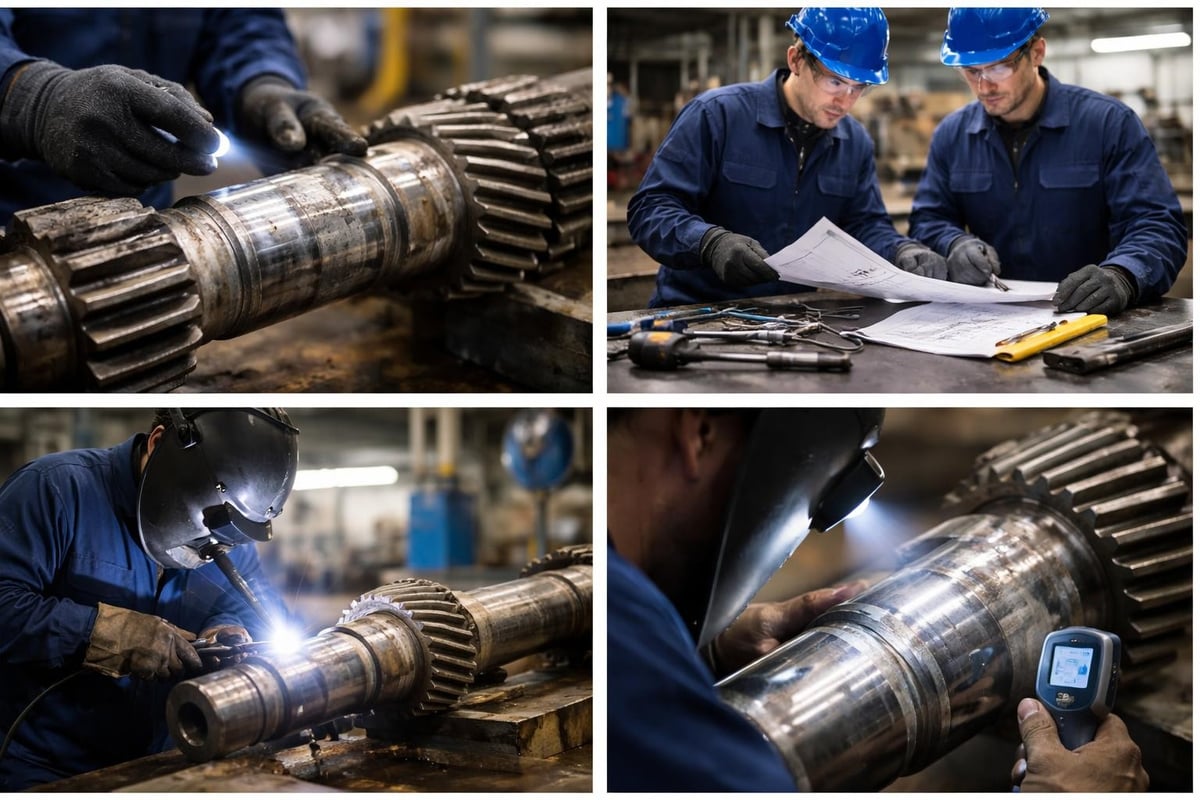
Mining, aggregate, and recycling operations subject equipment to extreme wear requiring regular maintenance and component replacement. Shop welding capabilities enable cost-effective industrial machinery refurbishment that extends asset life while avoiding new equipment capital expenditure.
Crusher frame repairs often involve joining high-manganese steel components that require specialized welding procedures. These austenitic materials work-harden rapidly, demand controlled heat input, and may crack if welders apply inappropriate techniques. Successful repairs restore equipment to service at a fraction of replacement cost.
Conveyor system components including chutes, hoppers, and transfer points experience abrasive wear that eventually requires buildup welding or complete section replacement. Hardfacing applications deposit wear-resistant alloys that significantly extend component service life in abrasive service conditions.
Advanced Technologies in Modern Shop Welding
Technology integration transforms traditional shop welding from purely manual craft work into precision-controlled manufacturing processes. Robotics, automation, and digital systems deliver consistency improvements while addressing skilled labor shortages affecting the industry.
Robotic welding cells excel at repetitive production runs where identical components require consistent weld quality. These systems combine six-axis articulated robots with turntables or linear tracks that position workpieces for optimal torch access. Programming flexibility enables quick changeovers between product variations within the same component family.
Automated welding benefits extend beyond productivity gains. Robots maintain precise torch angles, consistent travel speeds, and optimal contact-tip-to-work distances that eliminate common variables in manual welding. This consistency reduces defect rates and minimizes grinding or rework requirements.
Digital Documentation and Traceability Systems
Modern welding businesses implement comprehensive digital systems that capture welding data throughout the fabrication process. These platforms integrate:
- Procedure management storing approved WPS documents with revision control
- Welder qualification databases tracking certifications and renewal requirements
- Production tracking recording actual welding parameters against job specifications
- Inspection records documenting NDT results with digital images
- Material certifications linking mill test reports to specific fabrication lots
Cloud-based systems enable real-time collaboration between shop floor personnel, quality inspectors, and engineering teams. Mobile applications allow welders to access procedures at workstations while supervisors monitor production status remotely. This connectivity improves communication while creating comprehensive audit trails.
Training and Workforce Development Strategies
Skilled welder shortages challenge manufacturers throughout the Western United States, making workforce development essential for operational continuity. Effective training programs combine classroom instruction, hands-on practice, and mentorship under experienced craftsmen.
Apprenticeship programs provide structured learning paths covering metallurgy fundamentals, blueprint reading, welding theory, and hands-on process development. Multi-year programs gradually increase complexity as apprentices master basic skills and progress toward journeyman-level capabilities. Manufacturing services providers benefit from developing internal talent pipelines rather than competing for scarce experienced welders.
Continuing education keeps established welders current on emerging technologies and evolving code requirements. Annual refresher training addresses process improvements, new equipment capabilities, and safety procedure updates that maintain compliance with welding safety regulations.
Certification and Skill Validation
Third-party certification programs verify welder competency to industry-recognized standards:
- AWS Certified Welder programs demonstrating proficiency in specific processes
- ASME welder performance qualifications for pressure equipment fabrication
- API certifications for pipeline and storage tank construction
- Specialty certifications for exotic materials or unique applications
Regular recertification requirements ensure welders maintain skill levels and remain qualified for critical applications. Documentation systems track expiration dates and trigger renewal testing before qualifications lapse.
Material Selection and Weld Procedure Development
Successful shop welding outcomes depend on proper material selection and well-developed welding procedures matched to specific applications. Engineers consider service conditions including temperature extremes, corrosive environments, cyclic loading, and impact requirements when specifying base materials.
Carbon steel remains the workhorse material for general fabrication, offering good weldability, adequate strength, and economical pricing. Grades range from low-carbon mild steel suitable for non-critical applications to high-strength low-alloy (HSLA) steels providing enhanced mechanical properties.
Stainless steel applications require careful alloy selection based on corrosion resistance needs. Austenitic grades like 304 and 316 provide excellent general corrosion resistance, while duplex stainless steels combine corrosion resistance with higher strength levels. Welding procedures must address heat input limitations that prevent carbide precipitation and maintain corrosion resistance in weld zones.
Weld Procedure Specification Development
Developing robust welding procedure specifications involves systematic testing to establish parameter ranges producing acceptable results:
| Process Variable | Impact on Weld Quality | Typical Control Range |
|---|---|---|
| Amperage | Penetration depth | ±10% of target value |
| Voltage | Bead width and profile | ±5% of target value |
| Travel Speed | Heat input and fusion | ±15% of target speed |
| Preheat Temperature | Cracking prevention | ±50°F of specification |
| Interpass Temperature | Microstructure control | Maximum limit critical |
Procedure qualification testing verifies that proposed parameters produce welds meeting mechanical property requirements through tensile testing, bend testing, and impact testing. Once qualified, these procedures guide production welding to ensure consistent results across multiple welders and production runs.
Cost Management and Productivity Optimization
Controlling shop welding costs while maintaining quality requires balancing labor efficiency, material utilization, and equipment utilization. Detailed job costing systems track actual hours, consumable usage, and overhead allocation to identify improvement opportunities.
Weld joint design significantly impacts fabrication costs. Engineers can reduce welding time and filler metal consumption through thoughtful joint preparation specifications. Full-penetration groove welds require extensive edge preparation and multiple passes, while fillet welds often provide adequate strength with simpler fit-up and faster completion.
Material nesting optimization maximizes plate utilization when precision CNC plasma cutting parts from stock sheets. Advanced nesting software arranges parts to minimize scrap while maintaining grain direction requirements and accounting for kerf width. Improved material yield directly reduces job costs and supports competitive pricing.
Batch processing strategies group similar components to minimize equipment changeovers and maximize production efficiency. Running identical parts consecutively allows welders to develop rhythm and optimize technique rather than constantly adapting to different joint configurations and material thicknesses.
Shop welding excellence requires careful integration of equipment capabilities, safety compliance, quality systems, and skilled personnel working in optimized facilities. By implementing comprehensive quality control protocols, maintaining rigorous safety standards, and continuously developing workforce capabilities, manufacturers position themselves for long-term success serving demanding industrial sectors. Whether your operation needs custom welding and fabrication services, heavy equipment repairs, or complex structural steel projects, LTJ Industrial Services delivers the expertise and resources to keep your operations running efficiently across the Western United States.