A metal machine shop serves as the backbone of modern manufacturing, providing essential precision machining, fabrication, and welding services to industrial sectors across the Western United States. These specialized facilities combine advanced CNC equipment, skilled machinists, and comprehensive fabrication capabilities to deliver custom components and solutions for commercial manufacturing, oil and gas operations, aggregate processing, and recycling industries. Understanding how these shops operate, the services they provide, and the quality standards they maintain helps businesses make informed decisions when selecting a manufacturing partner for critical projects.
Core Capabilities of a Modern Metal Machine Shop
A comprehensive metal machine shop integrates multiple manufacturing disciplines under one roof, creating efficiencies that benefit clients across diverse industrial applications. CNC machining forms the foundation of precision work, allowing shops to produce components with tolerances measured in thousandths of an inch. Mills, lathes, and multi-axis machining centers transform raw materials into finished parts that meet exact specifications.
Metal fabrication and welding capabilities complement machining operations by enabling shops to create larger assemblies and structures. This combination proves particularly valuable for industrial clients who need both precision-machined components and welded fabrications for equipment repair or custom installations.
Equipment and Technology Investment
The capital investment required to establish a competitive metal machine shop reflects the sophisticated nature of modern manufacturing:
| Equipment Category | Primary Applications | Precision Level |
|---|---|---|
| CNC Mills | Complex part geometry, prototypes | ±0.0005 inches |
| CNC Lathes | Cylindrical components, shafts | ±0.001 inches |
| Wire EDM | Hardened materials, intricate shapes | ±0.0001 inches |
| Welding Systems | Assembly, structural fabrication | Per AWS standards |
| Quality Inspection | Verification, documentation | Certified measurement |
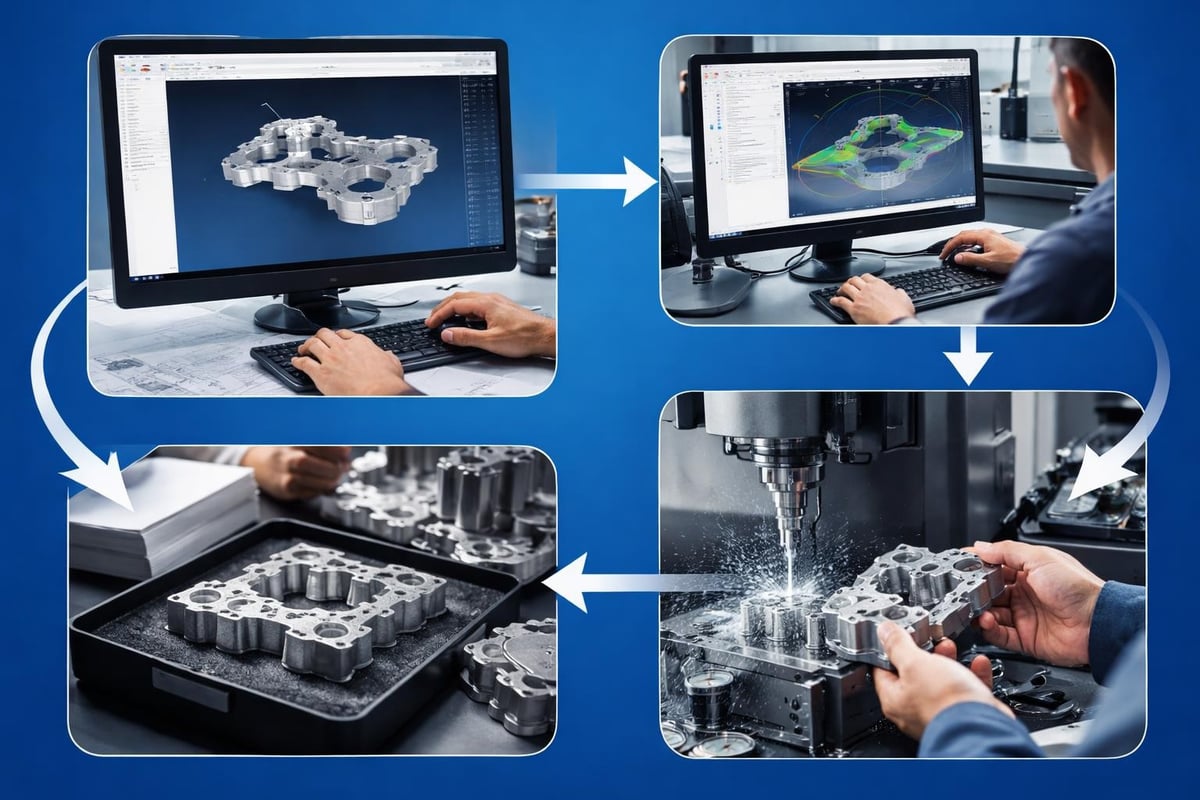
Advanced shops invest continuously in equipment upgrades and technology integration to maintain competitive advantages. CAD/CAM software systems streamline the transition from design files to finished components, reducing lead times and minimizing errors throughout the production cycle.
Materials and Metallurgy Expertise
Success in metal machine shop operations requires deep understanding of material properties and behavior during machining and fabrication processes. Carbon steels remain workhorses for many applications due to their availability, machinability, and cost-effectiveness. Alloy steels provide enhanced strength characteristics for demanding service conditions in oil and gas or heavy equipment applications.
Stainless steel grades present unique challenges and opportunities for fabricators. The material's corrosion resistance makes it essential for chemical processing and food-grade applications, while its work-hardening tendencies require specialized tooling and techniques. Experienced machinists adjust cutting speeds, feed rates, and tool geometries based on specific stainless grades being processed.
Aluminum and exotic alloys expand the capabilities of CNC machining job shops serving aerospace, defense, and specialized industrial markets. These materials demand particular attention to thermal management during machining and appropriate filler metal selection for welding operations.
Material Selection Considerations
- Mechanical properties: Yield strength, tensile strength, hardness requirements
- Environmental factors: Corrosion resistance, temperature extremes, chemical exposure
- Machinability ratings: Tool life expectations, surface finish capabilities
- Weldability characteristics: Preheat requirements, filler metal compatibility
- Cost optimization: Material availability, waste minimization strategies
Understanding metal production standards helps ensure consistency and quality across manufacturing operations, particularly when working with certified materials for pressure vessels or structural applications.
Quality Control and Precision Measurement
Quality assurance systems distinguish professional metal machine shop operations from basic fabrication services. Inspection equipment ranging from precision micrometers to coordinate measuring machines (CMM) verifies that finished components meet drawing specifications. First article inspection protocols catch potential issues before full production runs, protecting both the shop and client from costly errors.
Documentation requirements vary by industry sector. Oil and gas clients typically demand material certifications, weld procedure specifications, and welder qualification records. Manufacturing and recycling operations may prioritize dimensional accuracy and functional testing over extensive paperwork, though quality remains paramount regardless of documentation depth.
Statistical process control (SPC) methods help shops maintain consistency across production runs. By monitoring critical dimensions and tracking trends over time, machinists identify tool wear patterns and make proactive adjustments before parts drift out of tolerance.
Safety Standards and Regulatory Compliance
Operating a metal machine shop safely requires rigorous attention to OSHA machine shop regulations and safety standards. Machine guarding protects operators from rotating components, flying chips, and other hazards inherent to metalworking operations. Regular inspections ensure guards remain properly installed and functional throughout equipment service life.
Personal protective equipment forms the first line of defense against workplace injuries. Safety glasses, hearing protection, and steel-toed boots represent minimum requirements in most facilities. Specific operations may demand additional protection such as face shields for grinding, respirators for welding fumes, or cut-resistant gloves for material handling.
Essential Safety Practices
- Pre-operation equipment inspection: Check guards, emergency stops, and control functions
- Proper workpiece securing: Ensure adequate clamping force before machining begins
- Tool condition verification: Inspect cutting tools for damage or excessive wear
- Chip and coolant management: Maintain clean work areas to prevent slips and fires
- Lockout/tagout procedures: De-energize equipment during maintenance activities
- Confined space protocols: Follow entry procedures for vessels and tanks
- Chemical handling compliance: Store and use cutting fluids, solvents per safety data sheets
The Texas Department of Insurance guidelines on metal fabrication safety highlight common violations and best practices that help shops maintain OSHA compliance while protecting their workforce.
Field Services and On-Site Capabilities
Many metal machine shops extend their capabilities beyond the four walls of their facilities through field service programs. Field machining brings precision equipment directly to client sites, enabling repairs and modifications on equipment too large or critical to move. Portable boring bars, line boring systems, and flange facing machines handle in-place machining tasks that would otherwise require extended downtime.
On-site welding services prove invaluable for industrial machinery refurbishment and maintenance projects. Mobile welding units equipped with generators, wire feeders, and specialized electrodes allow certified welders to perform repairs in the field under challenging conditions. This flexibility reduces transportation costs and minimizes operational disruptions for industrial clients.
The combination of shop and field capabilities creates unique value for clients in aggregate processing, recycling operations, and oil and gas production. Rather than managing multiple vendors, clients work with a single provider who coordinates all machining, welding, and fabrication requirements regardless of location.
Industry-Specific Applications
Manufacturing and Recycling Sectors
Manufacturing recycling operations demand robust equipment capable of processing high volumes under abrasive conditions. Metal machine shops support these industries by fabricating custom wear components, rebuilding damaged equipment, and providing emergency repair services. Shredder hammers, conveyor components, and screening systems require regular replacement as materials processing takes its toll.
Precision machining ensures proper fit and function when installing replacement parts in critical production equipment. Tight tolerances on bearing journals, shaft diameters, and mounting surfaces prevent premature failures and extend service intervals. Shops familiar with recycling industry requirements stock common materials and maintain pattern libraries to accelerate turnaround times.
Oil and Gas Applications
The energy sector presents unique challenges for metal machine shops serving upstream, midstream, and downstream operations. Pressure vessel repairs require certified pressure vessel welding and repair service capabilities with proper welder qualifications and procedure documentation. API standards govern material selection, welding processes, and inspection requirements for equipment operating under pressure.
Valve repair and rebuild services extend the operational life of critical flow control equipment. Precision machining restores sealing surfaces, replaces worn trim components, and verifies proper clearances throughout valve assemblies. Hydrostatic testing validates repair quality before equipment returns to service.
Advanced Machining Processes
Traditional milling and turning operations represent just a portion of modern metal machine shop capabilities. Electrical discharge machining (EDM) removes material through controlled electrical sparks, enabling fabrication of complex geometries in hardened materials that resist conventional cutting. Wire EDM proves particularly valuable for creating intricate profiles, punch and die sets, and precision tooling.
Waterjet cutting complements thermal cutting processes by providing a cold-cutting alternative for materials sensitive to heat-affected zones. The technology handles materials from soft metals to exotic alloys, cutting profiles programmed from CAD files with minimal setup time. Unlike plasma or oxy-fuel cutting, waterjet operations produce no hazardous fumes or heat distortion.
Surface grinding and cylindrical grinding deliver superior finishes on critical wear surfaces. These processes achieve flatness tolerances measured in ten-thousandths of an inch, essential for hydraulic components, bearing surfaces, and precision tooling. Centerless grinding enables high-volume production of round parts with consistent diameters and surface finishes.
| Process | Material Removal Rate | Surface Finish | Typical Tolerance |
|---|---|---|---|
| CNC Milling | High | 63-125 Ra | ±0.002 inches |
| Wire EDM | Low | 32-63 Ra | ±0.0001 inches |
| Surface Grinding | Low | 8-16 Ra | ±0.0001 inches |
| Waterjet Cutting | Medium | 125-250 Ra | ±0.005 inches |
Welding and Fabrication Integration
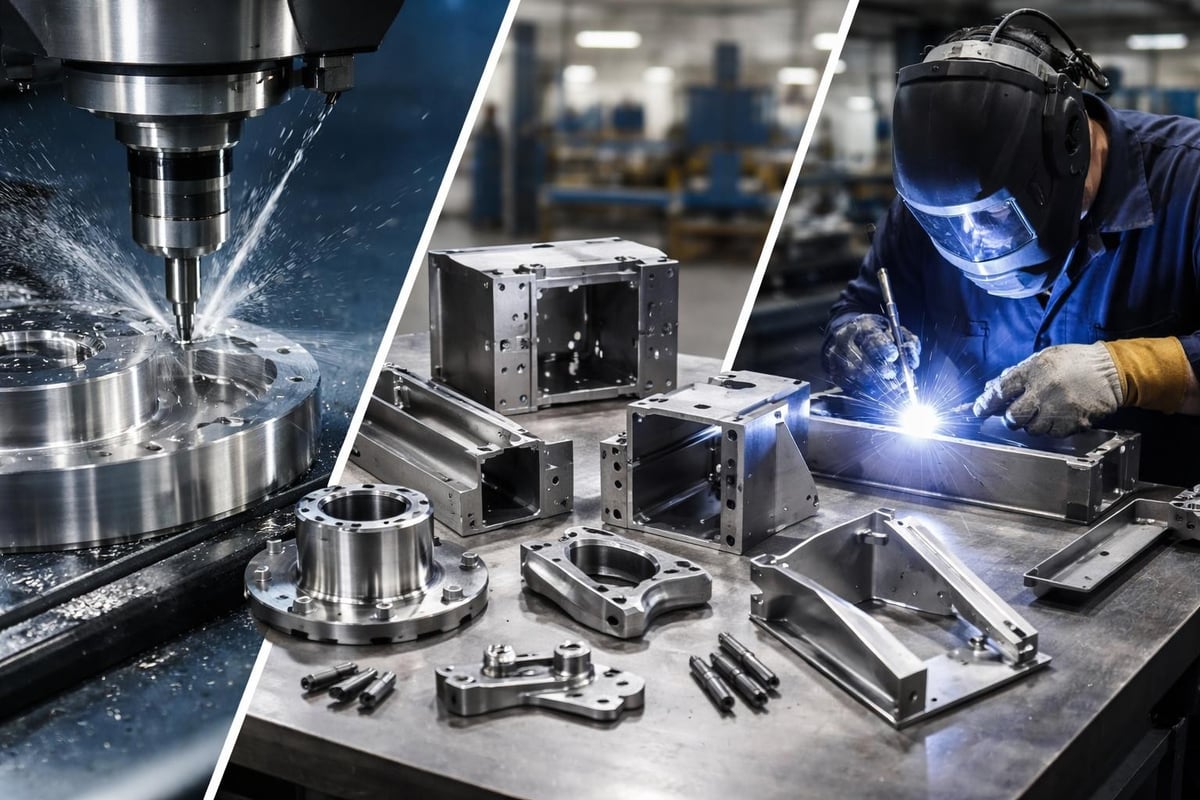
The integration of welding capabilities with precision machining creates a powerful combination for custom metal fabrication projects. Weldments often require post-weld machining to achieve final dimensions, particularly on mounting surfaces, bearing bores, and alignment features. Performing both operations in a single facility eliminates transportation delays and coordination challenges.
Various welding processes suit different applications and materials. MIG welding provides high deposition rates for structural steel fabrication and general manufacturing applications. TIG welding delivers precise, clean welds on stainless steel, aluminum, and exotic alloys where weld appearance and quality matter most. Stick welding remains valuable for field repairs and heavy structural work despite requiring more operator skill than wire-feed processes.
Following metal fabrication safety best practices protects workers from welding-specific hazards including arc flash, fume exposure, and burn injuries. Proper ventilation, appropriate PPE, and workspace organization reduce accident risks while improving weld quality.
Project Management and Client Communication
Successful metal machine shop operations depend on clear communication and realistic project timelines. Initial consultations review drawings, specifications, and performance requirements to ensure all parties understand project scope. Experienced estimators identify potential challenges during the quoting process, proposing value engineering alternatives when appropriate.
Progress updates keep clients informed throughout production cycles, particularly important for long-lead custom components or complex assemblies. Digital communication tools enable shops to share photos, inspection reports, and dimensional data remotely, building confidence in quality even before parts ship.
Rush services accommodate emergency repairs and unexpected production needs, though premium pricing typically applies to expedited work. Shops maintain relationships with material suppliers and utilize strategic inventory practices to minimize delays when urgent requirements arise.
Equipment Maintenance and Reliability
A metal machine shop's productivity depends directly on equipment reliability and preventive maintenance programs. Scheduled maintenance addresses lubrication, alignment verification, and component inspection before failures occur. CNC machines require particular attention to way lubrication, ball screw condition, and coolant system cleanliness.
Tool management systems track cutting tool inventory, monitor tool life, and schedule replacements based on usage data rather than calendar intervals. This approach optimizes tool performance while preventing costly tool failures during production runs. Preset tooling reduces setup times and improves dimensional consistency across multiple machines.
Backup equipment and redundant capabilities protect clients from single-point failures that could delay critical projects. Shops serving industrial and manufacturing sectors maintain sufficient capacity to absorb unexpected equipment downtime without impacting delivery commitments.
Workforce Development and Skills Training
The shortage of skilled machinists and welders challenges metal machine shop operations throughout the Western United States. Apprenticeship programs develop talent internally, combining classroom instruction with hands-on training under experienced journeymen. These programs typically span three to four years, producing well-rounded craftspeople capable of handling diverse manufacturing challenges.
Continuing education keeps existing workforce skills current with evolving technology and processes. CNC programming classes, advanced welding certifications, and quality system training maintain competitive capabilities while improving employee engagement and retention. Understanding tool and machine safety principles protects workers while building a culture of operational excellence.
Cross-training initiatives develop workforce flexibility, enabling machinists to operate multiple equipment types and welders to qualify in various positions and processes. This versatility proves particularly valuable in job shop environments where work mix changes frequently based on incoming projects.
Estimating and Pricing Strategies
Accurate estimating separates profitable metal machine shop operations from those struggling financially. Material costs represent the most straightforward component, calculated from part geometry, material density, and current market pricing. Scrap factors account for material lost during cutting, fixturing, and quality rejections.
Labor estimation requires detailed understanding of machining times, setup requirements, and realistic production rates. Computer-aided manufacturing (CAM) software generates accurate cycle time predictions for CNC operations, though experienced estimators adjust these figures based on material hardness, surface finish requirements, and complexity factors.
Overhead allocation distributes facility costs, equipment depreciation, and administrative expenses across billable work. Shops carefully balance competitive pricing with adequate margins to fund equipment upgrades, workforce development, and business growth initiatives.
Modern industrial operations require manufacturing partners who deliver precision, reliability, and comprehensive capabilities across multiple disciplines. Whether your project demands tight-tolerance CNC machining, certified welding services, or complete custom fabrication assemblies, choosing the right metal machine shop impacts production efficiency and bottom-line results. LTJ Industrial Services combines advanced shop equipment with experienced field service capabilities, providing commercial and industrial clients throughout the Western United States with the machining, welding, and fabrication expertise their operations demand.