
The industrial landscape continues to evolve, and at its core lies the essential practice of metal and fabrication. This industry forms the backbone of manufacturing across sectors, from oil and gas operations to aggregate processing and recycling facilities. Understanding the processes, technologies, and strategic considerations within this field enables businesses to optimize their operations and maintain competitive advantages in an increasingly demanding market. For companies throughout the Western United States, particularly those in heavy industrial sectors, mastering the nuances of metal fabrication processes directly impacts project timelines, quality outcomes, and bottom-line performance.
Core Processes in Modern Metal and Fabrication
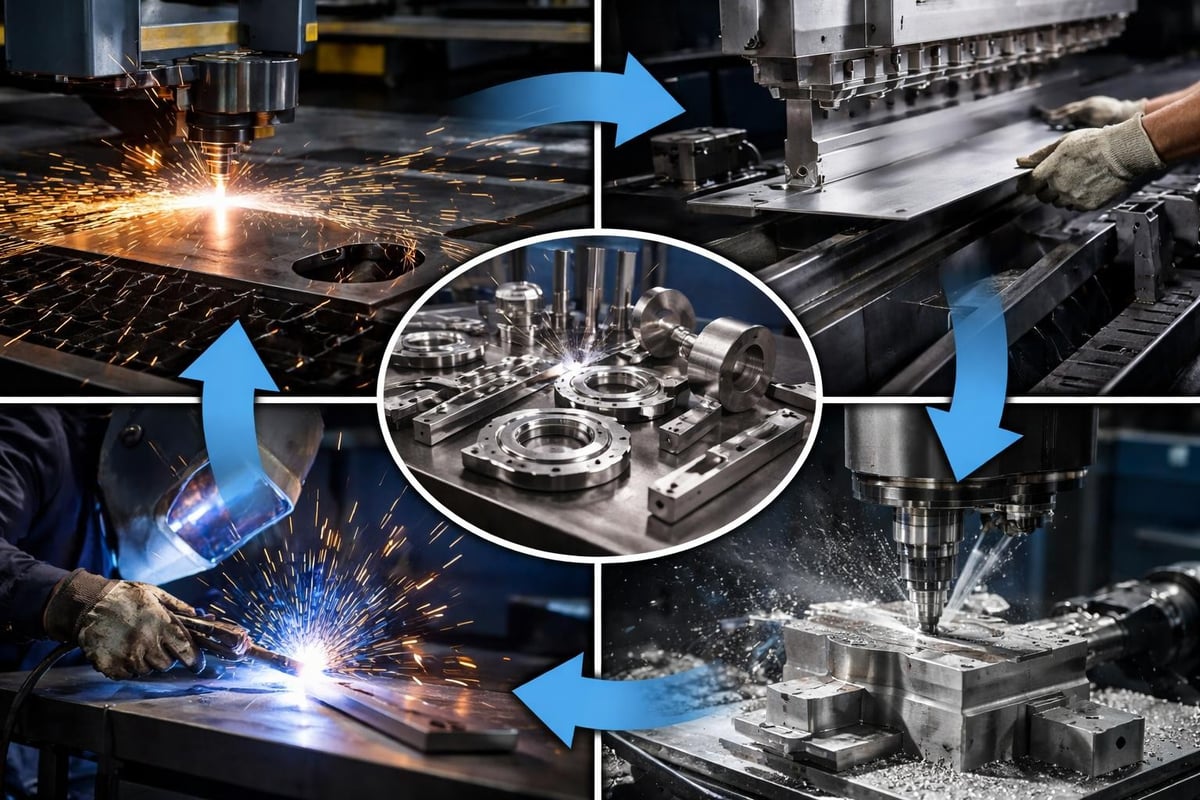
Metal and fabrication encompasses a wide range of manufacturing techniques that transform raw materials into finished components and structures. The fundamental processes include cutting, bending, welding, machining, and assembly operations that require both technical expertise and precision equipment.
Cutting and Material Preparation
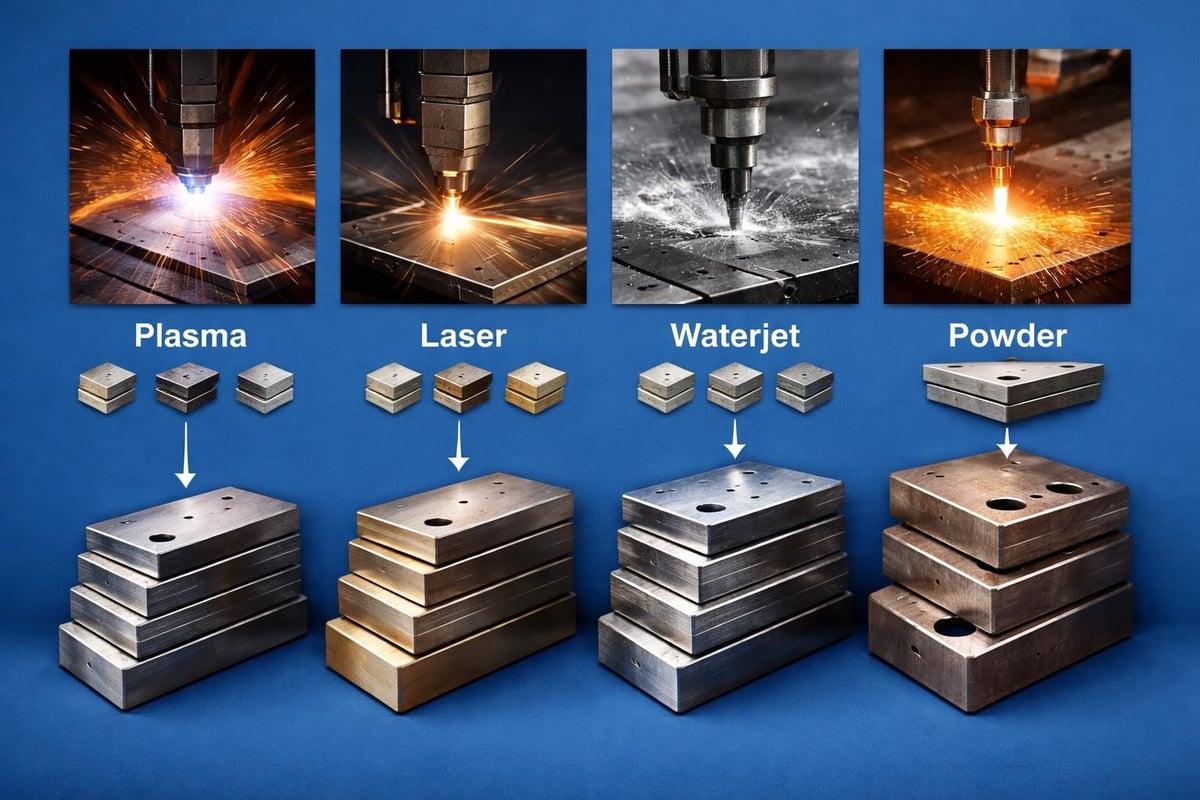
The fabrication process begins with accurate material preparation. Modern facilities utilize multiple cutting technologies to achieve precise dimensions:
- Plasma cutting for rapid processing of thick materials
- Laser cutting when extreme precision is required
- Waterjet cutting for heat-sensitive materials
- Powder cutting for specialized applications
- Traditional sawing for standard stock preparation
Each cutting method offers distinct advantages depending on material type, thickness, and tolerance requirements. Commercial metal fabrication operations must select appropriate techniques based on project specifications and production volumes.
Forming and Bending Operations
After cutting, many projects require forming operations to achieve specific geometries. Press brakes, roll forming equipment, and specialized dies enable fabricators to create complex shapes from flat stock. The metal fabrication and welding discipline demands understanding of material properties, as different metals exhibit varying degrees of ductility and springback characteristics.
| Material Type | Forming Difficulty | Common Applications | Special Considerations |
|---|---|---|---|
| Mild Steel | Low | Structural components, enclosures | Minimal springback |
| Stainless Steel | Moderate | Food processing, chemical equipment | Requires higher tonnage |
| Aluminum | Moderate | Lightweight structures, transportation | Prone to cracking if over-bent |
| High-Strength Alloys | High | Pressure vessels, aerospace | Requires precise calculations |
Welding Excellence in Metal and Fabrication
Welding represents the critical joining phase where individual components become integrated structures. The quality of welds directly determines the strength, durability, and safety of fabricated assemblies. According to metal fabrication industry statistics, welding-related employment continues to grow as infrastructure projects and manufacturing expansion drive demand.
Common Welding Processes
Multiple welding techniques serve different applications within metal and fabrication:
- MIG (GMAW) welding for high-speed production work
- TIG (GTAW) welding for precision applications requiring clean, strong welds
- Stick (SMAW) welding for field repairs and heavy structural work
- Flux-cored welding for outdoor applications and thicker materials
- Submerged arc welding for automated high-deposition applications
Specialized applications may require certified pressure vessel welding and repair service to meet ASME code requirements. These certifications ensure that critical infrastructure components meet stringent safety standards.
Machining Integration in Fabrication Workflows
Metal and fabrication increasingly incorporates precision machining to achieve tolerances that forming and welding alone cannot deliver. CNC machining job shop capabilities enable fabricators to mill, drill, bore, and turn components to exact specifications.
The integration of machining services within fabrication facilities offers several operational advantages. First, it eliminates the need to outsource secondary operations, reducing lead times and maintaining quality control. Second, it enables the production of complex components that combine fabricated structures with machined features. Third, it allows for post-weld machining to correct distortion or achieve final dimensions.
Machining Capabilities Essential for Fabrication
- Milling operations for flat surfaces and pockets
- Turning for cylindrical features and shaft work
- Drilling and tapping for fastener holes
- Boring for precision internal diameters
- Surface grinding for flatness and finish requirements
Material Selection and Its Impact on Fabrication
Choosing appropriate materials represents a fundamental decision in metal and fabrication projects. Material selection affects not only the fabrication processes employed but also the final product's performance characteristics, longevity, and cost.
Primary Materials in Industrial Fabrication
Carbon Steel remains the workhorse material for structural fabrication due to its excellent strength-to-cost ratio and weldability. It serves applications from building frames to equipment supports and process vessels.
Stainless Steel provides corrosion resistance essential for food processing, pharmaceutical, and chemical applications. The 300-series austenitic grades offer the best combination of formability and corrosion resistance for most fabrication work.
Aluminum delivers lightweight solutions for applications where weight reduction justifies higher material costs. Transportation equipment, aerospace components, and mobile structures frequently specify aluminum fabrications.
Specialty Alloys including duplex stainless steels, nickel alloys, and high-strength low-alloy (HSLA) steels address demanding service conditions. These materials require specialized welding procedures and often present forming challenges.
Understanding reference resources for welding and metal fabrication helps professionals make informed material and process decisions.
Quality Control and Inspection Standards
Metal and fabrication quality depends on rigorous inspection protocols throughout the production process. Visual inspection, dimensional verification, and non-destructive testing (NDT) ensure that fabricated components meet specifications.
Inspection Methods and Their Applications
| Inspection Type | Purpose | When Applied | Industries Requiring |
|---|---|---|---|
| Visual | Surface defects, weld quality | Throughout process | All sectors |
| Dimensional | Verify tolerances | After fabrication, machining | All sectors |
| Ultrasonic Testing | Internal weld defects | Critical welds | Pressure vessels, oil & gas |
| Radiographic Testing | Weld penetration, internal defects | Code-required welds | Nuclear, aerospace, pressure vessels |
| Magnetic Particle | Surface and near-surface cracks | Ferrous materials | Structural steel, heavy equipment |
| Dye Penetrant | Surface defects in non-magnetic materials | Stainless, aluminum | Food processing, chemical |
Custom metal fabrication projects often require documented inspection results to verify compliance with customer specifications and industry codes.
Technology Trends Reshaping Metal and Fabrication
The industry continues to evolve through technological adoption that improves efficiency, precision, and capabilities. The future of metal fabrication showcases emerging technologies that are transforming traditional processes.
Automation represents perhaps the most significant trend, with robotic welding cells, automated material handling, and integrated production systems becoming increasingly common. These systems deliver consistent quality while reducing labor costs and improving worker safety by removing humans from hazardous tasks.
Automation and Robotics
Robotic welding systems excel at repetitive tasks, producing identical welds across hundreds or thousands of components. Programming flexibility allows quick changeovers between products, making automation viable even for smaller production runs. The consistency achieved through robotic welding reduces defect rates and rework costs.
Automated material handling systems transport raw materials, work-in-progress, and finished components through facilities. These systems optimize workflow, reduce handling damage, and minimize the physical strain on workers.
Digital Design and Simulation
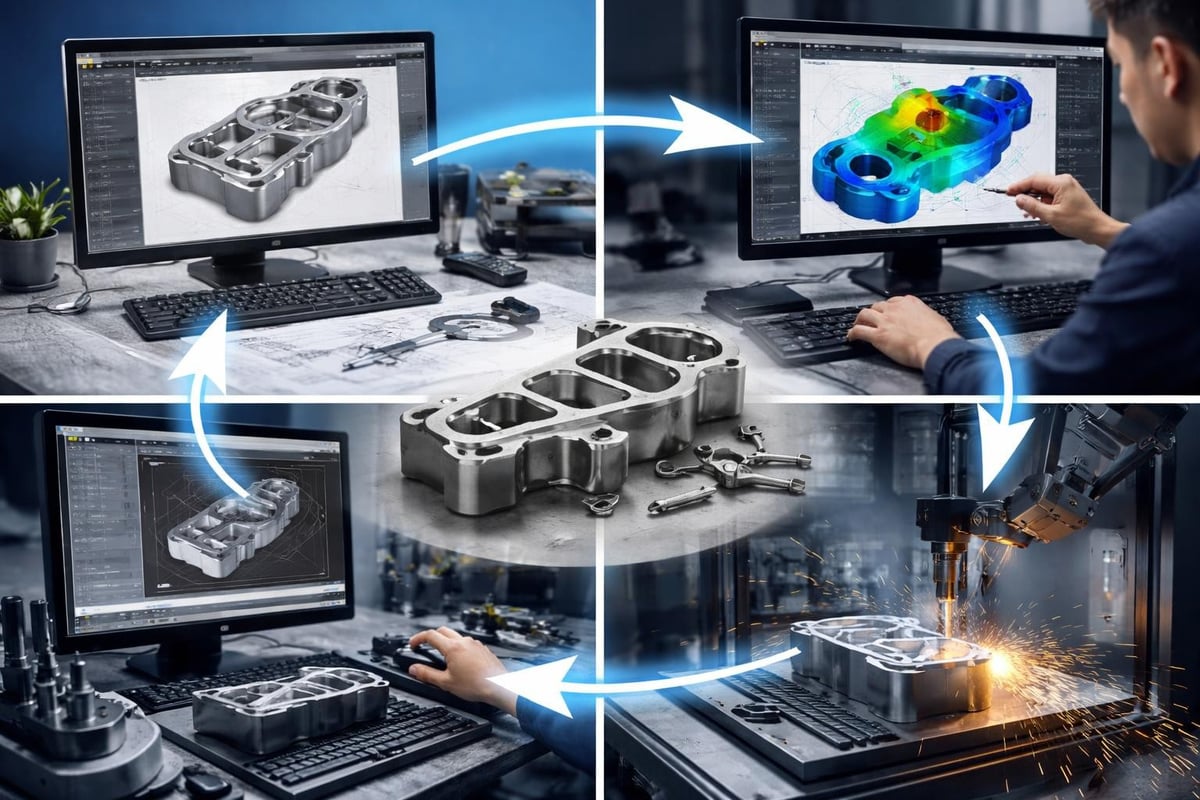
Computer-aided design (CAD) and computer-aided manufacturing (CAM) software enable precise planning before cutting the first piece of metal. Three-dimensional modeling allows engineers to identify interference issues, optimize designs for manufacturability, and generate accurate material lists.
Finite element analysis (FEA) simulates stress distribution, thermal effects, and deformation patterns. This capability proves particularly valuable for structural steel fabrication projects where structural integrity is paramount.
Field Services and On-Site Fabrication
While shop fabrication offers controlled environments and full equipment access, many projects require field capabilities. Manufacturing services that extend to customer sites provide critical support for maintenance, repairs, and installations.
Field machining addresses situations where components cannot be transported to a shop facility. Portable line boring equipment, pipe beveling machines, and flange facing tools enable precision machining at installation sites. This capability proves essential for oil and gas facilities, power plants, and large manufacturing operations.
On-site welding services support everything from routine maintenance to emergency repairs. Mobile welding units equipped with generators and welding machines provide the flexibility to respond quickly to production equipment failures. The ability to perform heavy equipment welding in the field minimizes downtime and avoids costly equipment removal and transportation.
Industry-Specific Applications and Requirements
Metal and fabrication serves diverse industrial sectors, each with unique requirements and specifications. Understanding these sector-specific needs enables fabricators to deliver solutions that meet or exceed customer expectations.
Oil and Gas Sector
The energy industry demands fabrications that withstand extreme pressures, temperatures, and corrosive environments. Oil and gas fabrication typically involves specialized materials, rigorous code compliance, and extensive documentation. Pressure vessels, process piping, separators, and structural supports require certified welders and documented quality procedures.
Aggregate and Recycling Industries
These sectors require fabrications that endure abrasive materials and continuous operation. Wear-resistant materials, reinforced structures, and robust design characterize equipment for crushing, screening, and material handling applications. Maintenance and repair services keep aging equipment operational while new fabrications incorporate lessons learned from field experience.
Manufacturing and Processing
General manufacturing facilities require custom fabrications ranging from material handling equipment to process vessels and structural modifications. The diversity of applications demands fabrication shops with broad capabilities and the flexibility to handle projects of varying size and complexity.
Project Management and Customer Collaboration
Successful metal and fabrication projects depend on clear communication, accurate planning, and systematic execution. From initial concept through final delivery, effective project management ensures that customer requirements translate into quality results.
Design Collaboration
Early involvement of fabrication expertise during the design phase prevents costly issues downstream. Experienced fabricators contribute insights about manufacturability, material selection, and cost optimization. This collaboration often identifies opportunities to simplify designs, reduce material waste, or improve assembly processes.
Timeline and Milestone Planning
Complex projects require detailed scheduling that coordinates material procurement, fabrication operations, quality inspections, and delivery logistics. Critical path analysis identifies tasks that directly impact completion dates, allowing teams to focus resources where they deliver maximum schedule benefit.
- Design review and approval
- Material ordering and receipt
- Cutting and forming operations
- Welding and assembly
- Machining and finishing
- Quality inspection and testing
- Surface preparation and coating (if required)
- Packaging and shipment or installation
Safety Considerations in Metal and Fabrication
The inherent hazards of metal and fabrication demand comprehensive safety programs. Hot work, heavy materials, powered equipment, and chemical exposures present risks that require proper controls and worker training.
Personal protective equipment (PPE) forms the last line of defense against workplace hazards. Welding helmets with appropriate shade ratings protect eyes from arc flash. Leather gloves and sleeves prevent burns. Steel-toed boots guard against crushing injuries. Respirators protect against welding fumes and grinding dust when engineering controls prove insufficient.
Workplace Hazards and Controls
- Arc flash and burns controlled through proper PPE and work procedures
- Metal fume exposure mitigated by ventilation and respiratory protection
- Noise exposure reduced through engineering controls and hearing protection
- Ergonomic risks addressed through material handling equipment and workstation design
- Struck-by hazards prevented through proper material storage and crane operations
The decision points in metal fabrication manufacturing increasingly include safety performance as organizations recognize that protecting workers also protects productivity and profitability.
Estimating and Pricing Metal and Fabrication Work
Accurate estimating represents a critical business skill that balances competitive pricing against profitability requirements. Metal and fabrication estimates must account for material costs, labor hours, equipment time, overhead allocation, and profit margins.
Material costs fluctuate with market conditions, making raw material pricing a moving target. Successful fabricators maintain relationships with multiple suppliers and monitor market trends to optimize purchasing decisions. Marketing benchmarks for the metal fabrication industry provide insights into pricing strategies and competitive positioning.
Estimate Components
Material Costs include raw stock, welding consumables, fasteners, and any specialty items required for the project. Scrap factors account for normal material losses during cutting and processing.
Labor Hours estimation requires understanding the specific processes required and the skill levels needed. Experienced estimators use historical data from similar projects to predict realistic fabrication times.
Equipment Time calculations consider machine rates that recover equipment investment, maintenance costs, and utilities. Complex projects may require specialized tooling or fixtures that add to project costs.
Overhead Allocation distributes facility costs, administrative expenses, and indirect labor across projects. The allocation method significantly impacts profitability, making accurate overhead calculations essential.
Sustainability and Environmental Responsibility
Modern metal and fabrication increasingly incorporates environmental considerations. Material selection, process efficiency, waste reduction, and energy consumption affect both environmental impact and operating costs.
Recycling scrap metal diverts material from landfills while recovering value from production waste. Steel and aluminum maintain their properties through multiple recycling cycles, making them exceptionally sustainable materials. Many fabricators partner with scrap dealers to ensure that offcuts, rejected parts, and worn equipment receive proper recycling.
Energy-efficient equipment reduces operating costs while lowering environmental footprint. LED lighting, high-efficiency HVAC systems, and modern welding power sources consume less energy than older alternatives. Some facilities incorporate renewable energy sources to further reduce carbon emissions.
Water conservation matters particularly for operations using waterjet cutting or wet grinding processes. Closed-loop cooling systems and water treatment enable reuse rather than consumption, reducing both water usage and wastewater discharge.
Workforce Development and Skills Training
The metal and fabrication industry faces ongoing workforce challenges as experienced professionals retire and technological advances create new skill requirements. Developing talent through apprenticeships, technical training, and continuous education ensures that fabrication shops maintain the expertise needed to deliver quality results.
Welding certification programs verify that welders can produce quality welds meeting specific code requirements. AWS (American Welding Society) and ASME certifications demonstrate competency in particular processes, positions, and material types. Many fabrication projects specify certified welders, making these credentials essential for workforce qualification.
Machining skills development combines hands-on experience with technical education in blueprint reading, precision measurement, and CNC programming. The transition from manual machining to computer-controlled equipment requires both traditional machinist knowledge and modern programming capabilities.
Training Investment Returns
| Skill Area | Training Duration | Business Impact | ROI Timeline |
|---|---|---|---|
| Basic Welding | 6-12 months | Expands production capacity | 12-18 months |
| Advanced Welding Certifications | 2-6 weeks per cert | Enables specialized projects | 6-12 months |
| CNC Programming | 3-6 months | Improves machining efficiency | 12-24 months |
| Quality Inspection | 1-3 months | Reduces defects and rework | 6-12 months |
| Blueprint Reading | 2-4 months | Improves accuracy across operations | 6-9 months |
Equipment Investment Strategies
Capital equipment represents a significant investment for metal and fabrication operations. Strategic equipment acquisition balances capability requirements against financial resources and expected utilization rates.
New equipment offers the latest technology, full warranties, and predictable operation. However, the capital cost often exceeds what smaller operations can justify, particularly for specialized machines with intermittent use.
Used equipment provides capable production tools at reduced investment. Thorough inspection and rebuild of critical components can deliver years of reliable service from quality used machines. The trade-off involves higher maintenance costs and potentially reduced precision compared to new equipment.
Leasing arrangements spread equipment costs over time while preserving capital for other business needs. This approach works particularly well for businesses with growing revenues that can support lease payments but lack accumulated capital for outright purchases.
Contract machining services offer another alternative, allowing fabricators to outsource specialized operations rather than investing in seldom-used equipment. This strategy makes sense for occasional needs but becomes cost-prohibitive for high-volume work.
Metal and fabrication continues to evolve through technological advancement, workforce development, and operational innovation. Success in this industry requires technical expertise, quality commitment, and the flexibility to meet diverse customer requirements across multiple industrial sectors. Whether your operation needs comprehensive fabrication services, specialized welding, precision machining, or field support throughout the Western United States, LTJ Industrial Services delivers the capabilities and experience to keep your projects on schedule and your equipment running. Contact us today to discuss how our integrated shop and field services can support your manufacturing and maintenance objectives.