Manufacturing businesses today face an increasingly complex landscape characterized by rapid technological advancement, evolving workforce needs, and intensifying global competition. From small fabrication shops in Colorado to large-scale industrial operations across the Western United States, companies must adapt to survive and thrive. The manufacturing sector continues to be a cornerstone of the American economy, supporting millions of jobs and generating trillions in economic output. Success in this environment requires strategic planning, operational excellence, and a commitment to continuous improvement across every aspect of production.
Digital Transformation Reshaping Manufacturing Operations
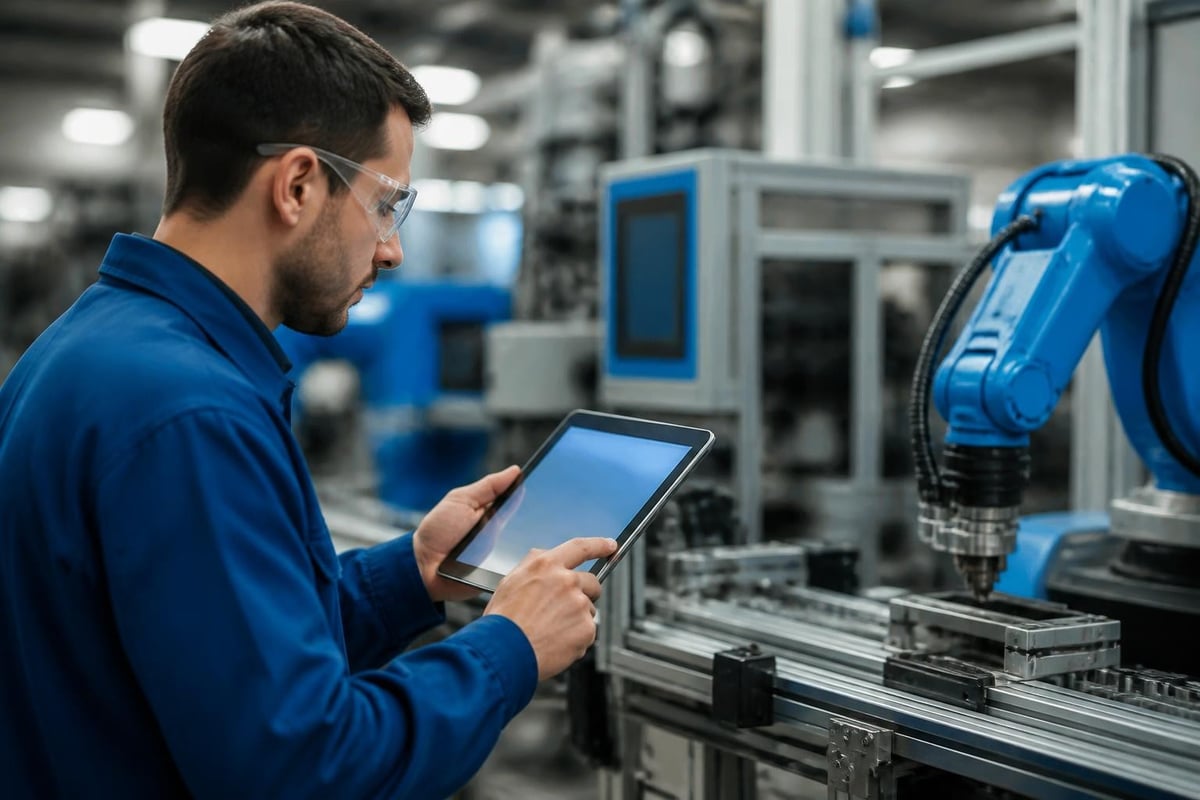
The integration of digital technologies has become essential for manufacturing businesses seeking competitive advantages in 2026. Industry 4.0 technologies are fundamentally changing how manufacturers operate, from production planning to quality control and customer service.
Advanced manufacturing technologies delivering measurable results include:
- Real-time production monitoring systems
- Predictive maintenance platforms
- Automated inventory management
- Digital twin simulations for process optimization
- Cloud-based collaboration tools
Manufacturing businesses implementing these solutions report significant improvements in operational efficiency and product quality. The key lies not in adopting every available technology, but in selecting tools that address specific operational challenges and align with business objectives.
Data-Driven Decision Making
Manufacturing businesses increasingly rely on data analytics to guide strategic decisions. Production data, equipment performance metrics, quality control measurements, and supply chain information combine to provide comprehensive operational visibility. This data-driven approach enables manufacturers to identify bottlenecks, reduce waste, and optimize resource allocation.
Companies specializing in machining and manufacturing services leverage data to improve precision, reduce scrap rates, and deliver consistent quality. The ability to track performance metrics in real-time allows for immediate corrective action when issues arise.
| Technology Area | Primary Benefit | Implementation Timeline |
|---|---|---|
| Production Monitoring | Real-time visibility | 3-6 months |
| Predictive Maintenance | Reduced downtime | 6-12 months |
| Quality Management | Defect reduction | 3-9 months |
| Supply Chain Integration | Inventory optimization | 6-18 months |
Workforce Development and Skilled Labor Challenges
The skilled labor shortage remains one of the most pressing challenges facing manufacturing businesses across the country. According to recent industry analysis, the manufacturing sector supports 5.2 million jobs and generates $1.8 trillion in economic output, yet struggles to fill critical positions.
Welding, machining, and fabrication trades face particularly acute shortages. Manufacturing businesses must develop comprehensive workforce strategies addressing recruitment, training, and retention simultaneously.
Successful approaches include:
- Apprenticeship programs combining classroom instruction with hands-on experience
- Partnerships with technical schools to create talent pipelines
- Competitive compensation packages reflecting skill value
- Career advancement pathways providing growth opportunities
- Continuous education programs keeping workers current with technology
Companies offering welding and fabrication services throughout the Western United States recognize that investing in workforce development directly impacts service quality and customer satisfaction.
Creating a Culture of Excellence
Manufacturing businesses that excel in talent retention focus on workplace culture as much as technical training. Recognizing employee contributions, providing modern equipment, ensuring safe working conditions, and fostering collaborative environments all contribute to workforce stability.
The manufacturing teams delivering exceptional results typically combine experienced professionals with emerging talent, creating knowledge transfer opportunities that benefit both groups.
Supply Chain Resilience and Strategic Sourcing
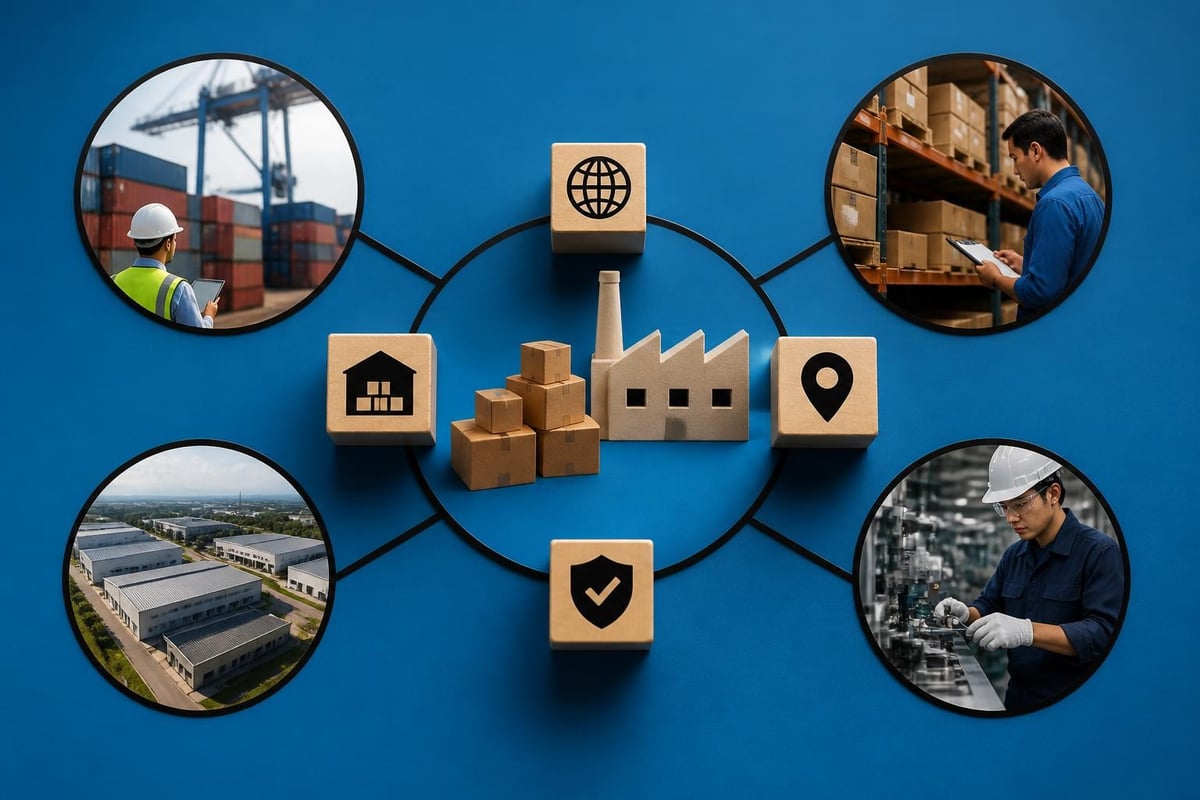
Supply chain disruptions have taught manufacturing businesses valuable lessons about resilience and strategic planning. Companies can no longer rely on single-source suppliers or just-in-time inventory systems without backup plans.
Modern supply chain strategies for manufacturing businesses emphasize:
- Diversified supplier networks across multiple geographic regions
- Strategic inventory buffers for critical materials
- Alternative material specifications allowing substitution flexibility
- Direct relationships with raw material producers
- Local sourcing options reducing transportation dependencies
Manufacturing businesses serving industries like oil and gas, aggregate processing, and recycling must maintain particularly robust supply chains given the critical nature of their work. Equipment failures in these sectors can result in significant production losses and revenue impacts.
Material Quality and Consistency
Beyond availability, material quality directly impacts final product performance. Metal fabrication operations require consistent material properties to ensure weld integrity, dimensional accuracy, and structural performance. Establishing clear quality specifications with suppliers and implementing incoming inspection protocols helps maintain standards.
Operational Excellence Through Process Optimization
Continuous improvement methodologies remain fundamental to manufacturing business success. Lean manufacturing principles, Six Sigma practices, and total productive maintenance approaches help eliminate waste, reduce variation, and maximize equipment effectiveness.
Key performance indicators manufacturing businesses should monitor include:
| Metric | Target Range | Impact Area |
|---|---|---|
| Overall Equipment Effectiveness | 75-85% | Production capacity |
| First Pass Yield | 95-99% | Quality control |
| On-Time Delivery | 95%+ | Customer satisfaction |
| Inventory Turns | 6-12x annually | Working capital |
| Safety Incident Rate | <1 per 200,000 hours | Workforce protection |
Manufacturing businesses implementing structured improvement programs report measurable gains across these metrics. The process begins with baseline measurement, followed by root cause analysis of underperforming areas, implementation of corrective actions, and verification of results.
Equipment Maintenance and Reliability
Preventive and predictive maintenance programs directly impact manufacturing business profitability. Unplanned equipment failures disrupt production schedules, increase costs, and compromise customer commitments. Well-maintained equipment operates more efficiently, produces higher quality output, and experiences fewer breakdowns.
Field and shop services supporting manufacturing operations must respond quickly when equipment issues arise. Minimizing downtime requires technical expertise, parts availability, and strategic repair approaches that balance immediate fixes with long-term reliability.
Customer Relationships and Service Excellence
Manufacturing businesses succeed by solving customer problems and delivering consistent value. Understanding client needs, communicating effectively, meeting commitments, and providing responsive support build lasting relationships that transcend price competition.
Service differentiation strategies include:
- Technical consultation helping customers optimize designs for manufacturability
- Rapid prototyping allowing design validation before full production
- Flexible scheduling accommodating rush orders and changing priorities
- Quality documentation providing traceability and certification
- Post-delivery support ensuring customer success with manufactured components
Manufacturing businesses serving commercial and industrial sectors throughout regions like the Western United States often develop deep industry expertise that adds value beyond basic fabrication or machining services.
Customization Capabilities
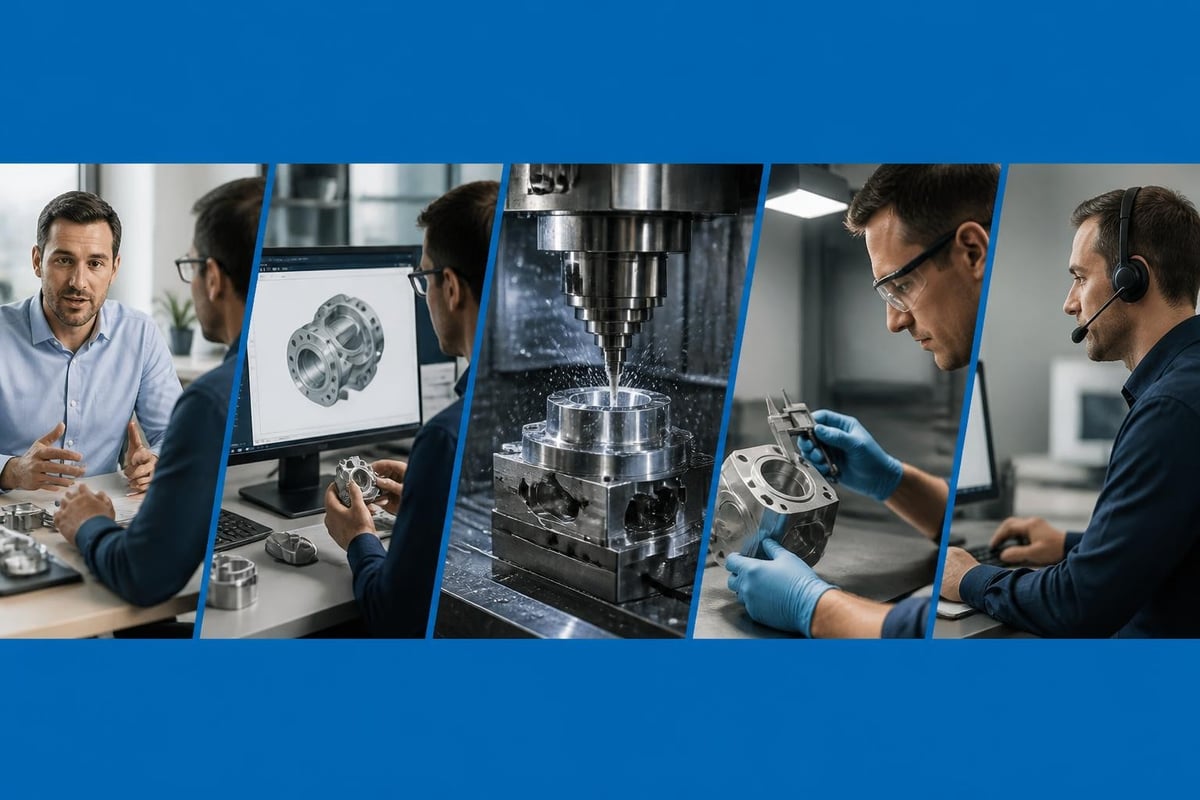
The ability to handle custom work separates full-service manufacturing businesses from commodity producers. Whether fabricating unique components, modifying standard designs, or developing entirely new solutions, customization requires engineering capability, manufacturing flexibility, and project management expertise.
Companies providing custom metal fabrication must balance standardization for efficiency with customization for customer needs. The most successful operations develop core capabilities applicable across diverse applications while maintaining the flexibility to address unique requirements.
Financial Management and Business Growth
Sustainable growth requires sound financial management alongside operational excellence. Manufacturing businesses must manage working capital effectively, price services appropriately, control costs, and invest strategically in capabilities that support future growth.
Financial performance drivers specific to manufacturing include:
- Material utilization rates directly impacting job profitability
- Labor productivity measured by output per hour worked
- Equipment utilization maximizing return on capital investments
- Overhead allocation ensuring accurate cost recovery
- Profit margins by service line and customer segment
According to Kiplinger’s business cost forecasts for 2026, manufacturing businesses should prepare for continued pressure on input costs while seeking efficiency improvements to maintain margins.
Strategic Investment Decisions
Manufacturing businesses must regularly evaluate capital investment opportunities. New equipment purchases, facility expansions, technology implementations, and capability additions all require careful analysis of expected returns, payback periods, and strategic fit.
| Investment Type | Typical Payback | Strategic Value |
|---|---|---|
| Production Equipment | 3-5 years | Capacity expansion |
| Quality Systems | 2-4 years | Defect reduction |
| Employee Training | 1-2 years | Capability enhancement |
| Facility Improvements | 5-10 years | Efficiency gains |
Industry-Specific Considerations and Market Opportunities
Manufacturing businesses serving specialized industries must understand sector-specific requirements, regulations, and market dynamics. The oil and gas sector demands different capabilities than aggregate processing or recycling operations, though some core competencies apply across industries.
Sector-specific success factors include:
- Understanding industry regulatory requirements and compliance standards
- Maintaining certifications relevant to target markets
- Developing relationships with key decision-makers
- Adapting to cyclical demand patterns
- Providing emergency response capabilities when needed
Manufacturing operations in Colorado and throughout the Western United States benefit from proximity to energy, mining, and construction sectors that require ongoing fabrication, welding, and machining support.
Emerging Market Opportunities
Forward-thinking manufacturing businesses identify emerging opportunities before they become obvious to competitors. Renewable energy infrastructure, water treatment systems, advanced recycling technologies, and industrial automation all create demand for specialized manufacturing services.
The transition toward sustainable practices opens new markets for manufacturing businesses willing to develop relevant capabilities. Deloitte’s manufacturing industry outlook highlights sustainability as a key driver of industry transformation in coming years.
Safety, Quality, and Regulatory Compliance
Manufacturing businesses operate under extensive regulatory oversight covering workplace safety, environmental protection, product quality, and business practices. Compliance isn't optional, and violations carry significant consequences including fines, liability exposure, and reputational damage.
Core compliance areas requiring ongoing attention:
- Occupational safety including OSHA regulations and industry-specific standards
- Environmental regulations governing emissions, waste disposal, and chemical handling
- Quality certifications such as ISO standards or industry-specific requirements
- Employment laws covering wages, working conditions, and worker rights
- Business licensing at federal, state, and local levels
Manufacturing businesses providing welding and machining services must maintain rigorous safety programs protecting workers from hazards inherent in these operations. Proper training, equipment maintenance, personal protective equipment, and hazard mitigation strategies all contribute to workplace safety.
Building a Safety Culture
The most effective safety programs extend beyond compliance to create cultures where safety becomes a shared value. When employees at all levels prioritize safety, incident rates decline, worker morale improves, and productivity increases. Regular safety meetings, hazard reporting systems, incident investigations, and continuous improvement processes all support safety culture development.
Technology Integration and Future Readiness
Manufacturing businesses must balance current operational needs with preparation for future challenges and opportunities. Technology adoption provides competitive advantages, but implementation requires careful planning, adequate resources, and organizational change management.
Technology adoption framework for manufacturing businesses:
- Assessment phase: Identifying operational challenges and improvement opportunities
- Research phase: Evaluating available solutions and vendor capabilities
- Planning phase: Developing implementation roadmaps and resource requirements
- Execution phase: Deploying systems with proper training and support
- Optimization phase: Refining processes to maximize technology value
The path toward Industry 5.0 emphasizes human-centric approaches integrated with modern technologies, recognizing that successful manufacturing combines technological capability with skilled human expertise.
Manufacturing businesses should view technology as an enabler rather than a replacement for skilled workers. The most effective operations leverage technology to handle repetitive tasks, provide decision support, and enhance human capabilities rather than eliminate jobs.
Manufacturing businesses navigating 2026's complex landscape must balance operational excellence, workforce development, technology adoption, and customer service to remain competitive. Whether addressing supply chain challenges, implementing digital tools, or developing specialized capabilities, success requires strategic focus and consistent execution. LTJ Industrial Services delivers comprehensive welding, fabrication, and machining solutions helping manufacturing businesses throughout the Western United States maintain equipment reliability, expand capabilities, and achieve operational goals with professional expertise and responsive service.