
The manufacturing landscape in 2026 continues to evolve rapidly, driven by technological advances and increasing demands for precision components across multiple industries. Machining machinery serves as the backbone of modern industrial operations, enabling businesses to transform raw materials into complex, high-tolerance parts that power everything from aerospace applications to oil and gas equipment. For companies operating in the recycling, aggregate, and energy sectors throughout the Western United States, understanding the capabilities, maintenance requirements, and optimization strategies for machining machinery has become critical to maintaining competitive advantage and operational efficiency.
Understanding the Core Categories of Machining Machinery
Manufacturing facilities today rely on diverse equipment types, each designed for specific operations and material requirements. The primary categories include lathes, milling machines, drilling equipment, grinding systems, and electrical discharge machining (EDM) units.
CNC lathes dominate turning operations, removing material from rotating workpieces to create cylindrical components with exceptional precision. These machines excel at producing shafts, bearings, and custom parts required in industrial maintenance applications. Modern CNC systems integrate advanced automation and digital transformation technologies that enhance productivity while reducing operator intervention.
Material-Specific Machining Considerations
Different industries demand machining machinery capable of handling diverse material properties:
- Steel alloys require robust cutting tools and adequate cooling systems
- Aluminum allows for higher speeds but demands chip evacuation planning
- Stainless steel presents work-hardening challenges requiring specific tooling strategies
- Exotic alloys used in aerospace and energy applications need specialized equipment capabilities
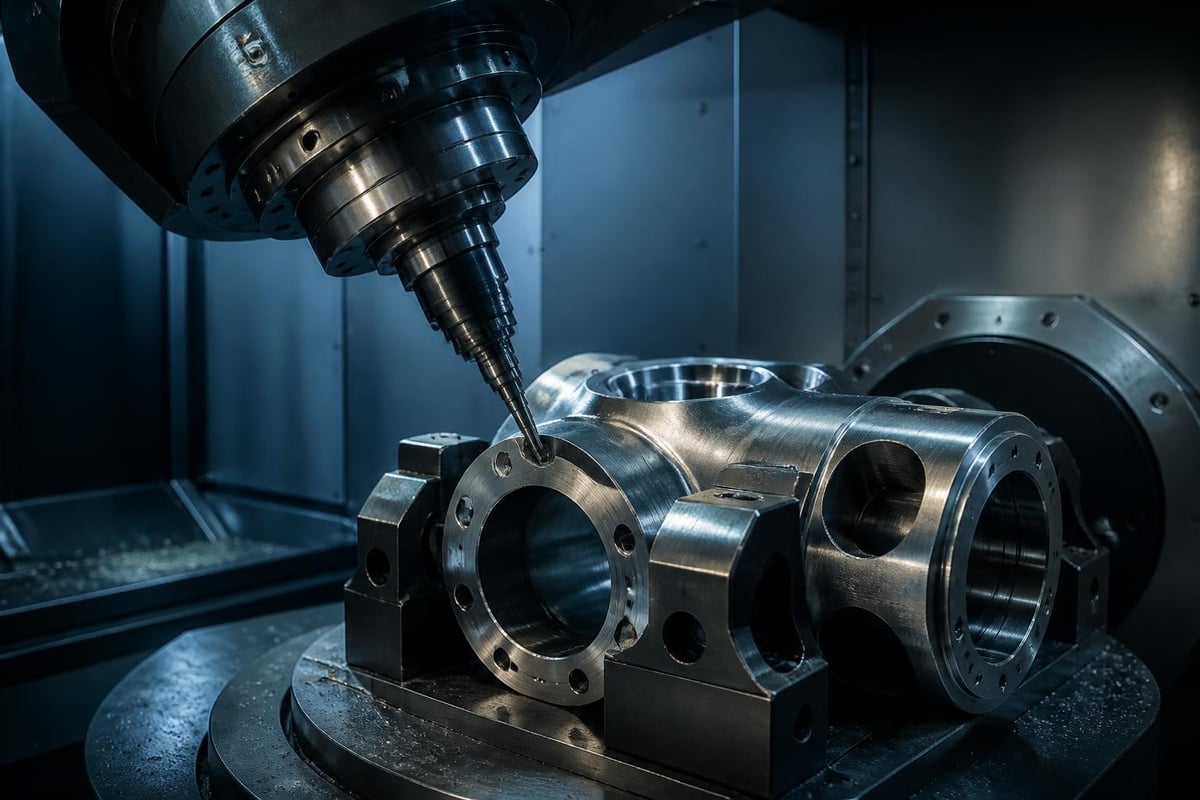
Milling machines provide versatility for creating complex geometries, slots, and surface features. Three-axis, four-axis, and five-axis configurations offer progressively greater flexibility, with five-axis systems enabling complete part machining in single setups. This capability significantly reduces setup time and improves dimensional accuracy by eliminating repositioning errors.
Selection Criteria for Industrial Machining Equipment
Choosing appropriate machining machinery requires comprehensive evaluation of operational requirements, production volumes, and long-term business objectives. Organizations serving the commercial and industrial manufacturing sectors must balance initial capital investment against ongoing operational costs and capability requirements.
Work envelope dimensions determine the maximum part size a machine can accommodate. Facilities handling large recycling equipment components or aggregate processing machinery need adequate bed length and swing capacity. Conversely, operations focused on precision valve components or hydraulic system parts may prioritize accuracy over size capacity.
Spindle power and torque characteristics directly influence material removal rates and surface finish quality. Heavy-duty roughing operations demand high torque at lower speeds, while finishing passes benefit from higher spindle speeds and precision control. The Association For Manufacturing Technology reports increasing machinery orders as manufacturers invest in equipment capable of handling diverse material types and production requirements.
Technology Integration and Control Systems
| Feature | Standard CNC | Advanced Systems | Smart Manufacturing |
|---|---|---|---|
| Programming | G-code manual entry | CAM integration | AI-assisted optimization |
| Monitoring | Basic cycle tracking | Real-time performance | Predictive maintenance |
| Connectivity | Standalone operation | Network integration | IoT ecosystem |
| Error Detection | Post-process inspection | In-cycle measurement | Automated correction |
Modern control systems transform machining machinery from simple automated tools into intelligent manufacturing assets. Conversational programming interfaces reduce setup time for experienced machinists while maintaining process consistency. Integration with computer-aided manufacturing (CAM) software enables direct translation of 3D models into machine instructions, eliminating manual programming errors.
Facilities offering comprehensive machining services across Western regions benefit from standardized control platforms that enable operators to transfer skills between different machine brands and models. This flexibility becomes particularly valuable for companies providing both shop and field services where adaptability proves essential.
Maintenance Strategies for Optimal Performance
Machining machinery represents significant capital investment, making proactive maintenance essential for protecting asset value and ensuring consistent production quality. A structured maintenance approach combines preventive schedules, predictive monitoring, and rapid response capabilities.
Daily operator inspections form the foundation of effective maintenance programs. These checks identify obvious issues before they escalate:
- Verify coolant levels and concentration
- Inspect tool condition and wear patterns
- Check chip evacuation system operation
- Confirm lubrication system functionality
- Monitor unusual vibration or noise
- Validate dimensional accuracy on test pieces
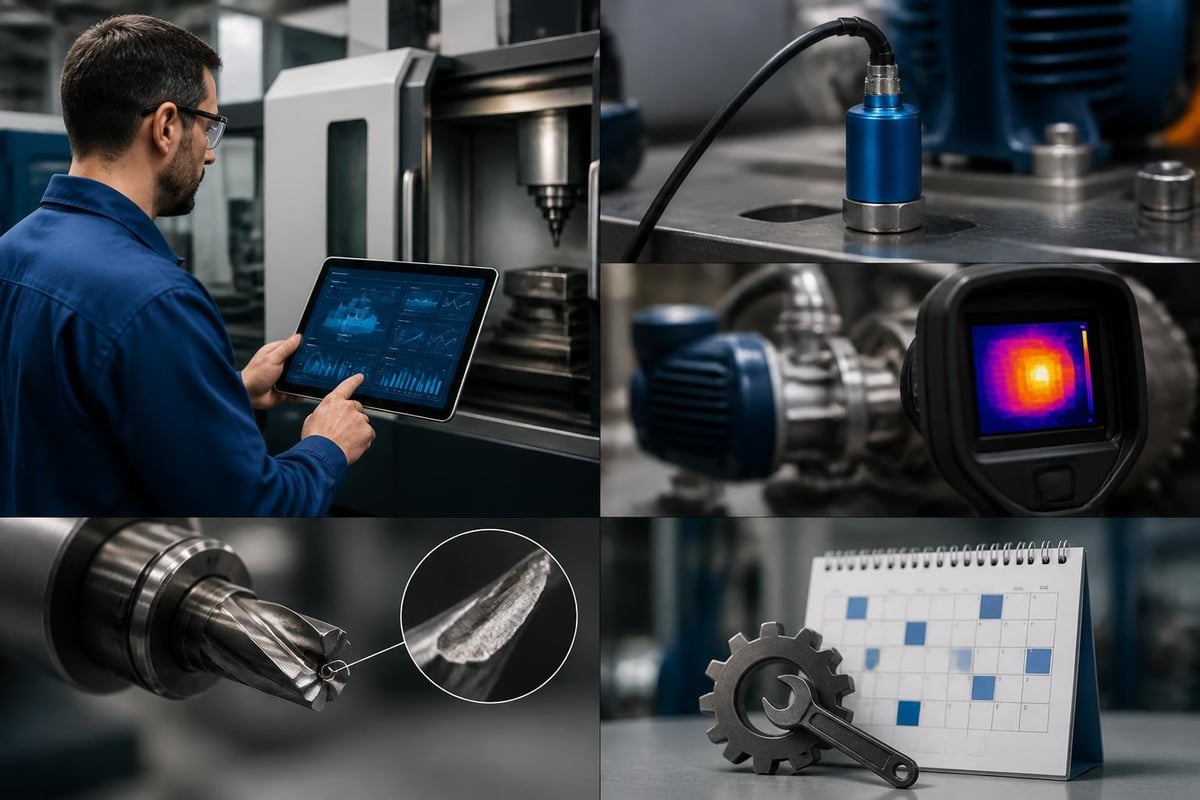
Scheduled preventive maintenance addresses wear components and system calibration at predetermined intervals. Spindle bearings, ball screws, and way surfaces require periodic inspection and adjustment to maintain specified tolerances. Organizations that document maintenance activities and track component life cycles can optimize replacement schedules and minimize unplanned downtime.
Emerging Predictive Technologies
Recent advances in machine learning enable unprecedented insight into equipment health. AI-based systems for online prediction of machining errors demonstrate how real-time data analysis can identify developing problems before they affect part quality or cause equipment damage. These systems analyze vibration signatures, power consumption patterns, and thermal characteristics to detect anomalies indicating bearing wear, tool deterioration, or alignment issues.
Implementing predictive maintenance requires sensor integration and data infrastructure, but the return on investment often justifies the expense. Companies operating across multiple facilities or providing field services to industrial clients can centralize monitoring and dispatch maintenance resources more efficiently based on actual equipment needs rather than fixed schedules.
Safety Standards and Operational Protocols
Machining machinery presents inherent hazards requiring comprehensive safety programs that protect operators while maintaining production efficiency. Federal regulations and industry standards establish minimum requirements, but leading organizations implement additional measures reflecting their commitment to workforce safety.
The ANSI B11 series of standards provides frameworks for identifying machinery hazards through task-based risk assessment. These standards address machine guarding requirements for specific equipment types, ensuring operators remain protected from moving components, flying chips, and other hazards.
Effective machine guarding systems balance protection with accessibility:
- Interlocked barriers prevent operation with guards removed
- Light curtains provide non-contact protection for loading areas
- Emergency stop systems enable immediate power disconnection
- Chip shields protect operators from high-velocity debris
- Lockout/tagout procedures ensure safe maintenance access
Beyond physical guarding, comprehensive operator training addresses proper machine operation, emergency procedures, and hazard recognition. Training programs should include both initial qualification and periodic refresher sessions, particularly when introducing new equipment types or updating operational procedures.
Optimizing Production Through Process Planning
Effective utilization of machining machinery extends beyond equipment capabilities to encompass systematic process planning that minimizes cycle times while maintaining quality standards. Strategic decisions regarding tooling, fixturing, and operation sequencing directly impact productivity and profitability.
Tool selection considers multiple factors including material compatibility, geometric requirements, and expected tool life. Carbide inserts offer versatility and cost-effectiveness for most applications, while ceramic and cubic boron nitride tools excel in high-speed machining of hardened materials. Proper tool selection reduces cycle time and improves surface finish, but inappropriate choices lead to excessive wear, poor quality, and potential equipment damage.
Workholding systems must balance accessibility, rigidity, and repeatability. Standard vises and chucks handle many applications, but custom fixtures prove essential for complex geometries or high-volume production. Modular fixturing systems provide flexibility for job shops and maintenance operations handling diverse component types.
| Process Element | Impact on Efficiency | Optimization Strategy |
|---|---|---|
| Setup time | Lost production capacity | Standardized fixtures, quick-change tooling |
| Cycle time | Parts per hour throughput | Optimized feeds/speeds, multi-operation tools |
| Tool changes | Machine idle time | Tool life monitoring, predictive replacement |
| Quality verification | Inspection bottlenecks | In-process measurement, statistical control |
Balancing Automation with Flexibility
While full automation delivers maximum efficiency in high-volume production environments, many industrial applications require flexibility to accommodate varying component types and batch sizes. Semi-automated approaches using standard machining machinery with operator oversight provide practical solutions for maintenance shops and fabrication facilities serving diverse client needs.
Organizations providing custom manufacturing solutions often maintain equipment portfolios spanning manual, CNC, and automated systems. This diversification enables appropriate technology application based on specific project requirements, ensuring cost-effective production without unnecessary complexity.
Integration with Fabrication and Welding Operations
Machining machinery rarely operates in isolation within comprehensive manufacturing facilities. Integration with metal fabrication, welding, and assembly operations creates complete production capabilities that deliver finished assemblies rather than individual components.
Coordinated operations enable value-added services:
- Machined features on welded assemblies improve fit and finish
- Precision bores and mounting surfaces facilitate proper alignment
- Post-weld machining corrects distortion and restores tolerances
- Integrated production reduces handling and transportation costs
Companies offering combined capabilities can address complete project requirements, from initial fabrication through final machining and quality verification. This integrated approach particularly benefits clients in the oil and gas, recycling, and aggregate industries where equipment often requires both structural fabrication and precision machined components.
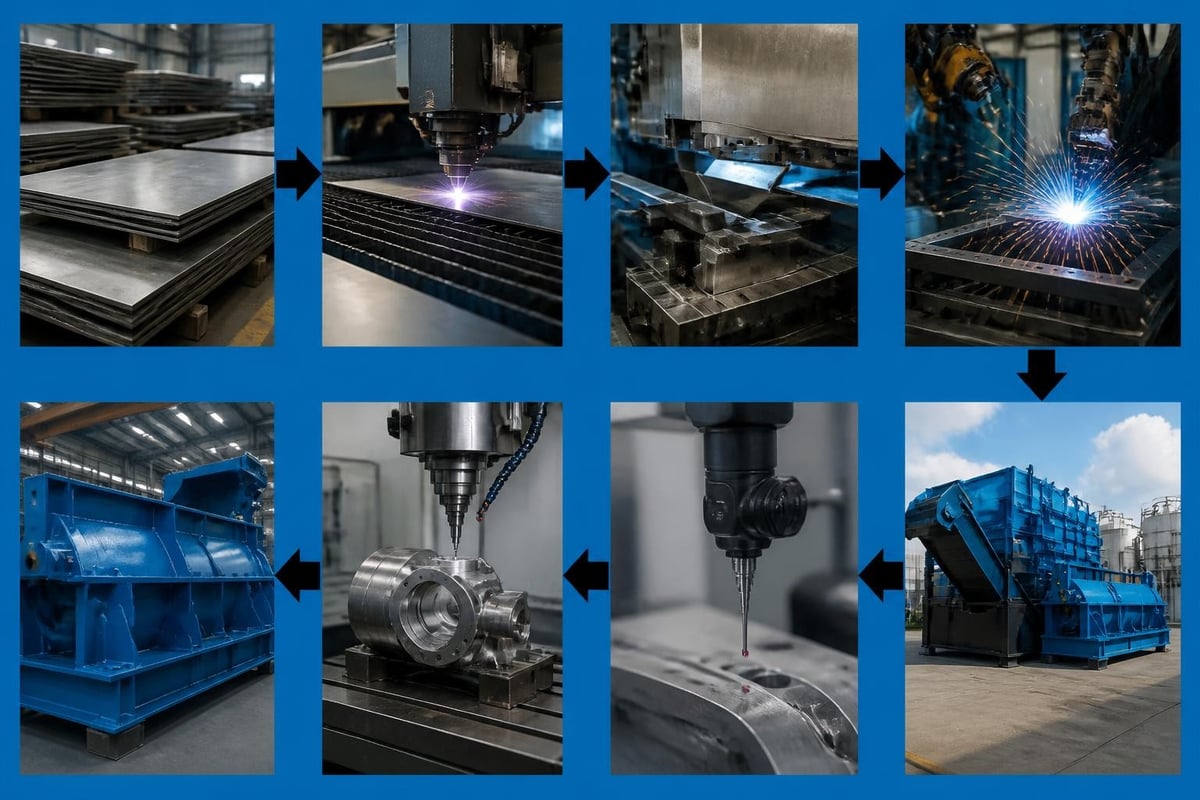
The relationship between welding and machining requires careful process planning. Welded assemblies often include mounting pads, bearing bores, or sealing surfaces requiring post-weld machining to achieve specified tolerances. Planning these features during initial design ensures adequate material stock and appropriate access for machining operations.
Data Security and Intellectual Property Protection
As machining machinery becomes increasingly connected through industrial IoT networks and networked controls, organizations must address cybersecurity risks that could compromise proprietary designs, production processes, or competitive information. Research demonstrating security vulnerabilities in machining process monitoring highlights how machine learning algorithms can potentially reconstruct component geometries from sensor data.
Manufacturing facilities should implement multilayer security strategies protecting both network infrastructure and physical equipment access. Isolated networks for production equipment, restricted USB access, and encrypted data transmission reduce vulnerability to industrial espionage or malicious interference.
Essential security measures for connected machining environments:
- Network segmentation separating production from enterprise systems
- Access controls limiting programming changes to authorized personnel
- Encrypted backups of programs and machine parameters
- Physical security preventing unauthorized equipment access
- Regular security audits identifying potential vulnerabilities
Organizations providing contract manufacturing or repair services must recognize their responsibility for protecting client intellectual property. Non-disclosure agreements establish legal frameworks, but technical controls and employee training ensure practical protection of sensitive designs and processes.
Economic Considerations and Investment Planning
Capital investment in machining machinery requires careful financial analysis considering equipment costs, installation expenses, training requirements, and expected return on investment. Market trends indicating machinery orders outpacing shipments suggest strong demand and potential delivery delays, making early planning essential for capacity expansion projects.
Total cost of ownership extends beyond purchase price:
- Installation including foundations, utilities, and rigging
- Control software, CAM systems, and tooling libraries
- Initial tooling inventory and workholding fixtures
- Operator training and programming support
- Ongoing maintenance and consumable supplies
- Facility modifications for ventilation and chip handling
Leasing options provide alternatives to outright purchase, preserving capital for other business needs while enabling access to current technology. Build-to-suit arrangements allow customization for specific applications without full design and procurement responsibilities.
For companies providing hydraulic repair and precision machining services, equipment selection must consider the diverse component types encountered in field and shop operations. Versatility often outweighs specialization when serving multiple industries with varying requirements.
Training and Workforce Development
The effectiveness of machining machinery ultimately depends on skilled operators who understand equipment capabilities, material behavior, and process optimization. Industry faces ongoing challenges recruiting and developing qualified machinists, making workforce development essential for operational success.
Structured training programs should progress from fundamental concepts through advanced techniques. New operators require instruction in safety procedures, basic machine operation, and quality verification methods before advancing to complex programming and process optimization. Experienced machinists benefit from ongoing education addressing new technologies, advanced materials, and productivity improvement strategies.
Effective training incorporates multiple learning approaches:
- Classroom instruction covering theory and principles
- Hands-on practice with supervision and feedback
- Simulation software for programming practice without machine time
- Vendor-specific training for specialized equipment
- Mentorship programs pairing experienced and developing machinists
Research on augmented reality versus traditional media in machining equipment user guides suggests innovative instructional methods may enhance learning effectiveness and retention. AR applications can overlay operational guidance directly onto equipment, providing context-specific instruction during actual operations.
Organizations competing for skilled labor must offer competitive compensation, professional development opportunities, and modern equipment that makes work efficient and satisfying. Facilities maintaining current technology and implementing best practices attract quality employees who value professional environments supporting continuous improvement.
Modern manufacturing demands precision, reliability, and adaptability from machining machinery operations supporting critical industries throughout the Western United States. Strategic equipment selection, proactive maintenance, comprehensive safety programs, and skilled workforce development combine to create competitive manufacturing capabilities that deliver consistent quality and operational efficiency. Whether your operation requires precision component machining, equipment repair, or integrated fabrication and machining services, LTJ Industrial Services provides the expertise, equipment, and commitment to quality that keeps your operations running efficiently. Contact our team to discuss how our comprehensive shop and field services can support your manufacturing and maintenance requirements.