
The fabrication shop landscape is evolving at breakneck speed, driven by technological advances and shifting market demands. To thrive in 2026, leaders must adapt quickly or risk falling behind.
This essential guide is designed to help your fabrication shop navigate the changes ahead. Discover actionable strategies, explore emerging trends, and learn proven best practices that set successful shops apart.
You will gain insights on market shifts, vital technologies, operational excellence, workforce development, and customer-centric approaches. Now is the time to take charge and position your shop for lasting success in a competitive industry.
Understanding the 2026 Fabrication Shop Landscape
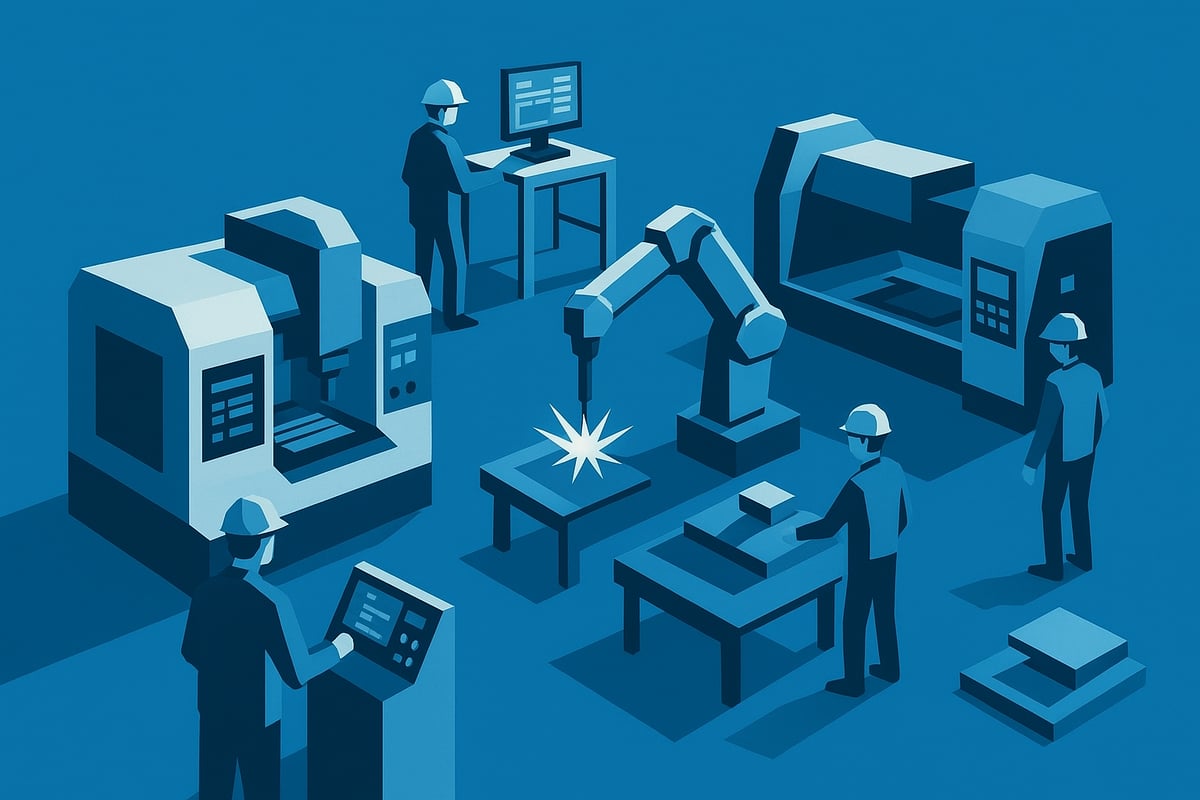
Fabrication shop owners face a rapidly transforming landscape in 2026, shaped by technological innovation, shifting customer priorities, and global economic forces. To remain competitive, shops must understand the trends, customer demands, and challenges shaping the next era of manufacturing.
Key Industry Trends and Forecasts
The global fabrication shop market is forecasted for robust growth in 2026, fueled by demand from industries such as renewable energy, defense, and medical technology. As companies seek reliable partners, shops must keep pace with industry expansion and evolving standards.
Growth projections indicate a significant increase in automation, digital integration, and advanced manufacturing processes. The rise of domestic manufacturing and reshoring, particularly in the United States, is opening new opportunities for local fabrication shop businesses. Sectors like semiconductors and communications are driving the need for high-precision components and fast turnaround times.
Customer expectations are also rising. Clients now demand not just quality, but rapid delivery and customized solutions. Regulatory requirements, including ISO standards, are evolving to emphasize both product safety and sustainability.
For a detailed breakdown of the top trends shaping the industry, including smart technology integration and sustainability, see the Top 5 Fabrication Trends to Watch in 2026.
Evolving Customer Needs and Competitive Pressures
Today’s fabrication shop must deliver more than parts; customers expect turnkey solutions, from design to assembly. This shift has made one-stop-shop capabilities a critical advantage. Shops that can offer in-house prototyping, rapid iteration, and flexible production are winning more business.
Sustainability has become a major differentiator. Clients are prioritizing eco-friendly processes and suppliers with robust environmental practices. Shops that invest in green materials and energy-efficient operations strengthen their market position.
Competitive pressures are intensifying, with both domestic and international players seeking to capture growing market segments. According to insights from PEKO and Turner, shops that adapt quickly by expanding service offerings and maintaining high quality see the greatest gains. Case studies reveal that those who embrace digital transformation and customer-centric approaches set themselves apart in a crowded field.
Opportunities and Challenges
The evolving landscape brings new service demands for fabrication shop operators. Prototyping, automation, and advanced assembly are increasingly requested by clients looking for speed and flexibility. Shops capable of integrating these services position themselves for sustained growth.
However, challenges persist. Rising material costs, persistent labor shortages, and supply chain disruptions continue to test operational resilience. Shops must strategize to balance costs and maintain service quality.
To leverage industry shifts, fabrication shop leaders should focus on agility, invest in workforce development, and adopt digital tools for process optimization. By anticipating market changes and embracing innovation, shops can turn challenges into opportunities for long-term success.
Building a Future-Ready Fabrication Shop: Core Pillars of Success
Achieving long-term success in the fabrication shop industry requires a forward-thinking approach grounded in technology, quality, flexibility, and sustainability. As 2026 approaches, shops that embrace these pillars will be best positioned to thrive. This section explores the essential strategies every fabrication shop should prioritize to stay competitive and future-ready.
Investing in Advanced Technologies and Automation
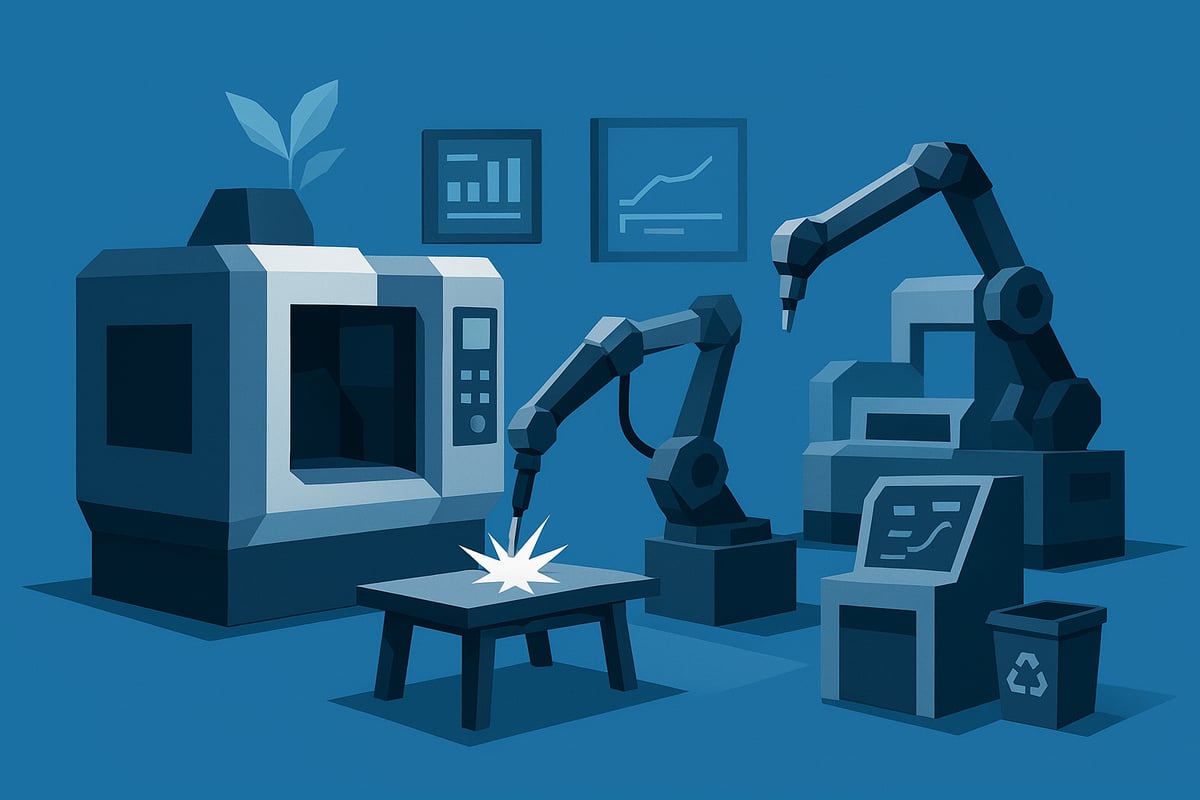
Staying ahead in the fabrication shop landscape means investing in the latest machinery and digital solutions. Essential tools for 2026 include CNC machining centers, laser cutters, waterjet systems, and robotic welding stations. These technologies dramatically improve accuracy, reduce manual errors, and boost productivity.
Shops integrating 3D BIM and digital workflows benefit from seamless coordination between design and production. Automated processes, like real-time scheduling and quality checks, minimize waste and speed up turnaround times. For instance, Turner’s adoption of 3D BIM has enabled rapid design-to-production transitions, setting a new standard for efficiency.
Automation allows a fabrication shop to handle more complex projects while maintaining consistency. For a deeper dive on future-focused strategies, see the Commercial Fabrication Guide for 2026. Strategic investments in technology are a must for any fabrication shop aiming to lead in the coming years.
Quality Control and Continuous Improvement
A fabrication shop’s reputation is built on its ability to deliver consistent, high-quality results. Implementing robust quality management systems, such as those aligned with ISO standards, is essential. These systems ensure every product meets or exceeds customer expectations.
Lean manufacturing and Six Sigma methodologies are powerful tools for reducing defects and streamlining operations. By applying data-driven process optimization, shops can identify bottlenecks and address inefficiencies in real time.
PEKO’s focus on exceeding client requirements through comprehensive quality programs demonstrates the impact of a strong quality culture. Real-time monitoring tools help a fabrication shop maintain high standards while adapting quickly to new challenges. Continuous improvement is not just a goal but a core operational principle.
Customization and Prototyping Capabilities
Clients increasingly expect their fabrication shop partners to deliver tailored solutions and rapid prototypes. By offering flexible production lines and quick-turn prototyping, shops can attract diverse business from industries with evolving needs.
Deciding whether to build in-house prototyping or outsource depends on project volume, technical demands, and available resources. In-house capabilities often allow for faster iterations and better communication between design and manufacturing teams. Case studies show that shops with dedicated prototyping departments often win more contracts and foster stronger client relationships.
Custom solutions are a vital differentiator for a fabrication shop striving to stand out. Rapid prototyping supports innovation, helping clients bring new products to market faster and with greater confidence.
Sustainability and Environmental Responsibility
Modern clients and regulators expect every fabrication shop to operate with sustainability in mind. Using eco-friendly materials, optimizing resource consumption, and reducing waste are now industry standards.
Compliance with environmental regulations demonstrates a shop’s commitment to responsible practices. Adopting green processes not only fulfills legal obligations but also enhances brand reputation and attracts environmentally conscious customers.
Implementing energy-efficient equipment and recycling programs can set a fabrication shop apart from competitors. Sustainability is no longer optional; it’s a key pillar of long-term success and a driver for client acquisition.
Operational Excellence: Streamlining Shop Processes for Maximum Efficiency
Achieving operational excellence is the backbone of a high-performing fabrication shop. Every detail, from workflow and purchasing to maintenance and safety, directly impacts productivity, cost, and customer satisfaction. To stay ahead in 2026, shops must adopt a continuous improvement mindset and leverage proven strategies to maximize efficiency.
Optimizing Workflow and Shop Floor Layout
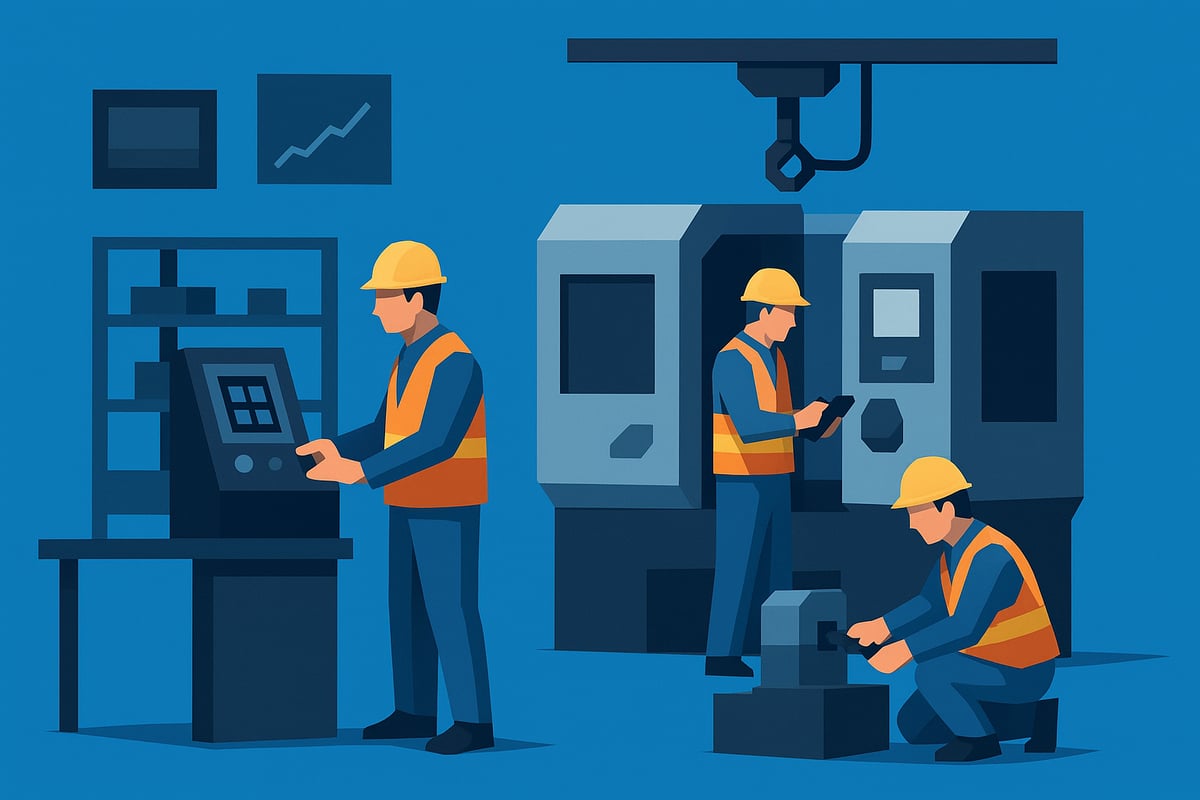
A well-designed shop floor is essential for reducing bottlenecks and maximizing throughput in any fabrication shop. Start by mapping current workflows and analyzing how materials and parts move from station to station. Use digital visualization tools to identify inefficiencies and simulate improvements.
- Arrange machinery to minimize transport distances between key processes.
- Group related operations together to encourage seamless transitions.
- Implement visual management systems, such as floor markings and digital dashboards, to keep teams aligned.
Shifting to a lean layout can significantly cut lead times and operational costs. For a deeper look into how top-performing shops structure their environments, review this Fabrication and Welding Shop Overview.
By focusing on layout optimization, a fabrication shop can boost productivity and create a safer, more agile workspace.
Cost Control and Smart Purchasing
Controlling costs is an ongoing challenge for every fabrication shop, especially as material prices fluctuate and supply chains shift. Start by breaking down total project expenses into four main categories: materials, labor, engineering, and overhead.
| Cost Category | Typical % of Project | Strategies to Reduce |
|---|---|---|
| Materials | 40–60 | Bulk purchasing, alternative suppliers, group buying |
| Labor | 20–30 | Cross-training, automation, workflow improvements |
| Engineering | 10–15 | Standardized designs, digital tools, efficient quoting |
| Overhead | 10–15 | Energy efficiency, space optimization, tech upgrades |
Negotiate long-term contracts with trusted suppliers to lock in pricing and reduce risk. Leverage group purchasing organizations where possible to access better terms. By monitoring costs closely and adjusting purchasing strategies, a fabrication shop remains competitive and resilient.
Maintenance and Equipment Management
Proactive maintenance is key to minimizing downtime and keeping production schedules on track. Develop a preventive maintenance plan tailored to each piece of equipment. Schedule regular inspections, lubrication, and component replacements before failures occur.
Example maintenance checklist for a CNC machine:
Daily: Clean surfaces, check coolant levels
Weekly: Inspect belts, lubricate moving parts
Monthly: Calibrate axes, review error logs
Quarterly: Replace filters, test emergency stops
Investing in versatile, modern equipment can also streamline operations and reduce the need for redundant machines. Well-maintained assets enable a fabrication shop to deliver consistent quality and meet tight deadlines.
Safety and Compliance Best Practices
Upholding safety and compliance is non-negotiable in a fabrication shop. Adhering to OSHA and ISO standards helps protect employees and reduces liability. Implement regular training sessions, covering topics like machine operation, PPE use, and emergency response.
- Conduct routine safety audits to identify and address hazards.
- Post visible safety signage throughout the shop.
- Track incident reports and use data to drive improvements.
Shops with robust safety programs often see a measurable drop in workplace incidents. Creating a culture of safety not only safeguards your team but also enhances the reputation of your fabrication shop in the marketplace.
Workforce Development and Leadership in 2026
A thriving fabrication shop in 2026 depends as much on its people as its technology. As the industry evolves, building and maintaining a high-performing workforce is the foundation for shop excellence, resilience, and growth.

Recruiting and Retaining Top Talent
The fabrication shop landscape faces a significant skilled labor shortage. Attracting and retaining the best talent requires a proactive approach. Competitive wages, robust benefits, and clear advancement opportunities set top employers apart.
Shops that invest in employee well-being, offer flexible schedules, and encourage work-life balance experience lower turnover rates. Building a diverse and inclusive workforce is also critical. For example, Turner’s DEI initiatives demonstrate how prioritizing diversity strengthens teams and fosters innovation.
To stand out, a fabrication shop should participate in local job fairs, partner with technical schools, and offer internships or apprenticeships. This approach builds a strong talent pipeline and positions the shop as an employer of choice.
Table: Talent Strategies and Outcomes
| Strategy | Outcome |
|---|---|
| Competitive pay | Higher retention |
| Inclusive hiring | Greater creativity, engagement |
| Career pathways | Improved morale, productivity |
Training, Upskilling, and Knowledge Transfer
Continuous learning is essential for every fabrication shop aiming to stay ahead. Advanced machinery and digital tools require ongoing training for both new and experienced staff. Regular upskilling ensures employees can operate modern equipment safely and efficiently.
Apprenticeship programs and partnerships with technical colleges are valuable for building foundational skills. Encouraging senior staff to mentor new hires supports knowledge transfer and preserves institutional expertise. Shops with structured training see fewer errors and higher quality output.
For those seeking to expand capabilities, specialized programs in Custom Fabrication and Welding Services help teams master complex processes and deliver bespoke solutions. This investment directly enhances customer satisfaction and shop reputation.
Leadership and Culture
Effective leadership is the glue that holds a high-performing fabrication shop together. Empowering managers and shop floor leaders to make decisions and solve problems builds accountability and agility.
A culture rooted in innovation, continuous improvement, and customer service starts at the top. Leaders should set clear expectations, recognize achievements, and encourage open communication. When leadership prioritizes quality and safety, teams follow suit, resulting in better client outcomes and fewer incidents.
Shops that cultivate this environment consistently exceed expectations. Leadership not only shapes day-to-day performance but also ensures long-term success for the entire fabrication shop.
Delivering Exceptional Customer Value and Building Long-Term Partnerships
In the competitive world of the fabrication shop, delivering more than just technical expertise is essential. To stand out, shops must focus on building meaningful partnerships and consistently exceeding customer expectations. This approach not only helps win new business but also secures long-term loyalty in a rapidly evolving marketplace.
Customer-Centric Service Models
A successful fabrication shop places the customer journey at the heart of its operations. This starts with providing transparent, detailed quotes and realistic project timelines. Clients appreciate clarity on costs, material options, and delivery schedules. For example, using resources like Fabrication Materials and Selection allows shops to educate customers on material choices, aligning quality and budget from the outset.
End-to-end solutions are another hallmark of excellence. Leading shops offer everything from design and prototyping to fabrication, finishing, and assembly, often under one roof. Responsive, live customer service teams ensure questions are answered promptly and issues are resolved before they escalate. This commitment to service makes a fabrication shop a trusted partner rather than just a vendor.
- Transparent quoting processes
- Detailed project planning
- Live communication channels
- End-to-end production capabilities
Customers return to partners who deliver consistent value and make their project experience seamless.
Specialization vs. Diversification
Fabrication shops face a strategic choice: focus on niche expertise or expand to serve a broader range of industries. Both strategies can lead to success if aligned with market demand and internal capabilities. A niche fabrication shop might excel in high-precision medical components, leveraging deep technical knowledge and specialized equipment. Conversely, diversified shops can capture a wider client base by offering general fabrication, rapid prototyping, and field services to sectors from oil and gas to renewable energy.
Regularly assessing market trends and customer feedback helps determine which path offers the best growth potential. Adapting services to meet changing industry needs, such as offering turnkey solutions or advanced assembly, ensures a fabrication shop remains relevant and competitive. Ultimately, the right balance depends on the shop’s strengths, resources, and long-term vision.
Building Trust and Reputation
Trust is the foundation of every long-lasting business relationship. A fabrication shop can build credibility by showcasing testimonials, project case studies, and client references. Industry certifications, such as ISO compliance, signal a commitment to quality and professionalism that reassures new and existing clients.
Digital marketing plays a crucial role in reputation building. Sharing success stories, certifications, and technical expertise online helps prospective customers see real-world results and the value the shop delivers. Regular updates and educational content further position the fabrication shop as an industry leader.
- Publish customer testimonials and case studies
- Highlight certifications and industry awards
- Maintain an informative, regularly updated website
- Use social channels to share expertise
By prioritizing transparency, communication, and demonstrated excellence, a fabrication shop can turn satisfied customers into loyal advocates and position itself for sustainable, long-term partnerships.
Step-by-Step Roadmap to Fabrication Shop Success in 2026
Achieving excellence in your fabrication shop by 2026 requires a clear, actionable roadmap. The following step-by-step guide breaks down the core actions every shop owner or manager should prioritize to secure growth, resilience, and customer loyalty in a rapidly changing industry.
Step 1: Assess Your Current Capabilities and Market Position
Begin with a thorough evaluation of your fabrication shop’s current state. Conduct a SWOT analysis to uncover strengths, weaknesses, opportunities, and threats. This process reveals where your fabrication shop stands against competitors and highlights potential growth areas.
Benchmark your performance against industry leaders in your region and sector. Assess technology, workforce skills, and service offerings. Identify any gaps holding your fabrication shop back from meeting 2026 market demands. This honest assessment is the foundation for strategic planning.
Step 2: Invest in Technology and Process Upgrades
The right technology investments will define the future of your fabrication shop. Evaluate the ROI for new machinery, automation, and digital tools. Prioritize upgrades that improve efficiency, precision, and flexibility. For example, integrating advanced automation is now essential, as highlighted in Manufacturing Trends 2026: What to Watch—and Act On.
Consider phased upgrades to minimize disruptions. Ensure your team receives comprehensive training on new systems. Staying ahead with technology not only boosts productivity but also positions your fabrication shop as an industry leader. The global automation market is projected to grow, making this investment a smart, future-ready move.
Example Table: Technology Investment Priorities
| Upgrade Area | Benefit | Priority |
|---|---|---|
| CNC & Laser Cutting | Precision, speed | High |
| Robotic Welding | Consistency, reduced labor | Medium |
| Digital Workflow | Real-time monitoring, data | High |
Step 3: Strengthen Quality, Safety, and Compliance Programs
High standards in quality and safety are non-negotiable for every fabrication shop. Update your quality management systems to meet or exceed ISO and industry standards. Regularly conduct safety audits and employee training sessions.
Document all compliance activities to provide assurance to your customers. Proactive risk management reduces liability and builds a reputation for reliability. Continuous improvement in these areas keeps your fabrication shop competitive and trustworthy in a demanding market.
Step 4: Build a High-Performance Team
Your fabrication shop’s success depends on the strength of your team. Launch targeted recruitment drives and apprenticeship programs to attract skilled talent. Offer competitive compensation, clear career paths, and leadership opportunities.
Foster a culture of innovation and continuous improvement. Encourage knowledge sharing between experienced and new staff. When your team feels empowered and valued, your fabrication shop will see higher retention, better morale, and improved results.
Step 5: Enhance Customer Engagement and Marketing
Elevate your fabrication shop by redesigning quoting and onboarding processes for speed and transparency. Collect and showcase customer testimonials and project case studies to build credibility.
Expand your digital presence with a professional website, search engine optimization, and active social media engagement. Effective marketing not only attracts new clients but also strengthens relationships with existing ones. Demonstrating expertise and reliability builds long-term trust in your fabrication shop.
Step 6: Monitor, Measure, and Iterate
Continuous improvement is the hallmark of a future-ready fabrication shop. Set clear KPIs for productivity, quality, and customer satisfaction. Use real-time data to drive decisions and optimize processes.
Regularly review performance and remain agile as industry trends evolve. Leverage digital monitoring tools, as recommended in Manufacturing Trends 2026: What to Watch—and Act On, to stay proactive. Iteration ensures your fabrication shop adapts quickly, maximizes efficiency, and maintains a competitive edge.
Example List: Key KPIs to Track
- On-time delivery rate
- First-pass yield/quality rate
- Customer satisfaction scores
- Machine utilization rates
By following this roadmap, your fabrication shop will be well-positioned for sustainable growth, operational excellence, and customer loyalty in 2026.
As you look ahead to 2026, it’s clear that success in the fabrication industry will belong to those who embrace innovation, prioritize quality, and stay agile in a changing market. Whether you’re considering advanced automation, looking to streamline your operations, or seeking a skilled partner who understands your industry’s unique demands, having the right support makes all the difference. At LTJ Industrial Services, we’re ready to help you overcome challenges and seize new opportunities with tailored welding, fabrication, and machining solutions. Let’s discuss how we can help your business grow—start by Requesting a Quote.