Custom fabrication welding represents the intersection of precision engineering, skilled craftsmanship, and industrial problem-solving. Unlike standardized production welding, custom fabrication welding addresses unique challenges faced by businesses across commercial and industrial sectors. From repairing critical equipment in oil and gas operations to creating specialized components for aggregate processing facilities, this specialized service delivers tailored solutions that keep operations running efficiently. Understanding the fundamentals, processes, and quality considerations of custom fabrication welding helps businesses make informed decisions when selecting a partner for their most demanding projects.
Understanding Custom Fabrication Welding Fundamentals
Custom fabrication welding differs significantly from production welding through its focus on unique, one-off solutions rather than mass-produced components. This specialized approach requires welders and fabricators to adapt techniques, materials, and processes to meet specific project requirements that cannot be addressed through off-the-shelf products.
The scope of custom fabrication welding extends across multiple industries throughout the Western United States. Manufacturing facilities rely on custom welding and fabrication services to maintain aging equipment, modify existing machinery for new applications, and create entirely new components that match precise specifications. Recycling operations frequently require custom solutions to handle unique material processing challenges, while aggregate producers need specialized equipment that withstands constant abrasion and impact.
Key Components of Custom Welding Projects
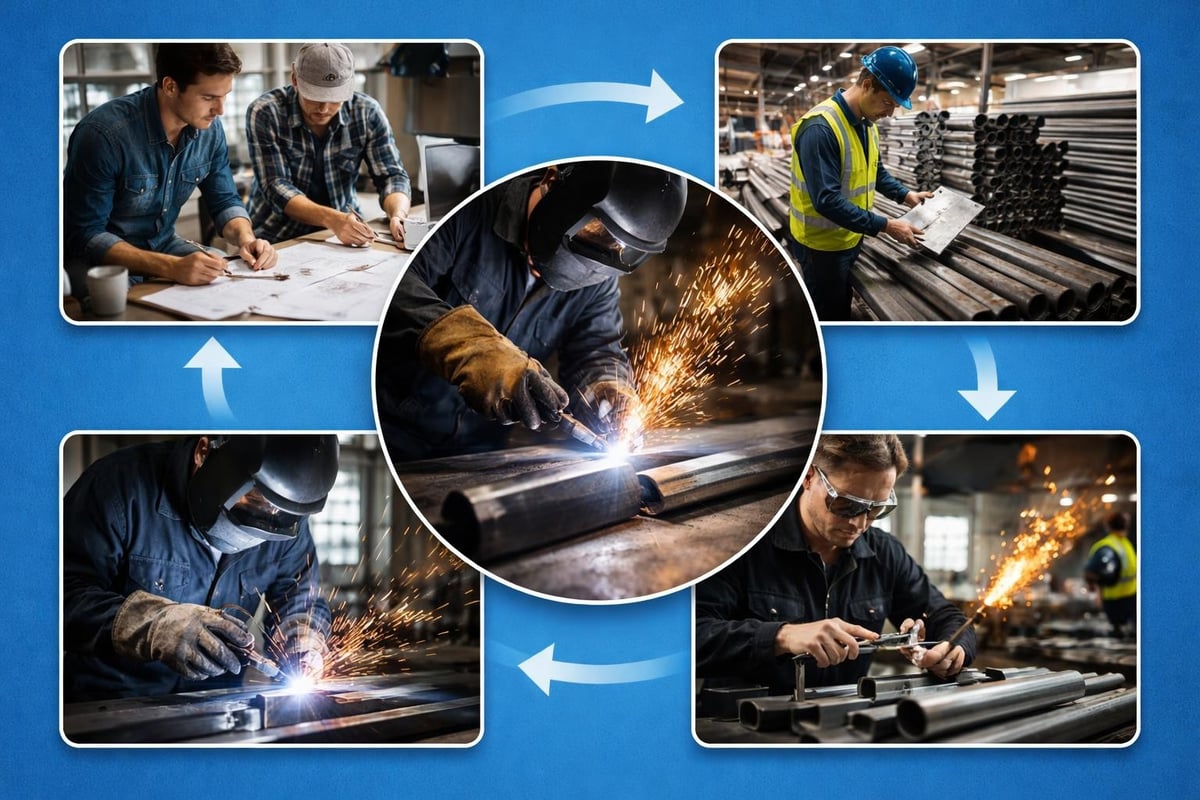
Every custom fabrication welding project involves several critical elements that determine success:
- Design and Engineering: Translating client needs into workable blueprints and specifications
- Material Selection: Choosing appropriate metals and alloys based on application requirements
- Process Selection: Determining the optimal welding technique for each specific joint
- Quality Assurance: Implementing inspection protocols to verify structural integrity
- Timeline Management: Coordinating fabrication schedules to minimize operational downtime
The relationship between welding standards and custom metal fabrication cannot be overstated. Adherence to industry standards ensures that custom components meet safety requirements while delivering the performance characteristics necessary for demanding industrial applications.
Welding Processes for Custom Fabrication Projects
Selecting the appropriate welding process represents one of the most critical decisions in custom fabrication welding. Different techniques offer distinct advantages depending on material type, joint configuration, environmental conditions, and performance requirements.
| Welding Process | Best Applications | Material Compatibility | Field vs. Shop |
|---|---|---|---|
| SMAW (Stick) | Heavy structural, field repairs | Most ferrous metals | Both |
| GMAW (MIG) | Production runs, thinner materials | Carbon steel, aluminum | Primarily shop |
| GTAW (TIG) | Precision work, exotic alloys | All metals including stainless | Both |
| FCAW (Flux Core) | Outdoor applications, thick sections | Carbon and low-alloy steels | Both |
Matching Processes to Project Requirements
The decision-making framework for selecting welding processes involves evaluating multiple factors simultaneously. Material thickness influences heat input requirements and potential distortion. Joint accessibility determines which processes can physically reach the weld location. Environmental conditions, particularly in field applications across Colorado and the Western United States, affect shielding gas effectiveness and electrode performance.
For certified pressure vessel welding, the process selection becomes even more critical. These applications demand absolute reliability because failure could result in catastrophic consequences. GTAW often becomes the preferred choice for root passes in pressure vessel work due to its precise control and clean weld profiles.
Field welding for custom fabrication presents unique challenges compared to controlled shop environments. Weather conditions, accessibility constraints, and power availability all influence process selection. Experienced fabricators maintain capabilities across multiple welding processes to address diverse project requirements effectively.
Material Considerations in Custom Fabrication Welding
Material science forms the foundation of successful custom fabrication welding projects. Different metals and alloys require specific approaches to achieve proper fusion, maintain mechanical properties, and prevent defects.
Carbon steel remains the workhorse material for most industrial fabrication projects due to its favorable combination of strength, weldability, and cost-effectiveness. Low-carbon grades (A36, A572) weld readily with minimal preheat requirements, making them ideal for structural applications in aggregate processing equipment and general manufacturing infrastructure.
Specialty Materials and Advanced Alloys
Stainless steel fabrication demands different techniques and considerations compared to carbon steel welding. The chromium content that provides corrosion resistance also affects heat dissipation and carbide precipitation. GTAW typically produces superior results for stainless applications, particularly in food processing equipment and chemical handling systems.
High-strength low-alloy (HSLA) steels offer improved mechanical properties while maintaining reasonable weldability. These materials frequently appear in heavy equipment welding applications where weight reduction without strength compromise delivers operational advantages.
Aluminum fabrication requires specialized knowledge due to its high thermal conductivity, oxide layer formation, and susceptibility to porosity. The material's lightweight properties make it attractive for mobile equipment and applications where weight matters, but proper technique and equipment become essential for quality results.
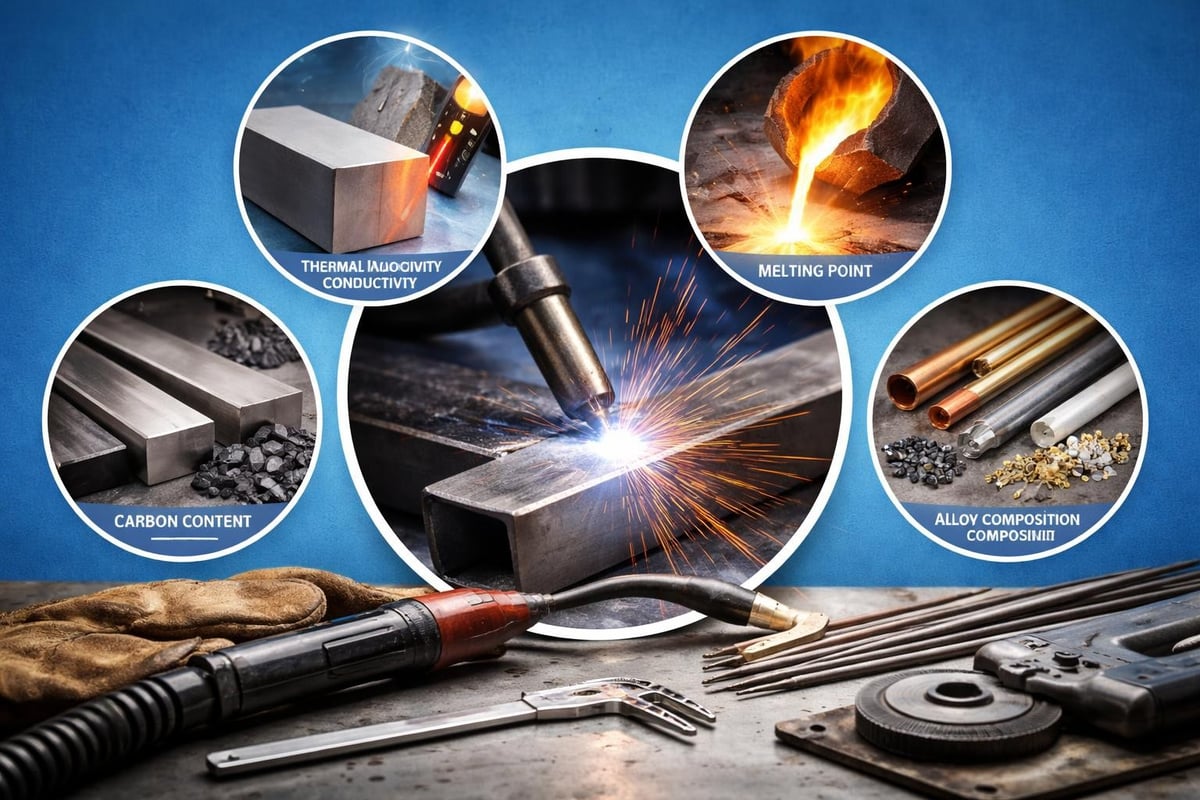
Material compatibility extends beyond the base metals to include filler materials, shielding gases, and flux formulations. Proper matching ensures metallurgical compatibility and prevents issues like hot cracking, hydrogen embrittlement, or inadequate mechanical properties.
Quality Control and Testing Methods
Quality assurance separates professional custom fabrication welding from amateur work. Industrial clients throughout the oil and gas, recycling, and aggregate sectors cannot afford equipment failures, making rigorous inspection protocols essential.
Visual inspection provides the first line of quality control. Trained inspectors examine weld appearance, checking for visible defects like cracks, porosity, undercutt, or incomplete fusion. While seemingly simple, visual inspection requires significant experience to identify subtle indicators of underlying problems.
Non-Destructive Testing Techniques
- Ultrasonic Testing (UT): Uses sound waves to detect internal discontinuities
- Radiographic Testing (RT): X-ray or gamma-ray imaging reveals internal weld structure
- Magnetic Particle Testing (MT): Identifies surface and near-surface cracks in ferrous materials
- Liquid Penetrant Testing (PT): Reveals surface-breaking defects in any non-porous material
- Visual Testing (VT): Direct examination of weld surface and profile
Implementing best practices for custom steel fabrication projects requires documented procedures, qualified personnel, and appropriate equipment. Quality control begins during design review, continues through fabrication, and concludes with final inspection and documentation.
Pressure vessel and structural applications often require third-party inspection and certification. Independent inspectors verify compliance with applicable codes such as ASME Section IX for welding procedures or AWS D1.1 for structural steel. This external validation provides clients with confidence in the integrity of custom fabricated components.
Design Considerations for Weldable Structures
Effective custom fabrication welding begins long before arc strikes metal. Design decisions profoundly impact fabrication efficiency, structural performance, and total project cost. Engineers and fabricators must collaborate to create designs that balance functional requirements with manufacturability.
Joint design represents a critical intersection of engineering and fabrication expertise. Different joint configurations offer varying load-carrying capabilities, accessibility for welding, and inspection feasibility. Butt joints provide excellent strength but require careful fit-up and complete penetration. Fillet welds accommodate poor fit-up but may introduce stress concentrations depending on geometry.
| Design Element | Impact on Fabrication | Quality Consideration |
|---|---|---|
| Joint Accessibility | Determines possible welding positions | Affects defect likelihood |
| Weld Size | Influences heat input and distortion | Impacts strength and cost |
| Fit-up Tolerance | Controls gap and alignment requirements | Affects penetration quality |
| Material Thickness Transitions | Requires special techniques | Creates stress concentration zones |
Distortion Management Through Design
Heat input during welding creates expansion and contraction cycles that can distort fabricated structures. Strategic design choices minimize these effects. Symmetric weld placement balances thermal stresses. Adequate joint stiffness resists warping forces. Proper sequencing of weld operations controls cumulative distortion effects.
For metal fabrication projects involving large assemblies, fixture design becomes crucial. Well-designed fixtures maintain component alignment during welding while allowing controlled movement to accommodate thermal expansion. This balance prevents both misalignment and locked-in stresses that could cause cracking.
Applications Across Industrial Sectors
Custom fabrication welding serves diverse industries throughout the Western United States, each presenting unique challenges and requirements. Understanding these sector-specific needs helps businesses select fabrication partners with relevant experience and capabilities.
Oil and Gas Industry Applications
Oil and gas operations demand custom fabrication welding for both new installations and ongoing maintenance. Wellhead modifications, pipeline repair clamps, and specialized drilling equipment frequently require custom solutions that account for high pressures, corrosive environments, and strict safety regulations. The role of welding standards becomes paramount in these applications where failure consequences extend beyond equipment damage to environmental and safety concerns.
Aggregate and Mining Equipment
Aggregate processing equipment endures extreme abrasion, impact loading, and environmental exposure. Custom fabrication welding addresses wear issues through hard-facing applications, repairs broken components, and modifies equipment to improve performance. Crusher frames, conveyor structures, and screening equipment all benefit from specialized welding techniques that extend service life in demanding conditions.
Recycling Industry Solutions
Recycling facilities process diverse materials that create unique equipment challenges. Custom fabrication welding provides solutions for material handling systems, shredder components, and sorting equipment. The ability to work with mixed material streams and adapt to changing processing requirements makes custom welding essential for this evolving industry sector.
Real-world examples demonstrate the value of specialized expertise. Custom fabrication case studies showcase how tailored welding solutions address unique industrial challenges, improving equipment reliability and operational efficiency.
Field Services Versus Shop Fabrication
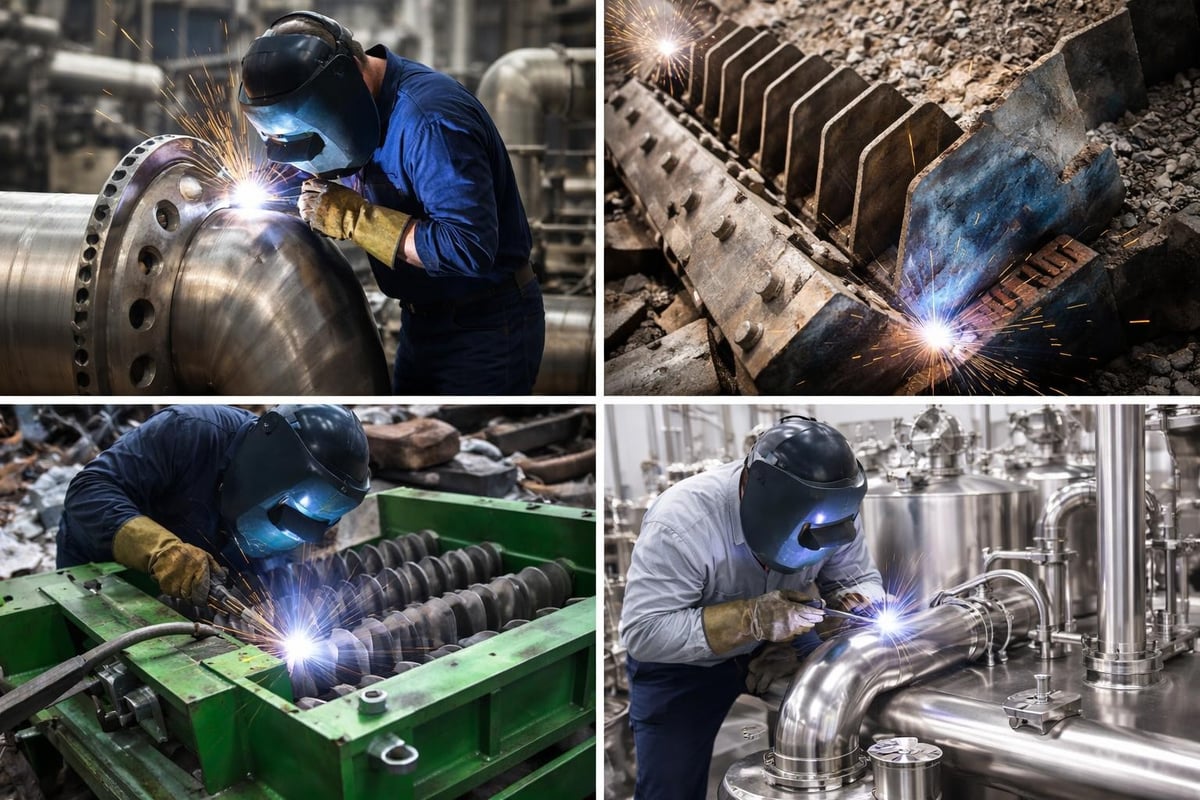
Custom fabrication welding occurs in two distinct environments, each offering advantages for different project types. Understanding when field services or shop fabrication provides the optimal solution helps businesses plan projects effectively and control costs.
Shop fabrication provides controlled conditions that enhance quality and efficiency. Climate control eliminates weather variables. Positioning equipment allows optimal welding angles. Overhead cranes facilitate component handling. Quality control equipment remains readily available. These advantages translate to faster completion times and more consistent results for components that can be transported to the facility.
When Field Welding Becomes Necessary
Certain situations demand on-site fabrication despite the challenges:
- Component size exceeds transportation limits
- Structures cannot be disassembled without damage
- Downtime costs exceed field service premiums
- Site-specific modifications require in-place fitting
- Environmental or logistical constraints prevent shop work
Field machining and welding services become particularly valuable for emergency repairs. When production equipment fails, every hour of downtime represents lost revenue. Mobile welding crews can respond quickly, diagnose problems on-site, and implement repairs without the delay of component removal and transportation.
The Western United States presents unique field service challenges. Remote locations, altitude variations, and weather extremes require adaptable equipment and experienced personnel. Successful field fabrication depends on thorough preparation, appropriate equipment selection, and skilled welders capable of producing quality work under less-than-ideal conditions.
Safety and Regulatory Compliance
Custom fabrication welding involves inherent hazards that demand rigorous safety protocols and regulatory compliance. Professional fabricators prioritize worker safety while meeting industry standards and client requirements.
OSHA regulations govern welding operations, addressing ventilation requirements, personal protective equipment, fire prevention, and electrical safety. Compliance extends beyond legal obligation to protecting the skilled workforce that makes quality custom fabrication possible.
Critical Safety Elements
- Adequate ventilation to control welding fumes and gases
- Proper PPE including helmets, gloves, protective clothing, and respiratory protection
- Fire watch procedures for work in potentially hazardous environments
- Electrical safety protocols for arc welding equipment
- Confined space entry procedures when applicable
Industry-specific regulations add additional layers of compliance. Pressure vessel fabrication follows ASME Boiler and Pressure Vessel Code requirements. Structural steel fabrication adheres to AWS D1.1 specifications. Understanding and implementing these standards ensures legal compliance while delivering components that meet performance expectations.
Documentation forms an essential component of regulatory compliance. Welding procedure specifications (WPS) detail exactly how each joint type will be welded. Procedure qualification records (PQR) demonstrate that specified procedures produce acceptable results. Welder qualification records verify individual welder competency. This documentation trail provides accountability and traceability throughout project lifecycles.
Selecting a Custom Fabrication Welding Partner
Choosing the right fabrication partner significantly impacts project success. Several factors differentiate capable providers from those likely to create problems rather than solutions.
Experience in relevant industries provides invaluable context. A fabricator familiar with oil and gas applications understands the regulatory environment, material requirements, and quality expectations specific to that sector. Similarly, experience with aggregate or recycling equipment translates to practical knowledge of wear patterns, loading conditions, and operational constraints.
| Evaluation Criteria | Why It Matters | What to Verify |
|---|---|---|
| Certifications | Demonstrates competency and compliance | AWS, ASME certifications; welder qualifications |
| Equipment Capabilities | Determines project feasibility | Machine capacity, welding processes available |
| Quality Systems | Ensures consistent results | ISO registration, inspection procedures |
| Project Portfolio | Reveals relevant experience | Similar projects, industry experience |
| Response Capability | Impacts emergency repair availability | Shop and field services, geographic coverage |
Evaluating Technical Capabilities
Technical capacity extends beyond equipment to include engineering support, material expertise, and problem-solving ability. The best fabrication partners function as collaborators, offering design input that improves manufacturability while maintaining functionality. This collaborative approach often appears in successful custom metal fabrication projects where communication between client and fabricator produces superior outcomes.
Geographic considerations matter for businesses operating across the Western United States. Local fabricators understand regional conditions, can respond quickly to emergencies, and minimize transportation costs. However, specialized capabilities sometimes justify working with more distant providers who offer unique expertise or equipment.
Custom welding services should include comprehensive support from initial consultation through final delivery and potential after-service support. This full-service approach streamlines project management and ensures accountability.
Cost Factors and Project Budgeting
Understanding cost drivers in custom fabrication welding helps businesses budget accurately and evaluate proposals effectively. Unlike commodity products with fixed pricing, custom projects involve variable costs influenced by multiple factors.
Material costs represent the most straightforward component, though alloy selection and market conditions create variability. Specialty materials like stainless steel or high-strength alloys command premium prices compared to standard carbon steel. Current market conditions affect availability and pricing for all metals.
Labor intensity varies dramatically based on project complexity, welding process requirements, and quality standards. Simple structural welds consume far less labor than precision TIG welding on exotic alloys. Difficult joint access or out-of-position welding increases time requirements. Meeting stringent quality standards through extensive testing adds labor costs but ensures reliability.
Hidden Cost Considerations
- Design and engineering support before fabrication begins
- Fixturing and tooling for accurate component positioning
- Quality control including testing and inspection
- Surface preparation such as cleaning, grinding, or coating
- Transportation for large or heavy components
Emergency repairs and rush projects command premium pricing due to schedule disruption and potential overtime requirements. Planning preventive maintenance and addressing wear before failure occurs typically provides better value than emergency response, though businesses must balance this against operational priorities.
Requesting detailed quotes that break down costs by category enables meaningful comparison between fabricators. The lowest bid rarely represents the best value when quality, timeline, and reliability factors receive appropriate consideration.
Technology Integration in Modern Fabrication
Custom fabrication welding continues evolving through technology adoption that enhances precision, efficiency, and quality. Modern fabrication shops integrate advanced tools with traditional craftsmanship to deliver superior results.
Computer-aided design (CAD) software allows rapid iteration of designs, precise dimensioning, and digital documentation. Three-dimensional modeling reveals potential fabrication challenges before materials are cut, reducing costly mistakes. These digital designs transfer directly to computer numerical control (CNC) equipment for accurate material preparation.
CNC machining capabilities complement welding operations by ensuring precise component preparation. Accurately machined parts fit together properly, reducing weld gaps and improving joint quality. This integration of machining and welding under one roof streamlines custom fabrication projects.
Advanced Welding Technologies
Automated and robotic welding systems excel at repetitive tasks with consistent quality. While fully custom work often requires human skill and adaptability, semi-automated processes enhance productivity for certain applications. Orbital welding systems produce exceptional pipe welds with minimal operator variation. Automated flux recovery systems improve submerged arc welding economics for heavy fabrication.
Digital welding power sources provide precise control over electrical parameters with real-time monitoring and adjustment. Advanced machines compensate for arc length variations, maintain consistent heat input, and document welding parameters for quality records. This technology helps skilled welders produce even better results while maintaining consistency across production runs.
Quality control benefits from technological advancement through portable testing equipment and digital documentation systems. Handheld ultrasonic testers provide immediate feedback on weld quality. Digital radiography produces instant images without chemical processing delays. These tools support the commitment to quality that defines professional welding and fabrication services.
Maintenance and Repair Applications
Custom fabrication welding plays a crucial role in maintaining existing equipment throughout its operational life. Repair and modification work often presents more challenging technical requirements than new fabrication due to unknown material conditions, existing stresses, and access limitations.
Equipment assessment forms the foundation of effective repair strategies. Experienced fabricators evaluate damage extent, determine root causes, and develop solutions that address underlying problems rather than merely patching symptoms. This diagnostic capability separates temporary fixes from durable repairs that restore equipment to reliable service.
Crack repair requires careful technique to prevent propagation and ensure structural integrity. The process typically involves:
- Complete crack removal through grinding or machining
- Proper joint preparation with adequate bevel angles
- Preheat application when necessary for base material
- Controlled welding sequence to manage residual stresses
- Post-weld heat treatment for critical applications
- Non-destructive testing to verify repair quality
Modification and Upgrade Projects
Equipment modification through custom welding extends asset life and adapts machinery to changing operational requirements. Adding reinforcement to high-wear areas, modifying component geometry for improved performance, or integrating new features into existing equipment all leverage custom fabrication welding expertise.
Compatibility challenges arise when working with older equipment fabricated from unfamiliar materials or using obsolete specifications. Metallurgical testing may be necessary to identify base metal composition and select appropriate filler materials. This analytical approach ensures repairs maintain structural integrity and avoid brittle zones or inadequate fusion.
Custom fabrication welding delivers critical solutions across industrial sectors by combining technical expertise, quality craftsmanship, and practical problem-solving. Whether addressing emergency repairs, creating specialized components, or modifying existing equipment, success depends on selecting experienced partners who understand your industry's unique demands. LTJ Industrial Services brings comprehensive welding, fabrication, and machining capabilities to clients throughout the Western United States, serving oil and gas, aggregate, recycling, and manufacturing sectors with shop and field services designed to keep your operations running efficiently. LTJ Industrial Services stands ready to transform your custom fabrication challenges into reliable, high-quality solutions.