Manufacturing operations across the Western United States depend on reliable metal processing services to transform raw materials into precision components that power industrial operations. From the aggregate industry to oil and gas facilities, these specialized capabilities enable businesses to maintain production schedules, reduce downtime, and deliver quality products to their customers. Understanding the full scope of available metal processing options helps companies make informed decisions about partnering with service providers who can meet their specific operational requirements.
Understanding the Scope of Metal Processing Services
Metal processing services encompass a comprehensive range of techniques designed to shape, cut, join, and finish metal materials according to precise specifications. These capabilities form the backbone of industrial manufacturing, supporting operations in recycling facilities, commercial manufacturing plants, and energy sector installations throughout the region.
The global metal processing service market continues to expand as industries demand increasingly sophisticated solutions. Service providers now offer integrated approaches that combine traditional metalworking with modern technologies, creating efficiencies that weren't possible even a decade ago.
Core Processing Categories
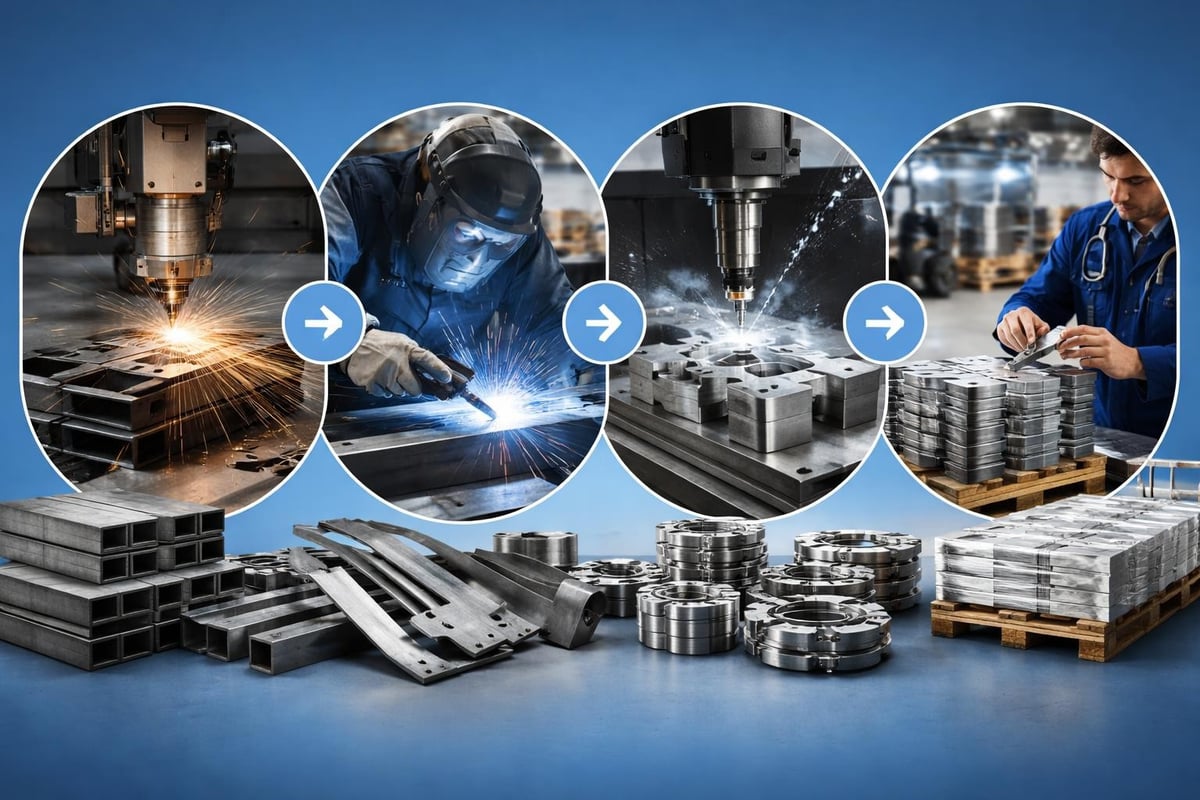
Cutting and Shaping Operations
- Laser cutting for precision tolerances
- Plasma cutting for thick materials
- Water jetting for heat-sensitive applications
- Shearing and punching for sheet metal
- Bending and forming for structural components
Joining and Assembly Techniques
- MIG, TIG, and stick welding processes
- Certified pressure vessel welding
- Structural steel fabrication
- Custom assembly services
- Field welding for on-site projects
Precision Machining Applications
- CNC milling and turning
- Heavy industry parts machining
- Hydraulic component fabrication
- Drilling and tapping operations
- Surface finishing and grinding
Critical Applications Across Industrial Sectors
Metal processing services support diverse industries with unique requirements and specifications. Each sector demands specialized expertise to ensure components meet rigorous safety standards and operational demands.
Oil and Gas Industry Requirements
The energy sector requires metal fabrication and welding services that withstand extreme pressures, corrosive environments, and temperature fluctuations. Pipeline components, drilling equipment, and processing facility infrastructure all depend on precision metalwork executed by certified professionals.
Pressure vessel fabrication demands particular attention to material selection, welding procedures, and non-destructive testing protocols. These critical components cannot tolerate failures, making quality assurance paramount in every phase of production.
Aggregate and Mining Operations
Recycling and aggregate operations present unique challenges for metal processing providers. Equipment in these environments experiences constant wear from abrasive materials, requiring robust fabrication that extends service life while minimizing maintenance intervals.
Companies serving the manufacturing recycling sector must understand material properties that resist impact and abrasion. Conveyor systems, screening equipment, and crushing machinery all require specialized welding techniques and material selection to perform reliably in harsh conditions.
| Industry Sector | Primary Processing Needs | Critical Considerations |
|---|---|---|
| Oil & Gas | Pressure vessels, pipeline components, structural supports | Certification requirements, material traceability, NDT testing |
| Aggregate | Wear-resistant components, screening equipment, conveyor systems | Abrasion resistance, impact strength, rapid turnaround |
| Manufacturing | Custom tooling, production fixtures, replacement parts | Precision tolerances, material compatibility, cost efficiency |
| Commercial | Architectural elements, structural steel, equipment frames | Aesthetic finish, building codes, installation coordination |
Selection Criteria for Metal Processing Partners
Choosing the right metal processing services provider requires careful evaluation of capabilities, certifications, and track record. The decision impacts production schedules, quality outcomes, and long-term operational costs.
Technical Capabilities Assessment
Equipment sophistication matters. Modern CNC machining job shop facilities deliver tolerances impossible with manual operations alone. Multi-axis machining centers, automated welding systems, and advanced cutting technologies enable complex geometries and consistent quality across production runs.
Beyond equipment, technical expertise separates adequate providers from exceptional ones. Certified welders, experienced machinists, and knowledgeable metallurgists bring problem-solving capabilities that prevent costly mistakes and optimize designs for manufacturability.
Essential Capability Checklist:
- Certified welding procedures for relevant materials
- Quality management systems and documentation
- Field service capabilities for on-site work
- Emergency response and rapid turnaround options
- Engineering support for design optimization
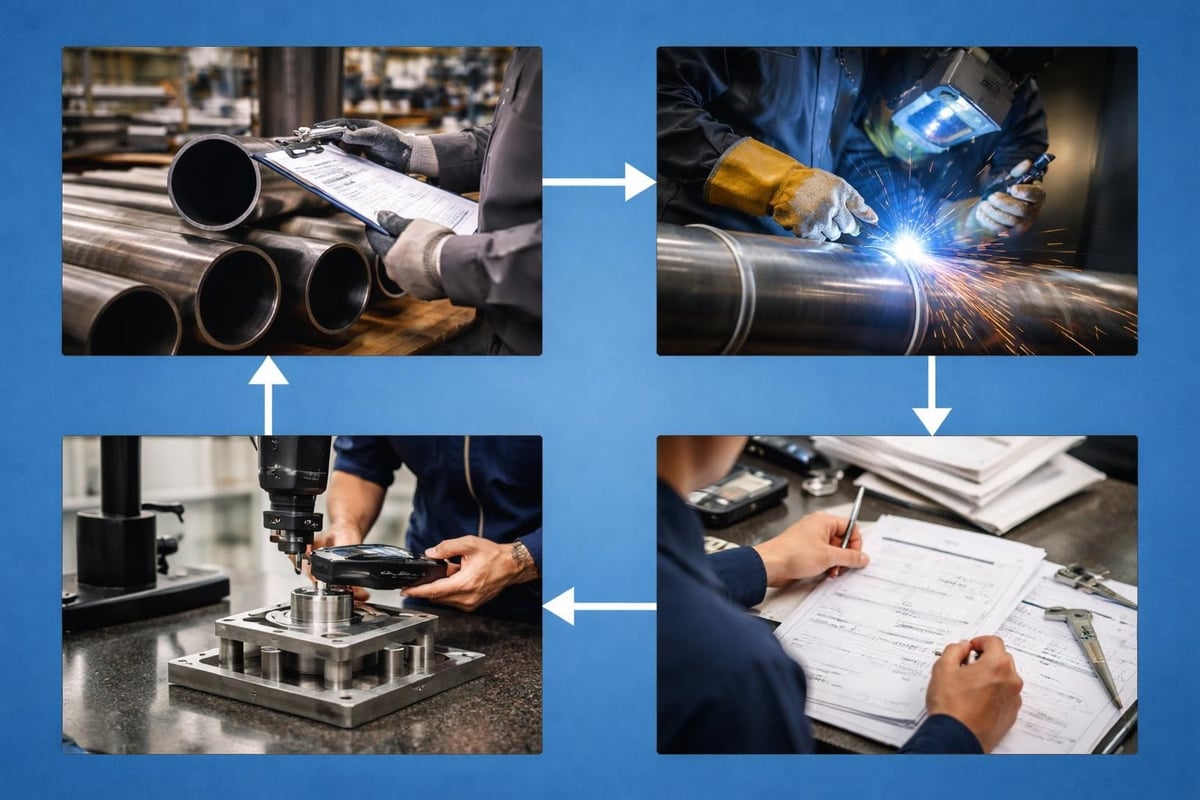
Quality Assurance and Certification Standards
According to metal working services analysis, quality systems separate industry leaders from marginal performers. ISO certifications, welding procedure specifications, and documented inspection protocols demonstrate commitment to consistent outcomes.
Material certifications and traceability become crucial for regulated industries. Every component should include documentation verifying material composition, heat treatment procedures, and inspection results. This paperwork proves compliance and enables root cause analysis if issues arise.
Advanced Processing Techniques and Technologies
The metal processing landscape continues evolving as new technologies enhance capabilities and efficiency. Service providers who invest in modern equipment and training deliver advantages that translate directly to customer benefits.
Precision Machining Innovations
Computer numerical control systems have revolutionized precision machining. Five-axis machining centers produce complex geometries in single setups, reducing handling and improving accuracy. These capabilities enable industrial machinery refurbishment and maintenance projects that extend equipment life while maintaining original specifications.
Tolerance expectations continue tightening across industries. Components that once accepted ±0.010" variances now require ±0.001" precision. Advanced measuring equipment, climate-controlled environments, and skilled machinists make these demanding specifications achievable and repeatable.
Custom Fabrication Approaches
Every manufacturing operation presents unique challenges requiring customized solutions. Standard components rarely address specialized equipment needs, making custom metal fabrication capabilities essential for competitive operations.
The design-build process begins with understanding operational requirements, environmental factors, and integration constraints. Experienced fabricators translate these needs into practical designs that optimize material usage, minimize weight, and simplify installation while meeting all functional requirements.
Field Services and On-Site Capabilities
Not all metal processing work happens in controlled shop environments. Many applications require field services that bring expertise directly to operational facilities, minimizing downtime and transportation costs.
Mobile Welding and Machining
Equipment failures don't respect business hours or convenient locations. Field machining capabilities enable repairs and modifications without disassembling equipment or transporting massive components to remote shops.
Portable machining equipment now rivals shop-based systems for precision and capability. Line boring, milling, turning, and drilling operations proceed on-site, maintaining alignment relationships critical for proper equipment function.
Field Service Advantages:
- Eliminated transportation costs and logistics
- Reduced downtime for critical equipment
- Maintained component alignment and fit
- Immediate problem assessment and resolution
- Minimized production interruptions
Emergency Response Protocols
Industrial operations occasionally experience unexpected failures requiring immediate attention. Metal processing services providers with emergency response capabilities become invaluable partners during these critical situations.
Response time separates adequate providers from exceptional ones. Round-the-clock availability, stocked materials, and experienced personnel enable rapid mobilization when production hangs in the balance. These capabilities justify premium relationships for operations where downtime costs thousands per hour.
Material Selection and Processing Considerations
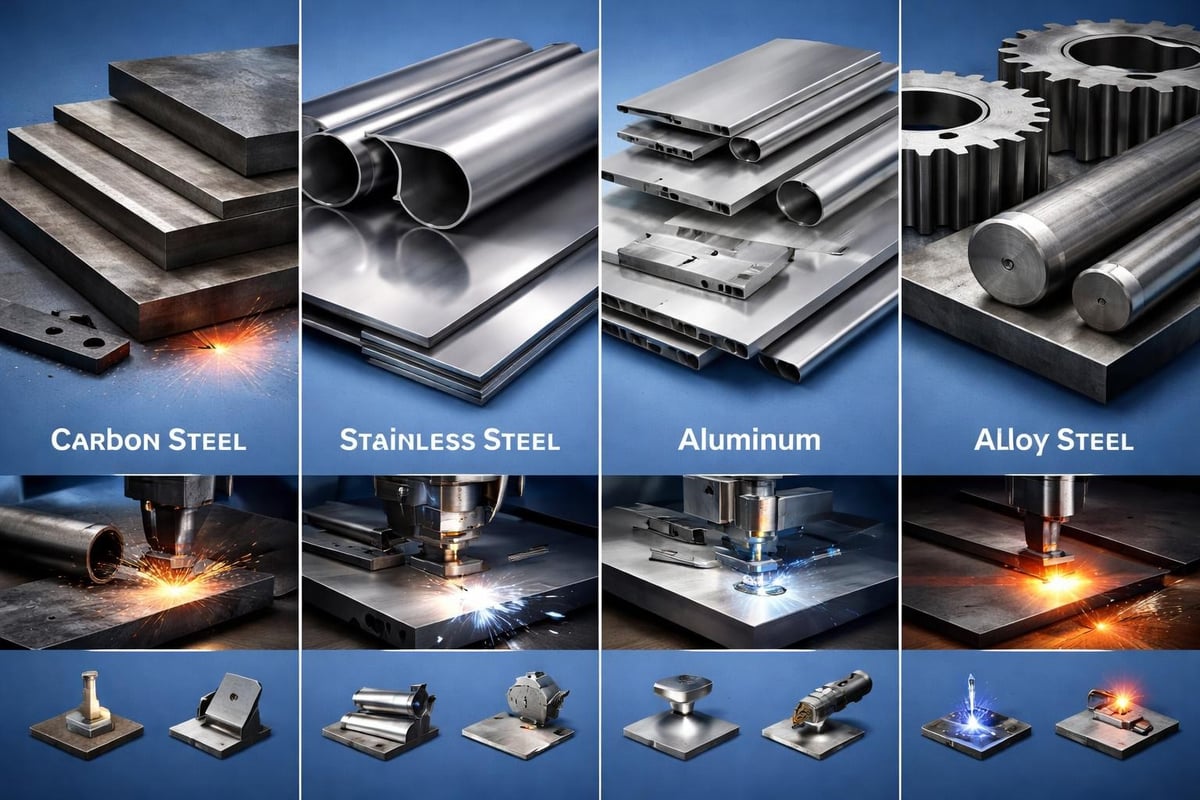
Different metals require distinct processing approaches based on their physical and chemical properties. Understanding these relationships ensures appropriate technique selection and optimal outcomes.
Common Industrial Metals
| Material Type | Processing Characteristics | Typical Applications | Special Considerations |
|---|---|---|---|
| Carbon Steel | Excellent weldability, wide availability | Structural components, general fabrication | Corrosion protection required |
| Stainless Steel | Corrosion resistant, harder machining | Food processing, chemical applications | Specialized tooling, contamination prevention |
| Aluminum | Lightweight, good thermal conductivity | Transportation, heat exchangers | Oxide management, dedicated equipment |
| Alloy Steel | High strength, specialized properties | Mining equipment, pressure vessels | Preheat requirements, certified procedures |
Heat Treatment and Finishing
Many applications require post-processing heat treatment to achieve desired material properties. Stress relieving, hardening, tempering, and normalizing processes modify internal structures, enhancing performance characteristics for specific service conditions.
Surface finishing protects components while improving appearance and performance. Options range from simple cleaning and painting to specialized coatings, galvanizing, and powder coating. Selection depends on environmental exposure, aesthetic requirements, and budget constraints.
The metal production and processing market shows increasing demand for value-added services that deliver finished components ready for installation, eliminating additional handling and coordination requirements.
Integration with Manufacturing Operations
Effective metal processing services extend beyond individual component production to support broader manufacturing objectives. Strategic partnerships create efficiencies that improve overall operational performance.
Supply Chain Optimization
Reliable metal processing partners function as extensions of internal manufacturing capabilities. Just-in-time delivery, vendor-managed inventory, and collaborative planning reduce carrying costs while ensuring material availability when production schedules demand.
Communication systems that provide real-time project status, delivery tracking, and quality documentation streamline coordination. Digital platforms replace phone calls and emails with automated updates that keep stakeholders informed without constant manual intervention.
Design Collaboration Benefits
Early engagement between designers and metal processing specialists prevents costly redesigns and manufacturing challenges. Experienced fabricators identify opportunities to simplify production, reduce material waste, and improve component performance through design refinement.
Value engineering reviews examine specifications against functional requirements, identifying areas where alternative materials, processes, or designs deliver equivalent performance at reduced cost. These collaborative efforts benefit both parties through improved margins and competitive positioning.
Cost Management and Value Optimization
Metal processing services represent significant operational expenses requiring careful management. Understanding cost drivers and optimization opportunities helps businesses maximize value while controlling budgets.
Pricing Structure Components
Material Costs: Raw material pricing fluctuates with commodity markets, transportation, and availability. Long-term agreements and flexible specifications sometimes enable cost reduction through material substitution when appropriate.
Labor and Overhead: Skilled trades command premium wages reflecting expertise and certification requirements. Complex fabrications requiring extensive fitting, welding, and finishing naturally cost more than simple components.
Equipment and Tooling: Specialized setups, custom tooling, and dedicated fixtures spread costs across production quantities. Higher volumes justify investments that reduce per-unit pricing.
Strategic Partnership Value
The research from metal processing service industry analysis indicates that long-term relationships between manufacturers and metal processing providers generate mutual benefits exceeding simple transactional cost comparisons.
Preferred customer status often translates to priority scheduling during capacity constraints, more favorable pricing structures, and enhanced technical support. These intangible benefits deliver value that strict price comparisons miss entirely.
Quality Control and Inspection Protocols
Consistent quality requires systematic approaches to inspection, testing, and documentation throughout production processes. Comprehensive quality programs prevent defects while building confidence in delivered components.
Inspection Methodologies
Dimensional Verification:
- Precision measuring instruments calibrated to NIST standards
- Coordinate measuring machines for complex geometries
- Automated inspection for high-volume production
- First article inspection protocols for new projects
Non-Destructive Testing:
- Ultrasonic testing for internal discontinuities
- Radiographic examination of critical welds
- Magnetic particle inspection for surface cracks
- Dye penetrant testing for non-magnetic materials
Material Verification:
- Positive material identification testing
- Hardness testing for heat-treated components
- Chemical analysis for material certification
- Metallurgical examination when required
Documentation and Traceability
Complete documentation packages accompany quality-focused metal processing services. Material test reports, welding procedure specifications, welder qualifications, and inspection records create audit trails demonstrating compliance with specifications and industry standards.
Digital quality management systems streamline documentation while improving accessibility. Cloud-based platforms enable real-time access to certificates, inspection reports, and production records from anywhere, facilitating rapid response to customer inquiries and regulatory requirements.
Industry Trends Shaping Future Capabilities
Metal processing services continue evolving as technologies advance and market demands shift. Understanding emerging trends helps businesses prepare for future requirements and opportunities.
Automation and Robotics Integration
Automated welding systems deliver consistency impossible with manual techniques alone. Robotic cells repeat identical welds thousands of times without variation, perfect for high-volume production requiring absolute uniformity.
However, skilled welders remain essential for complex assemblies, field repairs, and low-volume custom work where programming costs exceed manual labor benefits. The future combines automation for appropriate applications with human expertise where flexibility and judgment matter most.
Sustainable Processing Practices
Environmental consciousness drives changes across manufacturing sectors. Metal processing services increasingly emphasize waste reduction, energy efficiency, and sustainable practices that minimize environmental impact while reducing operational costs.
Recycling programs capture scrap metal, cutting fluids, and consumables for reprocessing rather than disposal. Energy-efficient equipment reduces utility costs while supporting corporate sustainability commitments. These practices benefit both environmental stewardship and bottom-line performance.
Digital Manufacturing Technologies
Industry 4.0 concepts transform traditional metalworking through connected equipment, data analytics, and predictive maintenance. Smart machines monitor their own performance, identifying potential issues before failures occur and optimizing parameters for improved quality and efficiency.
Digital twins enable virtual testing and optimization before physical production begins, reducing trial-and-error iterations that waste time and materials. These capabilities particularly benefit complex assemblies where fit and function depend on precise coordination across multiple components.
Regional Considerations for Western Operations
Geographic factors influence metal processing services selection and performance, particularly across the diverse landscape of the Western United States. Understanding regional characteristics helps optimize provider selection and project planning.
Accessibility and Logistics
Western states present unique transportation challenges with long distances between population centers and industrial facilities. Industrial and manufacturing operations in remote locations benefit from regional service providers who understand local conditions and minimize transportation costs.
Field service capabilities become particularly valuable when equipment locations make shop-based processing impractical. Mobile machining and welding services eliminate transportation logistics while enabling work in operational environments.
Climate and Environmental Factors
High-altitude operations, extreme temperature variations, and arid conditions affect material selection and processing approaches. Coatings and finishes must withstand intense UV exposure and thermal cycling that accelerates degradation in less demanding climates.
Experienced regional providers understand these considerations and recommend appropriate material specifications, protective treatments, and maintenance protocols that extend service life in challenging Western environments.
Partnerships That Drive Operational Excellence
The relationship between manufacturers and metal processing services providers extends beyond simple vendor transactions. Strategic partnerships create competitive advantages through enhanced capabilities, improved efficiency, and operational flexibility that single-source approaches cannot match.
Selecting providers based on technical capabilities, quality systems, and responsive service establishes foundations for long-term success. Regular communication, collaborative problem-solving, and mutual respect build relationships that weather inevitable challenges while continuously improving performance.
Companies throughout the Western United States rely on these partnerships to maintain production schedules, respond to emergencies, and execute projects that exceed internal capabilities. The right metal processing services partner functions as an extension of the manufacturing team, contributing expertise and capacity exactly when needed.
Successful industrial operations depend on reliable metal processing services that deliver quality, precision, and responsive support when production demands it most. From routine fabrication projects to emergency field repairs, the right partnership provides capabilities that keep operations running efficiently while meeting increasingly demanding specifications. When your manufacturing, recycling, aggregate, or energy operations need comprehensive welding, fabrication, and machining expertise throughout the Western United States, LTJ Industrial Services delivers the technical skills, certified processes, and responsive service that drive operational success.