
Manufacturing excellence in 2026 demands mastery of diverse fabrication techniques that transform raw materials into precision components. For industries spanning oil and gas, aggregate processing, and recycling operations throughout the Western United States, understanding modern fabrication methods ensures optimal project outcomes. These processes combine traditional craftsmanship with cutting-edge technology to deliver solutions that meet stringent quality standards while maintaining cost efficiency.
Understanding Core Fabrication Techniques
The foundation of industrial manufacturing rests on selecting appropriate fabrication techniques for each unique application. Metal fabrication encompasses multiple disciplines, from cutting and forming to joining and finishing, each requiring specialized knowledge and equipment.
Primary Cutting Methods
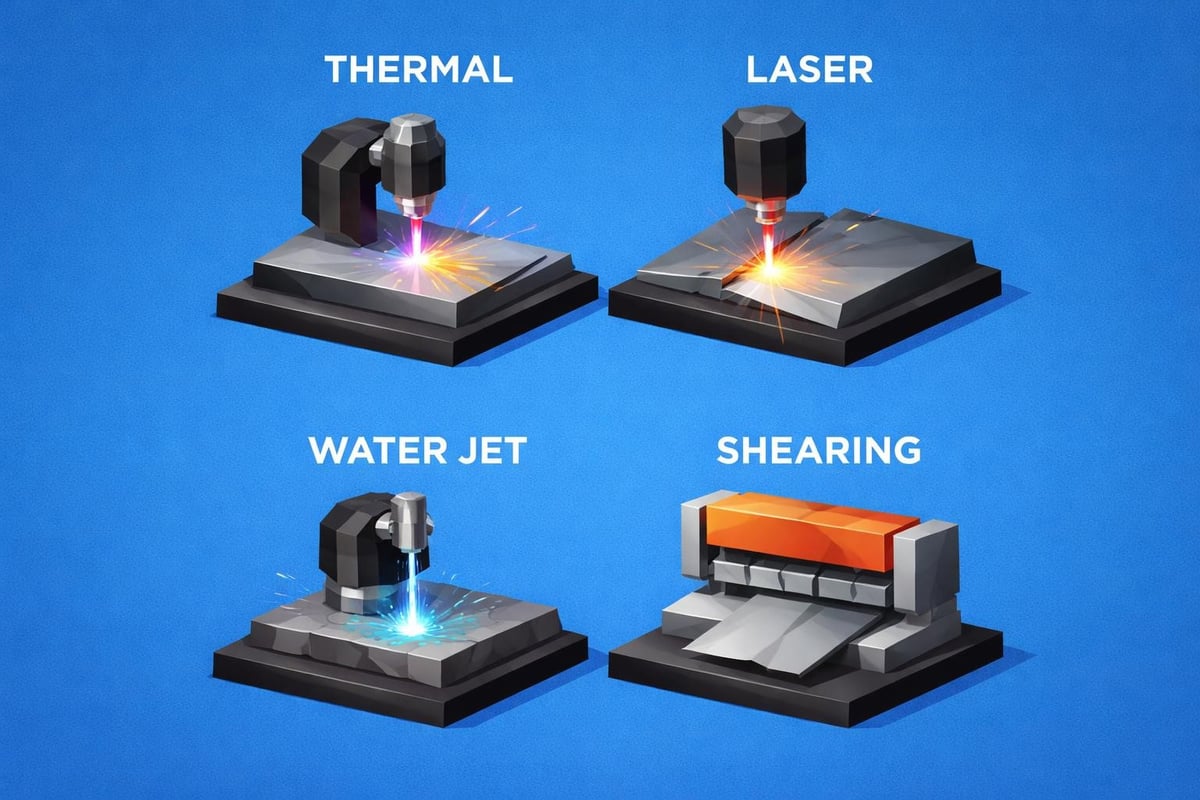
Thermal cutting dominates heavy industrial applications where thick materials demand precise separations. Plasma cutting delivers exceptional speed for conductive metals, while oxy-fuel cutting remains the preferred choice for steel plates exceeding several inches in thickness. Laser cutting provides unmatched precision for intricate patterns and tight tolerances.
Mechanical cutting techniques offer distinct advantages for specific materials and applications:
- Shearing for straight-line cuts in sheet metal
- Sawing for structural members and bar stock
- Punching for repetitive hole patterns
- Water jet cutting for heat-sensitive materials
The selection between these methods depends on material composition, thickness, production volume, and tolerance requirements. Industries like aggregate processing often benefit from mechanical methods that avoid heat-affected zones, while industrial metal fabrication projects may combine multiple cutting techniques for optimal results.
Forming and Shaping Processes
Forming operations manipulate metal geometry without removing material, preserving strength characteristics while achieving desired shapes. These fabrication techniques require understanding material behavior, springback calculations, and tooling design.
Bending and Rolling Operations
Press brake bending creates precise angles in sheet and plate materials using controlled force application. Modern CNC press brakes calculate bend allowances automatically, accounting for material properties and thickness variations. Operators must consider grain direction, inside radius requirements, and sequential bend order to prevent interference.
Roll forming produces continuous curved sections for tanks, pressure vessels, and structural components. Three-roll and four-roll plate rolls handle materials ranging from thin gauge sheet to multi-inch structural plate. The process requires careful attention to work hardening effects and dimensional verification throughout the operation.
| Forming Method | Material Thickness | Typical Applications | Precision Level |
|---|---|---|---|
| Press Brake | 0.025" – 0.75" | Brackets, Enclosures | ±0.5° |
| Plate Rolling | 0.25" – 6" | Tanks, Cylinders | ±0.25" diameter |
| Stretch Forming | 0.063" – 0.375" | Aerospace Components | ±0.010" |
| Hydroforming | 0.020" – 0.187" | Complex Shapes | ±0.005" |
Stamping and Deep Drawing
High-volume production scenarios benefit from stamping operations that combine cutting, forming, and piercing in single-stroke operations. Progressive dies advance material through multiple stations, creating complex parts with minimal handling. Deep drawing produces hollow components from flat blanks, commonly used in manufacturing cylindrical or box-shaped vessels.
Advanced Welding Fabrication Techniques
Joining methods represent critical fabrication techniques that directly impact structural integrity and service life. Modern metal fabrication and welding operations employ multiple processes tailored to specific metallurgical and positional requirements.
Arc Welding Processes
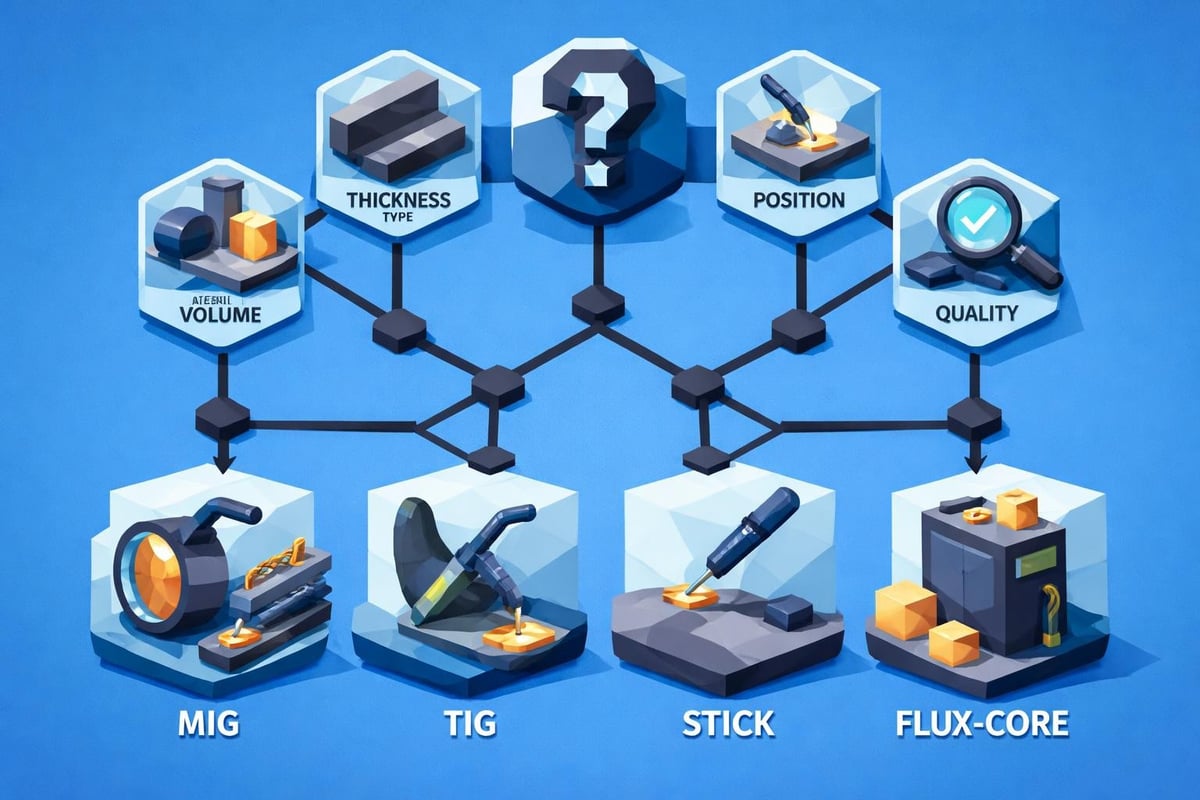
Shielded Metal Arc Welding (SMAW) maintains relevance for field repairs and structural steel applications where portability and versatility outweigh deposition rate concerns. The process handles contaminated surfaces and adverse weather conditions better than most alternatives, making it indispensable for outdoor industrial maintenance.
Gas Metal Arc Welding (GMAW) dominates fabrication shops due to superior deposition rates and reduced post-weld cleanup. Short circuit transfer mode suits thin materials and positional work, while spray transfer maximizes productivity on thicker sections in flat and horizontal positions.
- Flux-Cored Arc Welding (FCAW) combines GMAW productivity with SMAW versatility
- Gas Tungsten Arc Welding (GTAW) delivers precision control for critical joints
- Submerged Arc Welding (SAW) maximizes deposition for longitudinal seams
According to recent research on advanced manufacturing methods, implementing quality management systems ensures consistent weld quality across diverse fabrication techniques.
Specialized Joining Methods
Friction stir welding creates solid-state joints in aluminum and other non-ferrous metals without reaching melting temperatures. This process eliminates porosity concerns and reduces distortion compared to fusion welding. Applications in aerospace and transportation industries demonstrate the technique's capability for producing high-integrity joints.
Laser welding offers minimal heat input and narrow fusion zones, particularly valuable for components requiring precise dimensional control. The process excels at joining dissimilar materials and creating hermetic seals in critical applications.
Machining as a Fabrication Technique
Precision removal of material through manufacturing and machining operations creates features impossible to achieve through other fabrication techniques. Modern CNC equipment combines speed, accuracy, and repeatability for complex component production.
Conventional Machining Operations
Milling removes material using rotating cutters to create flat surfaces, pockets, contours, and complex three-dimensional geometries. Five-axis machining centers access compound angles and undercuts in single setups, reducing handling time and improving accuracy.
Turning operations rotate workpieces against stationary cutting tools to produce cylindrical features, including shafts, bushings, and threaded connections. CNC lathes with live tooling combine turning and milling capabilities, expanding the range of features producible in single operations.
Drilling and boring create and refine holes to precise diameters and locations. Gun drilling produces deep holes with length-to-diameter ratios exceeding 100:1, while boring operations achieve tight tolerances and superior surface finishes.
Non-Traditional Machining Methods
Electrical Discharge Machining (EDM) erodes conductive materials using controlled electrical sparks, enabling production of intricate cavities and shapes in hardened materials. Wire EDM cuts complex two-dimensional profiles with minimal cutting forces, preventing distortion in delicate components.
Water jet machining uses high-pressure abrasive slurries to cut virtually any material without heat generation. The process suits composite materials, exotic alloys, and applications where thermal damage must be avoided. For industrial applications requiring custom metal fabrication, water jetting complements traditional machining techniques.
Surface Treatment and Finishing Techniques
Final fabrication techniques prepare components for service environments through protective coatings, surface hardening, and cosmetic improvements. These processes enhance corrosion resistance, wear characteristics, and aesthetic appearance.
Mechanical Surface Treatments
- Grinding achieves precise dimensions and superior surface finishes
- Polishing creates mirror-like surfaces for sanitary or decorative applications
- Shot peening induces compressive stresses to improve fatigue resistance
- Tumbling deburrs edges and creates uniform surface textures
Chemical and Thermal Treatments
Powder coating applies durable polymer finishes through electrostatic deposition and thermal curing. The process delivers superior coating thickness uniformity and eliminates solvent emissions associated with liquid paints. Color options and texture varieties accommodate both functional and decorative requirements.
Anodizing creates controlled oxide layers on aluminum surfaces, providing corrosion protection and decorative color options. The process thickness ranges from thin decorative coatings to thick hard-coat layers for wear resistance.
Heat treating modifies material properties through controlled heating and cooling cycles. Stress relieving reduces residual stresses from welding and machining, while hardening and tempering optimize strength and toughness for specific applications.
| Treatment Type | Primary Benefit | Common Applications | Service Life Impact |
|---|---|---|---|
| Galvanizing | Corrosion Protection | Outdoor Structures | 25-50 years |
| Powder Coating | Durability + Aesthetics | Equipment Housings | 15-20 years |
| Hard Anodizing | Wear Resistance | Hydraulic Components | 10-15 years |
| Ceramic Coating | Chemical Resistance | Process Equipment | 20-30 years |
Quality Control in Fabrication Processes
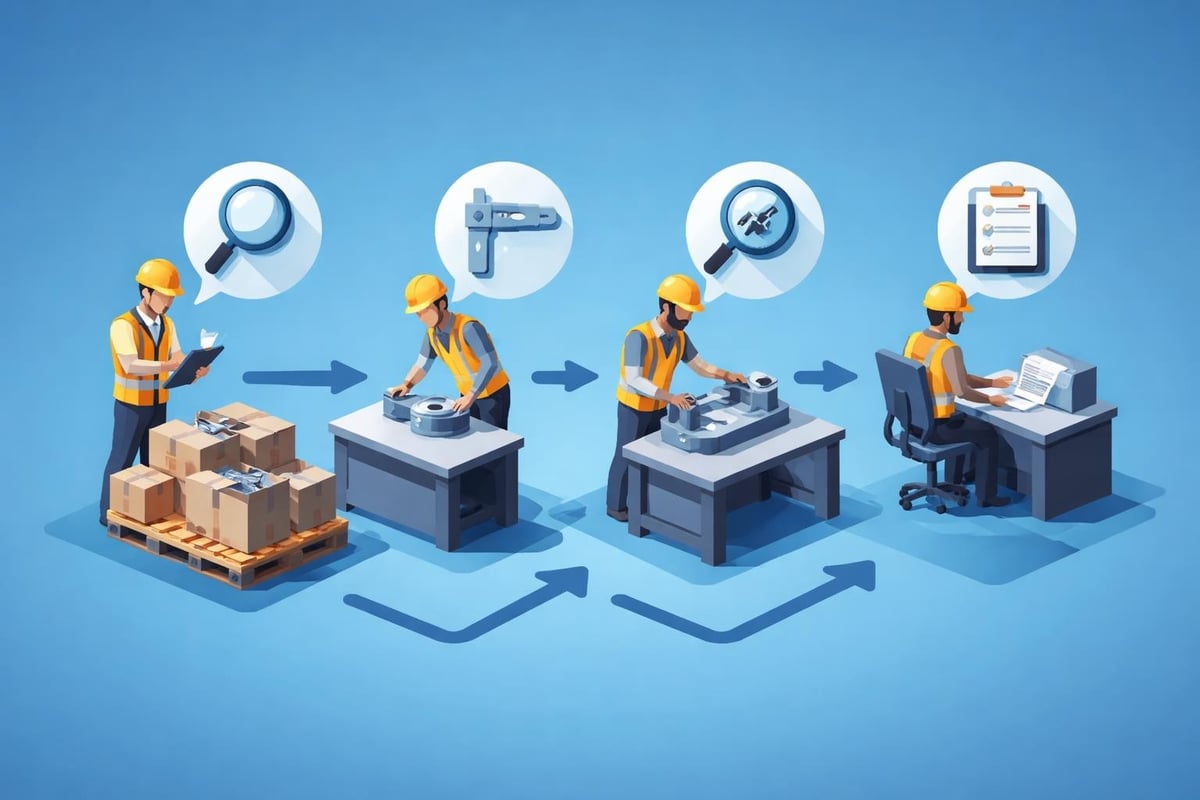
Implementing rigorous inspection protocols ensures fabrication techniques produce components meeting design specifications. Modern quality systems combine traditional measurement methods with advanced non-destructive testing.
Dimensional Verification Methods
Coordinate Measuring Machines (CMM) capture precise three-dimensional measurements of complex geometries. Touch-probe and optical scanning systems verify critical dimensions, ensuring conformance to engineering drawings. Statistical process control monitors trends to identify potential issues before producing non-conforming parts.
Laser scanning creates complete digital representations of fabricated components, enabling comparison against CAD models. The technology detects deviations invisible to conventional measurement tools, particularly valuable for large structural assemblies.
Non-Destructive Testing Techniques
Ultrasonic testing identifies internal discontinuities in welds and base materials without damaging components. The process verifies joint penetration, detects inclusions, and measures material thickness from accessible surfaces.
Radiographic testing produces permanent records of internal weld quality using X-ray or gamma radiation. The technique reveals porosity, lack of fusion, and crack indications critical for pressure vessel and structural applications.
Standards published by the International Organization for Standardization provide frameworks for implementing comprehensive quality management systems across diverse fabrication techniques.
Sustainable Fabrication Practices
Environmental considerations increasingly influence selection and implementation of fabrication techniques throughout industrial manufacturing. Progressive companies adopt practices reducing waste, energy consumption, and emissions while maintaining quality standards.
Material Optimization Strategies
Nesting software arranges cut patterns to maximize material utilization, minimizing scrap generation. Advanced algorithms consider grain direction, material properties, and remnant piece usability when optimizing layouts. Shops implementing sophisticated nesting routinely achieve 85-95% material utilization rates.
Scrap recycling captures value from production waste through systematic collection and processing programs. Ferrous metals, non-ferrous alloys, and precious metals contained in welding consumables represent recoverable resources. Partnering with certified recyclers ensures proper handling while generating revenue offsets.
The Department of Energy’s research on sustainable fabrication demonstrates how environmentally conscious practices align with operational efficiency improvements.
Energy-Efficient Process Selection
Hybrid manufacturing combines additive and subtractive processes, building near-net shapes through 3D printing before final machining. This approach reduces material waste and machining time compared to conventional fabrication techniques starting from solid stock.
Laser technology consumes less energy than thermal cutting alternatives while producing narrower heat-affected zones. Fiber lasers demonstrate particular efficiency advantages, converting electrical input to cutting power more effectively than traditional CO2 systems.
Integration of Digital Fabrication Technologies
Contemporary fabrication techniques increasingly incorporate digital tools transforming traditional manufacturing approaches. Computer-aided design, manufacturing, and inspection systems create seamless workflows from concept to completion.
CAD/CAM Integration
Parametric modeling enables rapid design iterations and automatic updates throughout assembly hierarchies. Engineers modify key dimensions while maintaining critical relationships, accelerating development cycles and reducing errors.
Direct CAM programming extracts toolpaths from 3D models without intermediate geometry preparation. Post-processors generate machine-specific code accounting for kinematic limitations and safety parameters unique to individual equipment.
For companies requiring fabrication and manufacturing services, digital integration ensures accuracy and expedites project timelines.
Automation and Robotics
Robotic welding delivers consistent quality for repetitive joints, freeing skilled welders for complex tasks requiring human judgment. Six-axis manipulators access compound angles and confined spaces while maintaining precise torch position and travel speed.
Automated material handling reduces labor requirements and improves workplace safety by mechanizing movement of heavy components. Overhead cranes, gantry systems, and automated guided vehicles coordinate material flow through sequential fabrication techniques.
Selecting Appropriate Fabrication Techniques
Project requirements dictate which fabrication techniques deliver optimal results considering technical, economic, and schedule constraints. Successful selection balances multiple competing factors through systematic evaluation.
Technical Considerations
- Material compatibility with proposed processes
- Tolerance requirements achievable through available methods
- Production volume justifying tooling investments
- Surface finish specifications and functional requirements
- Assembly sequence and accessibility constraints
Economic Analysis
Total cost modeling encompasses more than direct labor and material expenses. Setup time, tooling amortization, inspection requirements, and scrap rates influence true project costs. Sometimes premium processes delivering superior first-pass yields cost less than conventional alternatives requiring rework.
Make-versus-buy decisions compare internal fabrication capabilities against outsourcing options. Specialized fabrication techniques requiring significant capital investment may favor partnerships with established providers offering expertise and capacity.
| Decision Factor | In-House Fabrication | Outsourced Services |
|---|---|---|
| Capital Investment | High initial cost | Minimal upfront |
| Scheduling Control | Direct management | Vendor dependent |
| IP Protection | Maximum security | Requires NDA |
| Volume Flexibility | Limited by capacity | Scalable resources |
Schedule Optimization
Lead time analysis identifies critical path operations and potential bottlenecks. Overlapping fabrication techniques through parallel processing reduces overall project duration when predecessor relationships permit concurrent work.
Expediting options leverage premium processes or extended shifts for time-critical deliveries. Understanding true constraints versus traditional approaches enables creative scheduling solutions meeting aggressive deadlines.
Industry-Specific Applications
Different sectors prioritize specific fabrication techniques based on unique operating environments and performance requirements. Understanding industry preferences guides capability development and specialization decisions.
Oil and Gas Sector Requirements
Pressure vessel fabrication demands rigorous attention to weld quality, material traceability, and code compliance. ASME Section VIII governs design and construction, requiring qualified welders, approved procedures, and comprehensive documentation. Fabrication techniques employed must accommodate thick sections, exotic alloys, and post-weld heat treatment.
Pipeline construction relies on field welding techniques suited to outdoor environments and positional constraints. Downhill welding using cellulosic electrodes maximizes productivity while achieving required mechanical properties.
Aggregate and Mining Applications
Wear-resistant fabrication incorporates hard-facing overlays, abrasion-resistant plate, and impact-tolerant designs extending service life in harsh environments. Fabrication techniques must account for material hardness affecting machinability and weldability.
Heavy structural assemblies supporting conveyors, crushers, and screening equipment require robust welding procedures and systematic quality verification. For operations throughout the Western United States, welding custom fabrication expertise ensures equipment reliability.
Manufacturing and Recycling Industries
Custom machinery fabrication combines precision machining with structural welding to create specialized processing equipment. Tight tolerances on bearing surfaces, shaft alignments, and mounting interfaces require careful process planning.
Material handling systems utilize sheet metal fabrication techniques producing hoppers, chutes, and enclosures. Bend sequences, weld distortion control, and finish requirements influence process selection.
Advanced Fabrication Techniques for 2026
Emerging technologies continue expanding the definition and capabilities of modern fabrication techniques. Early adopters gain competitive advantages through improved efficiency, quality, and design freedom.
Additive Manufacturing Integration
Metal 3D printing produces complex geometries impossible through conventional subtractive methods. Powder bed fusion and directed energy deposition create fully dense components with internal cooling passages, organic shapes, and optimized material distribution. Applications range from replacement parts for obsolete equipment to lightweight structural components.
Hybrid systems combine additive deposition with subtractive machining in single platforms. These machines build near-net shapes through wire arc or powder deposition before finish machining critical surfaces to final specifications.
Augmented Reality Applications
Weld guidance systems project procedural information directly onto workpieces through AR headsets, ensuring proper technique application. Real-time feedback monitors parameters and alerts operators to deviations from qualified procedures.
Assembly visualization overlays digital models onto physical components, guiding fit-up and alignment processes. The technology reduces errors and training time while improving first-time quality.
Training and Workforce Development
Mastery of modern fabrication techniques requires continuous skill development as technology evolves and industry demands shift. Organizations investing in workforce capabilities build competitive advantages difficult for competitors to replicate.
Certification Programs
- AWS Certified Welder credentials verify specific process and position qualifications
- NIMS Machining certifications demonstrate competency across turning, milling, and grinding operations
- API Inspector certifications ensure understanding of pressure equipment standards
- ASNT Non-Destructive Testing certifications validate inspection technique proficiency
Continuous Improvement Culture
Cross-training initiatives develop versatile employees comfortable with multiple fabrication techniques. Operators understanding downstream processes make better upstream decisions, improving overall workflow efficiency.
Technology adoption programs transition experienced fabricators to new equipment and methods systematically. Pairing traditional craftsmen with emerging technologies preserves institutional knowledge while embracing innovation.
Businesses seeking expertise across diverse fabrication techniques benefit from partnering with established providers offering comprehensive capabilities. Whether projects demand field welding, precision machining, or custom fabrication metal work, experienced teams deliver solutions meeting technical and schedule requirements.
Mastering fabrication techniques across cutting, forming, welding, and machining disciplines enables manufacturers to tackle complex projects with confidence. The integration of traditional craftsmanship with modern technology creates opportunities for innovation while maintaining the quality standards essential for industrial applications. LTJ Industrial Services brings decades of expertise in metal fabrication, welding, and machining to support commercial and industrial operations throughout the Western United States, delivering precision solutions that keep your operations running efficiently.