
In 2026, rapid advances in technology and shifting industry demands are transforming how companies approach operational efficiency. Navigating this landscape requires a clear understanding of the industrial fabrication service landscape and its evolving role in business success.
This guide is designed to empower decision-makers with actionable insights, proven strategies, and the latest industry trends. You will discover key service types, technology breakthroughs, provider selection criteria, project workflows, cost drivers, compliance essentials, and a forward-looking view.
Unlock competitive advantages and take practical steps to thrive in the new era of industrial fabrication.
Understanding Industrial Fabrication Services
Industrial fabrication service is the backbone of modern industry, enabling companies to transform raw materials into the precise components and structures needed for complex operations. From custom machinery to massive structural frames, these services underpin reliability and innovation across sectors.
Definition and Scope of Industrial Fabrication
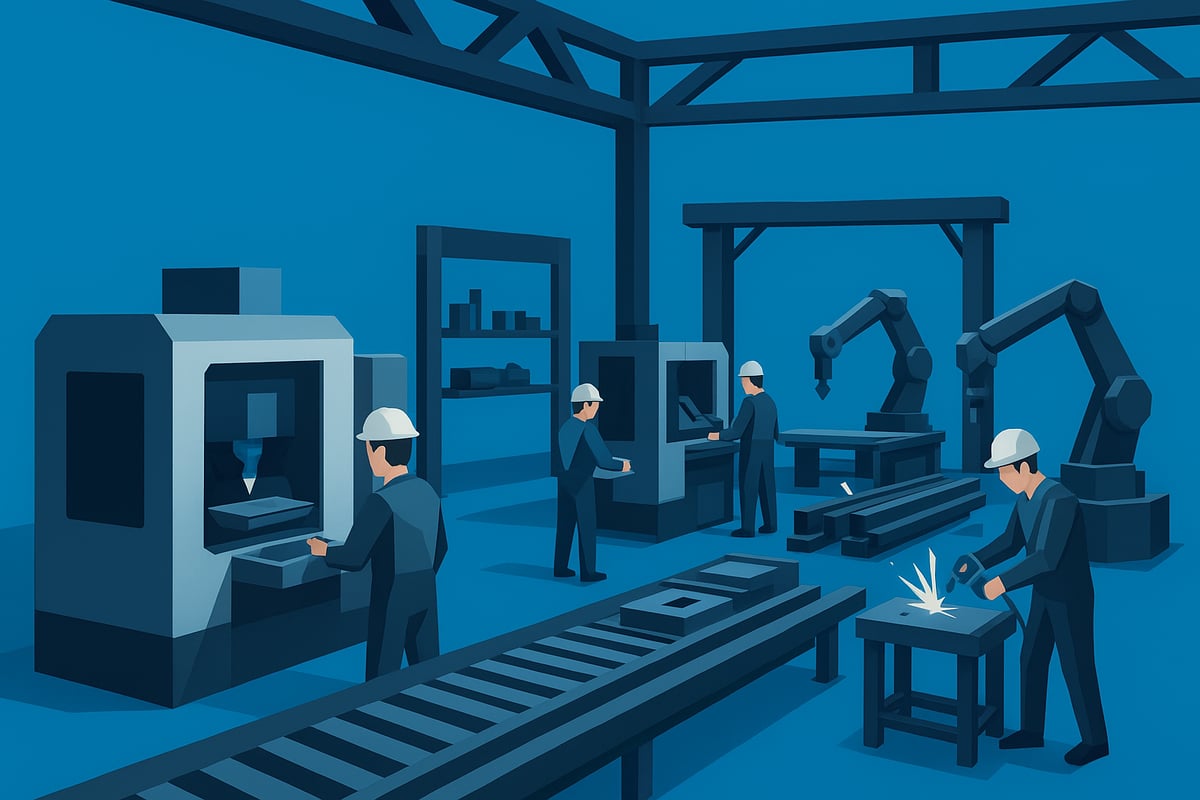
Industrial fabrication service encompasses a range of specialized processes that convert raw metals and materials into finished products or assemblies. These processes include cutting, welding, machining, and assembly, each tailored to the project’s unique requirements. Unlike general manufacturing, which may focus on mass production of standard items, industrial fabrication is characterized by its ability to deliver custom, project-specific solutions.
For example, fabricators might create structural steel frameworks for warehouses or engineer custom machine components for manufacturing lines. The scope also extends to prototyping, large-scale assemblies, and precision work for critical infrastructure. For a deeper dive into foundational concepts and process overviews, see the Industrial Metal Fabrication Overview.
Key Industries and Applications
Several industries rely heavily on industrial fabrication service to maintain productivity and meet demanding standards. Key sectors include oil and gas, recycling, aggregates, and general manufacturing. These industries require robust, reliable equipment and often need custom solutions that off-the-shelf products cannot provide.
Common applications range from conveyor systems in recycling plants to pressure vessels for oil refineries. Aggregate producers may depend on custom hoppers and chutes, while manufacturers turn to fabricators for specialized machinery. In each case, the service’s adaptability ensures that industry-specific challenges are met with precision and efficiency.
Core Processes and Techniques
At the heart of industrial fabrication service are several core processes, each contributing to the creation of durable, high-performance components. These include:
- Cutting: Shearing, sawing, or plasma cutting raw materials to size.
- Welding: Fusing metals using MIG, TIG, or robotic systems.
- Forming: Shaping metals through bending, rolling, or pressing.
- Machining: Precision shaping with mills, lathes, or CNC machines.
- Finishing: Applying coatings, painting, or sandblasting for protection.
Modern advancements have introduced CNC machining, waterjet and plasma cutting, and robotic welding. These technologies boost accuracy, repeatability, and speed, making it possible to handle both one-off custom pieces and high-volume production runs.
| Core Process | Modern Technique | Benefit |
|---|---|---|
| Cutting | Waterjet/Plasma, CNC | High precision, speed |
| Welding | Robotic, Automated MIG/TIG | Consistent quality |
| Machining | CNC Milling/Turning | Tight tolerances |
| Finishing | Powder Coating, Automation | Durability, efficiency |
Current Market Landscape (2024–2026)
The industrial fabrication service market is experiencing robust growth, fueled by increasing demand for custom solutions, infrastructure expansion, and advances in automation. Between 2024 and 2026, the sector is projected to grow steadily, with particular momentum in the Western United States where industries like manufacturing and energy are investing in facility upgrades.
Key demand drivers include the need for rapid project turnaround, resilience amid supply chain disruptions, and the adoption of digital fabrication tools. Regional trends highlight a shift toward local sourcing, with more companies seeking providers who understand the regulatory landscape and operational challenges unique to their area.
Benefits of Professional Fabrication Services
Investing in a professional industrial fabrication service delivers measurable advantages. Quality assurance is paramount, as certified providers adhere to strict standards, reducing the risk of failure or costly rework. Scalability allows businesses to ramp up or down based on project needs, while cost-efficiency is achieved through streamlined processes and bulk purchasing.
Additional benefits include reduced downtime thanks to custom-fit repairs and improved operational safety through robust, compliant designs. For example, a recycling plant that partnered with a fabrication expert saw lead times cut in half, enabling faster equipment deployment and less production loss.
The 2026 Roadmap: Key Trends Shaping Industrial Fabrication
The industrial fabrication service sector is entering a new era in 2026, shaped by technology, environmental demands, and workforce changes. Decision-makers must stay ahead of these shifts to remain competitive. This roadmap highlights the trends every business should monitor for operational success.
Digital Transformation and Smart Manufacturing
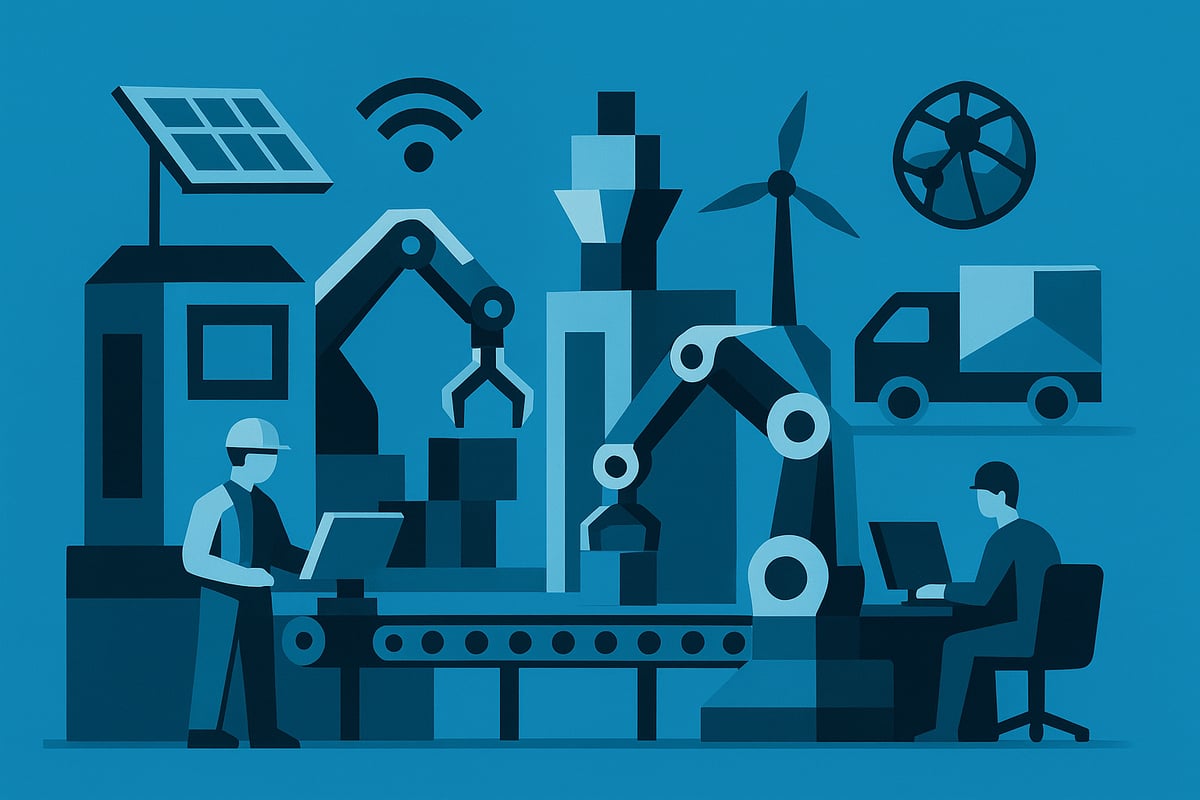
Industrial fabrication service providers are rapidly adopting digital tools in 2026. The integration of IoT sensors, AI-driven analytics, and process automation transforms traditional fabrication. Smart equipment enables real-time monitoring, reducing downtime and improving quality. Predictive maintenance, powered by digital twins, allows teams to anticipate issues before they disrupt production.
Companies implementing these technologies see greater efficiency and lower operational costs. For example, automated welding robots improve consistency, while cloud-based project management streamlines communication. As digital transformation accelerates, industrial fabrication service partners must invest in up-to-date systems to stay relevant.
Sustainability and Eco-Friendly Practices
Sustainability is now at the forefront for every industrial fabrication service. The use of recycled metals, energy-efficient equipment, and closed-loop waste management systems is growing. Regulatory bodies are introducing stricter environmental standards, making green certifications like LEED more valuable for project bids.
Clients want transparency about sourcing, emissions, and lifecycle impacts. Many providers are adopting renewable energy and tracking carbon footprints. For further insights on how these trends affect your business, see the Commercial Fabrication Guide: Expert Insights for 2026. Embracing sustainability helps businesses improve reputation, comply with regulations, and win contracts.
Advanced Materials and New Alloys
Material innovation is reshaping industrial fabrication service capabilities. High-strength steels, composites, and lightweight alloys are being adopted for their superior performance. These materials offer greater design flexibility and allow for lighter, more durable structures.
Fabricators now handle advanced alloys that resist corrosion, withstand extreme temperatures, and reduce overall project weight. This expansion enables custom solutions for industries like oil and gas, recycling, and manufacturing. Choosing a provider skilled with new materials is critical for project success.
Workforce Evolution and Skills Gap
The industrial fabrication service workforce is evolving quickly. Skilled labor shortages are driving investment in upskilling and automation. Providers are partnering with technical schools to develop new talent pipelines and offering in-house training on modern equipment.
Upskilling programs focus on robotics, digital systems, and safety protocols. At the same time, automation is filling gaps, allowing teams to focus on higher-value tasks. Businesses that prioritize workforce development maintain productivity and safety despite talent shortages.
Supply Chain Resilience Post-2024
Supply chain resilience is now a core strategy for every industrial fabrication service. Lessons from recent disruptions have accelerated nearshoring and the adoption of digital supply chain management tools. Providers are diversifying suppliers, increasing inventory buffers, and using real-time tracking to mitigate risks.
Digital platforms help coordinate logistics, monitor delays, and communicate with clients. By strengthening supply chains, businesses ensure timely project delivery, even during market volatility.
Data and Statistics
According to recent forecasts, the industrial fabrication service market is projected to grow at a robust CAGR through 2026. Automation adoption rates are climbing, with over 60% of providers investing in digital tools. These statistics reinforce the importance of embracing new trends for sustained growth.
Choosing the Right Industrial Fabrication Partner
Selecting the right industrial fabrication partner is a critical decision for any business planning complex projects in 2026. The right industrial fabrication service can elevate product quality, streamline project timelines, and ensure regulatory compliance from the outset.
Essential Criteria for Provider Evaluation
Start by assessing each provider’s certifications, such as ISO and AWS, and their technical capabilities. Look for a proven track record in your sector, alongside advanced machinery and skilled technicians. An experienced industrial fabrication service should be able to demonstrate successful outcomes with similar projects, showcasing both expertise and reliability.
Facility Tour Checklist
Before committing, schedule a facility tour. Use the following checklist to ensure a comprehensive evaluation:
| Facility Tour Checklist | What to Look For |
|---|---|
| Equipment Inventory | Modern CNC machines, welders |
| Safety Standards | Clear signage, PPE, compliance |
| Quality Control | Inspection stations, documentation |
| Staff Training | Certifications, ongoing programs |
| Cleanliness & Organization | Tidy workspaces, labeled areas |
A reputable industrial fabrication service will be transparent about their processes and invite questions during your visit.
Customization and Problem-Solving Abilities
Every project brings unique challenges. Evaluate the provider’s ability to deliver tailored solutions, especially for specialized industries. For instance, a custom hydraulic component fabricated for an oil and gas client demonstrates adaptability and engineering creativity. Reviewing detailed case studies or project portfolios can give insight into how an industrial fabrication service addresses complex requirements. Explore the Fabrication and Welding Services Guide for a comprehensive overview of service offerings and customization options.
Regional and Sector-Specific Expertise
Industry regulations and local codes can vary widely. Choosing an industrial fabrication service with deep knowledge of your sector—like aggregates, recycling, or oil and gas—minimizes risk and ensures compliance. Providers with experience in your region are more likely to understand local supply chains and deliver on time.
Communication and Project Management
Effective communication is essential throughout the project lifecycle. Prioritize partners who offer digital project tracking, transparent timelines, and collaborative client portals. Reliable industrial fabrication service providers keep stakeholders informed, respond quickly to changes, and provide clear documentation at every stage.
When you partner with a qualified industrial fabrication service, you gain a strategic ally dedicated to your project’s success. The right provider will help you overcome challenges, optimize resources, and achieve operational goals with confidence.
The Industrial Fabrication Project Lifecycle: Step-by-Step Guide
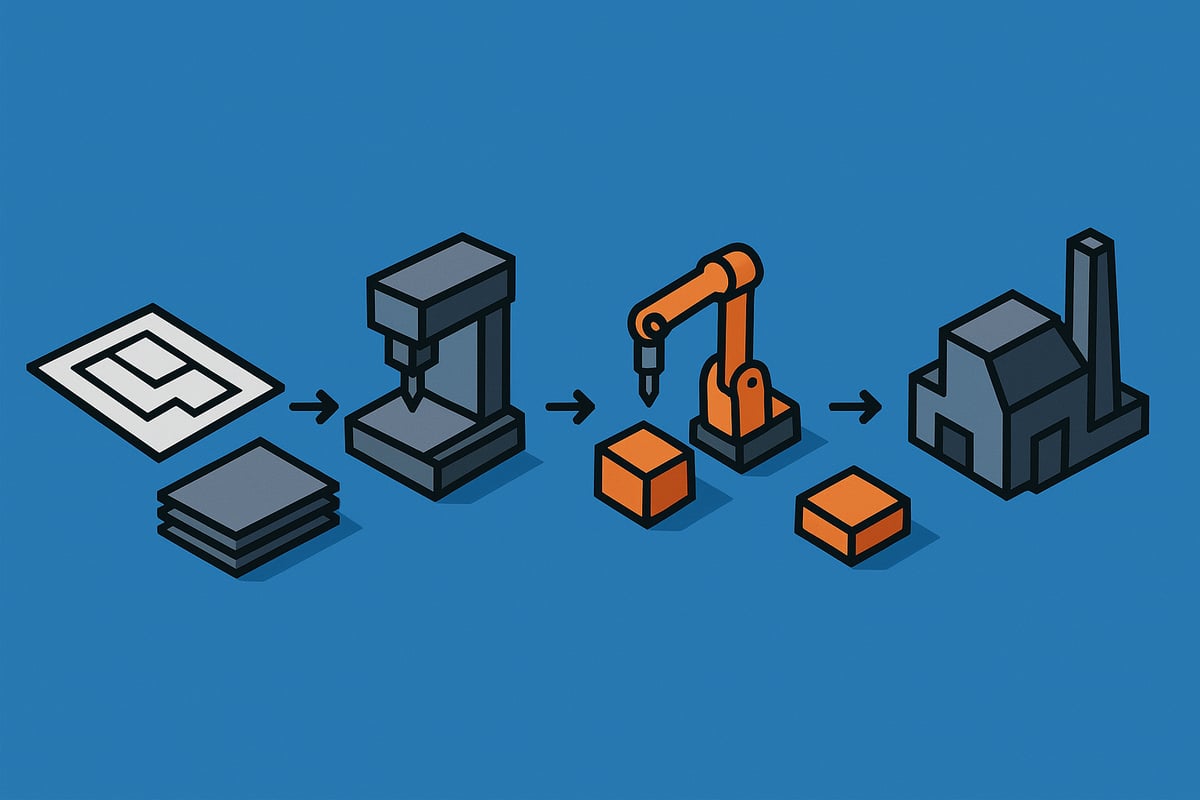
Navigating an industrial fabrication service project requires a structured, disciplined process. Each stage is critical to achieving project success, maintaining quality, and controlling costs. Let’s break down the key steps, best practices, and decision points for a seamless fabrication experience.
Step 1: Project Scoping and Needs Assessment
Every industrial fabrication service project begins with a deep dive into the client’s objectives. This phase defines the required specifications, performance targets, and operational constraints.
Teams collaborate to gather technical drawings, expected loads, and environmental factors. Early feasibility studies help spot risks and set realistic budgets. Engaging stakeholders from the start ensures that expectations are aligned and that the project scope is crystal clear.
- Define goals and success metrics
- Document technical and regulatory requirements
- Identify potential design or site limitations
Thorough scoping lays the groundwork for efficient execution and reduces the risk of costly changes later.
Step 2: Design and Engineering Collaboration
A successful industrial fabrication service relies on robust engineering collaboration. Designers and engineers use CAD modeling and simulation to create precise, manufacturable plans.
Prototyping and design-for-manufacturing principles are applied to optimize for cost, performance, and ease of fabrication. Open communication between clients and providers ensures all requirements are addressed and that value engineering opportunities are explored.
- Review and refine CAD models together
- Validate manufacturability and assembly processes
- Incorporate client feedback at every stage
This approach leads to innovative solutions tailored to unique project needs.
Step 3: Material Selection and Procurement
Material choice is a pivotal factor in any industrial fabrication service. The right metals or alloys must match the application’s mechanical, thermal, and environmental demands.
Procurement teams evaluate suppliers for quality, lead time, and cost. Strategic sourcing can help mitigate supply chain risks and ensure timely delivery. For specialized projects, custom materials or coatings may be required.
- Assess material properties and certifications
- Evaluate vendors for reliability and compliance
- Plan for contingencies in the supply chain
Early engagement in this phase prevents delays and supports consistent quality throughout the project.
Step 4: Fabrication and Assembly
This is where plans become reality. The industrial fabrication service team sequences operations such as cutting, machining, welding, and forming.
Modern shops use CNC machines, robotics, and advanced inspection tools to achieve tight tolerances. For sector-specific needs, like those in mining or aggregates, providers may reference specialized projects such as structural steel fabrication for mining equipment.
Quality control checkpoints are integrated at each step to catch issues early. Clear documentation and skilled technicians drive reliable, repeatable outcomes.
- Monitor progress with digital project tracking
- Conduct inspections at every milestone
- Adapt processes for unique sector requirements
Step 5: Finishing and Surface Treatment
Once fabrication is complete, components undergo finishing to improve durability and appearance. Techniques include sandblasting, powder coating, and industrial painting.
This phase also addresses safety and environmental compliance. The industrial fabrication service provider ensures that coatings meet industry standards, resist corrosion, and perform under harsh conditions.
- Select appropriate surface treatments for the application
- Verify environmental and safety compliance
- Document all processes for traceability
Well-executed finishing extends the lifespan of fabricated assets.
Step 6: Delivery, Installation, and Commissioning
Logistics planning is vital for safe, on-time delivery. The industrial fabrication service team coordinates transport, manages on-site assembly, and performs final testing.
Installation professionals ensure that equipment fits perfectly and meets operational standards. Commissioning may include operator training and detailed documentation for future reference.
- Plan delivery routes and schedules
- Supervise on-site assembly and alignment
- Provide training and support materials
A smooth handoff ensures minimal downtime and rapid project ramp-up.
Step 7: Ongoing Maintenance and Support
After installation, ongoing support is essential for long-term performance. The industrial fabrication service provider offers scheduled inspections, repairs, and upgrades.
Maintenance contracts are common for sectors like aggregates and recycling, where uptime is critical. Providers track service histories and recommend proactive interventions to prevent failures.
- Schedule regular maintenance and inspections
- Offer rapid-response repair services
- Track asset performance with digital tools
This commitment to support maximizes ROI and asset longevity.
Best Practices for Each Stage
To maximize success in any industrial fabrication service project, follow these best practices:
- Maintain open, consistent communication
- Use detailed documentation and change management protocols
- Leverage digital project management platforms for transparency
- Build in quality checks at every phase
Consider this real-world timeline:
| Stage | Typical Duration (Weeks) |
|---|---|
| Scoping & Design | 2–4 |
| Material Procurement | 1–3 |
| Fabrication | 3–8 |
| Finishing | 1–2 |
| Delivery & Install | 1–3 |
| Maintenance | Ongoing |
These best practices ensure projects remain on track, on budget, and aligned with business goals.
Cost Factors and Budgeting for Industrial Fabrication Services
Budgeting for an industrial fabrication service is more than just crunching numbers. Success depends on understanding the variables that drive project costs, selecting the right pricing model, and knowing where value can be engineered to optimize spending. Let us explore the key factors every decision-maker should weigh for 2026 and beyond.
Major Cost Drivers
The cost of any industrial fabrication service is shaped by several primary factors. Material type and market pricing play a significant role, especially as demand for advanced and sustainable materials rises. Labor rates, project complexity, and production volume also have a direct impact.
For context, the Sheet Metal Fabrication Services Market Growth report highlights how automation and sustainability are reshaping cost structures, with materials and skilled labor remaining top contributors.
| Cost Driver | Impact on Budget |
|---|---|
| Material Selection | High |
| Labor Rates | Moderate to High |
| Project Complexity | Variable |
| Production Volume | Economies of Scale |
| Custom Requirements | Increases Costs |
Any change in scope or design can further alter the final price of an industrial fabrication service.
Quoting and Estimation Methods
Providers use several methods to quote an industrial fabrication service. Hourly pricing is common for repairs or undefined scopes, while fixed pricing suits well-defined projects. Scope-based quotes offer clarity by breaking down each service element.
To ensure accurate budgeting, compare quotes from multiple providers. Ask for detailed breakdowns, including materials, labor, and overhead. This transparency helps you understand if the industrial fabrication service aligns with your financial goals.
- Hourly rates for flexible or ongoing work
- Fixed price for clear, finite deliverables
- Scope-based for complex, multi-stage projects
Value Engineering and Cost Optimization
Value engineering is crucial for maximizing the return on an industrial fabrication service. Work closely with your provider to identify cost-saving opportunities, such as choosing alternative materials or simplifying designs. Bulk purchasing of materials can also lower expenses for large-scale projects.
Some companies achieve savings by standardizing components or reusing materials across projects. Always request input from fabrication experts for insights into where you can optimize without sacrificing quality or safety.
- Select cost-effective materials that meet specs
- Standardize parts where possible
- Buy in bulk for long-term projects
Avoiding Hidden Costs
Hidden costs can undermine even the best-planned industrial fabrication service. These often stem from unclear contracts, rushed orders, or late-stage design changes. To avoid pitfalls, insist on transparent deliverables and detailed agreements.
Common hidden cost sources:
- Rush orders and overtime labor
- Rework due to unclear specs
- Scope creep from added features
Review all terms and conditions before project kickoff. Clear documentation and regular communication keep your industrial fabrication service on track and within budget.
ROI Considerations
When investing in an industrial fabrication service, look beyond upfront costs. Calculate the total cost of ownership, including maintenance, downtime risk, and expected lifespan. Quality fabrication can deliver long-term savings by reducing repairs and operational interruptions.
A focus on ROI means prioritizing reliability and efficiency, not just the lowest bid. In the long run, a well-executed industrial fabrication service supports your business objectives and protects your bottom line.
Navigating Compliance, Safety, and Quality Assurance in 2026
Ensuring compliance, safety, and quality is non-negotiable for any industrial fabrication service in 2026. As regulations evolve and customer expectations rise, businesses must stay ahead by implementing rigorous standards at every stage. The right approach not only protects your workforce but also safeguards your reputation and bottom line.
Regulatory Standards and Certifications
Strict adherence to industry standards is foundational for every industrial fabrication service. In 2026, certifications such as OSHA, ISO 9001, and AWS remain essential for legal compliance and client trust. Providers must regularly update credentials, reflecting the latest regulatory shifts in safety and quality.
A comprehensive checklist should include:
- Up-to-date OSHA and ISO certifications
- Sector-specific standards (API, ASME)
- Regular third-party audits
Staying current ensures your industrial fabrication service can confidently meet all project requirements, mitigate risk, and attract high-value clients.
Quality Management Systems
Quality management is at the heart of a reliable industrial fabrication service. Robust inspection protocols, digital documentation, and traceability systems are now industry norms. Providers deploy digital QA/QC tools to streamline record-keeping and enable real-time defect tracking.
Key elements include:
- In-process inspections at critical stages
- Comprehensive documentation for every component
- Automated alerts for non-conformance events
A strong quality management system minimizes costly rework and builds long-term client confidence in your industrial fabrication service.
Safety Protocols in Fabrication Facilities
Safety protocols are stricter than ever in 2026. Every industrial fabrication service must enforce rigorous worker training, proper use of PPE, and proactive hazard identification. Facilities that maintain zero-incident records often benefit from preferred vendor status.
Best practices involve:
- Regular safety drills and refreshers
- Clear signage and digital reporting systems
- Management accountability for safety outcomes
A culture of safety not only protects staff but also enhances operational efficiency and reputation in the industrial fabrication service sector.
Environmental Compliance
Environmental regulations are tightening, pushing every industrial fabrication service to adopt sustainable practices. This includes waste reduction, emissions control, and transparent reporting. Many clients now require proof of eco-friendly operations and green certifications.
Sourcing recycled materials and using energy-efficient processes are becoming industry standards. For more on future-focused compliance, see Sustainability in Manufacturing Practices.
Aligning with these expectations not only ensures compliance but positions your industrial fabrication service as a responsible market leader.
Client Responsibilities and Due Diligence
Clients play a vital role in compliance and quality assurance. When engaging an industrial fabrication service, businesses should verify provider certifications, review quality management processes, and request comprehensive documentation.
An effective audit checklist might include:
- Verification of current certifications and insurance
- Review of QA/QC protocols and safety records
- Assessment of environmental compliance measures
Diligent evaluation ensures your chosen industrial fabrication service delivers consistent, regulatory-compliant results, minimizing risk and maximizing value.
The Future of Industrial Fabrication: What to Expect Beyond 2026
The landscape of industrial fabrication service is evolving rapidly, with 2026 marking only the beginning of a transformative era. Forward-thinking decision-makers must look ahead to anticipate the innovations, challenges, and opportunities that will redefine how they plan, source, and manage fabrication projects.
Emerging Technologies on the Horizon
Industrial fabrication service is on the brink of a technological leap. Additive manufacturing, or industrial 3D printing, is set to revolutionize how components are produced, allowing for complex geometries, rapid prototyping, and reduced material waste. AI-driven design optimization will enable engineers to simulate and perfect designs before fabrication, resulting in higher performance and efficiency.
Robotics will play a growing role, not only automating repetitive tasks but also enabling precision work that enhances quality. As digital transformation accelerates, the integration of IoT and AI will become standard, with industry leaders already investing in these technologies. For a deeper dive into this shift, explore Digital Transformation in Manufacturing.
Globalization vs. Regionalization Trends
The global supply chain for industrial fabrication service has been tested in recent years. Looking beyond 2026, a balance between globalization and regionalization will shape sourcing strategies. Companies are increasingly turning to local or regional suppliers to mitigate risks, shorten lead times, and ensure compliance with evolving regulations.
At the same time, global partnerships remain essential for accessing specialized materials and expertise. This dual approach allows businesses to remain agile, respond to market changes, and build resilient supply chains that support uninterrupted operations.
Evolving Customer Demands
Customer expectations for industrial fabrication service are shifting rapidly. Customization is now the norm, with clients demanding unique solutions tailored to their specific operational needs. The rise of on-demand fabrication and digital services enables faster turnaround times and greater flexibility.
Integrated digital platforms will allow real-time project tracking, streamlined communication, and instant access to documentation. As digital twins become more prevalent, predictive maintenance and remote monitoring will enhance asset reliability. For more on how digital twins are reshaping industrial applications, see Digital Twins in Industrial Applications.
Investment in Workforce and Automation
The future of industrial fabrication service will require a delicate balance between automation and skilled labor. While robotics and AI handle more tasks, the need for highly trained technicians and engineers remains critical. Ongoing investment in workforce development, including apprenticeships and partnerships with technical schools, will bridge the skills gap.
Upskilling initiatives ensure that employees can operate advanced machinery and leverage digital tools effectively. This blend of automation and human expertise will drive innovation while maintaining quality and safety standards.
Sustainability as a Competitive Advantage
Sustainability is becoming a core differentiator in industrial fabrication service. Fabricators are adopting circular economy principles, offering take-back programs for end-of-life metal components and prioritizing recycled materials. Energy-efficient processes and green certifications will be essential for winning contracts, especially in sectors subject to strict environmental regulations.
Forward-looking companies are embedding sustainability into every stage of the project lifecycle, from design to disposal. This proactive approach not only meets regulatory requirements but also appeals to environmentally conscious clients.
Preparing for Uncertainty
Uncertainty is an ever-present factor in industrial fabrication service. Companies that invest in scenario planning and adaptive business models will be best positioned to weather disruptions, whether they stem from market volatility, supply chain interruptions, or regulatory changes.
Learning from recent industry challenges, leaders are building flexibility into their operations. This includes diversifying suppliers, digitizing project management, and maintaining strong communication with stakeholders. By prioritizing resilience, businesses can thrive in an unpredictable future.
As you look ahead to 2026 and consider how industrial fabrication can drive your business forward, it’s clear that having the right partner makes all the difference. Whether you need advanced machining, custom welding, or reliable field services, working with a team that understands your industry and goals is essential. If you’re ready to explore solutions tailored to your unique needs, we’re here to help you take the next step with confidence. Let’s discuss how our expertise can support your projects—simply Request a Quote to get started.