The year 2026 marks a turning point for welders across the globe as the welding industry rapidly transforms with new technologies and evolving standards. As opportunities and challenges emerge, the united welders community must stay informed to thrive.
This United Welders Guide is designed to serve as your essential resource for navigating these exciting changes. Whether you are an established professional or just starting your journey, this guide equips you with the latest skills, safety protocols, certifications, and technology insights.
Explore industry trends, learn about advanced welding techniques, and discover pathways for career growth. Use the knowledge in this guide to stay ahead, adapt, and excel in the welding field.
The Welding Industry in 2026: Trends, Opportunities, and Challenges
The welding industry is undergoing rapid transformation, making 2026 a defining year for united welders. Shifts in technology, workforce demographics, and global demand are creating new possibilities and challenges. Staying informed about these changes is essential for anyone aiming to thrive in this evolving landscape.
Evolution of the Welding Sector
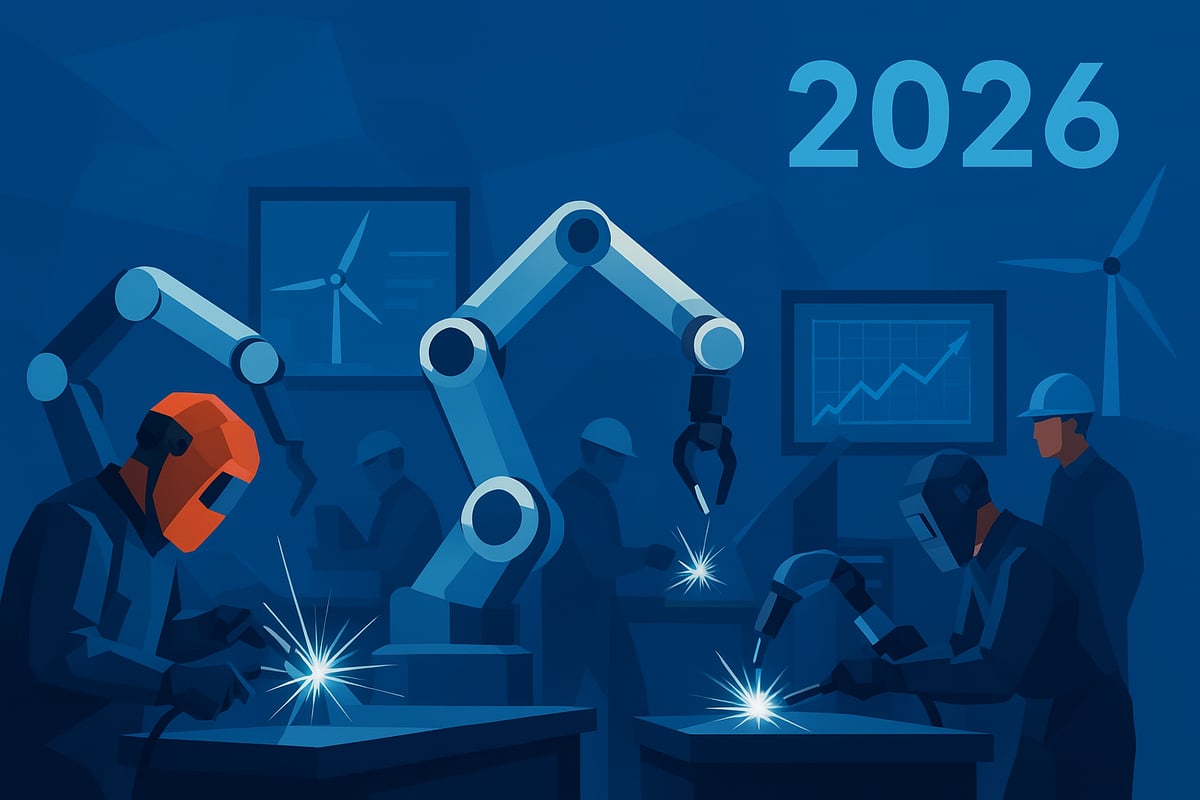
In 2026, the global welding industry is projected to expand steadily, driven by infrastructure upgrades, renewable energy investments, and advanced manufacturing. The United States continues to be a leader, with increased funding for transportation, energy, and industrial projects. Automation, robotics, and artificial intelligence are transforming how united welders approach their craft, streamlining processes and boosting productivity.
Robotic welding systems and smart automation tools are becoming standard on shop floors. This shift is not only improving efficiency but also reshaping job roles. United welders now collaborate with machines, focusing on programming, maintenance, and quality assurance. As a result, welders with digital skills are in higher demand than ever.
Sustainability is another major trend. Green welding practices, such as low-emission consumables and energy-efficient equipment, are gaining traction. Companies are adopting environmentally friendly solutions to meet regulatory requirements and corporate responsibility goals.
Gender diversity is rising, with more women entering the profession and breaking traditional barriers. This shift is enriching the culture and bringing new perspectives to the field. Despite these positive trends, the industry faces a significant shortage of skilled workers. According to the American Welding Society and the Bureau of Labor Statistics, thousands of positions remain unfilled.
Forward-thinking companies are adapting quickly. For example, some manufacturers have integrated advanced welding robots and digital monitoring systems, resulting in higher output and reduced downtime. For a deeper look at emerging trends and sector insights, see the Welding Industry Outlook.
Key Industry Challenges and Solutions
United welders face several obstacles as the industry evolves. The most pressing is the skills gap. Many experienced welders are retiring, while not enough new professionals are entering the field. This shortage is compounded by the rapid adoption of new technologies, requiring ongoing training and upskilling.
Supply chain disruptions and material shortages continue to affect project timelines and costs. United welders must develop adaptive strategies, such as diversifying suppliers and embracing alternative materials, to maintain productivity.
Regulatory changes and stricter environmental standards require welders to stay updated on compliance. Adopting sustainable practices and investing in advanced fume extraction and ventilation systems are now essential.
To bridge the skills gap, continuous learning is vital. United welders are encouraged to pursue certifications, attend workshops, and leverage digital training platforms. Professional associations like AWS provide valuable resources, from certification programs to industry events. Building a network through these organizations helps welders stay informed and connected.
Here is a summary of solutions for common industry challenges:
| Challenge | Solution |
|---|---|
| Skills gap | Ongoing training, certifications, mentorship |
| Supply chain disruptions | Diversify suppliers, use alternative materials |
| Regulatory changes | Stay updated, adopt best practices |
| Environmental standards | Implement green welding technologies |
By addressing these challenges, united welders can position themselves at the forefront of the industry, ready to seize the opportunities that 2026 brings.
Essential Welding Skills and Certifications for 2026
The united welders community faces a rapidly changing landscape in 2026, where mastering essential skills and up-to-date certifications is the gateway to success. Whether you are entering the field or advancing your expertise, understanding the latest techniques, credentials, and career pathways is crucial for every welder aiming to thrive.

Core Welding Techniques and Processes
Welding in 2026 demands a versatile skill set. United welders must be proficient in the four foundational processes: MIG (Gas Metal Arc Welding), TIG (Gas Tungsten Arc Welding), Stick (Shielded Metal Arc Welding), and Flux-Cored Arc Welding. Each method offers unique strengths, from MIG’s speed in fabrication to TIG’s precision for intricate projects.
Advanced techniques are increasingly essential. Laser welding delivers high-speed, low-distortion joints for automated production lines. Friction stir welding is prized in aerospace for its ability to join lightweight alloys. Hybrid processes, blending multiple techniques, are gaining traction in high-performance manufacturing.
Blueprint reading and weld symbol interpretation are now core requirements. United welders who can seamlessly switch between processes are in high demand. For example, modern shipyards often require fabricators to move from MIG to flux-cored arc welding within a single project, ensuring efficiency and quality in diverse environments.
Certification Pathways and Requirements
Earning and maintaining credentials is vital for united welders seeking career advancement. The American Welding Society (AWS) has updated its certification requirements for 2026, emphasizing digital credentialing and increased remote testing options. Renewal cycles are streamlined, allowing welders to keep their skills current with less disruption.
State and industry-specific certifications, such as those for pressure vessels or structural welding, are more important than ever. For those interested in specialized fields, the Certified Pressure Vessel Welding credential is a valuable asset, opening doors in sectors where safety and compliance are paramount.
Ongoing education is encouraged. Recertification not only keeps welders up-to-date with evolving codes but also leads to higher employability and salary premiums. Recent statistics show certified united welders earn up to 15% more than their non-certified peers, reflecting industry demand for verified expertise.
Career Pathways and Specializations
The welding landscape offers a range of high-demand specialties for united welders. Pipe welding, underwater welding, aerospace fabrication, and automation are among the top fields with robust job growth. Each specialty requires tailored training, with many professionals starting through apprenticeships, trade schools, or on-the-job programs.
Journeys of successful united welders reveal that specialization often leads to rapid career progression. For example, a welder who pursues underwater certification can access lucrative projects in marine construction and energy. Others find their niche in aerospace, where advanced techniques and strict tolerances define daily work.
Aspiring united welders should explore hands-on learning and mentorship. By focusing on both foundational skills and specialized credentials, welders can position themselves for long-term success in a dynamic industry.
Welding Technology Revolution: Tools, Machines, and Software
The pace of innovation in welding technology is transforming how united welders approach every project. Staying ahead in 2026 means understanding the newest machines, digital tools, and automation shaping the industry.
Latest Welding Equipment and Machines
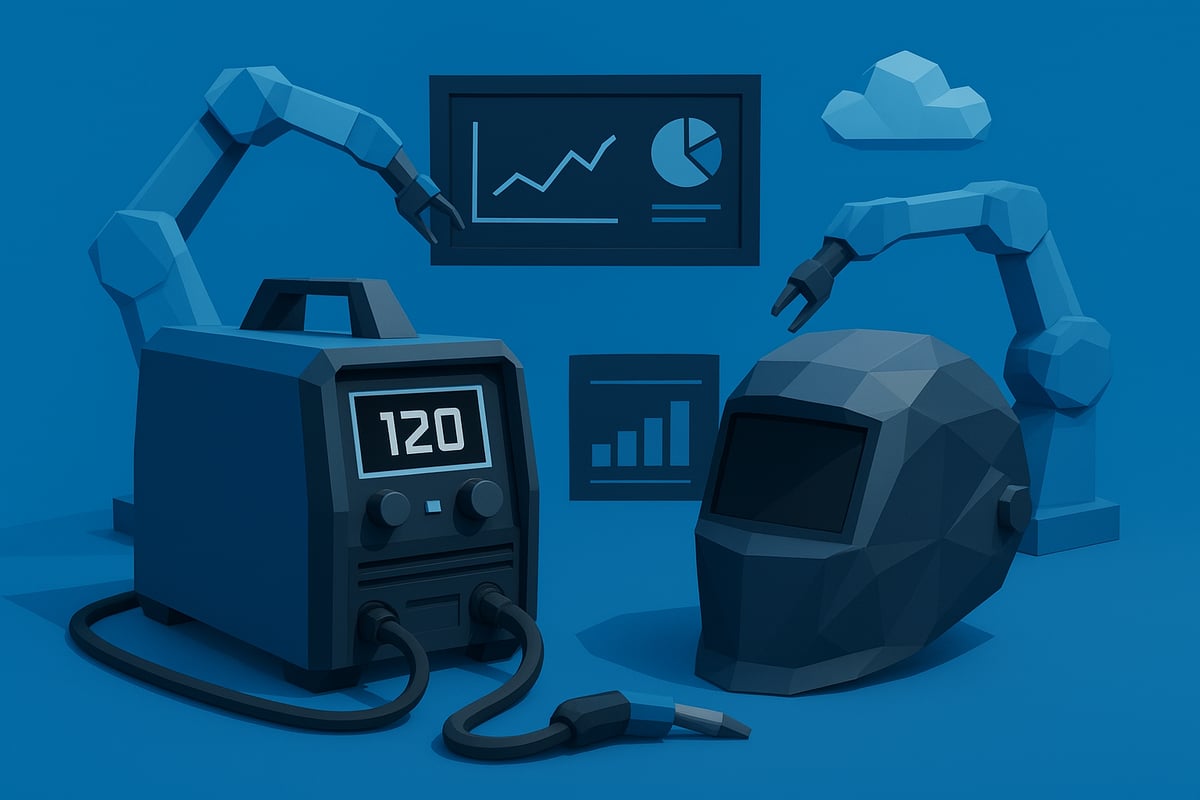
Recent years have brought substantial advances in welding equipment. Inverter-based machines now offer lighter frames, better energy efficiency, and multi-process capability. For united welders, this translates to greater flexibility on job sites, especially when switching between MIG, TIG, and Stick processes.
Smart helmets are another game changer. They feature auto-darkening filters, heads-up displays, and built-in sensors to monitor exposure levels. Enhanced personal protective equipment (PPE) helps keep welders safer while increasing productivity. Portable and remote welding solutions are increasingly popular, enabling united welders to tackle complex field projects without sacrificing quality.
To illustrate these advancements, consider the comparison below:
| Feature | 2023 Standard Machine | 2026 Top-Rated Model |
|---|---|---|
| Weight | 45 lbs | 28 lbs |
| Processes Supported | Single/dual | Multi (MIG, TIG, Stick, Flux-Cored) |
| Interface | Analog | Touchscreen/digital |
| Connectivity | None | IoT, app integration |
Many professionals rely on regular updates and servicing to keep up with these changes. For details on maintaining and upgrading your equipment, see Welding Machine Service and Technology. United welders benefit from staying current with both hardware and best practices.
Digital Tools and Welding Software
Digital transformation is revolutionizing how united welders train, plan, and execute projects. Welding simulation software allows for realistic practice in a virtual environment, saving both time and materials. These platforms help users refine techniques before ever striking an arc.
IoT-enabled machines collect performance data in real time, allowing united welders to monitor quality and detect issues early. Data analytics tools generate actionable insights, helping supervisors optimize workflows and reduce downtime. Cloud-based project management systems are gaining traction, making it easier to coordinate teams, track inventory, and document compliance.
One standout innovation is digital weld tracking. By logging each weld's parameters and quality checks, teams improve traceability and meet stringent industry requirements. This level of transparency ensures that united welders deliver consistent results, even on the most demanding projects.
Automation, Robotics, and AI in Welding
Automation is becoming a defining feature for united welders in 2026. Collaborative robots, or cobots, work safely alongside humans, boosting productivity and reducing repetitive strain. These robots can handle precise tasks, such as seam welds or repetitive assembly, freeing up skilled welders for more complex work.
AI-driven quality control systems are now standard in many shops. They use cameras and sensors to detect defects instantly, minimizing rework and material waste. In the automotive and shipbuilding industries, united welders have seen major gains from fully automated welding lines, where robotics and AI ensure speed and accuracy.
While automation creates efficiencies, it also highlights the need for continuous learning. United welders who adapt to these technologies position themselves as indispensable assets in a rapidly changing field.
Safety First: Modern Welding Safety Standards and Best Practices
Safety is the cornerstone of excellence for all united welders. In 2026, evolving technologies and stricter regulations make it vital to stay informed and proactive about welding safety. The modern workplace demands not only compliance but a culture where every welder returns home healthy each day.
Updated Safety Regulations and Compliance
The regulatory landscape for united welders is rapidly advancing. In 2026, OSHA and ANSI have introduced new standards addressing both traditional hazards and emerging risks from automation. Compliance is now a continuous process, requiring welders to stay updated on annual revisions.
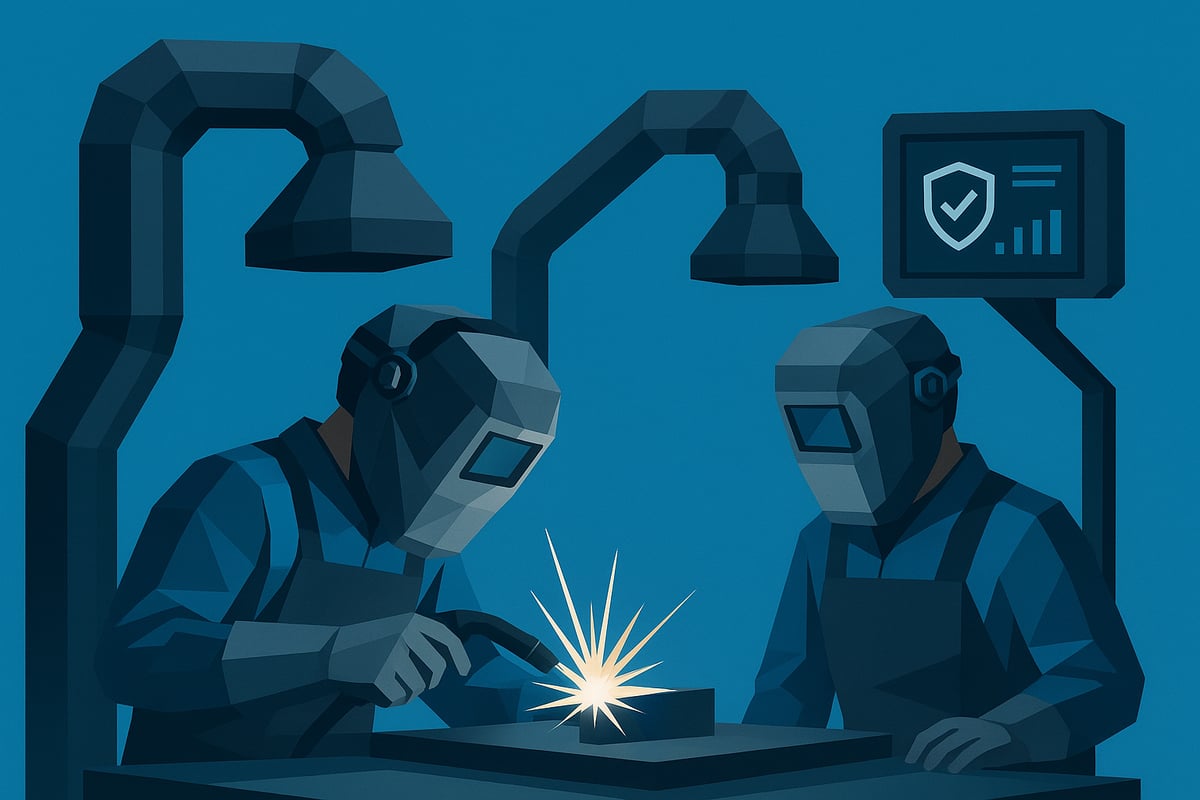
Personal protective equipment (PPE) is smarter than ever. Wearable sensors monitor air quality and exposure, while respiratory protection systems adapt to changing conditions. Smart welding helmets with auto-dimming lenses and heads-up displays reduce eye strain and increase awareness.
Environmental controls have also improved. Advanced fume extraction and targeted ventilation help maintain clean air, minimizing respiratory risks. Companies that invest in these upgrades see measurable benefits. For example, a recent industry survey showed a 35% reduction in welding-related incidents after implementing new PPE and ventilation protocols.
| Safety Innovation | Impact on Incident Rate |
|---|---|
| Smart Respiratory PPE | -18% |
| Advanced Fume Extraction | -12% |
| Real-time Exposure Sensors | -5% |
For united welders seeking professional service environments that prioritize safety, Welding and Fabrication Services integrate these best practices to protect their workforce.
Building a Culture of Safety
Regulations are only the foundation. A true safety culture empowers every member of the united welders community to speak up, report hazards, and support one another. Comprehensive training programs, both in-person and virtual, ensure everyone is equipped with up-to-date safety knowledge and certifications.
Regular safety briefings and incident tracking build trust. By analyzing near-misses, teams can prevent future injuries. Many organizations now use digital platforms to record and analyze safety data, making trends visible and actionable.
Mental health and ergonomics are gaining attention too. Welding can be physically demanding, so ergonomic tools and scheduled breaks help prevent strain injuries. Companies recognized for safety excellence often provide access to counseling and wellness programs, further demonstrating their commitment to united welders.
Safety awards and recognition programs motivate teams to maintain high standards. When welders see leadership investing in safety, it reinforces the shared responsibility to protect each other on every project.
Emergency Response and Risk Management
Even with advanced controls, emergencies can happen. United welders must be prepared to respond quickly and effectively. Emergency protocols should be clear, practiced, and accessible at all times.
Key steps for handling welding accidents:
- Assess the scene for safety before approaching.
- Alert emergency services and onsite responders.
- Administer first aid for burns, cuts, or smoke inhalation.
- Use fire extinguishers if safe, and evacuate if necessary.
- Document the incident for continuous improvement.
Real-world examples show that well-trained teams reduce injury severity and downtime. In one case, a swift response to a flash fire limited damage and kept everyone safe.
Ongoing risk management, combined with regular drills, ensures united welders are always ready to act. Preparedness transforms a potential disaster into a controlled situation, safeguarding both people and productivity.
Career Development and Advancement in Welding
For professionals in the united welders community, 2026 presents a landscape filled with both promise and challenge. The demand for skilled welders is climbing, and those who invest in their career development today will be best positioned for tomorrow's opportunities. Let’s explore how welders can excel in the evolving workforce.
Navigating the Welding Job Market in 2026
The united welders workforce is seeing robust growth across several sectors. Infrastructure, renewable energy, and advanced manufacturing are driving a surge in job openings. States like Texas, California, and Ohio remain hot spots for welding employment, fueled by large-scale construction and energy projects.
Welders are in high demand for roles such as pipe welding, robotics operation, and quality inspection. Salaries continue to trend upward, with skilled specialists commanding premium compensation and comprehensive benefits. According to recent job growth statistics, regions investing heavily in infrastructure and green energy report the highest need for certified welders.
To maximize opportunities, stay informed about local market trends and seek roles in industries with sustained investment. This proactive approach is essential for anyone in the united welders network aiming to secure rewarding positions.
Upskilling and Professional Growth
Continuous learning is the cornerstone of advancement for the united welders community. Online courses, workshops, and specialized seminars help welders keep pace with evolving technologies and standards. Building a professional portfolio—showcasing certifications, diverse project experience, and technical skills—can set candidates apart in a competitive market.
Networking is equally crucial. Engaging with industry peers, attending events like the Welding Summit 2026, and joining professional associations open doors to mentorship and collaboration. Experienced welders often find that guidance from mentors accelerates growth and fosters a supportive environment.
Prioritizing ongoing education and relationships within the united welders field ensures that professionals remain adaptable and resilient in a rapidly changing industry.
Entrepreneurship and Business Opportunities
For those in the united welders sector with an entrepreneurial spirit, 2026 offers exciting possibilities. Starting a welding business requires a clear strategy, investment in modern equipment, and a deep understanding of client needs. Niche services—such as mobile welding, precision fabrication, or specialized repair—are in high demand, especially in commercial and industrial markets.
Success stories abound of welders who transitioned from skilled tradespeople to thriving business owners. They often credit their achievements to strategic networking, innovative service offerings, and a commitment to quality. Exploring resources like the United Welding Service Overview can provide valuable insights into best practices for launching and growing a welding enterprise.
By embracing entrepreneurship, members of the united welders community can shape their own futures, create jobs, and lead the industry into a new era of innovation.
United Welders Community: Networking, Resources, and Support
The united welders community is the backbone of the modern welding profession. In 2026, staying connected and informed is more important than ever. Networking, shared resources, and peer support help welders overcome challenges and seize new opportunities.
Building Connections in the Welding Industry
For united welders, building strong industry connections opens doors to career growth and knowledge exchange. Joining professional associations like the American Welding Society (AWS) or local unions provides access to exclusive events, job boards, and training programs.
Online forums and social media groups allow welders to share experiences, troubleshoot technical problems, and stay updated on industry news. Virtual conferences and webinars have made it easier for welders in remote locations to participate in global discussions.
Networking is not just about finding jobs. It is about learning from peers, discovering new technologies, and understanding market shifts. Many welders have advanced their careers through relationships built within the united welders community.
Accessing Welding Resources and Knowledge
Access to quality resources is essential for united welders aiming to stay ahead. Recommended materials include industry books, online courses, certification prep guides, and top welding magazines. Podcasts and YouTube channels also offer practical tips and showcase the latest techniques.
Investing in continuous learning is vital. Programs like AWS Certification and Education help educators and professionals master advanced skills, ensuring that united welders remain competitive in 2026.
A commitment to ongoing education supports long term success. Welders who regularly update their skills are more likely to achieve higher pay and secure roles in specialized sectors. Leveraging these resources keeps the united welders community on the cutting edge of the industry.
Mentorship, Diversity, and Inclusion
Mentorship programs play a crucial role in supporting new and experienced welders alike. The united welders community has expanded mentorship initiatives for women, veterans, and minorities, fostering a culture of inclusion and support.
Peer support groups and industry-sponsored mentorships provide guidance, technical advice, and encouragement. Welders who participate in these programs often report increased job satisfaction and faster skill development.
Diversity initiatives are driving positive change in welding. As more individuals from varied backgrounds join the field, the united welders community grows stronger and more innovative. Real world examples show that inclusive teams are better equipped to solve complex problems and adapt to industry demands.
As you look ahead to 2026 and consider how to elevate your welding career or keep your business at the forefront of industry trends, having reliable partners and up-to-date expertise is more important than ever. Whether you need advanced welding, machining, or fabrication support, LTJ Industrial Services is here to help you achieve your goals with precision and quality. If you're ready to take the next step—whether it's upgrading your operations or securing a trustworthy team—let's connect and discuss how we can support your vision.
Request a Quote