
In 2026, industry leaders know that a single hour of welding machine downtime can disrupt production and cost thousands. Yet, many operations still fall victim to preventable breakdowns, risking safety and profitability. This guide delivers proven strategies for welding machine service, ensuring your equipment runs reliably, efficiently, and safely. Inside, you will find expert advice on essential maintenance, troubleshooting, advanced servicing, and future trends, plus guidance on when to call in professional support. Discover how to sidestep common pitfalls and maximize uptime—read on to transform your approach to welding machine service.
Understanding Welding Machine Service Fundamentals
Reliable welding machine service is the foundation for uninterrupted operations in any industrial environment. This service involves a blend of routine maintenance, precise calibration, thorough inspection, and timely repair of equipment. By implementing a structured approach to welding machine service, businesses can ensure their machines deliver consistent performance, extend equipment lifespan, and reduce the risk of unexpected shutdowns. A proactive maintenance culture not only safeguards investments but also supports a safer, more efficient workplace for operators and technicians.
Regular welding machine service is critical for both productivity and workplace safety. According to recent industry data, companies that adhere to scheduled maintenance experience up to 30% less downtime compared to those who neglect their equipment. This translates to significant cost savings and more reliable project timelines. Unscheduled repairs are often two to three times more expensive than planned service, highlighting the financial advantages of preventive care. Moreover, well-maintained machines are less likely to cause workplace incidents, protecting both personnel and assets.
Welding machines come in various forms, each with distinct service requirements. MIG, TIG, Stick, and multi-process machines all demand unique attention due to differences in technology and application. For instance, TIG welders require meticulous calibration and cleaning to maintain arc stability, while MIG machines often need more frequent wire feed inspections. Specialized machines used for aluminum or stainless steel welding may have additional maintenance needs, as explained in detail by Aluminum and Stainless Steel Welding Specialists. Understanding these distinctions is essential for tailoring welding machine service to specific industrial tasks.
Several factors contribute to welding machine failures in demanding settings. Common causes include electrical faults, worn consumables, inadequate cooling, and improper storage. The table below summarizes typical failure sources and their consequences:
| Failure Cause | Impact on Operations |
|---|---|
| Electrical Faults | Power loss, erratic welding |
| Worn Consumables | Poor weld quality, downtime |
| Cooling Issues | Overheating, equipment damage |
| Poor Storage | Corrosion, insulation failure |
Neglecting routine welding machine service not only increases downtime but also raises repair costs and safety risks. For example, a manufacturing facility may face production halts due to a single component failure, while oil and gas operations can experience costly delays from unplanned repairs. Manufacturer guidelines typically recommend service intervals ranging from monthly inspections to quarterly calibrations, depending on usage intensity. Adhering to these intervals also helps maintain warranty coverage and ensures compliance with industry regulations. Real-world examples show that companies investing in comprehensive welding machine service benefit from greater reliability, fewer emergency repairs, and improved safety metrics.
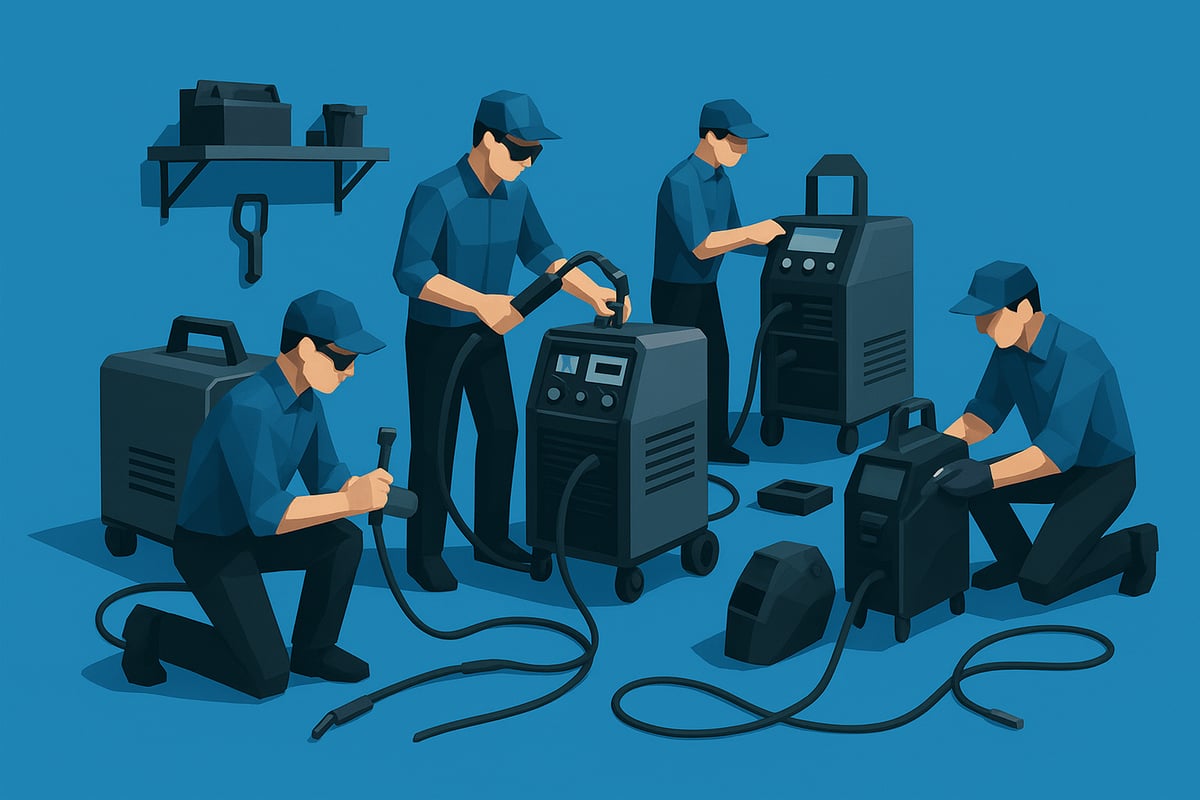
Step-by-Step Welding Machine Maintenance Guide
Proper welding machine service is the backbone of dependable industrial operations. A structured maintenance routine not only safeguards equipment but also maximizes productivity and protects your workforce. By following a systematic approach, you can reduce unexpected failures, maintain compliance with manufacturer guidelines, and extend the lifespan of your investment. This section provides a detailed, step-by-step guide to welding machine service, covering everything from safety checks to scheduling, so your team can maintain peak performance and minimize costly downtime.
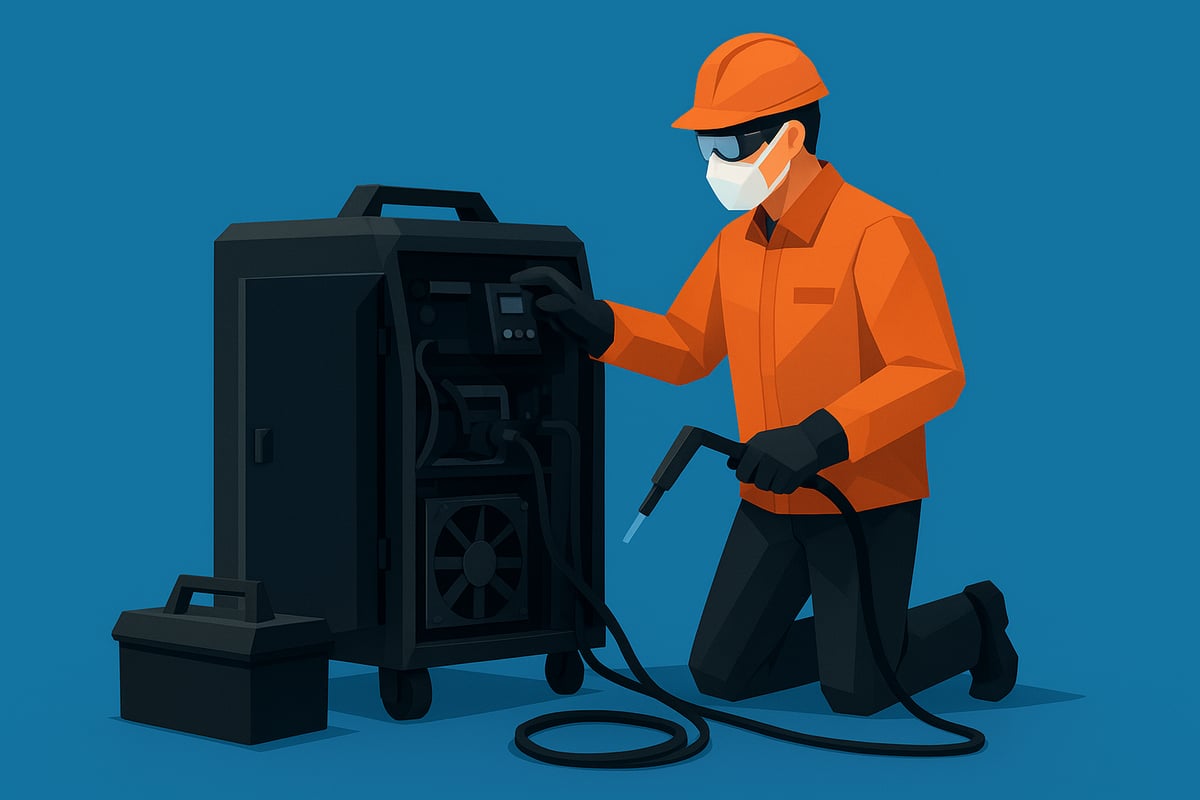
Pre-Service Safety Checklist
Before starting any welding machine service, prioritize safety. Begin by donning appropriate personal protective equipment, such as gloves, safety glasses, and flame-resistant clothing. Confirm that the machine is powered off and use lockout/tagout procedures to prevent accidental startup. Prepare a clean, well-lit workspace, free from flammable materials and tripping hazards.
A methodical safety routine ensures that all servicing activities are performed without risk to personnel or equipment. Remember, compliance with safety protocols is essential for every welding machine service session.
Cleaning Procedures
Dirt, dust, and metal particles can accumulate inside and around the welding machine, leading to overheating and electrical faults. Use a soft brush or compressed air to remove debris from vents, fans, and internal components. Pay special attention to areas near the power source and cooling system.
A clean machine is less prone to failure and ensures efficient air flow. Incorporate cleaning into every welding machine service checklist to keep performance consistent and prevent premature wear.
Inspection Steps
Thorough inspection is a core part of welding machine service. Examine all cables for cuts, exposed wires, and worn insulation. Check connectors for corrosion or looseness, and inspect the torch or gun for cracks or deformation.
List of inspection points:
- Power cables and leads
- Ground clamps and connections
- Control panel buttons and displays
- External housing for dents or damage
Early detection of wear or damage during welding machine service helps avoid unexpected breakdowns and supports workplace safety.
Calibration Process
Accurate output is critical for weld quality and process consistency. Use a calibrated digital multimeter to check voltage and amperage settings. Compare actual readings with the machine’s display and adjust as needed.
Regular calibration during welding machine service keeps output within manufacturer specifications. This step also supports warranty compliance and reduces the risk of defective welds.
Lubrication Points
Some welding machines have moving parts that require periodic lubrication. Refer to the manufacturer’s manual for recommended products and intervals. Common lubrication points include wire feed mechanisms and cooling fans.
Apply lubricant sparingly to avoid attracting dust. Consistent lubrication as part of welding machine service prevents mechanical failures and extends component life.
Cooling System Maintenance
Efficient cooling is vital for high-use welding machines. Inspect coolant levels and top up with manufacturer-approved fluids if necessary. Flush the cooling system and replace filters according to service schedules.
A well-maintained cooling system prevents overheating, which is a leading cause of shutdowns. Include cooling checks in every welding machine service routine to preserve reliability.
Replacing Consumables
Consumables such as electrodes, nozzles, and liners degrade over time, affecting weld quality and machine efficiency. Replace worn consumables at regular intervals, and always use compatible parts.
Follow these steps for safe replacement:
- Power down the machine and allow it to cool.
- Remove and discard old consumables.
- Clean contact points before installing new parts.
Timely consumable changes are a core aspect of welding machine service and directly impact operational uptime.
Testing and Documentation
After completing maintenance tasks, perform a diagnostic weld to confirm proper function. Monitor for arc stability, correct output, and absence of error codes. Log all activities in a maintenance record, noting date, tasks performed, and observations.
Example code for digital log entry:
{
  "date": "2026-04-21",
  "machine_id": "WM-1500",
  "service": ["cleaning", "inspection", "calibration"],
  "technician": "J. Smith",
  "notes": "All parameters normal."
}
Documentation is a crucial part of welding machine service. It supports warranty claims and helps track equipment history.
Example Maintenance Schedule
A structured maintenance schedule ensures no step is overlooked. Here is a sample plan for high-use industrial machines:
| Task | Frequency |
|---|---|
| Safety Checks | Before each use |
| Cleaning | Weekly |
| Inspection | Monthly |
| Calibration | Quarterly |
| Lubrication | As needed |
| Cooling System Check | Monthly |
| Consumable Replacement | As required |
| Documentation | Every service |
For a more comprehensive approach, refer to this Welding Equipment Maintenance Guide.
Regular, detailed welding machine service, following these steps, will keep your equipment performing reliably and safely throughout its lifecycle.
Advanced Service Techniques and Upgrades for 2026
Staying ahead in welding machine service means embracing the latest advancements that 2026 has to offer. Today’s industrial demands require more than just routine maintenance. Companies are turning to smart technologies, predictive analytics, and strategic upgrades to maximize uptime, reduce costs, and ensure safety. Let’s explore how these trends are reshaping welding machine service for the modern era.
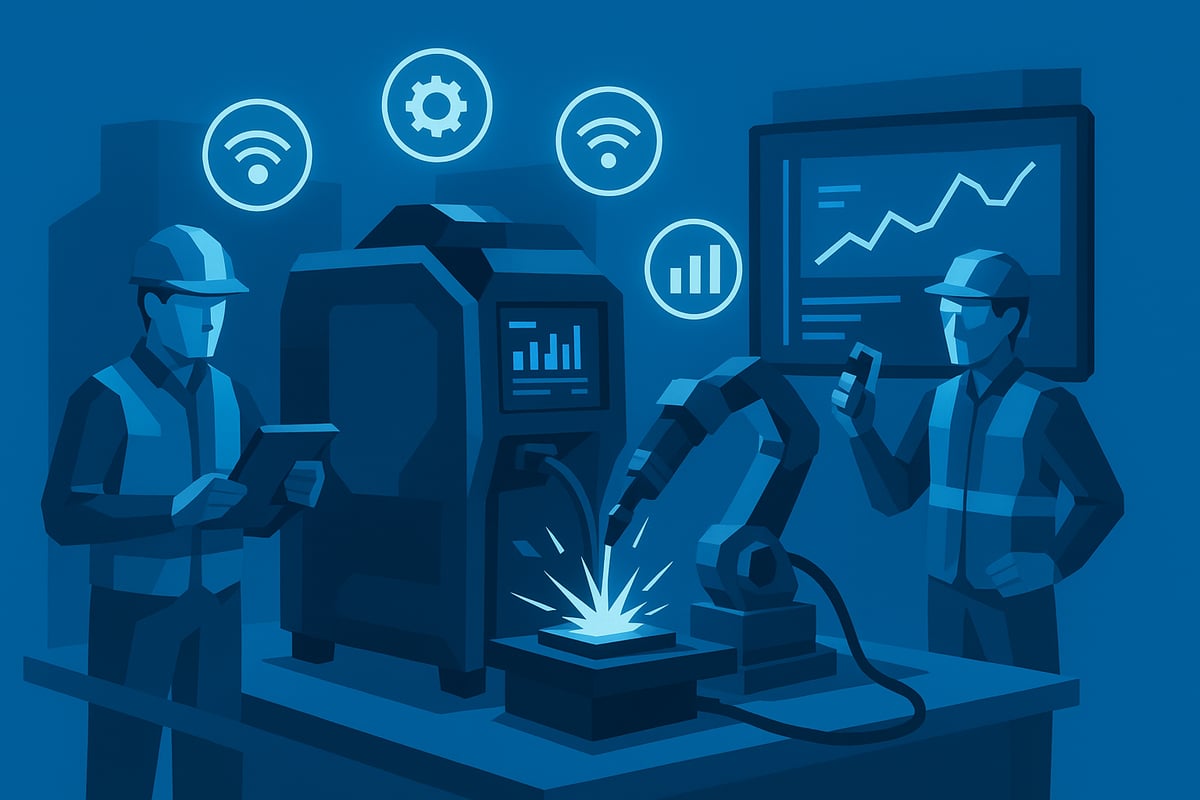
Next-Generation Technologies in Welding Machine Service
Industrial facilities are rapidly adopting IoT-enabled diagnostics and AI-driven calibration. These tools allow real-time monitoring of welding machine performance, helping teams identify issues before they become critical. For instance, smart sensors track temperature, voltage, and arc stability, sending instant alerts for abnormal readings. This proactive approach to welding machine service has cut unscheduled downtime by up to 30% in some sectors.
AI calibration systems can automatically adjust settings for optimal weld quality. This reduces manual intervention and ensures consistent results. According to recent industry reports, companies leveraging these technologies experience improved productivity and fewer costly breakdowns. For more details on how AI and remote monitoring are transforming the field, see AI and Remote Monitoring in Welding.
Software Updates and Remote Monitoring
Software plays a crucial role in modern welding machine service. Regular firmware updates introduce new features, patch vulnerabilities, and maintain compatibility with evolving industry standards. Always verify update compatibility with your specific machine model to avoid operational issues.
Remote monitoring systems have become a game-changer. These platforms collect and analyze data from multiple machines across sites. Predictive maintenance algorithms use this information to forecast failures and schedule service before issues disrupt production. Companies utilizing cloud-based dashboards now benefit from centralized oversight and faster response times, further reducing downtime.
Component Upgrades and Data-Driven Maintenance
Upgrading key components is central to advanced welding machine service. Inverter-based power sources replace older transformer models, delivering higher efficiency and more precise control. Digital control panels allow for easier configuration and integration with factory automation systems.
Energy-efficient cooling systems, such as variable-speed fans and advanced heat exchangers, help maintain optimal operating temperatures while reducing power consumption. Data-driven maintenance strategies use analytics to determine the best service intervals, extending equipment life and lowering costs.
Here is a quick comparison of traditional versus upgraded components:
| Component | Traditional | Advanced (2026) |
|---|---|---|
| Power Source | Transformer | Inverter with smart controls |
| Control Panels | Analog dials | Digital touchscreens |
| Cooling System | Fixed-speed fans | Variable-speed, energy-efficient |
| Diagnostics | Manual inspection | IoT-enabled, remote monitoring |
Safety Enhancements and Industry Case Study
Safety remains a top priority in welding machine service. Upgrades such as enhanced grounding, surge protection, and emergency shutoff systems help prevent accidents and protect valuable assets. Many facilities now integrate safety interlocks that automatically disable equipment in unsafe conditions.
A real-world example comes from a large recycling plant that implemented predictive analytics and smart monitoring. Within six months, the plant reported a 25% reduction in repair costs and significantly less downtime. These results highlight the tangible benefits of investing in advanced welding machine service solutions.
Staying updated with the latest techniques and technologies is essential. Facilities that adopt these innovations position themselves for greater efficiency, safety, and long-term reliability. By prioritizing upgrades and data-driven strategies, businesses can make their welding machine service efforts future-ready.
Professional Support and When to Call the Experts
When faced with welding machine service decisions, knowing when to rely on your in-house team and when to call in experts is crucial. While basic maintenance can often be handled internally, complex repairs or persistent issues demand professional intervention to safeguard both productivity and safety.
Several factors should guide your decision. If your team lacks specialized training on advanced welding machine service protocols, or if the equipment is under warranty, professional support is essential. Certified technicians possess the expertise to diagnose intricate faults, calibrate modern systems, and ensure compliance with all industry standards. This expertise translates to faster repairs and accurate solutions, minimizing costly downtime.
Attempting DIY repairs on sophisticated welding equipment introduces significant risks. Incorrect procedures may void warranties, compromise safety, or result in undetected hazards. Adhering to the latest codes and manufacturer specifications is non-negotiable for regulatory compliance and insurance coverage. For many industrial sites, service contracts with reputable providers offer peace of mind. These agreements define response times, maintenance schedules, and deliverables, ensuring your welding machine service remains consistent and traceable.
Consider field service in high-stakes environments like oil and gas, mining, or aggregate processing. Here, rapid response can make the difference between hours and days of lost production. In urgent situations, leveraging Emergency Mobile Industrial Welding Services enables on-site repairs and diagnostics, restoring operations with minimal disruption.
Industry data consistently shows that partnering with professionals for welding machine service reduces average downtime by up to 30 percent. This measurable impact not only protects your bottom line but also enhances workplace safety and equipment longevity.
Before hiring a service provider, ask these key questions:
- Are technicians certified for your specific welding machine models?
- What is their average response time for on-site emergencies?
- Do they provide detailed service documentation and compliance records?
- What is included in their maintenance contracts?
- Can they support both shop and field-based repairs?
- How do they handle warranty claims and parts sourcing?
By prioritizing qualified support, you ensure your welding machine service program is robust, reliable, and future-ready. Consistent expert maintenance not only keeps operations running smoothly but also supports long-term business goals.
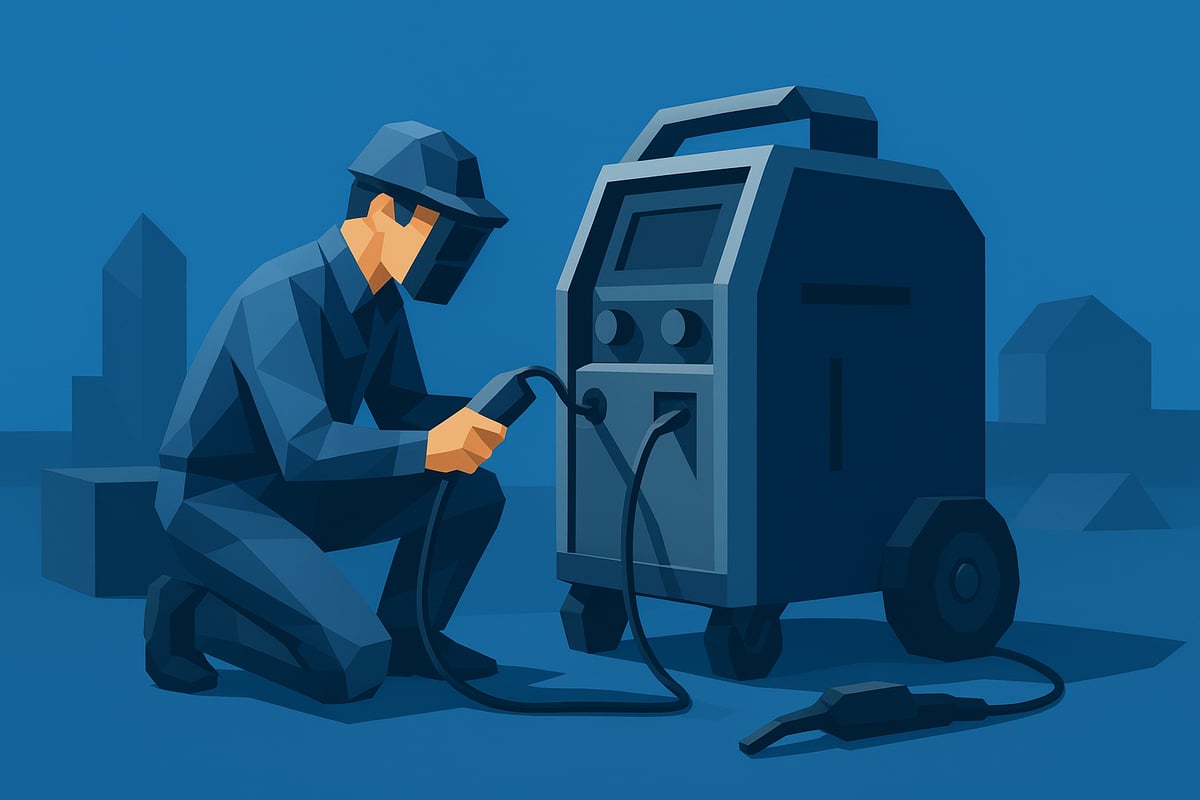
Future Trends in Welding Machine Service and Maintenance
The landscape of welding machine service is rapidly evolving as technology, sustainability, and workforce needs reshape the industry. In 2026, staying ahead of these trends is essential for maximizing operational efficiency and maintaining a competitive edge.
Artificial intelligence and machine learning are revolutionizing welding machine service by enabling predictive maintenance and real-time diagnostics. Smart sensors embedded in modern equipment continuously monitor performance variables such as voltage, current, and temperature. These systems use advanced algorithms to predict component failures before they occur, reducing unexpected downtime. Robotics are also playing a larger role, automating calibration and inspection tasks for greater accuracy and safety. With these advancements, welding machine service is becoming more proactive, data-driven, and reliable.
Remote diagnostics and automated service scheduling are now integral to efficient welding machine service. IoT-enabled devices allow technicians to assess machine health from anywhere, using cloud-based dashboards for instant access to diagnostics and maintenance alerts. Automated scheduling tools analyze real-time usage data and environmental factors to recommend optimal service intervals. This approach not only saves time but also ensures machines receive attention precisely when needed, improving uptime and extending lifespan. As a result, facilities can manage larger fleets with fewer resources.
Sustainability is increasingly influencing welding machine service practices. Manufacturers are designing equipment with energy efficiency in mind, incorporating features like variable-speed cooling fans and low-power standby modes. Eco-friendly maintenance routines, such as responsible disposal of consumables and the use of biodegradable cleaning agents, are gaining traction. Additionally, evolving regulations are shaping service protocols, with stricter standards on emissions and electrical safety. Compliance with these changes is critical for long-term equipment reliability and brand reputation. For best practices on maintaining uptime and safety in industrial settings, review Industrial Manufacturing Insights.
Workforce development is another key focus as welding machine service becomes more technology-driven. Technicians must now be proficient in using diagnostic software, interpreting analytics, and maintaining interconnected systems. Upskilling programs and certifications are essential to bridge the skills gap and ensure safe, effective service on next-generation machines. Data security is also a priority, as connected welding equipment can be vulnerable to cyber threats. Implementing secure networks and regular software updates is vital to protect sensitive operational data.
Industry forecasts predict strong growth in smart welding machine service markets through 2030. The adoption of AI, IoT, and automation is expected to drive double-digit increases in efficiency and cost savings. According to Welding Industry Statistics 2025, automation and predictive maintenance are leading trends, helping organizations reduce maintenance costs and improve overall reliability. Leading manufacturers are already leveraging these technologies to transform their operations, reporting significant reductions in unscheduled downtime and maintenance expenses.
Staying informed about future trends in welding machine service empowers organizations to adapt quickly, invest wisely, and foster a culture of continuous improvement. As the industry evolves, those who embrace these innovations will be best positioned to achieve lasting productivity and safety gains.
As you’ve seen throughout this guide, keeping your welding machines in peak condition is essential for productivity, safety, and long-term savings. Whether you’re navigating routine maintenance, troubleshooting complex issues, or considering the latest upgrades, having the right support can make all the difference. If you’re looking for expert assistance or want to ensure your equipment is always ready for the demands of 2026 and beyond, we invite you to take the next step. Connect with LTJ Industrial Services and let their experienced team help you focus on what matters most—your business goals. Request a Quote