
Welding cutting is the backbone of modern industry, powering everything from skyscraper construction to advanced manufacturing. In this 2026 guide, you’ll discover the essential techniques, state-of-the-art tools, and strict safety protocols that every professional and enthusiast needs to know. Our goal is to help you achieve optimal results, stay compliant with the latest regulations, and work more efficiently. We’ll explore the differences between welding and cutting, introduce innovative methods, review key equipment, and share expert best practices. Get ready to elevate your skills, reduce risks, and lead in a rapidly evolving field.
Understanding Welding and Cutting Fundamentals
Welding cutting processes form the backbone of metalworking, driving progress in modern fabrication, repair, and manufacturing. Understanding the distinctions, applications, and innovations in these fields is essential for professionals and newcomers alike.
Defining Welding and Cutting Processes
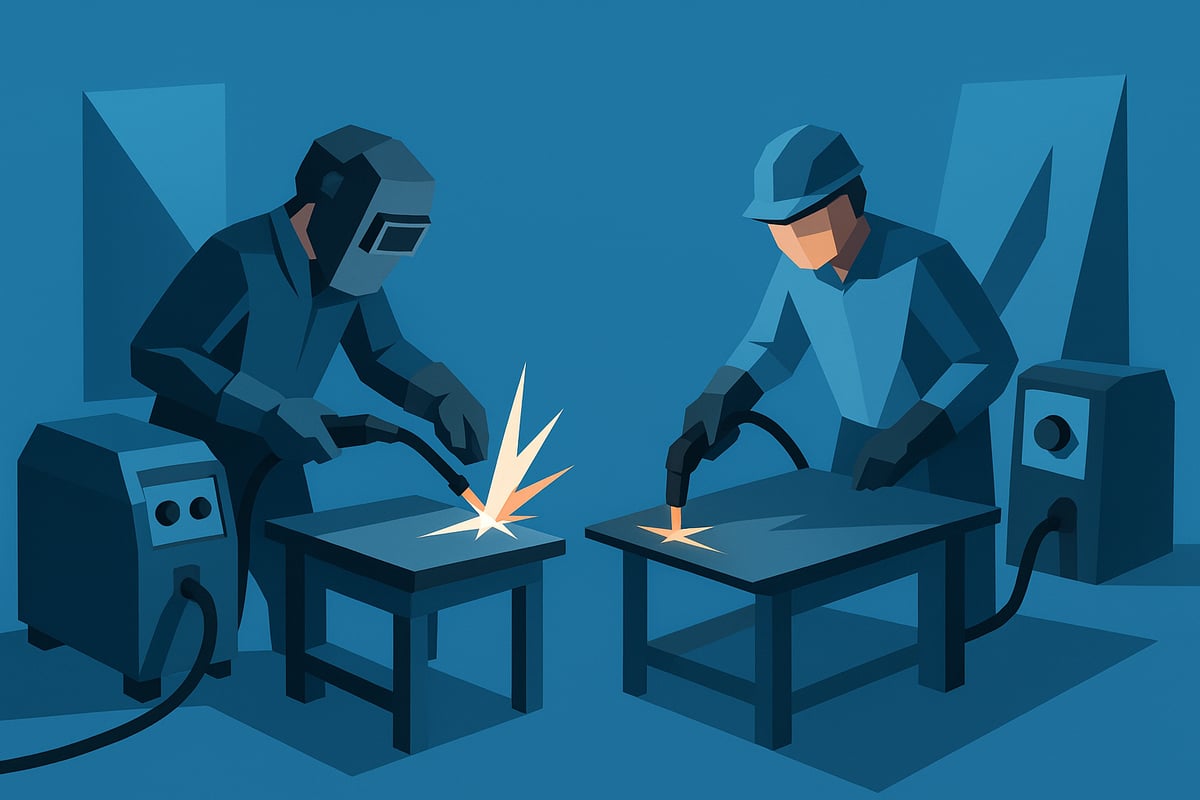
Welding cutting are two fundamental but distinct processes in metalworking. Welding is the technique of joining metals by melting and fusing them, creating a strong, permanent bond. Cutting, on the other hand, separates or shapes metal through heat, pressure, or mechanical means.
A common misconception is that all metal joining is welding, while in reality, some processes like brazing or soldering do not fuse the base metals. For example, oxy-fuel welding uses a flame to join metals, while plasma cutting employs a high-velocity ionized gas to slice through material.
| Process | Purpose | Outcome | Example |
|---|---|---|---|
| Welding | Joining | Permanent bond | Oxy-fuel welding |
| Cutting | Separating | Shaped pieces | Plasma cutting |
Both welding cutting are crucial in fabrication, manufacturing, and metal repair projects.
Types of Welding Techniques
The welding cutting landscape includes a range of welding methods, each suited to specific materials and job requirements. Major types include:
- MIG (Metal Inert Gas): Fast, versatile, ideal for production work and mild steel.
- TIG (Tungsten Inert Gas): Precise, clean welds for stainless steel and aluminum.
- Stick (Shielded Metal Arc): Robust, portable, great for outdoor or field repairs.
- Flux-cored: High deposition rates, excellent for thick materials or dirty surfaces.
- Hybrid methods: Combine traditional techniques with automation for advanced results.
Each technique has strengths and limitations. For example, MIG welding is preferred for pipelines, while TIG is often chosen for critical structural steel. Innovations such as pulsed current technology and synergic controls are influencing welding cutting choices for 2026.
Types of Cutting Techniques
Cutting methods in welding cutting have evolved rapidly, providing options tailored to different materials and project needs. Key techniques include:
- Oxy-fuel: Effective for thick carbon steel, slower but portable.
- Plasma: Fast, precise, suitable for conductive metals and automation.
- Laser: Extremely accurate, ideal for thin materials and intricate shapes.
- Waterjet: Cuts virtually any material without heat distortion.
- Mechanical: Sawing, shearing, or grinding for simple cuts.
Material thickness, speed, and cost are important considerations. For large-scale industrial work, CNC plasma systems offer excellent efficiency and repeatability. Learn more about advanced plasma technology with this Precision CNC Plasma Cutting resource. Technological advances in 2026 continue to improve accuracy, automation, and energy use in welding cutting.
Core Applications in Industry
Welding cutting play a pivotal role across construction, manufacturing, recycling, and oil and gas sectors. These processes are used in:
- Bridge and building construction
- Pipeline installation and maintenance
- Heavy machinery repair
- Custom fabrication for unique industrial needs
According to OSHA, welding-related injuries remain a significant concern, with thousands of incidents reported annually. Skilled operators are vital for maintaining safety and productivity. Whether assembling a steel frame or dismantling obsolete structures, welding cutting expertise ensures project success and operational efficiency.
Essential Tools and Equipment for Welding and Cutting
Mastering welding cutting requires not just skill, but the right equipment and diligent maintenance practices. Whether you work in a fabrication shop or on-site in the field, your choice of tools and protective gear directly impacts efficiency, quality, and safety.
Welding Equipment Overview
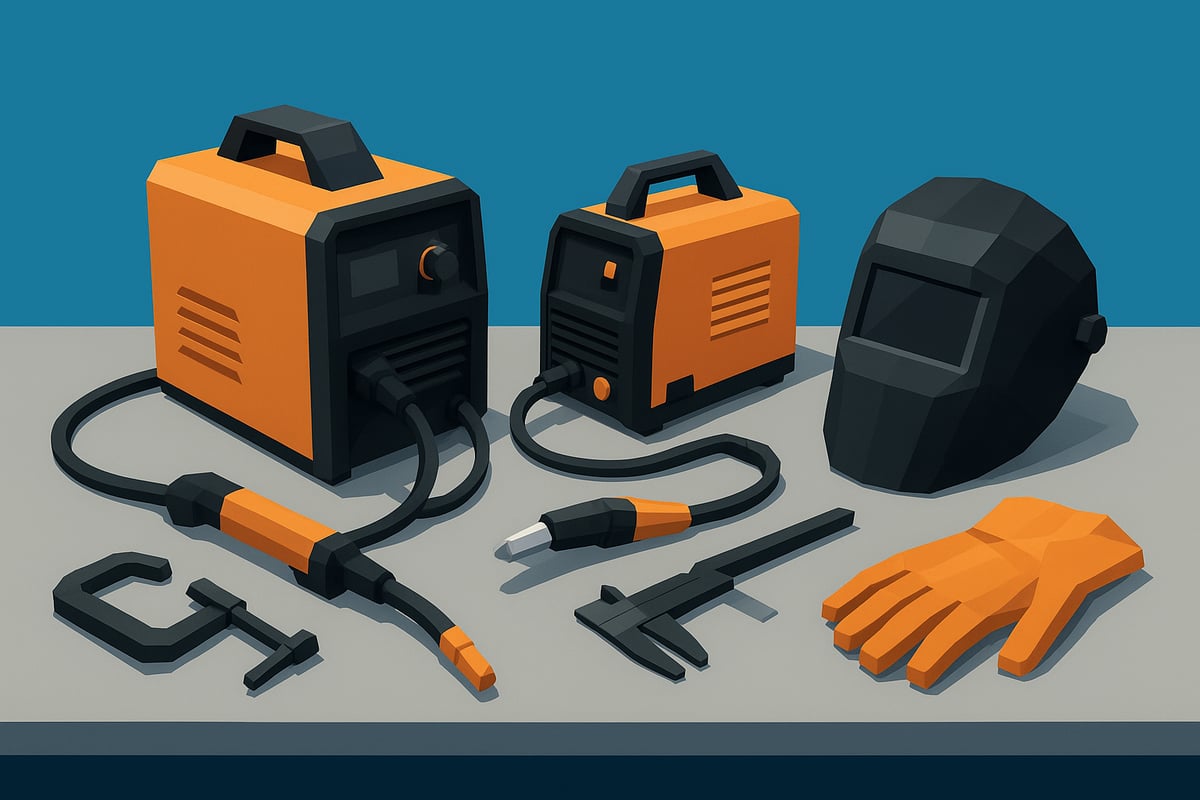
Welding cutting operations start with selecting the right welding machine and power source. Options include transformer-based, inverter, and engine-driven welders, each suited for different job sites. MIG, TIG, Stick, and multiprocess machines offer versatility for various metals and thicknesses.
Essential accessories such as electrodes, torches, and wire feeders ensure consistent results. Proper maintenance, like cleaning wire feeders and inspecting cables, extends equipment life and supports safe operation. When deciding between equipment for field versus shop use, factors like portability and power requirements are key. For a deeper dive into selecting and using these tools, visit the Welding Services Overview resource.
Cutting Equipment Overview
Cutting equipment for welding cutting tasks includes oxy-acetylene torches, plasma cutters, and advanced laser or waterjet systems. Oxy-acetylene torches are valued for their ability to handle thick steel and portability. Plasma cutters offer speed and precision for most metals, while laser and waterjet systems excel in industrial settings needing tight tolerances.
Supporting tools like cutting tables, clamps, and guides help maintain accuracy and repeatability. For thick steel, plasma cutters often outperform oxy-fuel in speed and edge quality, making them a preferred choice in modern fabrication. Selecting the right cutting method depends on material type, thickness, and required finish.
Personal Protective Equipment (PPE)
Safety in welding cutting starts with reliable PPE. Auto-darkening and fixed-shade welding helmets protect eyes from intense light and UV radiation. Heat-resistant gloves and flame-retardant clothing shield workers from sparks and spatter. Respiratory protection, including fume extractors and suitable masks, is essential for minimizing exposure to harmful fumes.
Eye and ear protection meet strict OSHA standards, helping reduce injuries in the workplace. Statistics show that proper PPE use significantly lowers the risk of burns, eye damage, and respiratory issues. Prioritizing PPE is non-negotiable for every welding cutting operation.
Tool Maintenance and Calibration
Regular inspection and calibration are crucial for welding cutting equipment performance. Checking cables, hoses, and connections prevents failures and improves safety. Calibration of welders and cutting machines ensures accurate settings and consistent quality.
Routine cleaning removes debris and prevents wear, while appropriate storage protects tools from damage and corrosion. Poorly maintained equipment can lead to weak welds, rough cuts, and costly rework. Investing in preventive maintenance saves money and extends the lifespan of your welding cutting assets.
Step-by-Step Guide to Welding and Cutting Techniques
Mastering welding cutting requires a systematic approach for consistent, high-quality results. Each phase, from preparation to inspection, plays a crucial role in safety, efficiency, and finished product integrity. This guide walks you through essential steps, best practices, and troubleshooting tips for both welding and cutting processes.

Preparing Materials and Work Area
Preparation is the cornerstone of successful welding cutting. Begin by selecting materials compatible with your chosen process. Check for thickness, alloy, and cleanliness. Clean all surfaces using a wire brush or grinder to remove rust, oil, and paint. Bevel edges if required to promote strong weld penetration or smooth cutting lines.
Set up your workspace with ample ventilation and non-flammable surfaces. Organize tools, clamps, and fixtures to prevent movement during welding cutting. Secure your workpieces tightly using robust clamping systems to minimize distortion. For instance, when prepping steel plates for butt welding, ensure edges are straight, beveled, and firmly fixed. Proper preparation minimizes defects and supports safer, more precise welding cutting projects.
Welding Process: Chronological Steps
A structured welding cutting workflow ensures quality and consistency. Follow these chronological steps:
| Step | Description |
|---|---|
| 1 | Select the appropriate welding process and equipment for your material and joint type. |
| 2 | Set machine parameters: amperage, voltage, wire speed, and shielding gas as needed. |
| 3 | Position workpieces and apply tack welds to hold alignment. |
| 4 | Execute the weld bead using steady travel speed and proper torch/electrode angle. |
| 5 | Inspect welds visually, then clean slag or spatter as required. |
Tips: Maintain consistent distance between torch and workpiece, and adjust travel speed to avoid defects. By following these steps, you streamline welding cutting operations and reduce common errors.
Cutting Process: Chronological Steps
Cutting metals efficiently is vital for welding cutting success. Start by selecting the optimal method: oxy-fuel, plasma, laser, or waterjet, based on material type and thickness. Accurately mark cut lines using layout tools and measure twice before proceeding.
Adjust your cutting machine’s settings for amperage, gas flow, or speed as appropriate for the material. Begin the cut with a steady hand, maintaining a consistent travel speed. Guide the torch or cutter smoothly along the marked path. After cutting, perform finishing steps such as deburring or grinding to remove sharp edges.
For example, when plasma cutting thick steel, ensure correct amperage and gas settings to achieve a clean, dross-free cut. Thoughtful execution at each stage results in safer, more effective welding cutting outcomes.
Common Challenges and Troubleshooting
Even experienced professionals encounter issues during welding cutting. Common welding problems include porosity, cracking, and warping. Cutting may result in rough edges, dross buildup, or excessive kerf width.
Troubleshooting tips:
- Adjust machine settings to match material and thickness.
- Use clean, dry consumables and ensure proper torch angle.
- Slow down or speed up travel as needed to prevent overheating or undercut.
- Check for correct fit-up and clamping to reduce distortion.
Continuous learning is key in welding cutting. If you encounter undercut in MIG welding, for instance, decrease voltage or adjust torch angle. Addressing problems promptly ensures project quality and operator safety.
Quality Control and Inspection Methods
Quality control is essential in welding cutting to meet safety and industry standards. Begin with a thorough visual inspection for cracks, incomplete fusion, or irregular cuts. Use measurement tools such as calipers and gauges to verify joint alignment and cut accuracy.
For critical applications, apply non-destructive testing (NDT) techniques like ultrasonic, dye penetrant, or magnetic particle inspection. Document all inspection results for compliance and traceability. Explore more on Fabrication and Welding Shop Insights to understand how professional shops maintain high standards.
Consistent quality checks reduce rework, lower costs, and boost reliability in welding cutting projects.
Welding and Cutting Safety: Regulations, Risks, and Best Practices
Welding cutting operations are essential for countless industries, but without strict safety measures, these processes can pose significant risks to workers and facilities. Prioritizing safety not only protects employees but also ensures compliance with local and federal regulations. In this section, we explore essential safety standards, hazard management, fire prevention, health protocols, emergency readiness, and how to foster a proactive safety culture in welding cutting environments.
OSHA and Industry Safety Standards
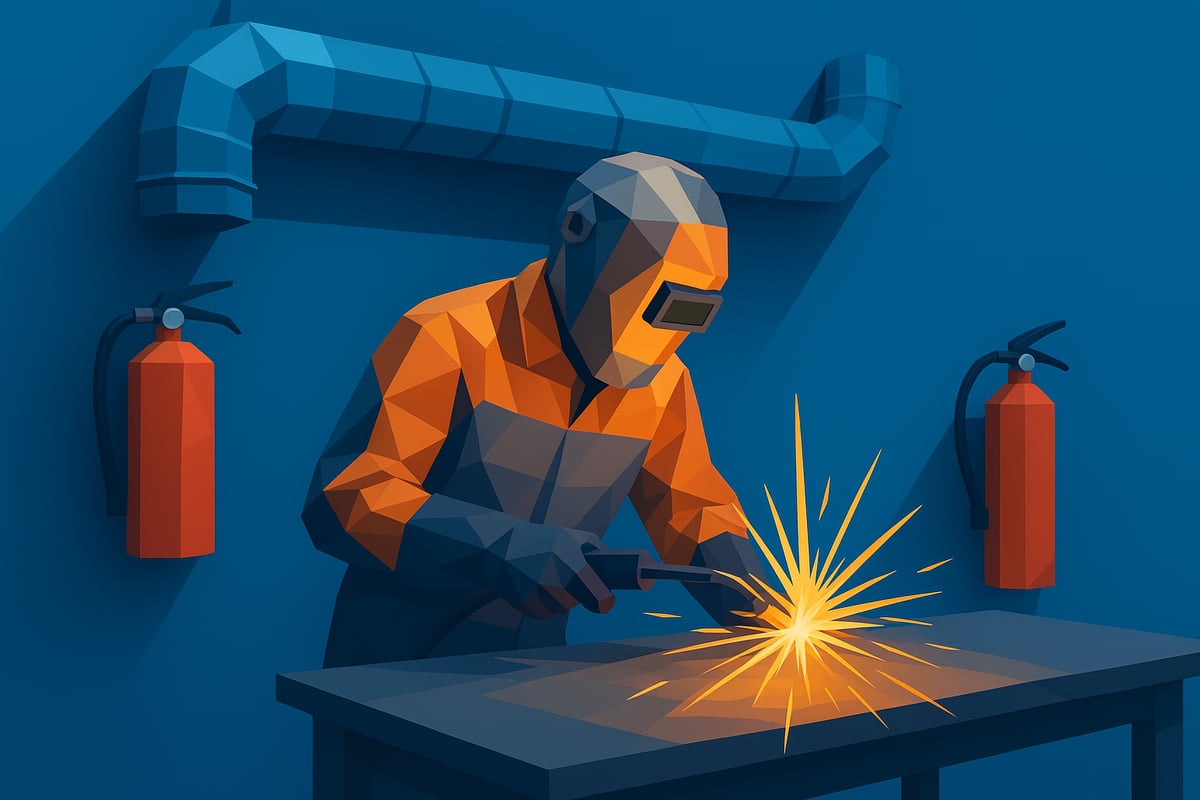
Complying with safety regulations is the foundation of safe welding cutting practices. The Occupational Safety and Health Administration (OSHA) sets clear rules for personal protective equipment, ventilation, fire prevention, and training. Many states also add their own requirements, making it vital for companies to stay updated.
A comparison of key regulatory focus areas:
| Safety Aspect | OSHA Standard | State Additions |
|---|---|---|
| PPE | Mandatory | Varies |
| Ventilation | Required for fumes | Stricter in some |
| Fire Prevention | Hot work permits | Local codes apply |
| Training | Certification advised | May require proof |
For a detailed overview, review the OSHA welding and cutting standards. Regular safety training and certification help reduce the lifetime risk of injury or fatality during welding cutting tasks.
Hazard Identification and Risk Management
Identifying hazards in welding cutting operations is critical for accident prevention. Common risks include:
- Burns from sparks and hot metal
- Eye injuries from UV radiation
- Fume inhalation and respiratory issues
- Fire and explosion hazards
Effective risk management starts with assessing the work environment. Use the hierarchy of controls: eliminate hazards where possible, substitute safer materials, apply engineering controls, and provide PPE. For example, in confined spaces, extra ventilation and fire watch protocols are essential during welding cutting jobs.
Document your risk assessments and update them regularly to reflect changes in materials, equipment, or procedures.
Fire Prevention and Protection
Fire prevention is a top priority in welding cutting due to the constant presence of ignition sources and flammable materials. Safe practices include:
- Proper storage of gas cylinders and flammable substances
- Use of fire blankets and extinguishers within reach
- Assigning a fire watch during hot work
- Issuing hot work permits before starting certain tasks
Manifolding of gas cylinders and maintaining safe piping systems further reduce the risk of accidental fires. For instance, during oxy-fuel cutting, always verify the area is clear of combustible materials and that emergency equipment is operational.
Health Protection: Fume, Ventilation, and Ergonomics
Welding cutting produces hazardous fumes and gases that can impact long-term health. Implementing effective health protection strategies involves:
- Installing local exhaust ventilation and fume extractors
- Providing approved respirators and ensuring proper mask maintenance
- Rotating tasks to reduce repetitive strain and fatigue
- Training workers in ergonomic lifting and positioning
Studies show improved air quality leads to fewer respiratory illnesses among welding cutting professionals. Ergonomic workstations also help minimize musculoskeletal injuries, further supporting a safe work environment.
Emergency Preparedness and Response
Being prepared for emergencies during welding cutting operations saves lives and limits damage. Essential preparedness steps include:
- Stocking first aid kits for burns, eye injuries, and electrical shock
- Training workers in emergency shutdown and evacuation
- Posting clear signage for exits and emergency contacts
- Conducting regular drills for gas leaks or equipment failures
For example, if a gas leak occurs during welding cutting, immediate evacuation and rapid response by trained personnel are critical. Review and update emergency protocols frequently to address new risks.
Building a Safety Culture
A strong safety culture transforms welding cutting workplaces into safer, more productive environments. Leadership commitment is key, supported by:
- Regular safety meetings and site audits
- Ongoing training and feedback sessions
- Encouraging reporting of near-misses and incidents
- Recognizing safe behaviors and continuous improvement
When employees feel empowered and involved, overall accident rates decrease. Proactive safety programs create a cycle of learning and enhancement, ensuring welding cutting operations meet the highest standards.
Innovations and Trends in Welding and Cutting (2026 Outlook)
The landscape of welding cutting is evolving rapidly as industries seek greater efficiency, safety, and precision. In 2026, both professionals and manufacturers are embracing next-generation technologies that reshape how metalwork is performed. This section explores the breakthroughs, digital integration, and workforce trends driving the future of welding cutting.
Advancements in Welding Technology
Welding cutting technology is entering a new era, driven by smart machines and artificial intelligence. Modern welding systems now feature AI-driven parameter adjustment, which automatically tunes settings for optimal weld quality on diverse materials. Robotics are increasingly common, especially for repetitive or high-precision tasks in sectors like automotive manufacturing.
New welding processes and consumables are being developed to address advanced alloys and composites. These innovations help reduce defects and improve productivity, resulting in significant cost savings. According to recent studies, automation in welding cutting can boost output by up to 40 percent. For more on industry applications and real-world impacts, see Industrial Manufacturing Applications.
Cutting-Edge Cutting Methods
Cutting methods are advancing just as swiftly. High-definition plasma and laser cutting systems now deliver exceptional accuracy and speed, making them ideal for industries requiring tight tolerances. Waterjet cutting is gaining popularity for its ability to slice through composites and exotic alloys without heat-affected zones.
Below is a comparison of modern cutting techniques:
| Method | Material Compatibility | Max Thickness | Precision | Typical Use |
|---|---|---|---|---|
| Plasma | Metals | 50 mm | High | Industrial steelwork |
| Laser | Metals, plastics | 25 mm | Very High | Aerospace, electronics |
| Waterjet | Most materials | 150 mm | High | Composites, art |
CNC integration enables complex geometries and repeatability, while energy-efficient systems reduce waste, aligning with sustainability goals in welding cutting.
Digitalization and Industry 4.0 Integration
Digital transformation is revolutionizing welding cutting workflows. IoT-enabled equipment now allows for real-time monitoring, diagnostics, and remote parameter adjustments. This data-driven approach increases uptime and helps identify maintenance needs before failures occur.
Cloud-based job tracking and automated quality control streamline project management. Predictive maintenance, powered by analytics, minimizes downtime and maximizes equipment lifespan. Remote monitoring of welding cutting parameters ensures consistency and reduces human error, boosting overall workflow efficiency.
Workforce Development and Skills Training
As welding cutting technology evolves, so does the demand for skilled professionals. There is a growing need for certified welders and cutters who are adept with both traditional methods and new automated systems. Online and VR-based training programs are making upskilling more accessible.
Industry partnerships with technical schools and associations are addressing projected workforce shortages. Training now emphasizes automation, robotics, and advanced material handling. By investing in continuous education, professionals stay competitive and ensure the highest standards in welding cutting projects.
Expert Tips, Best Practices, and Resources
Pro Tips for Professional Results
Achieving excellence in welding cutting starts with proper setup and meticulous planning. Always review project specifications and select the right process for your materials. Mastering torch and electrode control is essential, as steady hands and consistent movement prevent common defects.
Minimizing distortion is crucial, especially in thin metals. Use staggered welds and controlled heat input to keep parts true. Organize your workflow by laying out tools, prepping joints, and securing workpieces before striking an arc.
For stainless steel, try back-purging with inert gas to ensure weld purity. Consistent practice and attention to detail will elevate your welding cutting results.
Maintenance and Longevity of Welded/Cut Structures
Regular inspection schedules are vital for ensuring the durability of any welded or cut structure. Preventive maintenance checks can catch early signs of fatigue or corrosion, extending the lifespan of your work. Applying protective coatings, paints, or galvanizing treatments shields metal surfaces from environmental damage.
Address repairs promptly to avoid minor flaws becoming structural failures. For outdoor projects, document all maintenance activities for warranty and compliance purposes. Properly maintained welding cutting jobs significantly reduce long-term costs and safety risks.
Resources for Continued Learning
Continuous improvement is key in the welding cutting field. Join professional groups such as AWS and ASME to access technical resources and network with industry peers. Invest in hands-on workshops and online certifications to keep your skills current.
Consider enrolling in a Welding, cutting, and brazing safety course to stay aligned with OSHA standards and best safety practices. Explore technical manuals, forums, and manufacturer guides for troubleshooting tips. Ongoing education ensures you adapt to evolving technologies in welding cutting.
Choosing the Right Service Partner
Selecting the best partner for welding cutting projects involves careful evaluation. Assess their experience, certifications, and safety record. Field and shop capabilities often determine if a provider can meet your project’s unique needs.
Request detailed quotes and review client testimonials for insight into reliability and quality. Examine portfolios to see past results. Regional specialists like LTJ Industrial Services offer proven expertise, advanced equipment, and a commitment to safe, efficient welding cutting solutions.
As you’ve seen throughout this guide, mastering welding and cutting isn’t just about using the right techniques—it’s about combining expertise, innovation, and strict safety standards to keep your projects on track. Whether you’re tackling repairs in the field or large-scale fabrication in the shop, having a reliable partner can make all the difference. If you want to ensure your next project benefits from high-quality craftsmanship and proven industry experience, let’s connect. You can take the next step toward safer, more efficient operations by Request a Quote.