
Choosing the right shop welders in 2026 is crucial for boosting productivity, ensuring safety, and achieving high-quality results in any workshop environment. With rapid advancements in welding technology, today’s machines offer smarter features and greater versatility than ever before.
This guide is designed to help shops of all sizes navigate the evolving landscape of shop welders. Whether you run a fabrication business, manage industrial repairs, or tackle DIY projects, selecting the right equipment makes all the difference.
We will highlight seven top-rated shop welders that stand out for their performance, reliability, and suitability across various industries. Discover current trends, expert recommendations, and actionable insights to help you make the best choice for your workshop.
Key Factors to Consider When Choosing a Shop Welder
Selecting the right shop welders in 2026 means balancing performance, flexibility, and cost. With technology evolving rapidly, workshops must weigh several crucial factors to ensure productivity and long-term satisfaction.
Welding Processes and Versatility
The first consideration is which welding processes your shop welders need to support. MIG, TIG, and Stick remain the most common, while multi-process machines combine these capabilities in one unit. This flexibility is essential for shops tackling a variety of projects, from light repairs to custom fabrication.
Multi-process shop welders save both space and investment, letting teams switch between tasks without swapping machines. However, single-process units can offer more specialized performance for dedicated tasks. For a deeper dive into process choices and shop planning, Fabrication Welding Shop Insights offers detailed guidance.
- Multi-process: Space-saving, adaptable, but may have a steeper learning curve.
- Single-process: Simpler controls, often more robust for one process, but less flexible.
Weigh your typical workload and future needs before deciding which approach is best for your operation.
Power Requirements and Performance
Shop welders must match your facility’s electrical capabilities and project demands. Input voltage options include 120V, 240V, and dual-voltage models, each affecting portability and power.
Duty cycle describes how long a welder can operate in a 10-minute span before needing to cool down. Higher duty cycles mean more continuous work. Amperage output determines which material thicknesses you can handle. Always align your shop welders’ power specs with the thickest and most frequent materials in your workflow.
User Interface and Ease of Use
Modern shop welders feature intuitive digital interfaces, making setup and adjustments straightforward. Look for models with clear displays, synergic settings that auto-adjust parameters, and memory presets to save favorite configurations.
These features reduce setup time and error, especially for teams with varying skill levels. Beginners benefit from guided controls, while professionals appreciate the speed and precision.
Portability and Build Quality
Depending on your workspace and job sites, portability may be critical. Compact, lightweight shop welders are easier to move between bays or take on the road. However, durability remains key for industrial settings.
Seek models with reinforced frames and robust construction. Some shop welders are engineered specifically for heavy-duty environments, resisting impact and wear over years of use. Consider the balance between weight, size, and ruggedness for your specific needs.
Safety Features and Reliability
Safety should never be overlooked. Top-tier shop welders include thermal overload protection to prevent overheating and voltage fluctuation safeguards to shield sensitive electronics.
Consistent arc stability and reliable ignition minimize defects and rework. Manufacturer warranties and responsive after-sales support add peace of mind, ensuring long-term reliability for your shop welders investment.
Budget and Long-Term Value
Shop welders are available at various price points, from entry-level to premium models. Consider not only the upfront cost but also expenses for consumables, replacement parts, and accessories.
- Entry-level: Lower cost, basic features, best for light use.
- Mid-range: Balance of features and durability, suitable for most shops.
- Premium: Advanced controls, longer warranties, ideal for demanding environments.
Evaluate the total cost of ownership for shop welders, including maintenance and downtime, to make the most cost-effective choice for your workshop.
Top 7 Shop Welders for Every Workshop in 2026
Selecting the best shop welders for your workshop in 2026 means balancing technology, versatility, and reliability. Modern shop welders now offer advanced interfaces, safety features, and power options for every type of user. Below, we break down the top seven shop welders, each tailored for different industries and applications, to help you make an informed, future-proof investment.
1. PrimeWeld MIG285 285-Amp MIG Welder
The PrimeWeld MIG285 sets a new standard for shop welders in 2026. Priced at $999, it delivers MIG, flux-cored, Lift TIG, and Stick welding in one robust package. With a maximum output of 285 amps, it handles thick steel, stainless, and aluminum with confidence.
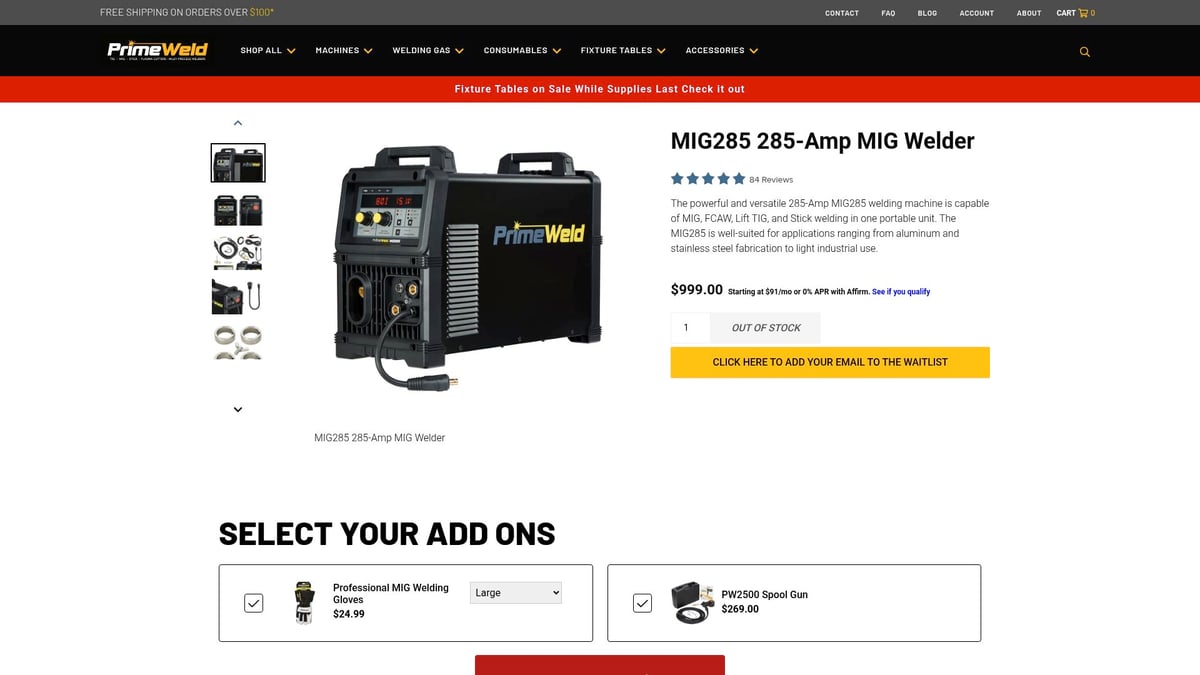
Its 3-in-1 versatility makes it a favorite among fabrication shops and DIYers. The intuitive interface allows users to switch processes quickly, while a rugged, portable design ensures the welder stands up to daily shop demands. The reinforced frame adds durability, making it suitable for both stationary and mobile setups.
Key Features:
- MIG, FCAW, Lift TIG, and Stick functionality
- 285A output for heavy-duty projects
- User-friendly digital controls
- 3-year manufacturer warranty
Pros:
- High amperage and process flexibility
- Compact, portable, yet sturdy
- Excellent value for power and features
Cons:
- Heavier than some compact shop welders
- May require a learning curve for beginners
Shops needing a single machine to tackle a range of metals and thicknesses will appreciate the PrimeWeld MIG285’s adaptability. It’s a reliable choice for any workshop seeking to future-proof their welding capabilities.
2. Miller Multimatic 215 Multiprocess Welder
The Miller Multimatic 215 is a professional-grade solution for shop welders who demand reliability and advanced features. With a price tag of approximately $1,799, it supports MIG, TIG, and Stick processes. The Auto-Set Elite technology and color LCD interface streamline setup, making it easy for users to switch between welding modes.
This welder’s lightweight design adds portability without sacrificing performance. Dual-voltage capability lets you plug into 120V or 240V outlets, providing flexibility for different workshop environments. The intuitive controls and robust build quality make it popular in automotive repair and light manufacturing settings.
Key Features:
- MIG, TIG, and Stick compatibility
- Color LCD interface with advanced settings
- Multi-voltage plug for 120V/240V operation
- Auto-Set Elite for simplified adjustments
Pros:
- Reliable Miller construction
- Easy process switching
- Lightweight for its class
Cons:
- Higher price point than some shop welders
- TIG torch sold separately
Whether you’re outfitting a professional shop or a technical training center, the Multimatic 215 stands out for its blend of usability and advanced features.
3. ESAB Rebel EMP 205ic AC/DC Multi-Process Welder
The ESAB Rebel EMP 205ic is a powerhouse among shop welders, offering MIG, flux-cored, DC/AC TIG, and Stick processes. Priced at about $2,499, it features Smart MIG technology for adaptive arc control, and its AC TIG capability makes it a top choice for aluminum fabrication.
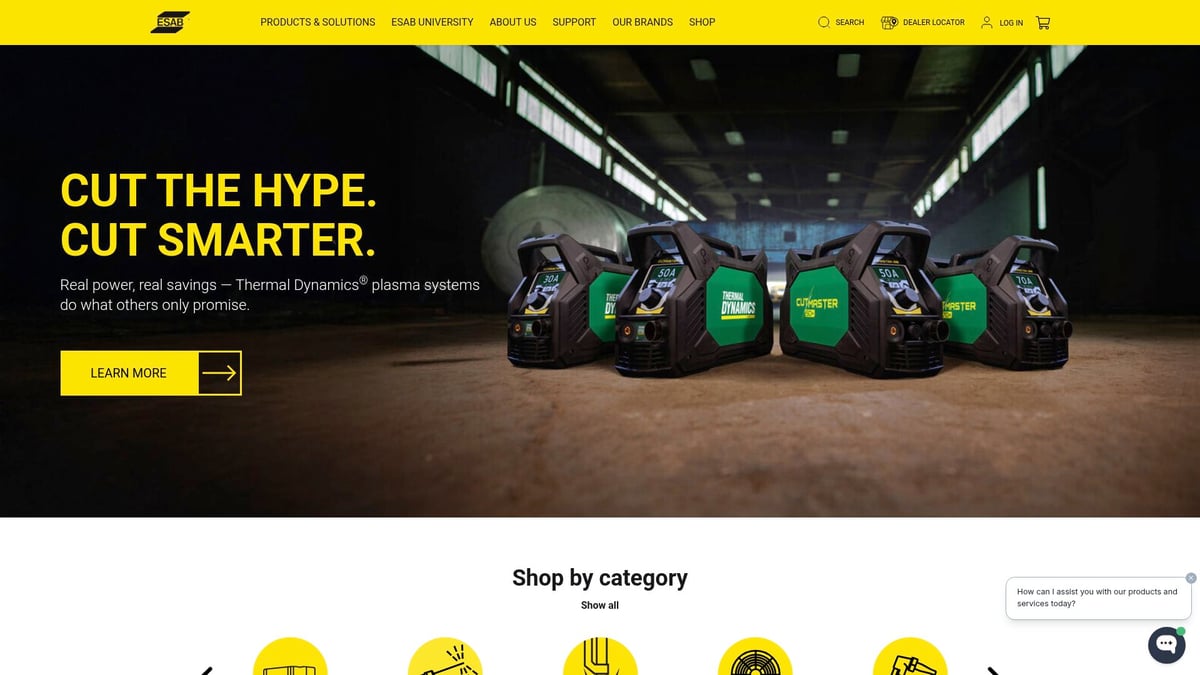
A rugged, compact chassis ensures portability, while the touchscreen interface provides precise control over welding parameters. This welder is especially valued in fabrication shops, metal art studios, and industrial maintenance departments.
Key Features:
- MIG, FCAW, AC/DC TIG, and Stick support
- Smart MIG technology for arc optimization
- AC TIG for aluminum and specialty metals
- Touchscreen interface for advanced control
Pros:
- True AC/DC TIG versatility
- Portable yet robust
- Suited for demanding, multi-material work
Cons:
- Premium price segment
- Advanced features require some learning
Custom metalworkers and maintenance pros praise the Rebel EMP 205ic for its adaptability and consistent performance, especially when working with diverse alloys.
4. Lincoln Electric Power MIG 210 MP
The Lincoln Electric Power MIG 210 MP is a compact, multi-process welder ideal for small to medium workshops and field contractors. With a price around $1,299, it delivers MIG, Stick, TIG, and flux-cored capabilities, along with dual voltage operation for maximum flexibility.
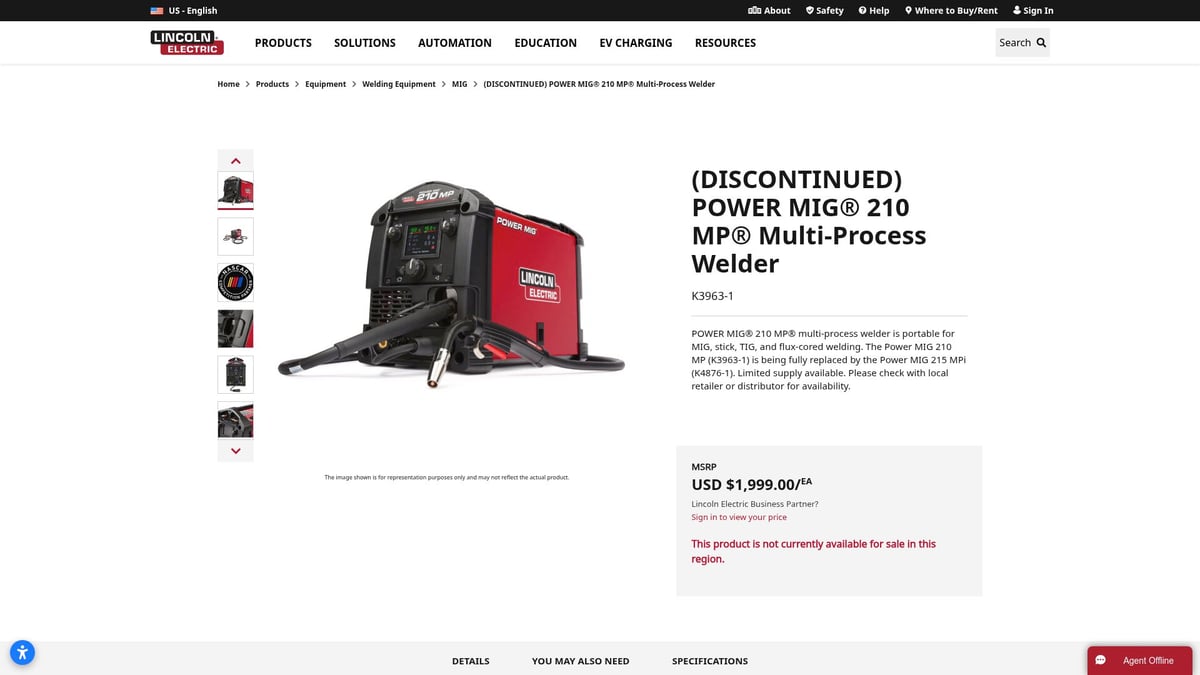
Push-and-turn digital controls and a color display make setup straightforward, even for less experienced users. The lightweight frame and carry handle allow for easy transport between job sites and shop floors.
Key Features:
- MIG, Stick, TIG, and flux-cored processes
- Dual voltage (120V/230V) input
- Digital interface with color screen
- Portable, compact design
Pros:
- User-friendly controls
- Multi-process versatility
- Lightweight and portable
Cons:
- TIG torch and foot pedal sold separately
- Lower maximum output than some heavy-duty shop welders
Repair shops and service trucks frequently rely on the Power MIG 210 MP for its balance of portability and multi-process performance, making it a trusted tool in the field.
5. Hobart Handler 210MVP MIG Welder
The Hobart Handler 210MVP stands out among shop welders for its simplicity and robust performance. At approximately $1,099, it delivers MIG and flux-cored welding with a maximum output of 210 amps. Dual voltage input (115V/230V) allows quick adaptation to different power sources.
Setup is truly plug-and-play, with straightforward controls and a reputation for reliable arc quality. The durable construction and excellent customer support make this welder popular among general fabricators, farm shops, and maintenance crews.
Key Features:
- MIG and flux-cored processes
- 210A output for moderate to heavy work
- Dual voltage (115V/230V) flexibility
- Easy-to-use interface
Pros:
- Rugged and durable build
- Fast voltage switching
- Consistently smooth welds
Cons:
- Limited to MIG and flux-cored processes
- Less versatile than multi-process shop welders
Small manufacturers and agricultural repair shops trust the Handler 210MVP for its longevity and dependable performance. For those focused on MIG work, it remains a top contender.
6. Everlast PowerMTS 251Si Multi-Process Welder
The Everlast PowerMTS 251Si offers a feature-rich option for shop welders seeking high performance at a competitive price. At about $1,299, it supports MIG, Stick, and DC TIG with synergic controls and a clear digital display. Its 250A output covers a wide range of fabrication needs.
Programmable settings and memory presets enhance workflow, while the compact form factor suits both shop and mobile use. Although Everlast is a less established brand, its growing reputation for value is attracting budget-conscious professionals.
Key Features:
- MIG, Stick, and DC TIG processes
- 250A output for various applications
- Digital synergic controls for ease of use
- Programmable memory for frequently used settings
Pros:
- High amperage at a reasonable price
- Advanced features in a compact unit
- Strong value for small manufacturers
Cons:
- No AC TIG for aluminum
- Brand recognition still developing
Fabrication shops and advanced hobbyists appreciate the PowerMTS 251Si for its flexibility and cost-effectiveness, especially when maximizing shop welders’ capabilities on a budget.
7. Forney Easy Weld 261 140 FC-i MIG Welder
For those new to welding or needing a portable solution, the Forney Easy Weld 261 140 FC-i offers simplicity and affordability. Priced around $299, this flux-cored only welder provides 140A output and weighs just 19 pounds, making it one of the most portable shop welders available.
Easy-to-use controls and a compact frame cater to home workshops, light repairs, or on-site quick fixes. While limited to flux-cored welding, its reliability and low cost make it a frequent recommendation for first-time welders.
Key Features:
- Flux-cored only, 140A output
- Weighs just 19 lbs for ultimate portability
- Simple interface, ready to use out of the box
Pros:
- Extremely lightweight and portable
- Affordable entry point for shop welders
- Ideal for beginners and quick repairs
Cons:
- No gas MIG option
- Not suited for heavy-duty or multi-process tasks
Mobile repair techs and hobbyists choose the Easy Weld 261 for its convenience and ease of use. For occasional or light-duty needs, it is a practical addition to any collection of shop welders.
Quick Comparison Table
| Model | Processes | Max Amps | Voltage | Weight | Price | Best For |
|---|---|---|---|---|---|---|
| PrimeWeld MIG285 | MIG, FCAW, TIG, Stick | 285 | 120/240V | Moderate | $999 | Versatility, heavy material |
| Miller Multimatic 215 | MIG, TIG, Stick | 230 | 120/240V | Light | $1,799 | Professional, mobile |
| ESAB Rebel EMP 205ic AC/DC | MIG, FCAW, AC/DC TIG, Stick | 205 | 120/230V | Light | $2,499 | Advanced, aluminum |
| Lincoln Power MIG 210 MP | MIG, TIG, Stick, FCAW | 210 | 120/230V | Light | $1,299 | Small shops, contractors |
| Hobart Handler 210MVP | MIG, FCAW | 210 | 115/230V | Moderate | $1,099 | General fabrication |
| Everlast PowerMTS 251Si | MIG, TIG (DC), Stick | 250 | 120/240V | Compact | $1,299 | Budget-conscious, versatile |
| Forney Easy Weld 261 140 FC-i | FCAW | 140 | 120V | Ultra-light | $299 | Beginners, mobile repairs |
For a deeper dive into quality standards and what makes a welder suitable for industrial applications, explore Quality Welders for Industry.
Each of these shop welders meets the needs of today’s workshops, from entry-level repairs to advanced fabrication. By carefully considering your materials, power requirements, and future growth, you can select a shop welder that elevates productivity and supports your business in 2026.
Essential Accessories and Safety Gear for Shop Welders
Outfitting your workspace with the right accessories and safety gear is essential for maximizing the performance and longevity of shop welders. From efficient tools to protective equipment, these essentials support both productivity and safety every day.
Must-Have Welding Accessories
To get the most from shop welders, invest in high-quality accessories. Welding carts make transport and storage efficient, while spool guns are invaluable for aluminum work. Wire feeders and durable cables prevent downtime from malfunctions.
- Welding carts for mobility and organization
- Spool guns for aluminum welding
- Heavy-duty wire feeders for consistent wire delivery
- Quality cables, clamps, and connectors for reliable performance
Upgrading to a spool gun can transform how your shop welders handle non-ferrous metals, improving weld quality and efficiency.
Personal Protective Equipment (PPE)
Safety is non-negotiable in any welding environment. Essential PPE includes auto-darkening helmets, fire-resistant gloves, jackets, and sturdy boots. Each piece guards against burns, UV exposure, and electrical hazards.
- Auto-darkening welding helmets for eye protection
- Flame-resistant gloves, jackets, and aprons
- Steel-toed boots for foot safety
- Ear protection in noisy environments
Data shows that over 60 percent of welding injuries are preventable with proper PPE, making it a crucial investment for any shop.
Fume Extraction and Ventilation
Proper air quality is critical when operating shop welders. Fume extractors, portable fans, and robust shop ventilation systems help remove harmful particles and gases. Following OSHA Welding Safety Standards ensures compliance and protects worker health.
- Fume extraction arms for targeted removal
- Portable fans to improve airflow
- Shop-wide ventilation systems for continuous air exchange
Industrial shops often install extraction arms above welding stations as an effective solution.
Maintenance Tools and Consumables
Maintaining shop welders requires specialized tools and consumables. Nozzle gel and anti-spatter spray prevent buildup, while tip cleaners and replacement liners extend torch life.
- Nozzle gel and anti-spatter spray for cleaner welds
- Tip cleaners to maintain consistent arcs
- Replacement liners for wire feed systems
- Organizers for storing consumables efficiently
Regular upkeep not only extends the life of shop welders but also enhances overall productivity.
Shop Welder Maintenance & Troubleshooting Tips
Keeping shop welders in peak condition is essential for consistent results, operator safety, and long-term value. Regular maintenance, prompt troubleshooting, and smart upgrades help prevent downtime and extend the life of your investment. Explore these best practices to keep your equipment running smoothly.
Routine Maintenance Best Practices
Routine care is crucial for shop welders. Start by cleaning the wire feed mechanism and torch tips after each use to prevent buildup. Inspect gas lines and connections regularly, ensuring there are no leaks. Follow the manufacturer's recommended maintenance schedule to keep all components in optimal condition.
Additional best practices include:
- Checking and tightening electrical connections
- Replacing worn or damaged consumables promptly
- Storing cables and hoses neatly to avoid damage
Consistent attention to these details will help your shop welders deliver reliable performance on every project.
Troubleshooting Common Issues
Even well-maintained shop welders can experience issues like poor arc starts, irregular wire feeding, or inconsistent welds. Begin troubleshooting by verifying power supply, electrode condition, and wire tension. If overheating or frequent tripped breakers occur, allow the machine to cool and check ventilation.
For persistent or complex issues, consulting professionals can save time and protect your investment. Companies offering Welding and Fabrication Services can diagnose and repair advanced problems efficiently.
Quick fixes for common problems:
- Clean or replace contact tips for better arc starts
- Adjust drive roll tension for smooth wire feed
- Inspect ground clamps for secure connections
Maximizing Welder Lifespan
To get the most from your shop welders, prioritize proper storage and protection. Store machines in dry, dust-free environments, and cover them when not in use. Schedule regular calibration for digital models and update software as recommended.
Annual maintenance checks can reduce unexpected breakdowns by up to 40 percent. Keep consumables organized and replace them before they cause performance issues. By following these steps, you ensure your shop welders remain dependable assets for years.
Upgrading and Retrofitting Older Welders
Modernizing older shop welders can enhance performance and safety. Consider adding digital controls, spool guns, or updated torches to improve usability. Evaluate whether upgrades offer better value than replacing the machine, especially if you need compatibility with new processes or materials.
When retrofitting, always verify that changes meet current safety standards. Upgrades can extend the service life of your shop welders, making them suitable for evolving workshop needs and helping you keep pace with industry advancements.
Frequently Asked Questions
Choosing the right shop welders can be complex, especially with evolving technology and diverse workshop needs. Here are answers to the most common questions professionals ask when selecting and operating shop welders.
-
What key factors should I consider before purchasing shop welders?
Consider welding processes, power requirements, duty cycle, workspace, and safety features to match your specific projects. -
How do I know which welding process is best for my application?
MIG is versatile for most metals, TIG is preferred for precise work, and Stick is ideal for outdoor or structural jobs. -
Can shop welders handle both aluminum and stainless steel?
Yes, many modern shop welders support these materials with the right settings and accessories. For specialized applications, see Aluminum and Stainless Steel Welding. -
What power supply do shop welders require?
Check if your workspace supports 120V, 240V, or dual-voltage input, as this impacts the materials and thickness you can work with. -
What safety gear is essential for welding shops?
Always use an auto-darkening helmet, gloves, fire-resistant clothing, and ensure proper ventilation. -
Are multi-process shop welders worth the investment?
For workshops handling a range of projects, multi-process welders offer flexibility and long-term value. -
How often should I maintain my machine?
Regular cleaning and inspection, following manufacturer guidelines, keeps shop welders running smoothly and extends lifespan. -
Can older shop welders be upgraded with new accessories?
Many can be enhanced with digital controls, spool guns, or torches, but weigh upgrade costs against a new purchase. -
Where can I find professional support for welding, fabrication, or machining?
Contact LTJ Industrial Services for expert solutions tailored to your shop’s needs.
After exploring the top shop welders for 2026 and what to look for when upgrading your workshop, you may be considering the next steps to equip your team for success. Choosing the right welder is just the beginning—having reliable support and expert service can make all the difference for your business. At LTJ Industrial Services, we understand your unique needs in metal fabrication, machining, and custom welding. If you’re ready to discuss tailored solutions or need guidance on selecting the best equipment, I invite you to [Request a Quote](https://www.ltjindustrial.com/contact_us/. Let’s work together to help your workshop reach new heights.