
The manufacturing field continues to undergo remarkable transformation as companies adapt to technological advancements, workforce dynamics, and evolving market demands. From automation and artificial intelligence to skilled labor shortages and supply chain resilience, manufacturers across the Western United States face both unprecedented challenges and opportunities. Understanding these trends is essential for businesses in the commercial and industrial sectors, particularly those serving recycling, aggregate, and oil & gas industries. Companies that successfully navigate these changes will maintain competitive advantages while delivering superior value to their customers.
Digital Transformation Reshaping the Manufacturing Field
The manufacturing field has entered a new era defined by digital technologies that fundamentally change how products are designed, produced, and delivered. Industry 4.0 initiatives have moved from experimental projects to mainstream implementation, with manufacturers investing heavily in smart factory infrastructure.
According to the manufacturing industry outlook for 2025, digital transformation remains a top priority as companies seek to optimize operations and improve decision-making capabilities. This shift encompasses everything from Internet of Things (IoT) sensors on production equipment to cloud-based enterprise resource planning systems.
Integration of Artificial Intelligence and Machine Learning
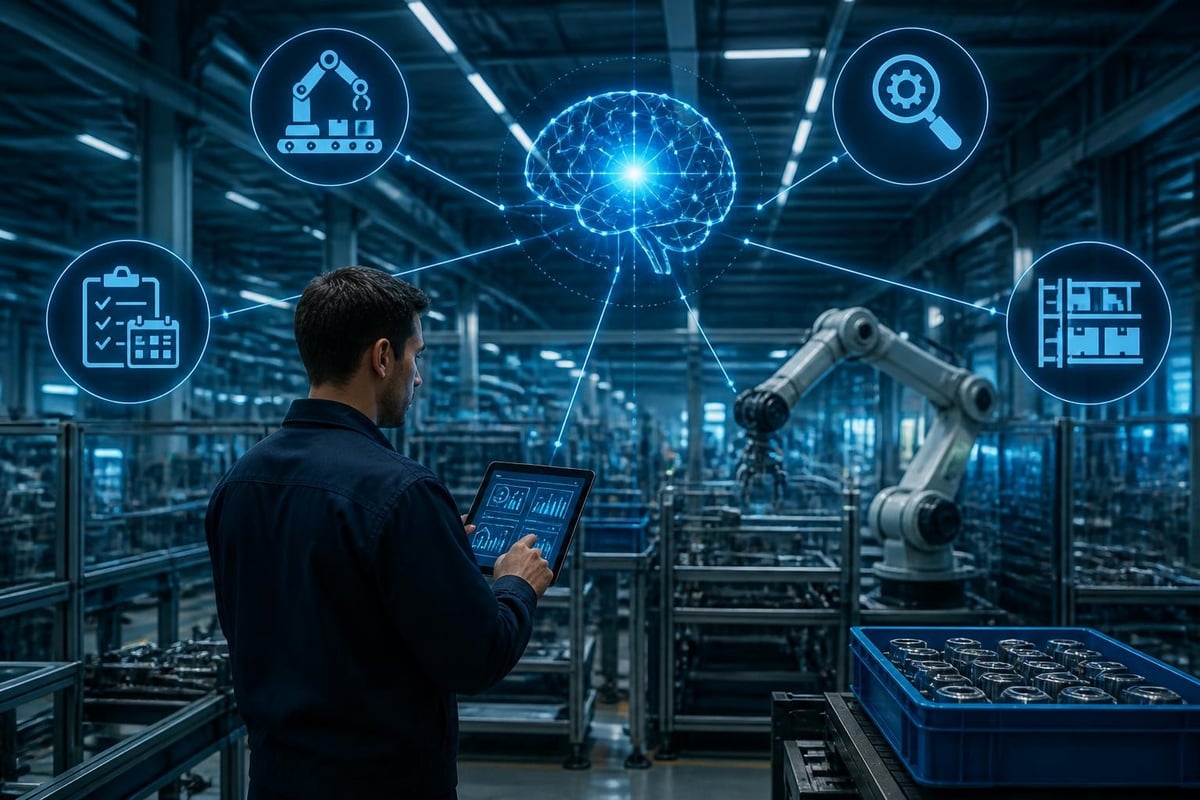
Artificial intelligence has emerged as a critical component in modern manufacturing operations. Predictive maintenance systems now analyze equipment data to prevent costly breakdowns before they occur, while machine learning algorithms optimize production schedules and quality control processes.
Five ways manufacturers can embark on their AI journey include:
- Leveraging existing operational data to identify improvement opportunities
- Implementing targeted technology upgrades rather than complete system overhauls
- Focusing on high-impact use cases that deliver immediate return on investment
- Building internal expertise through training and strategic partnerships
- Establishing clear metrics to measure AI implementation success
For businesses specializing in metal fabrication services, AI-powered systems can enhance precision cutting, welding parameter optimization, and material waste reduction.
Data Convergence and Real-Time Analytics
The manufacturing field increasingly relies on data convergence, where information from disparate systems flows seamlessly across organizational boundaries. 2025 manufacturing predictions highlight how this integration enables real-time visibility into operations, from raw material procurement through final product delivery.
Manufacturers now combine data from:
- Production equipment sensors and monitoring systems
- Supply chain management platforms
- Quality assurance and testing protocols
- Customer relationship management databases
- Financial and accounting software
This comprehensive approach allows companies to identify bottlenecks, reduce lead times, and respond rapidly to customer demands.
Workforce Challenges in the Manufacturing Field
The manufacturing field faces persistent workforce challenges that threaten production capacity and growth potential. Skilled labor shortages have reached critical levels in many regions, with experienced machinists, welders, and fabricators nearing retirement age.
| Challenge | Impact | Potential Solutions |
|---|---|---|
| Aging workforce | Knowledge loss, capacity reduction | Mentorship programs, knowledge transfer systems |
| Skills gap | Quality issues, slower production | Advanced training, apprenticeships |
| Competition for talent | Higher labor costs, recruitment difficulty | Competitive benefits, career development paths |
| Perception issues | Limited applicant pool | Industry advocacy, community engagement |
Manufacturing workforce challenges have forced companies to rethink traditional hiring strategies and explore alternative workforce models.
Building Skilled Workforce Capabilities
Companies that invest in workforce development create competitive advantages while addressing labor shortages. Partnerships with technical schools, apprenticeship programs, and on-the-job training initiatives help develop the next generation of manufacturing professionals.
Businesses seeking skilled welders and fabricators must offer comprehensive development programs that include:
- Certification support for specialized welding processes
- Hands-on training with advanced equipment and technologies
- Mentorship from experienced craftspeople
- Clear career progression pathways
- Competitive compensation packages
Automation as a Workforce Complement
Rather than replacing human workers, automation in the manufacturing field increasingly serves as a complement to skilled labor. Collaborative robots (cobots) handle repetitive tasks while allowing human operators to focus on complex problem-solving and quality oversight.
This approach proves particularly valuable for industrial fabrication services where custom projects require both precision automation and craftsman expertise. Automated cutting and forming equipment enhances consistency, while skilled fabricators perform final assembly and quality verification.
Supply Chain Resilience and Operational Efficiency
Global disruptions over recent years have fundamentally changed how the manufacturing field approaches supply chain management. Companies now prioritize resilience alongside traditional cost optimization, building redundancy and flexibility into procurement strategies.
Nearshoring and Regional Manufacturing Networks
The trend toward nearshoring has accelerated as manufacturers seek to reduce dependence on distant suppliers. Regional manufacturing networks throughout the Western United States have expanded, creating opportunities for local service providers.
This shift benefits companies offering metal processing capabilities in strategic locations. Manufacturers increasingly value proximity to service providers who can respond quickly to equipment failures, production modifications, and emergency repairs.

Technology Adoption Across Manufacturing Segments
Different manufacturing segments adopt technology at varying rates based on industry-specific requirements and capital availability. However, common themes emerge across all sectors within the manufacturing field.
Advanced Manufacturing Technologies
Key technologies reshaping operations include:
- Additive manufacturing: 3D printing for rapid prototyping and low-volume production
- Industrial IoT: Connected sensors providing real-time equipment monitoring
- Augmented reality: AR-guided maintenance and assembly procedures
- Advanced robotics: Flexible automation systems handling variable products
- Cloud computing: Scalable infrastructure supporting data-intensive applications
Companies serving the oil & gas industries must stay current with these technologies as clients increasingly expect suppliers to leverage advanced capabilities.
Implementation Strategies for Small and Medium Manufacturers
While large corporations command substantial technology budgets, small and medium manufacturers in the manufacturing field must approach digital transformation strategically. Focusing on incremental improvements delivers value without overwhelming resources.
Successful implementation strategies include:
- Conducting thorough needs assessments to identify priority areas
- Starting with pilot projects that demonstrate clear ROI
- Leveraging vendor partnerships for expertise and support
- Training existing staff rather than complete workforce replacement
- Scaling successful initiatives across additional operations
Sustainability and Environmental Responsibility
Environmental considerations have moved from optional corporate social responsibility initiatives to essential business requirements in the manufacturing field. Customers, regulators, and investors increasingly demand sustainable practices throughout the production cycle.
Energy Efficiency and Emissions Reduction
Manufacturers invest in energy-efficient equipment, renewable energy sources, and process optimization to reduce environmental footprints. These initiatives often deliver dual benefits: lower operating costs and improved environmental performance.
Custom metal fabrication operations can enhance sustainability through:
- High-efficiency welding equipment reducing energy consumption
- Material optimization minimizing scrap and waste
- Recycling programs for metal remnants
- Water conservation in cooling and cleaning processes
- LED lighting and HVAC upgrades in facilities
Circular Economy Principles
The manufacturing field increasingly embraces circular economy concepts where products, components, and materials maintain utility and value. This approach reduces raw material consumption while creating new business opportunities in refurbishment, remanufacturing, and recycling.
Companies offering industrial machinery refurbishment and maintenance services play crucial roles in extending equipment lifecycles and supporting sustainability goals.
Customization and Flexible Manufacturing
Customer expectations for customized products continue to rise across the manufacturing field. Mass customization capabilities, once limited to high-volume consumer goods, now extend to industrial and commercial applications.
| Traditional Manufacturing | Flexible Manufacturing |
|---|---|
| Long production runs | Variable batch sizes |
| Standardized products | Customized configurations |
| Rigid changeover processes | Quick-change tooling |
| Limited variation | Extensive option sets |
| Forecast-driven | Demand-driven |
Configurator Technology and Design Automation
According to 6 manufacturing trends for 2025, configure-price-quote (CPQ) systems enable manufacturers to offer complex customization while maintaining production efficiency. These tools guide customers through option selection while ensuring manufacturability and profitability.
For providers of steelwork fabrication, digital design tools allow rapid visualization and pricing of custom structural components, accelerating the quotation process and improving accuracy.
Quality Management and Continuous Improvement
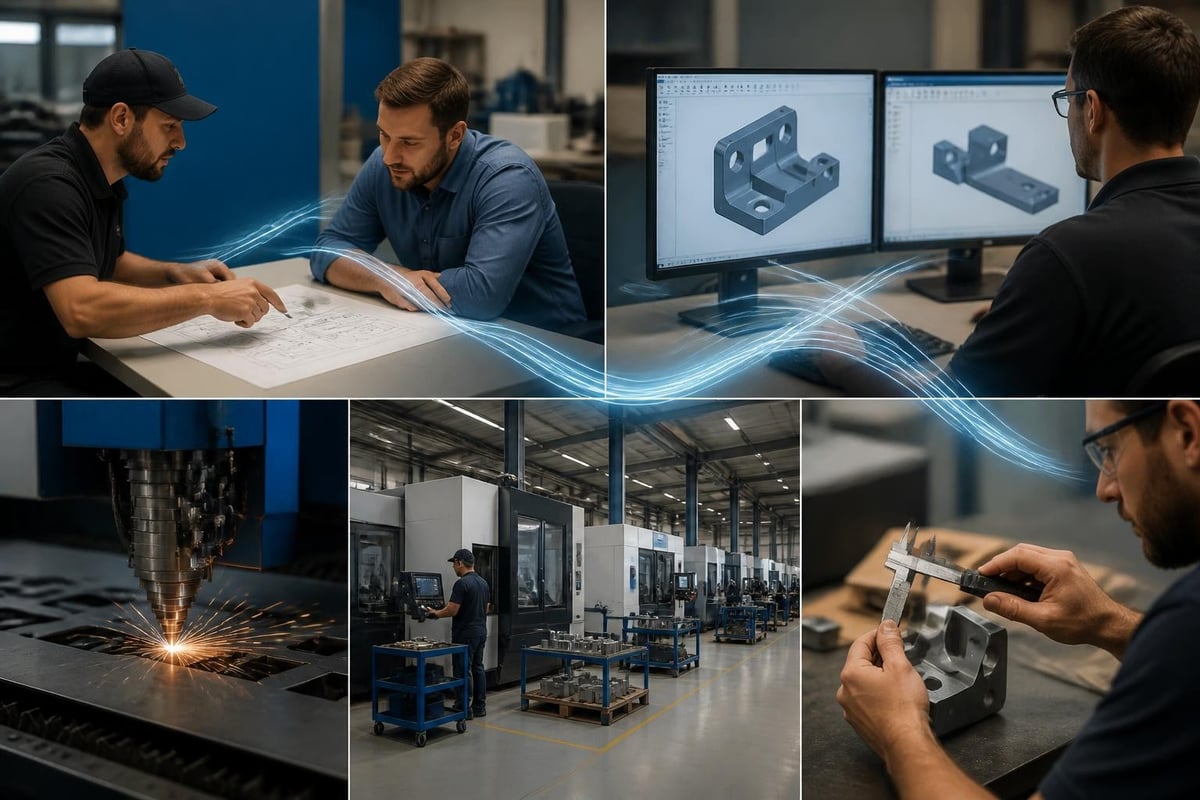
Quality remains paramount in the manufacturing field, with customers demanding defect-free products delivered on schedule. Modern quality management extends beyond final inspection to encompass entire production processes.
Statistical Process Control and Real-Time Monitoring
Advanced manufacturers implement statistical process control (SPC) systems that monitor key parameters throughout production. Real-time alerts enable immediate corrective action when processes drift from specifications, preventing defects before they occur.
This approach proves essential for operations requiring hydraulic repair and precision machining where tolerances measure in thousandths of an inch.
Lean Manufacturing and Waste Elimination
Lean principles continue to deliver value across the manufacturing field by identifying and eliminating waste in all forms:
- Overproduction: Making more than customers require
- Waiting: Idle time between process steps
- Transportation: Unnecessary material movement
- Processing: Extra steps that don't add value
- Inventory: Excess raw materials or finished goods
- Motion: Inefficient worker or equipment movement
- Defects: Rework and scrap generation
Companies pursuing manufacturing projects in Colorado and throughout the Western United States benefit from lean methodologies that reduce costs while improving delivery performance.
Regulatory Compliance and Safety Standards
The manufacturing field operates within increasingly complex regulatory environments covering workplace safety, environmental protection, and product standards. Maintaining compliance requires ongoing attention to evolving requirements.
Workplace Safety Initiatives
Safety remains the highest priority for responsible manufacturers. Comprehensive safety programs protect workers while reducing costs associated with injuries, insurance premiums, and regulatory penalties.
Essential safety elements include:
- Regular equipment maintenance and inspection schedules
- Personal protective equipment requirements and enforcement
- Comprehensive training on hazard recognition and mitigation
- Incident reporting and investigation procedures
- Continuous improvement based on safety metrics
Providers of mobile welding services must maintain especially rigorous safety standards when working in diverse field environments.
Economic Impact and Industry Outlook
The manufacturing field makes substantial contributions to regional and national economies. U.S. electronics manufacturing supports 5.2 million jobs and generates $1.8 trillion in economic output, demonstrating the sector's importance.
Investment Trends and Capital Expenditure
Manufacturing trends data reveals continued investment in domestic manufacturing capacity, driven by nearshoring initiatives and infrastructure spending. This creates opportunities for service providers supporting new facility construction and equipment installation.
Companies offering custom welding capabilities benefit from increased capital projects requiring structural steel fabrication, equipment installation, and system integration.
Regional Manufacturing Hubs
Western United States manufacturing hubs continue expanding in sectors including energy, mining, agriculture, and outdoor recreation. These industries require robust support networks of fabrication, machining, and maintenance service providers.
Businesses serving recycling and aggregate operations must understand sector-specific requirements for equipment durability, replacement part availability, and rapid response to minimize downtime.
Partnership Approaches in Modern Manufacturing
Successful operations in the manufacturing field increasingly rely on strategic partnerships rather than purely transactional supplier relationships. Collaborative approaches deliver superior outcomes through shared expertise and aligned objectives.
Integrated Service Providers
Manufacturers value service providers offering comprehensive capabilities that address multiple needs through single-source relationships. Integrated providers combining welding, fabrication, machining, and field services reduce coordination complexity while improving accountability.
This integrated approach supports services ranging from routine maintenance to complex custom fabrication projects, with seamless transitions between shop-based and on-site work.
Preventive Maintenance Partnerships
Proactive maintenance partnerships help manufacturers avoid unplanned downtime that disrupts production schedules and increases costs. Regular inspections, predictive monitoring, and scheduled component replacement extend equipment life while maximizing availability.
Field service capabilities enable rapid response when issues arise, particularly valuable for remote operations in mining, oil & gas, and agricultural sectors throughout the Western United States.
The manufacturing field in 2026 demands adaptability, technological sophistication, and strategic partnerships to navigate evolving challenges and capitalize on emerging opportunities. Whether addressing workforce development, implementing new technologies, or enhancing operational efficiency, manufacturers benefit from experienced partners who understand industry requirements and deliver reliable solutions. LTJ Industrial Services provides comprehensive welding, fabrication, and machining expertise to commercial and industrial manufacturers throughout the Western United States, helping businesses maintain competitive advantages through high-quality shop and field services tailored to specific operational needs.