Selecting the right welding service company is a critical decision that directly impacts project timelines, safety outcomes, and long-term equipment reliability. Whether you're managing a recycling facility, aggregate operation, or oil and gas installation, the quality of welding services determines structural integrity and operational efficiency. Industrial organizations throughout the Western United States require partners who understand the unique demands of heavy manufacturing environments and can deliver both shop-based fabrication and emergency field repairs with consistent excellence.
Understanding Welding Service Company Capabilities
A professional welding service company offers far more than basic joining of metal components. Modern industrial welding providers deliver comprehensive solutions that integrate fabrication, machining, and specialized services tailored to specific industry requirements.
Core service categories include:
- Custom metal fabrication for unique equipment and structures
- Certified welding for pressure vessels and piping systems
- On-site field welding and emergency repair services
- Machining and precision component manufacturing
- Hydraulic system repair and maintenance
- Mobile welding units for remote locations
The distinction between a basic welding contractor and a full-service industrial partner lies in technical depth and operational flexibility. Companies serving the commercial and industrial manufacturing sectors must maintain multiple certifications, advanced equipment capabilities, and experienced personnel who understand sector-specific challenges.
Shop vs. Field Service Capabilities
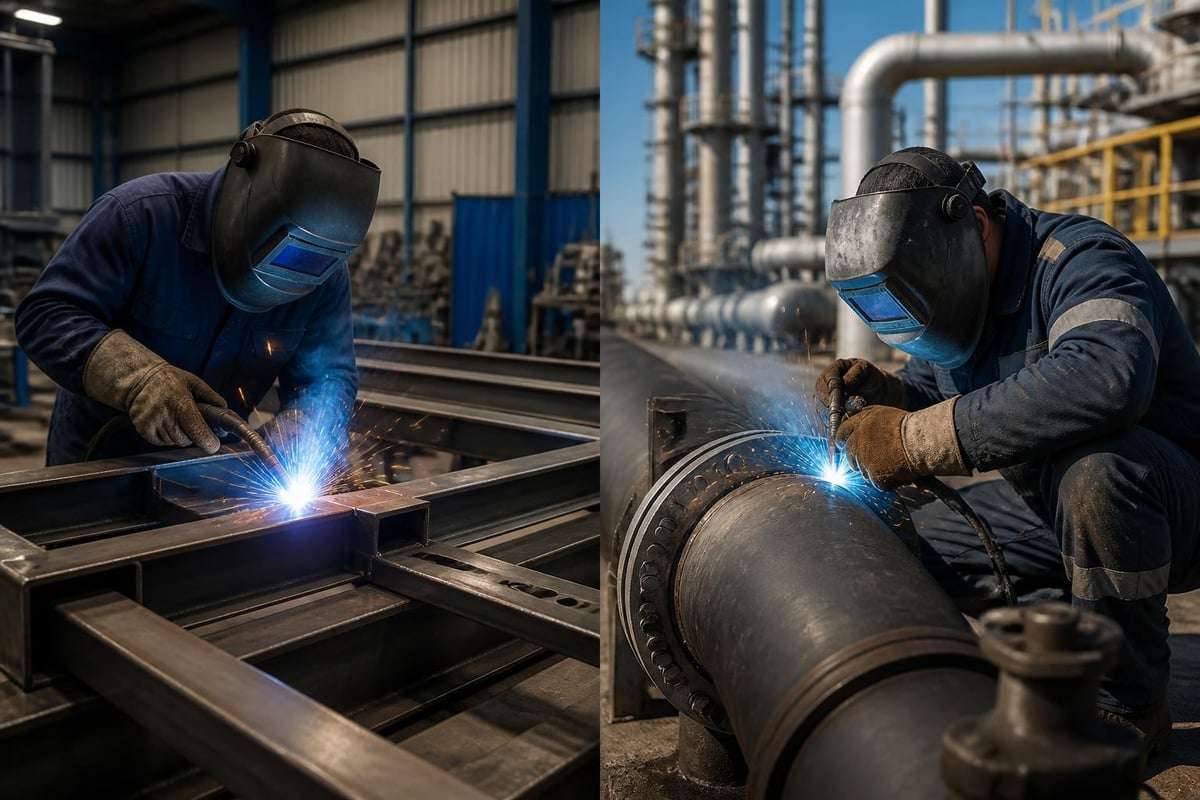
Industrial operations require both controlled shop environments and responsive field services. A qualified welding service company maintains fully equipped fabrication facilities while deploying mobile units for on-site work.
Shop services provide the controlled conditions necessary for complex fabrication projects, precision machining, and quality-critical welding. These facilities house CNC equipment, plasma cutting tables, welding bays, and inspection areas where technicians work on everything from replacement parts to complete structural assemblies.
Field services address the reality that industrial equipment cannot always come to the shop. Emergency mobile industrial welding services bring certified welders, portable equipment, and problem-solving capabilities directly to your facility, minimizing downtime during critical repairs.
Critical Certifications and Compliance Standards
Professional welding operations depend on rigorous certification programs and adherence to industry standards. The American Welding Society codes and standards establish baseline requirements for structural welding, while specialized certifications address specific applications.
| Certification Type | Application | Industry Relevance |
|---|---|---|
| AWS D1.1 | Structural steel welding | Construction, manufacturing facilities |
| ASME Section IX | Pressure vessels and piping | Oil & gas, processing plants |
| API 1104 | Pipeline welding | Energy transmission systems |
| AWS D1.6 | Stainless steel structures | Food processing, pharmaceutical |
When evaluating a welding service company, verification of welder certifications and company qualifications should be standard practice. Certified welders undergo rigorous testing to demonstrate proficiency in specific processes, positions, and materials. Companies serving regulated industries must maintain documentation proving compliance with applicable codes.
ASME code welding services represent a specialized capability essential for pressure piping systems common in oil and gas operations. These services require not only certified welders but also quality control procedures, documentation protocols, and inspection processes that satisfy regulatory requirements.
Industry-Specific Requirements
Different manufacturing sectors impose unique demands on welding service providers. Oil and gas fabrication requires expertise in high-pressure systems, corrosion-resistant materials, and strict safety protocols. Aggregate operations need heavy structural work that withstands extreme vibration and abrasive conditions. Recycling facilities require versatility to work with varied materials and rapid repair turnaround.
A capable welding service company develops specialized knowledge across the industries it serves. This expertise translates to better project planning, appropriate material selection, and welding procedures tailored to actual operating conditions rather than generic specifications.
Safety Protocols and Risk Management
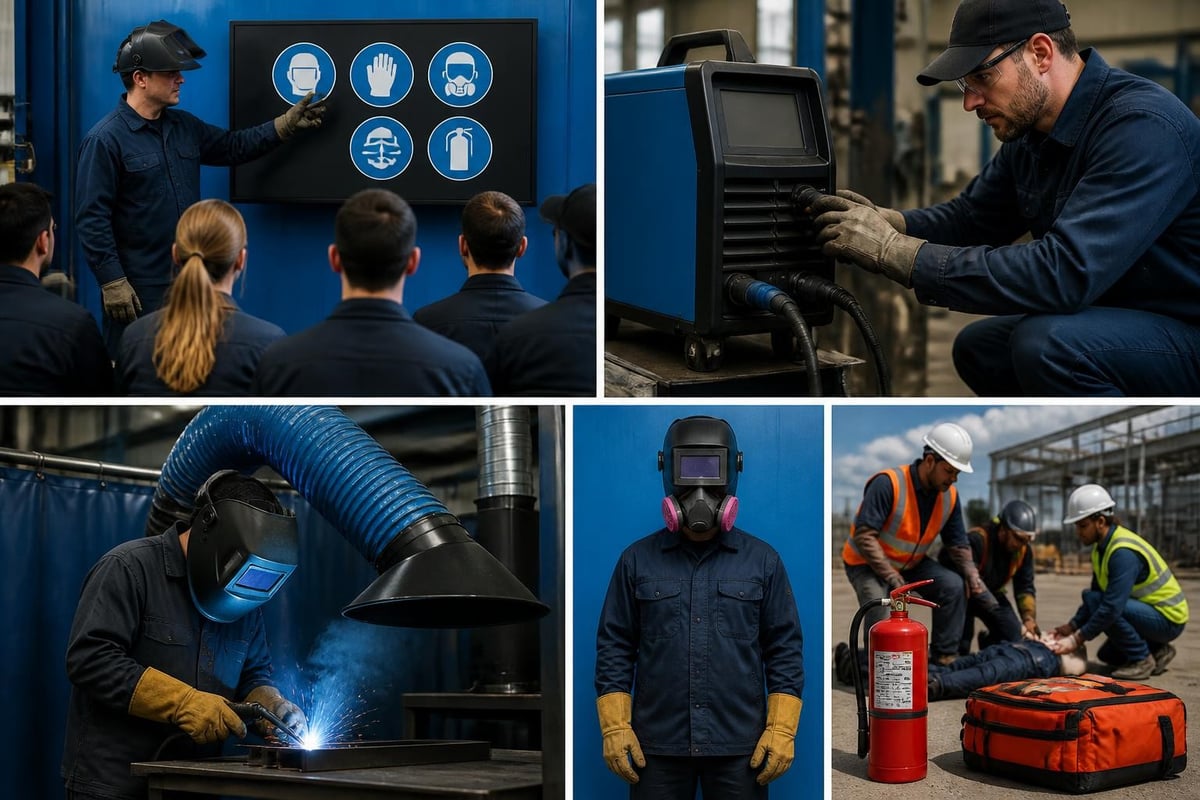
Welding operations present inherent hazards that require comprehensive safety programs. The OSHA welding hazards and solutions framework identifies critical risks including metal fumes, ultraviolet radiation, electrical hazards, and fire potential.
Professional welding service companies implement multi-layered safety approaches:
- Personnel Training: Continuous education on hazard recognition and safe work practices
- Equipment Maintenance: Regular inspection and calibration of welding machines and safety equipment
- Environmental Controls: Proper ventilation systems and containment procedures
- PPE Requirements: Enforcement of appropriate protective equipment for all personnel
- Emergency Preparedness: Established protocols for incident response and medical assistance
Safety culture extends beyond compliance checklists. Leading organizations foster environments where workers actively identify hazards, report concerns, and participate in continuous improvement initiatives. This approach reduces incidents while improving overall operational efficiency.
Field Safety Considerations
On-site welding introduces additional complexity compared to controlled shop environments. Field locations may have limited ventilation, proximity to combustible materials, or challenging access conditions. A responsible welding service company conducts thorough site assessments before beginning work, identifying potential hazards and implementing appropriate controls.
Confined space entry, hot work permits, and lockout/tagout procedures become routine requirements for industrial field welding. Companies must maintain trained personnel familiar with these protocols and equipped to execute them correctly every time.
Material Expertise and Process Selection
Different materials and applications require specific welding processes. A knowledgeable welding service company matches the optimal technique to each project's requirements rather than forcing all work through a single approach.
Common welding processes include:
- SMAW (Stick): Versatile for field repairs and heavy structural work
- GMAW (MIG): High-productivity applications with excellent deposition rates
- GTAW (TIG): Precision work on thin materials and exotic alloys
- FCAW (Flux-Core): Outdoor applications with wind resistance
- SAW (Submerged Arc): Automated high-volume production welding
Material science knowledge separates adequate welders from exceptional ones. Carbon steel, stainless steel, aluminum, and exotic alloys each present unique challenges regarding heat input, filler selection, and post-weld treatment. The right welding service company maintains expertise across material families and understands how composition affects weldability.
Quality Control and Testing
Welding quality cannot be assumed; it must be verified through systematic testing and inspection. Non-destructive testing methods reveal internal defects without damaging components, while destructive testing validates procedure qualifications.
| Testing Method | Application | Detection Capability |
|---|---|---|
| Visual Inspection | Surface defects | Cracks, porosity, undercut |
| Radiographic Testing | Internal defects | Inclusions, lack of fusion |
| Ultrasonic Testing | Subsurface flaws | Cracks, laminations |
| Magnetic Particle | Ferromagnetic materials | Surface and near-surface cracks |
| Liquid Penetrant | Non-ferrous materials | Surface-breaking defects |
Quality welding service companies maintain documented quality programs with defined acceptance criteria, testing frequencies, and corrective action procedures. This systematic approach ensures consistent results across multiple welders and projects.
Equipment and Technology Investment
Modern welding capabilities require significant capital investment in equipment, facilities, and technological systems. The breadth and condition of a company's equipment inventory directly indicate its capacity to handle diverse projects efficiently.
Advanced fabrication shops integrate multiple technologies beyond welding equipment. CNC plasma cutting systems enable precise component preparation, reducing fit-up time and improving weld quality. Machining centers handle secondary operations without outsourcing delays. Material handling equipment facilitates safe positioning of heavy assemblies.
Technology adoption extends to documentation and project management. Digital systems track certifications, maintain welding procedure specifications, and generate quality records automatically. This infrastructure supports traceability requirements common in regulated industries while improving operational efficiency.
Maintenance and Calibration Programs
Equipment reliability depends on preventive maintenance programs. A professional welding service company schedules regular equipment inspections, calibrations, and repairs to prevent breakdowns during critical projects. This commitment to equipment upkeep reflects overall organizational discipline and reliability.
Welding machines require periodic calibration to maintain accurate output parameters. Gas delivery systems need leak testing and pressure verification. Cutting equipment demands consumable replacement and alignment checks. These routine maintenance activities prevent quality issues and safety hazards.
Project Management and Communication
Technical welding expertise must combine with effective project management to deliver successful outcomes. The best welding service company maintains clear communication channels, realistic scheduling, and proactive problem-solving throughout project lifecycles.
Effective project management includes:
- Thorough scope definition and requirements clarification
- Realistic timeline development with contingency planning
- Regular progress updates and stakeholder communication
- Quality checkpoints at critical project milestones
- Documentation and closeout procedures
Industrial clients value partners who understand their operational constraints and business objectives. A welding service company that appreciates downtime costs in a recycling facility or production pressures in an aggregate operation can tailor its approach to minimize disruption while maintaining quality standards.
Emergency Response Capabilities
Equipment failures rarely occur at convenient times. Industrial operations require welding partners capable of rapid emergency response when critical systems fail unexpectedly. This capability demands maintained mobile equipment, on-call personnel, and organizational flexibility to redirect resources when needed.
Response time directly correlates with downtime costs in industrial environments. A local welding service company with established emergency protocols can mobilize within hours rather than days, potentially saving substantial production losses. This responsiveness becomes a competitive differentiator for service providers.
Industry Experience and Specialized Knowledge
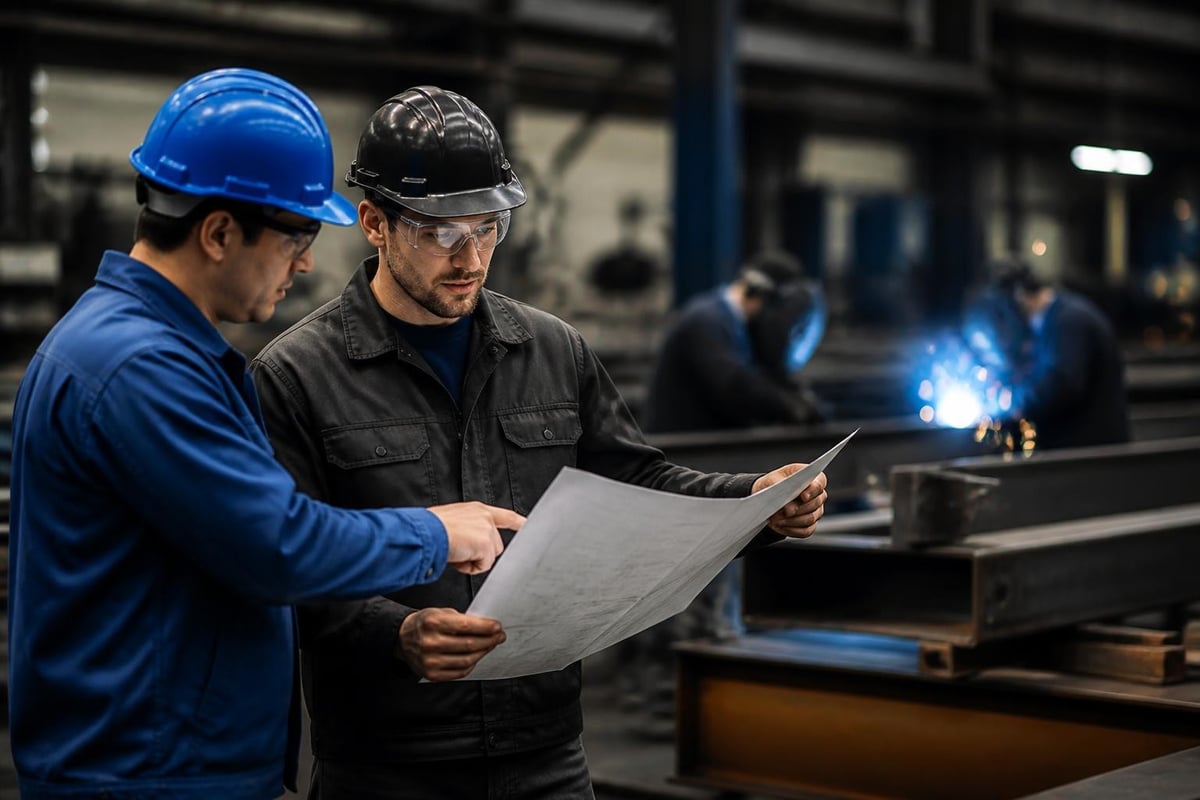
General welding skills transfer across applications, but deep industry knowledge develops only through sustained experience. A welding service company serving oil and gas fabrication needs understands regulatory requirements, material specifications, and operational conditions specific to that sector.
Experience manifests in multiple ways. Seasoned welders recognize potential issues before they become problems. Project managers anticipate challenges based on similar past projects. Estimators accurately scope work because they understand what each job actually requires.
Industry relationships matter equally. Established welding service companies maintain connections with material suppliers, inspection agencies, and specialty contractors. These relationships facilitate problem-solving when unusual requirements arise or expedited delivery becomes necessary.
Sector-Specific Capabilities
Different industries emphasize different capabilities. Metal fabrication for construction projects requires volume capacity and structural expertise. Aggregate operations need robust wear-resistant solutions. Oil and gas work demands code compliance and documentation rigor.
Versatile welding service providers develop specialized capabilities across multiple sectors rather than limiting themselves to narrow niches. This diversity creates operational stability while building technical depth that benefits all clients.
Evaluating Service Providers
Selecting a welding service company requires systematic evaluation across multiple dimensions. Price comparisons alone miss critical factors that determine project success and long-term value.
Key evaluation criteria include:
- Certification verification: Confirm welder qualifications and company accreditations
- Equipment inspection: Assess shop capabilities and mobile unit condition
- Project portfolio review: Examine similar completed projects and references
- Safety record analysis: Request incident rates and safety program documentation
- Quality systems audit: Review testing procedures and quality documentation
- Financial stability check: Ensure adequate resources for project completion
- Location and coverage: Confirm service area and response capabilities
Site visits to fabrication facilities reveal organizational culture and operational standards. Well-maintained shops with organized workflows indicate attention to detail that extends to welding quality. Conversely, disorganized environments raise concerns about process control and safety compliance.
Reference checks provide insights beyond marketing materials. Conversations with current clients reveal responsiveness, problem-solving capabilities, and how companies handle challenges when they arise.
Cost Structure Understanding
Welding service pricing reflects multiple factors beyond hourly labor rates. Material costs, consumables, equipment utilization, certification requirements, and project complexity all influence total project costs.
| Cost Component | Typical Percentage | Variables Affecting Cost |
|---|---|---|
| Labor | 40-50% | Skill level, certification, overtime |
| Materials | 25-35% | Specification, quantity, market conditions |
| Equipment | 10-15% | Complexity, rental needs, depreciation |
| Overhead | 10-15% | Insurance, facility, quality systems |
| Consumables | 5-10% | Process selection, joint design, efficiency |
Transparent pricing structures enable meaningful comparisons and prevent surprises during project execution. Professional welding service companies provide detailed quotes that break down cost components and explain assumptions underlying their estimates.
Geographic Coverage and Local Presence
Location matters significantly in industrial services. A welding service company based near your operations provides faster response times, lower mobilization costs, and better understanding of regional industry conditions.
Throughout the Western United States, industrial facilities often operate in remote locations far from major metropolitan centers. Service providers must maintain capabilities to reach these sites with appropriate equipment and personnel. Companies with established regional presence understand terrain challenges, climate considerations, and local regulatory environments.
Local relationships facilitate problem-solving when specialized materials or inspection services become necessary. Established regional providers know which suppliers stock specific alloys, which testing agencies can respond quickly, and which transportation companies handle oversized fabrications.
Multi-Site Coordination
Organizations operating multiple facilities benefit from welding service companies capable of coordinating work across locations. Consistent quality standards, unified documentation systems, and centralized project management simplify oversight while ensuring equivalent service levels regardless of location.
This coordination capability becomes particularly valuable for planned maintenance programs, standardized equipment installations, and fleet-wide repairs. Rather than managing multiple vendor relationships, clients work with a single partner who understands their complete operational footprint.
Long-Term Partnership Value
The most valuable welding service company relationships extend beyond transactional project execution. Strategic partnerships develop when service providers invest in understanding client operations, anticipate needs, and contribute to continuous improvement initiatives.
Long-term partners maintain familiarity with your equipment, operational procedures, and quality expectations. This knowledge reduces startup time on new projects and enables more accurate scoping. Familiarity also helps identify opportunities for preventive maintenance that avoids costly emergency repairs.
Established relationships facilitate better communication during urgent situations. When a critical system fails, working with a known partner eliminates the need to explain operational context and negotiate terms under pressure. Response happens immediately based on existing agreements and mutual understanding.
Continuous Improvement Collaboration
Progressive welding service companies collaborate with clients to identify efficiency improvements and cost reduction opportunities. This might involve procedure optimization, material substitutions, or design modifications that enhance manufacturability without compromising performance.
Value engineering requires technical expertise combined with operational understanding. A partner familiar with your processes can suggest improvements that generic contractors would never identify. These contributions deliver tangible value beyond the immediate welding services provided.
Technology Integration and Digital Capabilities
Modern industrial operations increasingly integrate digital systems for asset management, maintenance tracking, and supply chain coordination. Forward-thinking welding service companies develop compatible systems that share data seamlessly with client platforms.
Digital documentation eliminates paper-based quality records that can be lost or damaged. Cloud-based systems provide instant access to welding procedures, inspection reports, and certification records from any location. This accessibility supports audits, troubleshooting, and project planning.
Some advanced providers offer client portals where customers track project status, review quality documentation, and manage service requests. This transparency improves planning while reducing administrative coordination requirements.
Predictive Maintenance Applications
Data from welding operations can inform predictive maintenance programs when properly captured and analyzed. Tracking failure modes, repair frequencies, and component lifecycles reveals patterns that enable proactive interventions before catastrophic failures occur.
A welding service company that maintains comprehensive service history becomes a valuable resource for reliability engineering initiatives. This historical perspective helps optimize maintenance schedules, identify chronic problem areas, and justify capital improvements.
Workforce Development and Talent Management
The welding industry faces ongoing workforce challenges as experienced personnel retire and demand continues growing. A sustainable welding service company invests in workforce development through apprenticeships, continuing education, and career progression opportunities.
Companies with robust training programs maintain consistent quality as personnel changes occur. New welders learn established procedures and quality standards rather than bringing potentially inconsistent practices from previous employers. This standardization ensures reliable outcomes regardless of which specific technician performs the work.
Career development opportunities affect employee retention, which directly impacts client service. Experienced welders familiar with your equipment and requirements deliver better results than constantly rotating new personnel. Companies that retain talent through competitive compensation and advancement opportunities provide more consistent service.
Safety Culture Development
Welding safety practices must be ingrained through culture rather than enforced through rules alone. Organizations with strong safety cultures demonstrate lower incident rates, better quality outcomes, and improved employee morale.
Safety-conscious welding service companies conduct regular training beyond minimum compliance requirements. They encourage hazard reporting without blame, investigate near-misses to prevent future incidents, and recognize safe behaviors publicly. This cultural emphasis creates environments where safety and quality reinforce each other.
Regulatory Compliance and Documentation
Industrial welding often occurs in regulated environments where documentation proves compliance with applicable codes and standards. Professional welding service companies maintain comprehensive quality management systems that generate required records automatically as work proceeds.
Welding procedure specifications document exactly how each welding task will be performed, including materials, processes, parameters, and techniques. Procedure qualification records prove that these specifications produce acceptable results through testing. Welder performance qualifications demonstrate that individual welders can execute procedures correctly.
This documentation hierarchy satisfies regulatory requirements while providing operational benefits. Well-documented procedures enable consistent execution across multiple welders and projects. Clear specifications facilitate troubleshooting when issues arise and support continuous improvement initiatives.
Audit Readiness
Organizations subject to regulatory oversight require service providers who maintain audit-ready documentation systems. A qualified welding service company organizes records systematically, maintains required retention periods, and retrieves documentation quickly when inspectors arrive.
Audit preparation represents significant effort for companies with inadequate systems. Those who maintain compliance continuously experience minimal disruption during inspections. This operational discipline indicates broader organizational maturity and reliability.
Choosing the right welding service company requires evaluating technical capabilities, safety culture, and operational reliability alongside traditional cost considerations. The comprehensive approach detailed above helps industrial organizations identify partners who deliver consistent quality, responsive service, and long-term value across diverse applications. Whether you need industrial fabrication services, emergency field repairs, or ongoing maintenance support throughout the Western United States, LTJ Industrial Services combines certified expertise, advanced equipment, and deep industry knowledge to keep your operations running efficiently and safely.