Colorado’s industrial landscape presents exceptional opportunities for skilled welders across diverse sectors. From the energy-rich Western Slope to the manufacturing centers along the Front Range, welding jobs Colorado employers offer span oil and gas operations, aggregate processing, metal fabrication shops, and infrastructure projects. As industries throughout the state continue to expand in 2026, the demand for qualified welders with specialized certifications has never been stronger, creating promising career paths for both newcomers and experienced professionals.
The Colorado Welding Job Market in 2026
The welding profession in Colorado reflects the state’s unique industrial composition. Unlike coastal states focused on shipbuilding or Rust Belt regions centered on automotive manufacturing, Colorado’s welding sector serves energy extraction, mining support, construction, and specialized fabrication needs.
Key Industries Hiring Welders
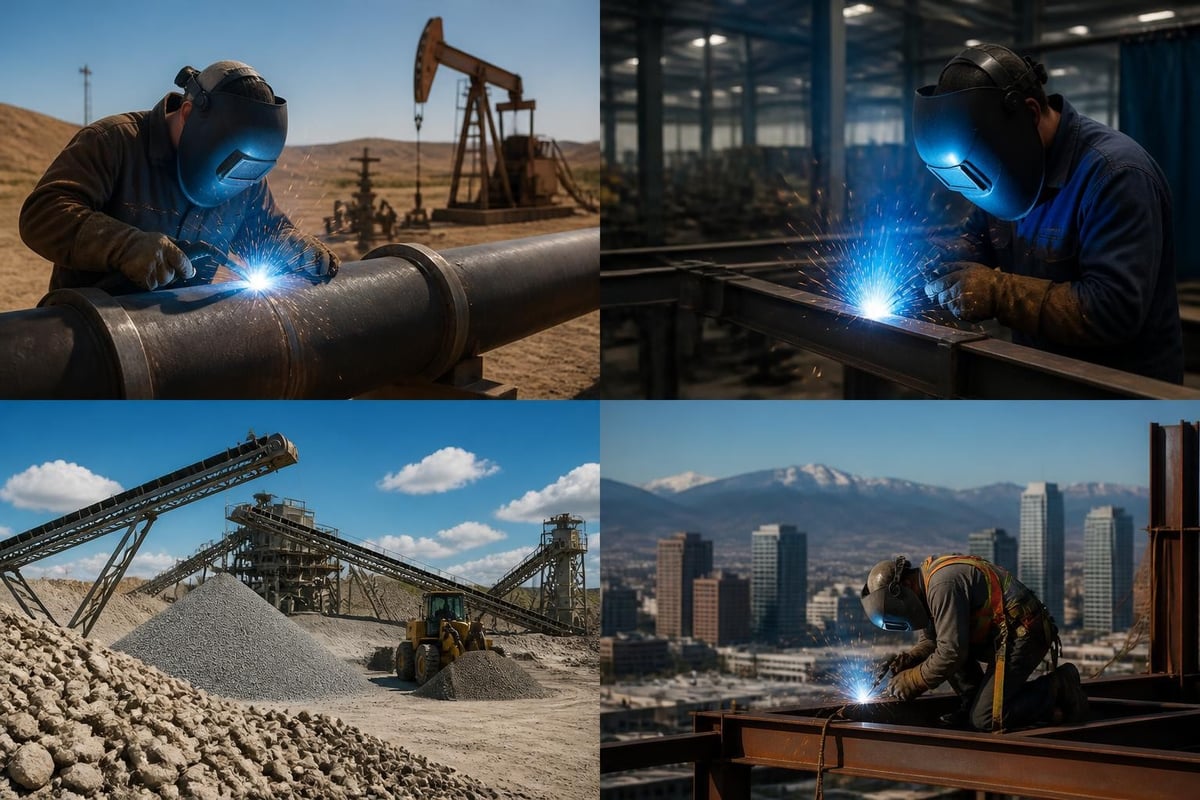
Oil and Gas Sector: Western Colorado remains a significant employer of welders, particularly in the Piceance Basin and surrounding areas. Pipeline maintenance, production facility upgrades, and equipment fabrication require certified welding services that meet strict industry standards.
Aggregate and Mining: Quarries and mining operations throughout the state need welders to maintain crushers, conveyors, and heavy equipment. These positions often involve both shop work and field welding in challenging environments.
Manufacturing and Fabrication: The Front Range corridor hosts numerous fabrication shops producing everything from architectural metalwork to industrial components. These facilities require welders proficient in multiple processes and materials.
Construction and Infrastructure: Colorado’s growing population drives continuous demand for structural welders on commercial buildings, bridges, and public works projects.
| Industry Sector | Primary Locations | Common Welding Processes | Typical Experience Level |
|---|---|---|---|
| Oil & Gas | Western Slope | SMAW, GTAW, FCAW | Intermediate to Advanced |
| Aggregate/Mining | Statewide | SMAW, GMAW | Entry to Advanced |
| Manufacturing | Front Range | GMAW, GTAW, FCAW | All Levels |
| Construction | Metro Areas | SMAW, FCAW | Entry to Intermediate |
Salary Expectations and Compensation
Welding jobs Colorado companies post typically offer competitive wages that reflect the state’s cost of living and the specialized skills required. Entry-level welders can expect starting wages between $18 and $24 per hour, while experienced professionals with multiple certifications often earn $28 to $40 per hour or more.
Factors Influencing Welding Salaries:
- Certification level: ASME certified welding credentials command premium compensation
- Process expertise: GTAW (TIG) and pipe welding skills typically earn higher rates
- Industry sector: Oil and gas positions often pay more than general fabrication
- Geographic location: Remote or high-altitude jobs may include location premiums
- Shift differentials: Night and weekend work usually carries additional pay
Annual salaries for full-time welders in Colorado typically range from $45,000 for entry positions to $75,000 or more for senior welders with specialized credentials. Welders who understand weld procedure specifications and can interpret complex blueprints position themselves at the higher end of this range.
Training and Certification Pathways
Colorado offers multiple routes to enter the welding profession, from community college programs to apprenticeships and private training centers. The state’s community college system provides accessible, affordable training aligned with industry needs.
Colorado Community College Programs
Front Range Community College’s Welding Technology program offers certificates and associate degrees that prepare students for immediate employment along the Front Range corridor. Similarly, Pueblo Community College’s welding program provides comprehensive training in multiple welding processes with strong employer partnerships throughout Southern Colorado.
For students in Northern Colorado, Aims Community College’s Welding Technology program delivers hands-on training with modern equipment. The Community College of Denver fabrication welding program serves the metro Denver area with certificate and degree pathways designed for rapid workforce entry.
Essential Certifications for Colorado Welders
American Welding Society (AWS) Certifications: The foundation for most welding careers, AWS certifications verify proficiency in specific processes and positions. Common certifications include:
- Certified Welder (CW)
- Certified Welding Inspector (CWI)
- Certified Welding Educator (CWE)
ASME Certifications: For welders targeting pressure vessel and boiler fabrication, understanding ASME welding certification meaning is critical. These credentials open doors to specialized, higher-paying positions.
Pipe Welding Certifications: Oil and gas employers prioritize pipe welding credentials, particularly 6G certifications demonstrating the ability to weld pipes in all positions.
Geographic Hotspots for Welding Jobs Colorado
The distribution of welding opportunities across Colorado varies significantly by region, with each area offering distinct advantages and industry focuses.
Western Slope Opportunities
Cities like Rifle, Grand Junction, and Craig serve as hubs for energy sector welding. The concentration of oil and gas operations, combined with supporting industries, creates steady demand for skilled welders. Field welding versus shop welding dynamics in this region often favor professionals comfortable working on remote well sites and production facilities.
Front Range Manufacturing Corridor
Denver, Fort Collins, Longmont, and Colorado Springs host the state’s largest concentration of fabrication shops and manufacturing facilities. These urban and suburban areas offer:
- Consistent year-round work
- Diverse project types
- Career advancement opportunities
- Access to continuing education
Rural and Mountain Communities
Smaller towns throughout Colorado’s mountain regions periodically need welders for mining equipment maintenance, ski resort infrastructure, and local construction projects. While less consistent than urban opportunities, these positions often come with unique lifestyle benefits.
Specialized Welding Niches in Colorado
Beyond general fabrication, certain specializations offer exceptional opportunities for welders willing to develop expertise in demanding applications.
High-Altitude and Extreme-Environment Welding
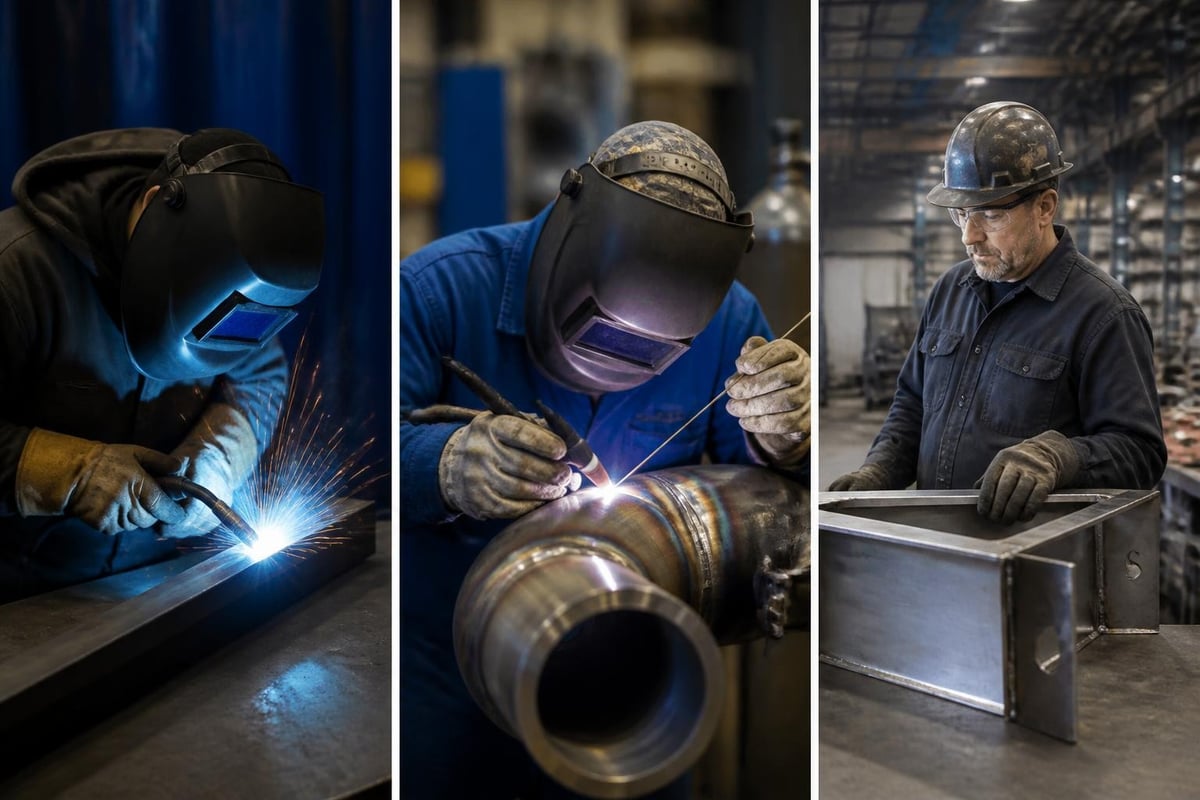
Colorado’s elevation and climate present unique challenges. Welders working at high altitudes must adjust techniques for reduced atmospheric pressure, which affects arc characteristics and shielding gas behavior. Winter conditions require additional considerations for material preparation and temperature control.
Pressure Vessel and Process Equipment
Industrial facilities throughout Colorado need welders capable of fabricating and repairing pressure vessels, heat exchangers, and process equipment. These positions demand meticulous attention to detail and strict adherence to code requirements.
Custom Fabrication and Artistic Metalwork
Colorado’s thriving architectural and artistic communities create opportunities for welders interested in custom projects. From decorative railings to large-scale sculptures, these positions blend technical skill with creativity. Understanding how much metal fabrication costs helps welders in these roles provide accurate quotes and competitive bids.
Skills Beyond the Arc
Success in welding jobs Colorado employers post requires more than just proficiency with a torch. Today’s competitive market values welders who bring additional capabilities to their roles.
Blueprint Reading and Technical Documentation
The ability to interpret complex engineering drawings, isometric diagrams, and weld symbols distinguishes professional welders from hobbyists. Many fabrication projects begin with detailed specifications that welders must translate into finished products.
Material Science Knowledge
Understanding base metal properties, filler metal selection, and heat treatment requirements prevents costly mistakes and rework. Welders who recognize how different alloys behave under various welding processes deliver superior results.
Quality Control and Inspection
Familiarity with non-destructive testing methods, visual inspection criteria, and acceptance standards allows welders to self-verify their work and reduce rejection rates. Knowledge of wear plates and their applications demonstrates advanced understanding of material selection for specific service conditions.
Communication and Teamwork
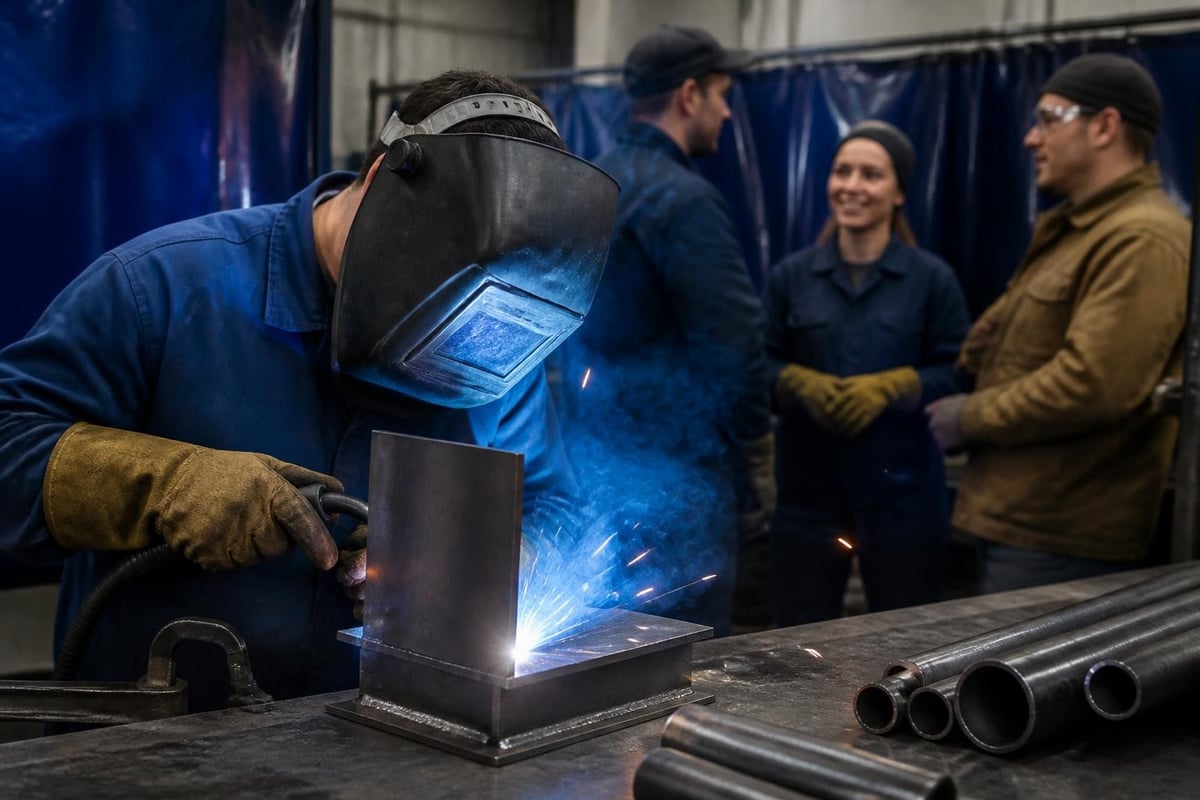
Modern industrial projects involve collaboration among engineers, project managers, machinists, and other trades. Welders who communicate effectively, follow safety protocols, and coordinate with team members advance more quickly in their careers.
| Skill Category | Examples | Career Impact |
|---|---|---|
| Technical | Multiple process certifications, code knowledge | Qualifies for specialized positions |
| Analytical | Blueprint reading, procedure interpretation | Reduces errors, increases efficiency |
| Safety | OSHA compliance, hazard recognition | Prevents accidents, demonstrates professionalism |
| Business | Estimating, customer communication | Opens path to supervisory or self-employment |
Job Search Strategies for Colorado Welders
Finding the right welding position in Colorado requires a strategic approach that goes beyond browsing online job boards.
Building Industry Connections
Networking within Colorado’s welding community provides access to opportunities before they’re publicly advertised. Strategies include:
- Joining local AWS chapters
- Attending industry trade shows and equipment demonstrations
- Participating in community college advisory boards
- Connecting with alumni from training programs
Targeting Growth Industries
Rather than applying broadly, focus on sectors experiencing expansion. In 2026, Colorado’s renewable energy infrastructure, water treatment facilities, and advanced manufacturing operations are actively hiring qualified welders.
Demonstrating Value Through Certifications
Maintaining current certifications and pursuing advanced credentials signals commitment to the profession. Keep certification cards accessible and prominently feature them on resumes and during interviews.
Preparing for Skills Assessments
Many employers conduct practical welding tests during the hiring process. Regular practice maintaining your skills across multiple processes and positions ensures you’re ready to demonstrate competency when opportunities arise.
Employer Expectations and Workplace Culture
Understanding what Colorado welding employers value helps candidates align their skills and presentation with industry standards.
Safety-First Mentality
Colorado’s industrial safety regulations and workers’ compensation system make safety performance a top priority. Employers seek welders who:
- Consistently use appropriate PPE
- Recognize and report hazards
- Follow lockout/tagout procedures
- Maintain clean, organized workspaces
Quality and Craftsmanship Standards
The best welding jobs Colorado offers go to professionals who take pride in their work. Employers value welders who produce consistent, high-quality welds that meet or exceed specifications without extensive supervision.
Adaptability and Continuous Learning
Technology evolves constantly in the welding industry. New processes, materials, and equipment require welders to embrace ongoing education. Those who view themselves as lifelong learners position themselves for long-term career success.
Reliability and Work Ethic
Showing up on time, maintaining attendance, and delivering full effort throughout shifts may seem basic, but these fundamentals separate outstanding employees from mediocre ones. In remote locations common to Western Colorado welding jobs, reliability becomes even more critical.
Career Advancement Opportunities
Welding skills serve as a foundation for various career trajectories within Colorado’s industrial sectors.
Supervisory and Management Roles
Experienced welders often transition into foreman, supervisor, or shop manager positions. These roles leverage technical knowledge while developing leadership and project management skills.
Welding Inspection and Quality Assurance
Certified Welding Inspectors (CWI) command excellent salaries and work conditions. This path suits welders interested in technical evaluation and code compliance rather than production welding.
Engineering and Design Support
Some welders transition into design roles, working with engineers to develop fabrication procedures, optimize weld joint design, and improve manufacturing efficiency.
Entrepreneurship and Custom Fabrication
Colorado’s diverse economy supports independent welding businesses serving niche markets. Welders with business acumen and customer service skills can build successful operations. Understanding aspects like custom fabrication quotes becomes essential for those pursuing this path.
Challenges and Realities of Welding Careers
While welding offers excellent opportunities, prospective welders should understand the profession’s demands and challenges.
Physical Requirements
Welding is physically demanding work. Long periods standing, working in awkward positions, lifting heavy materials, and exposure to heat, fumes, and bright light all require good physical condition and stamina.
Work Environment Variability
Welding jobs Colorado employers post range from climate-controlled shops to exposed outdoor sites at elevation. Winter welding on a windswept construction site differs dramatically from summer fabrication in a well-equipped facility.
Economic Sensitivity
Certain sectors, particularly oil and gas, experience cyclical hiring patterns tied to commodity prices. Welders in these industries may face layoffs during downturns, making financial planning and skill diversification important.
Ongoing Certification Maintenance
Most welding certifications expire after six months of inactivity or require periodic renewal. Maintaining credentials requires consistent welding and documentation, even during slow periods.
Complementary Skills and Cross-Training
Welders who develop additional capabilities increase their value and career options within Colorado’s industrial landscape.
Machining and Fitting
Understanding machining operations allows welders to better prepare materials and troubleshoot fabrication challenges. Many Colorado fabrication shops value employees who can operate both welding equipment and machine tools.
Hydraulics and Mechanical Systems
Equipment maintenance and repair positions often require welding combined with hydraulic system knowledge, particularly in aggregate, mining, and construction equipment sectors.
Finishing and Surface Preparation
Knowledge of surface preparation before powder coating or understanding powder coating versus paint durability expands a welder’s capability to deliver complete solutions rather than just welded joints.
Computer-Aided Design (CAD)
Basic CAD skills help welders interpret digital designs and communicate more effectively with engineering teams in modern fabrication environments.
The Role of Experienced Welding Companies
Established welding and fabrication companies play a vital role in Colorado’s industrial ecosystem, providing specialized expertise and comprehensive solutions. These companies serve diverse sectors across the Western United States, from recycling and aggregate operations to oil and gas facilities.
Professional welding services deliver value through:
- Multiple certified processes: Access to SMAW, GMAW, GTAW, and FCAW capabilities
- Field and shop capabilities: Flexibility to work at customer facilities or in equipped shops
- Quality assurance systems: Documented procedures and inspection protocols
- Experienced workforce: Seasoned welders who understand industry-specific requirements
For businesses throughout Colorado requiring reliable welding expertise, partnering with established providers ensures projects meet specifications, deadlines, and budget requirements. The combination of skilled welders throughout the US and comprehensive fabrication capabilities addresses complex industrial challenges.
Colorado’s welding industry offers diverse, rewarding career opportunities for professionals at all skill levels, from entry-level positions to specialized roles requiring advanced certifications. Success in this field combines technical welding skills with blueprint reading, safety awareness, and continuous learning. Whether you’re pursuing training, seeking advancement, or need expert welding services for your industrial operation, LTJ Industrial Services provides the comprehensive shop and field welding, fabrication, and machining expertise that businesses throughout the Western United States rely on to keep their operations running efficiently.