
The demand for welding and machine expertise is rising rapidly as industries embrace new technologies and higher productivity standards. In 2026, mastering welding and machine skills will be a defining advantage for those in manufacturing and industrial sectors.
This comprehensive guide is designed to be your go-to resource for the latest welding and machine techniques, innovative technologies, and proven best practices. Whether you are a professional, business owner, or enthusiast, you will find actionable insights to boost efficiency, safety, and innovation.
Inside, you will discover a modern overview of welding and machining methods, essential equipment, updated safety protocols, industry trends, and expert resources. Get ready to stay ahead of the curve and elevate your skills for the future.
The Evolution of Welding and Machining: Trends for 2026
Welding and machine disciplines are undergoing rapid transformation as 2026 approaches. The industrial landscape is evolving, with new technologies and workforce demands reshaping traditional practices. Understanding these trends is essential for professionals who want to remain competitive and compliant in a changing market.
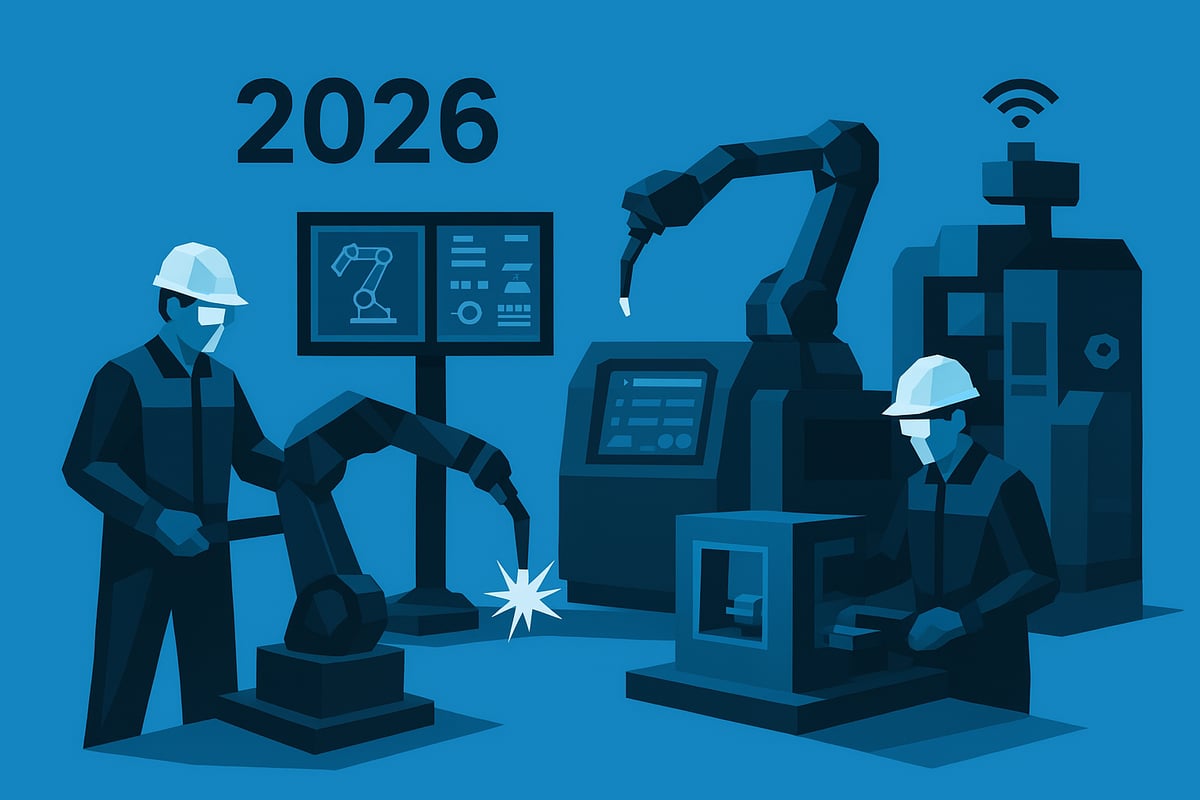
Technological advancements shaping the industry
The welding and machine sector is being revolutionized by automation and robotics. Factories are increasingly integrating robots for welding, cutting, and material handling, allowing for greater precision and consistency. Industry 4.0 initiatives are driving the adoption of smart factories, where IoT-enabled equipment communicates in real time to optimize workflows.
Advanced materials, such as composites and high-strength alloys, are now commonplace, requiring new joining techniques and specialized machinery. Digital twin technology is enabling virtual simulations of welding and machine processes before physical production begins. This reduces errors, saves resources, and shortens lead times.
AI-driven quality control systems are becoming standard, using machine vision and data analytics to detect defects instantly. Predictive maintenance powered by AI helps prevent costly downtime. Sustainability is another priority, with energy-efficient machines and eco-friendly consumables gaining traction. According to MarketsandMarkets, the global welding equipment market is projected to reach $22.4 billion by 2026, fueled by automation and smart technology. For a deeper dive into these innovations, explore the Top Trends in Machining Industry 2025.
Welding and machine professionals must stay informed about these advancements to leverage new tools and maintain a competitive edge.
Shifting industry demands and workforce skills
The shift toward automation in welding and machine operations has led to a growing need for multi-skilled technicians. Employers now seek professionals who can program, operate, and maintain both traditional and digital equipment. Upskilling is vital, with certifications, apprenticeships, and digital training platforms expanding to fill this demand.
Major manufacturers are investing in comprehensive in-house training programs to close the skills gap. These initiatives often combine hands-on learning with virtual modules, preparing technicians for the realities of a modern welding and machine environment. Remote diagnostics and virtual support are becoming more common, allowing experts to troubleshoot equipment from afar and minimize downtime.
Technicians must adapt to new roles that blend mechanical expertise with digital literacy. Welding and machine shops are also embracing flexible staffing models, supporting ongoing education to ensure teams remain current. This adaptability is crucial for meeting the evolving challenges of 2026.
Regulatory and safety landscape
As welding and machine technologies advance, regulatory frameworks are evolving as well. OSHA standards are being updated to address the risks introduced by robotics, collaborative machines, and new materials. Compliance is becoming more complex, with a greater emphasis on documented safety training and certifications.
Environmental regulations now play a significant role in shaping welding and machine processes. Companies are required to implement solutions for controlling fumes, reducing emissions, and managing hazardous waste. For example, oil and gas facilities have adopted advanced fume extraction systems to safeguard workers and meet stricter standards.
Staying up to date with regulatory changes is essential for welding and machine professionals. Proactive compliance ensures both employee safety and operational continuity in a rapidly changing industry.
Essential Welding Techniques and Applications in 2026
Staying ahead in the welding and machine field for 2026 means mastering both foundational and advanced welding techniques. As industries demand higher precision and efficiency, professionals must understand not only how to weld, but how to select the right process, tools, and materials for the job. This section explores the methods, innovations, and applications shaping the future of welding and machine work.
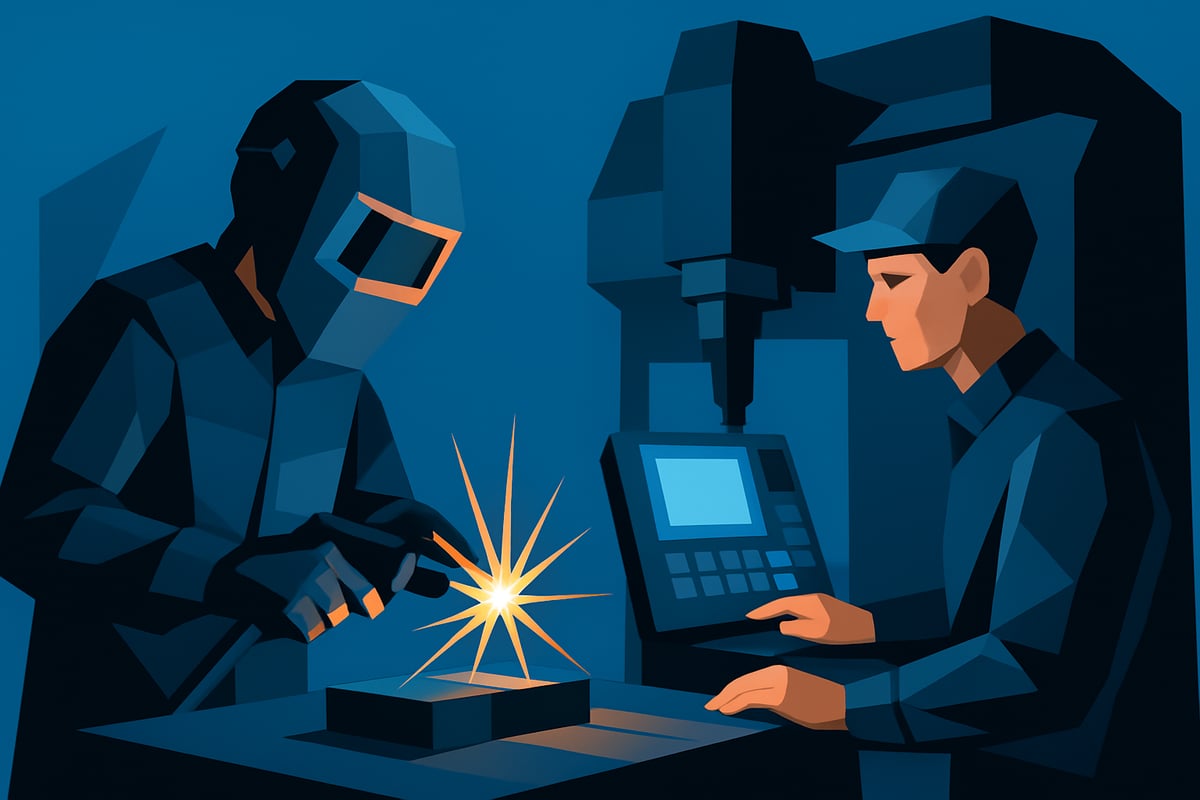
Core welding methods and their modern uses
The backbone of welding and machine operations is a strong command of core welding techniques. Each method offers unique advantages for different applications, and being versatile is essential in 2026’s competitive landscape.
| Welding Method | Key Benefits | Modern Applications |
|---|---|---|
| MIG (GMAW) | Fast, versatile, easy to learn | Automotive, fabrication |
| TIG (GTAW) | High precision, clean welds | Aerospace, piping |
| Stick (SMAW) | Portable, all-position | Construction, repair |
| Flux-Cored Arc (FCAW) | High deposition, outdoor use | Shipbuilding, heavy steel |
| Laser Welding | Precise, automated, low heat | Electronics, automotive |
| Ultrasonic Welding | No filler, joins plastics/metals | Medical, electronics |
In recent years, hybrid welding processes have emerged, combining the speed of MIG or laser with TIG’s precision. Aerospace and automotive sectors now favor laser hybrid welding for complex assemblies. According to Grand View Research, the laser welding market is set to grow at a 6.5% CAGR through 2026. To excel in welding and machine work, professionals must stay current with these evolving methods.
Material considerations and selection
Choosing the right materials is critical for successful welding and machine projects. Advanced alloys, stainless steel, and non-ferrous metals are now standard, each presenting unique challenges.
Material thickness and composition directly influence the selection of welding technique. Thicker sections may require multi-pass welding, while thin or heat-sensitive materials benefit from processes like TIG or laser. Joining dissimilar metals, such as aluminum to steel, demands specialized filler metals and careful heat control.
For those working with aluminum or stainless steel, advanced techniques and knowledge are essential. Explore Aluminum and Stainless Steel Welding for insights on handling these materials effectively in your welding and machine operations.
Understanding the properties of each material and matching them with the correct process ensures strong, defect-free welds in every application.
Innovations in welding consumables and equipment
Technology is rapidly advancing in the welding and machine sector, especially in consumables and equipment. Smart welding machines now feature real-time parameter adjustment, adapting arc characteristics on the fly for consistent quality.
Modern consumables are engineered for high efficiency and reduced waste. Self-shielded wires, low-spatter electrodes, and environmentally friendly fluxes help minimize cleanup and environmental impact.
Portable welding solutions are also gaining popularity. Compact, battery-powered machines allow technicians to perform critical repairs in remote or hard-to-reach locations. These innovations are critical for welding and machine professionals who need flexibility and top-tier results.
Staying updated on the latest equipment trends ensures you remain competitive and ready for any project challenge.
Quality assurance and inspection
Quality assurance is non-negotiable in welding and machine work. Non-destructive testing (NDT) techniques such as ultrasonic, radiographic, and magnetic particle inspection allow for thorough evaluation without damaging the weld.
Automated weld inspection systems are now standard in many industries. AI-powered cameras can detect defects in real time, reducing the risk of faulty joints and costly rework. These systems provide instant feedback, allowing operators to make adjustments during production.
Incorporating regular inspections and leveraging technology is essential for maintaining high standards. Welding and machine professionals who prioritize quality assurance will see fewer defects and greater customer trust.
Industry-specific applications
Welding and machine techniques are tailored for various industries, each with unique requirements. In oil and gas, pipeline and structural welding demand robust processes to withstand harsh environments. Manufacturing relies on automated production lines, where speed and repeatability are key.
The recycling sector uses welding and machine skills to repair and fabricate heavy equipment, extending machinery life and reducing costs. Each application benefits from the right combination of technique, material, and quality control.
Professionals who adapt their welding and machine skills for industry-specific needs are better positioned to deliver value and meet evolving market demands.
Mastering Machining: Tools, Techniques, and Best Practices
Modern machining is the backbone of every successful welding and machine operation. As industries evolve, mastering sophisticated machining tools and best practices is essential for staying competitive. The right approach not only maximizes productivity but also ensures precision, safety, and adaptability in a dynamic manufacturing landscape.
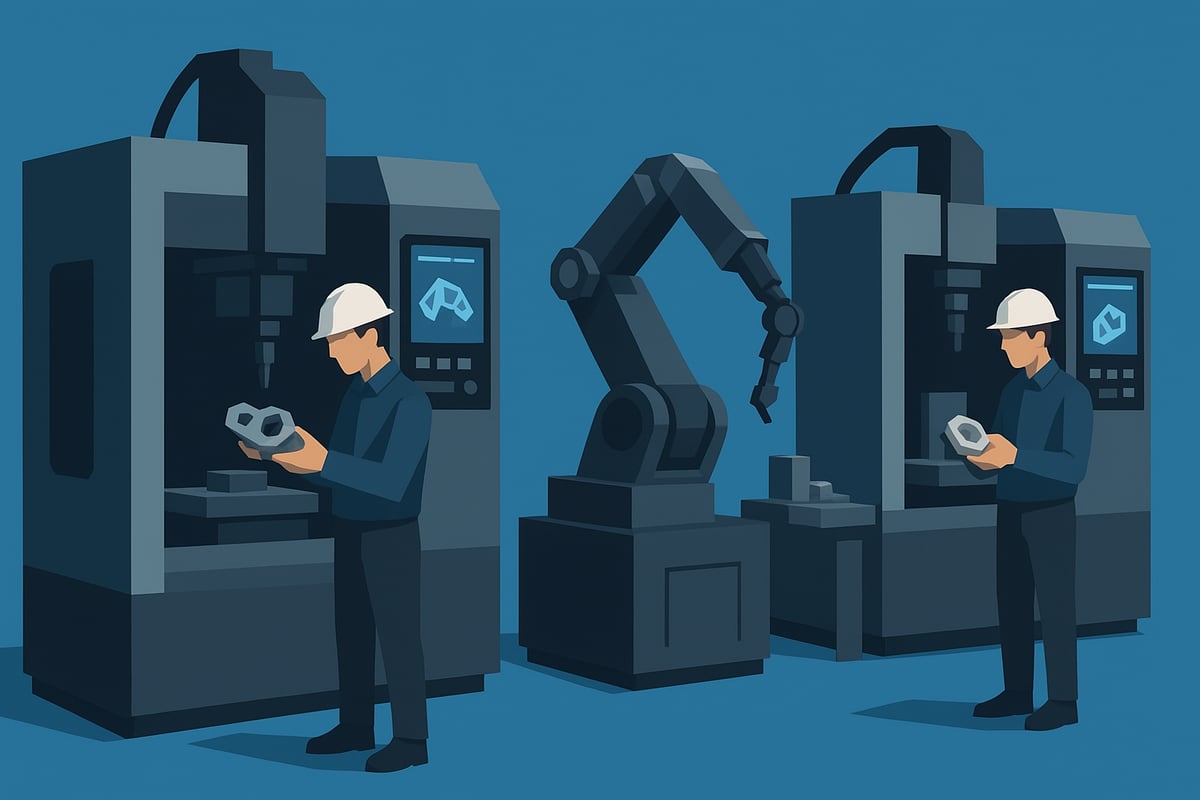
Key machining processes explained
Machining today covers a spectrum of processes, each vital for different aspects of welding and machine shop operations. CNC milling, turning, drilling, and grinding form the core of most manufacturing tasks. These methods allow precise shaping and finishing of metals and composites.
Electrical Discharge Machining (EDM) is gaining traction for its ability to cut hard materials with extreme accuracy. Hybrid technologies, combining additive and subtractive methods, are now enabling the production of complex, high-performance parts in sectors such as aerospace.
For example, CNC lathes are crucial for producing ultra-precise components that meet tight tolerances. Shops seeking robust solutions for demanding applications often turn to specialized CNC Machining for Heavy Industry, where advanced controls and automation drive efficiency.
Mastering these processes is a cornerstone for any welding and machine professional aiming to deliver reliable results.
Tooling and material compatibility
The synergy between tooling and material selection is fundamental in welding and machine work. Carbide, ceramic, and diamond cutting tools each offer advantages for machining hard-to-cut alloys and composites. Choosing the correct tool material directly affects production speed, surface finish, and tool longevity.
Monitoring tool wear is critical. Integrating automated sensors or visual inspection routines helps prevent unexpected downtime and ensures consistent quality. A proactive approach to tool replacement saves both time and resources.
Coolant and lubrication systems are another pillar. They reduce friction, dissipate heat, and extend tool life, especially during continuous welding and machine cycles. Selecting the right fluid for each material type enhances performance and minimizes defects.
By aligning tooling choices with specific materials and machining demands, shops can optimize both cost and output.
Digital transformation in machining
Digital tools are revolutionizing the welding and machine industry. CAD/CAM software now bridges the gap between design and production, allowing seamless transitions from virtual models to finished parts. Real-time machine monitoring and IoT sensors provide instant feedback on equipment status, enabling predictive maintenance.
Data analytics further empowers decision-makers to refine processes and reduce waste. A growing number of shops integrate smart manufacturing platforms, with projections showing that 50 percent will adopt these technologies by 2026.
Predictive maintenance, powered by IoT, alerts teams to potential failures before they disrupt operations. This shift supports more reliable production schedules and reduces costly downtime in welding and machine environments.
Staying ahead in digital transformation is essential for long-term growth and resilience.
Quality control and tolerances
Precision and consistency are non-negotiable in welding and machine production. In-process measurement systems, such as laser scanners and touch probes, verify dimensions during machining, preventing errors from escalating.
Coordinate Measuring Machines (CMMs) offer detailed inspections, ensuring parts meet strict tolerances. Many automotive suppliers now use in-line measurement and statistical process control to reduce scrap rates by up to 20 percent.
Automated data collection supports continuous improvement, allowing teams to analyze trends and address root causes of defects. This focus on quality assurance distinguishes top-performing welding and machine operations from their competitors.
Implementing robust inspection checkpoints at every stage is the key to repeatable, high-quality results.
Safety and ergonomics
Safety is paramount in any welding and machine environment. Machine guarding and emergency stop systems shield operators from moving parts and potential hazards. Comprehensive operator training ensures that staff understand both equipment and best practices.
Automation also plays a role in reducing repetitive strain injuries by handling heavy or monotonous tasks. Ergonomic workstation design, including adjustable tables and anti-fatigue mats, further supports worker health.
Regular safety audits and drills reinforce a culture of safety. Integrating these measures into daily routines not only protects personnel but also boosts overall productivity in welding and machine shops.
By prioritizing safety and ergonomics, businesses create workplaces where innovation and efficiency thrive.
Safety Protocols and Compliance in Modern Welding and Machining
Modern welding and machine operations are entering a new era of safety challenges and solutions. As automation and digitalization become standard, professionals need to stay vigilant about emerging risks and evolving compliance requirements. Proactive safety measures are critical to protect your workforce and ensure uninterrupted productivity.
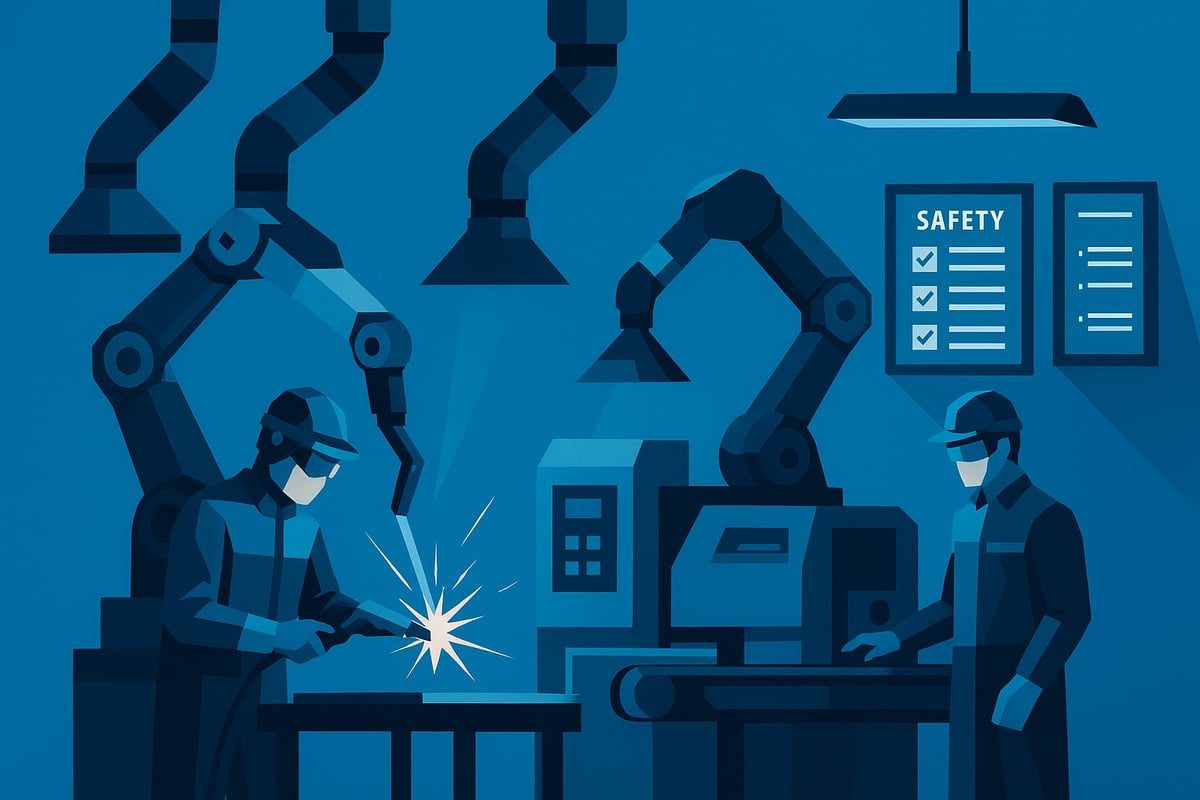
Core safety challenges in 2026
The integration of robotics and collaborative machines in welding and machine shops introduces new risks. Automated systems can move unpredictably, so clear safety zones and advanced sensors are essential. Additionally, hazardous materials like fumes, sparks, and high temperatures remain persistent dangers.
Personal protective equipment is more advanced than ever. Smart helmets now offer heads-up displays and real-time air quality monitoring. Wearable tech tracks worker exposure and fatigue. In 2023, welding-related injuries accounted for 6% of manufacturing incidents, so every improvement in safety protocols matters. As the industry evolves, maintaining a strong safety culture is vital for every welding and machine shop.
Regulatory compliance and certifications
Staying compliant with updated OSHA and ANSI standards is non-negotiable. In 2026, regulations increasingly require documented safety training and ongoing certification. Companies that achieve ISO 45001 certification for occupational health demonstrate a clear commitment to best practices.
To further support compliance, many organizations turn to Certified Welding Services for expert guidance on safe operations, documentation, and inspection readiness. Proper recordkeeping, regular audits, and transparent safety reporting are now standard expectations for any modern welding and machine operation.
Risk mitigation strategies
Effective risk mitigation starts with robust lockout/tagout (LOTO) procedures during maintenance or repairs. Digital safety checklists are replacing paper logs, ensuring nothing gets overlooked. Real-time monitoring systems allow supervisors to respond quickly to hazards and near-misses.
For example, large fabrication shops have implemented digital checklists to monitor compliance and identify trends in safety incidents. These tools help prevent accidents, streamline reporting, and reinforce accountability across the welding and machine workforce.
Emergency preparedness
Preparedness is just as important as prevention. Welding and machine shops must have fire suppression systems that are regularly inspected and maintained. First aid readiness, including accessible kits and trained personnel, is a must.
Evacuation plans should be clearly posted, with drills conducted on a regular schedule. Simulations help teams respond calmly and efficiently if an emergency occurs. By prioritizing both prevention and preparedness, your welding and machine operations stay resilient and compliant in a rapidly changing industry.
Step-by-Step Guide: Setting Up a Future-Ready Welding and Machine Shop
Establishing a future-ready welding and machine shop requires careful planning and a strategic approach. With rapid industry changes, following a systematic process ensures your facility remains competitive, safe, and adaptable. Below, we break down each critical step to help you build a shop that meets modern demands and positions you for long-term growth.
Step 1: Assessing your needs and workflow
Begin by analyzing your current and projected production requirements. Identify the types of materials you will handle, the volume of work, and any specialty projects. This assessment forms the backbone of your welding and machine shop setup, guiding decisions about space, equipment, and staffing. Consider workflow efficiency and pinpoint bottlenecks that could limit productivity. Mapping material flow and process sequences helps optimize layout and resource allocation. Involving your team in this early stage fosters buy-in and uncovers practical insights.
Step 2: Selecting equipment and technology
Choose equipment that aligns with both present and future applications. Factor in the range of welding and machine processes you intend to use, such as CNC, laser, or robotic systems. When evaluating options, prioritize flexibility and compatibility with automation. To gain a comprehensive understanding of available technologies, consult resources like the Manufacturing and Machining Overview. Investing in modular machines and scalable software ensures you can adapt as your shop grows. Stay alert to emerging trends to futureproof your choices.
Step 3: Facility layout and infrastructure
Design your shop layout for maximum safety, efficiency, and smooth material flow. Arrange stations to minimize unnecessary movement and reduce handling risks. Ensure ample space between work areas for ventilation, equipment access, and compliance with safety regulations. Pay close attention to power supply, lighting, and environmental controls, such as dust and fume extraction. Well-planned infrastructure supports your welding and machine processes, reduces accidents, and streamlines daily operations. Test layout ideas with digital simulations before committing to construction.
Step 4: Workforce training and upskilling
Develop a robust training program to keep your team ahead of technological changes. Focus on both foundational skills and advanced certifications in welding and machine techniques. Incorporate digital resources, VR simulations, and ongoing education to close skill gaps and foster a culture of continuous improvement. Upskilling your workforce boosts productivity and safety, ensuring your shop adapts to evolving industry standards. Encourage mentorship and peer learning to build a resilient, knowledgeable team.
Step 5: Implementing safety and compliance measures
Establish comprehensive safety protocols tailored to your welding and machine operations. Set clear standard operating procedures (SOPs), conduct regular safety audits, and maintain up-to-date documentation. Integrate digital safety management tools for real-time monitoring and incident reporting. Equip your shop with proper PPE, emergency systems, and signage. Staying current with OSHA and local regulations protects your workforce and minimizes legal risks. Regularly review and update your safety measures to address new hazards.
Step 6: Quality assurance and process optimization
Integrate inspection checkpoints and feedback loops throughout your production process. Use non-destructive testing, in-process measurements, and automated inspection tools to maintain quality in your welding and machine outputs. Adopt continuous improvement methodologies like Lean or Six Sigma to reduce defects and improve efficiency. Document results and use data analytics to identify trends or recurring issues. Prioritizing quality assurance builds customer trust and reduces costly rework.
Step 7: Maintenance and futureproofing
Implement preventive maintenance schedules for all shop equipment, tracking usage and wear to avoid unexpected breakdowns. Keep critical spare parts in stock and assign responsibility for regular inspections. Plan for equipment upgrades by monitoring industry advancements and setting aside budget for new investments. By futureproofing your welding and machine shop, you ensure consistent performance, minimize downtime, and maintain a competitive edge as technology evolves.
Resources, Training, and Industry Support for 2026
Staying competitive in the welding and machine industry in 2026 requires access to robust resources, targeted training, and active industry engagement. Below, you will find the essential support pillars for professionals seeking to advance their skills and keep pace with rapid technological change.
Professional organizations and certifications
Joining professional organizations is a cornerstone of growth in the welding and machine sector. Groups such as the American Welding Society (AWS) and SME set industry standards, offer certification programs, and provide networking opportunities. Earning credentials like Certified Welding Inspector (CWI) or CNC certifications helps validate expertise and opens doors to better roles.
Certifications are increasingly valued as technology evolves. According to the Welding Equipment Market Analysis Report, demand for skilled technicians is rising, making recognized qualifications even more critical for career progression.
Training programs and apprenticeships
Continuous learning is vital in the welding and machine field. Community colleges and trade schools offer hands-on courses in advanced welding techniques and CNC machining. Many employers now partner with digital platforms to deliver flexible, remote learning options, making training accessible for both new entrants and experienced professionals.
Apprenticeships remain a practical route for mastering real-world skills. These programs pair classroom instruction with supervised experience, ensuring graduates are job-ready and able to handle evolving industry demands.
Industry events and networking
Industry events are prime opportunities to connect, learn, and share knowledge. Major trade shows such as FABTECH and IMTS showcase the latest welding and machine innovations. Regional expos and workshops provide direct access to equipment demos, vendor consultations, and technical seminars.
Participating in peer groups and online forums fosters collaboration. Engaging in these communities can help troubleshoot challenges, discover best practices, and expand your professional network in the welding and machine industry.
Digital tools and knowledge bases
Digital transformation is reshaping how professionals learn and solve problems. CAD libraries, technical documentation, and process simulation software are now standard resources in the welding and machine workspace. Video tutorials and interactive guides simplify complex concepts and provide visual learning experiences.
Utilizing these tools streamlines project planning, reduces errors, and accelerates skill development. Many organizations also maintain online knowledge bases that centralize technical data for easy access by teams.
Staying updated with trends and innovations
Keeping pace with industry trends is essential for long-term success in welding and machine careers. Subscribing to industry publications, participating in webinars, and attending live demonstrations help professionals stay informed about new technologies and regulations.
According to the Global Welding Machinery Market Forecast, the market is projected for significant growth, driven by automation and advanced manufacturing. Ongoing education and active engagement with current developments enable individuals and organizations to remain at the forefront of industry change.
As we look ahead to 2026, it’s clear that mastering welding and machining isn’t just about keeping up—it’s about setting yourself and your business up for long-term success. Whether you’re exploring new automation technologies, refining safety protocols, or seeking practical ways to boost productivity, having the right partner makes a real difference. If you’re ready to take the next step or need expert support tailored to your industry’s demands, let’s connect. You deserve solutions that keep your operations strong and your goals within reach.
Request a Quote