
Industrial sectors are experiencing a surge in demand for highly skilled welding professionals as we move toward 2026.
Technological advancements and new quality benchmarks are rapidly transforming how service welding is performed on job sites. Companies that prioritize up-to-date knowledge and technique are finding a significant edge in both safety and competitiveness.
Mastering service welding is more valuable than ever, ensuring projects meet rigorous standards while protecting workers and assets.
This guide will equip you with expert insights, current trends, and proven strategies for welding excellence. You will discover essential fundamentals, the latest technology, best safety practices, quality assurance, and actionable tips to achieve success in 2026.
Understanding Service Welding: Foundations and Key Principles
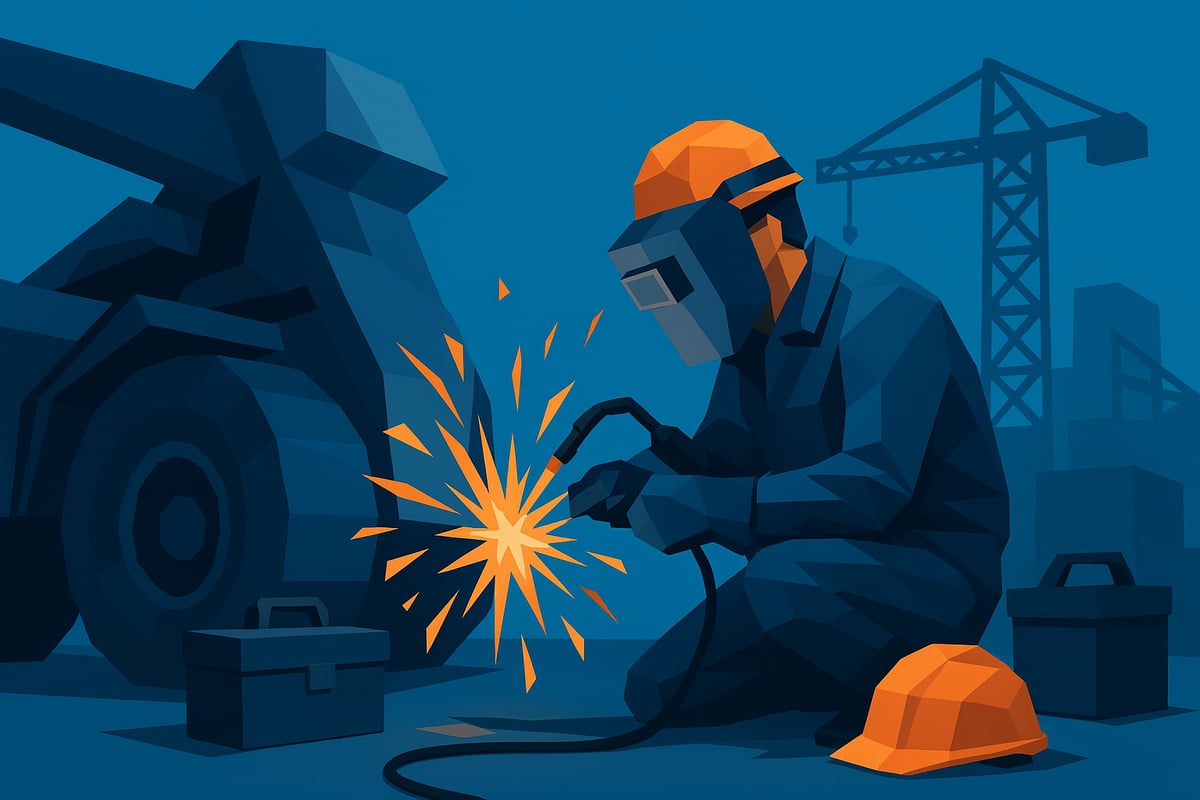
Service welding stands as a cornerstone in today’s industrial landscape. It involves specialized on-site or field welding tailored to support everything from plant maintenance to emergency repairs. Unlike fabrication or shop-based work, service welding is distinguished by its adaptability, mobility, and direct impact on productivity. Industrial sectors like manufacturing, oil and gas, construction, and recycling rely on this service to keep operations running smoothly. Common applications range from pipeline repairs to heavy equipment refurbishment. The primary welding processes—MIG, TIG, Stick, and Flux-Cored—are chosen based on project needs and site conditions. For a broader perspective on what service welding encompasses, see the Welding Services Overview for detailed examples and process comparisons.
What is Service Welding?
Service welding refers to the provision of welding expertise directly at industrial or commercial job sites. This approach sets it apart from fabrication, which usually takes place in controlled shop environments, and from basic repairs that might be handled by general maintenance teams. Service welding is essential in sectors such as manufacturing, oil and gas, and recycling, where uptime is critical and equipment must meet strict safety standards.
Applications are broad, including structural steel repairs, pressure piping, and the restoration of worn components. Typical service welding projects might involve mobile teams responding to emergency equipment failures or scheduled maintenance on complex systems. The most common processes used are MIG for speed, TIG for precision, Stick for versatility, and Flux-Cored for outdoor or heavy-duty work.
Essential Skills and Qualifications for Service Welders
To excel in service welding, professionals must hold recognized certifications, such as those from the American Welding Society (AWS) or the American Society of Mechanical Engineers (ASME). These credentials prove a welder’s ability to meet industry quality and safety standards.
Technical skills are crucial: blueprint reading, correct material selection, and precise joint preparation form the backbone of effective service welding. Soft skills also play a major role, including adaptability, problem-solving, and clear communication with clients and team members. Many successful welders advance their careers by gaining experience in different industrial settings, pursuing advanced certifications, or moving into supervisory roles.
Core Materials and Equipment Used in Service Welding
Service welding demands versatility with a range of metals including carbon steel, stainless steel, aluminum, and exotic alloys. The choice of material depends on the application and operating environment.
Equipment selection is equally important. Welders use both inverter and transformer-based machines, choosing based on portability and power needs. Essential safety gear includes helmets with auto-darkening lenses, flame-resistant gloves, jackets, and reliable respirators. Consumables such as electrodes, filler metals, and shielding gases must be matched to the material and process. Regular maintenance and calibration of all equipment help ensure weld quality and operator safety.
Table: Common Metals and Their Service Welding Considerations
| Metal | Key Considerations |
|---|---|
| Carbon Steel | Widely used, cost-effective |
| Stainless Steel | Corrosion resistance needed |
| Aluminum | Lightweight, needs pre-cleaning |
| Exotic Alloys | Specialized skills required |
The Role of Service Welding in Industrial Maintenance
Service welding is vital for both preventative and corrective maintenance strategies. Preventative efforts focus on regular inspections and minor repairs to avoid major failures, while corrective maintenance addresses urgent repairs after breakdowns. Timely welding can dramatically reduce production downtime and associated costs.
Consider a manufacturing plant where a cracked conveyor frame is identified during routine inspection. Immediate service welding prevents an unexpected shutdown, saving thousands in lost production. Industry data shows that proactive welding maintenance can cut downtime by up to 30 percent. Service welders often collaborate with machinists and hydraulic specialists, ensuring a comprehensive maintenance approach that supports long-term operational reliability.
Advancements in Welding Technology for 2026
The landscape of service welding is evolving rapidly as we approach 2026. New technologies, smarter equipment, and progressive training methods are reshaping how welders and businesses deliver quality results. Understanding these advancements is crucial for staying ahead in a competitive market.

Emerging Welding Techniques and Automation
Automation is transforming service welding across industries. Robotic welding systems and collaborative robots, or cobots, are now common on job sites. They boost productivity and deliver consistent weld quality, especially for repetitive or high-volume tasks. Cobots are particularly useful because they work safely alongside human welders.
Advanced arc processes are also gaining ground. Pulsed MIG, laser welding, and hybrid techniques allow for faster, cleaner welds. These methods reduce distortion and improve metallurgical properties. Real-time digital management systems track weld parameters, monitor arc stability, and flag potential defects instantly. This data-driven approach minimizes rework and supports compliance with strict standards.
For a deeper look at the latest breakthroughs, such as handheld laser welders and collaborative robots, see this overview of Top Welding Innovations in 2025. As adoption grows, service welding professionals must adapt to new skill requirements and workflows.
Smart Equipment and Connectivity
Smart equipment is redefining how service welding projects are managed and executed. IoT-enabled welding machines allow for remote diagnostics, making troubleshooting faster and more accurate. Wireless controls and mobile apps give welders flexibility to adjust settings or access documentation from anywhere on site.
Cloud-based systems streamline documentation and ensure compliance. These platforms automatically log weld data, track maintenance schedules, and generate reports for inspections. Smart helmets and sensors further increase safety by monitoring gas exposure and alerting workers to hazards. Service welding is now more connected, efficient, and transparent than ever.
Sustainable Welding Practices and Green Technologies
Sustainability is at the forefront of modern service welding. Energy-efficient welding machines use less power while delivering the same output, reducing operational costs and environmental impact. Fume extraction systems and emission controls help companies meet stricter environmental regulations.
Using recycled metals and eco-friendly consumables is becoming standard practice. Many organizations now track their carbon footprint and benchmark their performance against industry standards. Service welding teams that adopt green technologies not only protect the environment but also gain a competitive edge in eco-conscious markets.
Training and Upskilling for the Future
The rapid pace of change in service welding demands continuous learning. Virtual reality (VR) and augmented reality (AR) training modules allow welders to practice complex procedures in safe, immersive environments. These technologies improve retention and reduce training time.
Online certification programs and micro-credentials make it easier for professionals to stay current with evolving standards. Partnerships with technical schools and industry groups help bridge the skills gap by connecting new talent with experienced mentors. The return on investment for advanced training is clear, as well-prepared teams deliver better results and adapt quickly to new technologies.
Forward-thinking organizations prioritize workforce development, ensuring their service welding operations are ready to meet future challenges and opportunities.
Safety, Compliance, and Quality Assurance in Service Welding
Meeting the highest standards in safety, compliance, and quality assurance is essential for any successful service welding project. As industrial requirements evolve, understanding these pillars ensures both regulatory approval and operational excellence. By integrating robust processes and leveraging the right expertise, businesses can maximize uptime, reduce risk, and deliver superior results.

Regulatory Standards and Compliance Requirements
Service welding is governed by strict regulatory frameworks to ensure safety and quality across industries. Key organizations such as OSHA, ANSI, AWS, and ASME set the standards for welding operations, documentation, and inspection. Each project must adhere to relevant codes, including material selection, joint design, and process controls.
Staying compliant with these standards requires thorough documentation and regular audits. Non-compliance can lead to costly penalties, project delays, or even shutdowns. Recent updates for 2026 have introduced stricter traceability and digital reporting requirements, making it vital for companies to stay informed.
For projects involving pressure piping or critical infrastructure, working with providers experienced in ASME Code Welding for Pressure Piping ensures code-compliant results and peace of mind. Service welding professionals must demonstrate up-to-date certifications and an understanding of changing regulations to maintain a competitive edge.
Best Practices for Workplace Safety
Workplace safety in service welding is paramount and starts with hazard identification and comprehensive risk assessments. Every job site requires clearly defined safety protocols, including the use of personal protective equipment such as helmets, flame-resistant jackets, gloves, and respirators.
Proper ventilation, fire prevention measures, and confined space procedures are critical for protecting workers and assets. Teams should conduct regular safety briefings and maintain clear communication throughout each phase of the project.
Adopting these best practices not only reduces the risk of incidents but also fosters a culture of accountability and trust. Continuous training and the implementation of incident reduction strategies have been shown to significantly lower accident rates in service welding environments.
Quality Control Measures in Service Welding
Quality assurance is a non-negotiable aspect of service welding. Inspections are carried out at multiple stages, utilizing methods such as visual checks, radiographic testing, ultrasonic analysis, and magnetic particle inspection. These processes help identify any defects or inconsistencies early.
Weld Procedure Specifications (WPS) and Procedure Qualification Records (PQR) form the backbone of reliable quality management. Non-destructive testing (NDT) is especially valuable for verifying weld integrity without compromising the structure.
Learning from real-world quality failures, such as incomplete penetration or porosity, strengthens future project outcomes. By prioritizing robust quality control, service welding providers ensure client satisfaction and long-term performance.
| Inspection Method | Application Area |
|---|---|
| Visual | Surface defects |
| Radiographic (X-ray) | Internal flaws |
| Ultrasonic | Thickness, cracks |
| Magnetic Particle | Surface/subsurface |
Documentation and Record-Keeping
Comprehensive documentation is vital for service welding projects, supporting both compliance and transparency. Accurate weld logs, inspection reports, and traceability records must be maintained throughout the project lifecycle.
Digital record-keeping systems streamline data entry, facilitate audits, and integrate seamlessly with project management tools. These solutions enable real-time access to critical information, improving efficiency and client communication.
Well-organized documentation not only satisfies regulatory requirements but also provides a valuable resource for future maintenance or troubleshooting. Embracing digital platforms enhances transparency and positions service welding teams for success in a competitive landscape.
Step-by-Step Guide to Successful Service Welding Projects
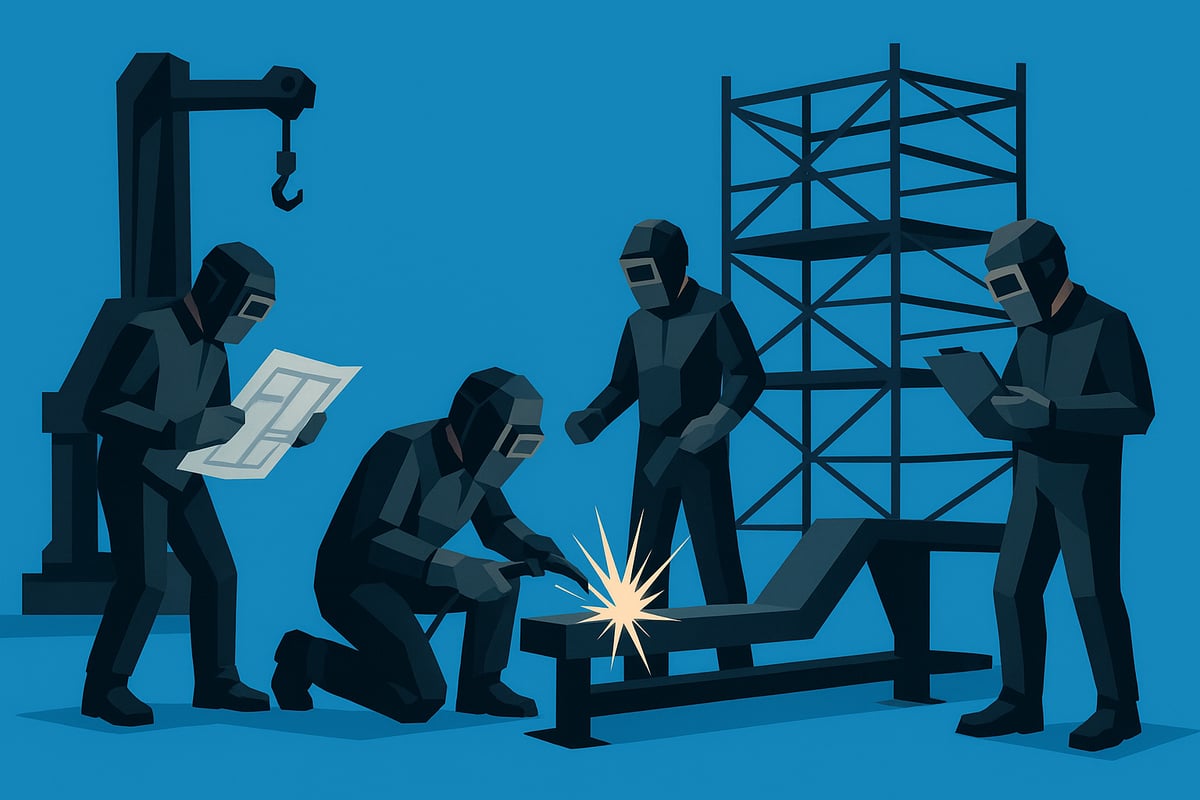
Mastering a step-by-step approach is crucial for delivering reliable results in service welding. Each phase, from initial assessment to ongoing maintenance, demands attention to detail and a structured process. This guide outlines the essential steps that ensure every service welding project meets the highest standards for quality, safety, and efficiency.
Step 1: Project Assessment and Planning
Effective service welding starts with a comprehensive project assessment. Begin by reviewing all specifications and client requirements to define the scope. Conduct a thorough site evaluation to identify potential hazards and logistical challenges.
Next, select the right materials for the job, considering factors like strength, corrosion resistance, and compatibility. Procure materials in advance to avoid delays. Develop a realistic schedule and allocate resources, including skilled personnel and equipment.
For example, when planning a pipeline repair, detailed coordination is essential to minimize operational disruption. Proper assessment at this stage sets the foundation for a successful service welding project.
Step 2: Preparation and Setup
Preparation is the backbone of quality service welding. Start by cleaning surfaces and preparing joints to ensure optimal weld penetration. Set up and calibrate welding equipment, checking settings for voltage, amperage, and gas flow.
Perform pre-weld inspections to confirm all materials and tools are ready. Document the setup process for traceability and compliance. Safety checks are vital—verify that all personal protective equipment is worn and that the work area is properly ventilated.
Team briefings at this stage align everyone on safety protocols and project goals. Investing time in preparation directly impacts the integrity and durability of the final weld.
Step 3: Execution of Welding Operations
During this phase, select the most suitable service welding process, such as MIG, TIG, or Stick, based on material type and project requirements. Focus on proper technique to achieve strong, defect-free welds.
Monitor quality in real time, making adjustments as needed to address issues like porosity or undercutting. Maintain consistent travel speed and electrode angles for uniform results. Be mindful of environmental factors—wind, temperature, or humidity can influence weld quality.
For instance, field welding on structural steel demands adaptability and precise control. Successful execution relies on both technical skills and situational awareness throughout the service welding operation.
Step 4: Inspection and Testing
Inspection and testing are critical to verifying the quality of service welding work. Conduct visual inspections during and after welding to detect surface defects. Employ non-destructive testing methods, such as ultrasonic or radiographic exams, for deeper analysis.
Record all inspection results and document any defects found. Address issues promptly to maintain compliance with client expectations and regulatory standards. Pressure testing is often required for welded joints in pipelines, ensuring they meet safety and performance criteria.
Thorough inspection safeguards the reputation of your service welding operations and minimizes costly rework.
Step 5: Documentation and Handover
Accurate documentation is essential in service welding projects. Prepare detailed weld maps, inspection reports, and compliance certificates for every completed job. Use digital documentation platforms for easy traceability and future reference.
Conduct a final client walkthrough to review the completed work and answer any questions. Secure client approval before project closeout. Maintaining clear records supports future maintenance and demonstrates accountability.
Well-organized documentation enhances transparency and builds trust with clients, setting your service welding business apart.
Step 6: Maintenance and Ongoing Support
Service welding extends beyond project completion. Schedule regular inspections and preventative maintenance to address wear and tear before it leads to failures. Common repairs include reinforcing joints, replacing worn components, and upgrading outdated systems.
Training client teams on basic upkeep promotes long-term reliability. For facilities requiring immediate attention, Emergency Mobile Industrial Welding Services can provide rapid field support to minimize downtime.
Ongoing support solidifies your role as a trusted service welding partner, ensuring projects continue to deliver value.
Practical Tips and Troubleshooting for Service Welders
Service welding professionals face unique challenges on job sites. Address common issues like porosity, cracking, or distortion by adjusting heat input and travel speed. Use jigs and fixtures to maintain alignment in complex assemblies.
When working in confined or hazardous environments, prioritize ventilation and communication. Efficient workflow management—such as staging materials and tools—reduces idle time and boosts productivity.
Leverage technology for troubleshooting, using digital weld monitors or mobile apps to diagnose and resolve issues quickly. These strategies help service welding teams maintain high standards and adapt to evolving project demands.
Industry Trends and Future Outlook for Service Welding
As 2026 approaches, the landscape of service welding is rapidly evolving. Businesses are adapting to new technologies, shifting workforce dynamics, and rising client expectations. Staying informed on these trends is crucial for anyone looking to thrive in service welding.
Market Demand and Growth Projections
The demand for service welding continues to surge across the United States, especially in the West. According to Global Welding Machinery Market Growth, the global welding machinery market is on track to reach 17.1 billion dollars by 2026. This growth is fueled by infrastructure upgrades, renewable energy projects, and advanced manufacturing.
Key sectors driving this momentum include oil and gas, construction, automotive, and recycling. Regional trends show strong investments in public infrastructure and energy, which directly impact the need for reliable service welding. Companies that adapt quickly and invest in skilled teams will be well positioned for success.
Evolving Client Expectations and Service Models
Clients are now seeking more than just traditional service welding. There is a noticeable shift toward bundled solutions that combine welding, fabrication, and field services under one contract. Businesses expect rapid response times and the flexibility to handle projects both in-shop and on-site.
Customization is also rising in importance. Many clients want value-added offerings, such as integrated machining or hydraulic system support. For example, some companies now offer turnkey packages covering everything from initial assessment to ongoing maintenance. This evolution in service models helps differentiate providers in a crowded marketplace.
Talent Shortage and Workforce Development
The service welding industry is facing a significant talent gap. Recent statistics reveal a shortage of qualified welders, driven by an aging workforce and fewer young professionals entering the trade. This challenge is prompting organizations to invest in comprehensive training and apprenticeship programs.
Efforts to attract diverse talent are gaining traction, including outreach to underrepresented groups and partnerships with technical schools. Mentorship and on-the-job training are also being used to upskill existing workers. As the industry continues to evolve, ongoing workforce development will be essential for meeting demand and maintaining high standards in service welding.
The Impact of Digital Transformation
Digital transformation is reshaping service welding from the ground up. Companies are adopting cloud-based project management, digital quality control, and real-time communication tools to streamline operations. Data-driven decision-making is becoming the norm, enabling better scheduling, resource allocation, and maintenance planning.
Artificial intelligence is also making waves in the industry. For instance, AI in Resistance Welding Operations explores how AI-powered robots are being deployed to boost efficiency and consistency in service welding tasks. These technologies not only improve productivity but also help address the ongoing labor shortage.
Looking ahead, service welding professionals who embrace digital tools and automation will be better equipped to deliver top-tier results. The integration of smart systems and AI will continue to drive innovation, setting new benchmarks for quality and efficiency in the field.
Expert Insights: Strategies for Service Welding Success in 2026
Achieving excellence in service welding in 2026 demands more than technical skill. It requires a mindset focused on improvement, advanced communication, investment in technology, and the ability to adapt to industry shifts. The following expert strategies are designed to help professionals and businesses not only meet but exceed the evolving standards of service welding.
Building a Culture of Continuous Improvement
A successful service welding operation thrives on continuous improvement. Implementing lean practices like Kaizen encourages teams to identify inefficiencies and make incremental changes. Regular feedback sessions help welders share insights and solutions for recurring challenges.
Measuring key performance indicators, such as rework rates and weld quality, provides actionable data for improvement. For instance, adopting cutting-edge assessment tools, including research-backed advancements like Physics-Informed Neural Networks in Welding, can support real-time quality monitoring and predictive maintenance. By fostering a proactive culture, companies set the stage for consistent, measurable gains in service welding.
Client Communication and Relationship Management
Clear, proactive communication is essential throughout every service welding project. Establishing expectations early builds trust and helps avoid misunderstandings. Using structured updates and transparent reporting keeps clients informed about progress, challenges, and solutions.
Effective relationship management means responding quickly to questions or concerns. Long-term partnerships often arise from reliability and open dialogue. Companies that prioritize communication reduce disputes and foster repeat business in the competitive service welding industry.
Investing in Technology and Training
Continuous investment in technology and workforce development is vital for service welding leaders aiming to stay ahead. Allocating budget for equipment upgrades ensures welders have access to the latest tools, boosting both productivity and quality.
Ongoing training, such as VR-based simulations and digital courses, helps workers master advanced techniques and adapt to new standards. Companies that prioritize staff education see strong returns on investment, as employees become more efficient and confident. Staying current with industry trends ensures service welding teams remain at the forefront of innovation.
Navigating Challenges and Seizing Opportunities
Service welding professionals face economic shifts, supply chain disruptions, and evolving market demands. Adapting by diversifying services and exploring emerging sectors, such as renewables, can open new revenue streams.
Scaling operations requires strategic planning and leveraging industry networks. Joining associations or collaborative groups offers access to resources and best practices. By staying flexible and proactive, companies can turn challenges into opportunities, ensuring sustained growth in the dynamic service welding landscape.
As you plan for welding success in 2026, it’s clear that staying ahead means embracing new technologies, prioritizing safety, and ensuring top quality at every step. Whether you’re tackling complex fabrication projects or need reliable field support, partnering with a team that understands the evolving needs of industrial sectors can make all the difference. If you’re ready to boost productivity, minimize downtime, and achieve results that meet tomorrow’s standards, let’s take the next step together.
Request a Quote
and see how LTJ Industrial Services can support your goals with expert welding solutions tailored to your project.