Pressure vessels are critical components in industrial operations throughout the Western United States, particularly in the oil and gas, manufacturing, and aggregate industries. These engineered containers hold gases or liquids at pressures significantly different from ambient levels, making their structural integrity paramount to operational safety and efficiency. When defects, corrosion, or damage occur, proper pressure vessel repair becomes essential to prevent catastrophic failures, ensure regulatory compliance, and maintain production continuity. Understanding the complexities of repair procedures, inspection protocols, and industry standards helps facilities minimize downtime while protecting personnel and assets.
Understanding Pressure Vessel Damage and Degradation
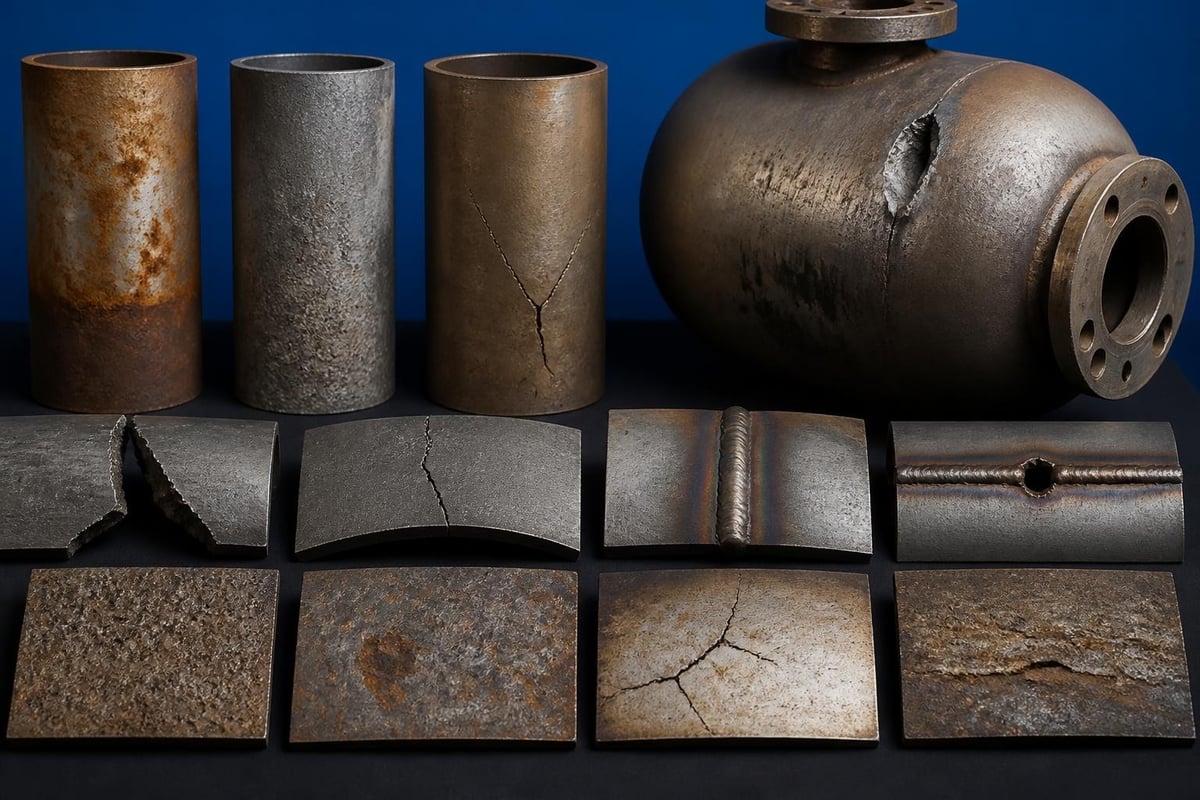
Pressure vessels face numerous challenges throughout their operational lifespan. Environmental conditions, process parameters, and operational stresses contribute to various forms of deterioration that require professional intervention.
Common Failure Modes
Corrosion represents one of the most prevalent issues affecting pressure vessels in industrial settings. Pitting corrosion, general thinning, and stress corrosion cracking can compromise vessel walls, creating weak points that threaten structural integrity. Chemical exposure in recycling facilities and aggregate processing plants accelerates deterioration, particularly when protective coatings fail or maintenance intervals extend beyond recommended schedules.
Mechanical damage occurs through several mechanisms:
- Impact damage from external objects or improper handling
- Fatigue cracking from cyclic loading and pressure fluctuations
- Weld defects including incomplete fusion, porosity, and cracks
- Erosion from abrasive materials or high-velocity flow
- Thermal stress from temperature gradients and thermal cycling
Material degradation extends beyond surface-level concerns. Hydrogen embrittlement, creep deformation at elevated temperatures, and metallurgical changes affecting reactor pressure vessels require specialized assessment techniques to evaluate repair feasibility and methodology.
Inspection and Assessment Protocols
Effective pressure vessel repair begins with comprehensive inspection to determine the extent of damage, assess remaining structural capacity, and develop appropriate repair strategies. Advanced welding services utilize multiple nondestructive testing (NDT) methods to evaluate vessel condition without causing additional damage.
Nondestructive Examination Methods
Visual inspection provides the initial assessment layer, identifying obvious defects, corrosion patterns, and mechanical damage. Qualified inspectors examine external surfaces, internal areas during scheduled shutdowns, and critical zones including nozzle connections, weld seams, and support attachments.
| NDT Method | Application | Advantages | Limitations |
|---|---|---|---|
| Ultrasonic Testing | Wall thickness measurement, crack detection | High accuracy, penetrates thick materials | Requires surface preparation, skilled interpretation |
| Radiographic Testing | Internal weld quality, void detection | Permanent record, comprehensive coverage | Radiation safety concerns, access limitations |
| Magnetic Particle | Surface and near-surface crack detection | Sensitive to small defects, quick results | Ferromagnetic materials only, surface preparation required |
| Liquid Penetrant | Surface-breaking defects | Works on all materials, cost-effective | Surface defects only, cleaning required |
Fitness-for-service assessments evaluate whether damaged vessels can continue operating safely under specific conditions or require immediate repair. These engineering analyses consider defect size, location, operating conditions, and remaining service life to support decision-making.
Advanced techniques including phased array ultrasonics, acoustic emission monitoring, and digital radiography provide enhanced detection capabilities. These technologies enable more precise defect characterization, supporting development of targeted repair drawings for specific vessel defects.
Regulatory Compliance and Safety Standards
Pressure vessel repair must comply with stringent regulations protecting workers, facilities, and communities. Understanding these requirements ensures repairs meet legal obligations while maintaining operational safety.
Code Requirements and Jurisdictional Standards
The American Society of Mechanical Engineers (ASME) Boiler and Pressure Vessel Code establishes design, fabrication, and repair standards widely adopted across North America. Section VIII governs unfired pressure vessels, while Section I addresses fired steam boilers. Repair organizations must demonstrate code compliance through documentation, qualified personnel, and quality control procedures.
OSHA pressure vessel hazard guidelines mandate specific safety measures during repair operations. Employers must implement hazard recognition programs, establish safe work procedures, and provide appropriate personal protective equipment. Confined space entry protocols, lockout/tagout procedures, and hot work permits protect workers performing internal repairs or welding operations.
State and local jurisdictions may impose additional requirements beyond federal standards. Some regions require inspections by authorized inspectors, repair permits before beginning work, and documentation of all modifications. Comprehensive guidance on pressure vessel regulations helps facilities navigate these complex requirements.
The Environmental Protection Agency's Risk Management Program addresses chemical safety concerns, including rupture hazard prevention for pressure vessels containing hazardous substances. Facilities must identify potential failure scenarios, implement preventive maintenance programs, and establish emergency response procedures.
Repair Techniques and Methodologies
Selecting appropriate pressure vessel repair methods depends on damage type, vessel material, operating conditions, and code requirements. Professional repair services employ various techniques tailored to specific situations.
Welding Repairs
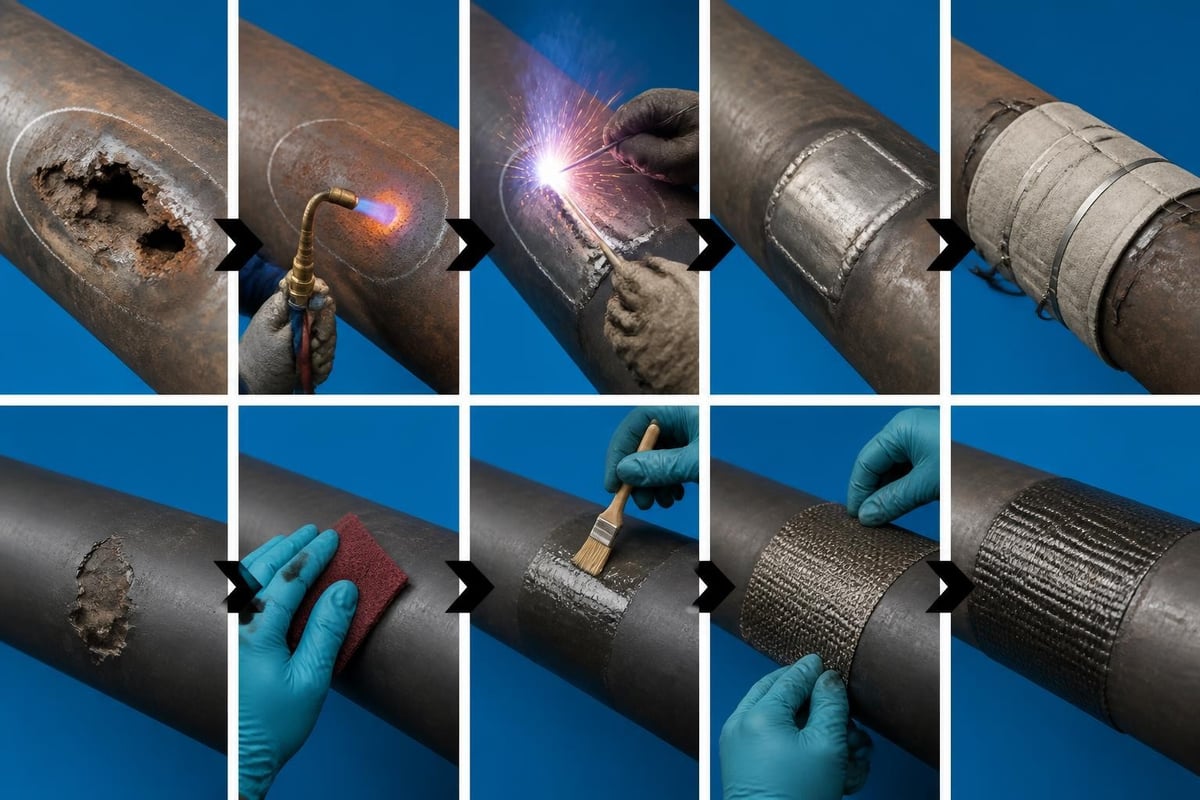
Weld repair remains the most common pressure vessel repair method for addressing cracks, defects, and localized damage. Professional welding capabilities ensure repairs meet code requirements and restore structural integrity.
Weld repair procedures include:
- Defect removal through grinding, machining, or gouging
- Surface preparation including cleaning and beveling
- Preheat application when specified by code or procedure
- Weld metal deposition using qualified procedures
- Post-weld heat treatment to relieve residual stresses
- Final inspection using appropriate NDT methods
Welding procedure specifications (WPS) and welder performance qualifications ensure consistent, code-compliant results. Procedure variables including base metal composition, filler metal selection, heat input, and interpass temperature directly affect repair quality and long-term performance.
Material considerations influence welding approach. Carbon steel vessels typically accommodate straightforward repair welding, while stainless steel, chrome-moly alloys, and exotic materials require specialized techniques. Machining services often support weld repair by preparing damaged areas and restoring dimensional tolerances.
Composite Repair Systems
Composite overwrap systems provide alternative solutions when traditional welding proves impractical or undesirable. These systems apply fiber-reinforced polymer materials over damaged areas, creating structural reinforcement without heat-affected zones or welding-related concerns.
Composite patch applications demonstrate effectiveness for corrosion damage, pinhole leaks, and localized thinning. Installation involves surface preparation, adhesive application, composite laminate placement, and curing under controlled conditions. These repairs can remain in service for decades when properly designed and installed.
Corrosion Protection and Coating Systems
Addressing existing damage represents only part of comprehensive pressure vessel repair. Protective coating applications prevent future deterioration and extend service life.
Coating selection depends on operating environment, temperature exposure, and chemical compatibility. Epoxy systems provide excellent chemical resistance for moderate temperatures, while ceramic coatings withstand higher temperatures and abrasive conditions. Metallic coatings including thermal spray and electroplating offer specialized protection for specific applications.
Field vs. Shop Repair Considerations
Location significantly impacts pressure vessel repair planning, execution, and cost. Understanding the advantages and limitations of each approach helps optimize repair strategies.
Field Repair Capabilities
Field repairs address vessels that cannot be removed from service locations due to size, integration with process systems, or operational constraints. Mobile repair teams bring equipment and expertise directly to facility sites throughout the Western United States.
Field repair advantages:
- Eliminates transportation costs and logistics
- Reduces downtime by avoiding disassembly and reinstallation
- Enables repairs during scheduled maintenance windows
- Accommodates emergency repairs minimizing production loss
Environmental challenges complicate field operations. Weather exposure, limited workspace, and restricted access require careful planning and specialized equipment. Power availability, lighting conditions, and material storage demand consideration when scheduling field repairs.
Quality control in field environments requires vigilant attention to detail. OSHA’s technical guidelines emphasize proper safety measures and examination methods essential for successful field repairs. Portable NDT equipment, temporary environmental enclosures, and calibrated instruments ensure repairs meet specifications despite challenging conditions.
Shop-Based Repair Benefits
Transporting vessels to controlled shop environments offers significant advantages when practical. Climate-controlled facilities, overhead cranes, and comprehensive equipment support complex repairs requiring precision machining and extensive fabrication work.
Shop repairs enable more thorough inspection, complete surface preparation, and optimal welding conditions. Specialized equipment including stress relief furnaces, advanced NDT systems, and automated welding machines enhances repair quality and efficiency. Detailed documentation, witness testing, and third-party inspection proceed smoothly in dedicated facilities.
Preventive Maintenance and Lifecycle Management
Strategic pressure vessel repair programs extend beyond reactive responses to damage. Proactive maintenance prevents failures, optimizes repair timing, and maximizes asset value throughout operational lifecycles.
Inspection Frequency and Scheduling
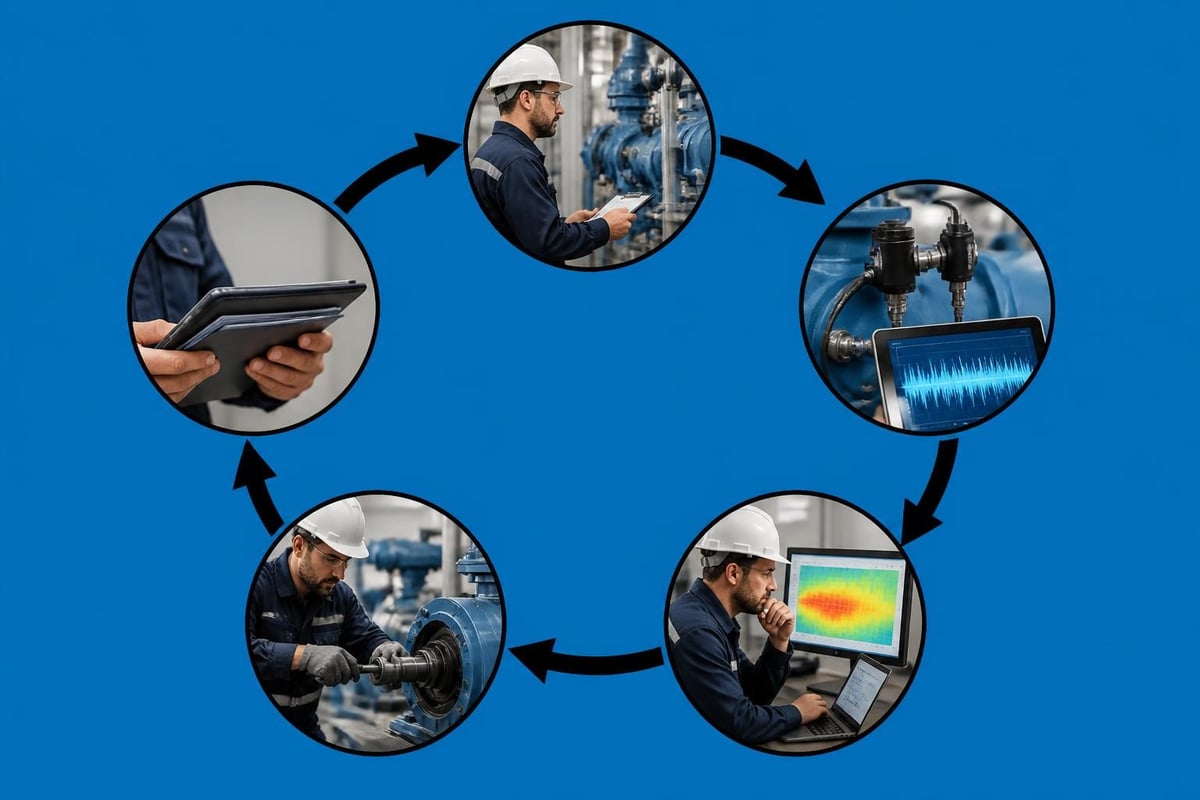
Regular inspection intervals detect deterioration before critical failures occur. Industry standards recommend visual inspections during routine operations, with comprehensive NDT examinations at prescribed intervals based on vessel classification, service severity, and historical performance.
| Vessel Type | Visual Inspection | Internal Inspection | NDT Examination |
|---|---|---|---|
| High Risk (toxic/flammable) | Quarterly | 2-3 years | Annually |
| Medium Risk (elevated pressure) | Semi-annually | 3-5 years | Every 2 years |
| Low Risk (water service) | Annually | 5-10 years | Every 5 years |
Risk-based inspection (RBI) programs optimize resource allocation by focusing attention on high-consequence, high-probability failure scenarios. These systematic approaches consider process conditions, damage mechanisms, inspection effectiveness, and consequence severity to establish customized inspection strategies.
Documentation and Record Keeping
Comprehensive documentation supports effective pressure vessel repair programs. Repair histories, inspection reports, and maintenance records enable trend analysis, predict future requirements, and demonstrate regulatory compliance.
Essential documentation includes:
- Original design drawings and specifications
- Material certifications and test reports
- Repair procedures and welding records
- NDT reports and inspector qualifications
- Operating parameters and process changes
- Previous repair locations and methods
Digital asset management systems centralize this information, facilitating access for operations personnel, maintenance planners, and regulatory inspectors. Industrial machinery maintenance programs benefit from integrated documentation supporting equipment reliability and regulatory compliance.
Material Selection for Repair Applications
Proper filler metal selection ensures pressure vessel repair integrity and longevity. Matching base metal chemistry, mechanical properties, and corrosion resistance prevents premature failure and maintains code compliance.
Metallurgical Compatibility
Carbon steel vessels accept numerous filler metal options, with selection based on strength requirements, impact properties, and welding position. E7018 electrodes provide reliable performance for general repairs, while low-hydrogen processes prevent hydrogen-induced cracking in thicker sections.
Stainless steel repairs require careful attention to composition and ferrite content. Austenitic stainless steels use matching filler metals (308, 309, 316) selected for base metal type and service conditions. Stabilized grades prevent sensitization in high-temperature service, while duplex stainless steels demand precise heat input control.
Dissimilar metal repairs present unique challenges requiring specialized procedures. Joining carbon steel to stainless steel uses nickel-based filler metals providing metallurgical compatibility with both materials. These transitions accommodate thermal expansion differences and prevent galvanic corrosion at the weld interface.
Quality Assurance and Testing Procedures
Rigorous quality control ensures pressure vessel repair meets performance requirements and regulatory standards. Multi-stage verification processes validate repair integrity before returning equipment to service.
Post-Repair Testing Requirements
Hydrostatic testing represents the primary acceptance criterion for pressure vessel repair. This procedure pressurizes vessels with water to specified test pressure (typically 1.3 to 1.5 times maximum allowable working pressure) while monitoring for leaks, deformation, or failure. Visual examination during and after pressurization confirms structural adequacy.
Pneumatic testing substitutes air or inert gas when water proves impractical due to temperature limitations, material incompatibility, or operational constraints. Enhanced safety precautions address stored energy hazards, with testing performed behind barricades using remote pressurization and monitoring.
Supplemental testing methods verify specific repair aspects:
- Radiographic examination of completed welds
- Ultrasonic testing of fusion and heat-affected zones
- Magnetic particle inspection of surface areas
- Hardness testing verifying proper heat treatment
- Positive material identification confirming filler metal composition
Third-party inspection by authorized inspectors provides independent verification of code compliance. These qualified individuals review documentation, witness testing, and issue certification enabling legal operation. Custom fabrication projects benefit from integrated quality assurance ensuring customer satisfaction and regulatory acceptance.
Emergency Repair Strategies
Unexpected pressure vessel failures demand rapid response minimizing production disruption and safety risks. Effective emergency repair planning enables quick mobilization while maintaining quality and compliance standards.
Temporary vs. Permanent Solutions
Emergency situations often require temporary repairs stabilizing vessels until comprehensive permanent repairs can be implemented. Mechanical clamps, leak sealing compounds, and temporary patches provide interim solutions allowing controlled shutdown and proper repair planning.
These temporary measures must never compromise safety or create additional hazards. Engineering evaluation confirms temporary repairs can safely contain pressure under operating conditions. Clear documentation establishes operating limitations, monitoring requirements, and timelines for permanent repair implementation.
Permanent emergency repairs balance speed with quality, utilizing expedited procedures without sacrificing essential steps. Pre-qualified repair procedures, maintained material inventories, and on-call technician availability reduce response time. Comprehensive service capabilities supporting emergency repairs throughout the Western United States minimize downtime and financial impact.
Training and Certification Requirements
Pressure vessel repair quality depends fundamentally on personnel competency. Rigorous training, certification, and continuing education ensure technicians possess requisite knowledge and skills.
Welder Qualifications
Welders performing pressure vessel repair must demonstrate proficiency through qualification testing meeting ASME Section IX requirements. These tests evaluate mechanical properties, soundness, and technique across specific variables including process, position, material thickness, and filler metal type.
Qualification records document each welder's approved variables and expiration dates. Periodic requalification and continuation testing maintain currency, while code revisions may necessitate additional testing. Quality-focused organizations invest in ongoing welder development, expanding capabilities and improving consistency.
Inspector Certification
Inspectors verifying pressure vessel repair must hold appropriate certifications demonstrating technical knowledge and examination proficiency. The American Society for Nondestructive Testing (ASNT) SNT-TC-1A program establishes NDT personnel qualification guidelines widely adopted across industry.
Authorized inspectors commissioned by jurisdictional authorities provide code compliance verification. National Board commission holders and state-licensed inspectors complete extensive training, pass comprehensive examinations, and maintain continuing education requirements ensuring current knowledge of codes and industry practices.
Cost Factors and Economic Considerations
Pressure vessel repair economics involve multiple variables affecting total project cost. Understanding these factors enables accurate budgeting and informed decision-making regarding repair versus replacement.
Direct Repair Costs
Material expenses include filler metals, consumables, protective coatings, and replacement components. Specialty materials for exotic alloys or high-performance applications significantly impact costs compared to standard carbon steel repairs.
Labor represents the largest cost component for most repairs. Skilled welder rates, inspector fees, and engineering services accumulate quickly, particularly for complex repairs requiring extensive preparation or specialized techniques. Travel expenses, per diem allowances, and mobilization costs increase field repair budgets.
Equipment and facility charges include:
- NDT equipment rental and calibration
- Stress relief furnace operation
- Hydrostatic test setup and water disposal
- Lifting equipment and rigging
- Environmental enclosures and climate control
Indirect Cost Considerations
Production downtime often exceeds direct repair costs, particularly in continuous process industries. Revenue loss, contract penalties, and customer relationship impact drive urgency for rapid, reliable repairs. Strategic maintenance scheduling during planned outages minimizes these indirect costs.
Regulatory compliance failures generate substantial penalties and potential facility shutdown orders. Investing in proper pressure vessel repair procedures, documentation, and inspection prevents enforcement actions and maintains operating permits.
Long-term reliability affects total lifecycle costs. Quality repairs extending service life and preventing repeat failures provide superior value compared to expedient fixes requiring frequent attention. Case studies demonstrating successful repairs illustrate cost-effectiveness of proper methodology and experienced execution.
Effective pressure vessel repair requires comprehensive understanding of damage mechanisms, regulatory requirements, repair techniques, and quality assurance protocols. Protecting critical industrial assets while maintaining safety and compliance demands experienced professionals with proven capabilities. LTJ Industrial Services delivers expert welding, fabrication, and machining solutions throughout the Western United States, helping commercial and industrial clients maintain operational excellence through reliable pressure vessel repair services. Contact our team today to discuss your specific requirements and discover how our comprehensive capabilities support your facility's success.