
Selecting the right metal for fabrication projects determines the success, durability, and cost-effectiveness of industrial manufacturing operations. Whether you're building components for oil and gas infrastructure, recycling equipment, or aggregate processing machinery, understanding material properties and their applications ensures optimal performance. The metal selection process involves balancing mechanical properties, environmental resistance, fabrication requirements, and budget constraints to achieve project goals.
Understanding Metal Properties for Industrial Applications
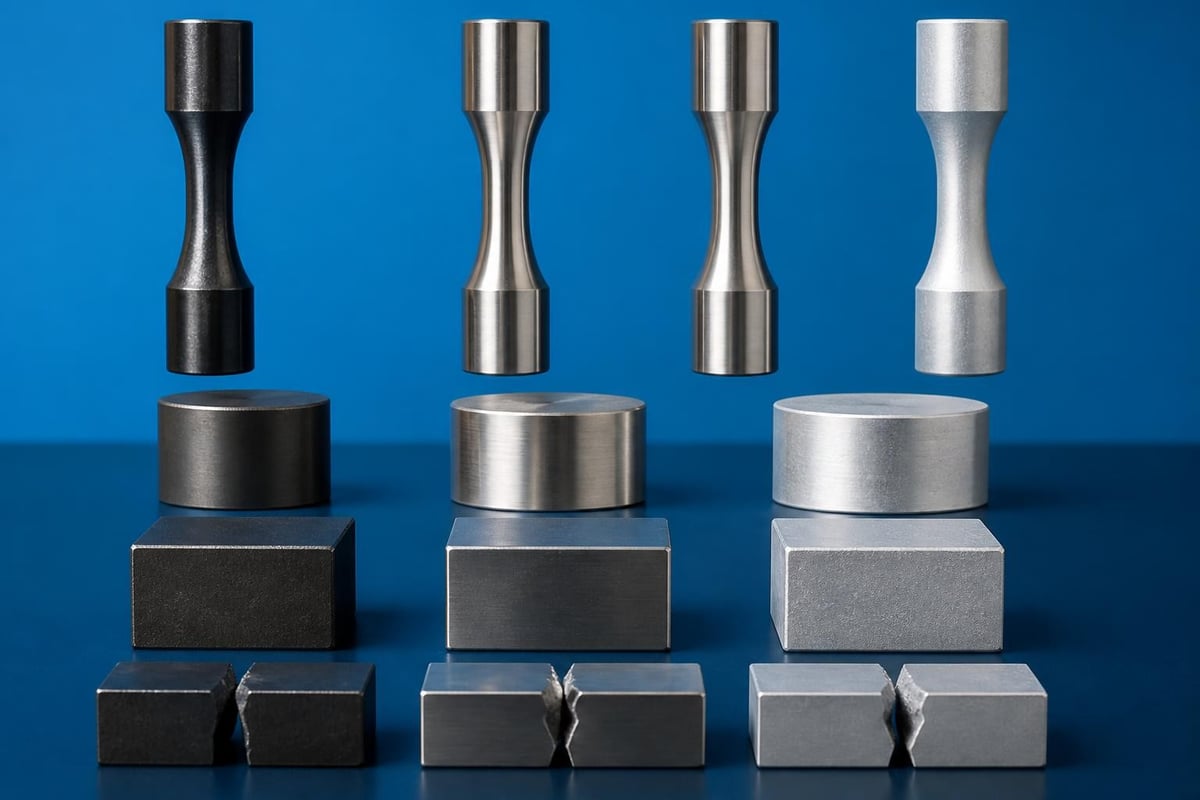
Every metal for fabrication brings distinct characteristics that make it suitable for specific applications. Material selection begins with evaluating fundamental properties including tensile strength, corrosion resistance, weldability, machinability, and thermal conductivity.
Strength and Durability Requirements
Tensile strength measures how much pulling force a material can withstand before breaking. High-stress applications in the oil and gas sector demand metals that maintain structural integrity under extreme pressure and temperature fluctuations.
Yield strength indicates the point at which a metal begins permanent deformation. Components subjected to repeated loading cycles require materials with high yield strength to prevent structural failure over time.
Impact resistance becomes critical for equipment operating in harsh environments. Metals used in aggregate processing must withstand constant abrasion and impact from heavy materials without cracking or deforming.
Environmental Resistance Factors
Corrosion resistance determines longevity in challenging environments. Understanding metals for manufacturing helps identify which materials perform best under specific exposure conditions.
- Atmospheric corrosion: Outdoor equipment faces moisture, temperature changes, and pollutants
- Chemical exposure: Processing plants require metals resistant to acids, bases, and solvents
- Temperature extremes: Materials must maintain properties across operational temperature ranges
- Galvanic corrosion: Dissimilar metals in contact accelerate degradation
Carbon Steel: The Workhorse of Fabrication
Carbon steel remains the most widely used metal for fabrication across industrial manufacturing due to its versatility, strength, and cost-effectiveness. This material contains iron and carbon, with carbon content determining mechanical properties.
Low Carbon Steel Applications
Low carbon steel (0.05% to 0.25% carbon) offers excellent weldability and formability. Its ductility makes it ideal for complex shapes and bending operations common in custom fabrication projects.
Structural components benefit from low carbon steel's balance of strength and workability. Frames, supports, and enclosures across recycling and aggregate industries utilize this economical material.
Advantages of low carbon steel:
- Superior weldability without preheating
- Easy machining and forming operations
- Cost-effective for large-scale projects
- Readily available in various forms and sizes
Medium and High Carbon Steel
Medium carbon steel (0.25% to 0.60% carbon) provides increased strength and hardness. Gears, shafts, and wear-resistant components utilize this material's enhanced mechanical properties.
High carbon steel (0.60% to 1.5% carbon) delivers maximum hardness and wear resistance. Cutting tools, springs, and high-stress applications demand this material's superior strength characteristics.
| Steel Type | Carbon Content | Primary Benefits | Common Applications |
|---|---|---|---|
| Low Carbon | 0.05-0.25% | Weldability, formability | Structural frames, enclosures |
| Medium Carbon | 0.25-0.60% | Strength, hardness | Gears, shafts, machinery parts |
| High Carbon | 0.60-1.5% | Maximum hardness, wear resistance | Cutting tools, springs |
Stainless Steel for Demanding Environments
Stainless steel's chromium content creates a protective oxide layer that prevents corrosion. This metal for fabrication excels in applications requiring both strength and environmental resistance.
Austenitic Stainless Steel Grades
304 stainless steel (18% chromium, 8% nickel) represents the most common austenitic grade. Its excellent corrosion resistance and formability make it suitable for food processing equipment, chemical tanks, and architectural applications.
316 stainless steel adds molybdenum for superior resistance to chlorides and acidic environments. Marine applications, pharmaceutical equipment, and coastal installations benefit from this enhanced protection.
Austenitic grades maintain toughness at cryogenic temperatures while resisting oxidation at elevated temperatures. Non-magnetic properties suit specific electrical and electronic applications.
Ferritic and Martensitic Options
Ferritic stainless steels (400 series) offer moderate corrosion resistance at lower cost than austenitic grades. Automotive exhaust systems and decorative trim utilize these magnetic steels.
Martensitic stainless steels provide hardness through heat treatment. Cutting tools, surgical instruments, and valve components require this combination of corrosion resistance and strength.
Aluminum: Lightweight Strength for Modern Fabrication
Aluminum delivers an exceptional strength-to-weight ratio that benefits transportation equipment, aerospace components, and portable machinery. Common materials used in metal fabrication include various aluminum alloys optimized for different applications.
Key Aluminum Alloy Series
6061 aluminum combines good mechanical properties with excellent corrosion resistance and weldability. Structural applications, frames, and general fabrication projects frequently specify this versatile alloy.
5052 aluminum offers superior corrosion resistance in marine environments. Saltwater exposure, chemical processing equipment, and fuel tanks benefit from this alloy's protective qualities.
7075 aluminum provides the highest strength among common aluminum alloys. Aerospace components and high-stress applications utilize this material despite reduced weldability.
- Thermal conductivity three times higher than steel
- Naturally corrosion-resistant oxide layer
- Recyclable without property degradation
- Non-magnetic and non-sparking properties
Specialty Metals for Unique Requirements
Certain industrial applications demand metals beyond common steel and aluminum options. These specialty materials solve specific engineering challenges in extreme environments.
Titanium for Extreme Conditions
Titanium offers unmatched corrosion resistance and strength-to-weight ratio. Chemical processing, aerospace, and medical applications justify its premium cost through superior performance and longevity.
This metal for fabrication maintains strength at elevated temperatures while resisting harsh chemical environments. Seawater, chlorine, and acidic conditions that destroy other metals leave titanium unaffected.
Copper and Brass Applications
Copper's electrical and thermal conductivity makes it essential for electrical components, heat exchangers, and plumbing systems. Its natural antimicrobial properties benefit healthcare and food service applications.
Brass (copper-zinc alloy) provides corrosion resistance with excellent machinability. Fittings, valves, and decorative components utilize brass for both functional and aesthetic purposes.
Nickel Alloys for High-Temperature Service
Inconel and Monel nickel alloys withstand extreme temperatures and corrosive environments. Power generation, chemical processing, and oil refining operations require these specialized materials for critical components.
Material Selection Criteria for Fabrication Projects
Choosing the optimal metal for fabrication involves systematic evaluation of project requirements against material capabilities. Metal fabrication techniques for industrial applications vary based on material selection.
Mechanical Property Requirements
- Calculate stress loads: Determine maximum forces components will experience
- Evaluate fatigue cycles: Assess repetitive loading patterns over service life
- Consider impact resistance: Account for shock loads and sudden force applications
- Plan for deformation limits: Ensure materials won't yield under normal operation
Environmental Exposure Assessment
Environmental conditions significantly impact material performance and service life. Temperature ranges, humidity levels, chemical exposure, and atmospheric contaminants all influence selection decisions.
Outdoor installations in Western United States climates face UV radiation, temperature extremes, and occasional moisture. Indoor manufacturing facilities may expose materials to specific chemicals, heat, or abrasive conditions.
Critical environmental factors:
- Operating temperature range (minimum and maximum)
- Presence of corrosive chemicals or gases
- Moisture and humidity levels
- Abrasive materials or particulates
- Electrical conductivity requirements
Fabrication Process Compatibility
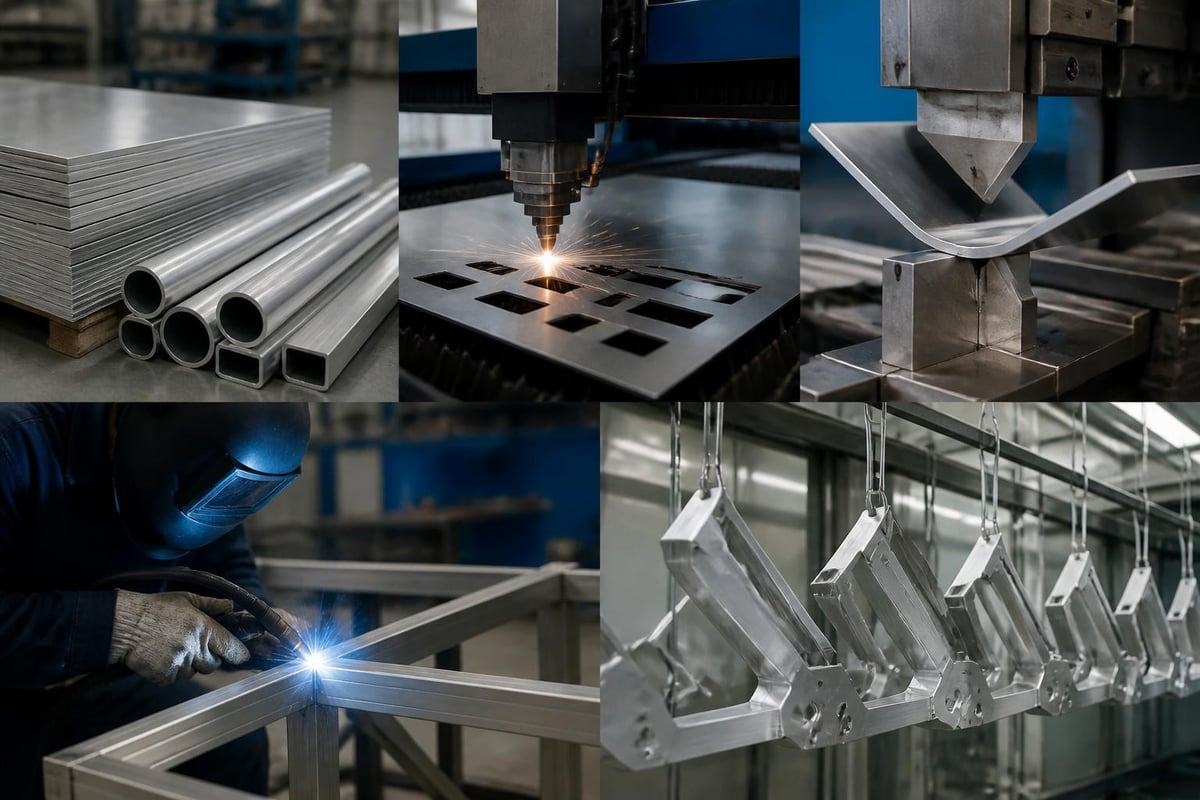
Different metals respond differently to fabrication processes. Various metal fabrication methods require compatible material properties for successful execution.
| Process | Steel | Stainless Steel | Aluminum |
|---|---|---|---|
| Welding | Excellent | Good (special procedures) | Good (specialized equipment) |
| Machining | Good | Moderate (tool wear) | Excellent |
| Forming/Bending | Excellent | Good | Excellent |
| Powder Coating | Excellent | Excellent | Excellent |
Cost and Availability Considerations
Material costs fluctuate based on market conditions, alloy composition, and form factors. Total project cost includes raw material expense, fabrication labor, finishing requirements, and long-term maintenance.
Availability affects project timelines and costs. Common materials stock readily from local suppliers, while specialty alloys may require extended lead times and minimum order quantities.
Standard forms (sheets, plates, bars, tubes) cost less than custom profiles. Design modifications to use readily available sizes reduce both material costs and fabrication time.
Surface Treatment and Finishing Options
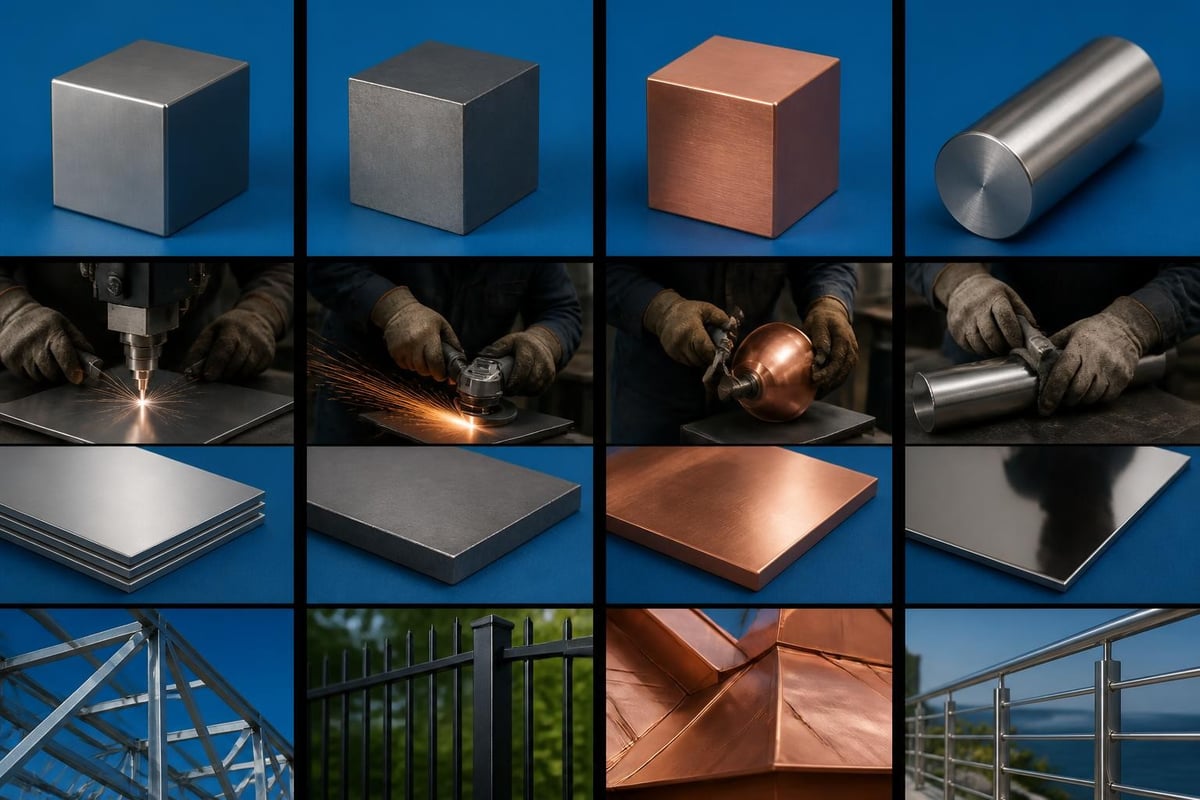
Surface treatments enhance performance and appearance of fabricated metal components. Protection systems extend service life in demanding environments across industrial applications.
Protective Coating Systems
Powder coating provides durable, attractive finishes resistant to chipping, scratching, and fading. Color options allow equipment identification and brand consistency across facilities.
Galvanizing applies zinc coating to steel surfaces for corrosion protection. Hot-dip galvanizing offers decades of maintenance-free service in outdoor applications.
Paint systems deliver customizable protection levels based on environment severity. Multi-layer systems with primers, intermediate coats, and topcoats maximize longevity.
Mechanical Surface Treatments
- Shot peening: Increases fatigue resistance through compressive stress
- Polishing: Creates smooth surfaces reducing friction and improving cleanability
- Brushing: Produces uniform directional finish for aesthetic applications
- Tumbling: Deburrs and smooths sharp edges on machined components
Quality Standards and Certifications
Industrial fabrication demands adherence to recognized quality standards ensuring consistent material properties and fabrication quality. Certifications verify compliance with industry requirements.
Material Certification Requirements
Mill test reports (MTRs) document chemical composition and mechanical properties of purchased materials. Critical applications require full traceability from raw material to finished component.
ASTM specifications define material grades, testing procedures, and acceptance criteria. Experienced welders understand these standards and their application to various projects.
Welding and Fabrication Standards
AWS (American Welding Society) standards govern welding procedures, welder qualifications, and inspection requirements. Structural applications, pressure vessels, and piping systems require certified procedures and qualified welders.
ASME codes apply to pressure vessels, boilers, and piping systems. These comprehensive standards ensure safety in applications involving pressurized fluids and gases.
Practical Applications Across Industries
Different industries prioritize specific material properties based on operational requirements and environmental conditions. Understanding these applications guides material selection for similar projects.
Oil and Gas Sector Requirements
Drilling equipment, pipelines, and processing facilities operate under extreme pressure, temperature, and corrosive conditions. Carbon steel dominates structural applications, while stainless steel and specialty alloys handle corrosive fluids.
Material selection priorities:
- Pressure rating compliance
- Sour gas resistance (sulfide stress cracking)
- Temperature performance range
- Weldability for field repairs
Aggregate and Mining Applications
Crushing equipment, conveyors, and material handling systems endure constant abrasion and impact. High-strength steels and wear-resistant alloys extend component life in these demanding applications.
Structural components balance strength requirements with fabrication economy. Replaceable wear surfaces use premium materials while support structures utilize cost-effective carbon steel.
Recycling Industry Demands
Sorting equipment, balers, and shredders process diverse materials creating unpredictable loading conditions. Robust construction using appropriate metal for fabrication ensures reliable operation despite variable inputs.
Corrosion resistance matters when processing materials containing moisture or residual chemicals. Stainless steel contact surfaces prevent contamination while carbon steel structures provide economical support.
Manufacturing and Processing Equipment
Custom machinery requires materials matching specific operational parameters. Food processing demands stainless steel for sanitation, while general manufacturing may utilize carbon steel with appropriate coatings.
Precision machined components need materials with dimensional stability and consistent properties. Proper material selection prevents warping, dimensional changes, or property variations affecting performance.
Emerging Trends in Fabrication Materials
Material science advances introduce new options expanding capabilities for industrial fabrication. These developments address evolving industry needs for performance, sustainability, and cost-effectiveness.
Advanced High-Strength Steels
AHSS (Advanced High-Strength Steel) grades deliver superior strength at reduced weight. Automotive and transportation applications benefit from improved fuel efficiency without sacrificing structural integrity.
Dual-phase and transformation-induced plasticity (TRIP) steels combine high strength with excellent formability. Complex geometries previously requiring multiple pieces can be fabricated from single components.
Sustainable Material Options
Recycled metal content reduces environmental impact without compromising performance. Most structural metals recycle indefinitely, maintaining properties through multiple lifecycles.
Life-cycle assessments guide material selection considering extraction, processing, fabrication, service life, and end-of-life recycling. Total environmental impact includes all phases of material existence.
Selecting the optimal metal for fabrication requires balancing mechanical properties, environmental resistance, fabrication processes, and economic factors to achieve project goals. Understanding material characteristics and application requirements ensures durable, cost-effective solutions across industrial manufacturing sectors. Whether your project involves custom welding, precision machining, or complex fabrication, LTJ Industrial Services brings expertise across materials and processes to deliver high-quality results for commercial and industrial clients throughout the Western United States.