
Metal fabrication industries are experiencing a period of remarkable transformation as 2026 draws near. Rapid advances in technology and shifting global demands are creating both challenges and new opportunities for businesses in this sector.
This comprehensive guide explores the evolving landscape of metal fabrication industries. It provides industry professionals with actionable insights into growth drivers, cutting-edge technologies, and strategies for navigating a changing marketplace.
Discover the factors shaping the future of metal fabrication, from sustainability and operational efficiency to workforce trends and emerging business models. Equip yourself with knowledge to stay ahead and succeed in a dynamic industry.
The Current State of Metal Fabrication Industries
The metal fabrication industries are experiencing dynamic change as global demand and technology evolve. This sector is foundational to countless supply chains, providing essential components for a variety of end markets. Understanding the current landscape is key for professionals seeking to navigate today's opportunities and challenges.
Overview of the Metal Fabrication Sector
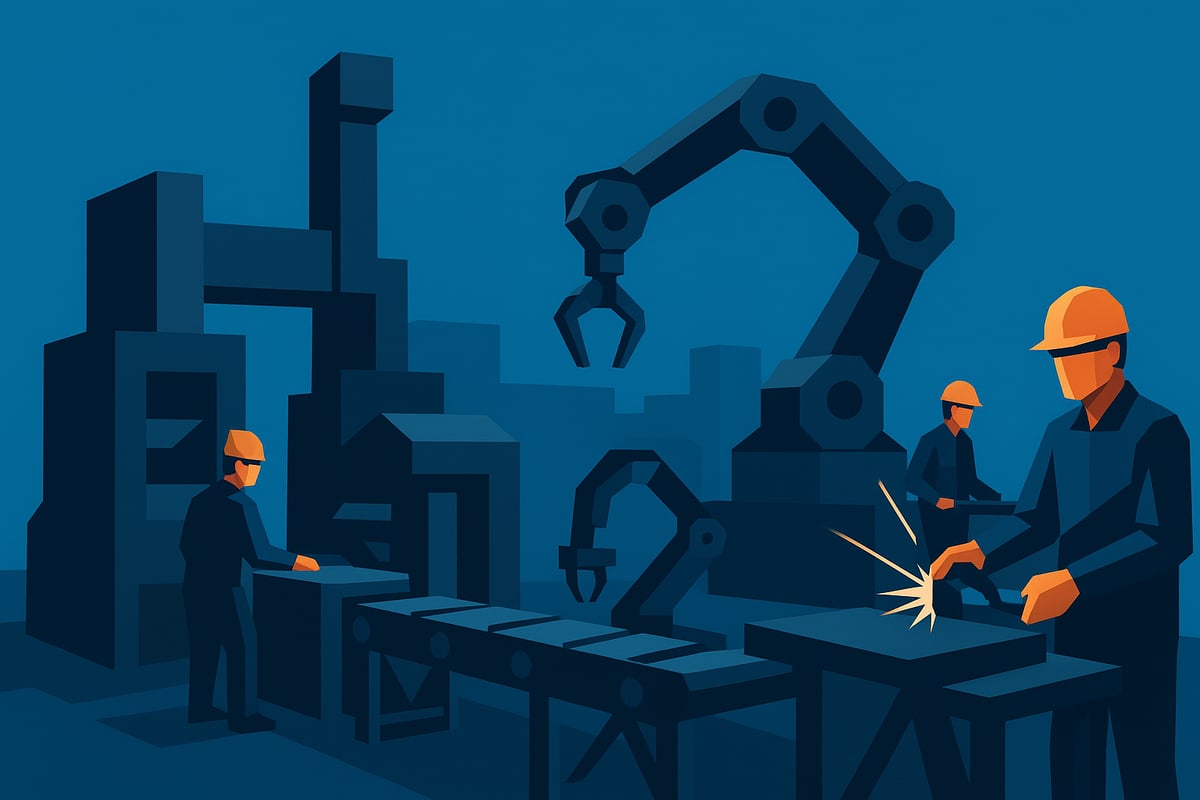
Metal fabrication industries encompass a broad range of activities, including cutting, shaping, and assembling metal components for various applications. The sector serves commercial, industrial, recycling, aggregate, and oil and gas markets, each with unique requirements.
| Market Segment | Description |
|---|---|
| Commercial | Construction, infrastructure |
| Industrial | Equipment, machinery |
| Recycling | Scrap processing |
| Aggregate | Mining, materials handling |
| Oil & Gas | Pipelines, rigs, refineries |
According to recent reports, the global sheet metal fabrication market is projected to reach over $17 billion by 2026. Major players operate regionally and internationally, with North America, Europe, and Asia Pacific leading in output. For a deeper dive into the sector, see the Industrial Metal Fabrication Overview.
Core Processes and Capabilities
At the heart of metal fabrication industries are processes such as cutting, welding, machining, and assembly. Each method requires specialized equipment and skilled operators.
- Cutting: Laser, plasma, and waterjet technologies
- Welding: MIG, TIG, and robotic welding systems
- Machining: CNC lathes, mills, and grinders
- Assembly: Mechanical and manual techniques
Integration of additive manufacturing and 3D printing is accelerating, allowing for complex prototypes and short-run production. Automation is transforming these processes, driving consistency and reducing manual intervention. Advanced centers focus on quality control, safety, and the seamless integration of digital tools, ensuring industry standards are met.
Industry Challenges and Pain Points
Despite robust demand, metal fabrication industries face persistent challenges. Labor shortages, especially among experienced welders and machinists, are impacting productivity. Rising material and operational costs continue to pressure margins.
Key challenges include:
- Navigating complex regulatory compliance and safety mandates
- Managing supply chain disruptions and fluctuating demand
- Meeting customer expectations for faster turnaround and customization
Firms must adapt to these realities by investing in workforce development, automation, and process optimization.
Market Demand and End-User Industries
Demand for products from metal fabrication industries remains strong across manufacturing, recycling, aggregates, and oil and gas. Recent years have seen shifts in procurement strategies, with buyers placing greater emphasis on quality, turnaround speed, and customization.
High-growth sectors include renewable energy, infrastructure, and advanced manufacturing. Regional data indicates North America and Asia Pacific are leading in consumption, while global requirements for precision-fabricated metal products are rising. End-users now expect not only reliability but also sustainable practices and digital transparency from their suppliers.
Transformative Technologies Shaping Metal Fabrication
The landscape of metal fabrication industries is shifting rapidly as transformative technologies redefine production, efficiency, and competitiveness. Companies that embrace these advancements are better positioned to meet evolving market demands, address labor challenges, and achieve higher quality outcomes. Understanding these innovations is crucial for anyone navigating the future of metal fabrication industries. For a deeper dive into emerging trends shaping the sector, see the Top Metal Fabrication Trends 2026.
Automation and Robotics in Fabrication
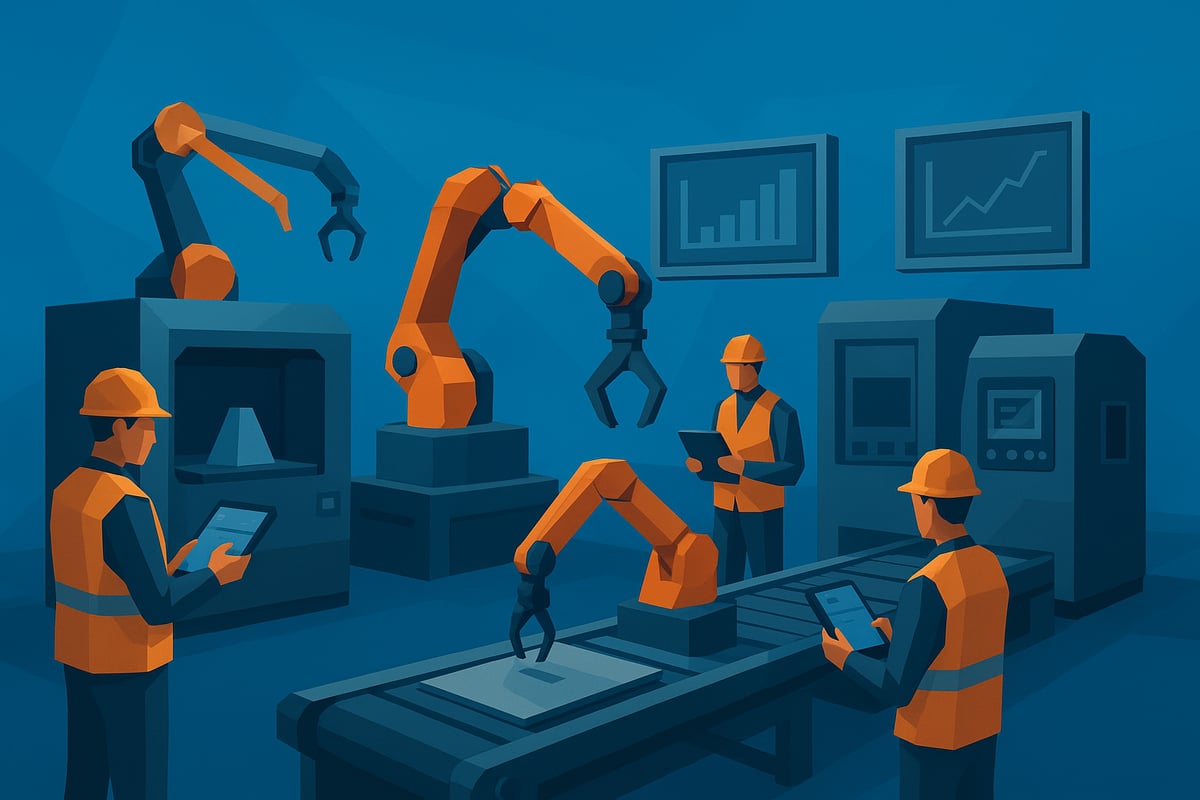
Automation is revolutionizing metal fabrication industries by integrating robotics for tasks such as welding, cutting, and assembly. Robotic systems increase throughput, reduce human error, and lower operational costs. In many advanced shops, mechanized cutting and digital welding analysis maximize consistency and minimize rework.
Key benefits include:
- Enhanced speed and accuracy
- Decreased labor costs
- Improved workplace safety
With automation, the workforce is shifting toward higher-skilled roles in programming and maintenance. The return on investment for automation is clear, with many companies reporting productivity gains of up to 30 percent. As automation adoption accelerates, metal fabrication industries gain a decisive competitive edge.
Additive Manufacturing & 3D Printing
Additive manufacturing and 3D printing are transforming how metal fabrication industries approach prototyping and production. These technologies enable rapid iteration, complex geometries, and material efficiency that traditional methods cannot match. Metal powder advancements and improved post-processing are expanding the range of parts made with 3D printing.
Integration with established workflows allows for hybrid manufacturing, blending subtractive and additive methods. Industry leaders use 3D printing for both custom components and small-batch production. By 2026, experts forecast significant growth in additive manufacturing, driven by rising demand for customization and faster lead times across metal fabrication industries.
Advanced Cutting and Welding Technologies
Modern metal fabrication industries rely on cutting-edge advancements in laser, plasma, and oxy-fuel cutting. These technologies deliver higher precision, material versatility, and faster processing speeds. Digital welding tools now provide real-time efficiency analysis, helping operators optimize parameters and reduce defects.
Improvements in safety features and compliance monitoring have made these systems more reliable. Adoption rates continue to climb as companies seek to meet tighter tolerances and stricter customer requirements. Performance metrics show measurable improvements in output and quality, reinforcing the value of investing in advanced equipment within metal fabrication industries.
Data-Driven Manufacturing & Digitalization
Digitalization is at the core of the next wave of innovation for metal fabrication industries. The integration of IoT, AI, and advanced analytics delivers real-time monitoring, predictive maintenance, and process optimization. Digital twin technology allows for virtual replicas of fabrication plants, enabling simulation and troubleshooting without disrupting operations.
Digital shop floor mapping provides visibility into production bottlenecks and resource allocation. Companies leveraging these tools can reduce downtime, improve efficiency, and make data-driven decisions quickly. As digitalization deepens, metal fabrication industries become more agile and resilient in a dynamic market.
Sustainability and Energy Efficiency Solutions
Sustainability is a top priority for modern metal fabrication industries. Energy-efficient welding, cutting, and heat treatment processes help reduce operating costs and environmental impact. Companies are adopting emissions tracking, carbon footprint monitoring, and sustainable materials to align with regulatory and customer expectations.
Green manufacturing initiatives are supported by incentives and stricter standards worldwide. Industry examples show successful implementation of low-emission operations with measurable reductions in waste and energy consumption. Embracing sustainability is not only an ethical imperative but also a strategic advantage in the evolving landscape of metal fabrication industries.
Integration of Shop and Field Services
The integration of shop and field services is gaining momentum in metal fabrication industries. Mobile machining, welding, and hydraulics enable service delivery at remote or large-scale job sites, minimizing downtime and increasing flexibility. Coordination between shop and field teams ensures seamless project execution and rapid response to client needs.
Benefits include:
- Faster project turnaround
- Greater adaptability to site challenges
- Improved customer satisfaction
This approach is especially valuable in sectors like oil and gas or aggregates, where on-site solutions are often essential. By expanding field capabilities, metal fabrication industries are meeting the demands of a broader client base and strengthening their market presence.
Workforce, Labor Trends, and Skills Development
The evolution of metal fabrication industries is closely tied to workforce trends, labor market shifts, and the ongoing need for advanced skills. As the sector faces new technologies and market demands, companies must address talent shortages, enhance safety, embrace diversity, and invest in continuous learning.
Addressing the Skilled Labor Gap
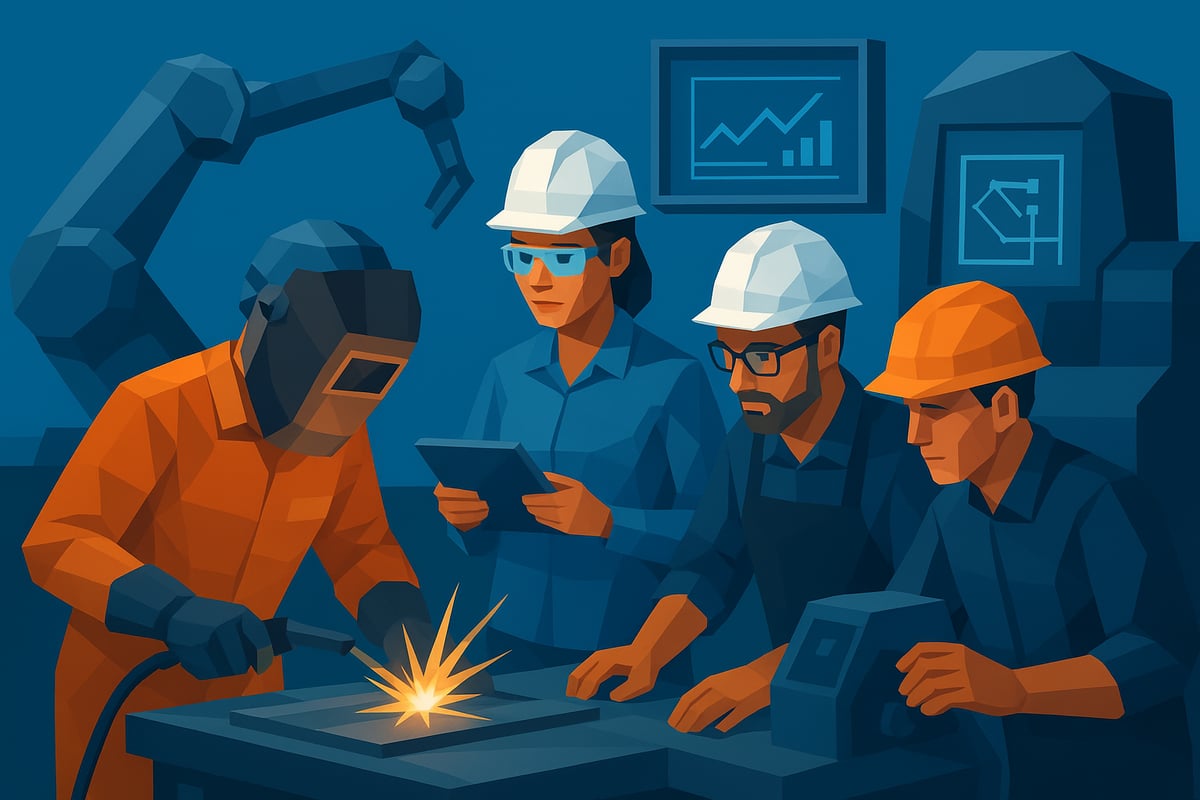
Metal fabrication industries continue to grapple with a shortage of skilled welders and fabricators. This gap impacts production timelines and overall quality, as experienced professionals are essential for handling complex fabrication projects.
To tackle this issue, businesses are launching workforce development initiatives and partnering with technical schools to establish apprenticeship programs. These partnerships provide hands-on training and mentorship, ensuring new entrants are job-ready. According to recent industry data, companies investing in talent pipelines see notable improvements in employee retention and project delivery.
Workforce Safety and Compliance
Safety is a non-negotiable priority across metal fabrication industries. Workers face risks from high temperatures, sharp materials, and heavy machinery, making personal protective equipment (PPE) and strict safety protocols essential.
Regulatory compliance, including OSHA and ANSI standards, drives ongoing improvements in safety training and workplace practices. Innovative safety products, such as advanced helmets and automated monitoring systems, help reduce incidents. Successful safety programs not only protect workers but also boost morale and operational efficiency.
Diversity and Inclusion in the Fabrication Workforce
The metal fabrication industries are increasingly focused on building a diverse and inclusive workforce. Attracting talent from underrepresented groups, including women welders and minority professionals, brings fresh perspectives and drives innovation.
Industry organizations are introducing programs to support diversity, such as tailored PPE and mentorship networks. These efforts foster a culture of belonging and open up new opportunities for career advancement. Recent demographic data shows that companies prioritizing inclusion report higher employee engagement and productivity.
Upskilling and Reskilling for Technological Change
Technological advancements in metal fabrication industries demand ongoing upskilling and reskilling. Automation, digital tools, and new fabrication techniques require workers to develop digital fluency and technical expertise.
Employers are offering certification programs and integrating digital tools into training, ensuring teams stay ahead of industry changes. Many professionals use resources like the Fabrication and Welding Services Guide to expand their knowledge of modern processes and equipment. Case studies highlight that companies investing in employee learning see significant gains in innovation and adaptability.
Supply Chain, Materials, and Operational Efficiency
Navigating supply chain complexities and optimizing operational efficiency are mission-critical for metal fabrication industries. As global markets shift and material costs fluctuate, organizations must adopt agile strategies to maintain competitiveness and deliver value. Each aspect, from material sourcing to logistics, plays a decisive role in shaping outcomes for fabricators and their clients.
Securing Material Supply and Managing Costs
Material sourcing is a cornerstone of success for metal fabrication industries. Recent volatility in steel, aluminum, and specialty metal prices has challenged profit margins and project planning. To manage these risks, many firms prioritize supplier diversification and build strategic partnerships to ensure steady availability.
Inventory management solutions, such as just-in-time delivery and digital tracking, help reduce excess stock while minimizing delays. Some companies leverage alternative materials to adapt to market shifts. For a comprehensive look at material selection and supply chain strategies in the metal fabrication industries, see Fabrication Materials and Supply Chain.
Price fluctuations directly impact project bids and profitability. Transparent communication with suppliers and clients remains essential for navigating these challenges.
Lean Manufacturing and Process Optimization
Metal fabrication industries are increasingly adopting lean manufacturing principles to boost productivity and cut waste. By mapping value streams and identifying inefficiencies, organizations can streamline workflows and reduce unnecessary steps.
Digital tools, such as real-time performance dashboards and automated scheduling, support continuous improvement. Teams use process mapping to visualize bottlenecks and prioritize high-impact changes.
Table: Lean Manufacturing Benefits
| Benefit | Impact on Metal Fabrication Industries |
|---|---|
| Waste Reduction | Lowers costs, increases output |
| Faster Turnaround | Improves customer satisfaction |
| Enhanced Quality | Reduces rework, boosts reliability |
Investing in lean initiatives delivers measurable returns and sharpens competitive edge.
Quality Assurance and Customer Expectations
Upholding quality is non-negotiable for metal fabrication industries. Adherence to standards like ISO and ASME reassures clients of consistent performance and safety. Advanced inspection and testing technologies, including digital calipers and ultrasonic scanners, enable precise measurements and thorough documentation.
Clients increasingly demand traceability and customization. Fabricators respond by integrating digital records and flexible production systems. Meeting these expectations often requires regular audits and transparent reporting.
Continuous improvement in quality processes builds trust, strengthens client relationships, and drives repeat business across the metal fabrication industries.
Logistics and Distribution Challenges
Efficient logistics are vital for delivering fabricated metal products on time and within budget. Metal fabrication industries must manage transportation costs, coordinate with carriers, and adapt to regional and global distribution demands.
Real-time tracking technologies provide visibility into shipments, reducing uncertainty and improving customer communication. For remote or hard-to-reach job sites, creative delivery solutions, such as modular packaging or on-site assembly, can be game changers.
Delays or disruptions in logistics can quickly erode customer satisfaction. Proactive planning and agile response mechanisms help mitigate risks and maintain service levels.
LTJ Industrial Services: Comprehensive Metal Fabrication Solutions
LTJ Industrial Services stands out among metal fabrication industries for its integrated shop and field capabilities. Serving commercial, industrial, recycling, aggregate, and oil and gas sectors, LTJ offers advanced fabrication, machining, hydraulics, and water jetting.
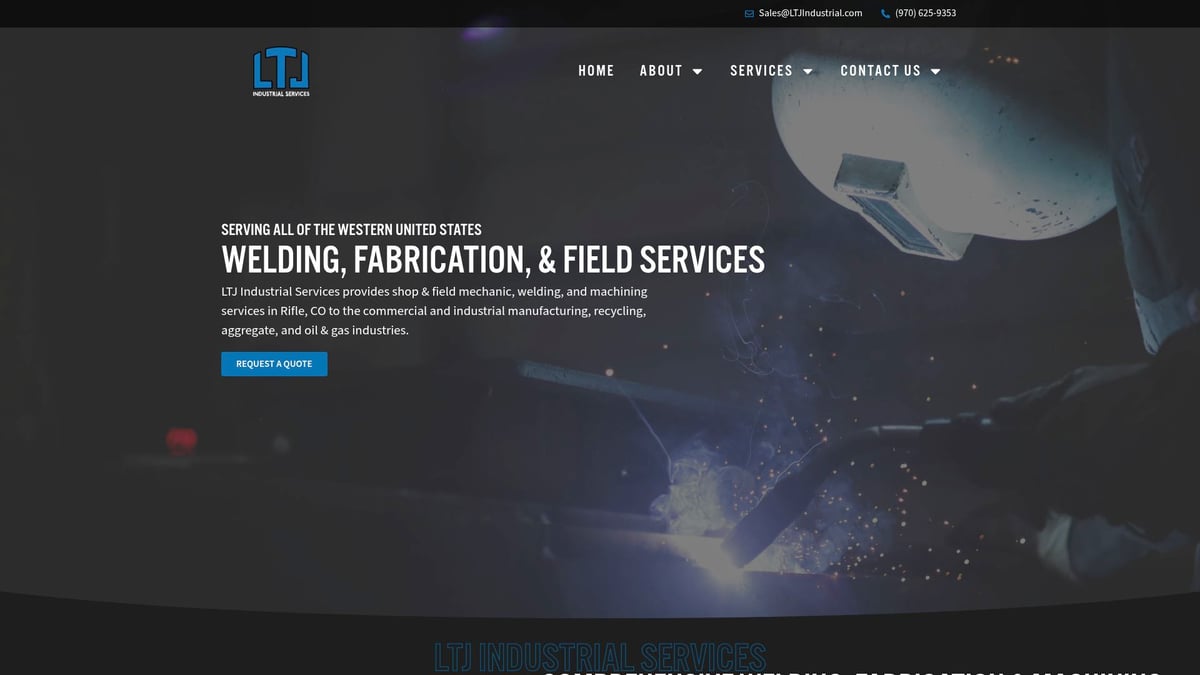
Clients benefit from custom welding, precision work, and expert problem-solving. The company’s flexible shop and on-site services minimize downtime and maximize operational efficiency for diverse projects.
With a strong presence in Colorado and a reputation for skilled craftsmanship, LTJ Industrial Services delivers reliable, high-quality solutions tailored to the evolving needs of metal fabrication industries.
Sustainability, Compliance, and the Future of Metal Fabrication
Navigating the path forward for metal fabrication industries requires a deep commitment to sustainability, strict compliance, and forward-thinking strategies. As regulations evolve and industry standards tighten, manufacturers must adapt quickly to maintain a competitive edge. The following sections outline the essential areas shaping the sector's sustainable future and provide actionable insights for long-term success.
Regulatory Compliance and Environmental Standards
Metal fabrication industries operate in a landscape defined by stringent regulations focused on emissions, waste management, and worker safety. Compliance with local and global standards is essential to avoid penalties and maintain operational licenses. Documentation and real-time reporting systems are increasingly used to track environmental performance and safety metrics.
Many regions enforce unique regulatory requirements, making it crucial for companies to stay informed and agile. For example, the introduction of stricter emissions limits has prompted investments in advanced filtration and monitoring technologies. These changes directly impact process design and daily operations within metal fabrication industries, encouraging a proactive approach to compliance.
Green Manufacturing and Sustainable Practices
Green manufacturing is quickly becoming a core value for metal fabrication industries. Companies are embracing low-carbon processes, energy-efficient machinery, and the use of recyclable materials to reduce their environmental impact. Closed-loop manufacturing systems, where waste is minimized and materials are reused, are gaining traction.
Sustainability metrics are now tracked and reported to stakeholders, highlighting progress toward specific goals. Regulatory drivers and customer demands are pushing the adoption of these practices. According to recent market analyses, sustainable operations are not just environmentally responsible but also improve long-term profitability for metal fabrication industries.
Innovation in Product and Process Design
Continuous innovation is essential for metal fabrication industries to remain competitive and sustainable. Designing for manufacturability and sustainability has become standard practice. Digital prototyping and simulation tools allow manufacturers to optimize products before physical production, reducing material waste and energy consumption.
Customization and rapid prototyping trends are reshaping client relationships. Collaboration with customers on innovative solutions leads to products that are both efficient and sustainable. Case studies from leading companies show how embracing innovation in both product and process design can drive success in metal fabrication industries.
The Evolving Competitive Landscape
The competitive landscape in metal fabrication industries is experiencing significant shifts. New entrants are leveraging advanced technologies, while consolidation among established players is creating larger, more agile organizations. Globalization and reshoring are influencing supply chains and market strategies.
To stay ahead, companies focus on differentiation through speed, flexibility, and innovation. Market share data reveals that those who invest in cutting-edge capabilities and respond to changing customer expectations are gaining ground. This evolving landscape requires metal fabrication industries to adapt quickly and strategically to maintain growth and relevance.
Preparing for 2026 and Beyond
Looking ahead, metal fabrication industries must align with key trends such as automation, sustainability, and digitalization to ensure long-term success. Strategic investments in technology and workforce development will be vital. Industry forecasts highlight robust market growth, particularly in high-value segments.
For a comprehensive outlook and actionable recommendations, industry professionals can explore the Commercial Fabrication Industry Insights 2026. By embracing these trends and preparing for future challenges, metal fabrication industries can secure their position in a rapidly changing global market.
Strategic Opportunities and Industry Outlook for 2026
As 2026 approaches, metal fabrication industries are poised for significant transformation. Rapid advances in technology, evolving customer demands, and new market dynamics are creating both opportunities and challenges. By understanding the trends and strategies that will shape the sector, businesses can position themselves for growth and long-term success.
Market Growth Drivers and Forecasts
The global outlook for metal fabrication industries remains robust. Infrastructure investments, reshoring initiatives, and innovation in manufacturing processes are driving expansion across multiple regions. According to the Global Sheet Metal Fabrication Market Growth, the market is projected to reach $17.2 billion by 2026. High-growth segments include renewable energy, electric vehicles, and advanced construction.
| Region | CAGR (%) | Key Drivers |
|---|---|---|
| North America | 3.5 | Reshoring, automation |
| Europe | 2.9 | Sustainability, innovation |
| Asia-Pacific | 4.2 | Infrastructure, urbanization |
Metal fabrication industries must leverage these trends to capture new opportunities and diversify their portfolios.
Emerging Business Models and Partnerships
Metal fabrication industries are evolving beyond traditional manufacturing to embrace service-based and value-added models. Companies are offering integrated solutions, such as design-to-installation services and digital customer portals. Collaborative partnerships across the supply chain are becoming essential for staying competitive.
- Subscription-based maintenance and support
- Co-development with end users
- Digital platform integration for order tracking
These emerging business models allow metal fabrication industries to strengthen customer relationships and create new revenue streams.
Investment in Technology and Infrastructure
Investment in advanced technology is a cornerstone for future readiness in metal fabrication industries. Automation, digitalization, and robotics are delivering measurable returns on investment. Companies adopting robotic welding, automated cutting, and smart monitoring systems are seeing increased productivity and reduced costs. For a deeper look at efficiency gains, see Robotic Automation in Metal Fabrication.
Government incentives and funding are further encouraging capital investment in equipment and digital infrastructure. Metal fabrication industries that prioritize these upgrades are building a foundation for sustained growth.
Navigating Uncertainty and Building Resilience
Market volatility, supply chain disruptions, and changing regulations are persistent risks for metal fabrication industries. Resilient businesses are adopting proactive risk management and scenario planning. Key strategies include:
- Diversifying suppliers and material sources
- Investing in flexible production systems
- Strengthening digital communication with partners
Learning from recent disruptions, metal fabrication industries are building adaptive operations that can withstand future shocks and seize new opportunities.
Actionable Insights for Industry Stakeholders
For manufacturers, suppliers, and customers in metal fabrication industries, staying ahead means embracing innovation and continuous learning. Practical steps include:
- Investing in workforce training and upskilling
- Leveraging data analytics for process optimization
- Attending industry events and trade shows in 2026
By acting on these insights, stakeholders can capitalize on trends and position themselves for success in the evolving landscape of metal fabrication industries.
As we look ahead to 2026, it is clear that staying ahead in metal fabrication means embracing new technology, adapting to market changes, and relying on experienced partners who understand the unique challenges in your industry. Whether you are navigating shifting regulations, seeking to improve operational efficiency, or searching for tailored solutions in welding and machining, we are here to help you achieve your goals. If you are ready to explore how LTJ Industrial Services can support your next project with expertise and reliability, I invite you to [Request a Quote](https://www.ltjindustrial.com/contact_us/.